
Planning a New York trip comes down to five honest questions: how long to stay, how to get around, when to go, whether it is safe, and how not to go broke. Here are the verified answers, concise first, then the detail.
In short: give the city three to four days, get around with a mix of subway and walking, aim for May or October, rest easy because New York is statistically one of the safest large cities in America, and take advantage of how much of the best of the city is completely free.
How many days do you need in New York?
Three to four days is the sweet spot for a first visit. That gives you room for Lower Manhattan, Midtown, Central Park, and one or two neighborhoods without feeling like you are speed-running a checklist.
A rough shape:
- Day 1: Lower Manhattan and the harbor. The Financial District, the Staten Island Ferry, Battery Park. Anchor it with the Lower Manhattan: Wall Street to the World Trade Center tour, twelve stops from Battery Park to the African Burial Ground.
- Day 2: Midtown and Central Park. Skyscrapers in the morning, the park in the afternoon. Read the towers with Midtown Manhattan: The Rules Behind the Skyline, which ends on 57th Street a few minutes from the park, then walk the park with Central Park: A Wilderness Built by Hand.
- Day 3: Downtown neighborhoods. Greenwich Village, SoHo, the High Line, the Lower East Side. Walkable, low-rise, food-rich. Walk the first two with Greenwich Village and SoHo: Second Lives, from Courthouse to Cast Iron and the third with High Line and Hudson Yards: The Freight Railway That Became a Park.
- Day 4 (or a swap): go deeper. Brooklyn, a museum day, or a district you want more of. For MoMA, see what to see at MoMA, floor by floor and the room-by-room MoMA audio guide.
If you only have one day, it is still worth it. See our one day in New York itinerary, which routes a genuinely good day around the same tours.
Getting around New York
Hear a stop from this walk
African Burial Ground: The Ground Under the City
The honest answer is a mix of subway and walking, and knowing when to use each is the whole game.
The subway is the backbone. It runs 24 hours a day, reaches everywhere you will want to go, and costs a flat 3 dollars per ride regardless of how far you travel. As of 2026 the old MetroCard is gone: you pay with OMNY by simply tapping a contactless credit or debit card, your phone, or a smartwatch at the turnstile. No ticket to buy in advance. There is also a weekly fare cap of 35 dollars, so once you have spent that on subway and local bus rides in a seven-day window using the same card, every additional ride that week is free.
Walking is how you actually experience New York. Manhattan neighborhoods are compact and the numbered grid above 14th Street makes navigation almost foolproof: streets run east to west and rise as you go north, avenues run north to south. Within a district, walking is usually faster than descending into the subway and always more rewarding. The pattern that works: subway between districts, walk within them.
This is exactly why self-guided audio tours suit the city. A Roamer walking tour turns each district's walkable core into a narrated route you take at your own pace, so the walking between sights is the experience, not the gap between experiences. If the grid itself intrigues you, How to See New York: A City Built in Layers explains the decisions that shaped it.
Taxis and ride-hailing exist and are useful late at night or with luggage, but in daytime Manhattan traffic they are often slower than the train.
The best time to visit New York
Aim for May or October. These shoulder-season months hit the sweet spot: temperatures around 18 to 23 degrees Celsius, comfortable for walking all day, with thinner crowds and often lower hotel rates than peak summer or the December holidays. Fall is widely considered the city's best season for sightseeing, with mild weather and the parks turning color from late September into November.
The other seasons, briefly:
- Summer (June to August): hot, humid, and busy, but the parks, rooftops, and outdoor events are in full swing.
- Winter (December to February): cold, occasionally snowy, magical around the holidays, and cheaper in January and February once the holiday rush ends.
- Spring (March to April): improving but unpredictable, with chilly spells early on before it settles into the lovely May window.
Is New York safe for tourists?
Yes, and the data backs it up. New York is statistically one of the safest large cities in the United States, and 2026 has set records: the city recorded its fewest murders ever for the first four months of a year, and shooting incidents have fallen to all-time lows. The heavily touristed areas, Midtown, Lower Manhattan, Central Park in daytime, are busy and well policed.
That does not mean switch off your instincts. Standard big-city sense applies: keep your bag zipped and in front of you on crowded subways, do not flash your phone near open subway doors, and stay aware late at night in emptier areas. Do that and you will have no trouble. This is a city where millions of people walk everywhere, every day.
New York on a budget
New York has a reputation for being expensive, and it can be, but an enormous amount of the best of the city is free. Some of the highlights that cost nothing:
- The Staten Island Ferry, which passes within a few hundred feet of the Statue of Liberty, runs 24 hours, and is completely free with no ticket needed.
- The High Line, a 1.45-mile (about 2.3 km) elevated park, free to walk end to end.
- Central Park, 843 acres of it, free.
- The Brooklyn Bridge walk, one of the great free views in the world.
- Many museums with pay-what-you-wish policies or designated free hours.
On top of that, walking is free and it is the best way to see the city, and eating like a New Yorker is cheap: a dollar-slice of pizza, a bagel with cream cheese, or a deli sandwich all deliver a lot for a little. Our guide to what to eat in New York covers the affordable classics. And the subway's 35-dollar weekly cap means your transit costs are bounded no matter how much you ride.
Roamer's own tours fit the budget mindset: every New York walking tour is free to start (the introduction and first stop play in full, and every later stop plays a short preview), and a single tour is 4.99 dollars for lifetime access.
Plan your route
Ready to build the days out? Start with the best self-guided walking tours in New York for the full ranked list, or jump straight to the one day in New York itinerary if your time is short. Browse every route in the Roamer app.
Frequently asked questions
- How many days do you need in New York?
- Three to four days is the sweet spot for a first visit. That is enough to cover Lower Manhattan, Midtown, Central Park, and one or two neighborhoods like Greenwich Village or the High Line without rushing. One day is possible but tight; a week lets you go deep into the outer boroughs. If you only have a day, route it south to north and walk the connections.
- What is the best way to get around New York?
- A mix of subway and walking. The subway is fast, runs 24 hours, and costs a flat 3 dollars per ride anywhere in the system, paid by tapping a contactless card or phone at the turnstile. But Manhattan neighborhoods are compact, so within a district walking is usually faster and always more interesting. Use the subway to jump between districts, then explore each on foot.
- What is the best time of year to visit New York?
- Late spring and early fall, specifically May and October. Temperatures sit around 18 to 23 degrees Celsius, the light is good, crowds are thinner than summer, and hotel rates are often lower than the peak season. Fall in particular is widely considered the city's best season for sightseeing and walking.
- Is New York safe for tourists?
- Yes. New York is statistically one of the safest large cities in the United States, and 2026 has seen record lows in murders and shootings, with the fewest murders in the first four months of any year on record. Tourist areas like Midtown, Lower Manhattan, and Central Park are heavily used and well policed. Use normal big-city common sense: watch your bag on crowded subways, keep your phone in your pocket near open doors, and you will be fine.
- How do you visit New York on a budget?
- Lean on the enormous amount that is free. The Staten Island Ferry, the High Line, Central Park, the Brooklyn Bridge walk, and many museums with pay-what-you-wish or free hours cost nothing. Walking is free and the best way to see the city. Eat like a New Yorker with a dollar-slice of pizza, a bagel, or a deli sandwich. A weekly fare cap means once you spend 35 dollars on subway rides in seven days, the rest of your rides that week are free.
- How much does the New York subway cost in 2026?
- A single ride is a flat 3 dollars, regardless of distance. As of 2026, MetroCard has been fully retired and you pay with OMNY by tapping a contactless credit or debit card, a phone, or a wearable at the turnstile. A weekly fare cap means you never pay more than 35 dollars in a seven-day period on subway and local bus rides using the same payment method; every ride after that is free.
Ready to experience it?
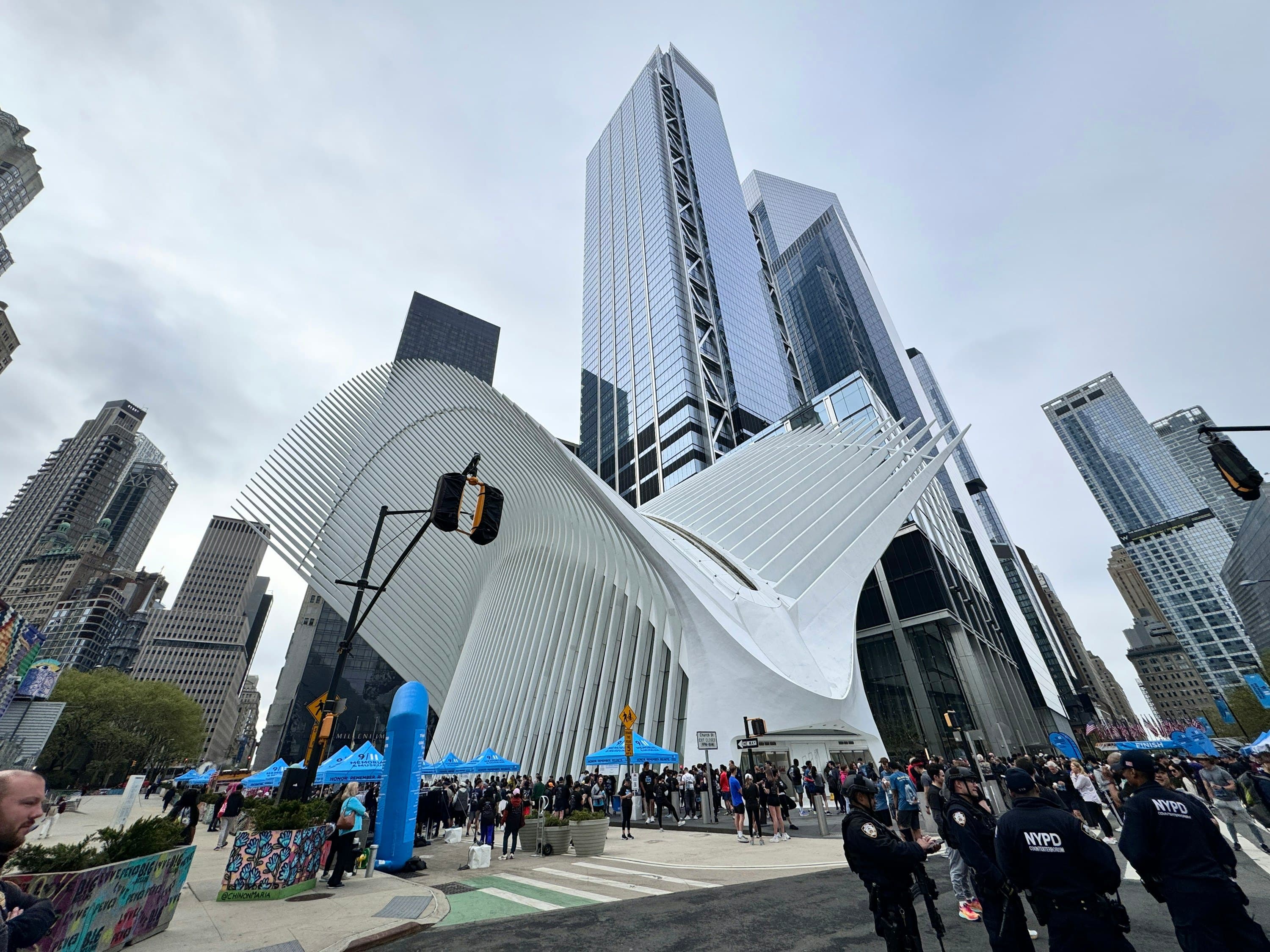
Lower Manhattan: Wall Street to the World Trade Center
110 min · 3.5 km · easy
More from New York
Explore more at your own pace.

Best Self-Guided Walking Tours in New York (2026)
One Day in New York: A Walkable Itinerary That Actually Works
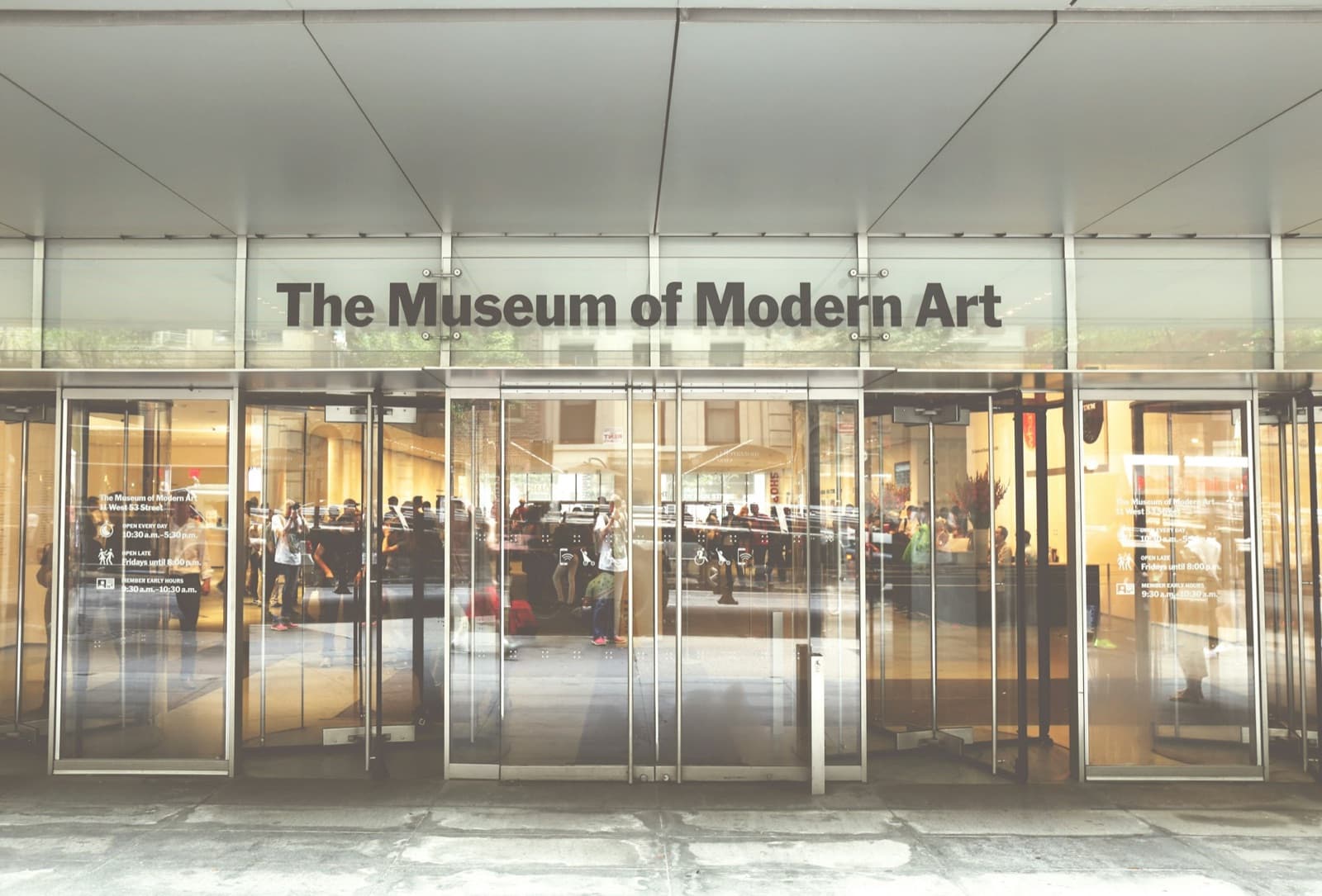
MoMA: What to See, Floor by Floor, and Where the Famous Paintings Hang

Monet's Water Lilies at MoMA: The Room, the Fire and the Pond

The Starry Night at MoMA: Where It Hangs and What to Look For