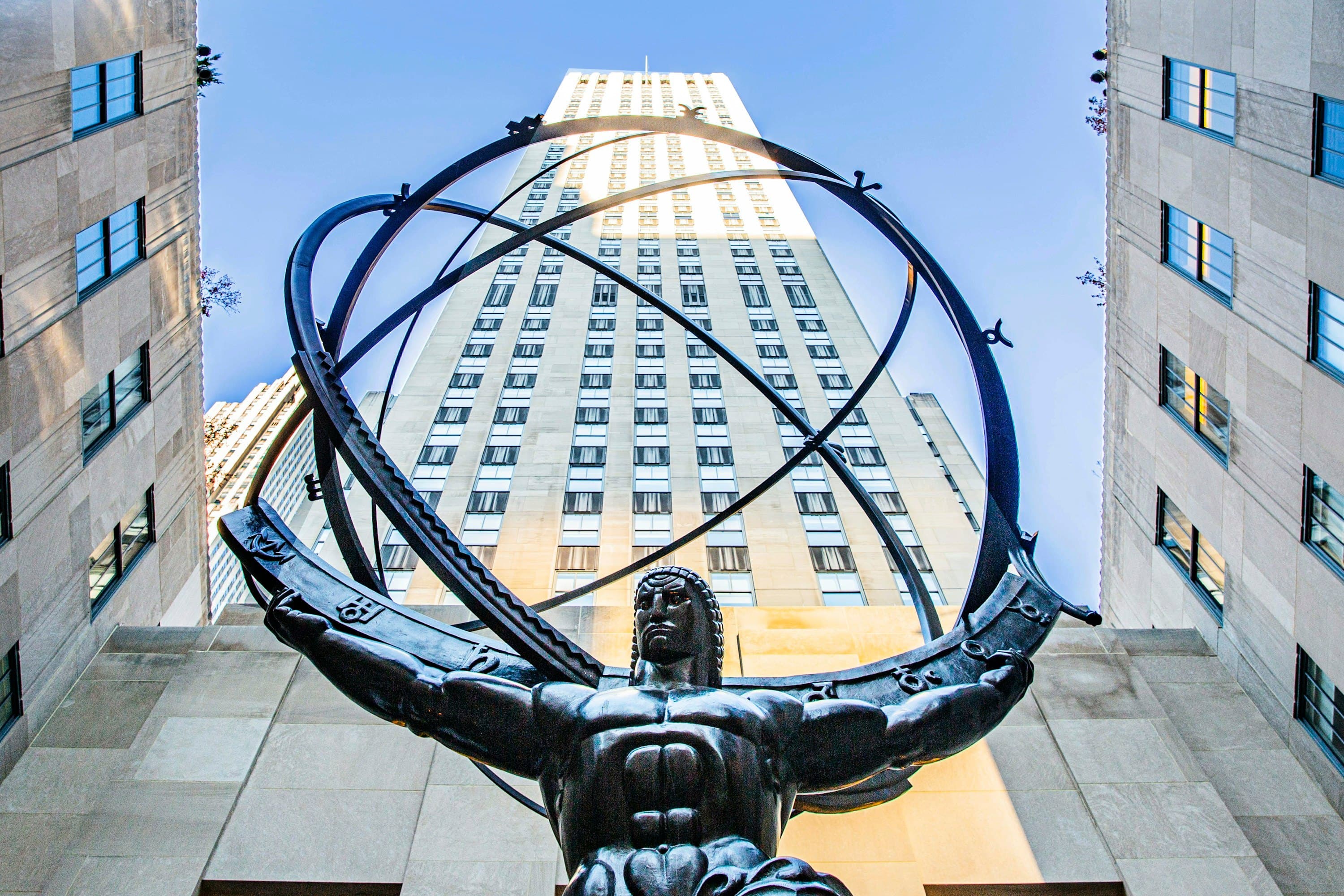
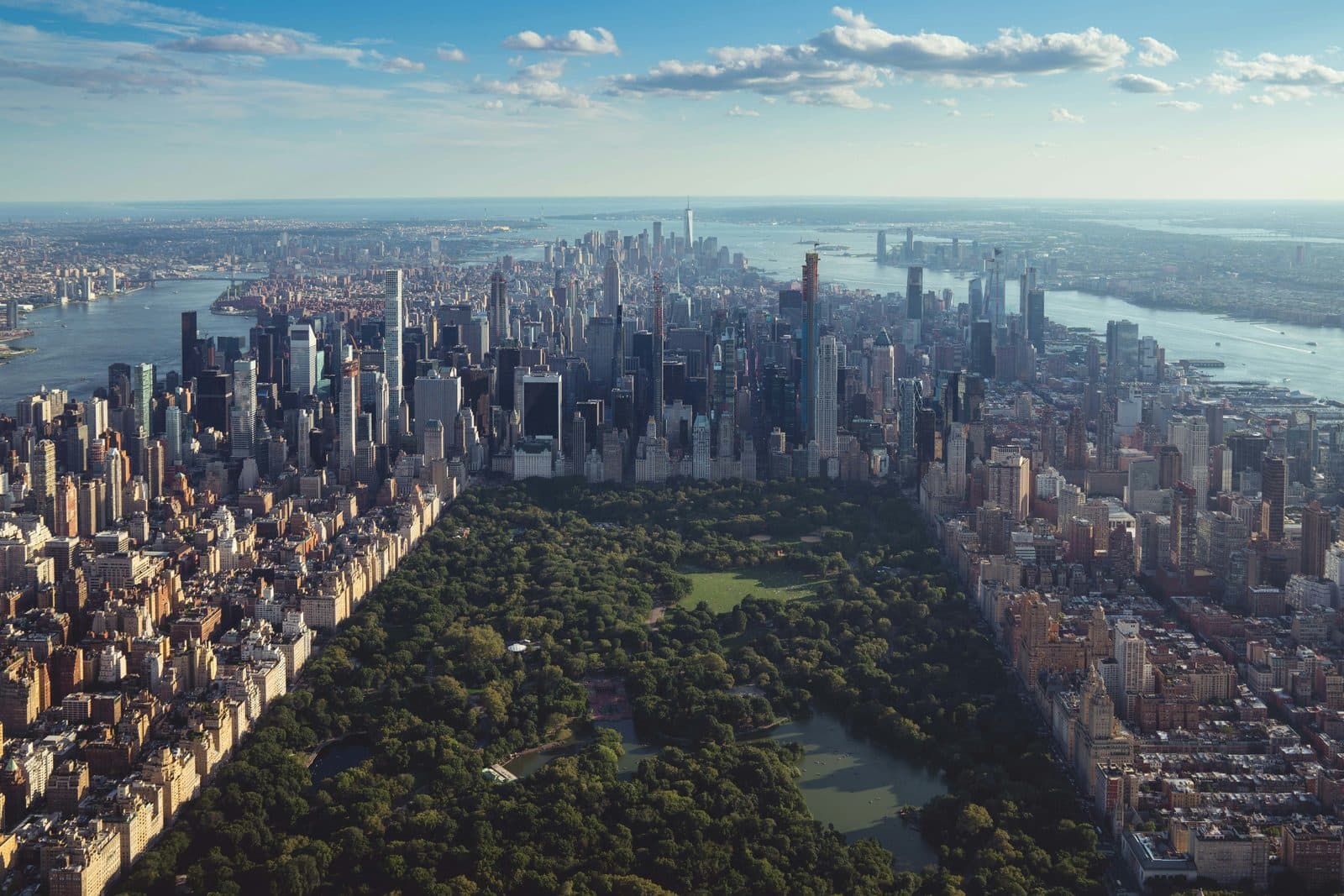
Walk Midtown from the Empire State Building past Grand Central, the Chrysler Building and Park Avenue's glass towers to Rockefeller Center and the pencil-thin towers of 57th Street.
Start · Empire State Building: Steps, a Deadline and a Mast
DirectionsStops
- 1
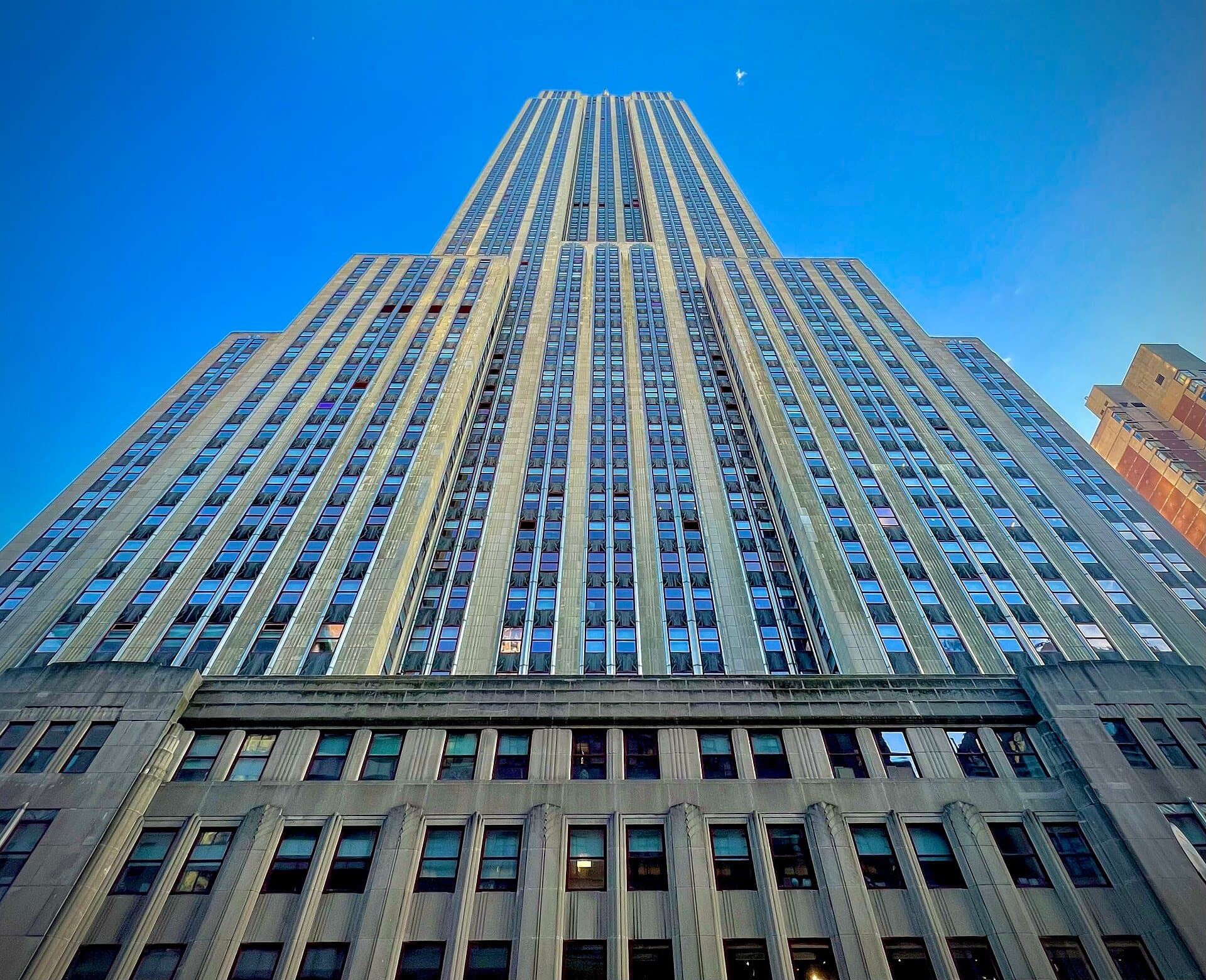
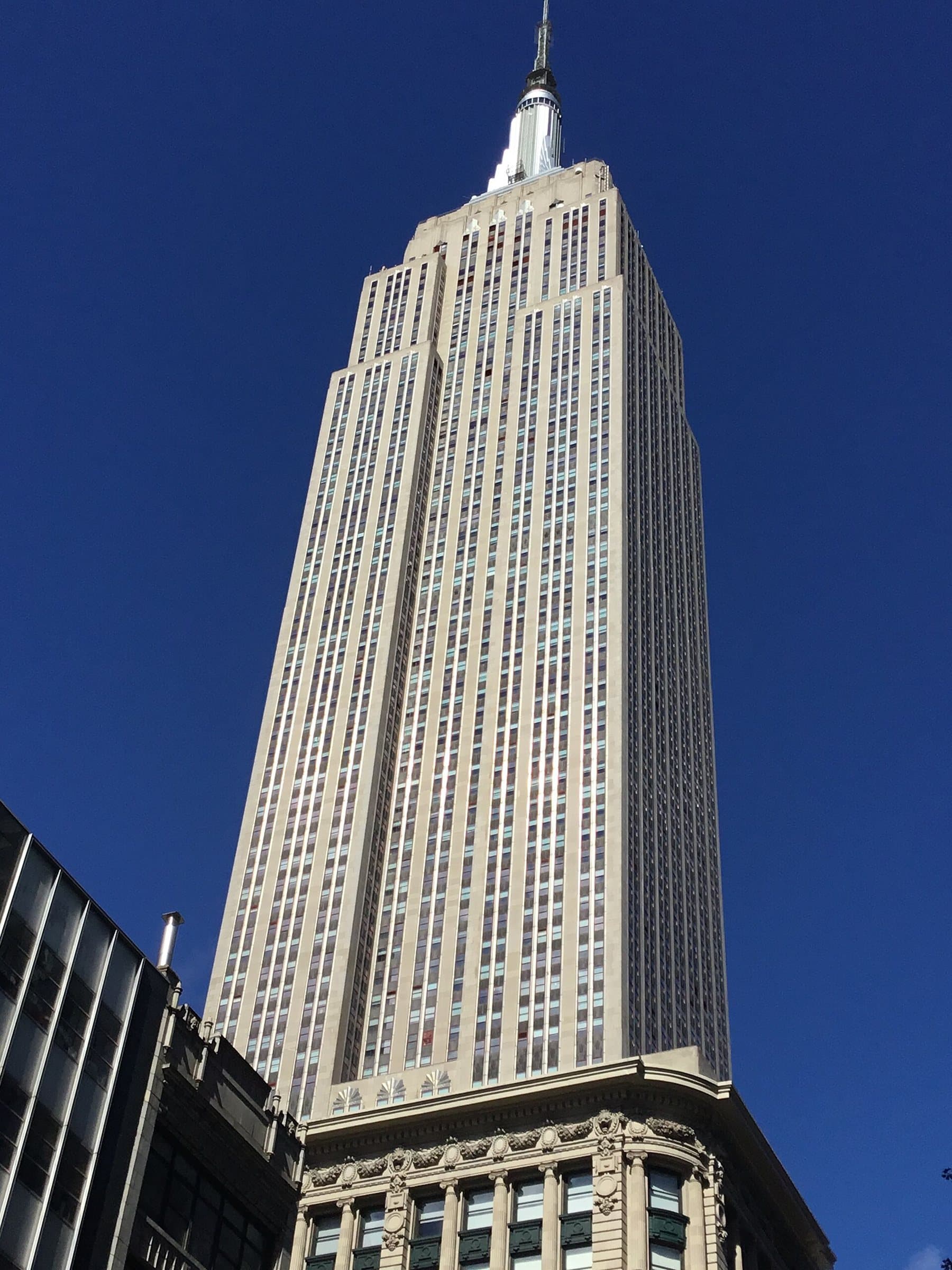
Empire State Building: Steps, a Deadline and a Mast
The Empire State Building steps back exactly where the law said. Its mast was insurance against a hidden rival spire.
- 2
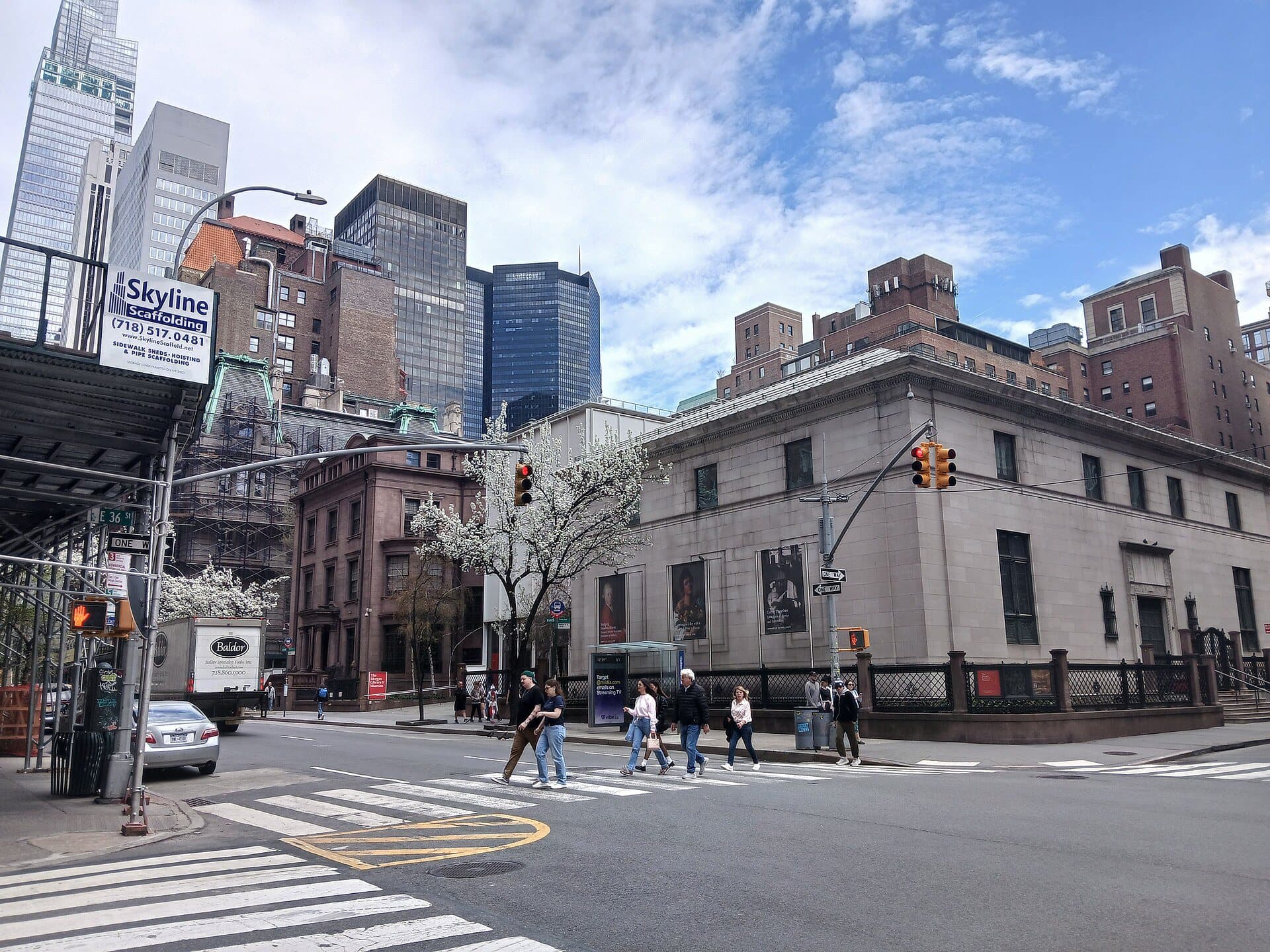
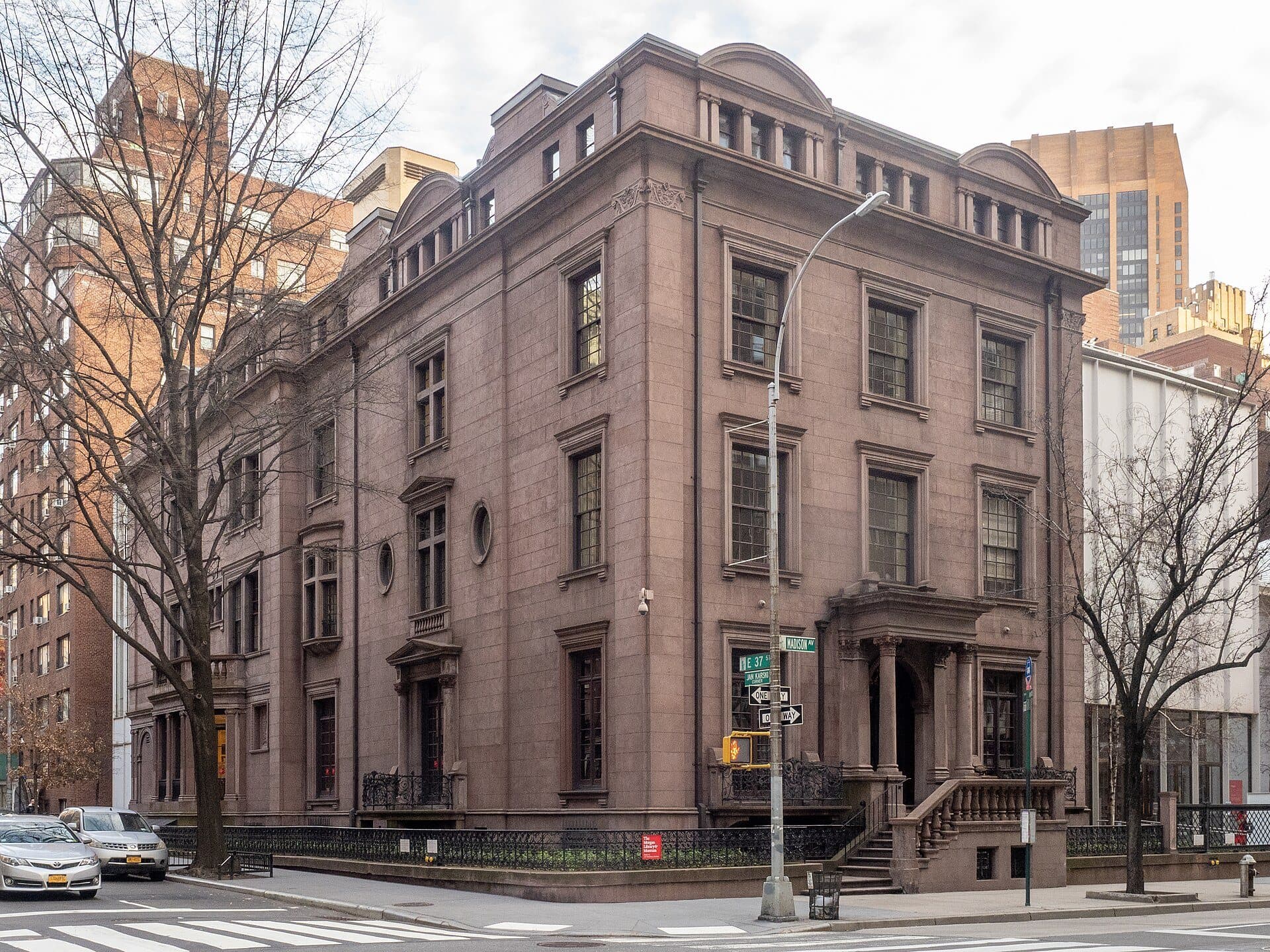
Morgan Library: Marble Without a Gap
A marble library whose joints are too tight for a knife. Its modern extension went down instead of out.
- 3
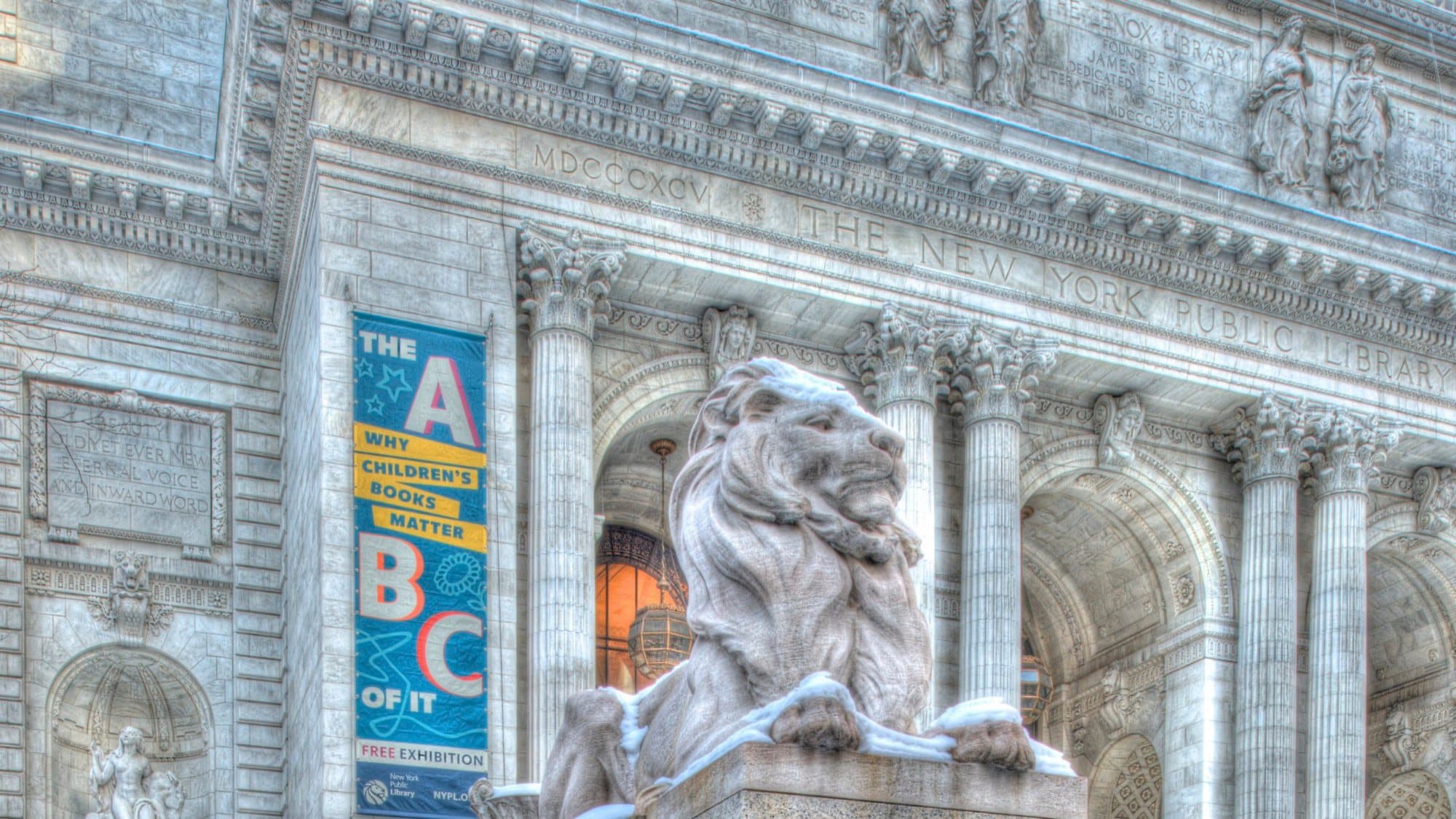
New York Public Library: A Building That Shows Its Shelves
A marble library built where a walled reservoir once stood. Its back wall shows exactly where the books are kept.
- 4
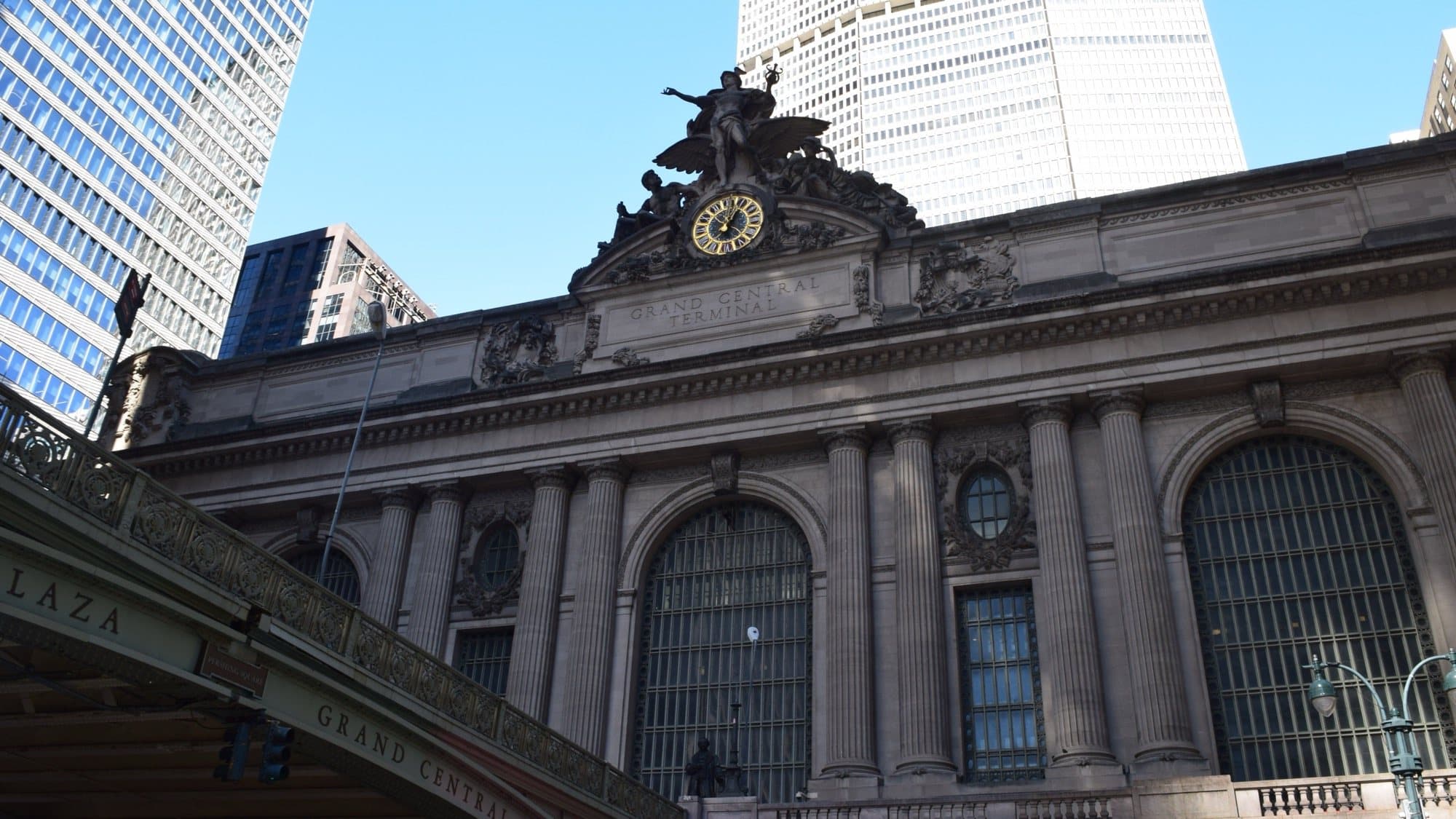
Grand Central Terminal: The Crash That Buried the Trains
A deadly tunnel crash sent the trains underground and the money upward. The terminal's sky became a currency.
- 5
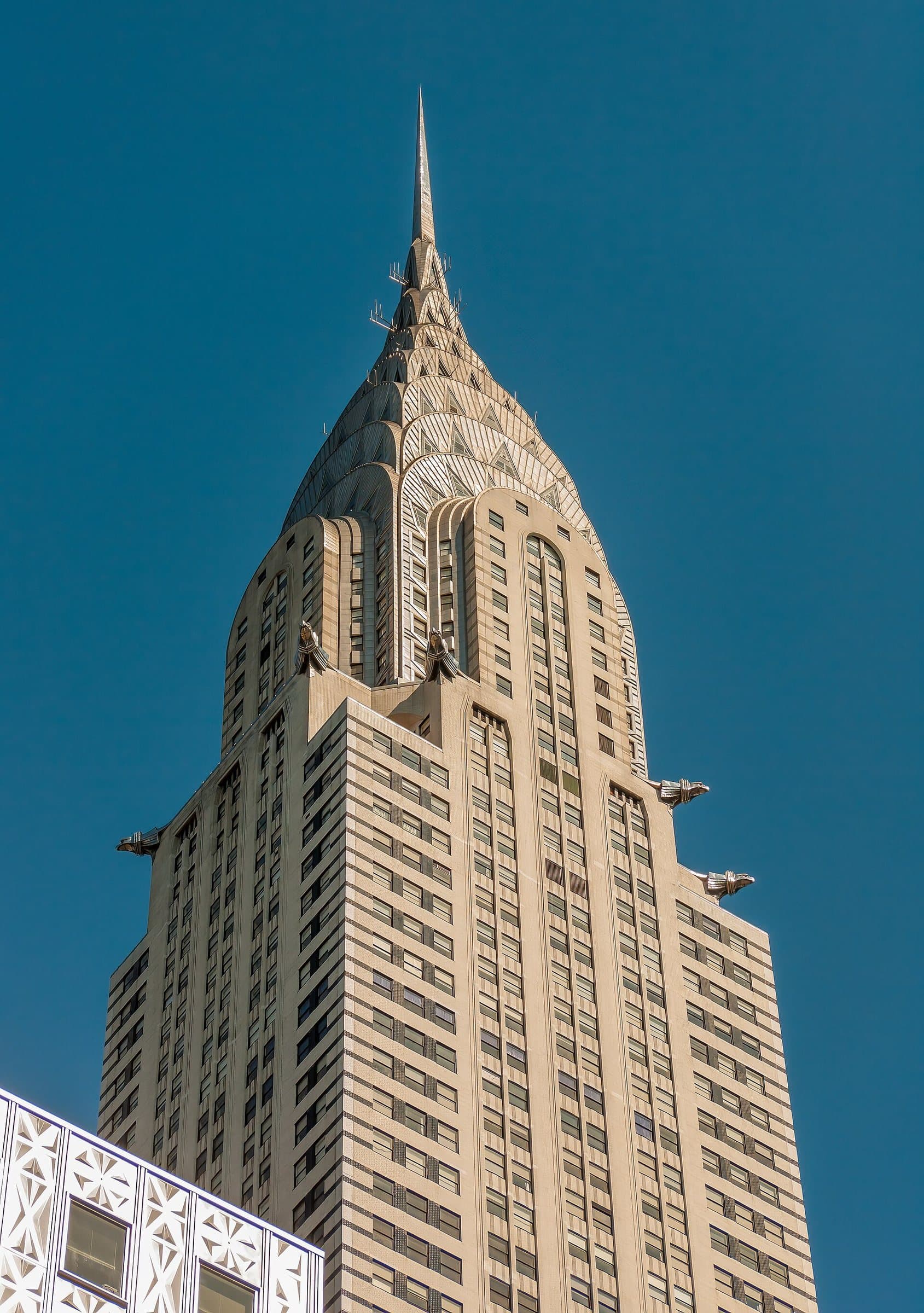
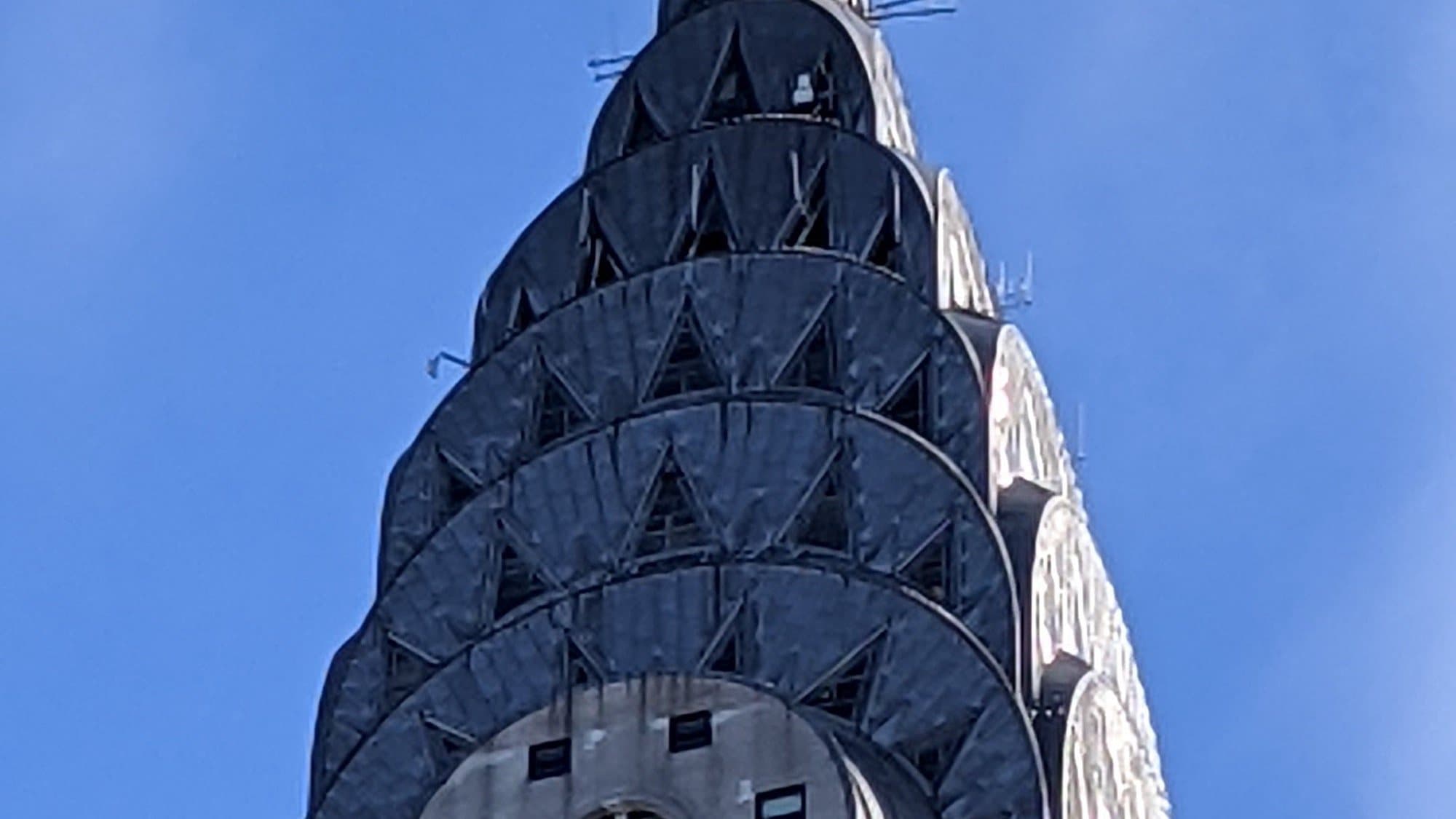
Chrysler Building: The Spire Hidden Inside
A steel spire assembled in secret won the race to the sky. Then the Empire State's mast beat it.
- 6
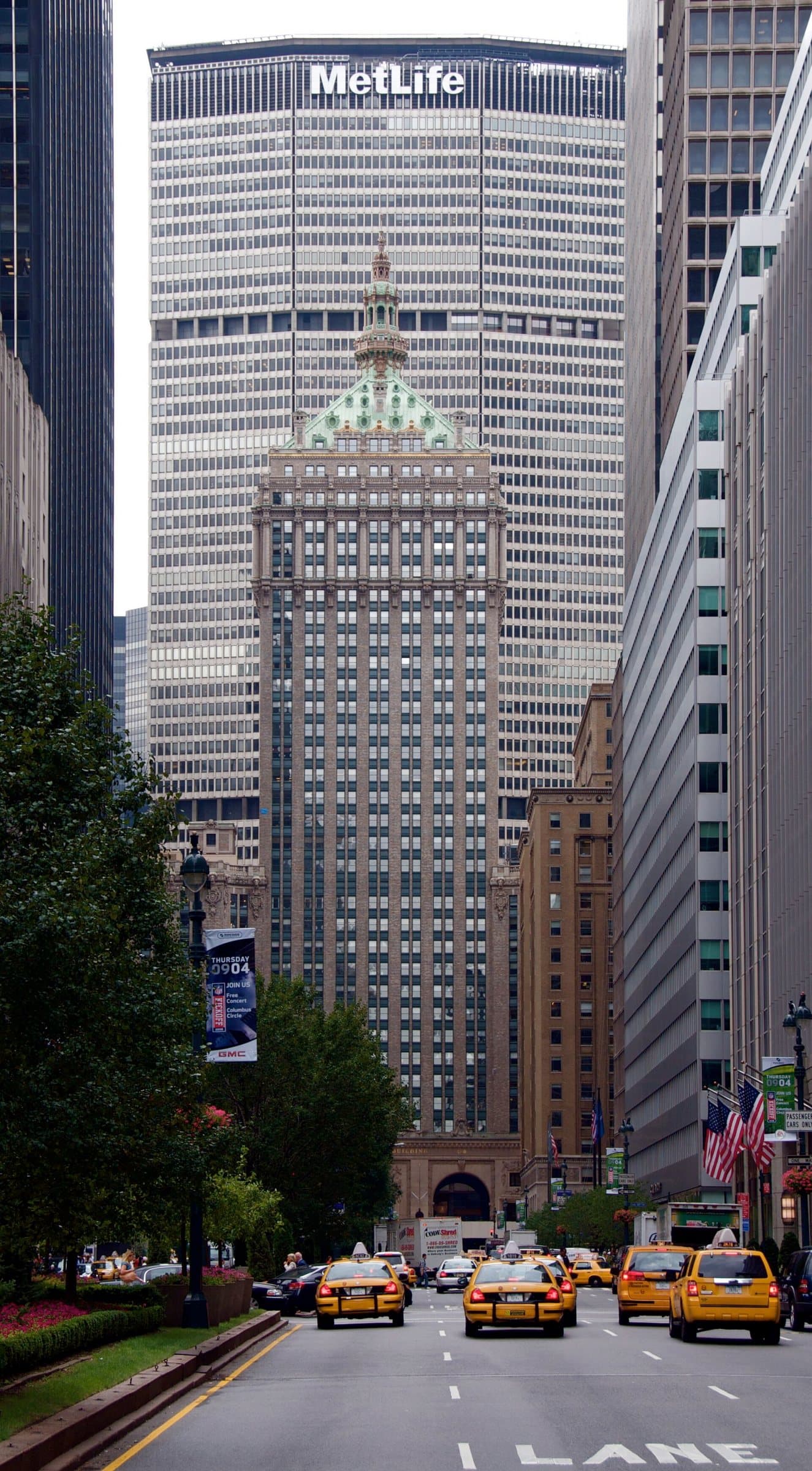
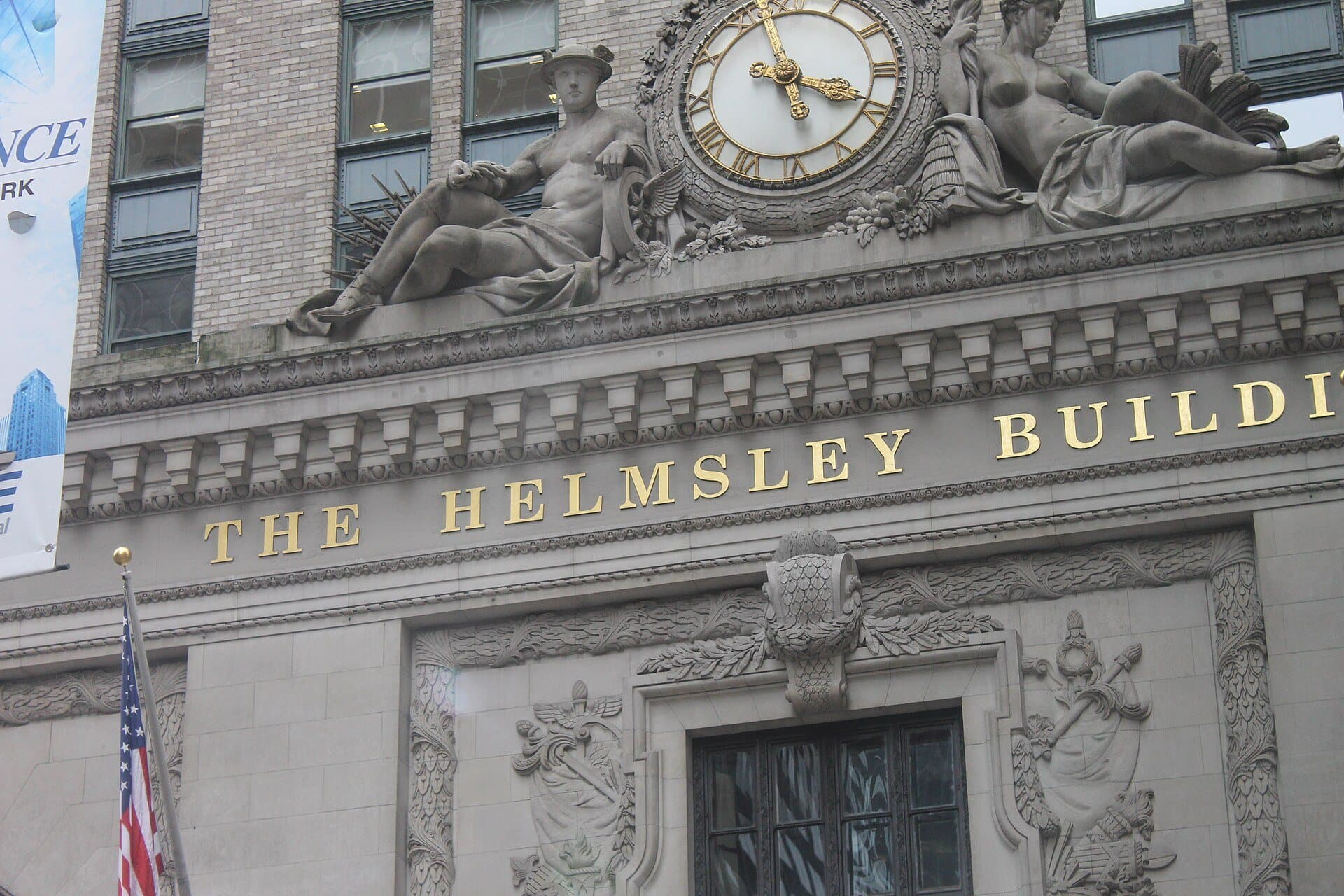
Helmsley Building: An Avenue on Stilts
Park Avenue runs straight through a railroad skyscraper's base. The planted median is a roof over train tracks.
- 7
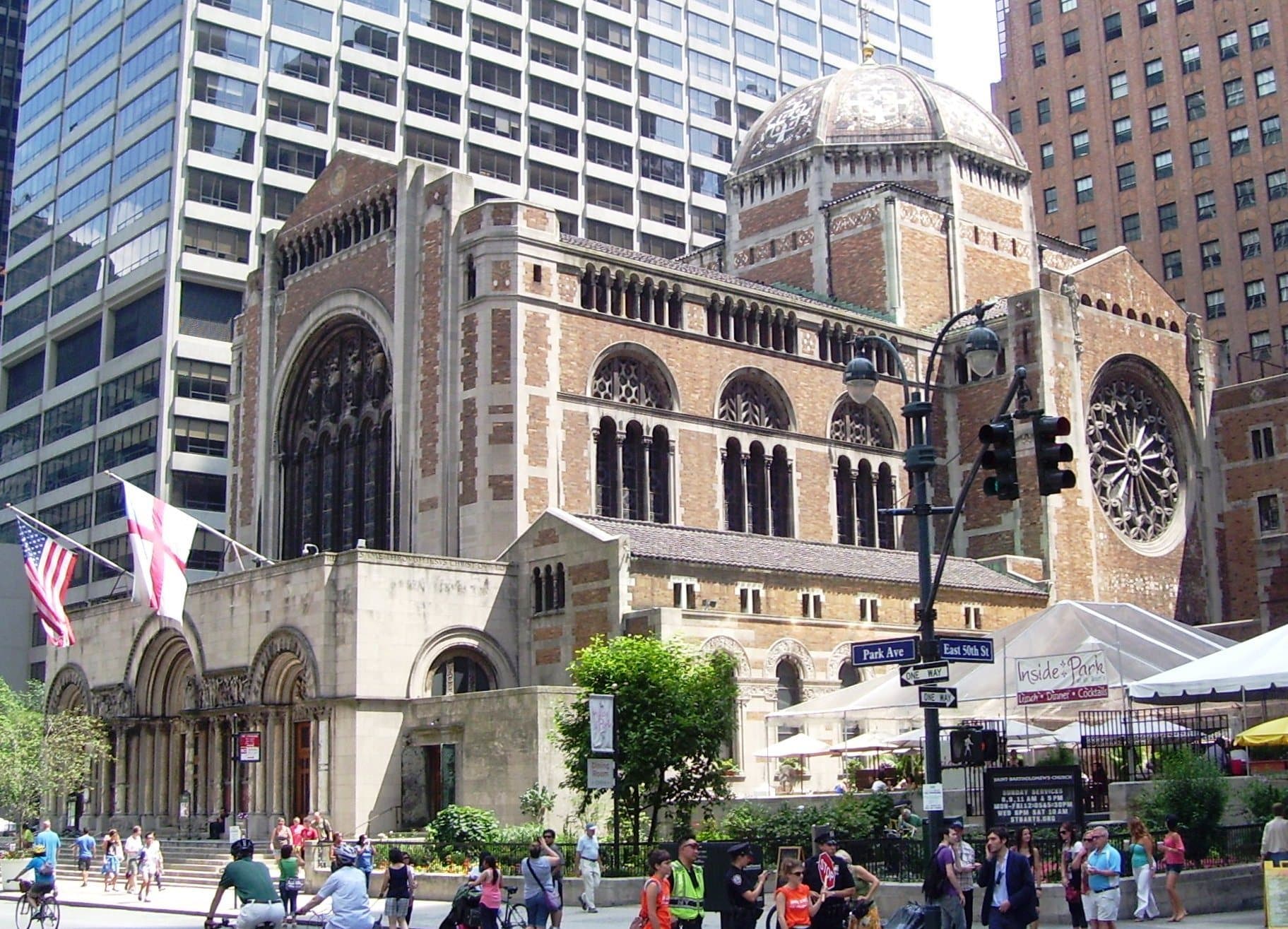
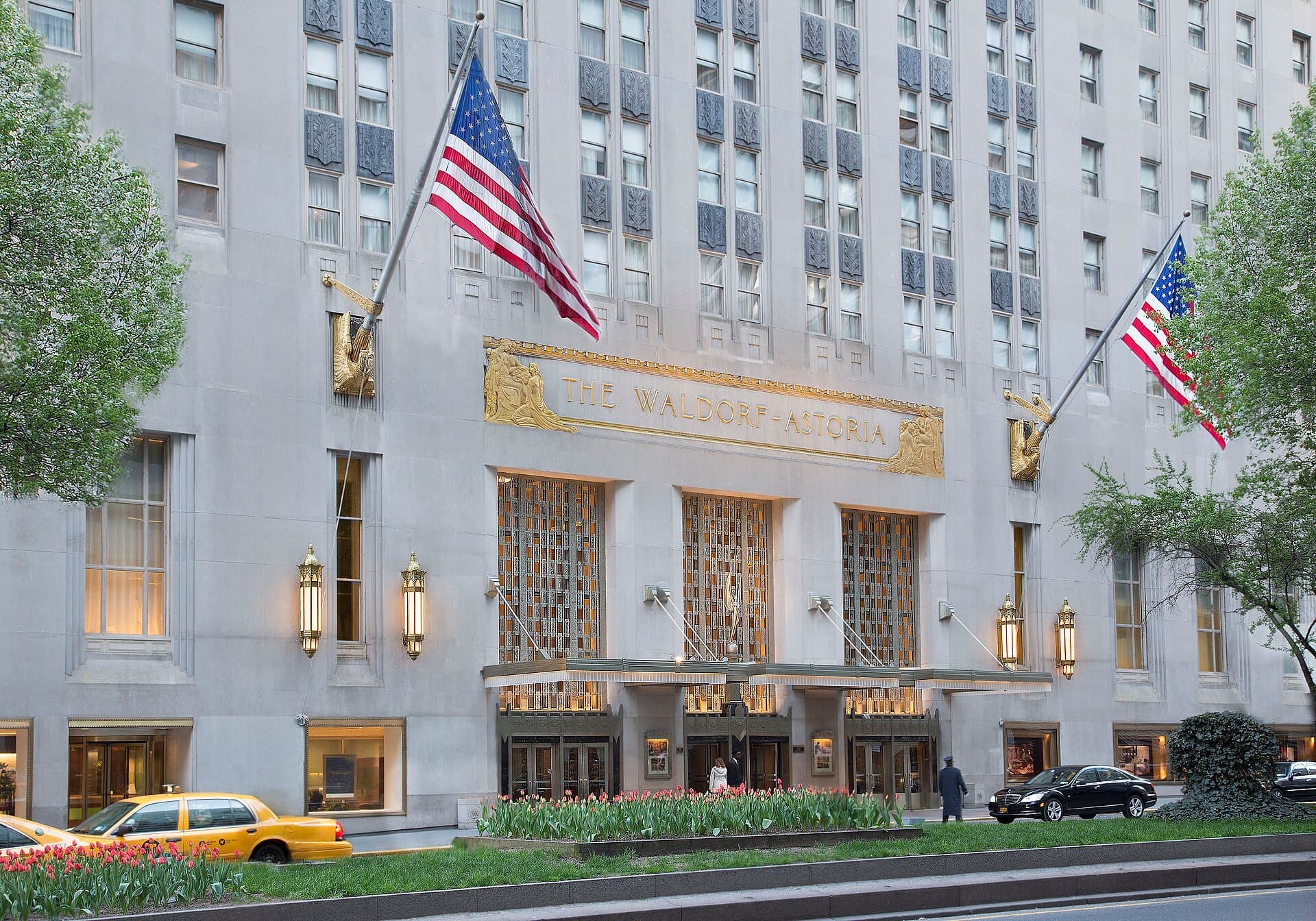
St Bartholomew's and the Waldorf: A Low Church Under Valuable Sky
A low church with a tiled dome sits on valuable sky. Next door, a hotel built with its own railway siding.
- 8
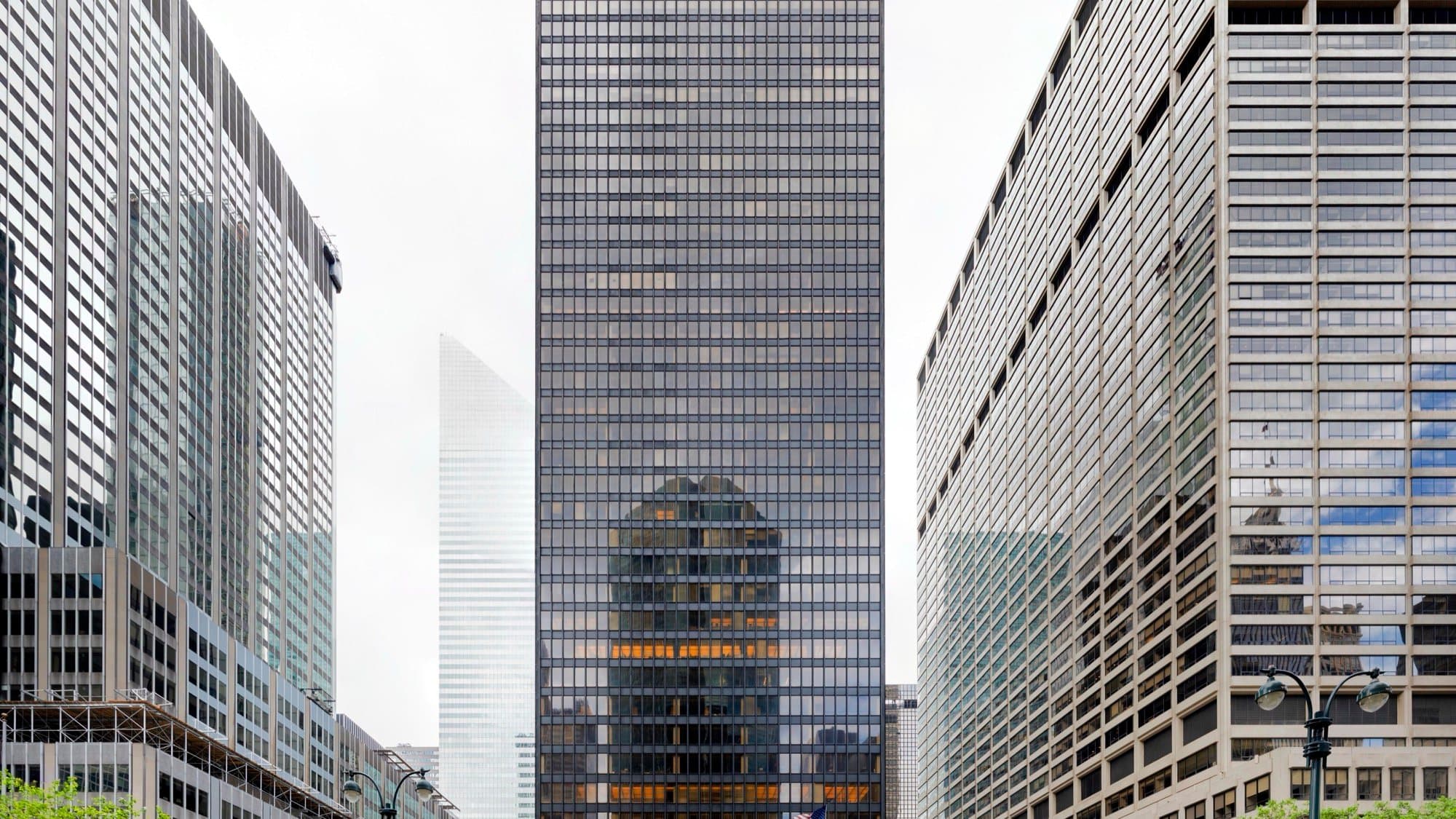
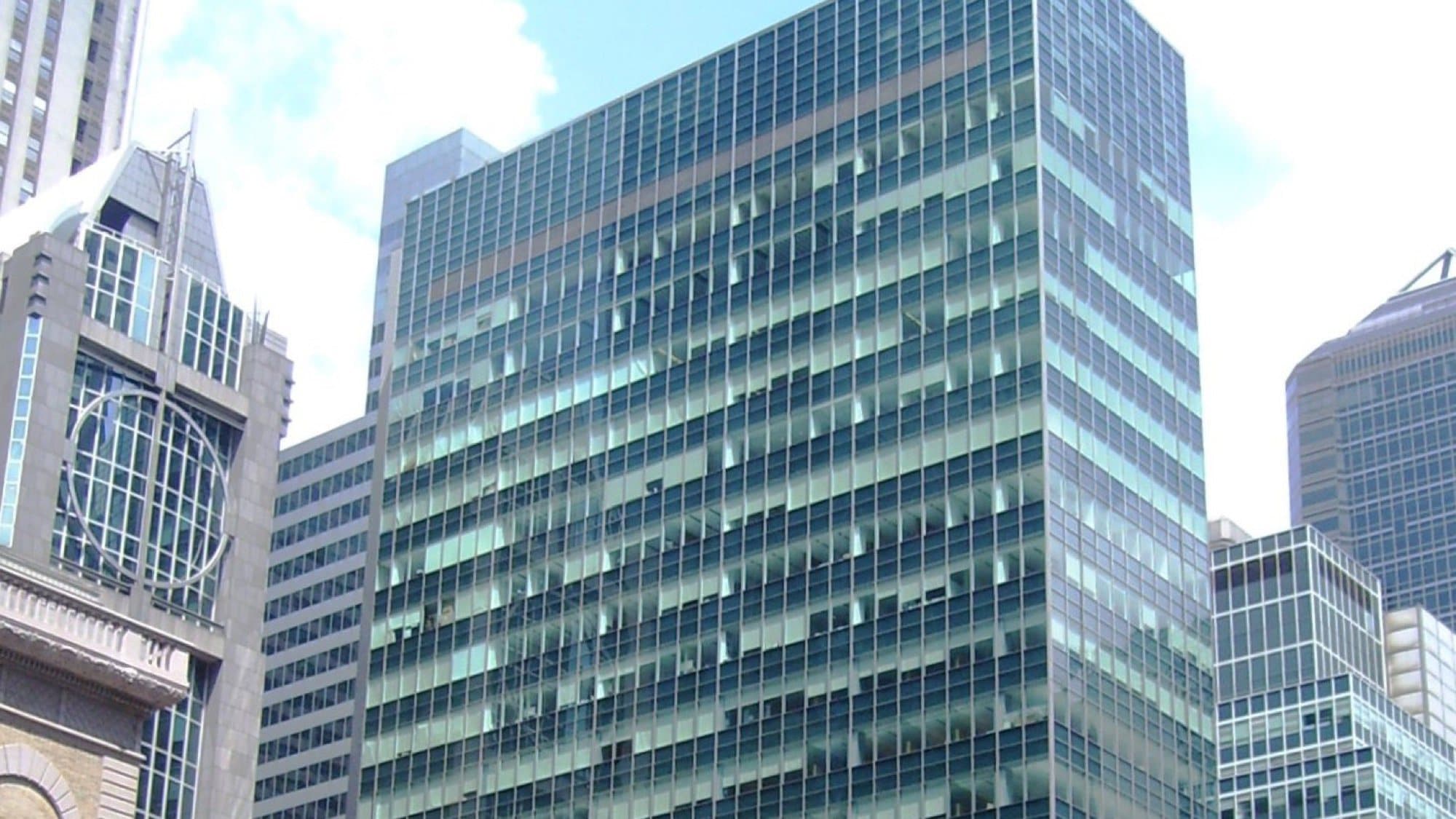
Lever House and the Seagram Building: The Slab and the Plaza
Two towers facing each other rewrote the shape of Park Avenue. One used a loophole, the other gave away its land.
- 9
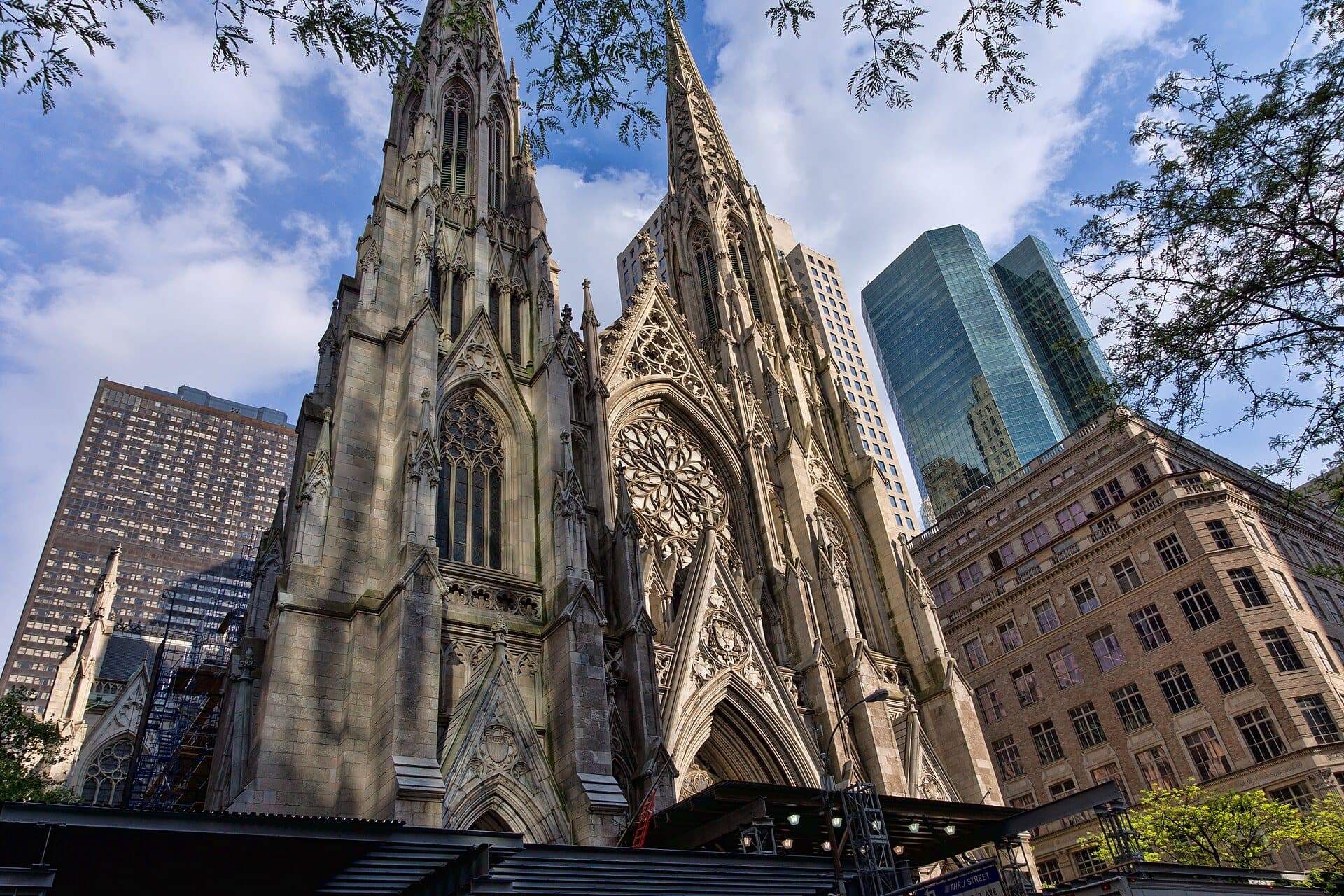
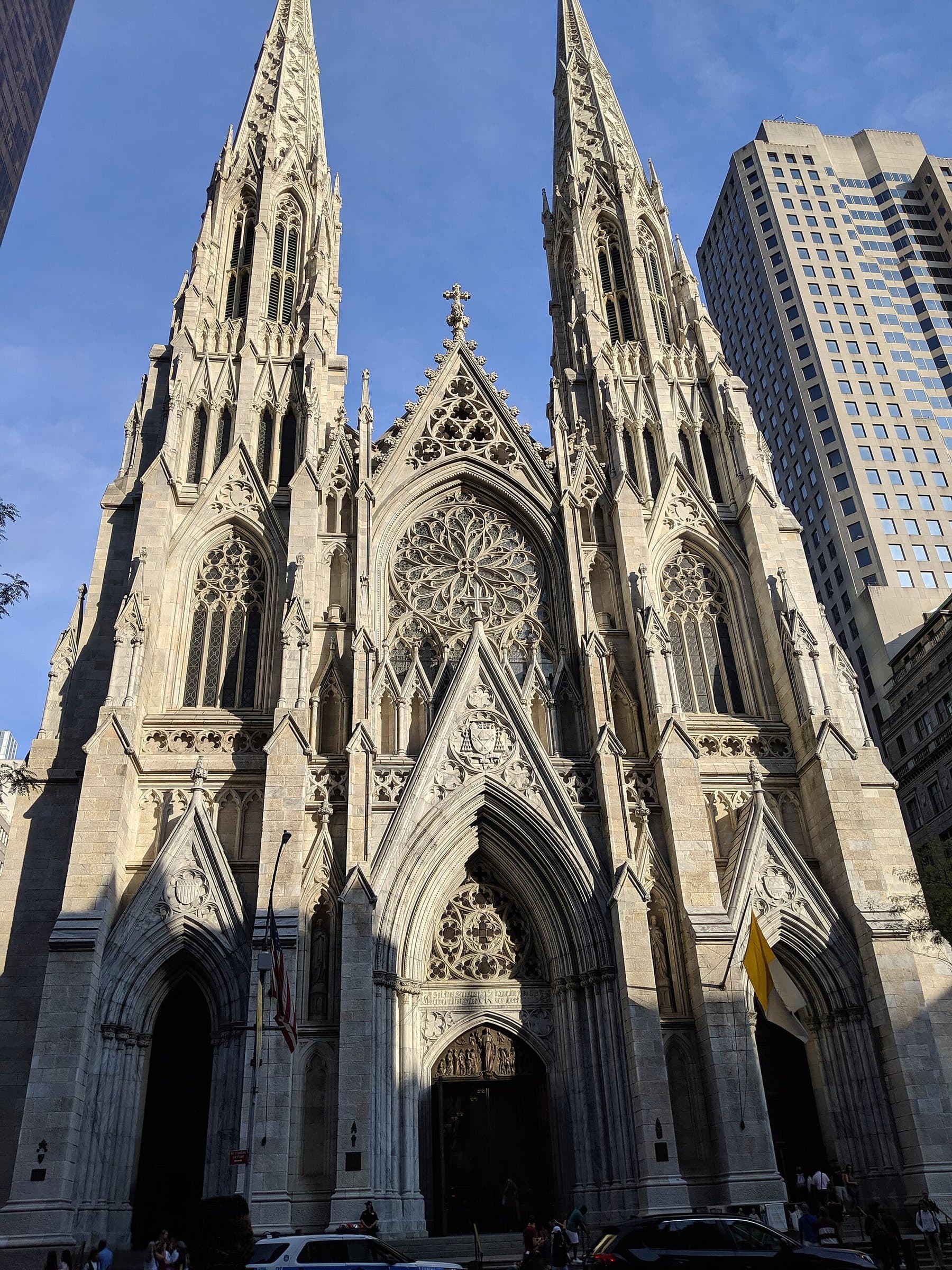
St Patrick's Cathedral: Spires and a Sky for Sale
A marble cathedral whose spires took nine more years to finish. Across the avenue, Atlas carries the heavens.
- 10
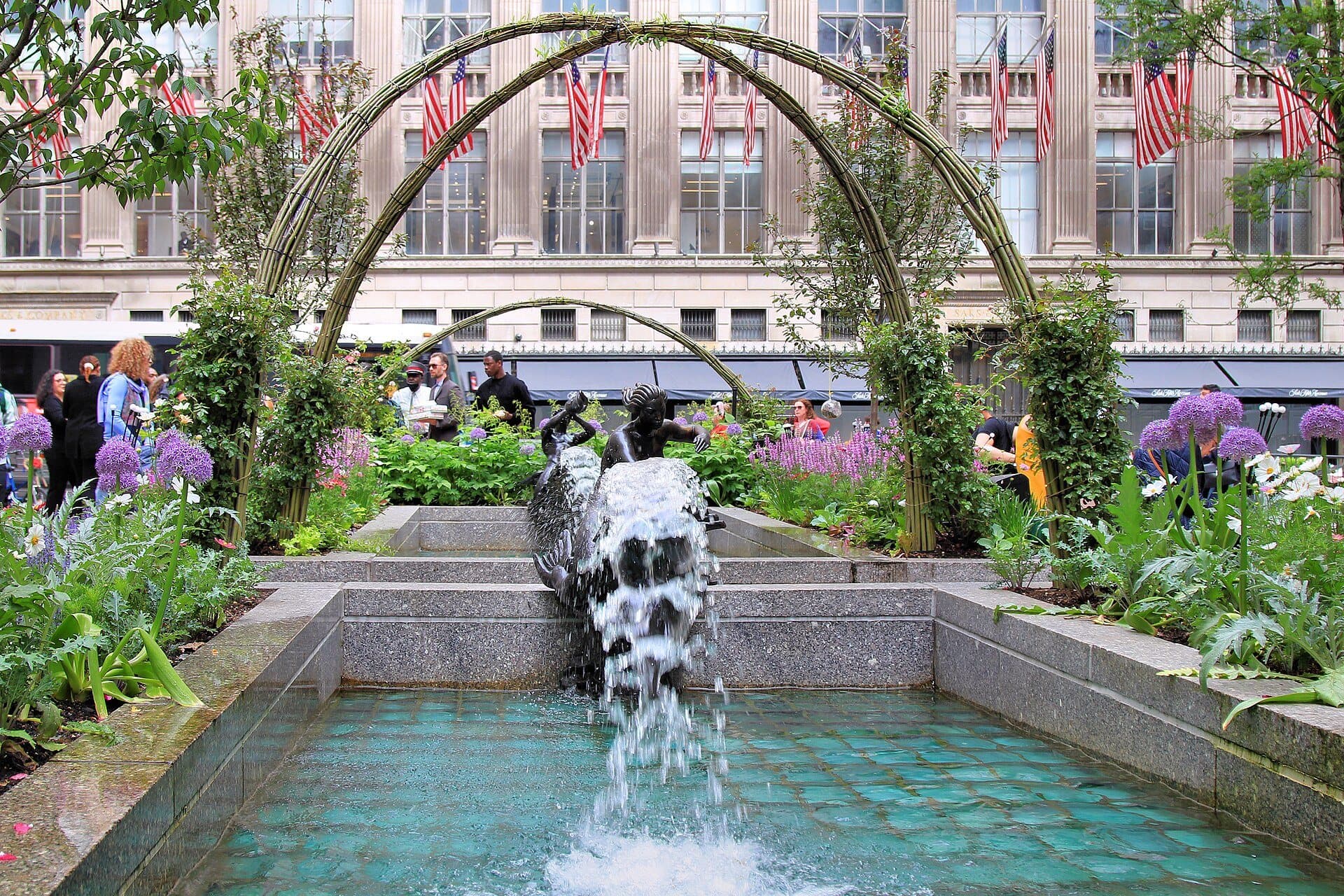
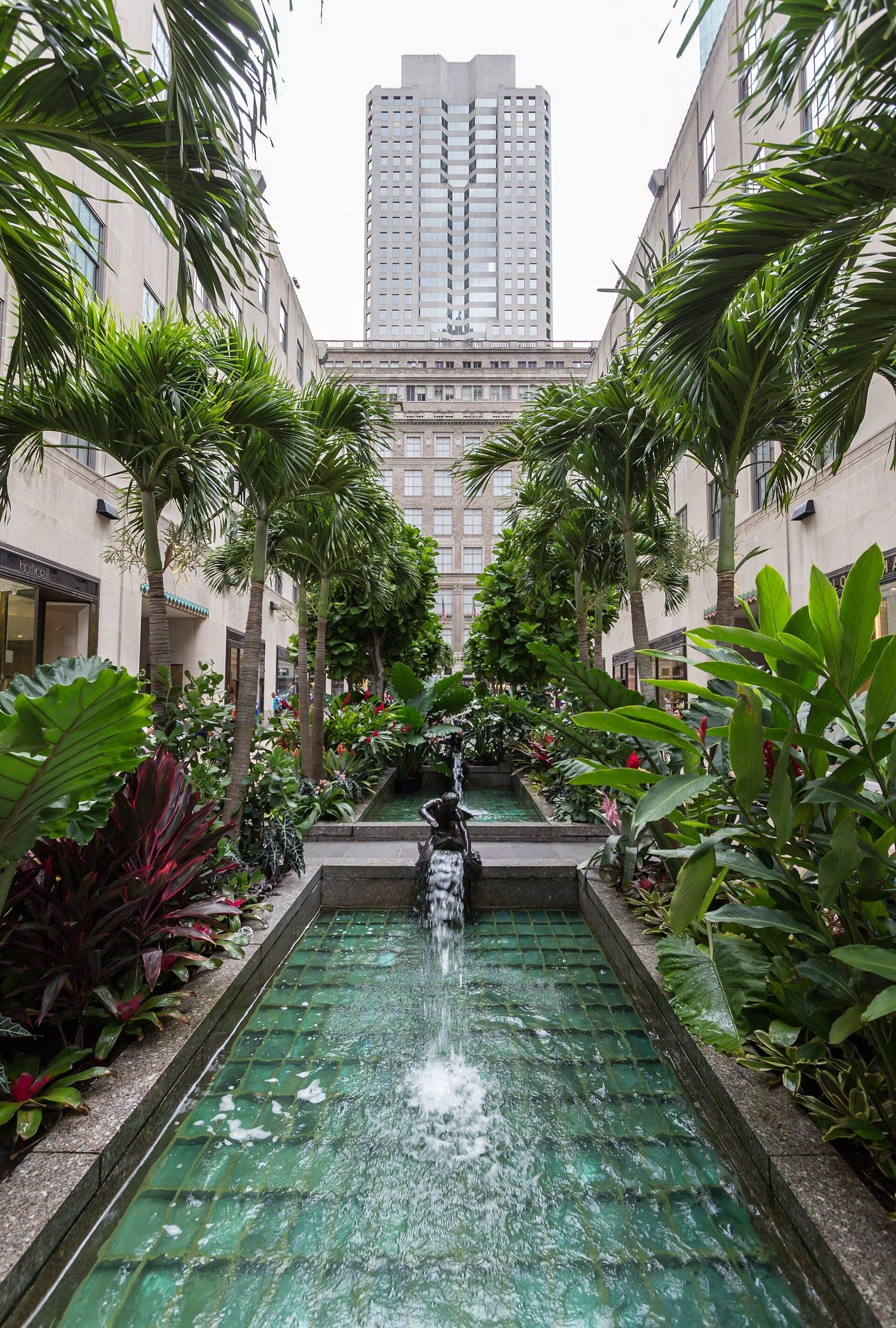
Rockefeller Center: The Slab Above the Rink
An abandoned opera plan became a city of limestone slabs. A failed shopping plaza turned into a famous rink.
- 11
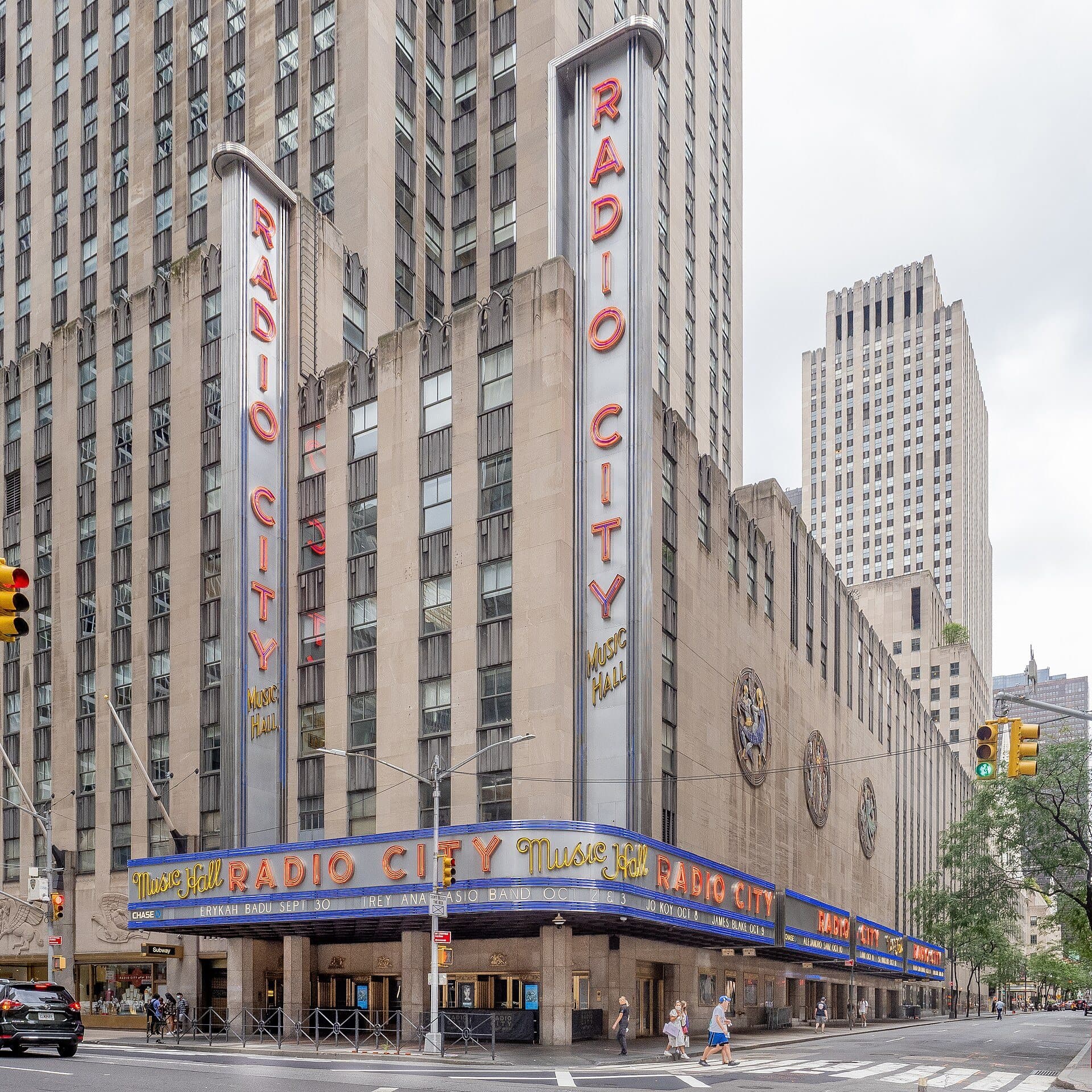
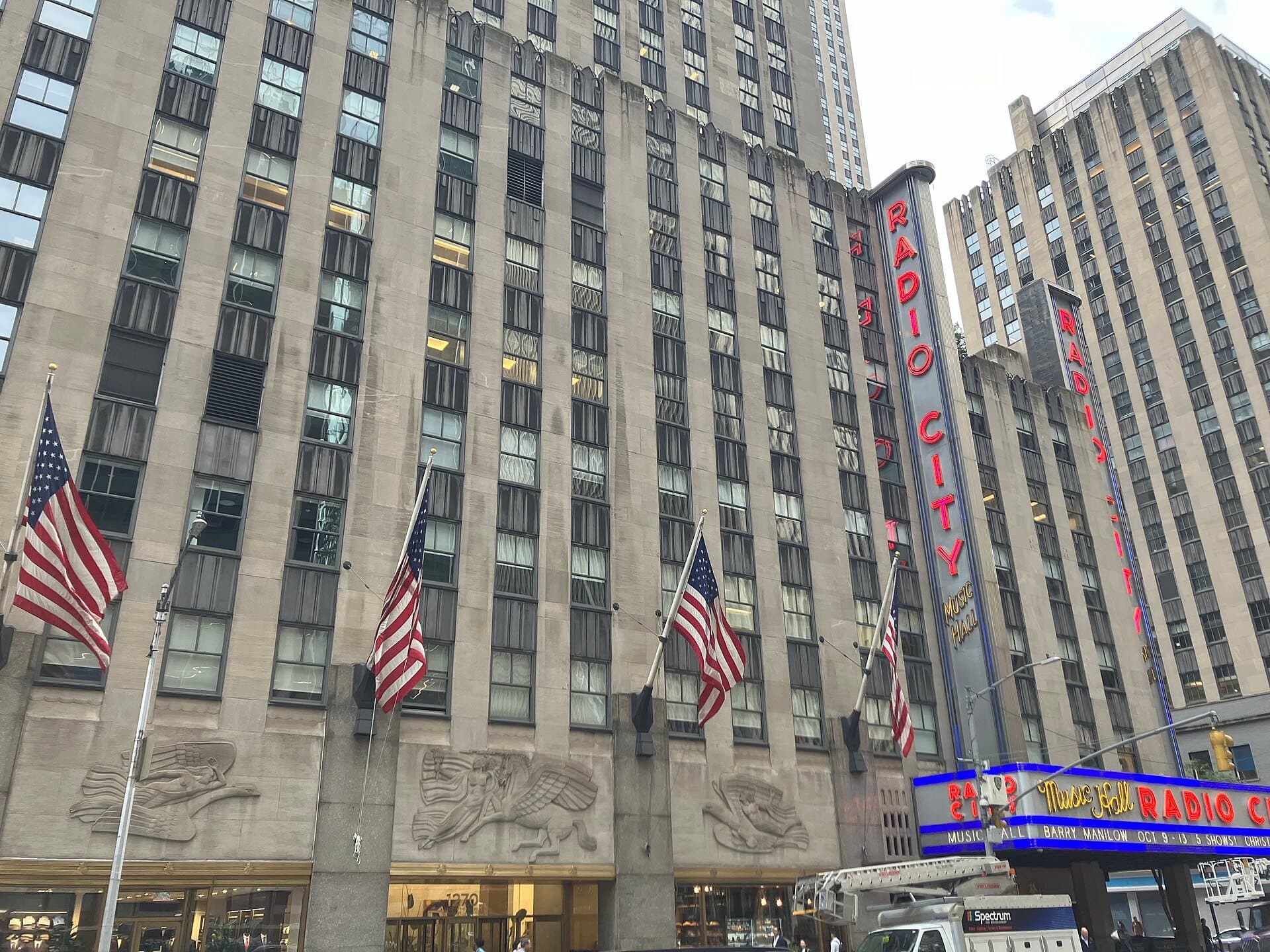
Radio City Music Hall: Metal That Changes With the Sun
Radio City was the world's largest indoor theatre when it opened. Look high up for three giant enamel discs.
- 12
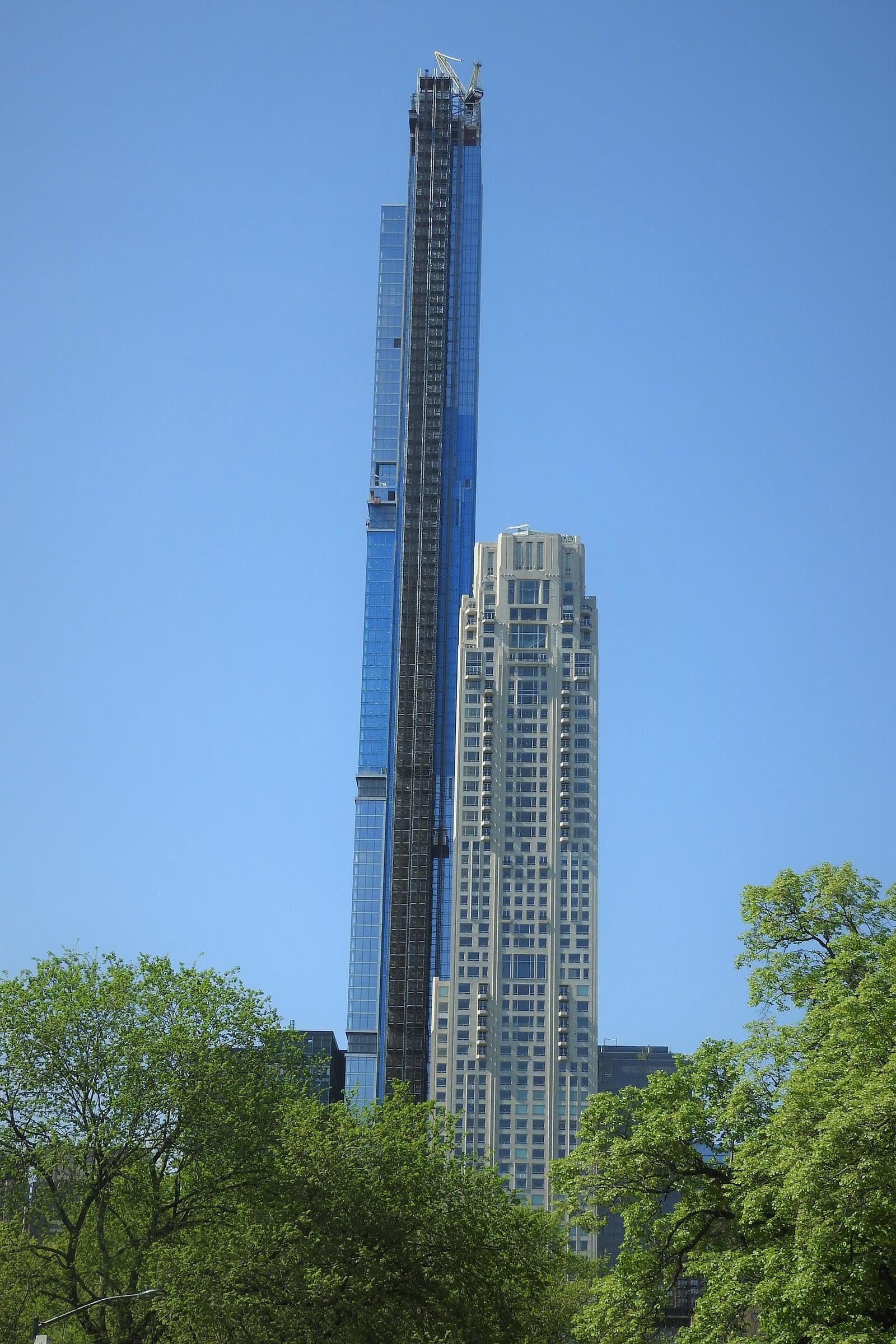
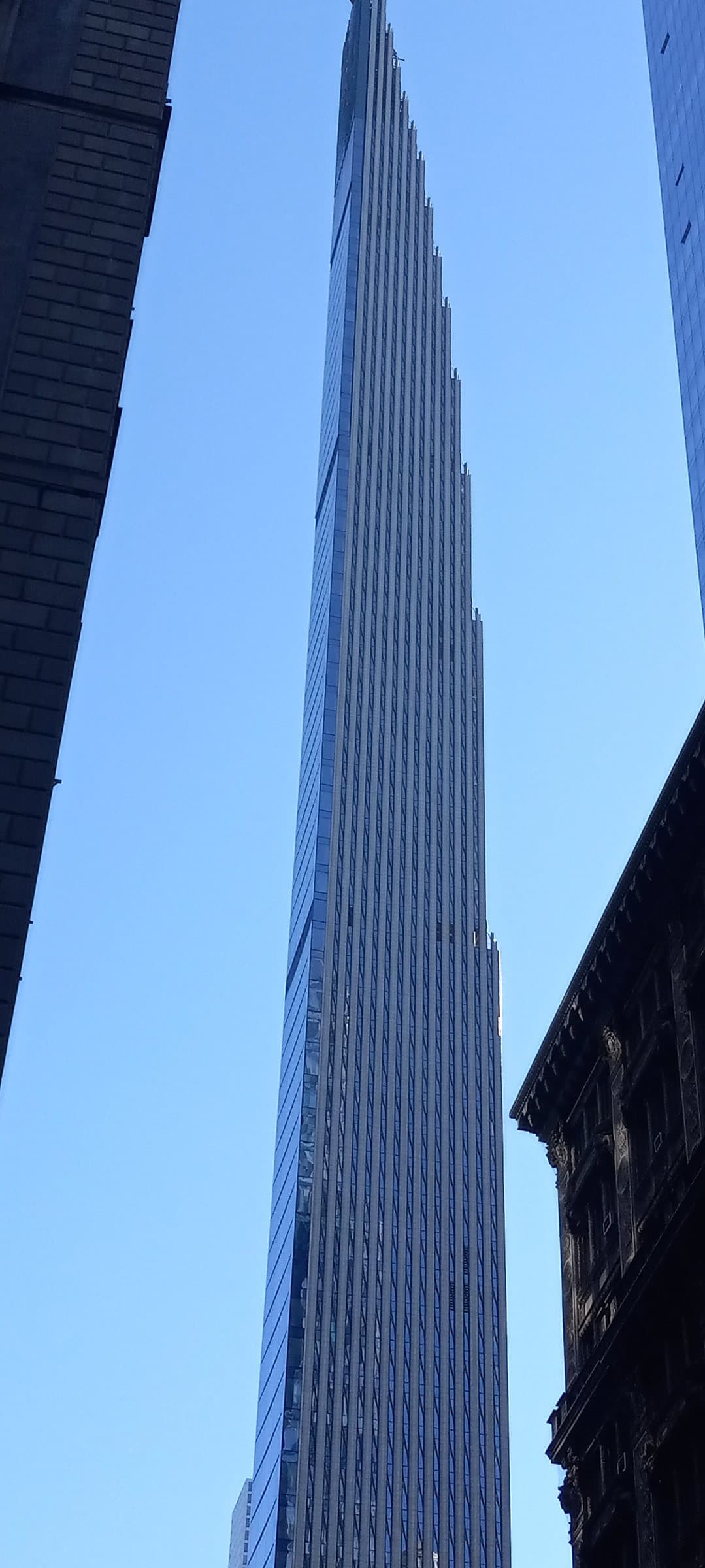
57th Street: Billionaires' Row and Borrowed Sky
Pencil-thin towers rise from height bought off their neighbours. Every rule on the walk ends up on this street.
Details
Best Time to Visit
A clear weekend morning is easiest: the avenues are quieter than on weekday lunchtimes, and a clear sky matters if you plan to go up the Empire State Building or Top of the Rock. The Morgan Library is closed on Mondays (check the official site). Rockefeller Center's rink runs in the cold months.
Pro Tips
- •Pick at most one observation deck: the Empire State Building at the start or Top of the Rock at stop 10. Both sell timed tickets; book ahead and check the official sites (checked 30 September 2026).
- •The New York Public Library is free to enter; its listed hours are Monday and Thursday to Saturday 10am to 6pm, Tuesday and Wednesday to 8pm, Sunday 1pm to 5pm, with free tours. Check the official site before you go (checked 30 September 2026).
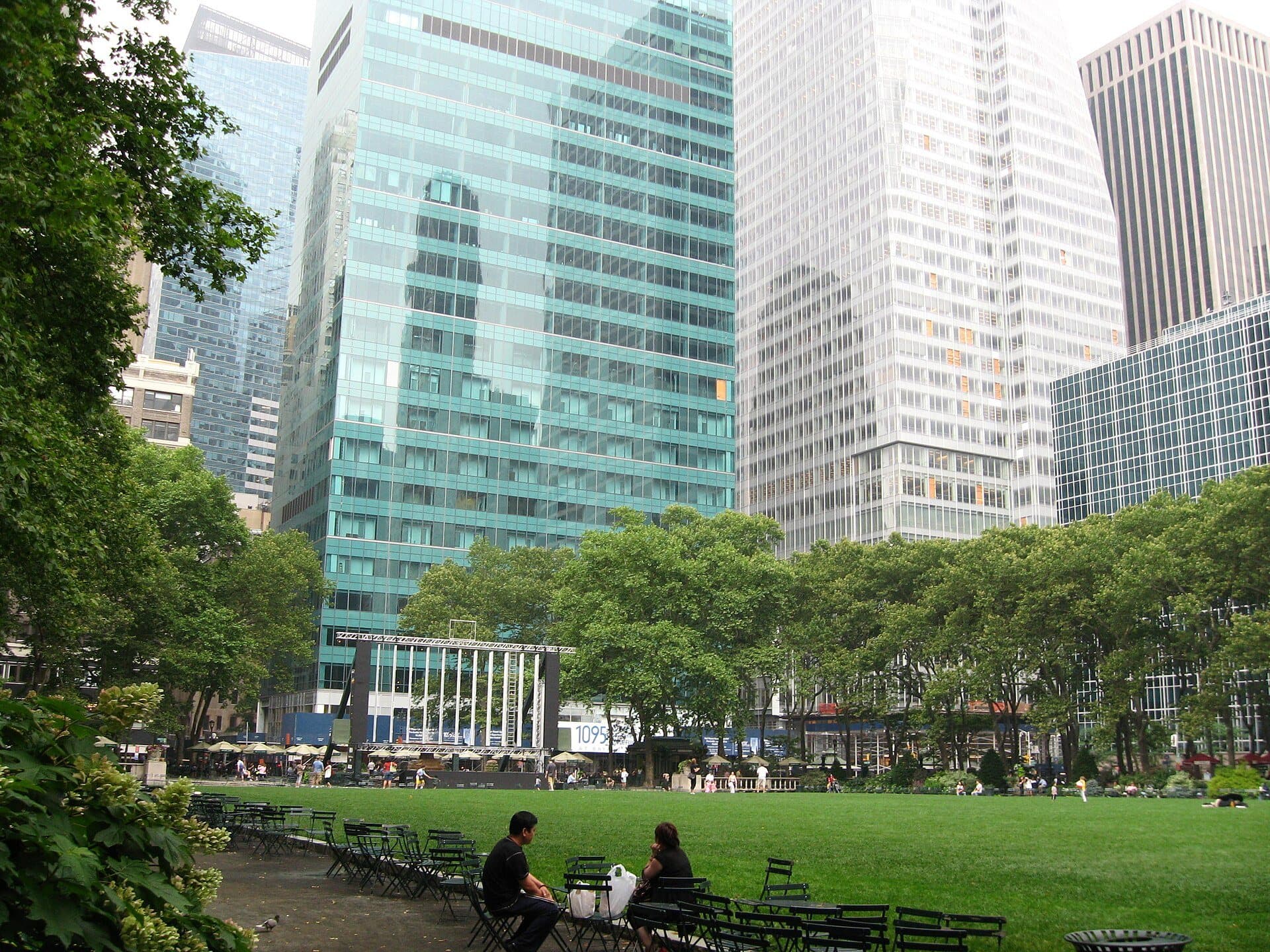
- •Bryant Park, behind the library, is free and open daily, 7am to 11pm from May to September and 7am to 10pm in October (bryantpark.org, checked 30 September 2026). It is the best place to see the library's book-stack windows.
- •Grand Central Terminal is free to walk into and is listed as open daily from early morning until about 2am. Check the official site (checked 30 September 2026).
- •Saint Patrick's Cathedral is free to enter. Services take priority, so keep your voice down inside.
- •For the Chrysler Building's crown, the best view on this walk is from 42nd Street just before Lexington Avenue, where the stop is; you lose it right under the building.
- •The walk ends two blocks south of Central Park; our Central Park walk begins a few minutes away at Grand Army Plaza, on Fifth Avenue at 59th Street.
Safety & Precautions
- •Midtown pavements are crowded, especially around Grand Central, Rockefeller Center and Fifth Avenue at lunchtime and in the holiday season. Keep to the side when you stop to listen.
- •Cross the avenues at the lights; Park Avenue, Fifth Avenue and Sixth Avenue are wide and busy.
- •The Chrysler Building's lobby, the Helmsley Building's walkways and the Waldorf Astoria's lobby are private buildings: entry is not guaranteed.
- •Scaffolding and sidewalk sheds come and go in Midtown; some facades on the route may be partly covered.
- •The ground floor of 111 West 57th Street may show building work: an alteration was heard by the Landmarks Preservation Commission in January 2026.
- •Rockefeller Center's sunken plaza is a rink only in the cold months, usually from October; at other times it is set up differently.
- •The route passes through the covered walkway in the Helmsley Building's base on Park Avenue at 45th Street; if it is closed, walk up Lexington Avenue to 46th Street and along 46th to Park.
Travel advisory: Exercise Normal Precautions (Level 1).
Gallery
Related Reading
Go deeper on what you'll see, hear, and walk through.
Overview
Best Self-Guided Walking Tours in New York (2026)
4 min
Overview
How to See New York: A City Built in Layers
7 min
Overview
New York Travel Guide: How Many Days, Getting Around, When to Go
6 min
Overview
One Day in New York: A Walkable Itinerary That Actually Works
6 min
Companion
Air Rights and Physics: How Manhattan Built the Pencil Tower
5 min
Companion
The Skyline Machine: The Rules That Shaped Midtown
6 min
Companion
The Wedding-Cake Code: How One Building's Shadow Wrote the Skyline
5 min
Deep dive
Steinway Tower: The Pencil Behind the Piano Hall
5 min
Deep dive
The Chrysler Building: The Spire Built in Secret
5 min
Read the walk
The full story of Midtown Manhattan: The Rules Behind the Skyline, in words. Prefer to listen? Play it narrated, from home or on location.
Introduction
New York, in the United States, built its most famous skyline in a few dozen blocks of Midtown Manhattan, and hardly any of it looks the way it does by chance. The steps on the Empire State Building, the steel needle on the Chrysler, a glass slab standing on its end, an empty granite plaza, the pencil-thin towers on Fifty-Seventh Street: each one is a builder's answer to a city rule, to a railroad buried under the street, or to a deal for the sky over a neighbour's roof. Spot the rules and the skyline explains itself.
Over twelve stops and a little under four kilometres, this walk runs from the Empire State Building past the Morgan Library, the Public Library and Grand Central, up Park Avenue to the Seagram Building, then across to Saint Patrick's, Rockefeller Center and Radio City, and ends on Fifty-Seventh Street, a few minutes from Central Park. Allow about two hours at an easy pace, longer if you go up a tower or into a museum.
Three people turn up along the way. William Van Alen, the architect who hid a spire inside the Chrysler Building. William Wilgus, the engineer who put the trains underground and planned to build on the air above them. And Ludwig Mies van der Rohe, who gave almost half his site to an empty plaza. The walk begins on Fifth Avenue, a block up from the Empire State Building.
1. Empire State Building: Steps, a Deadline and a Mast
Welcome to Midtown Manhattan, and to the Empire State Building. Stand on the east side of Fifth Avenue, just up from Thirty-Fifth Street, and find the tower down the avenue. The observatory is ticketed and worth it on a clear day; the details are on this stop's card.
From its own corner you see little more than the limestone base. From here, a block away, the tower clears the buildings in between: the long straight rise, a few last steps near the top, and the mast.
The city's zoning law of nineteen sixteen made tall buildings step back as they rose, and let a tower go as high as it liked once it covered no more than a quarter of its lot. Here that tower begins at the thirtieth floor. That quarter comes back on Park Avenue.
The architects had rules of their own: a fixed budget, limestone outside, no office deeper than twenty-eight feet from window to corridor, and completion by the first of May, nineteen thirty-one, the traditional day for new commercial leases. The building went up between March nineteen thirty and that May, in four hundred and ten days.
Now the mast. The backer, a General Motors executive, learned that his building would stand only four feet taller than the Chrysler Building, and feared a rod hidden in the Chrysler's spire, pushed up at the last minute. So a mast for mooring airships went on top, taking the building to twelve hundred and fifty feet. It proved useless for airships, but it won the race.
In the Depression it stood half empty, yet it stayed the world's tallest for about four decades. It replaced the first Waldorf Astoria hotel, whose successor you will meet on Park Avenue.
Follow the route up Fifth Avenue and along Thirty-Sixth Street, across Madison Avenue at the lights. Next, a library whose marble joints are too tight for a knife.
2. Morgan Library: Marble Without a Gap
Walk on along Thirty-Sixth Street to the pale marble building set back behind a lawn and an iron fence, and stop across the street from it. This is the library Pierpont Morgan built, now the Morgan Library and Museum. Going in is ticketed and well worth it; the details are on this stop's card. The entrance is round the corner on Madison Avenue.
Look at the walls first. The marble came from Tennessee, and the blocks were laid with dry joints, ground so flat and fitted so tightly that you cannot slip a pen knife between them. It is a technique from ancient Athens, used on the temple called the Erechtheum, and the architects, McKim, Mead and White, reckoned it added fifty thousand dollars to the cost. That was between nineteen oh three and nineteen oh six.
Then the front. Paired columns frame a deep, shadowed entrance, and the bronze doors follow the famous doors of the Baptistery in Florence. Two marble lions guard the steps. Remember their faces: the same sculptor went on to make the lions of the Public Library, a few minutes from here.
The building on the Madison Avenue corner is the annex of nineteen twenty-eight, built where the elder Morgan's house stood, and designed to sit happily beside the library without copying any of its detail.
Then came the modern puzzle. Around the year two thousand the Morgan set out to grow, but the site allowed no extension toward the surrounding streets. So the new architects went down instead. They dug seventeen metres deep, just thirty centimetres from the old walls, and set three new pavilions around a central court, tied together with glass and steel. The work was finished in two thousand and six.
Follow the route back toward Fifth Avenue, and cross it at the lights when you reach the library. Next, the lions' bigger cousins.
3. New York Public Library: A Building That Shows Its Shelves
Walk on across Fifth Avenue to the great white marble building with two stone lions at the foot of its steps, and stop by the lions. This is the main building of the New York Public Library, and it is free to go in.
The lions are by the same sculptor as the pair at the Morgan; New Yorkers know them as Patience and Fortitude.
Its architects won a competition for this building in eighteen ninety-seven. It took from eighteen ninety-eight to nineteen eleven and cost nine million dollars. Above the steps stand three great arches between paired columns, with six carved figures along the top. The president dedicated it in May nineteen eleven in front of fifteen thousand people, and the next day more than fifty thousand visitors came through the doors. The library says it was then the largest marble building in the country.
This ground had already held something enormous. Before the library, the city's reservoir stood here: a man-made lake of four acres, inside granite walls about fifteen metres high and nearly eight metres thick, with a promenade along the top where people strolled above the streets. It was torn down in nineteen hundred, and the library rose in its place.
Now the clever part, which is round the back. If you have ten spare minutes, walk round to Bryant Park, the garden behind the library. Its back wall is a tall rank of narrow windows, with the great arched windows of the reading room above them. Those narrow slots light seven floors of steel book stacks, which held more than two and a half million books, with the readers sitting on top of them in the daylight. You can read how the building works from its outside wall.
Follow the route back across Fifth Avenue at the lights. Next, the railroad that made Park Avenue.
4. Grand Central Terminal: The Crash That Buried the Trains
Walk on to the front of Grand Central Terminal, the great stone face with three tall arched windows and a clock, and stop across Forty-Second Street from it. The terminal is free to walk into.
This building begins with a crash. In nineteen oh two a train wreck in the smoke-filled tunnel under Park Avenue killed seventeen people, and the state banned steam locomotives south of the Harlem River. An engineer named William Wilgus then asked a question that shaped everything up Park Avenue. Why not tear down the old station, put the trains on two levels below the street, run them on electricity, and build offices on top to pay for it?
That is what happened. Across forty-six acres the builders dug out about three million cubic yards, on average about fourteen metres deep, without stopping the trains. The terminal opened in February nineteen thirteen, and steel bridges over the tracks still carry the cross streets and Park Avenue itself. Building on the air above the tracks was part of the plan. That idea runs through the rest of this walk.
Now the front. It is a Roman triumphal arch in limestone and granite: three great windows between pairs of columns, built as the city's gateway. On top, Mercury stands with Hercules and Minerva, a group about fifteen metres tall by a French sculptor.
The broad slab behind it went up in nineteen sixty-three as the Pan Am Building. Later, the railroad's owners wanted a fifty-five-storey tower balanced on the terminal's roof. The city's landmarks commission refused, calling it an aesthetic joke. Jacqueline Kennedy Onassis became the public face of the campaign to save the terminal, and in nineteen seventy-eight the Supreme Court upheld the city's landmark law. The terminal kept its low roof, and its unused right to build could move to sites nearby instead.
Follow the route along Forty-Second Street. Next, the Chrysler Building.
5. Chrysler Building: The Spire Hidden Inside
Walk on along Forty-Second Street to the corner of Lexington Avenue and stop there, across from the Chrysler Building. From right underneath, the crown hides, so look up from the corner, and if the top is cut off, step back a few paces along this pavement. Now the race. In…
Full narration for this stop unlocks with the tour.
6. Helmsley Building: An Avenue on Stilts
Walk on out of the passage, cross Forty-Sixth Street at the lights, and stop at the corner. You have just walked through the base of the building behind you, so turn round to see it: it straddles the avenue itself, with a big clock, a gilded roof and a lantern on top, and the…
Full narration for this stop unlocks with the tour.
7. St Bartholomew's and the Waldorf: A Low Church Under Valuable Sky
Walk on up Park Avenue, past Fiftieth Street, and stop halfway along the block. Across the avenue stands a low church of salmon-coloured brick with a tiled dome, and beside it a whole block of grey hotel, with two towers rising behind. The church is Saint Bartholomew's, built…
Full narration for this stop unlocks with the tour.
8. Lever House and the Seagram Building: The Slab and the Plaza
Walk on up Park Avenue, across Fifty-Second Street, and stop at the corner of Fifty-Third. Just across Fifty-Third Street, on this side of the avenue, stands a thin glass slab. Then look across Park Avenue at the dark bronze tower set far back behind its open granite…
Full narration for this stop unlocks with the tour.
9. St Patrick's Cathedral: Spires and a Sky for Sale
Walk on down Fifth Avenue and stop beside the giant bronze figure carrying a ring of hoops on his shoulders. Across the avenue rise the white marble front and twin spires of Saint Patrick's Cathedral. It is free to go in. The cornerstone was laid in August eighteen fifty-eight,…
Full narration for this stop unlocks with the tour.
10. Rockefeller Center: The Slab Above the Rink
Walk on down the Channel Gardens, the planted walk that slopes gently away from Fifth Avenue, and stop at the rail at the far end, above the sunken plaza and the golden figure of Prometheus. Beyond rises the tall slab of the old RCA Building. Its observation deck, Top of the…
Full narration for this stop unlocks with the tour.
11. Radio City Music Hall: Metal That Changes With the Sun
Walk on along Fiftieth Street toward Sixth Avenue and stop across the street from the big neon marquee: Radio City in bold capitals, Music Hall in script, and tall signs, seven storeys high, standing at either end of the front. The tours and shows inside are ticketed. When it…
Full narration for this stop unlocks with the tour.
12. 57th Street: Billionaires' Row and Borrowed Sky
Walk on up Sixth Avenue to Fifty-Seventh Street and stop at the corner. Look along Fifty-Seventh Street toward the very tall, very thin towers. This stretch is nicknamed Billionaires' Row. Start low. A little way along stands a limestone building whose tower wears a steep…
Full narration for this stop unlocks with the tour.