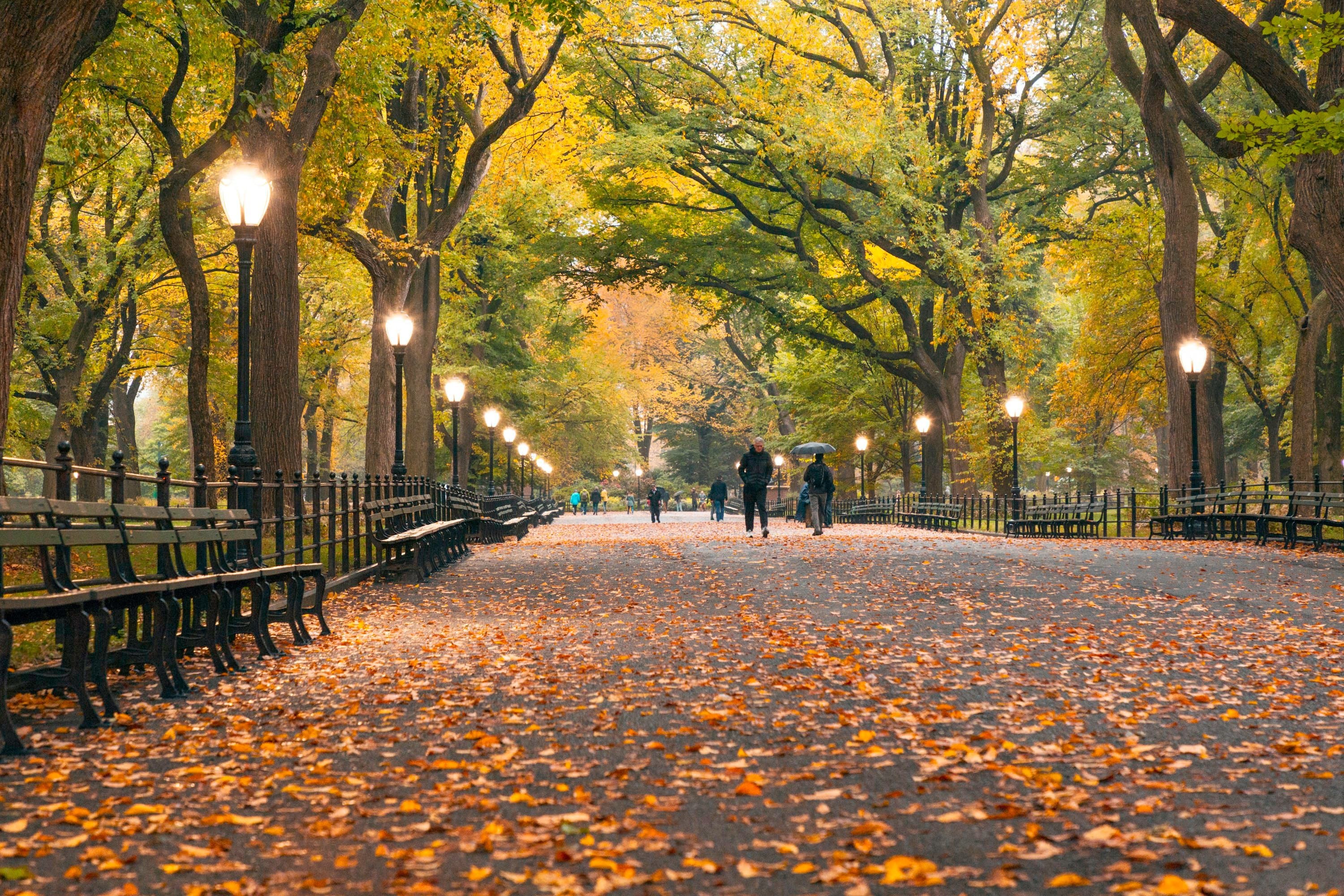
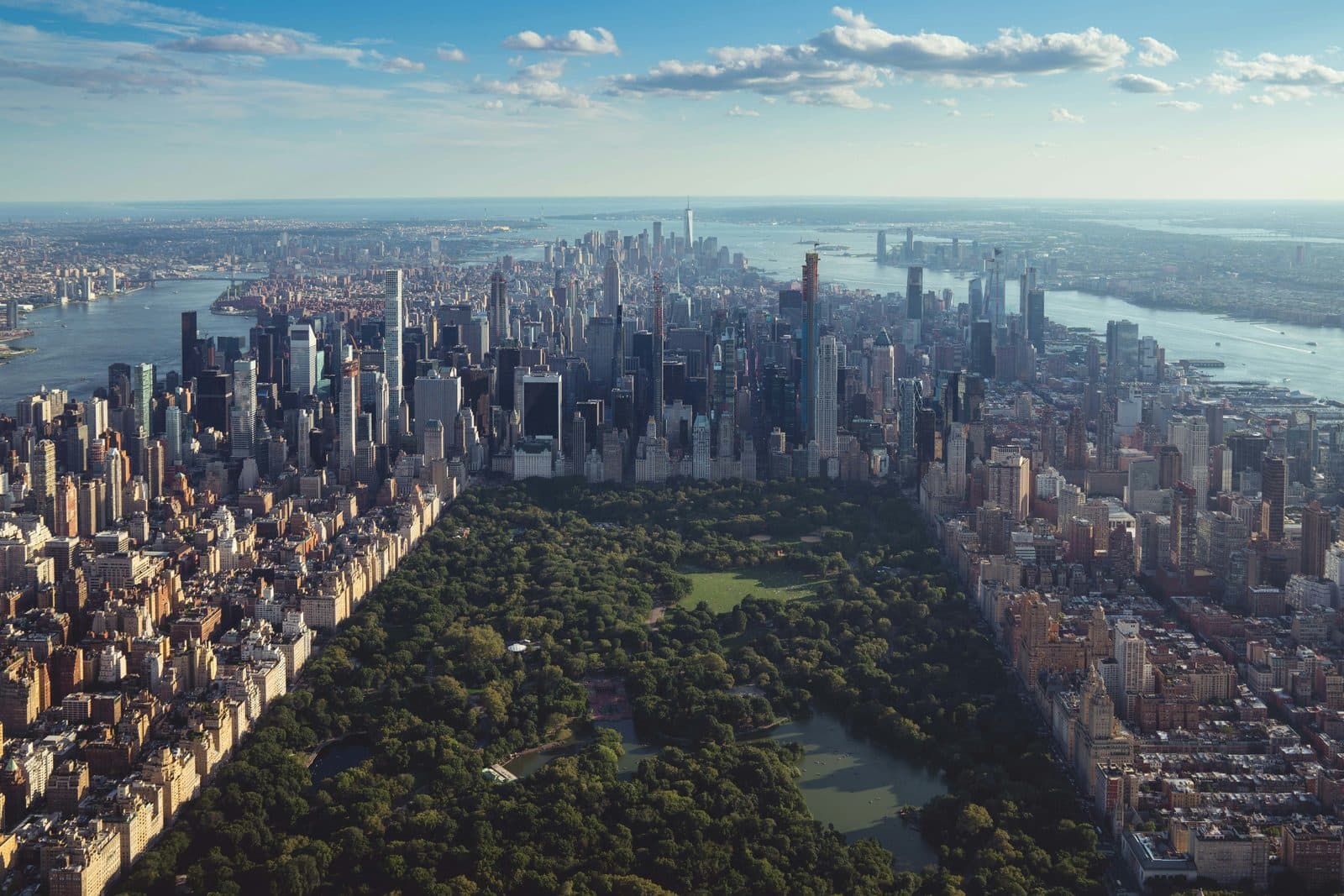
Walk Central Park from Grand Army Plaza past the Pond and the towers of Billionaires' Row, the Mall, Bethesda Terrace, Bow Bridge and the Ramble to Belvedere Castle and Summit Rock in the former Seneca Village.
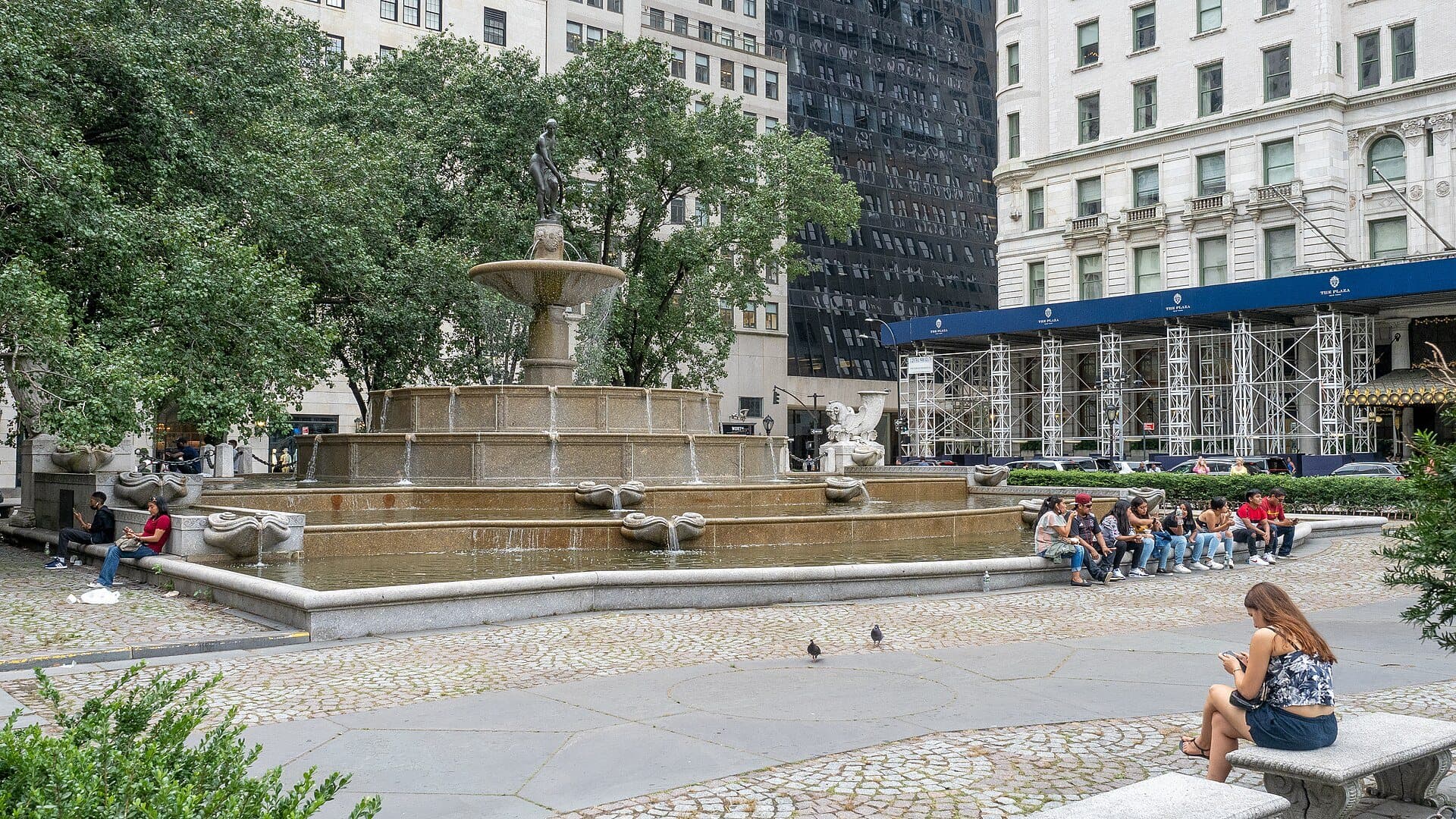
Start · Grand Army Plaza: The Gate the Designers Refused
DirectionsStops
- 1
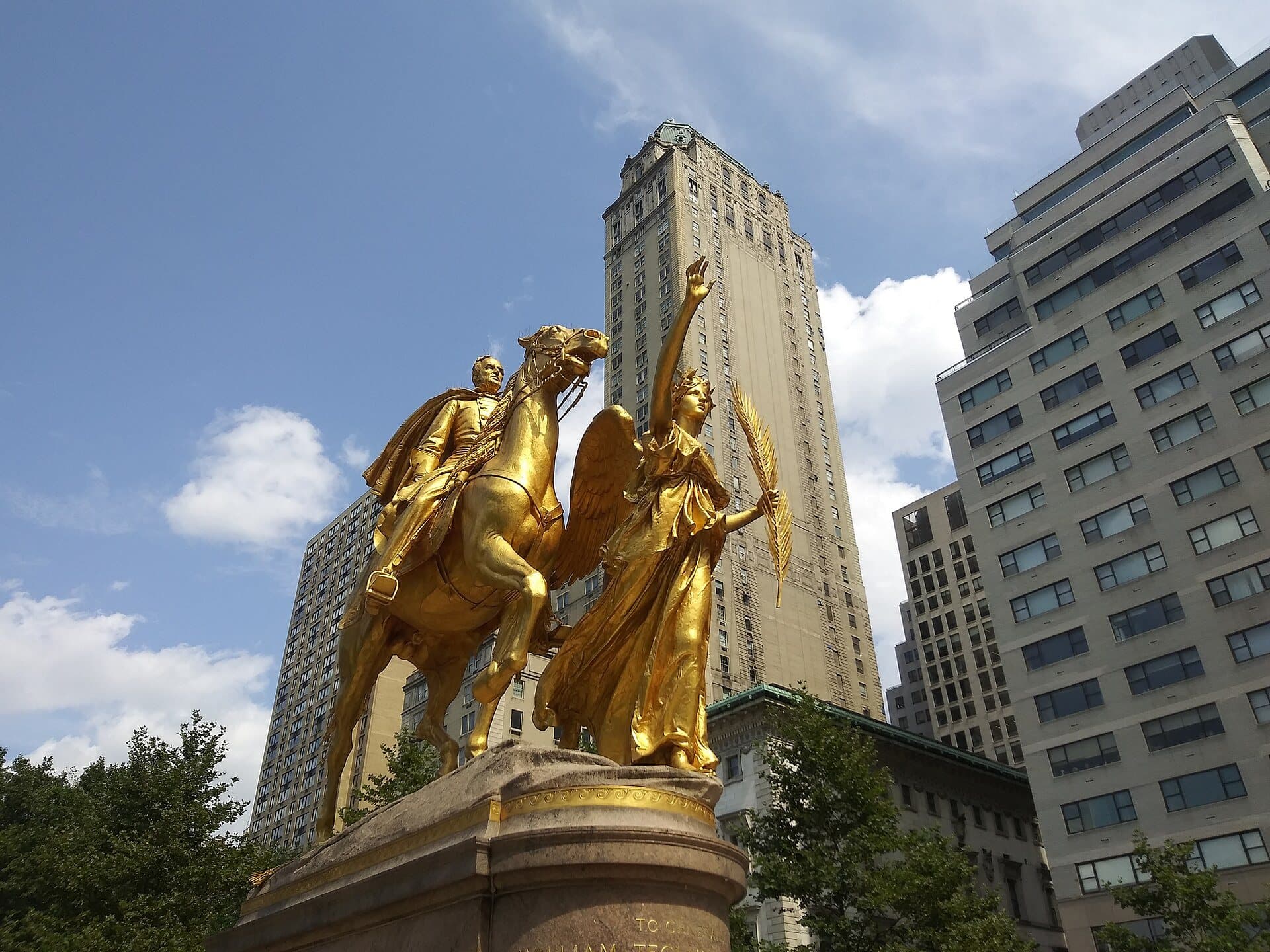
Grand Army Plaza: The Gate the Designers Refused
The park's designers wanted only a ring of trees here. The city added a gilded general in 1903 and a Paris-style double square by 1921.
- 2
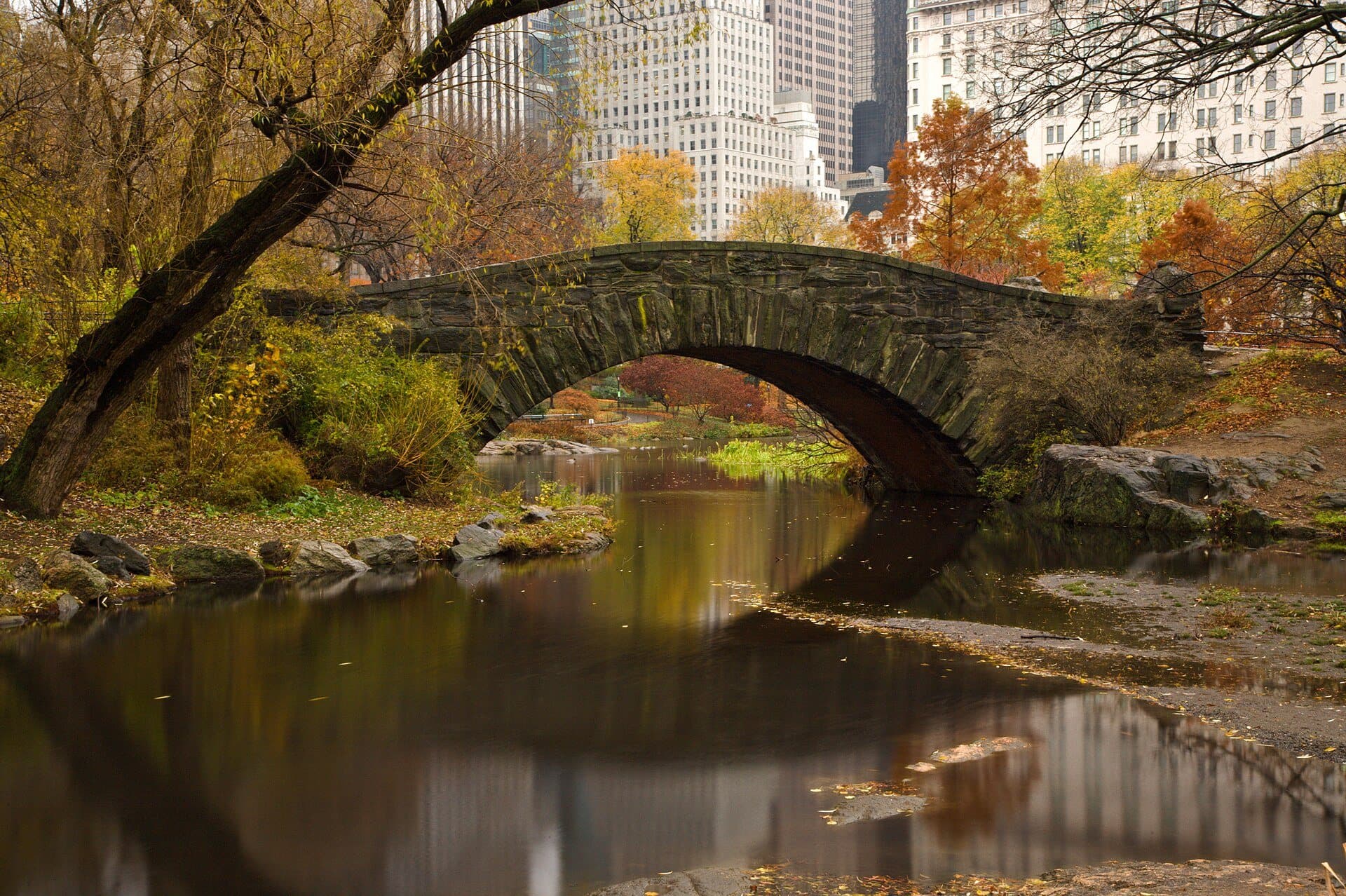
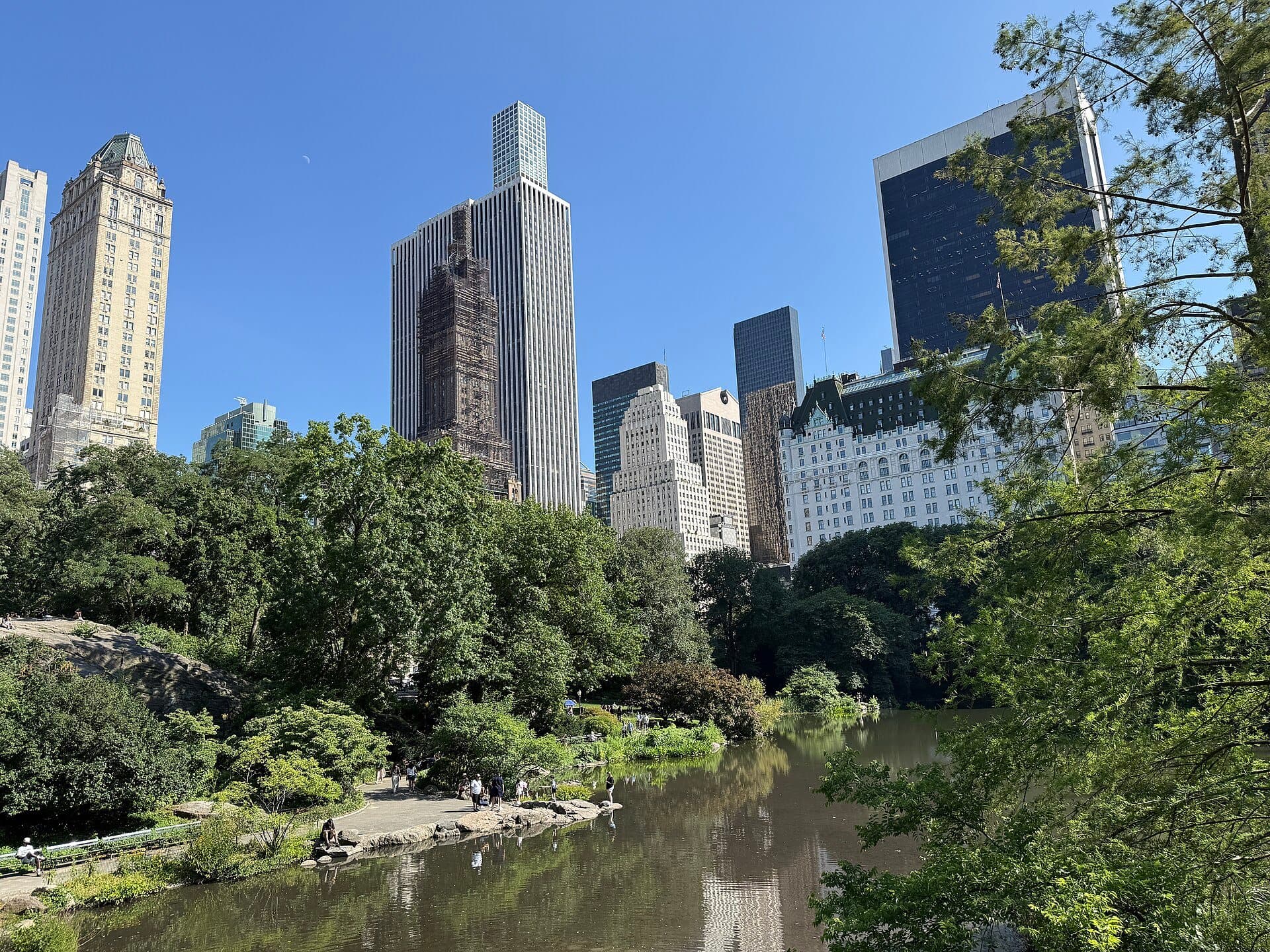
Gapstow Bridge: Billionaires' Row Over the Pond
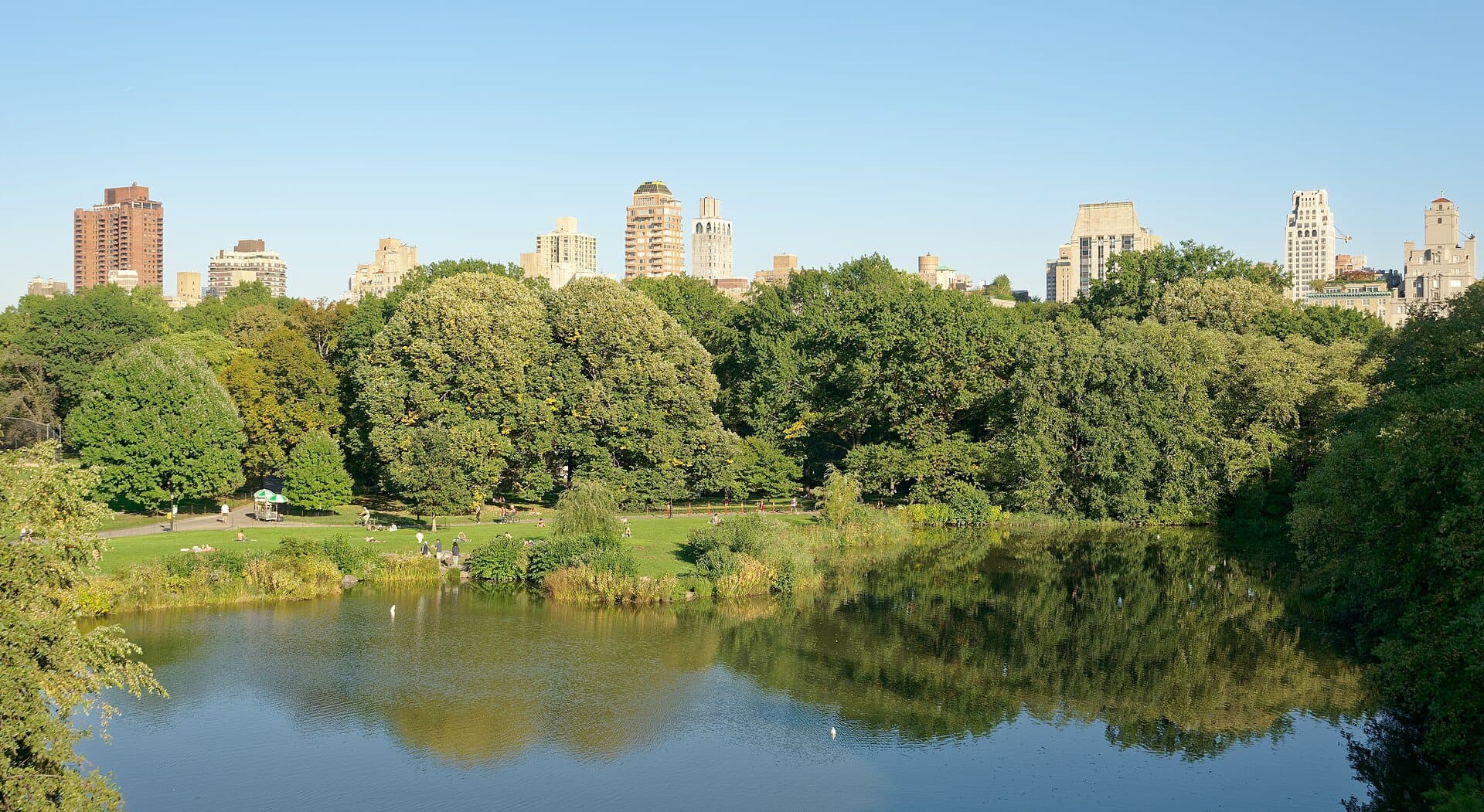
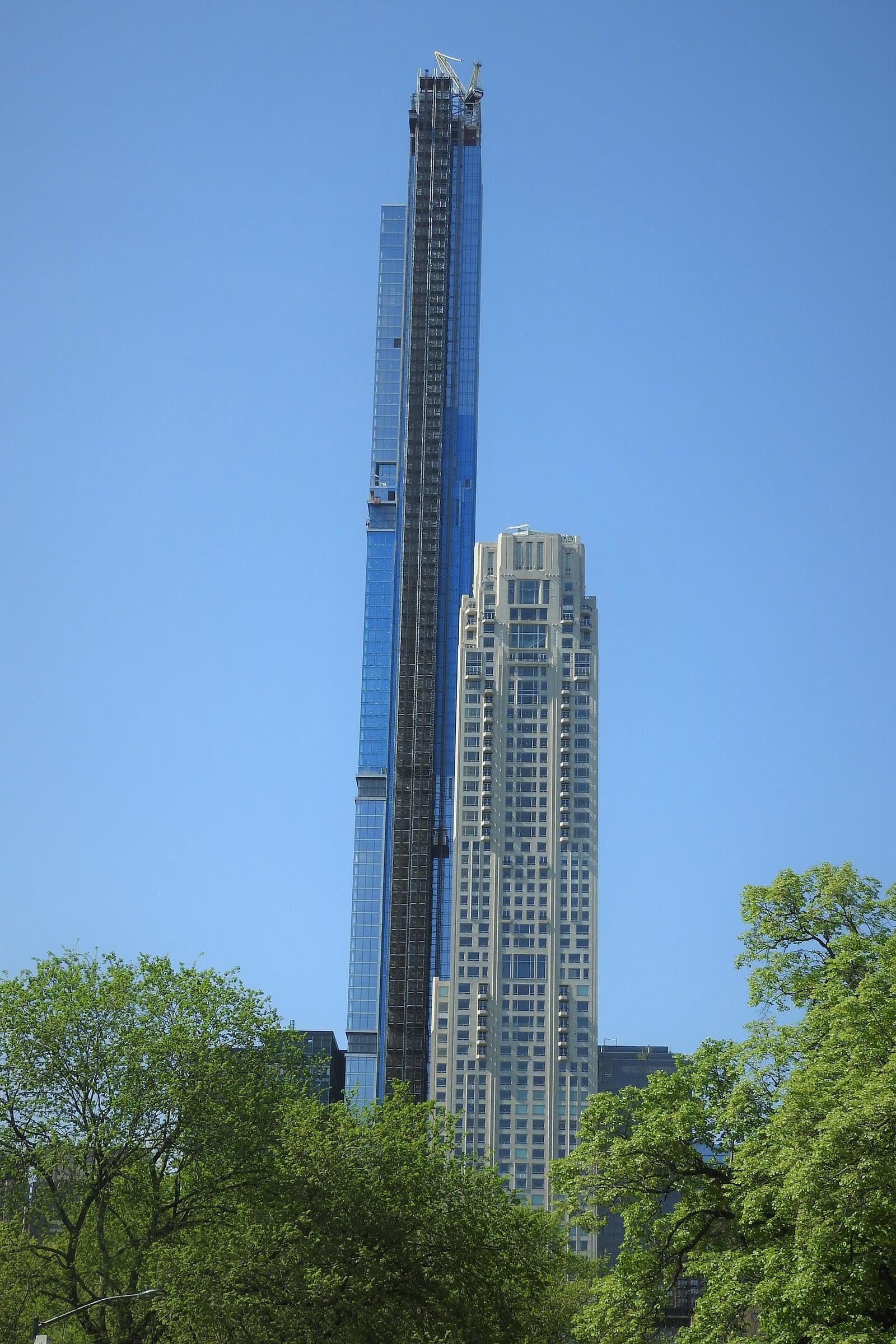
The thin towers of 57th Street rise beyond this stone bridge, a stretch nicknamed Billionaires' Row. The Pond below was sunk under street level so the traffic drops away.
- 3
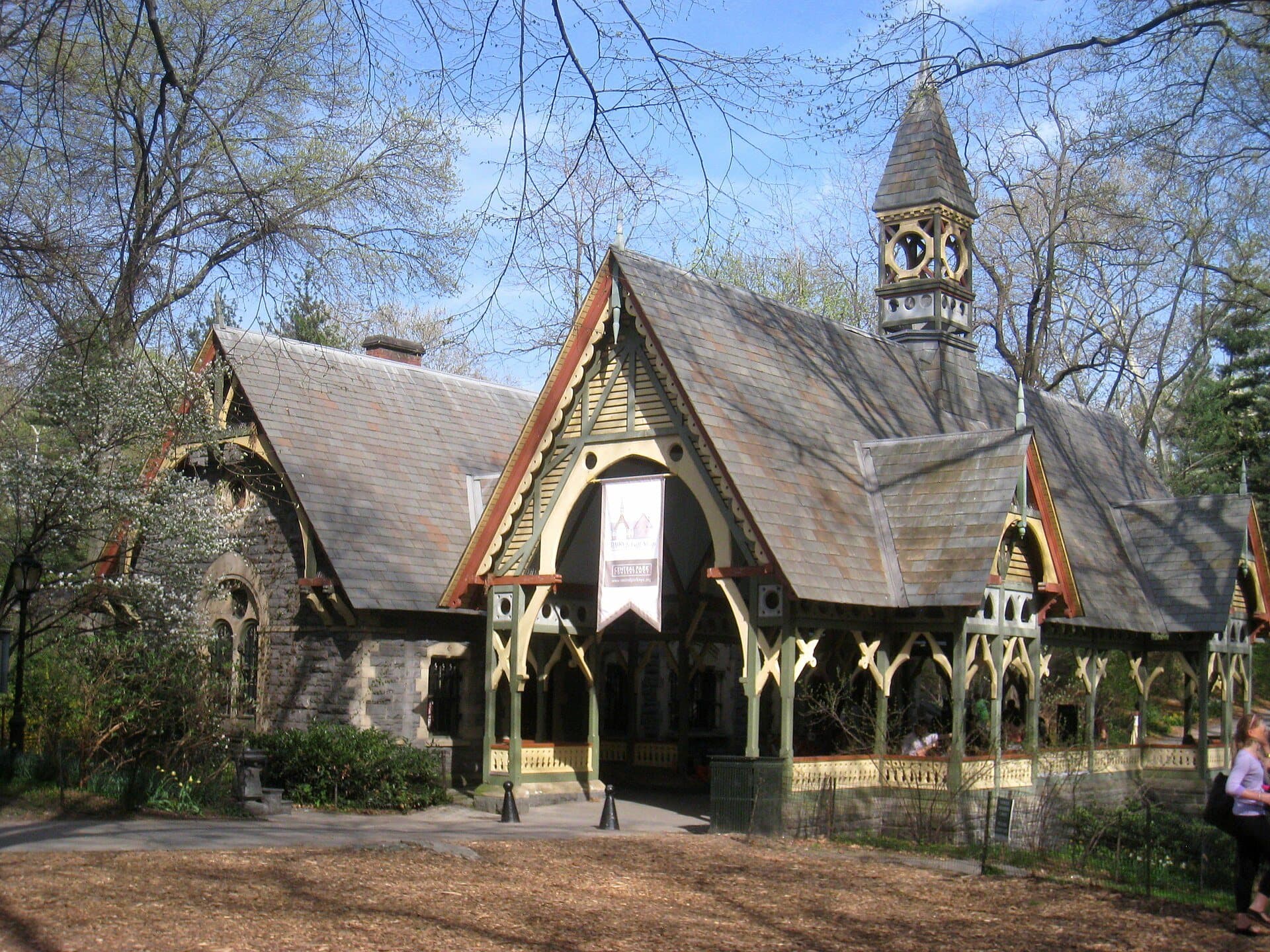
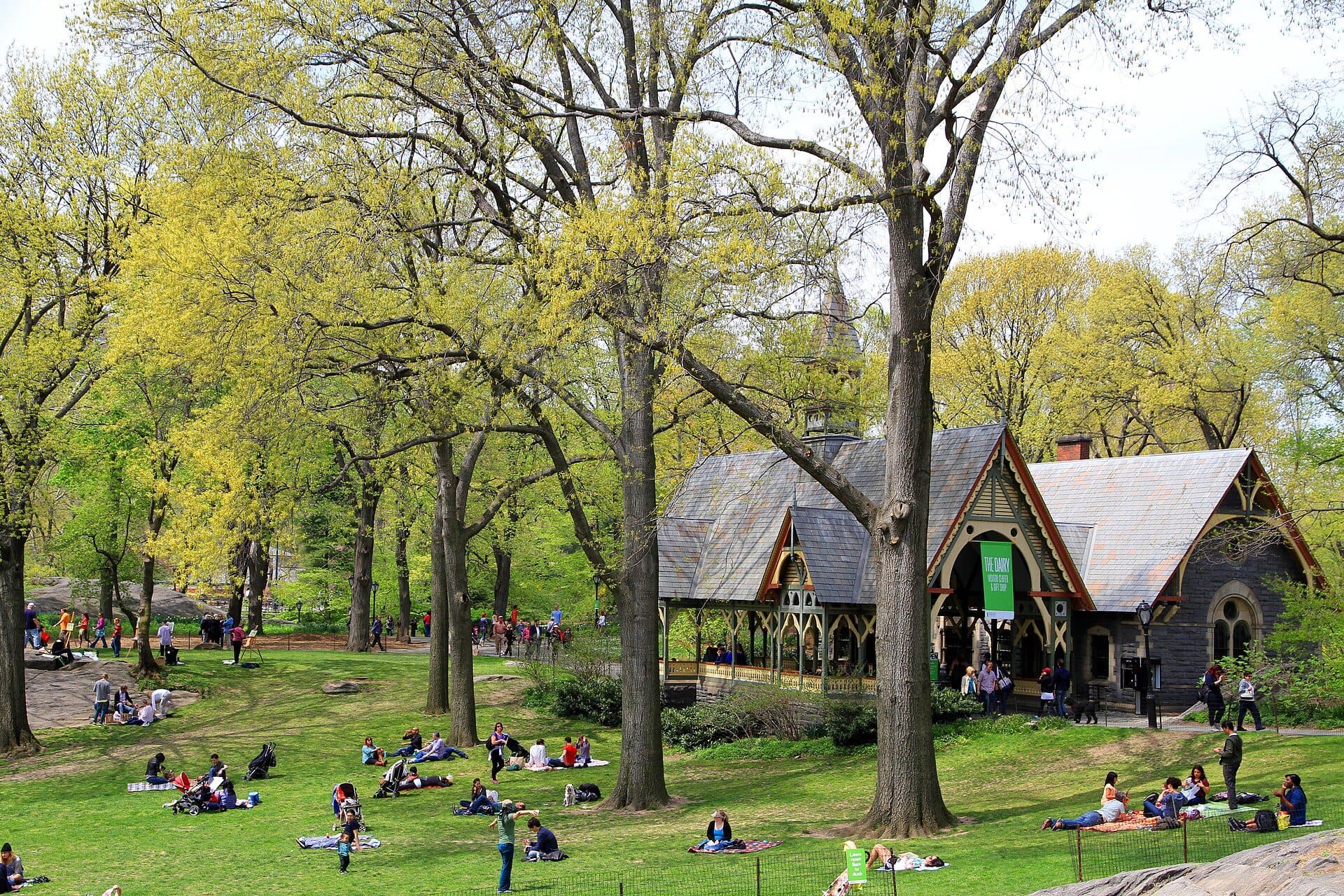
The Dairy: A Milk Bar for City Children
This little stone cottage once served fresh milk to children. Today it is the park's visitor centre, free to enter.
- 4
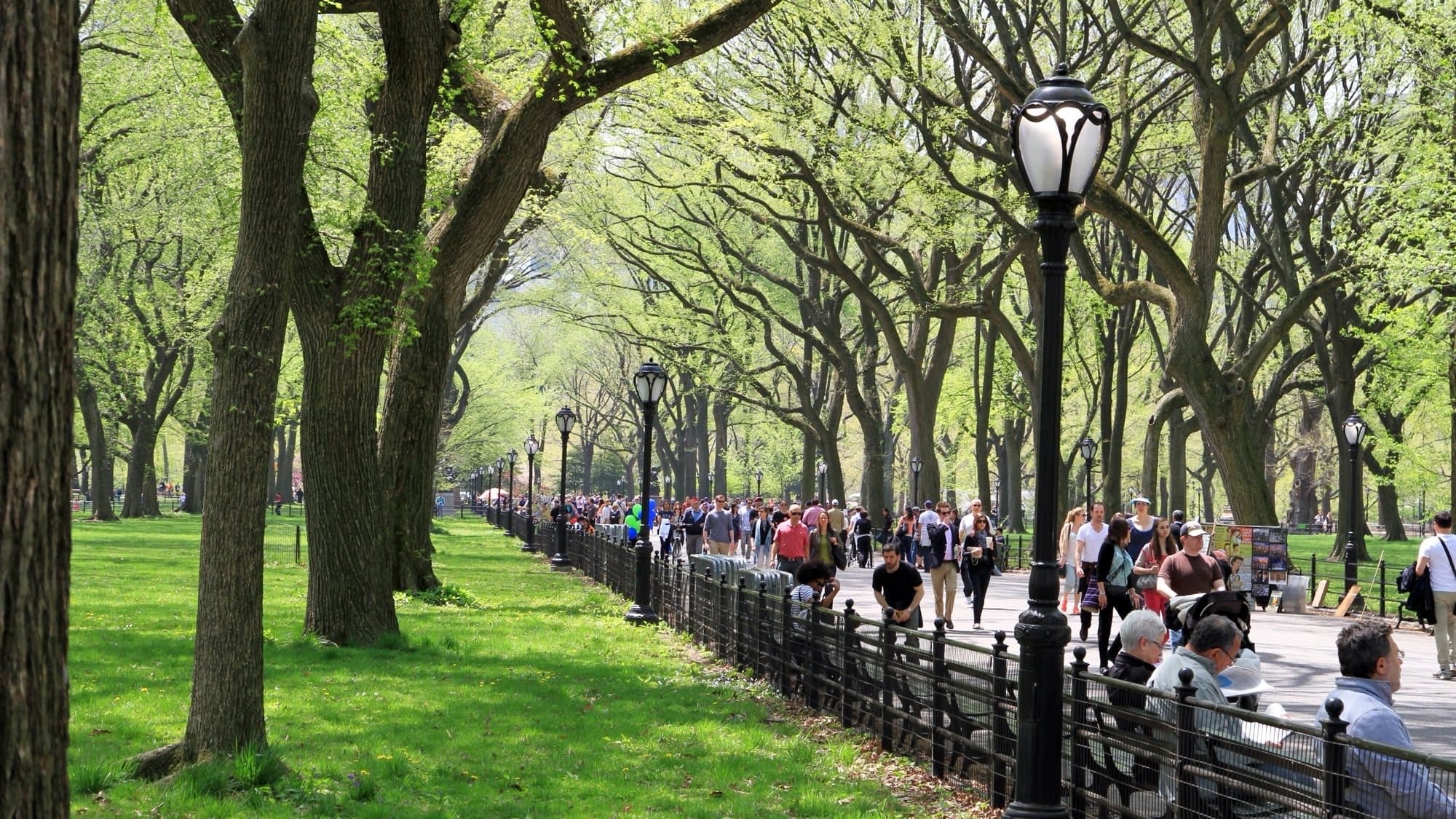
The Mall: A Hall Made of Elms
The park's one formal avenue is a hall of elms. Its straight view was planned to end on a castle.
- 5
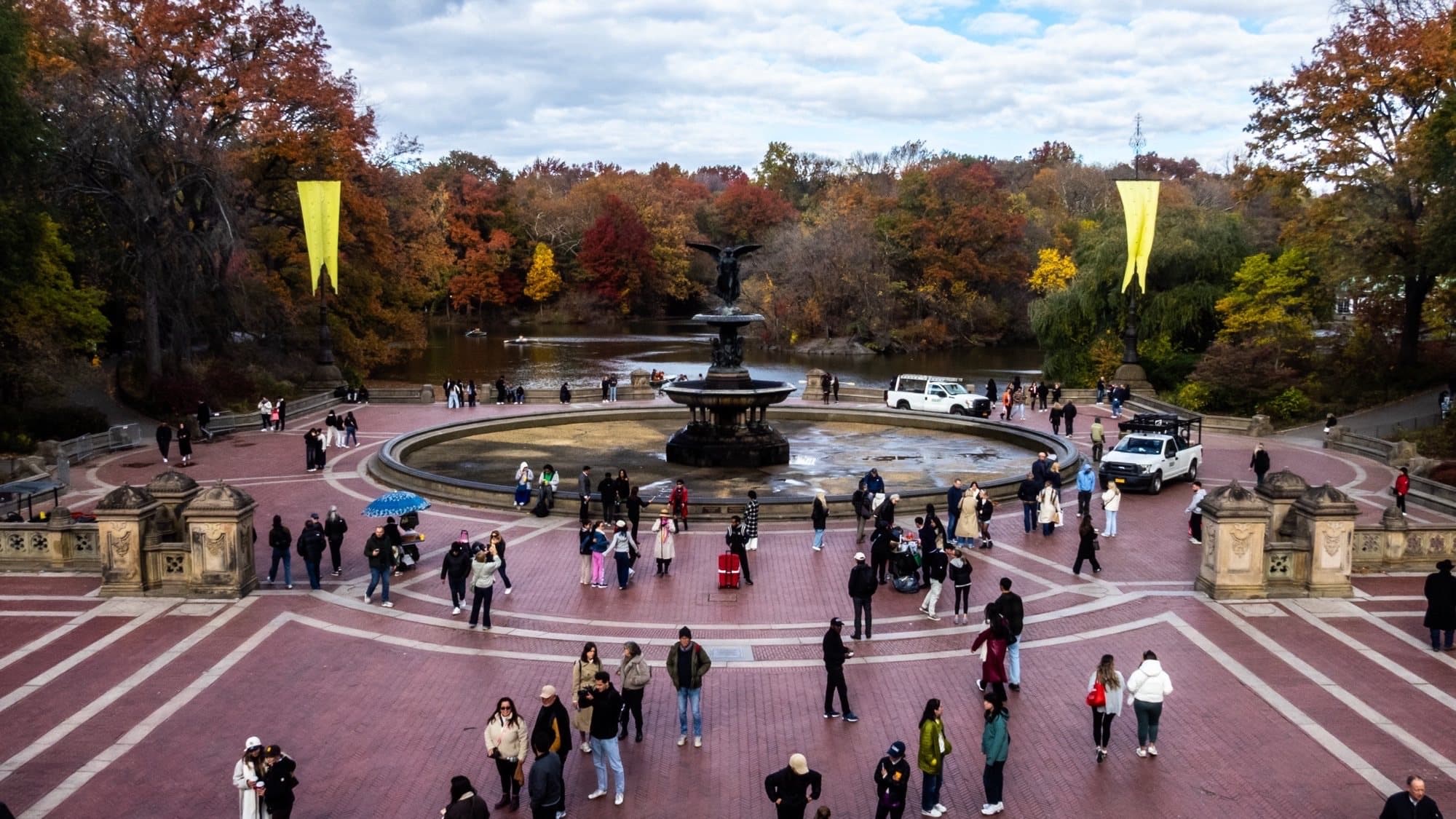
Bethesda Terrace: Floor Tiles on a Ceiling
Carved stone stairs lead walkers under the carriage drive. A ceiling of floor tiles and an angel celebrate clean water.
- 6
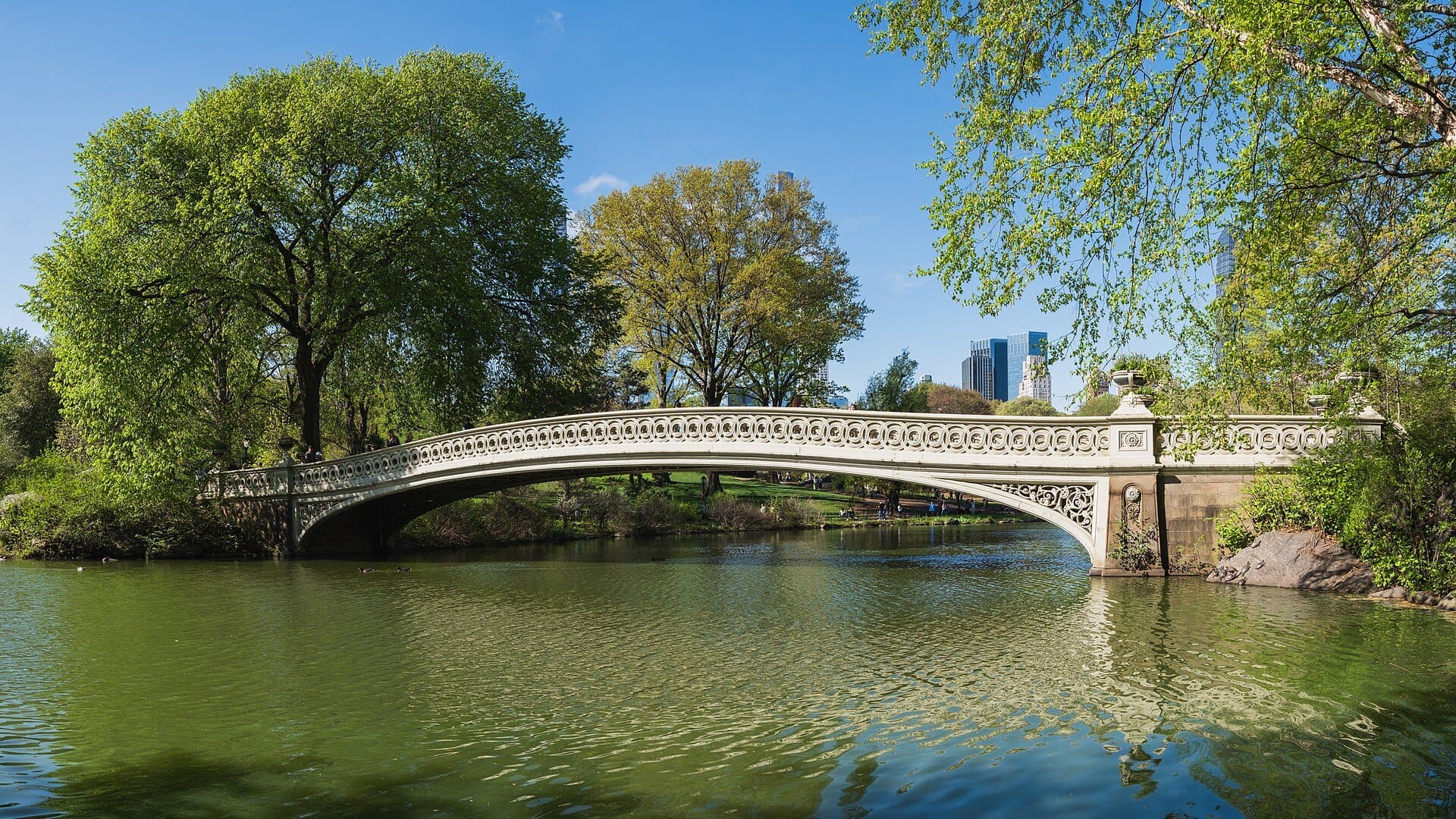
Cherry Hill: The View of Bow Bridge
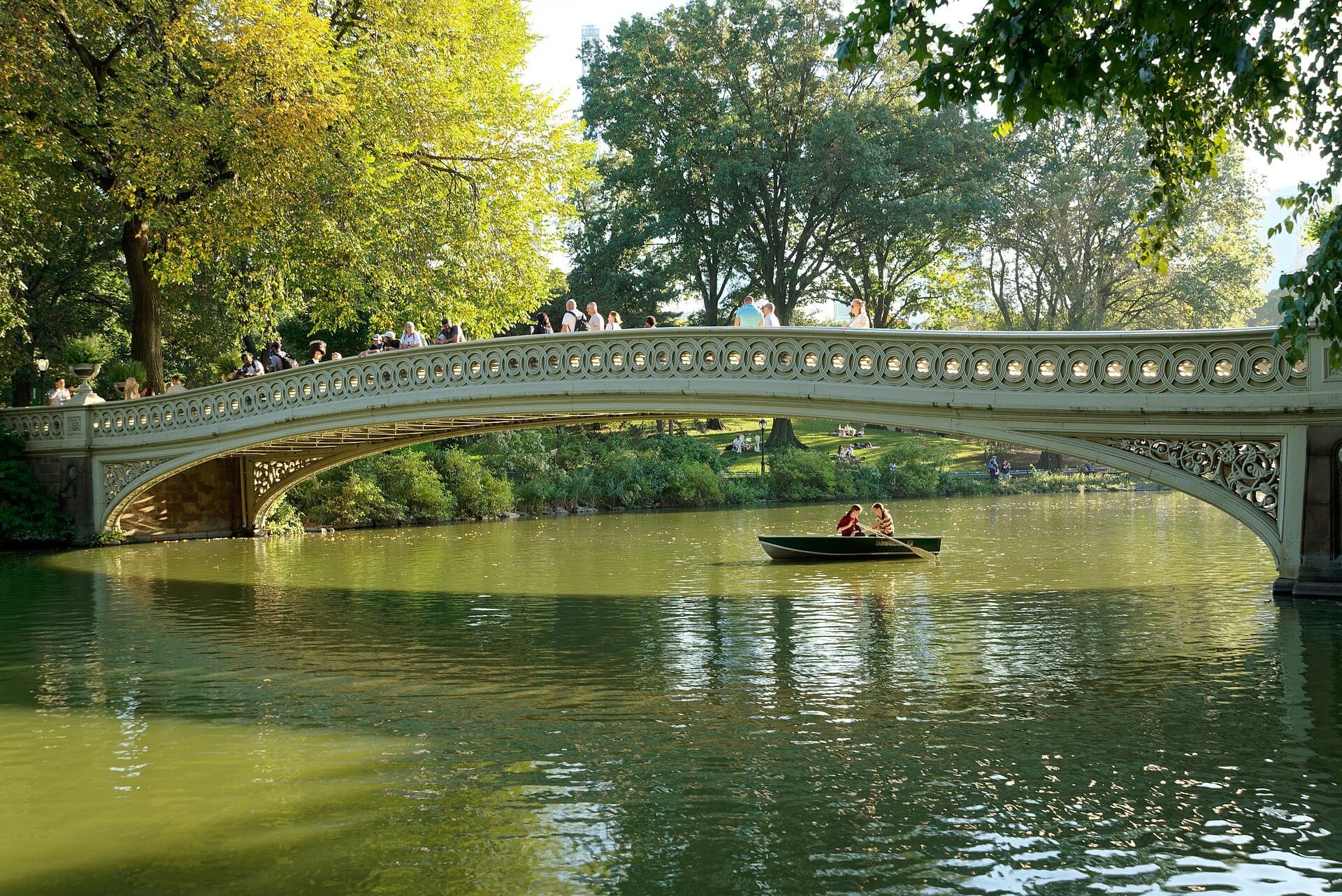
Bow Bridge crosses the Lake in one low iron arc. Beside you stands a fountain built for horses, finished in 1981.
- 7
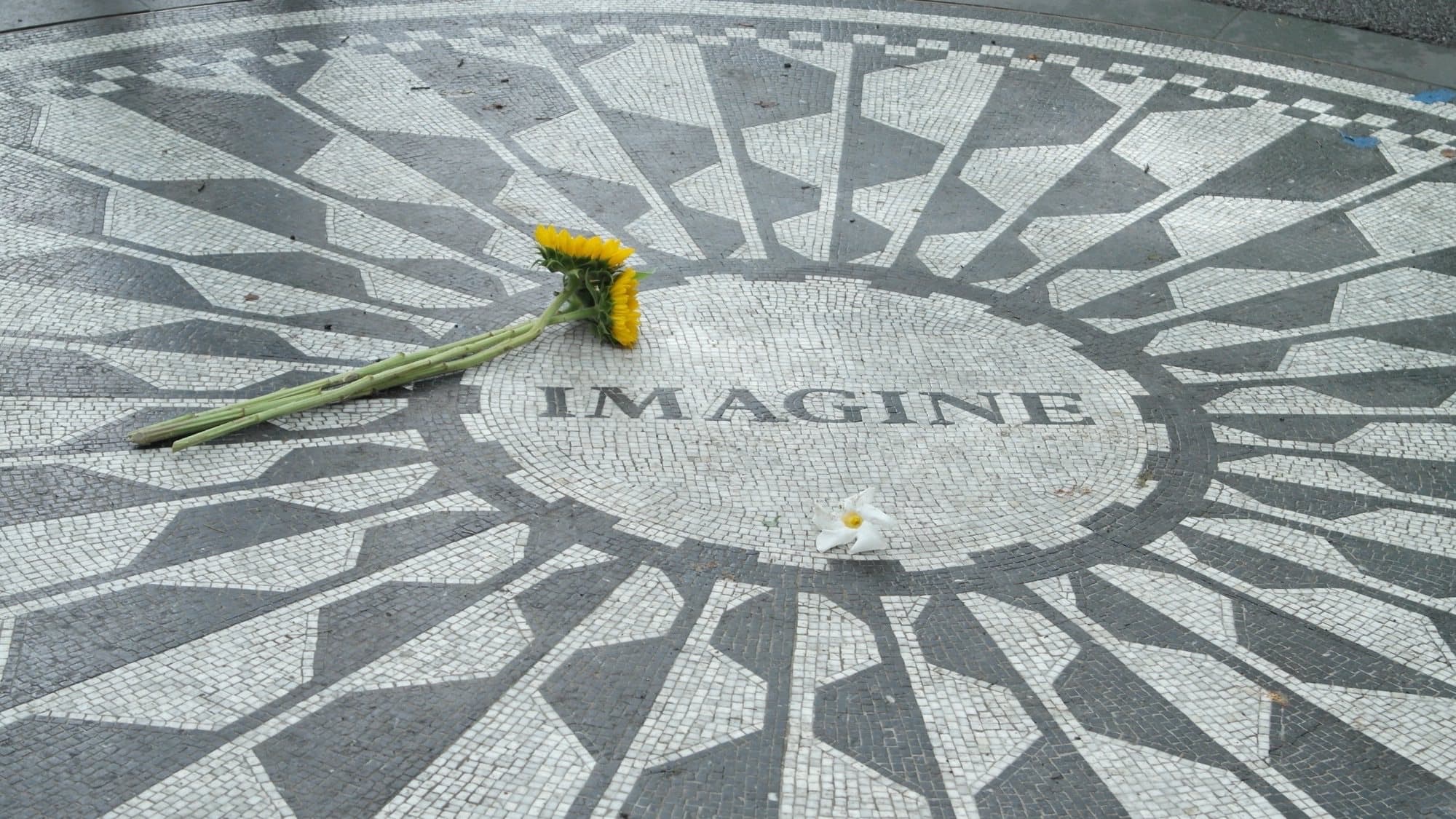
Strawberry Fields: A Memorial With No Statue
This garden for John Lennon has no statue. It has meadows, a winding wooded path and a round mosaic that reads Imagine.
- 8
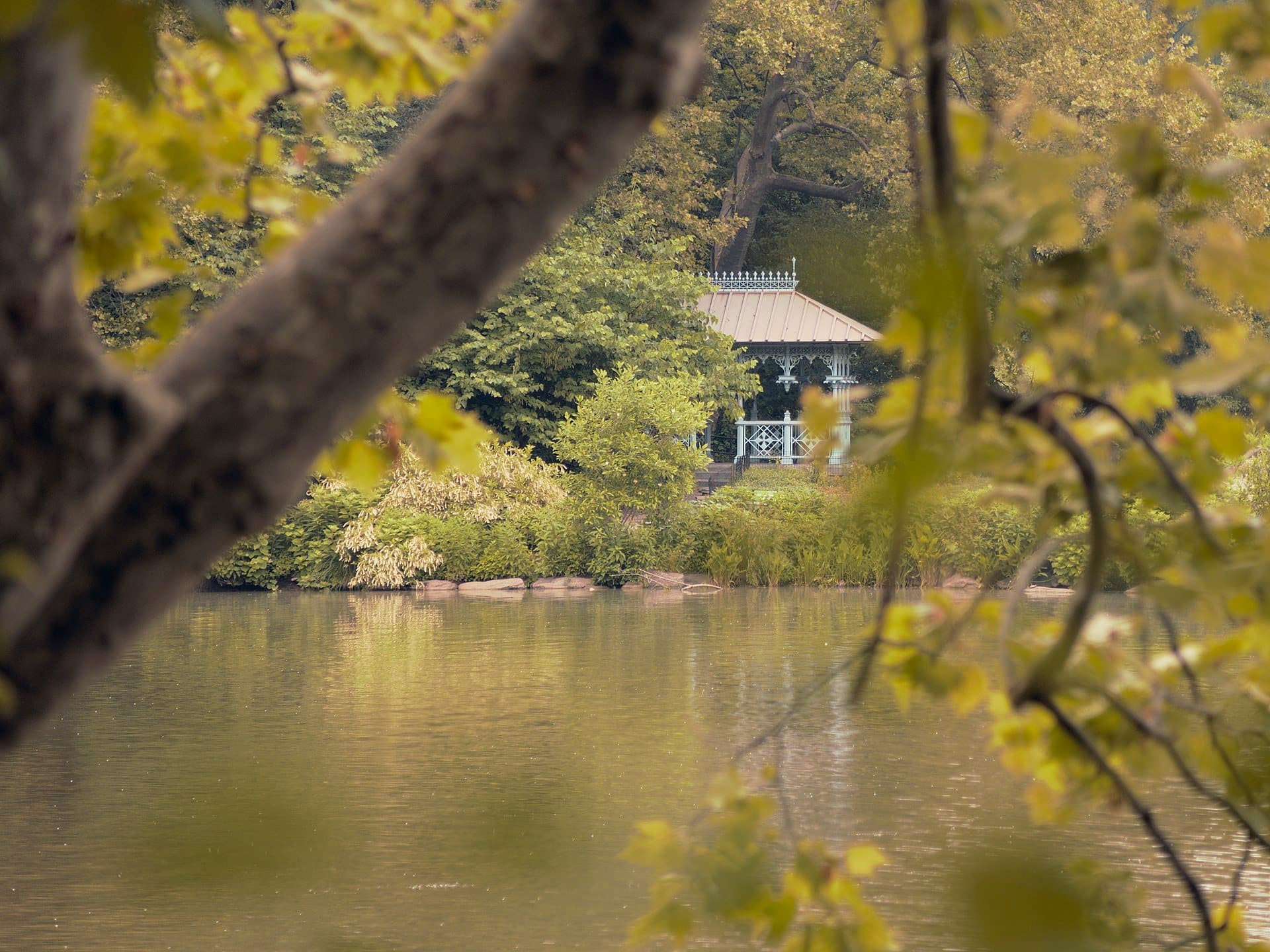
Ladies' Pavilion: A Shelter That Moved House
This cast-iron carriage shelter first stood at Columbus Circle. It was moved onto a rock named for a heron in 1913.
- 9
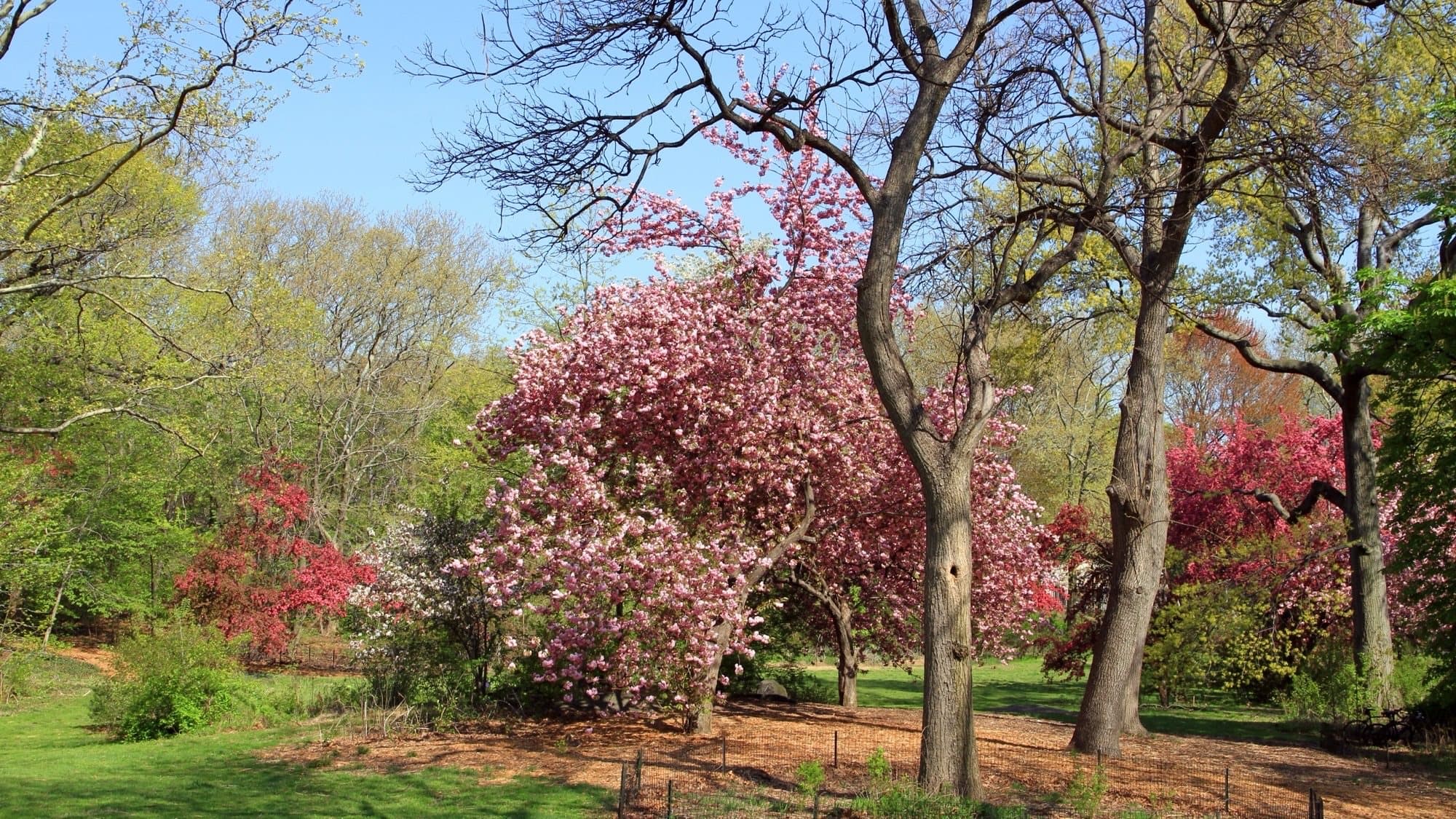
The Ramble: A Forest With Plumbing
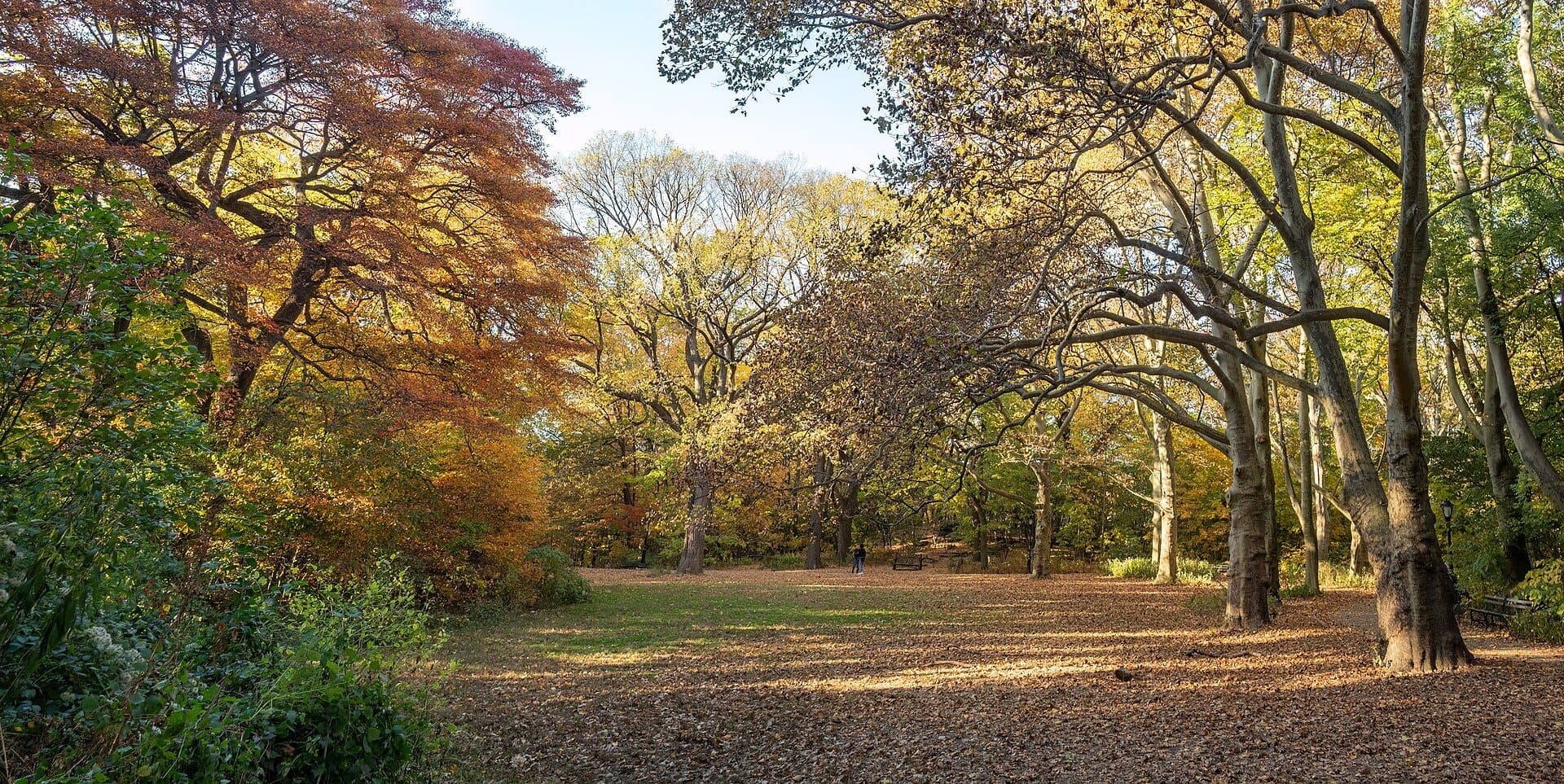
These 36 acres of woodland look wild but were built, from the stream to the drains. Over 200 bird species stop here each year.
- 10
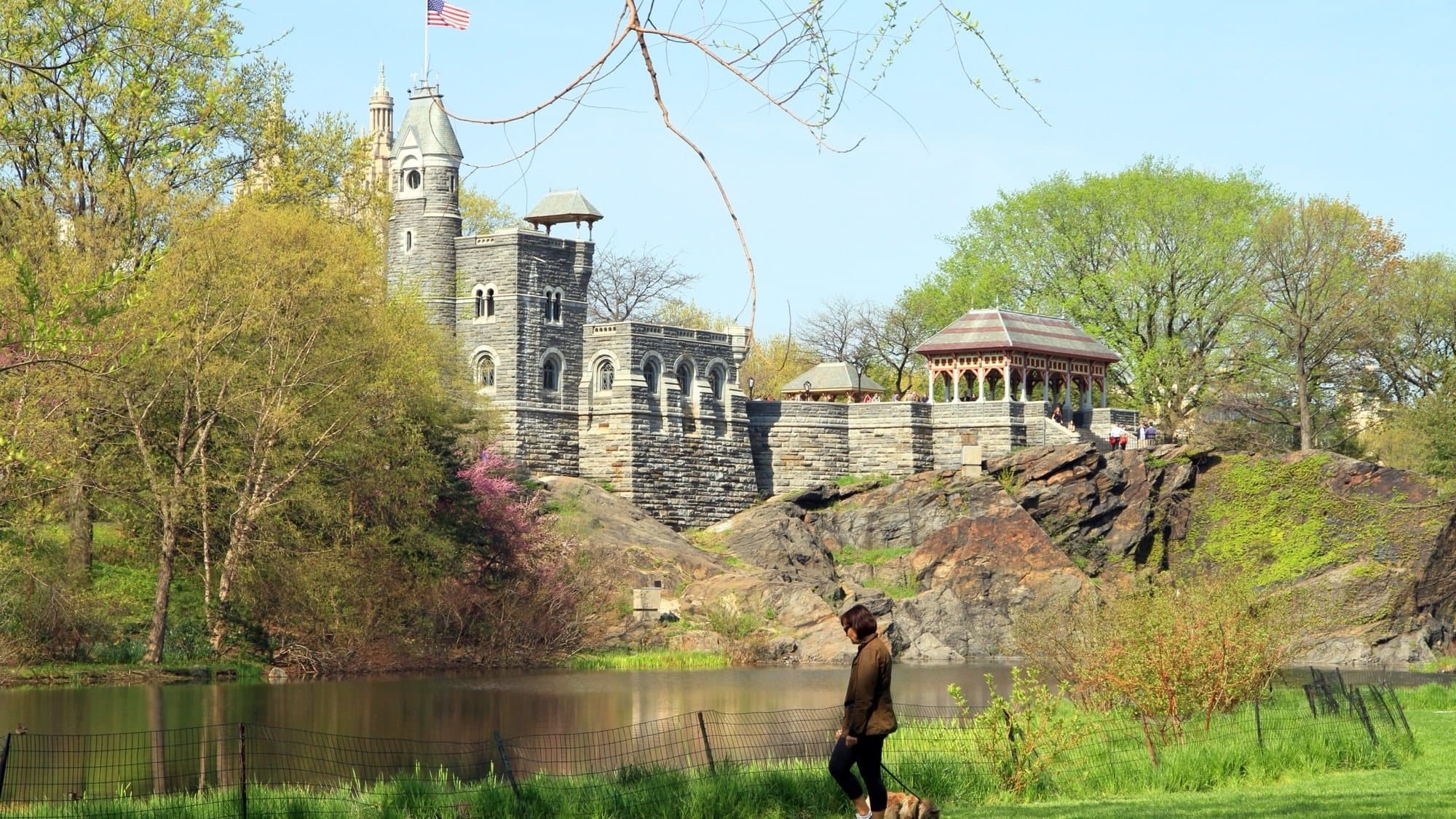
Belvedere Castle: A Castle Built to Be Looked At
This castle was planned as the end of the Mall's view. Built of park schist, it has been the home of New York's official weather station since 1920.
- 11
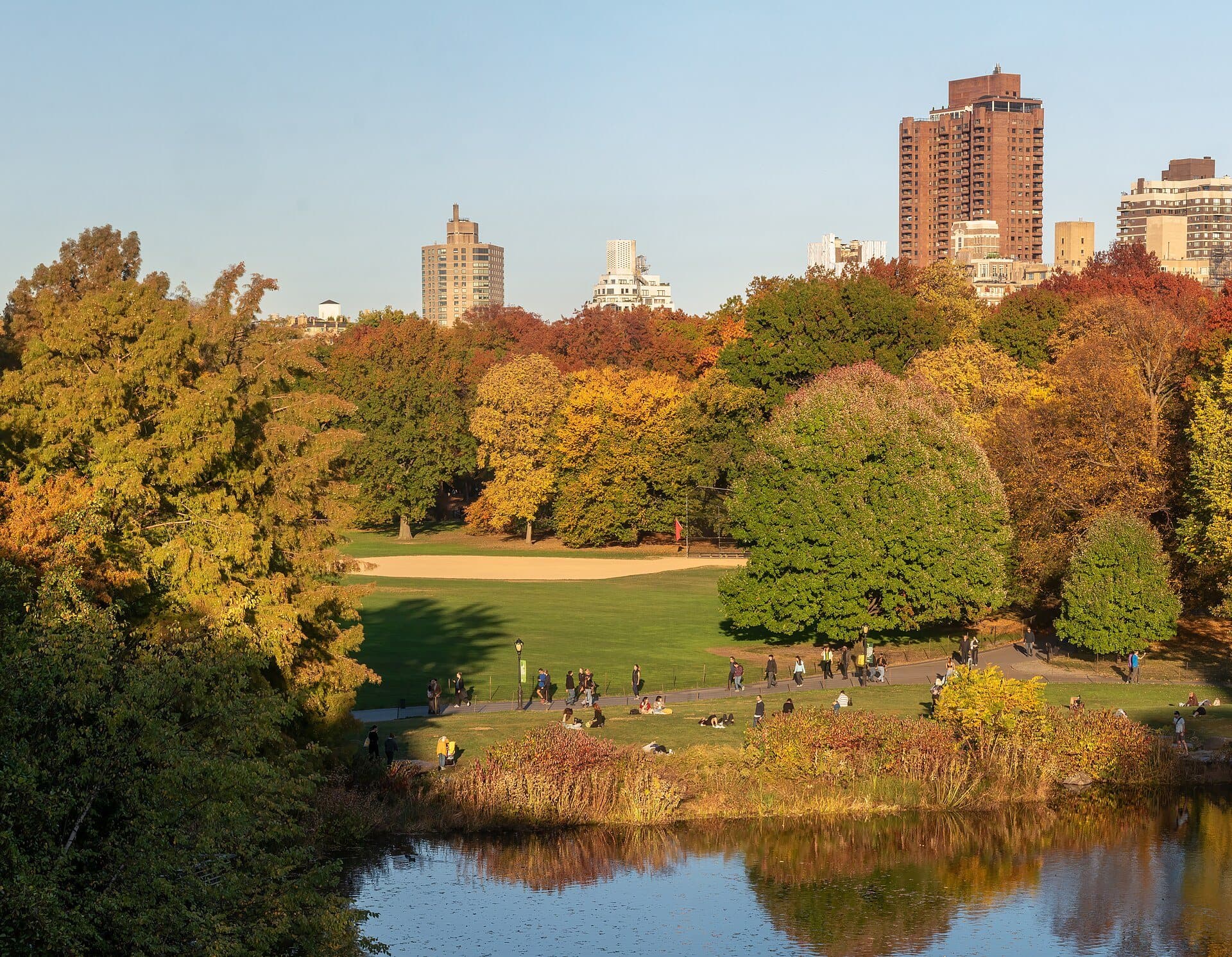
Great Lawn: The Reservoir That Became a Lawn
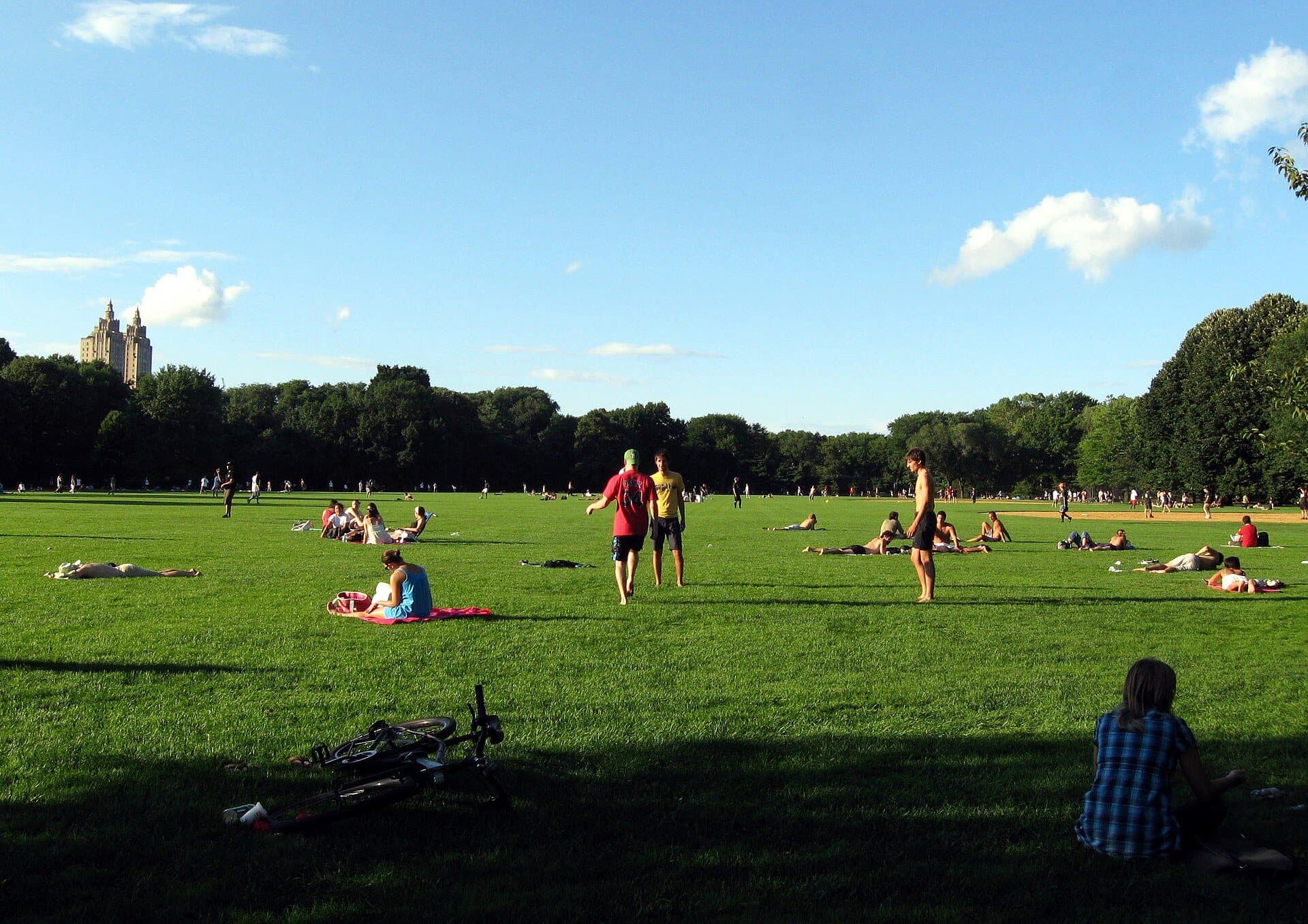
This flat oval of grass sits on an old stone reservoir. Drained in the 1930s, it had held 180 million gallons and was older than the park.
- 12
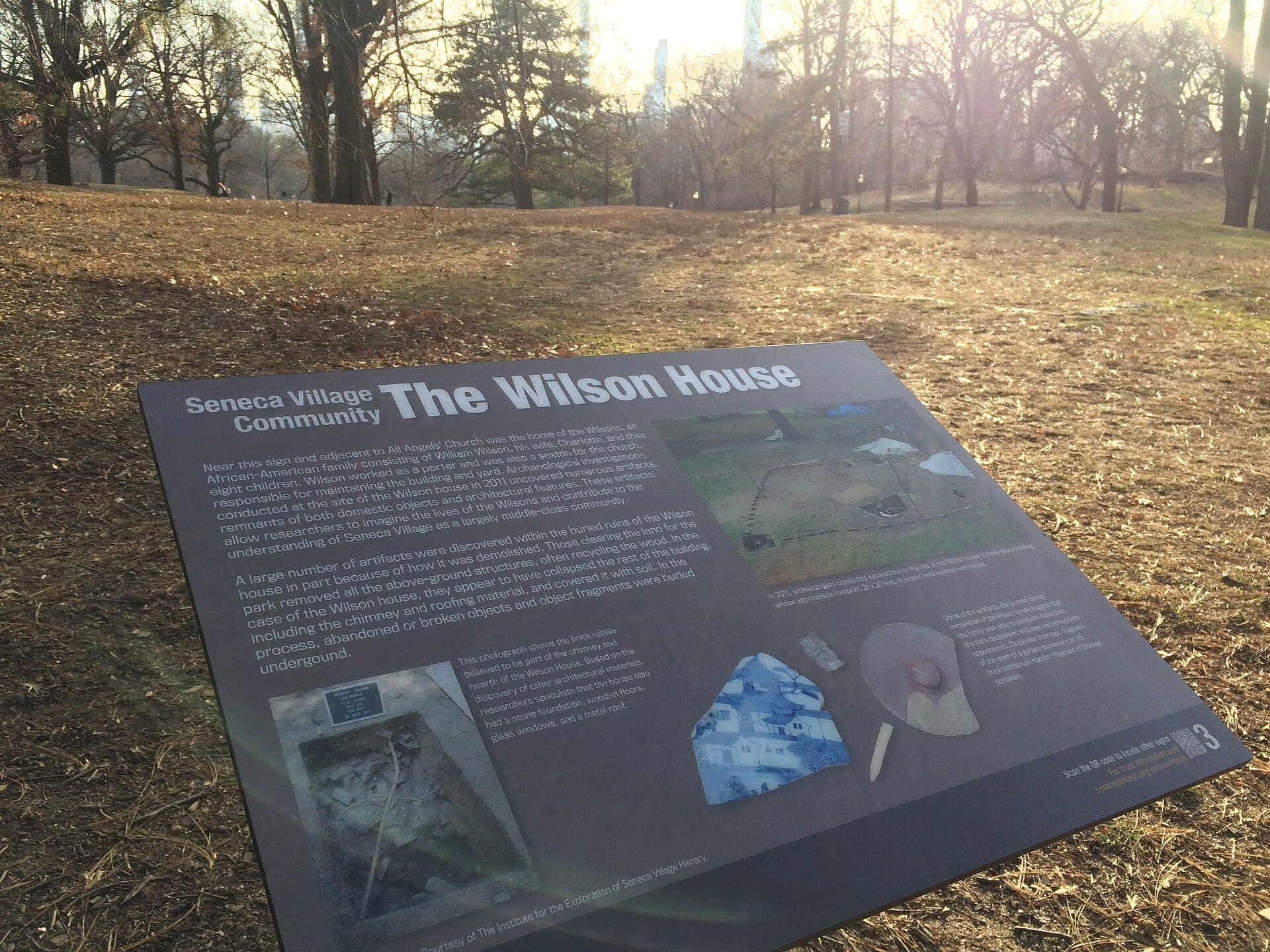
Seneca Village: Summit Rock and the Lost Neighbourhood
The park's highest natural point stood in Seneca Village. Seneca Village was a mostly African American community of landowners and renters, cleared for the park by 1857.
Details
Best Time to Visit
A weekday morning from spring to autumn is calmest, with the elms on the Mall in leaf from about May to October. Go between 10 am and 5 pm if you want to step inside the Dairy and Belvedere Castle; the castle's terrace is open only from 10 am to 4:55 pm. In spring, Cherry Hill's cherry trees are in bloom.
Pro Tips
- •The Dairy and Belvedere Castle are both free and open daily 10 am to 5 pm, closed Thanksgiving, Christmas and New Year's Day; Belvedere's terrace access ends at 4:55 pm, and the route passes beneath the castle rather than over it (checked 30 September 2026).
- •At Bethesda Terrace, look up inside the arcade under the drive: the tiled ceiling is easy to walk under without noticing.
- •The park is open daily from 6 am to 1 am (Central Park Conservancy, checked 30 September 2026).
- •There is a public restroom at Bethesda Terrace, open 6:30 am to 9 pm from late March to early November (checked 30 September 2026).
- •The walk ends near Central Park West at West 83rd Street; the B and C trains stop at 81st Street (Museum of Natural History) and at 86th Street, each a few minutes' walk. Our Midtown walk ends on 57th Street, a few minutes from this walk's start, so the two join up well.
Safety & Precautions
- •Bethesda Fountain was switched off in August 2026 for about a year of restoration; the terrace remains open, but expect a dry basin and possibly fencing (checked 30 September 2026).
- •The Great Lawn closes every winter and at other times for maintenance (it was closed through 2 October 2026); stay on the perimeter paths, from which the stop works.
- •Some benches and paths on the Concert Ground at the north end of the Mall were closed for construction on 30 September 2026; follow any posted detour toward Bethesda Terrace.
- •The Ramble's paths are narrow, twisting and unpaved in places, with a short flight of rough rock steps up to the stop's bridge, and GPS can lag under the trees; walk it in daylight.
- •Several Seneca Village signs near Summit Rock have been temporarily moved while the West 85th Street Playground is rebuilt (2026).
- •Watch for cyclists and pedicabs on the park's drives, including the car-free stretches the route walks along; every crossing of a busy drive on the route is at the lights.
Travel advisory: Exercise Normal Precautions (Level 1).
Gallery
Related Reading
Go deeper on what you'll see, hear, and walk through.
Overview
Best Self-Guided Walking Tours in New York (2026)
4 min
Overview
How to See New York: A City Built in Layers
7 min
Overview
New York Travel Guide: How Many Days, Getting Around, When to Go
6 min
Thematic
Best History Walking Tours in New York (2026)
2 min
Companion
Air Rights and Physics: How Manhattan Built the Pencil Tower
5 min
Companion
Central Park: The Manufactured Wilderness
6 min
Deep dive
Bethesda Terrace: The Floor Tiles on the Ceiling
5 min
Deep dive
Steinway Tower: The Pencil Behind the Piano Hall
5 min
Read the walk
The full story of Central Park: A Wilderness Built by Hand, in words. Prefer to listen? Play it narrated, from home or on location.
Introduction
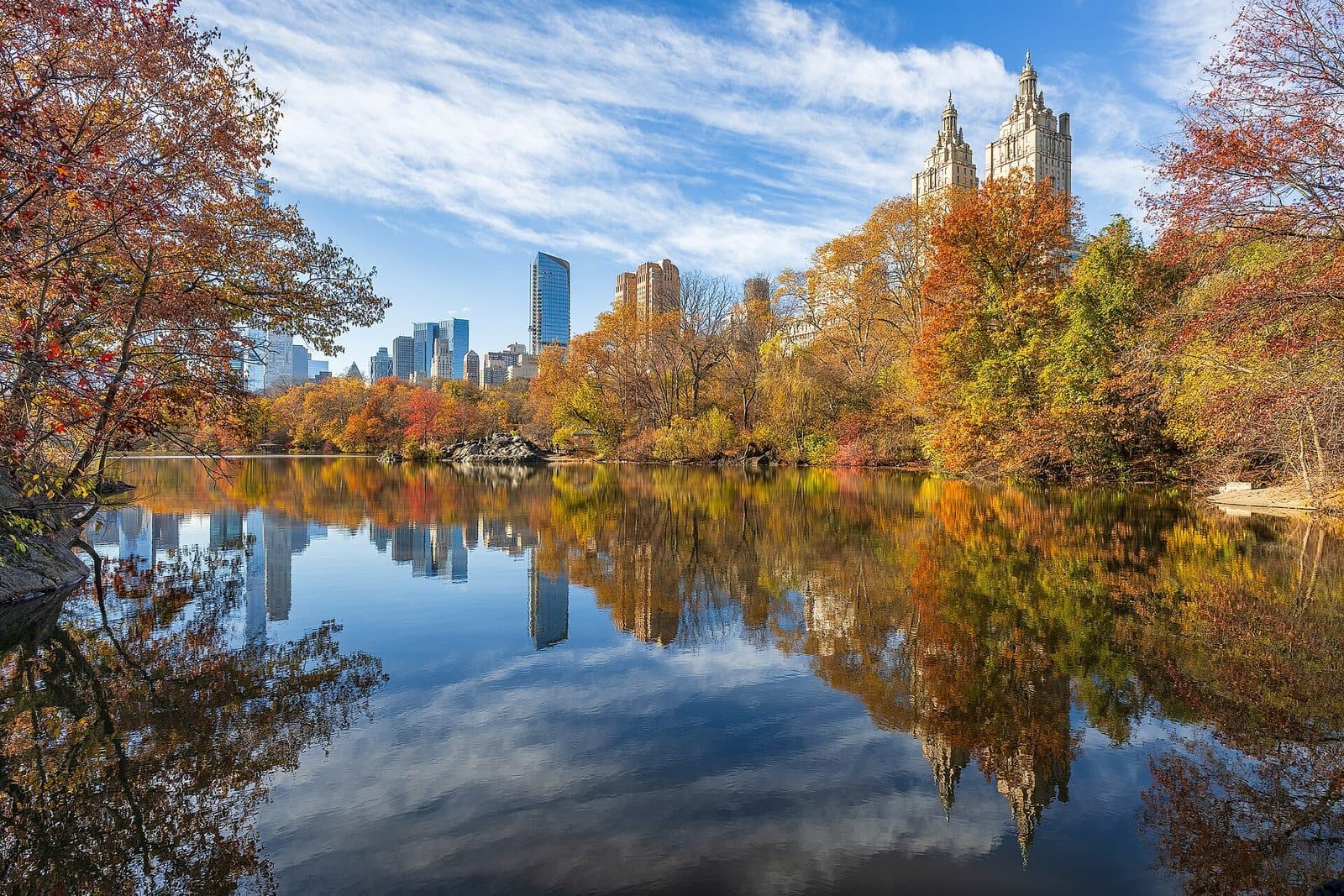
New York, in the United States, keeps its most famous piece of countryside in the middle of Manhattan. Central Park looks like land the city simply left alone: meadows, a lake, a wild wood, outcrops of grey rock. Very little of it was found that way. From eighteen fifty-eight, workers moved nearly five million cubic yards of stone, earth and topsoil, planted half a million trees, shrubs and vines, and did it all by hand. The Central Park Conservancy calls the whole park human-made.
The winning plan was called Greensward, an old word for grass-covered ground. Its authors were Frederick Law Olmsted, who was put in charge of building the park, and Calvert Vaux, the architect who designed its bridges and buildings. The two are credited with founding landscape architecture as a profession in America, and you will meet their work at almost every stop.
Over twelve stops and a little over four kilometres, the walk starts at Grand Army Plaza, on Fifth Avenue at the park's southern edge, and heads north: a sunken pond under very thin towers, an avenue of elms, a carved terrace, a lake, a forest with plumbing, a castle, and a lawn that was once a reservoir. It ends on Summit Rock, the highest natural point in the park, where a village stood before the park was built. It takes about two hours at an easy pace, and everything on the route is free.
1. Grand Army Plaza: The Gate the Designers Refused
Welcome to Central Park, or very nearly. Walk on into Grand Army Plaza and stop between its two halves: a gilded rider on horseback on one side, a fountain of stepped stone basins on the other. Strictly speaking, the park begins across the street.
This is the one corner where the park's designers lost. Olmsted and Vaux wanted nothing grand here. Their plan for this spot, finished by eighteen sixty, was a plain circle of road ringed with elm trees. They had rejected the European habit of marking a park's entrance with monuments. The city added the monuments anyway.
First the gold. The rider is General William Tecumseh Sherman of the Union army, unveiled on Memorial Day nineteen oh three. A winged Victory walks ahead of his horse holding a palm frond, and under a hoof lies a pine branch from Georgia, a symbol of the South. In twenty fifteen the whole group was given new gold leaf, which is why it glows from blocks away. The square takes its name from the Union veterans' society, the Grand Army of the Republic.
Then the fountain. When the newspaper publisher Joseph Pulitzer died in nineteen eleven, he left fifty thousand dollars for a fountain here. Its sculptor wanted a formal square in the spirit of the Place de la Concorde in Paris, and the old circle became two matching squares, split by Fifty-Ninth Street. Five basins step down, and on top stands a small bronze Pomona, the Roman goddess of abundance. The fountain's half was finished in nineteen sixteen; the other half waited until nineteen twenty-one, held up by subway building underneath.
Keep that plain ring of trees in mind. Everything across the street was built to look as if nobody had built it at all.
Follow the route across the street at the lights and into the park. Next, a pond sunk below the street.
2. Gapstow Bridge: Billionaires' Row Over the Pond
Walk on down to the Pond and out onto the stone bridge across its narrow neck, and stop on the bridge.
Notice how you got here: downhill. The Pond was set below the level of the street on purpose, so you step down off Fifth Avenue into a hollow and the city drops away behind you. The rocky, wooded hill across the water is a nature sanctuary.
Now the bridge. Look at its stone: rough and grey-brown, much of it under vines. A history of the park's bridges says it is Manhattan schist, the island's own bedrock, and you will meet that rock again and again on this walk. The bridge was rebuilt in eighteen ninety-six, plain and rustic, to replace a fancier one with cast-iron details that had worn out.
Now look up, over the trees of the sanctuary. The very thin towers rising over the park's edge stand along Fifty-Seventh Street, the stretch people call Billionaires' Row. The tallest is Central Park Tower: fifteen hundred and fifty feet, about four hundred and seventy metres, finished in twenty twenty. Slimmer still is one-eleven West Fifty-Seventh, fourteen hundred and twenty-eight feet, finished in twenty twenty-one. Its developer calls it the most slender skyscraper in the world, and says it is twenty-four times taller than it is wide.
Why so thin? Here, zoning mostly limits how much floor space a lot can hold, not how high a tower set back from the street may rise. So developers buy unused floor space, which New Yorkers call air rights, from their neighbours, and stack it up on narrow lots.
Follow the route back off the bridge and north, past the end of the Pond. Next, a cottage that served milk to children.
3. The Dairy: A Milk Bar for City Children
Walk on to the small stone building with the steep roof and the painted open porch, and stop in front of it. This is the Dairy. It is free to go in, as the park's visitor centre and shop, and its hours are on this stop's card.
Calvert Vaux designed it to look like a Victorian country cottage, and it was finished in eighteen seventy-one. It stood at the heart of what the designers planned as the Children's District, a corner of the park made for children and the people looking after them.
Its job was simple and practical. Fresh milk was hard to come by for many city families, and here children could get it, served under that open porch, cooled by breezes off the Pond, with a lawn in front to play on. A pleasure ground, with a little public health built in.
Look at the porch, which architects call a loggia: open, painted woodwork against heavy stone walls. It is not the original. By the nineteen fifties the city had torn the porch down and turned the building into a maintenance shed. In nineteen seventy-nine it reopened as Central Park's first visitor centre, with the colourful porch rebuilt. The Central Park Conservancy, founded the next year, counts it among its first restorations, and has since repaired its stone, roof and porch again, and added an accessible entrance.
So the cottage that looks as if it has always sat in this hollow was built, stripped, and built again.
Follow the route uphill and across the drive at the lights. Next, a long straight avenue in a park of curves.
4. The Mall: A Hall Made of Elms
Walk on to the southern end of the Mall, the broad, straight promenade lined with elms, and stop by the bronze statues of two seated writers facing each other across the path.
Look along the avenue ahead. In a park drawn almost entirely in curves, this is one of the few straight lines, and the one formal piece of the whole plan. Olmsted and Vaux called it an open-air hall of reception: a place to stroll, meet and be seen. The trees are the architecture. There is a double row of American elms on each side, and in summer their arching branches meet overhead like the vault of a cathedral.
Now look at the trunks, behind their low fences. These are not the first elms here. They are the third planting, from the nineteen twenties. The first two most likely died because crowds packed the soil hard over their roots, which is what the fences are for. Then came Dutch elm disease, which reached North America around the nineteen thirties and killed tens of millions of elms across the country. The park still loses some every year. Even so, the Conservancy counts this among the largest and last remaining collections of American elms in the world.
The statues came later too. The original plan had no monuments at all. The two seated figures are the Scottish writers Walter Scott and Robert Burns. Along the Literary Walk, a monument of twenty twenty shows three pioneers of women's rights, the first statue in the park of real women.
One more thing about this straight line: it points somewhere. The designers planned its view to end on a small castle on a rock, deeper in the park. You may not see it through the trees, but you will pass beneath that rock later.
Follow the route along the Mall. Next, the terrace at its end.
5. Bethesda Terrace: Floor Tiles on a Ceiling
Walk on down the wide stairs at the end of the Mall, through the arcade under the drive, and stop near the bronze angel on her basin. This is Bethesda Terrace, by Calvert Vaux, an answer to a traffic problem. A carriage drive crosses the end of the Mall. Rather than make…
Full narration for this stop unlocks with the tour.
6. Cherry Hill: The View of Bow Bridge
Walk on up to Cherry Hill, the open circle on a rise above the Lake, and stop by its tall fountain with the glass lamps. Find the low bridge across the water, the one that crosses in a single shallow curve from bank to bank. That is Bow Bridge, named for that curve, like an…
Full narration for this stop unlocks with the tour.
7. Strawberry Fields: A Memorial With No Statue
Walk on to the round black and white mosaic set into the path, with one word at its centre, Imagine, and stop beside it. This is Strawberry Fields, the memorial to John Lennon, named after his song Strawberry Fields Forever. He lived with his wife, Yoko Ono, in the Dakota, the…
Full narration for this stop unlocks with the tour.
8. Ladies' Pavilion: A Shelter That Moved House
Walk on to the small open pavilion of slender iron columns standing on a knob of rock above the Lake, and stop on the rock path beside it. The rock first. It is a large outcrop of schist jutting into the Lake, the grey bedrock you first met at Gapstow Bridge. Olmsted and Vaux…
Full narration for this stop unlocks with the tour.
9. The Ramble: A Forest With Plumbing
Walk on through the woods, down to the stream, up the rough stone steps, and stop on the little bridge over it. From here the paths twist on purpose, and no map keeps up with the Ramble, ours included. If the path and the map disagree, trust the path: the route leads on to the…
Full narration for this stop unlocks with the tour.
10. Belvedere Castle: A Castle Built to Be Looked At
Walk on round the pond and stop on the path above it, at the edge of the big lawn. Look across the water to Belvedere Castle, the small grey stone castle with a tower on top of the great rock you just passed beneath. It is free to go in, and its hours are on this stop's…
Full narration for this stop unlocks with the tour.
11. Great Lawn: The Reservoir That Became a Lawn
Walk on along the path at the edge of the Great Lawn, the wide, flat oval of grass, and stop on the path. Keep to the path: the lawn closes every winter, and at other times for maintenance, and everything here works from the edge. Notice how flat it is. Everywhere else the park…
Full narration for this stop unlocks with the tour.
12. Seneca Village: Summit Rock and the Lost Neighbourhood
Walk on up onto Summit Rock, the broad knoll of bare rock with benches, and stop on top. This is the highest natural point in Central Park. Look at the rock: the same grey schist you have seen all along this walk, kept by the designers. But before there was a park, this rock…
Full narration for this stop unlocks with the tour.