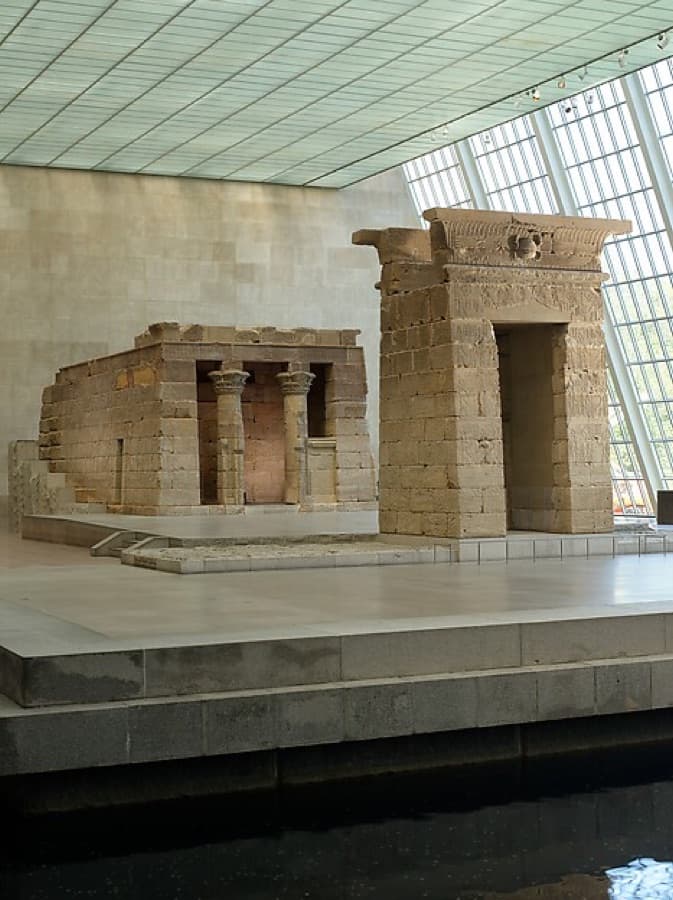
The Temple of Dendur is on Floor 1 of The Met Fifth Avenue, in Gallery 131, in the Egyptian wing. It is a small sandstone temple from Nubia, built about 15 BCE and completed by 10 BCE, in the reign of the Roman emperor Augustus. Egypt gave it to the United States in 1965, and it opened at the museum in 1978.
The Temple of Dendur stands on Floor 1 of The Metropolitan Museum of Art, in Gallery 131, in the Egyptian wing. That is where the museum's open data placed it on 22 October 2026, in a vast room of glass and stone built for this single gift.
Why an Egyptian temple is in New York
In the 1960s, Egypt's new High Dam at Aswan was about to flood a long stretch of the Nile valley in Nubia. The temple stood on the west bank of the river, about 80 kilometres south of Aswan. An international campaign led by UNESCO rescued many of the region's ancient monuments, and in 1965 Egypt gave this one to the United States in thanks for American help. The museum was chosen to receive it in 1967, and it opened here on 27 September 1978.
The architects kept the temple facing east, as it did on the Nile. The pool in front of it suggests the river, and the sloping wall behind it suggests the cliffs.
Smaller than you expect
Hear a stop from this walk
African Burial Ground: The Ground Under the City
The temple itself is about 6.4 metres high and 12.5 metres long, with a gate about eight metres high in front of it and a porch with two columns. It is made of Aeolian sandstone. By Egyptian standards it is modest, and that is exactly why it could be taken apart and shipped across an ocean.
What to look for
Start with the scenes on the outer walls. A pharaoh makes offerings to Isis, Osiris and their son Horus. That pharaoh is the Roman emperor Augustus, shown in Egyptian crowns. The temple was built about 15 BCE and completed by 10 BCE, in his reign.
It honoured Isis and two local brothers, Pedesi and Pihor, sons of a local Nubian ruler who were worshipped as gods.
Then look low and high. On the base, papyrus and lotus grow out of water. Over the doorways spreads the winged sun. Between them the temple is a small model of the world, from the marsh to the sky.
Finally, look for names. Travellers who reached the temple while it still stood by the river carved their names into the stone, and the museum points to one left almost two hundred years ago.
The room around it
The great slanted wall of glass is part of the Sackler Wing, designed by Kevin Roche John Dinkeloo and Associates and opened in 1978 as part of Roche's master plan for the whole museum. Where his glass meets the older stone wings by McKim, Mead and White, Roche left a gap on purpose.
The temple is not alone. Hatshepsut's granite sphinx shares the room: about 3.4 metres long and weighing nearly seven tonnes, it has a lion's body and the face of the woman who ruled as king, framed by the striped royal headcloth and a false beard. Nearby are colossal seated statues of Amenhotep III, later taken over by King Merneptah, whose deeper-cut names you can still pick out. Look also for two bronze crabs. The Romans placed crabs like these under the broken corners of the obelisk that now stands just outside in Central Park, known as Cleopatra's Needle.
How this fits the Roamer guide
The Temple of Dendur is a stop on "The Met in an Hour", "The Met's Masterpieces in Two Hours" and "Rooms Moved Whole" in Roamer's independent audio guide to The Met, and the building route, "From Gothic Brick to Glass", stops here to tell the story of the glass room itself. Open Gallery 131 and play its story, or start a route: The Met guide. For the rest of the museum, wing by wing, read what to see at The Met.
Cover image: The Met's Open Access program (CC0).
Ready to experience it?
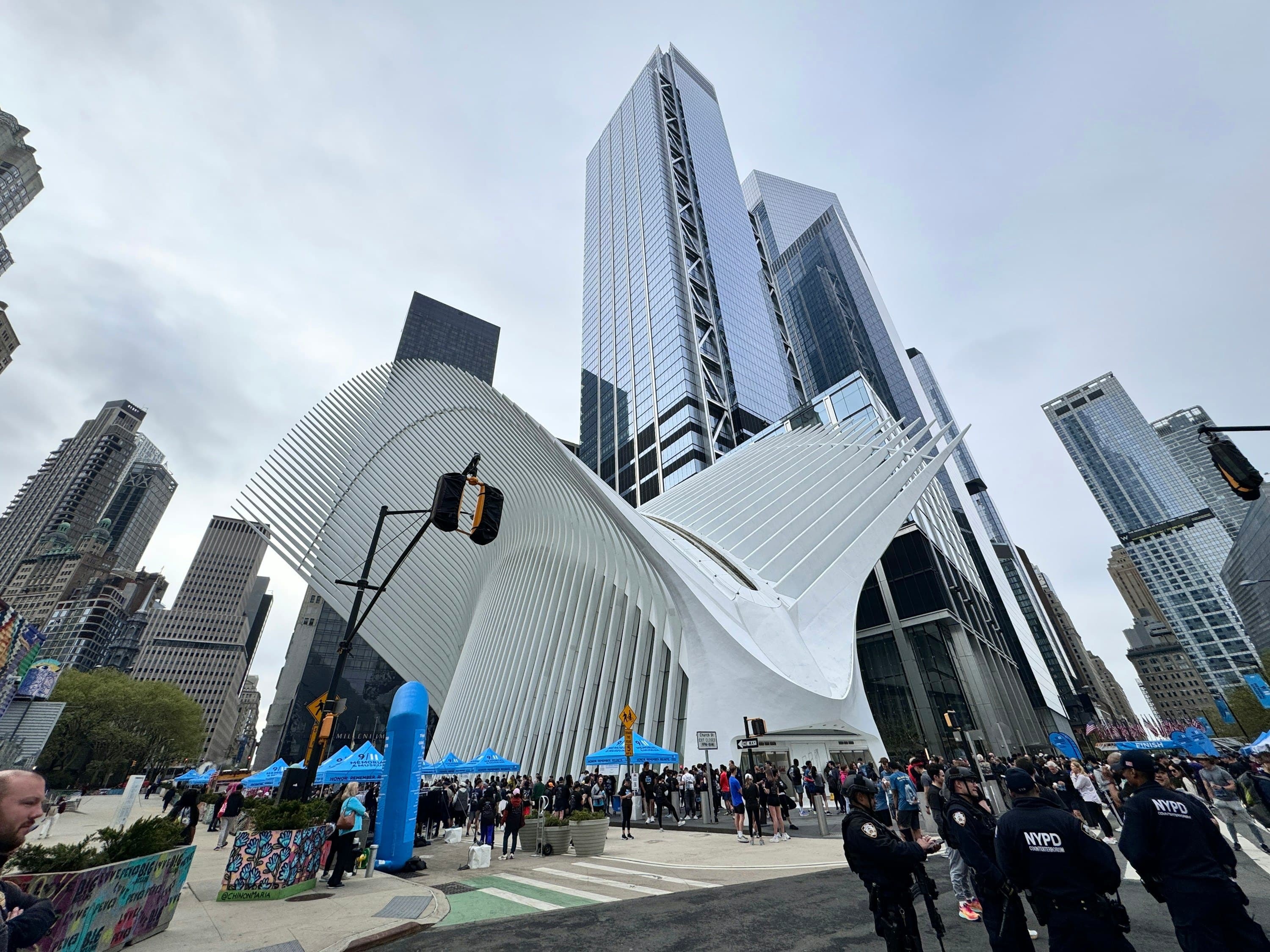
Lower Manhattan: Wall Street to the World Trade Center
110 min · 3.5 km · easy
More from New York
Explore more at your own pace.
MoMA: What to See, Floor by Floor, and Where the Famous Paintings Hang

Monet's Water Lilies at MoMA: The Room, the Fire and the Pond
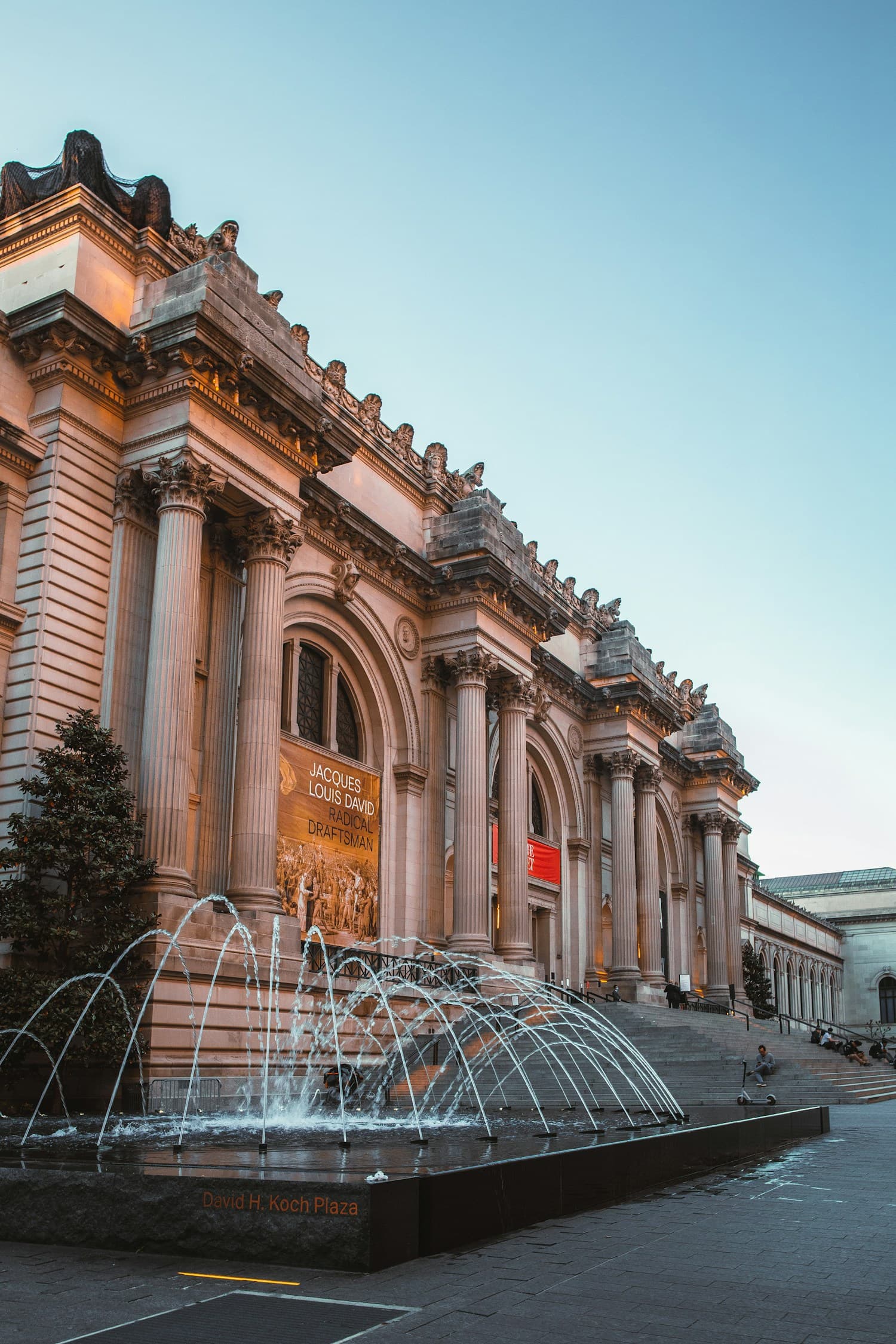
The Met: What to See, Wing by Wing, and Where the Famous Works Are
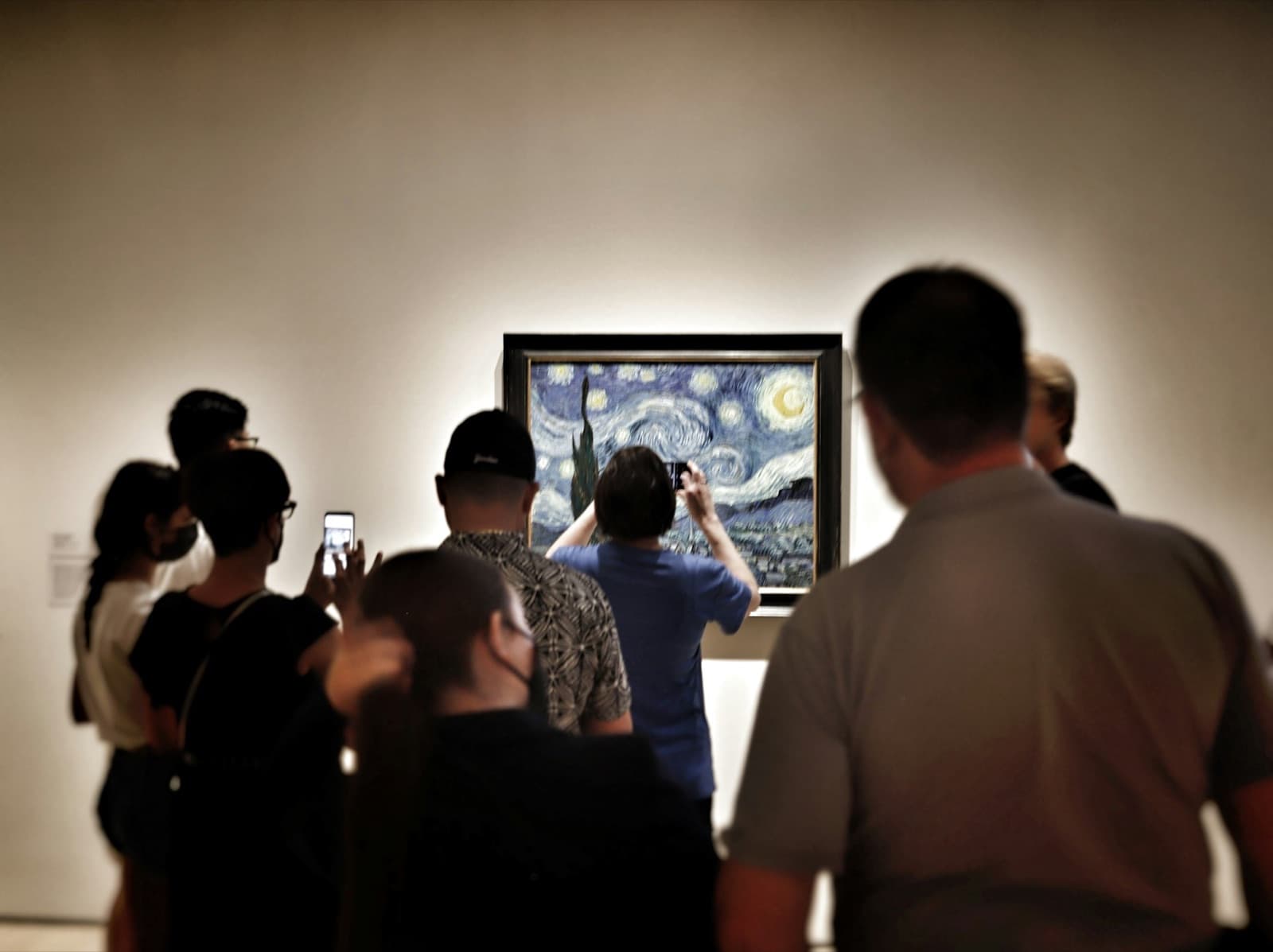
The Starry Night at MoMA: Where It Hangs and What to Look For
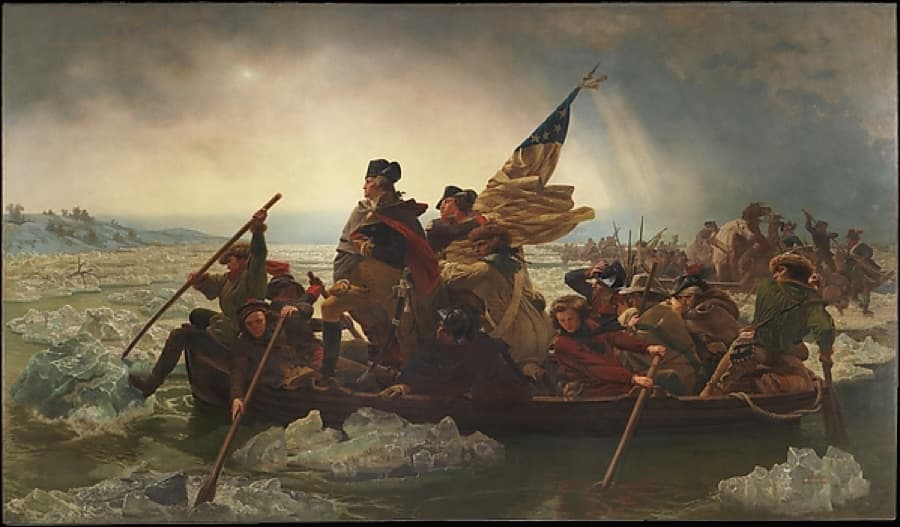
Washington Crossing the Delaware at The Met: Where It Hangs and What to Look For