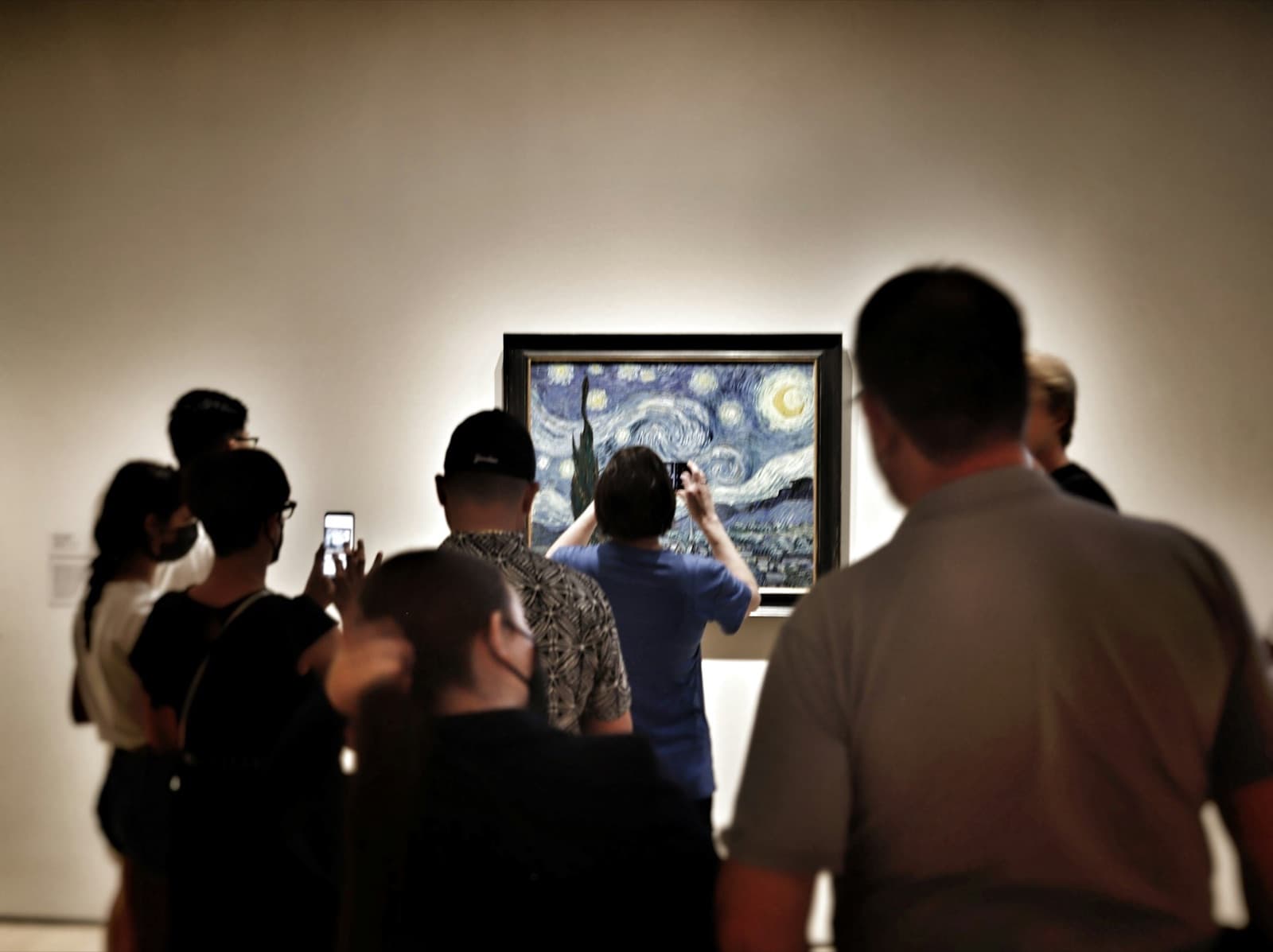
The Starry Night is on Floor 5 of MoMA, in Gallery 501, as of October 2026. Van Gogh painted it in June 1889 at the asylum in Saint-Rémy in the south of France. The canvas measures 73.7 by 92.1 centimetres, about 29 by 36 inches.
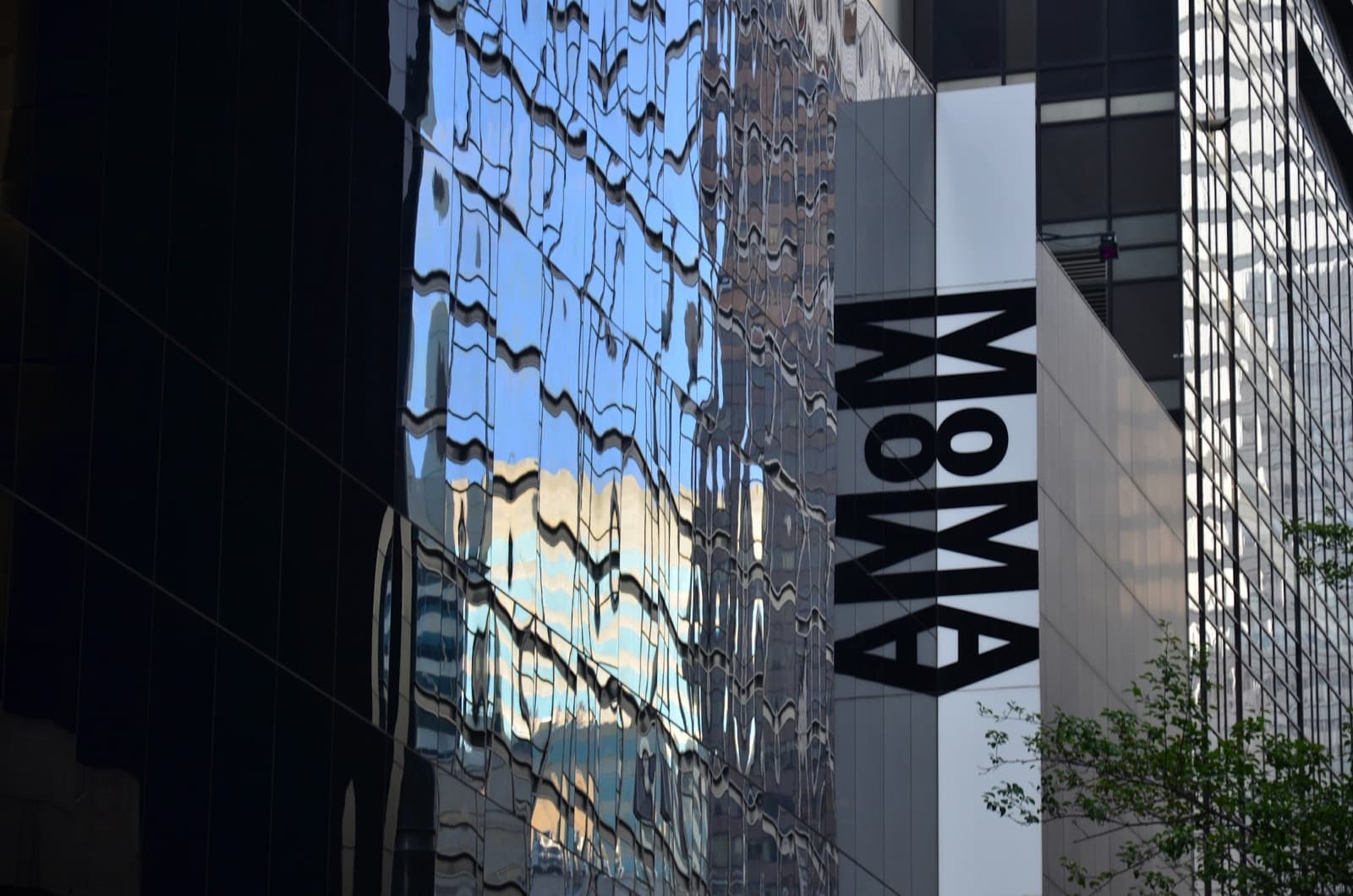
The Starry Night hangs on Floor 5 of the Museum of Modern Art, in Gallery 501, the room MoMA gives to France at the end of the 1800s. That is where MoMA listed it on 10 October 2026. The museum moves works from time to time, so check the painting's page on its website before you go.
Smaller than you think
The first surprise is the size. The canvas is 73.7 by 92.1 centimetres, about 29 by 36 inches. Many people know it from posters bigger than the real thing, so give yourself a minute up close.
What to look for
Hear a stop from this walk
African Burial Ground: The Ground Under the City
Start with the sky. The stars are not points. Each one sits inside rings of white and yellow light, and a great double swirl rolls through the middle like a wave.
Then look down at the village. Van Gogh painted the picture in June 1889 at the asylum in Saint-Rémy, in the south of France, where he had admitted himself that May. It began with the view east from his bedroom window before sunrise, but he changed it. The village could not be seen from that window, and its sharp church spire looks more like the ones in his native Holland.
Now the cypress on the left. It is pulled much closer than it really stood, and it rises like a flame nearly to the top of the canvas, joining the ground to the sky.
The last surprise is how it was made. Van Gogh worked on this night scene by day, in several sessions. It is a night he built, not one he copied.
Its neighbour, painted the same month
In the same room hangs The Olive Trees, painted in the same weeks of 1889. Van Gogh sent both canvases to his brother Theo once they had dried. Look at its sky too: a white cloud bunched up above the low hills of the Alpilles, the range near Saint-Rémy, one of the exaggerations van Gogh himself admitted to. One picture is by night, one by day, and the brushwork is the same thick, curling stroke.
What else is in Gallery 501
The room shows painters answering a changing world with new ways of putting paint down. Seurat and Signac built pictures from small touches of unmixed colour and left your eye to do the mixing: stand close, then step back. Rousseau's The Sleeping Gypsy shows a lion over a sleeping woman in a desert he never saw. Next door, in Gallery 502, is Picasso's Les Demoiselles d'Avignon.
How this fits the Roamer guide
The Starry Night is the first stop most people make, and it is on both "MoMA in an Hour" and "The Unmissables in 90 Minutes" in Roamer's independent audio guide to MoMA. Open Gallery 501 and play its story, or start a route: the MoMA guide. For the rest of the museum, floor by floor, read what to see at MoMA.
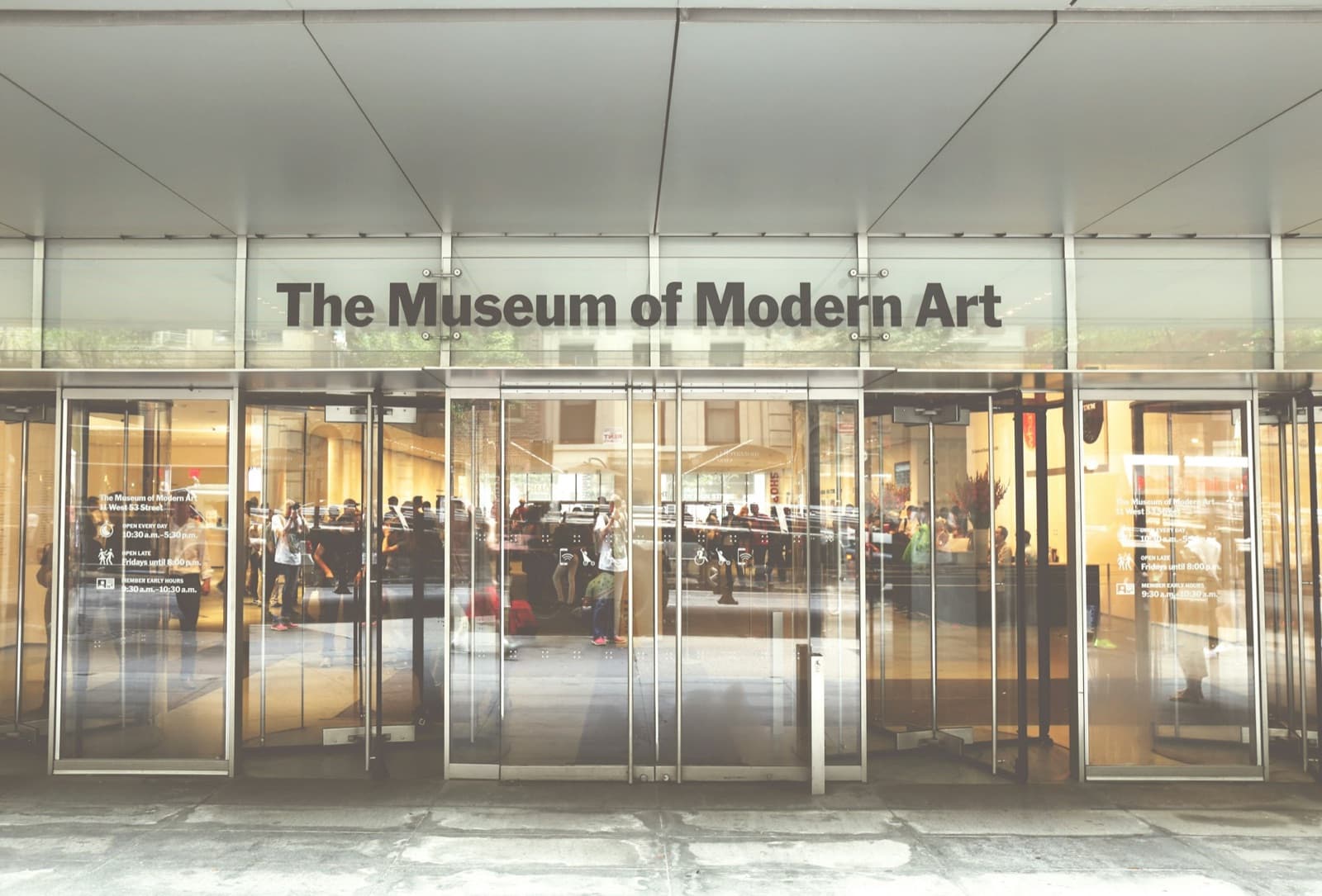
Cover photo: Bernd Dittrich, via Unsplash.
Ready to experience it?
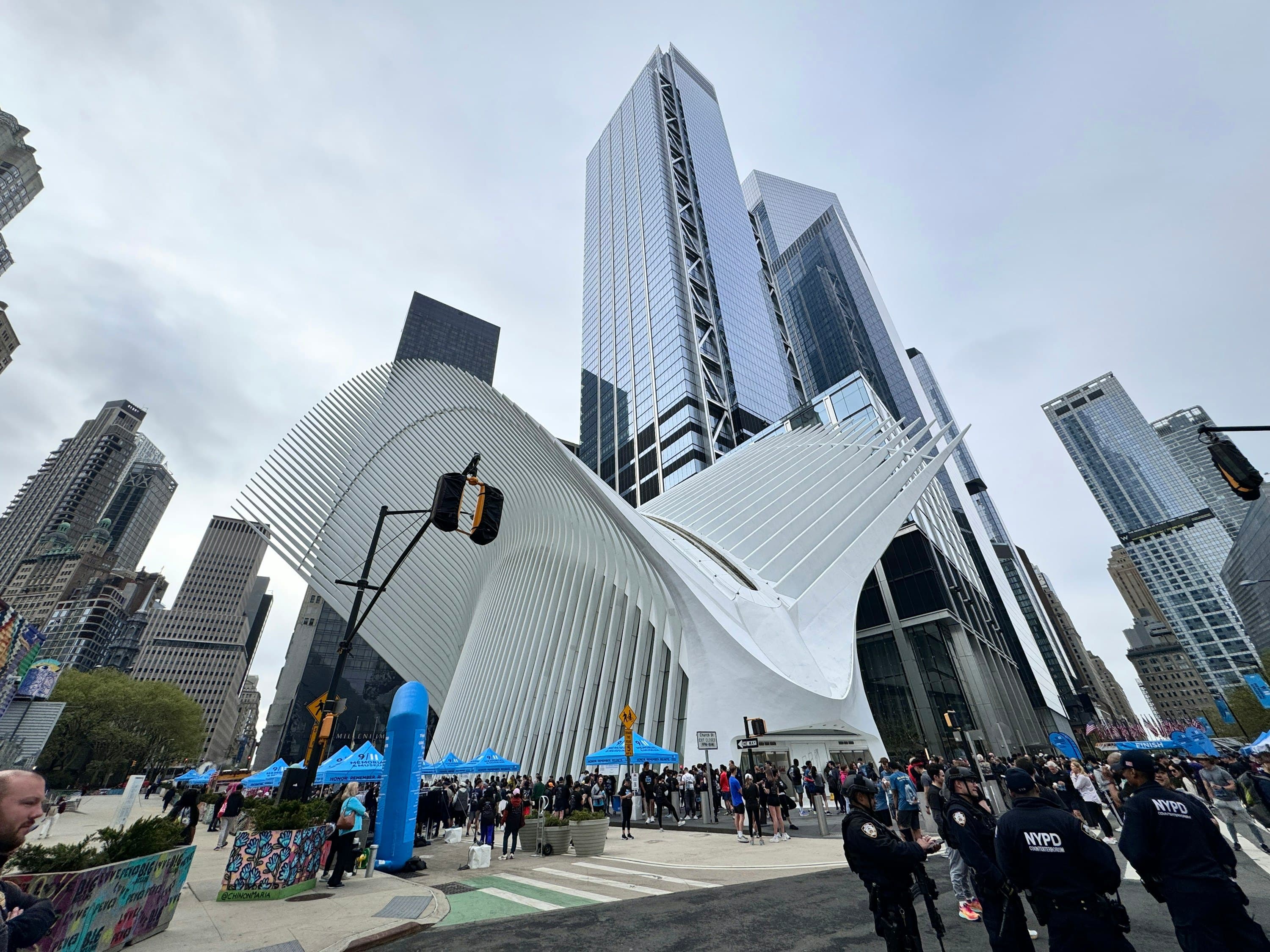
Lower Manhattan: Wall Street to the World Trade Center
110 min · 3.5 km · easy
More from New York
Explore more at your own pace.

Best Self-Guided Walking Tours in New York (2026)
New York Travel Guide: How Many Days, Getting Around, When to Go
One Day in New York: A Walkable Itinerary That Actually Works
MoMA: What to See, Floor by Floor, and Where the Famous Paintings Hang

Monet's Water Lilies at MoMA: The Room, the Fire and the Pond