Laneways and Arcades: The Hidden City Inside the Grid
75 min · 2 km · easy
Melbourne rewards two to three days on foot, moves on a cheap and simple tram network that is free inside the city center, and reads best in autumn (March to May) or spring (September to November) when the days sit between mild and warm. The city is a flat, walkable grid, so the practical questions are how long to stay, how to move, when to come, whether it is safe, and what a day costs. Here is a grounded answer to each, then how to turn the walking into two self-guided audio tours.
How many days do you need in Melbourne?
Two full days cover the core. The city was laid out as a plain rectangular grid, and almost everything a first visit wants sits inside it: the gold-rush laneways and glass-roofed arcades, the civic buildings along the eastern edge, Chinatown, and the parks. Give it a third day if you want to add the beachside suburb of St Kilda, the Queen Victoria Market, or a day trip along the Great Ocean Road.
A sensible two-day frame: day one for the laneways, arcades, and Chinatown in the lower town; day two for the grand civic edge along Spring Street and the gardens beyond it. Both are short, flat walks of roughly two to three kilometers, so you can pair either with a long lunch and still have the afternoon free. Our two Melbourne self-guided tours map directly onto those two days. See Melbourne walking tours for the full set and /australia/melbourne for the city page.
How do you get around Melbourne?
Hear a stop from this walk
Federation Square: The Lid Over the Railway
Trams, and inside the center they are free. Melbourne runs the largest tram network in the world, and the Free Tram Zone covers the whole downtown grid: broadly the area bounded by Spring Street, Flinders Street, and La Trobe Street, plus the Docklands and the stretch of Victoria Street by the Queen Victoria Market. If your entire tram trip stays inside that zone you pay nothing and need no card. Both of our walking tours sit almost entirely within it.
Outside the zone you tap on with a myki card, the reusable smartcard used on all trains, trams, and buses. You can buy a physical myki at stations and many convenience stores, or use a digital myki in a phone wallet. Fares are capped daily, so no single day of travel costs more than the daily cap no matter how many trips you take. Note a 2026 detail: public transport across Victoria is running at half price from 1 June 2026 until 1 January 2027, which pulls the full-fare daily cap down to a few Australian dollars for the whole day.
From Melbourne Airport at Tullamarine, there is still no train (the airport rail link is under construction and not expected until the early 2030s at the earliest). The standard options are the SkyBus express coach, which runs frequently from roughly 4am to 1am between the airport and Southern Cross Station in the city, or a taxi or rideshare. Once you are downtown, a change worth knowing about: since February 2026 the new Metro Tunnel carries the Sunbury, Cranbourne, and Pakenham lines through five new underground stations, including Town Hall and State Library, both a short walk from where the walking tours begin.
When is the best time to visit?
Aim for the shoulder seasons: March to May (autumn) or September to November (spring). In those windows daytime temperatures typically sit in a comfortable mild-to-warm band, crowds thin out between the summer holidays, and the cultural calendar is active. Summer (December to February) is warmer and busier, with the Australian Open in January pushing hotel prices up and availability down. Winter (June to August) is cool and grey, with daytime highs often in the low teens Celsius, and it is the quietest and cheapest time to come.
One thing every local will tell you: Melbourne weather is changeable, sometimes several seasons in a single day. Carry a light layer and something for rain whatever the month, because a walking day here can swing from sun to a cold wind within an hour.
Is Melbourne safe?
Yes, with ordinary city sense. Melbourne is a generally low-risk destination with reliable services, safe tap water, and a well-lit, busy center. The realistic concerns are the usual ones for any large city: petty theft and pickpocketing in crowded spots such as major shopping streets, transport hubs, and busy trams, and some late-night rowdiness in the nightlife pockets of the CBD on Friday and Saturday nights. None of that touches a daytime walking tour.
Practical habits cover most of it: keep your bag zipped and in front of you on a packed tram, use official taxi ranks or licensed rideshare late at night, and stick to well-lit main streets after midnight. The city also runs Safe City Ambassadors, yellow-jacketed council staff who patrol the center on weekend nights and can help if you need directions or assistance. Solo daytime walking through the laneways, arcades, and gardens is comfortable and normal.
What does a day cost?
Less than you might expect, because so much of the best of Melbourne is free to walk through. The laneways, the historic arcades, Federation Square, Parliament House, the Old Treasury Building, St Patrick's Cathedral, the Fitzroy Gardens, and Chinatown's streets all cost nothing to enter. Tram travel inside the Free Tram Zone is free, and even beyond it the daily fare cap is modest (and halved through the end of 2026).
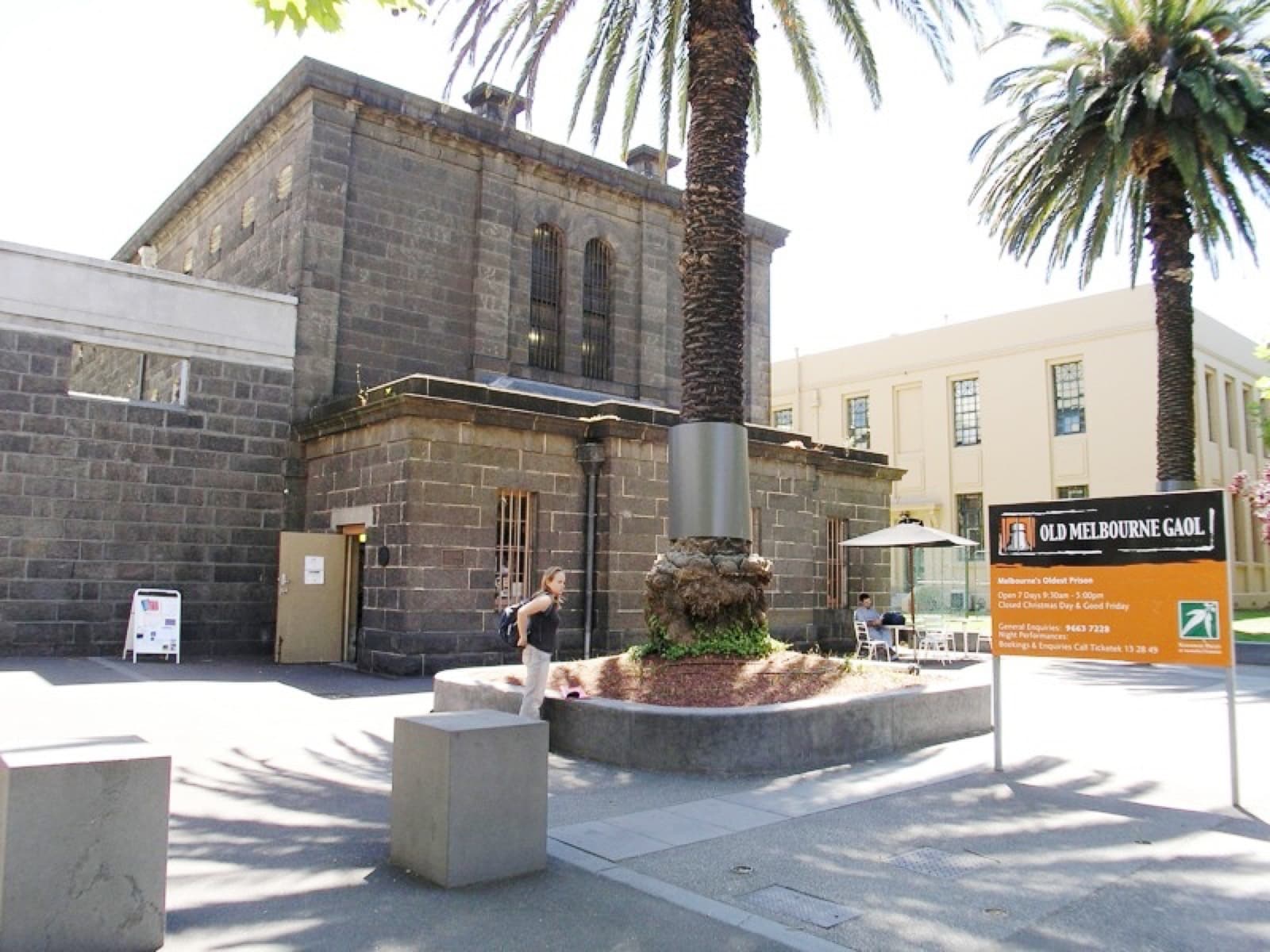
Where money goes is food, coffee, and the handful of ticketed sites. Melbourne takes its coffee and its restaurants seriously, so budget for that rather than for admissions. The one paid stop on our route worth knowing about is the Old Melbourne Gaol, which charges an adult admission (around 38 Australian dollars in 2026) and is open daily from 10am to 5pm; you can skip inside and still get the full story from the street. A frugal walking day of free sights plus tram travel, a good coffee, and a casual lunch is very achievable; the ticketed extras are optional.
Turn the walking into two self-guided audio tours
Because the center is flat and compact, Melbourne is ideal for self-paced audio walking. Two Roamer tours cover the two days above.
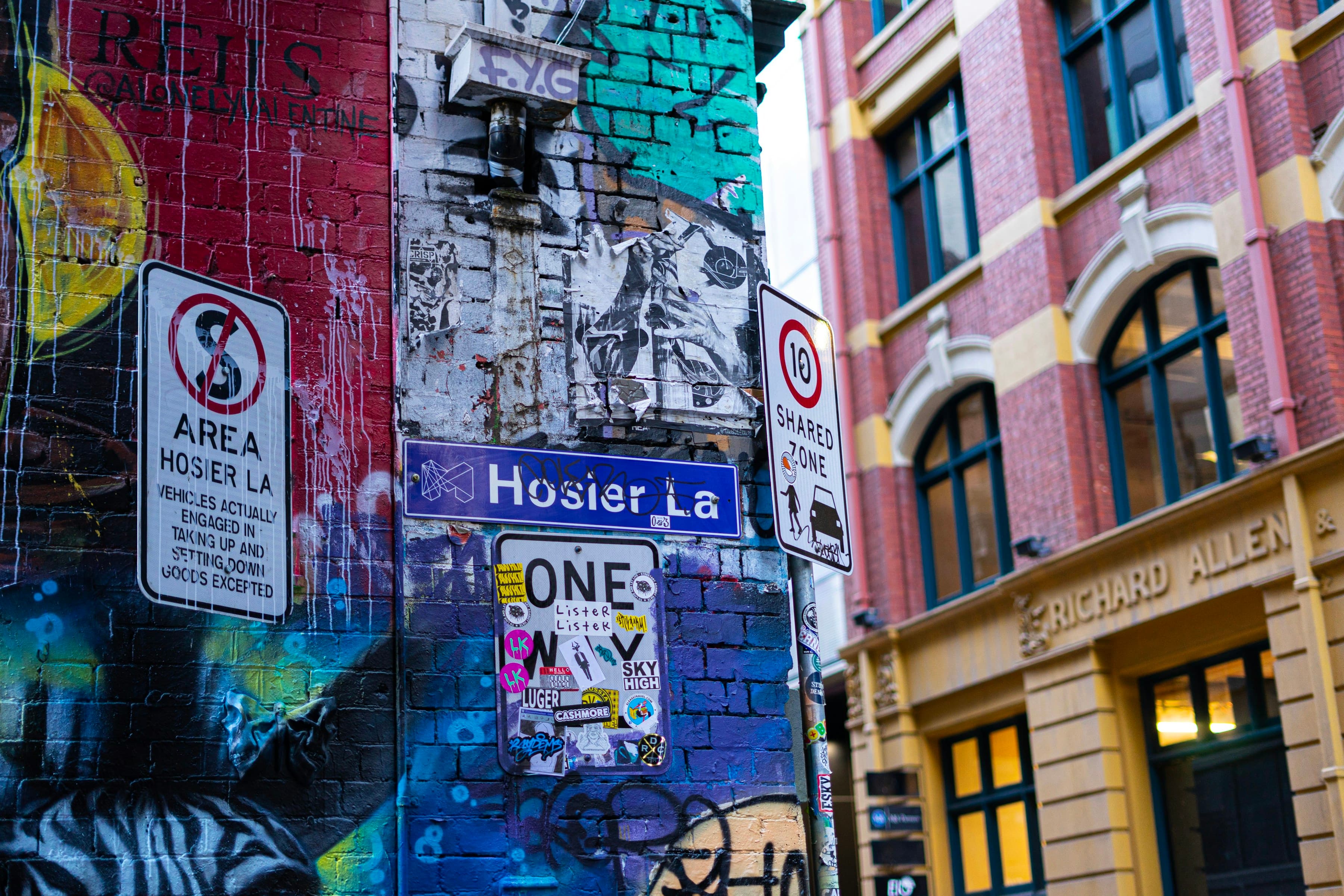
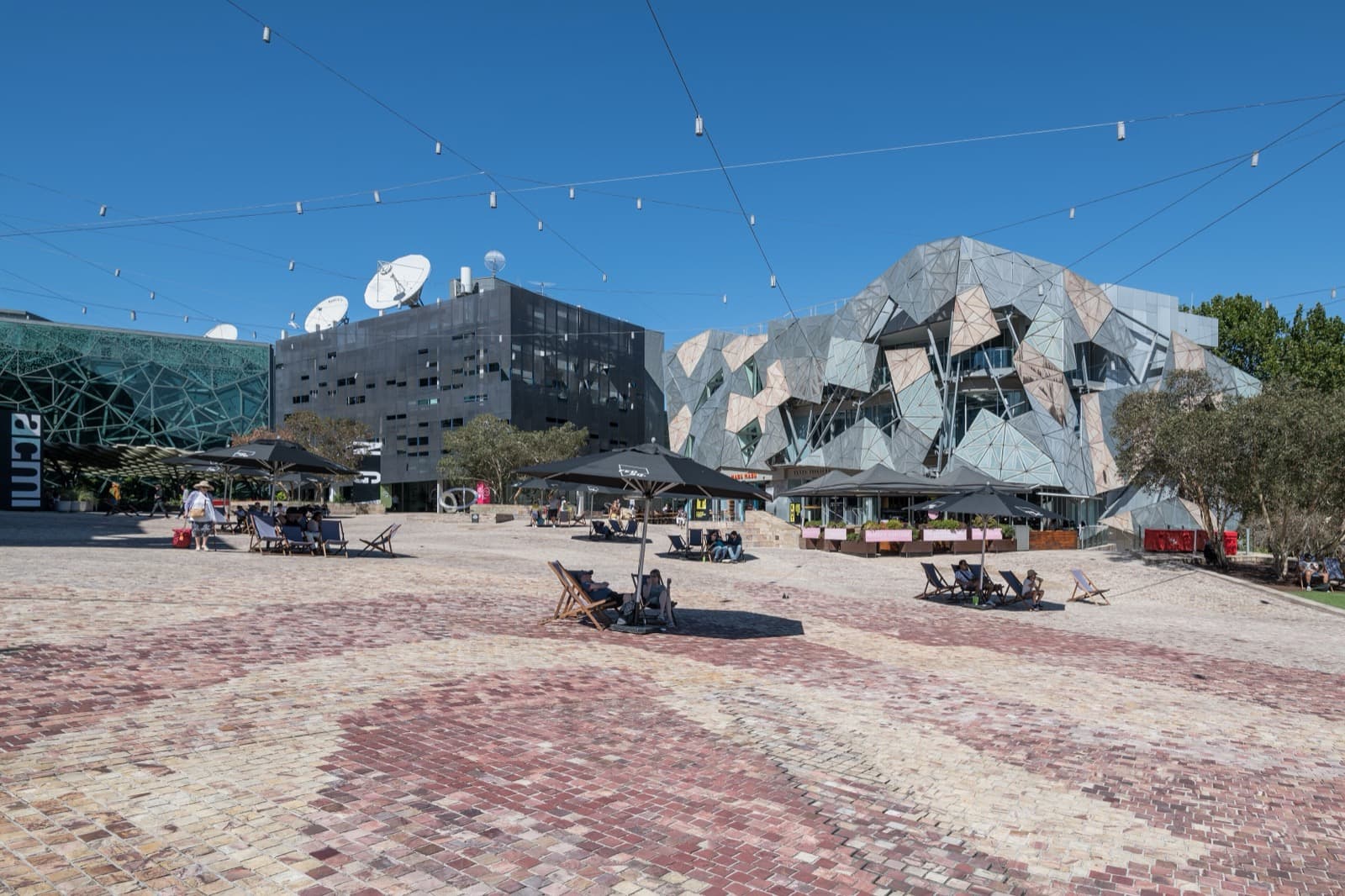
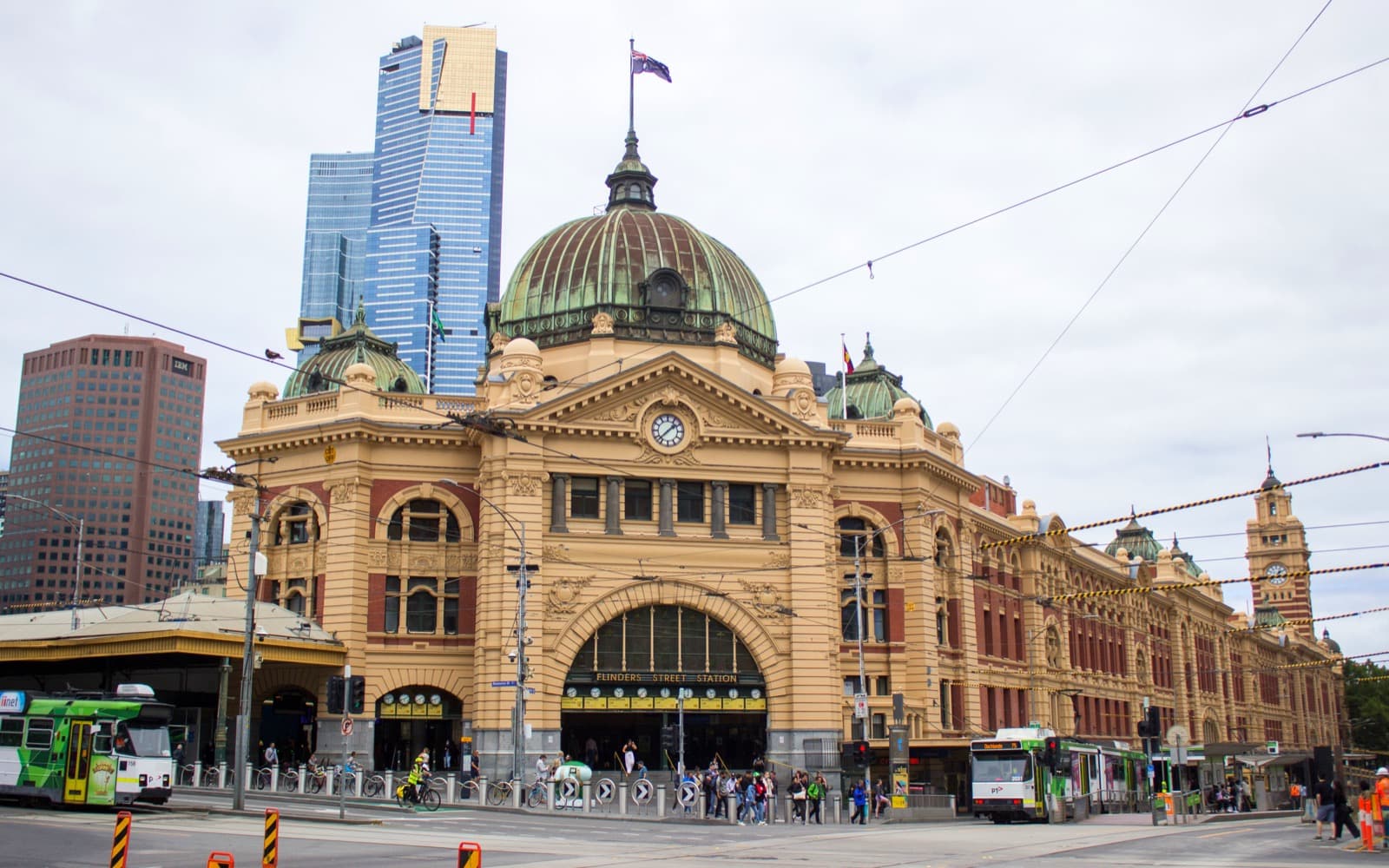
The first, Laneways and Arcades: The Hidden City Inside the Grid, is a roughly seventy-five-minute, two-kilometer loop of nine stops through the hidden city folded inside the grid. It begins under the clocks of Flinders Street Station, threads the lanes of Degraves Street and Centre Place, turns into the mosaic floor of the Block Arcade and the mythic figures of the Royal Arcade, runs out onto the Bourke Street Mall beneath the old Post Office, and crosses into Chinatown, a quarter that has kept its street for more than a century and a half. It then loops back past Melbourne Town Hall and the painted walls of Hosier Lane to finish at Federation Square, across the road from where it began.
The second, Spring Street: The Gold Colony's Grand End, is an eighty-minute, roughly three-kilometer walk along the city's grand eastern edge, where gold-boom wealth raised a bluestone gaol, a gilded theatre, a colonnaded parliament that once governed a federated nation, a grand hotel, a treasury built to hold bullion, and a vast Gothic cathedral, ending among the elms of the Fitzroy Gardens at a little English cottage carried out from the far side of the world.
Both play stop by stop on your phone, GPS-triggered as you arrive, with no group and no schedule. Walk them in either order, linger wherever a lane or an arcade holds you, and let the city set its own pace. Start from Melbourne walking tours or the /australia/melbourne city page.
Sources
Frequently asked questions
- How many days do you need in Melbourne?
- Two full days cover the core of the compact, flat city grid: the gold-rush laneways, glass-roofed arcades, and Chinatown on one day, and the civic buildings along Spring Street plus the gardens on the other. Add a third day for St Kilda, the Queen Victoria Market, or a Great Ocean Road day trip. Both central walking areas are short, flat routes of roughly two to three kilometers.
- Is public transport free in central Melbourne?
- Yes. Trams are free inside the Free Tram Zone, which covers the whole downtown grid bounded broadly by Spring Street, Flinders Street, and La Trobe Street, plus Docklands and the stretch by the Queen Victoria Market. If your entire tram trip stays inside the zone you pay nothing and need no card. Outside it you tap on with a myki smartcard, and fares are capped daily.
- When is the best time to visit Melbourne?
- Autumn (March to May) and spring (September to November) are the sweet spots, with mild-to-warm days, thinner crowds, and an active cultural calendar. Summer (December to February) is warmer and busier, with the January Australian Open pushing hotel prices up. Winter (June to August) is cool and grey but quiet and cheap. Melbourne weather changes fast, so pack a layer year-round.
- How do you get from Melbourne Airport to the city?
- There is no airport train yet; the rail link is under construction and not expected until the early 2030s at the earliest. The main options are the SkyBus express coach, which runs frequently from roughly 4am to 1am between the airport and Southern Cross Station, or a taxi or rideshare. Once downtown, the Metro Tunnel that opened to full service in February 2026 added new stations including Town Hall and State Library near the walking-tour start points.
- Is Melbourne safe for tourists?
- Melbourne is a generally low-risk destination with reliable services, safe tap water, and a well-lit, busy center. The realistic concerns are petty theft and pickpocketing in crowded spots and some late-night rowdiness in nightlife pockets on weekends. Keep your bag zipped on packed trams, use official taxi ranks late at night, and stick to well-lit main streets. Daytime walking through the laneways and gardens is comfortable and normal.
- How much does a day in Melbourne cost?
- Most of the best of central Melbourne is free to walk through, including the laneways, historic arcades, Federation Square, Parliament House, St Patrick's Cathedral, and the Fitzroy Gardens. Tram travel inside the Free Tram Zone is free, and fares beyond it are half price through the end of 2026. Money mainly goes to food, coffee, and a few ticketed sites such as the Old Melbourne Gaol, which charges an adult admission of around 38 Australian dollars.
Ready to experience it?
Laneways and Arcades: The Hidden City Inside the Grid
75 min · 2 km · easy
More from Melbourne
Explore more at your own pace.
One Day in Melbourne: A Walkable Itinerary Through the Laneways and the Gold-Boom Edge
Gold-Rush Melbourne: The Hidden Laneways and the Boom City
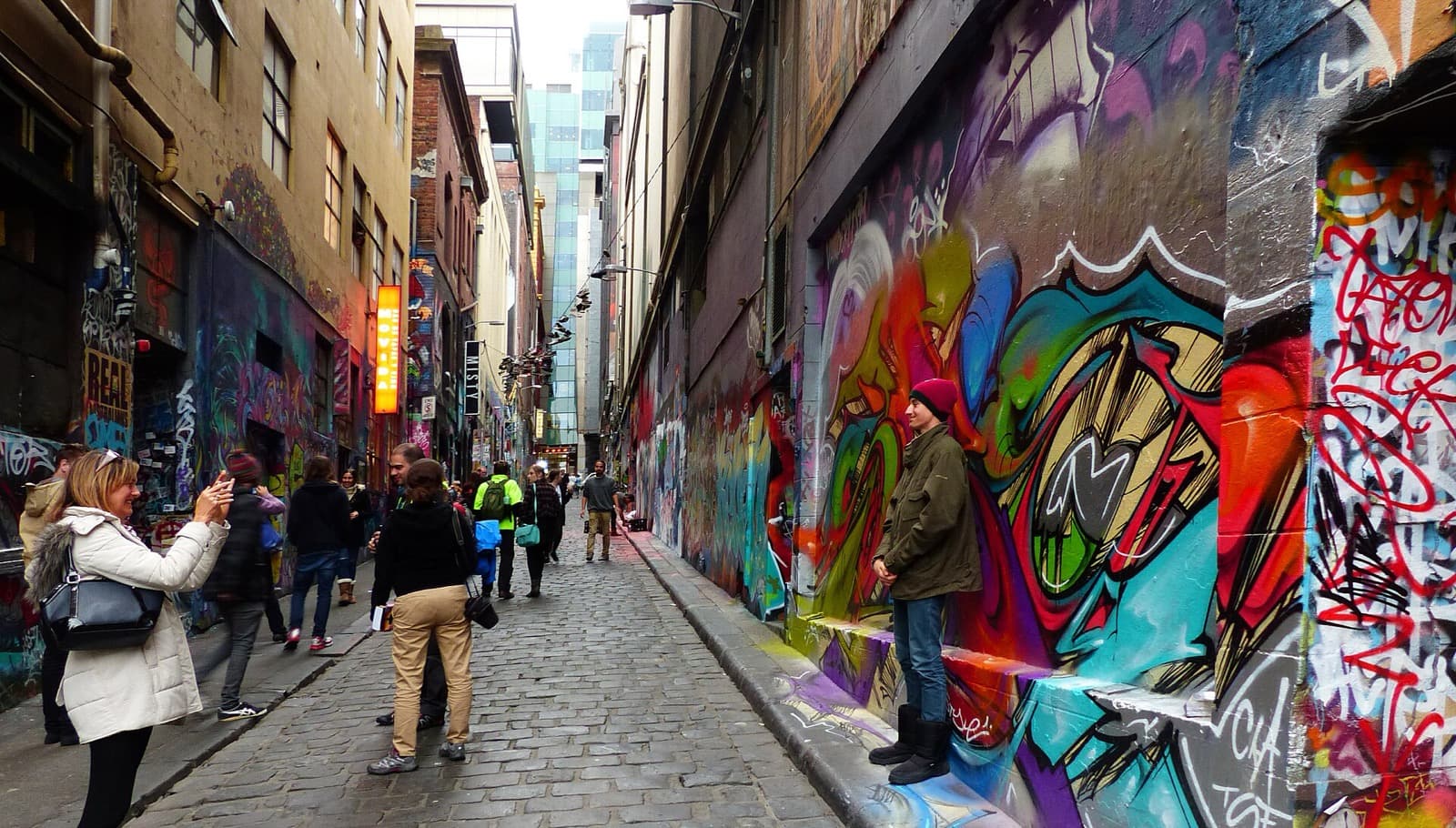
Hosier Lane and the Hidden City Inside Melbourne's Grid
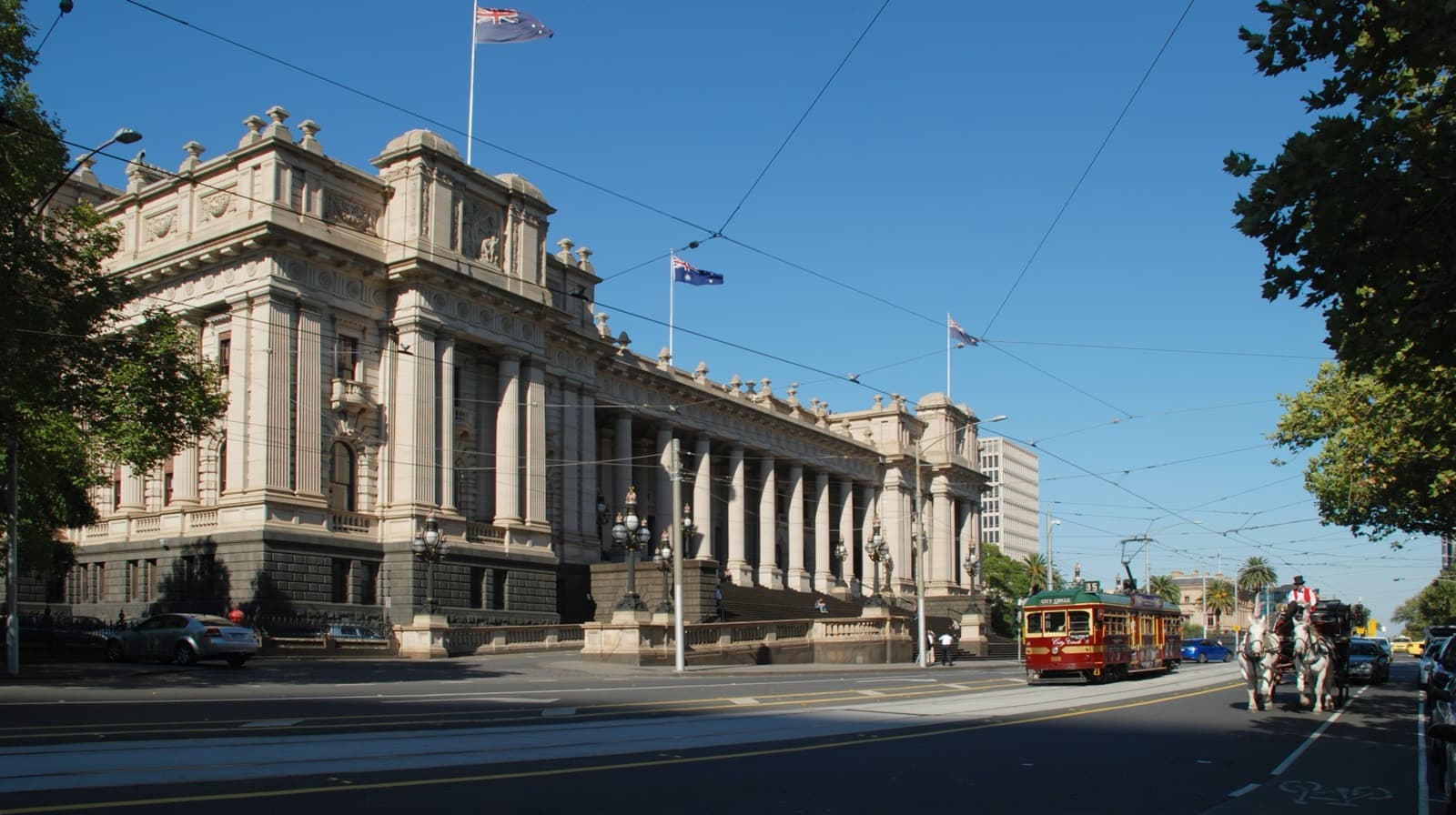
Parliament House, Melbourne: The Building That Governed a Nation It Was Never Meant To
Flinders Street Station: Why Melbourne Meets Under the Clocks