
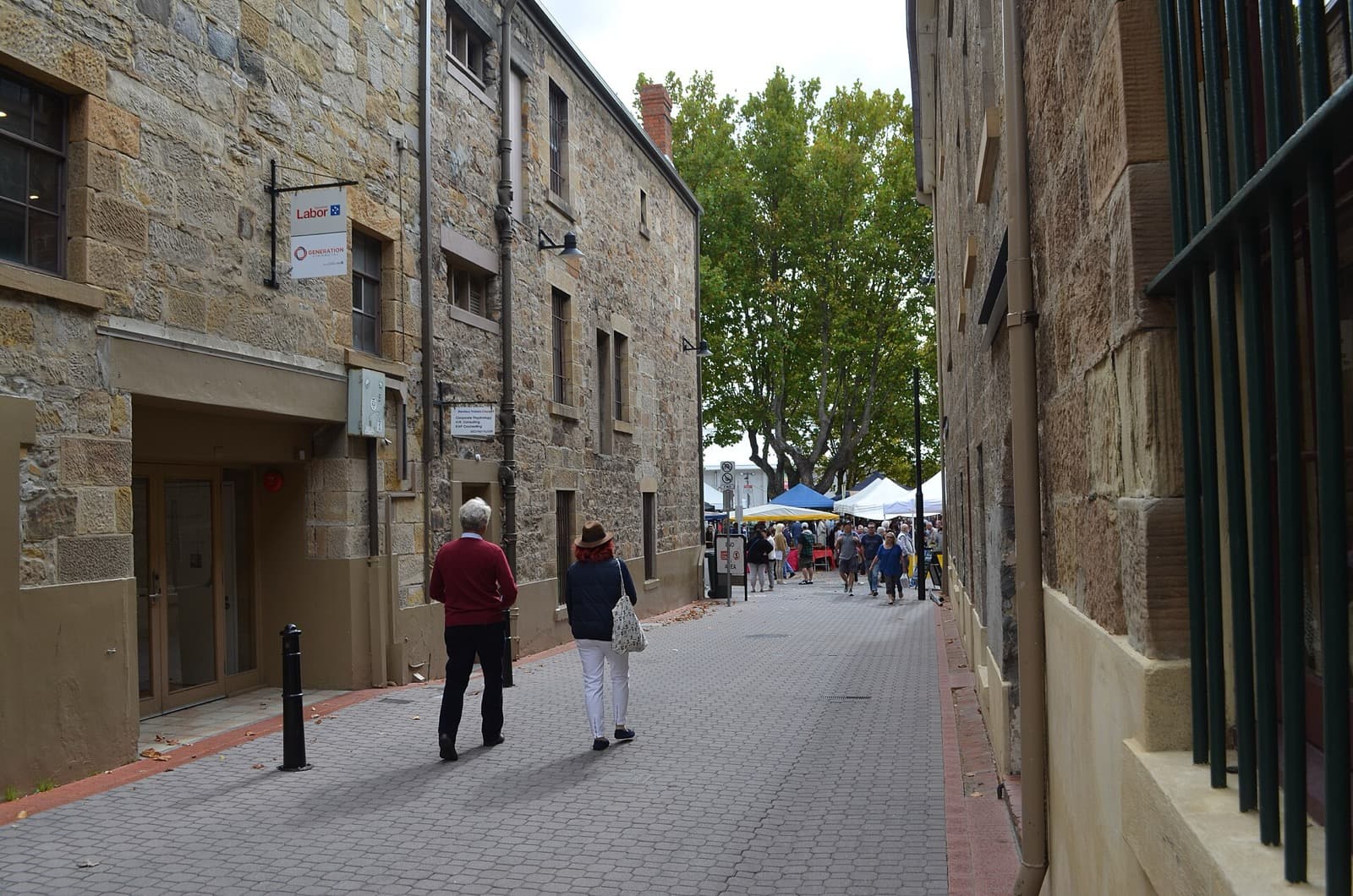
Salamanca Place: Hobart's Sandstone Waterfront
80 min · 3.2 km · moderate
Hobart rewards walking more than almost any Australian capital, so plan two to three days on foot around Sullivans Cove, Salamanca Place and Battery Point, use the free statewide Metro buses and the MONA ferry for the longer hops, and time your visit for the mild shoulder seasons rather than the crowded high summer. The city center is small, the harbour is the spine you keep returning to, and most of what you want to see sits within a twenty-minute walk of Constitution Dock. This guide answers the practical questions travelers actually ask before booking: how long to stay, how to get around, when to come, whether it is safe, and what a day costs.
How many days do you need in Hobart?
Two full days covers the core of the city comfortably, and three lets you add a half-day trip out to MONA or up kunanyi, Mount Wellington, without rushing.
Day one belongs to the waterfront and the convict story. The harbour around Sullivans Cove is where the town began in 1804, and a level walk of roughly 2.6 kilometres links Constitution Dock, the old Commissariat Store (now part of the Tasmanian Museum and Art Gallery), Parliament House and the Penitentiary Chapel. Our self-guided Sullivans Cove convict port tour runs about 75 minutes of walking and is almost entirely flat, with one short gentle rise at the very end.
Day two climbs into the older residential quarter. From Salamanca Place you take Kelly's Steps up into Battery Point, a village of sailors' and shipwrights' cottages set around Arthur Circus. That route is around 3.2 kilometres and about 80 minutes of walking, with a steeper stretch on cut sandstone. Both walks are laid out stop by stop on the Hobart walking tours hub.
If you have a third day, spend it on MONA, the Museum of Old and New Art, or on the mountain. Both sit outside the walkable core and are worth the trip, but neither needs to crowd your first two days.
How do you get around Hobart?
Hear a stop from this walk
Salamanca Place: The Sandstone Waterfront
Walk the center, and use free Metro buses and the MONA ferry for everything beyond it. Hobart's central business district is compact and well signed, with Battery Point, Salamanca and the waterfront connected by ordinary footpaths, so most visitors barely need transport once they are in town.
Public buses are the surprise. Under a Tasmanian government initiative, travel on all Metro bus services statewide is free until 30 June 2027, and passengers do not need to tap a GreenCard or buy a ticket. You simply board and sit down. That covers Hobart's urban routes, so buses out to suburbs and the base of the mountain cost nothing for now.
For MONA, take the museum's fast catamaran ferry from Brooke Street Pier on the waterfront. The crossing north up the River Derwent takes about thirty minutes, and Brooke Street Pier is a short walk from both the central business district and Salamanca Place. The ferry is a paid ticket separate from museum entry, so check MONA's site for current times and fares.
From the airport, the SkyBus shuttle runs into central Hobart and its timetable is set to meet flights. A taxi or rideshare is the other common option. There is no train service in the city.
When is the best time to visit?
Come in spring or autumn if you can, when the weather is settled and the crowds thin, and treat high summer as the trade-off between warmth and busyness.
Summer, from December to February, is the warmest and driest stretch, with daytime highs around 21 degrees Celsius and long daylight hours. It is also peak season, with higher accommodation prices and busy streets, and it brings the finish of the Sydney to Hobart Yacht Race around the New Year, when the fleet packs into Constitution Dock. That is a genuine spectacle if you want it and a reason to book early.
Autumn (March to May) and spring (September to November) bring calmer, often sunny days with milder temperatures and fewer visitors. Winter (June to August) is cold, with nights dropping toward 4 or 5 degrees Celsius and a raw southerly wind, though the light can be beautiful and the city is at its quietest.
One rule holds in every season: Tasmanian weather off the Derwent is changeable and can turn quickly, even in summer. A bright morning is a safer bet than a cloudy afternoon, and layers plus a waterproof are the standard kit. On a walking day, morning light on the honey-coloured Salamanca sandstone is the loveliest, and Saturday brings the Salamanca Market, wonderful atmosphere but far busier underfoot than a weekday.
Is Hobart safe?
Yes. Hobart is generally a low-risk city for travelers, with uncommon violent crime and a compact, easy-to-navigate center. It is a reliable base for walking during the day, and the streets are well lit at night, though the city is quiet and winds down early rather than running a late nightlife.
The realistic precautions are ordinary ones. Keep valuables discreet in busy crowds, especially around Salamanca on market days, and do not leave anything visible in a parked car in tourist areas, where opportunistic theft is the most common nuisance. On the waterfront, take normal care near the open, unfenced dock edges. None of this is alarming, it is the same city sense you would use anywhere.
Two of the tour's steeper or slicker spots deserve a note of care rather than concern. Kelly's Steps are steep cut stone that can be slippery after rain, so take them slowly and use the wall. And several sites on the walks, the Commissariat Store, the museum's Aboriginal galleries and the Penitentiary Chapel, hold sober histories of the palawa people and of convicts and executions. These walks cross the Country of the muwinina, and the respectful thing is to move through those places quietly, as real history rather than spectacle.
What does a day in Hobart cost?
You can see the best of walking Hobart for very little, because the city's core experiences are free. Both self-guided routes pass mostly free, public sites: Salamanca Place, the waterfront docks, Parliament House grounds, Franklin Square and the Battery Point streets cost nothing to walk. General admission to the Tasmanian Museum and Art Gallery is free, so you can duck in at the Commissariat Store stop and come back out to the route.
The optional paid extras are modest and clearly worth deciding on in advance. Narryna, the merchant's house museum in Battery Point, charges a small adult entry fee (ten Australian dollars at the tour's writing, so confirm current pricing) and keeps museum hours. The Penitentiary Chapel interior is seen only on a paid guided tour run by the National Trust, in Australian dollars, though its grounds are free and you can simply take the building from the street. MONA charges museum entry plus the separate ferry fare.
With free buses in effect through mid-2027, free museum admission at the Tasmanian Museum and Art Gallery, and free waterfront walking, a full day of Hobart's history can cost you almost nothing beyond food and any museum you choose to enter. Load the two walks before you go from the Hobart walking tours hub, and let the harbour set your pace.
Sources
Frequently asked questions
- How many days do you need in Hobart?
- Two full days covers the walkable core of the city, and three lets you add MONA or kunanyi (Mount Wellington) without rushing. Day one suits the Sullivans Cove waterfront and convict sites, and day two suits Salamanca Place and Battery Point. Both self-guided walks run about 75 to 80 minutes each.
- How do you get around Hobart?
- Walk the central business district, which is compact and connects Battery Point, Salamanca and the waterfront by footpath. For longer trips, Metro bus travel is free statewide until 30 June 2027 with no ticket or GreenCard tap needed. Reach MONA by its ferry from Brooke Street Pier, about a thirty-minute crossing.
- When is the best time to visit Hobart?
- Spring (September to November) and autumn (March to May) bring settled, milder days and thinner crowds. Summer (December to February) is warmest, around 21 degrees Celsius, but is peak season and pricier, and it brings the Sydney to Hobart Yacht Race finish around the New Year. Weather off the Derwent is changeable in any season, so pack layers and a waterproof.
- Is Hobart safe for tourists?
- Yes. Hobart is a low-risk city with uncommon violent crime and a compact, easy-to-navigate center that is a reliable base for walking by day. Take ordinary care with valuables in crowds around Salamanca on market days, avoid leaving items visible in parked cars, and mind the open, unfenced dock edges on the waterfront.
- How much does visiting Hobart cost?
- The core is cheap because the walking is free: Salamanca Place, the waterfront docks, Parliament House grounds and Battery Point streets cost nothing, and general admission to the Tasmanian Museum and Art Gallery is free. Optional paid extras are modest, such as Narryna house museum (around ten Australian dollars for adults) and the National Trust's paid Penitentiary Chapel interior tour. Metro buses are free through mid-2027.
- How do you get from Hobart Airport to the city?
- The SkyBus shuttle runs into central Hobart with a timetable set to meet flights, dropping at selected central stops. A taxi or rideshare is the other common option. Hobart has no train service.
Ready to experience it?
Salamanca Place: Hobart's Sandstone Waterfront
80 min · 3.2 km · moderate
More from Hobart
Explore more at your own pace.
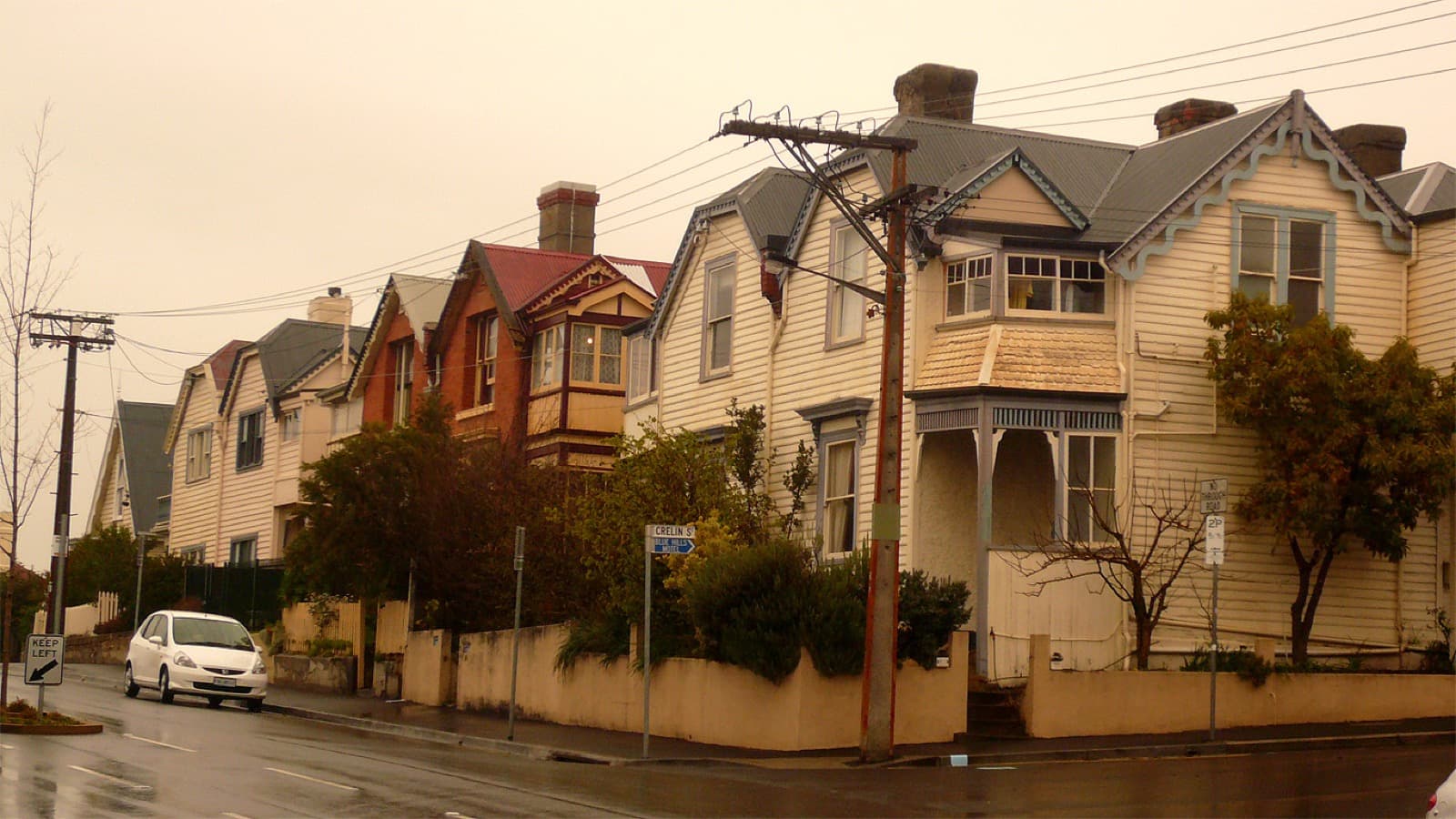
One Day in Hobart: A Walkable Morning-to-Evening Itinerary
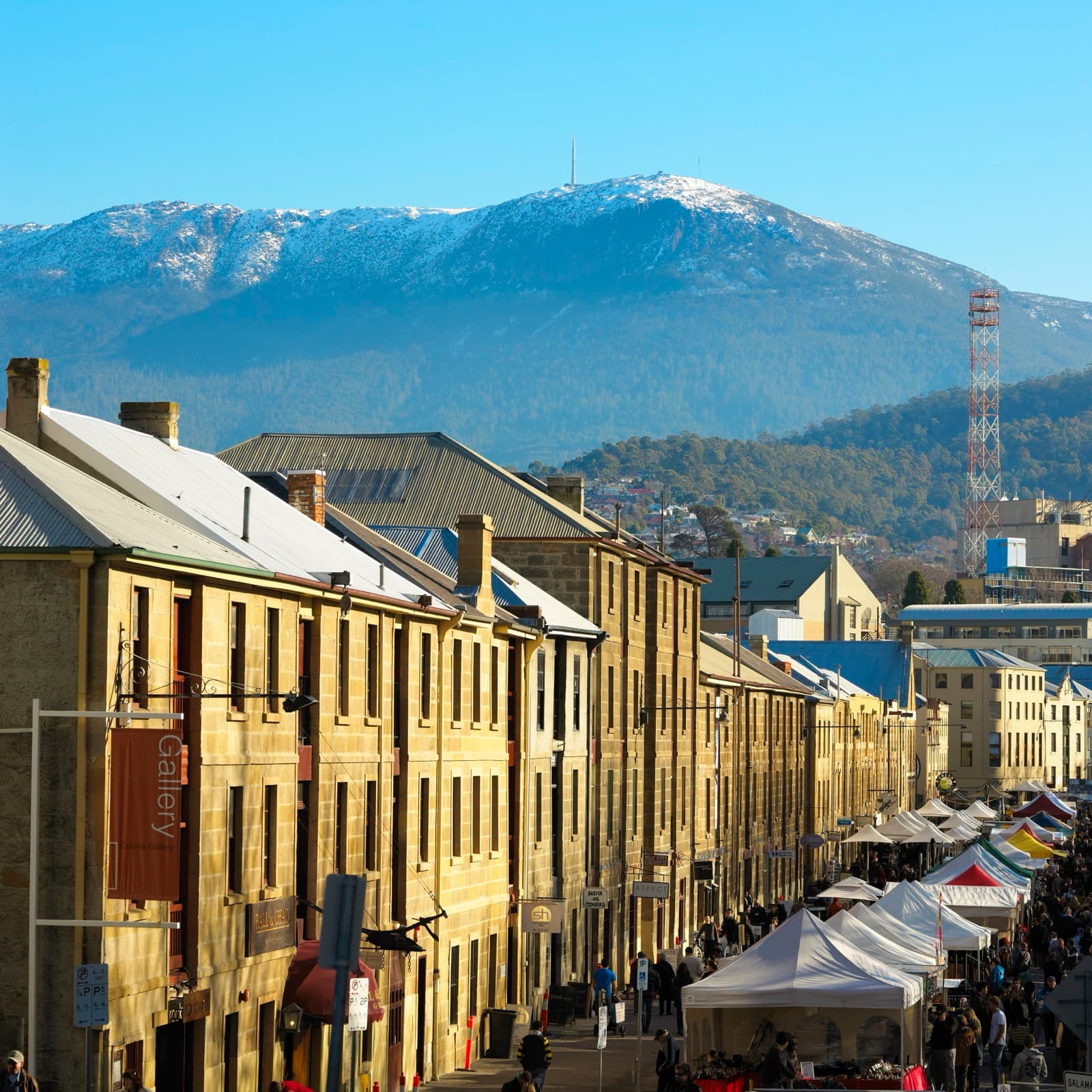
Hobart: The Convict Port That Became a Capital in Sandstone
Salamanca Place: How to Read Hobart's Sandstone Waterfront
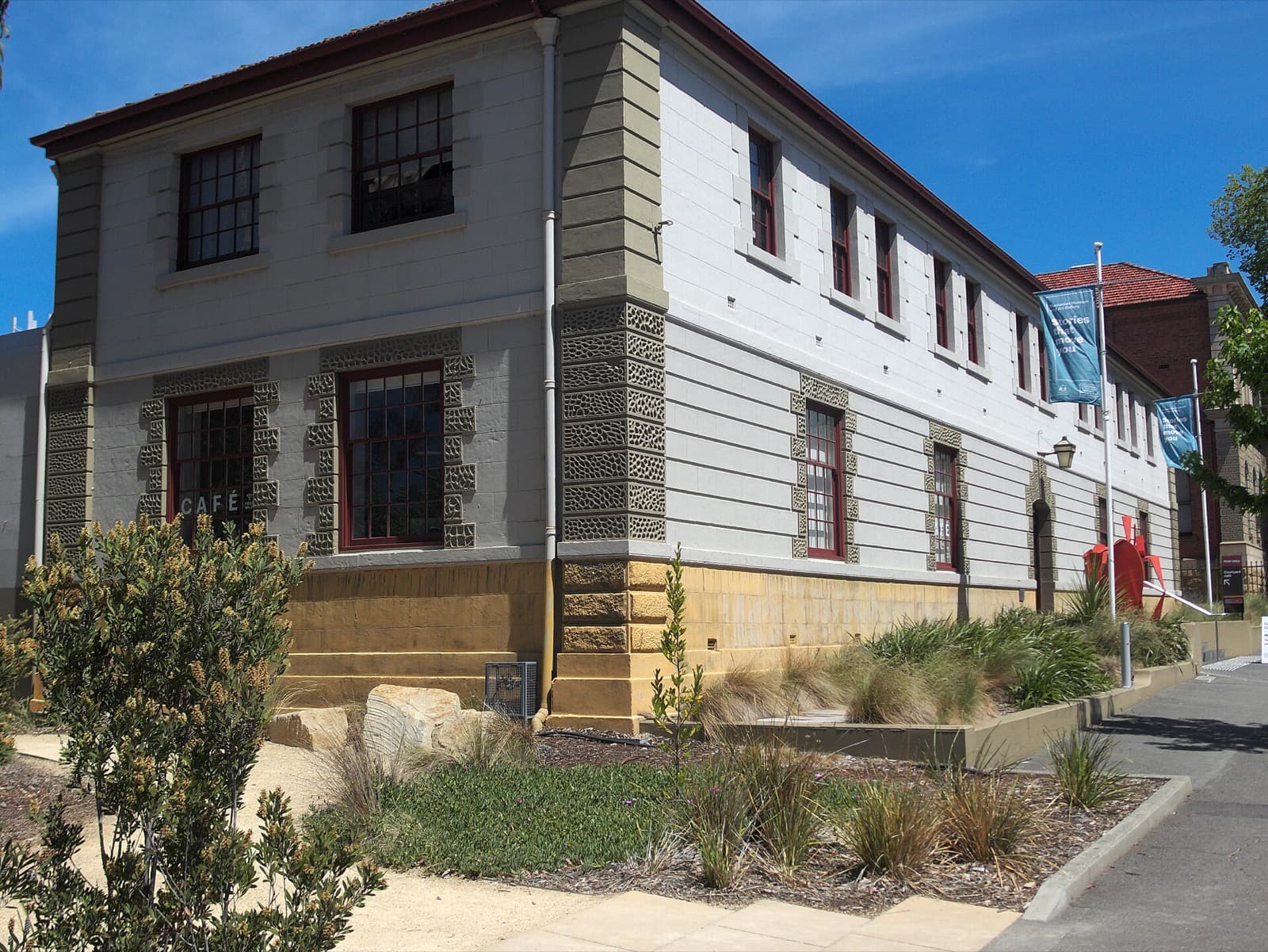
The Commissariat Store: How Tasmania's Oldest Building Reads the Whole Convict Port
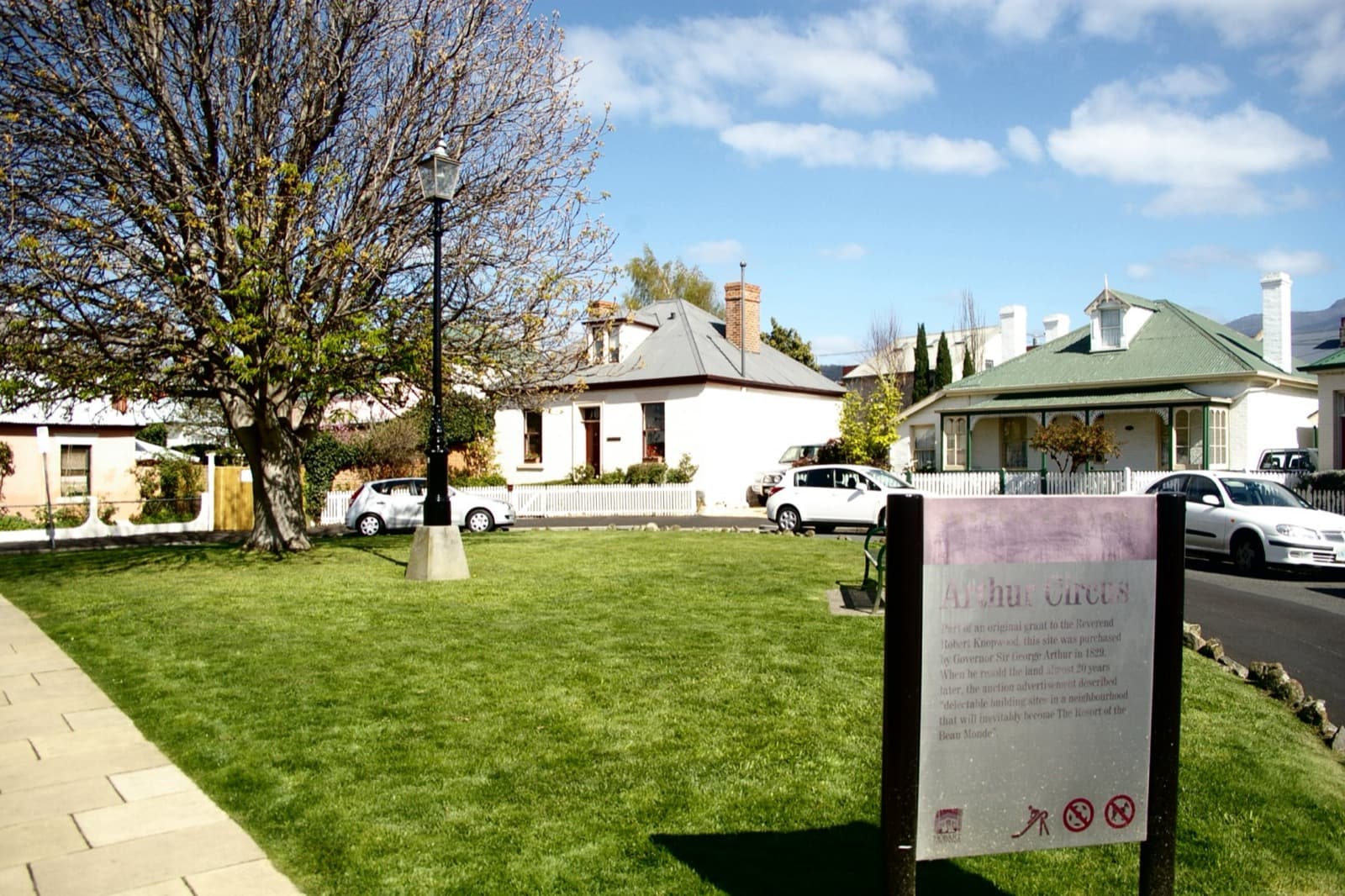
Arthur Circus: The Ring of Cottages That Time Left Alone in Battery Point