Saigon's French Quarter: The Empire Left, the Buildings Stayed
75 min · 1.8 km · moderate
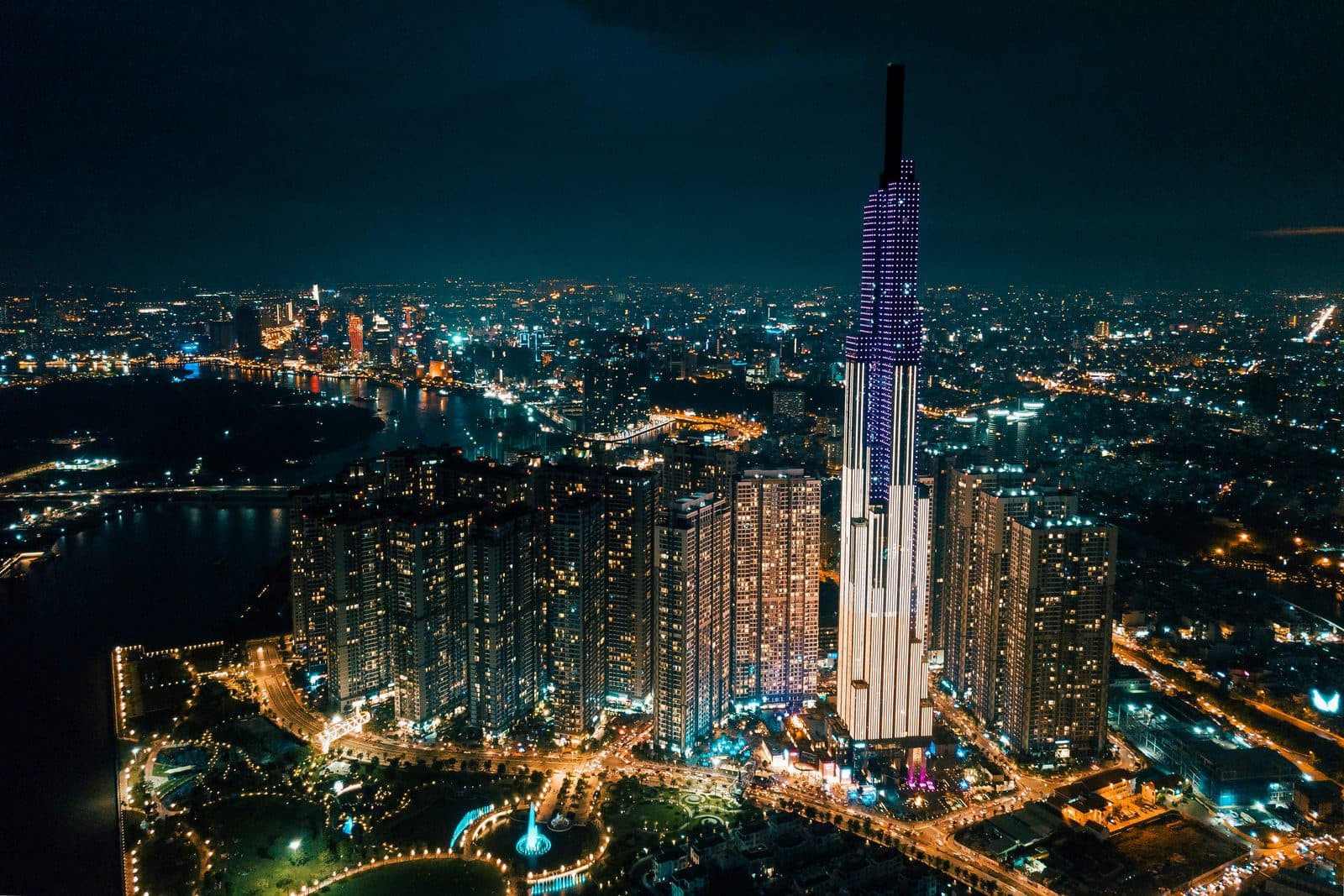
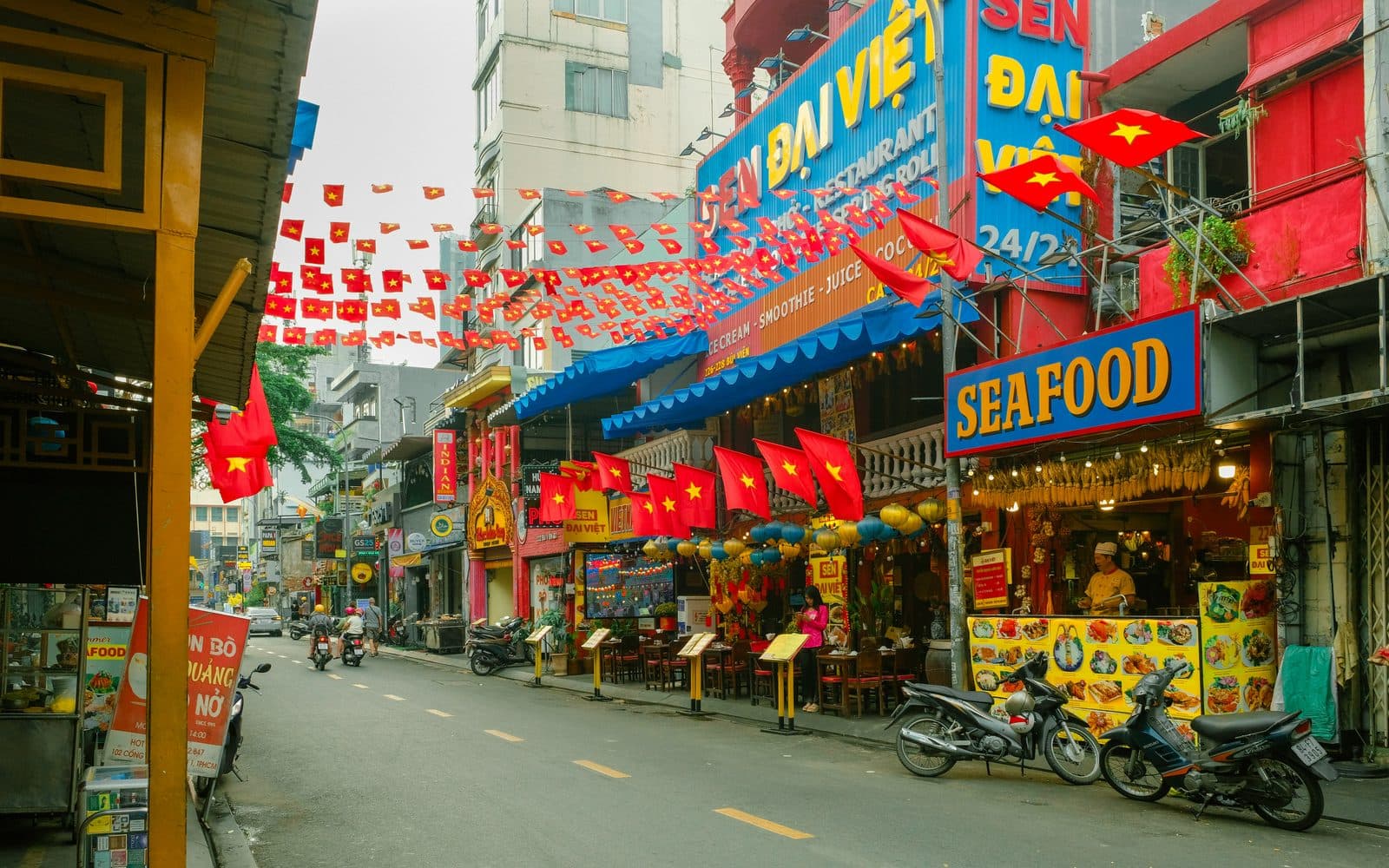
Ho Chi Minh City is two names for the same place, and both are correct. Saigon is the historic name you will still hear on every street, painted on shopfronts and printed on beer labels. Ho Chi Minh City is the name on the map, adopted after the war. The city was founded in 1698, when a Vietnamese official named Nguyen Huu Canh was sent south to build formal administration on ground that had been a frontier. It is now the largest city in the country. Almost none of that history announces itself at first. What announces itself is the traffic: a river of motorbikes that never quite stops, flowing around pedestrians who learn, within a day, to walk straight and slow and let the current part around them.
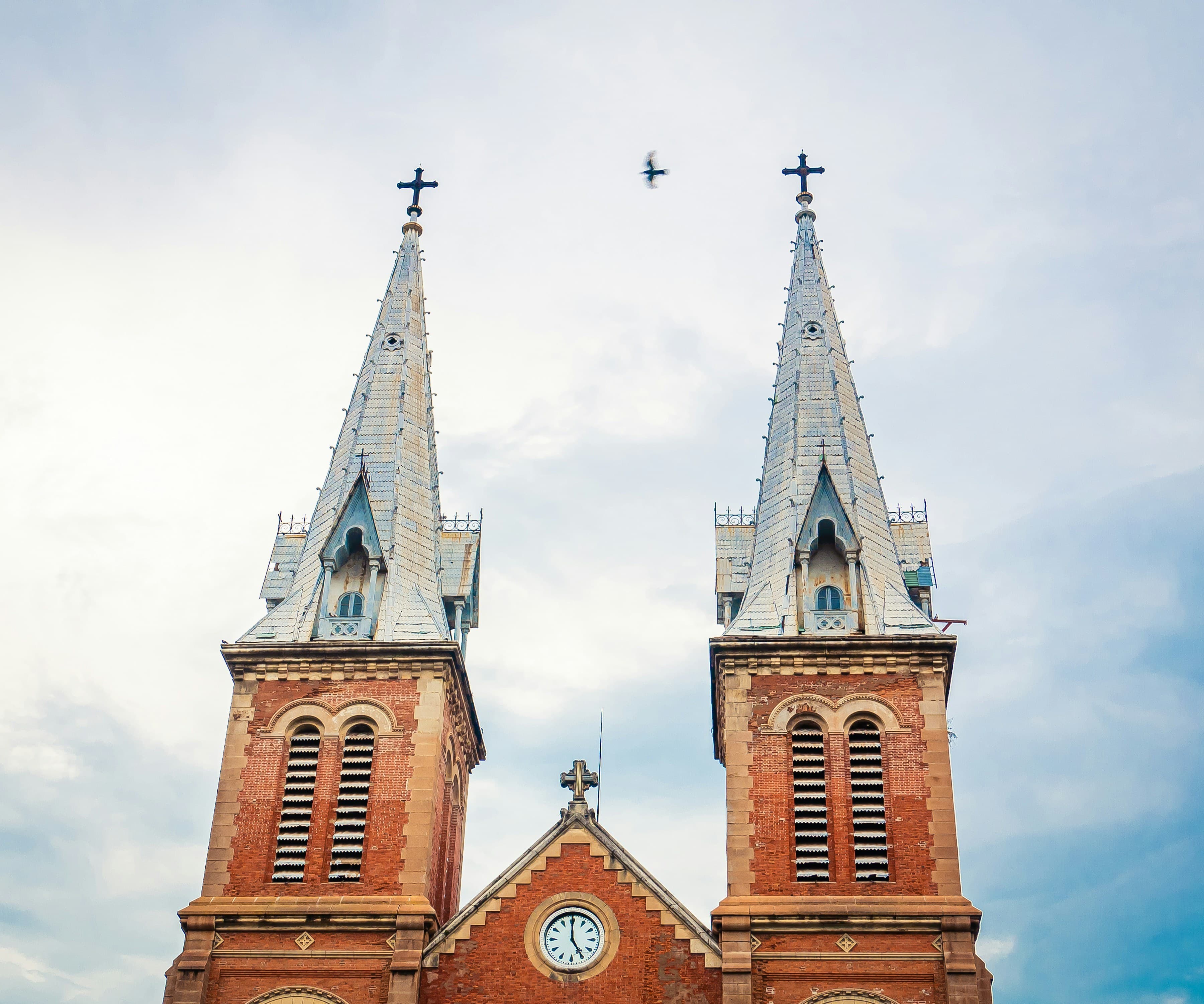
That smallness of the historic core is the first thing to understand. Everything worth walking sits within a few square miles. The French civic center is a compact grid in District One. The Chinese quarter of Cho Lon is about two miles west. The places where the war ended in April 1975 are folded right into the same downtown. You can stand in front of a red brick cathedral built of brick brought from France and be a ten-minute walk from the palace where a tank broke the gate, and a short taxi ride from a temple where meter-wide incense coils have burned for two and a half centuries. The compression is the city. It is also what makes Saigon read, on a first pass, like a single blur of heat and horns.
It is not a blur. It is a set of frames, each built by different people for different reasons, and each kept and re-used by whoever held the city next.
The frame empire built
The first frame is the French civic core, and it is the one the whole world photographs. In the decades either side of 1900, France dressed up central Saigon as a complete European capital dropped into the tropics: a cathedral, a grand post office, an opera house, a pair of grand hotels, a town hall, and a boulevard laid over a filled-in canal. These were instruments of power. They were built to make colonial rule look permanent and inevitable.
The interesting part is what happened after the empire left. The city kept using them. The opera house spent two decades as the parliament of South Vietnam before returning to the stage. The town hall still houses the city government, now with a statue of Ho Chi Minh on the plaza in front of it. The post office still sells stamps under a portrait of Ho Chi Minh. A 1960 apartment block on the old canal boulevard has filled up, floor by floor, with cafes. The frame stayed French and the picture inside it became Vietnamese. That single, repeating substitution is the argument of our walk through the colonial center, Saigon's French Quarter: The Empire Left, the Buildings Stayed, and it is worth reading in detail in Empire in Stone: How Saigon Kept the Buildings and Changed Their Meaning.
The frame the community built for itself
Hear a stop from this walk
The Majestic and the River: Where the Quarter Ends
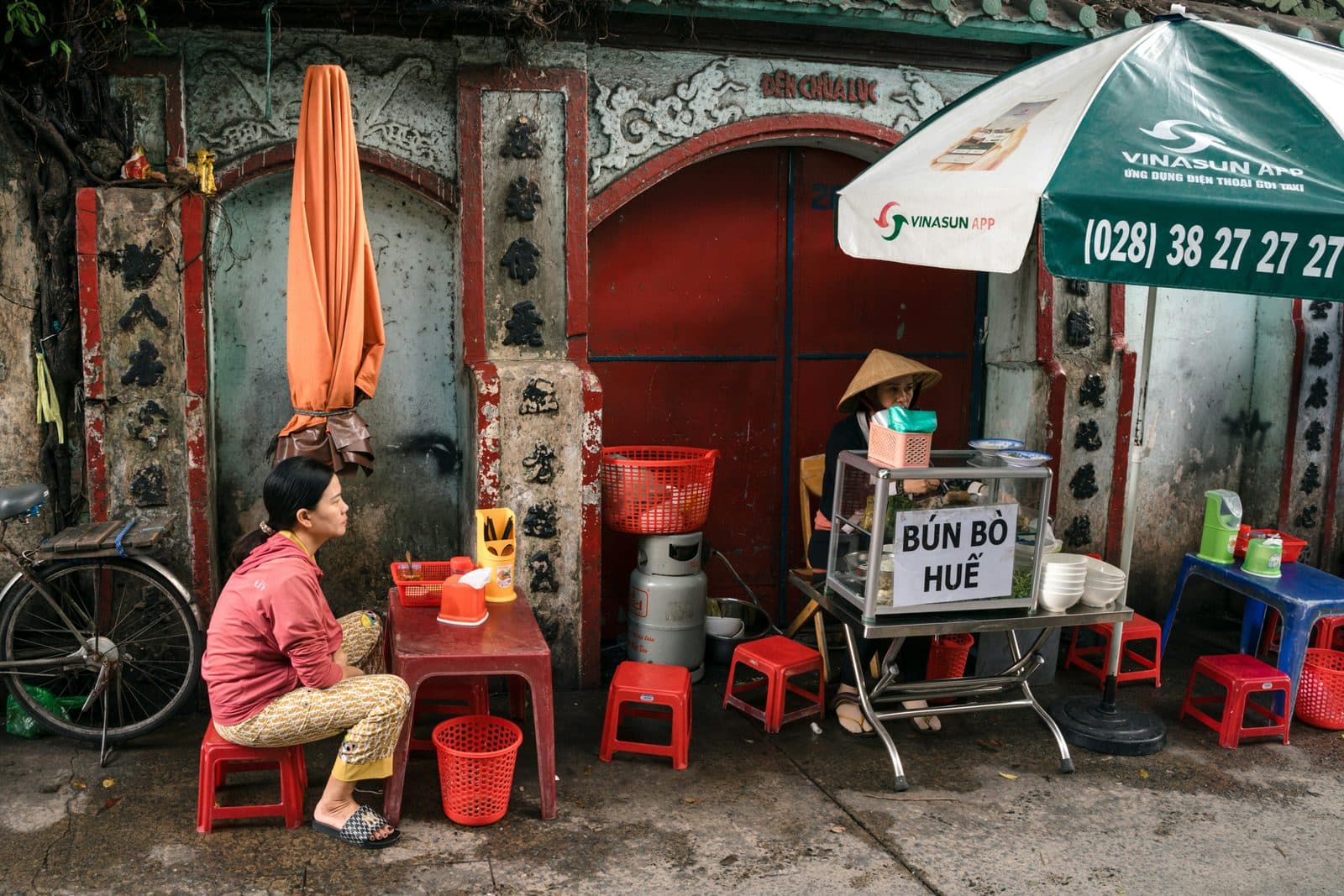
The second frame is Cho Lon, whose name simply means big market. Two miles west of the boulevards, ethnic Chinese merchants, the community Vietnam calls the Hoa, built a quarter of their own. They came from Fujian, Guangdong, and the Teochew coast, and they organized themselves by hometown into assembly halls that doubled as temples, trade offices, and mutual-aid societies. For generations this was a trading city in its own right, running its affairs from behind its own gates.
Where the French frame is about power imposed, the Cho Lon frame is about autonomy chosen. The temples here are dedicated to sea goddesses who protected people who crossed the water by boat, and to a general worshipped as the god of both war and commerce, the right patron for a district built on trade. You can walk from the great market inward through progressively older temples, back toward the community's earliest foundations. The full logic of that walk is in The City Beside the City: Reading Cho Lon's Assembly Halls.
The frame history left in place
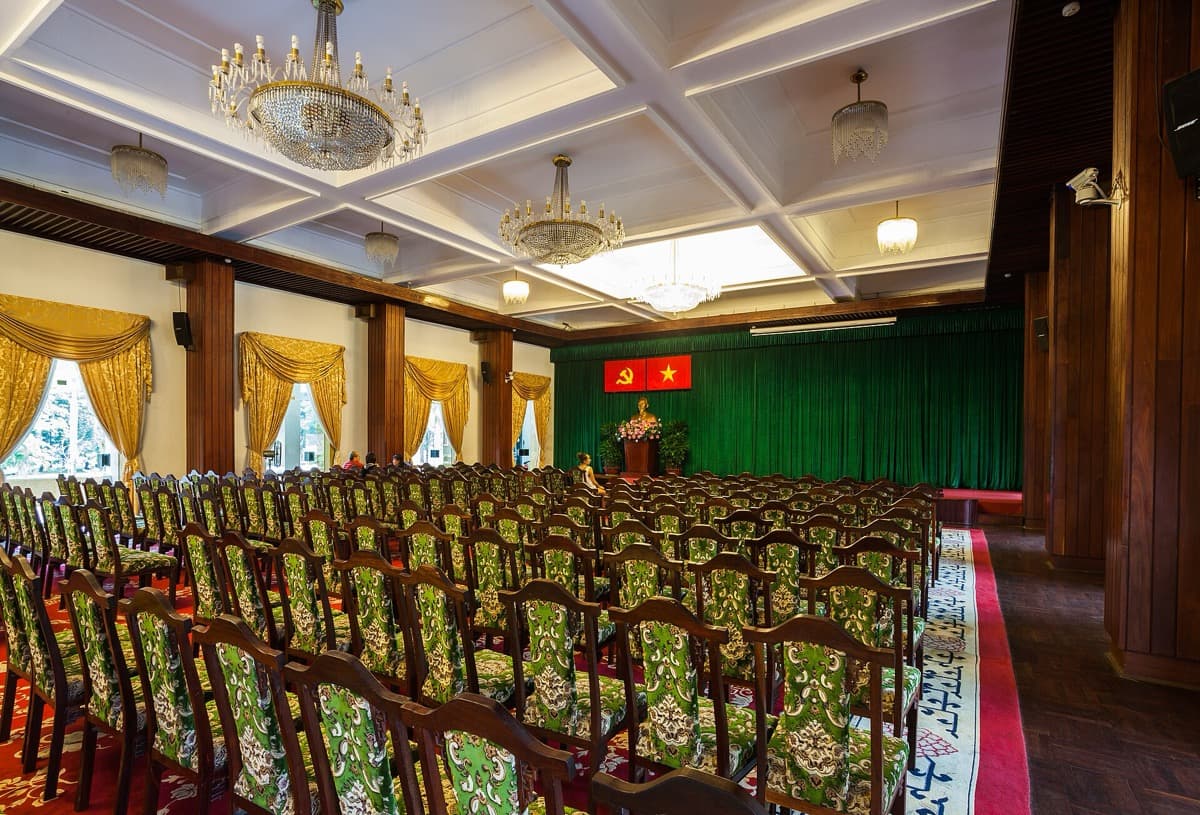
The third frame is the hardest and the quietest. On the morning of April 30, 1975, the Vietnam War ended in this city, and the counter-intuitive fact of that morning is that Saigon did not burn. The city changed hands in a matter of hours and survived almost whole, which is exactly why you can still walk it now. The palace where the last president surrendered is preserved almost as it was that day, down to the 1960s furnishings and the war command rooms. The museum that holds the war's physical evidence opened only months after it ended. The hotels where the world's correspondents gathered still stand on and around the opera square.
This frame asks to be walked calmly and without triumph, honoring the dead of all sides, and that is the register our history walk keeps. The reasons the city survived, and what each surviving site actually witnessed, are laid out in The City That Did Not Burn: Saigon on the Last Day.
How to walk the frames
Three walks, in any order, hold the city together. If you have one morning, walk the French core first, early, before the heat and the tour groups. It is the shortest walk, about 1.8 kilometers from the Book Street to the river, and it teaches you to read the whole city: look at what was kept and ask who the picture inside the frame belongs to now.
Give Cho Lon its own half-day and its own mood. Go in the morning when the market is fully awake and the temples are freshly filled with incense. Dress modestly, carry small bills, and give your eyes a minute to adjust in each dim hall. This is not the Saigon of postcards, and that is the point.
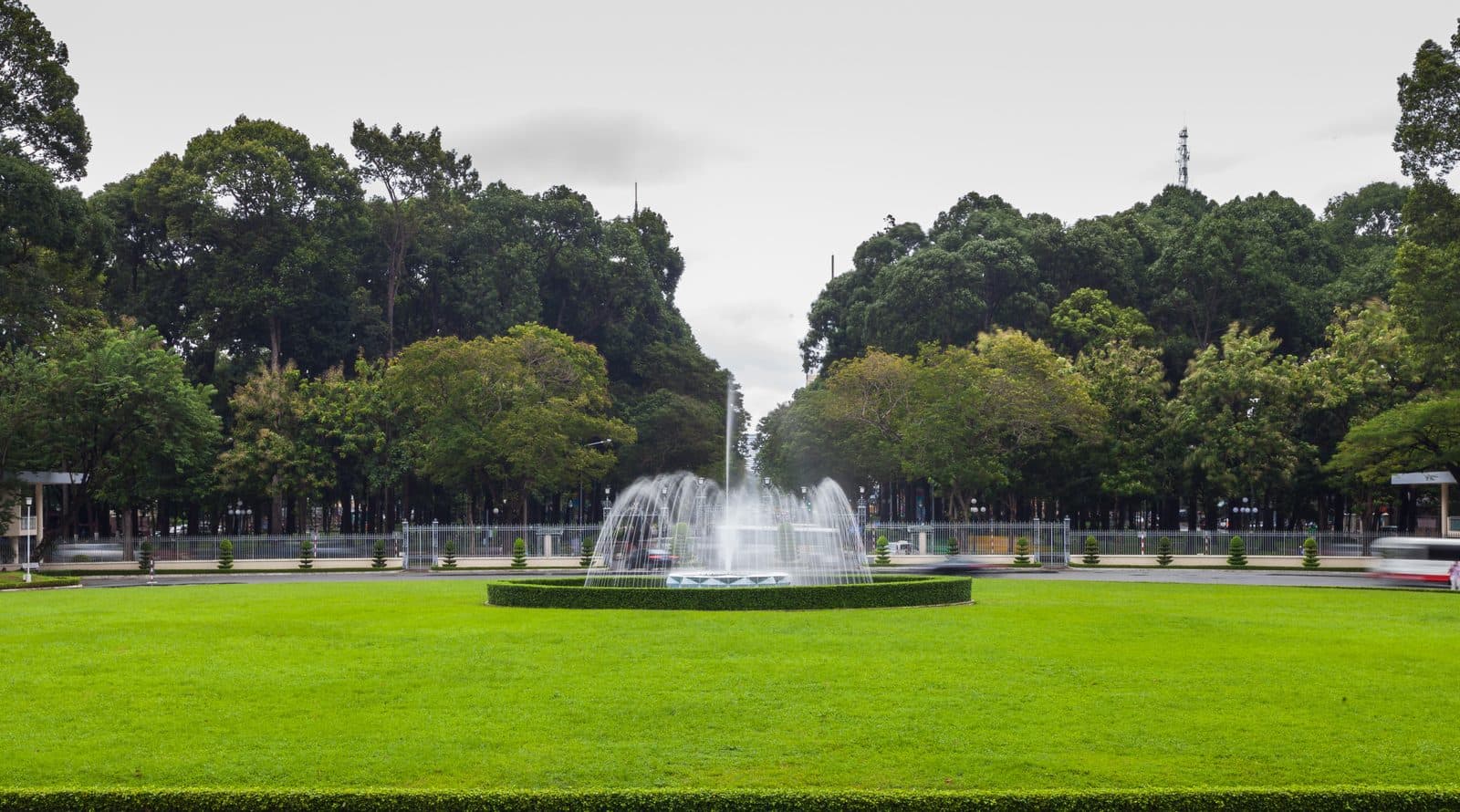
Save the history walk for when you have the patience it deserves. The War Remnants Museum is a demanding stop, and rushing it does it no justice. Build in a rest at Turtle Lake, the modernist fountain plaza the walk uses as a genuine breath, and start early so the outdoor stops stay in morning shade.
What it adds up to
The three walks do not converge on a single Saigon. They converge on a habit of reading. Empire built a frame and the city kept it. A merchant community built its own frame and governed inside it. A war passed through and the city, by surviving, kept that frame too. Everywhere you look downtown, something built for one purpose is quietly doing another, and nobody around you is thinking about the first purpose at all. They are thinking about the evening breeze off the river.
That is how to see Saigon. Not as a museum where everything is in the same wing, but as a living city that has spent three centuries taking possession of whatever was built on it, and making it, entirely, its own.
Frequently asked questions
- How many self-guided walking tours does Roamer have in Ho Chi Minh City?
- 3 tours: hcmc-cholon, hcmc-dong-khoi-french-saigon, hcmc-reunification-palace. Every tour is free to preview.
- How much do the Ho Chi Minh City tours cost?
- Free to preview, then $4.99 per tour for lifetime access. A 30-day pass covering every tour in every city is $19.99, and a 7-day pass is $12.99.
- Do the Ho Chi Minh City tours work offline?
- Yes. Download a tour in the Roamer app before you go and it plays with no signal, which is ideal when travelling without mobile data.
Ready to experience it?
Saigon's French Quarter: The Empire Left, the Buildings Stayed
75 min · 1.8 km · moderate
More from Ho Chi Minh City
Explore more at your own pace.
Ho Chi Minh City Travel Guide: How Many Days, Getting Around, When to Go (2026)
One Day in Ho Chi Minh City: A Walkable Saigon Itinerary (2026)

What to Eat in Ho Chi Minh City: A Saigon Food Guide (2026)
Empire in Stone: How Saigon Kept the Buildings and Changed Their Meaning
The City Beside the City: Reading Cho Lon's Assembly Halls