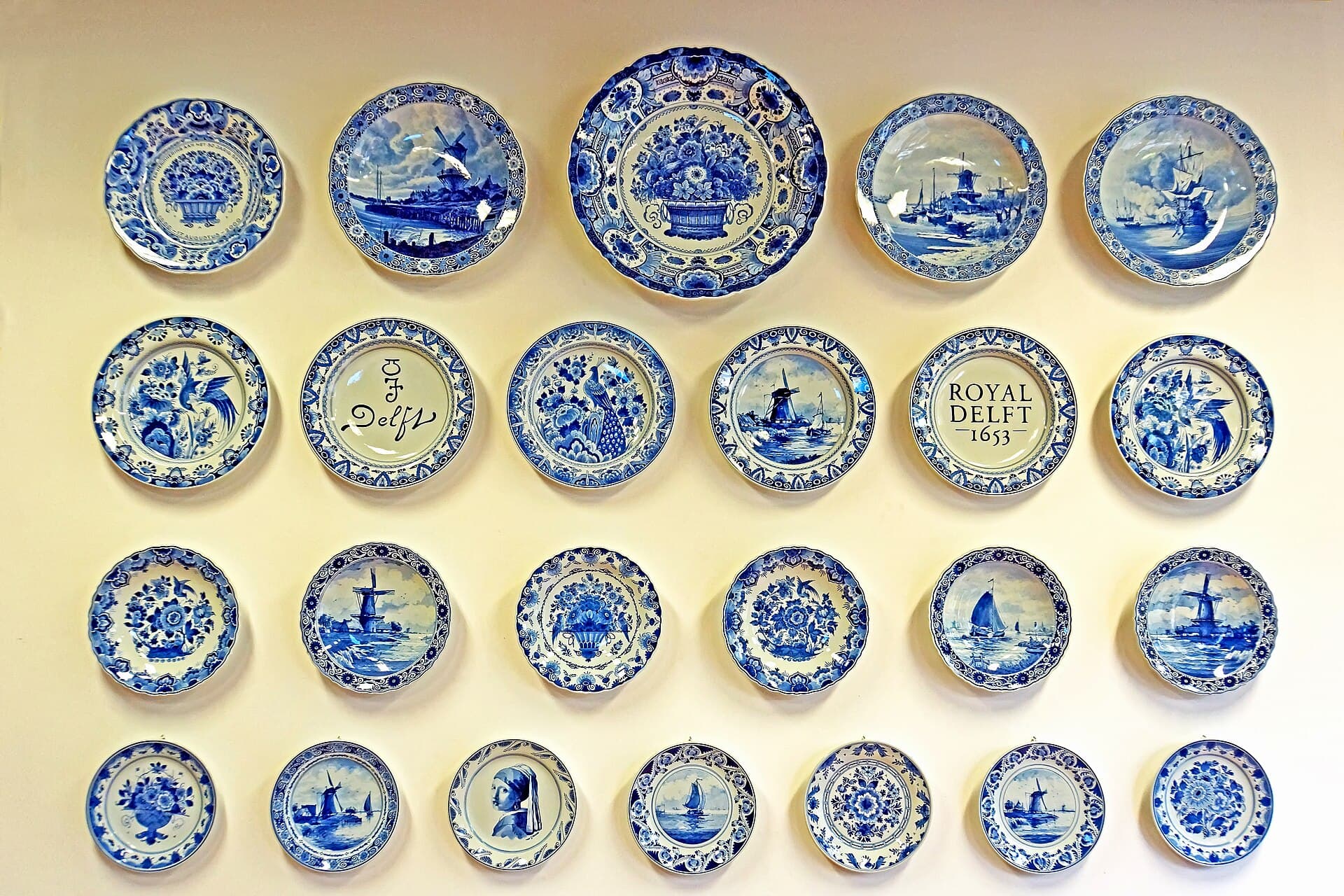
Delft Blue began as a deliberate imitation of imported Chinese porcelain, and the single pottery that still hand-paints it is where a whole trading town's story resolves. That pottery is De Porceleyne Fles, known today as Royal Delft, founded in 1653 and the last one standing of the many that once fired the blue. To understand why it matters, you have to read the ware honestly: Delft Blue is not porcelain at all. It is tin-glazed earthenware, a humbler material dressed to look like something far more precious. The town's most famous export was, at bottom, a copy. That is not a flaw in the story. It is the story.
The pottery that outlived every rival
Start at the end, because the end explains everything before it. De Porceleyne Fles was founded in 1653, right at the dawn of the great Delftware boom, by a man recorded as David Anthonisz van der Pieth. It was one of roughly thirty-two potteries established in Delft during the seventeenth century. By the year 1840, every single competitor had closed. This factory alone kept firing, and it has now operated for more than three hundred and sixty years without a break. In 1919 the Dutch royal house granted it the right to add the word Koninklijke, meaning Royal, to its name, which is how it became Royal Delft.
Hold that word Royal against the material for a moment. Despite what the name suggests, what these painters make is still earthenware, the same honest tin-glazed ware Delft has always produced. Behind the walls of the working pottery, artists still lay the blue onto white by hand and send it into the kiln, exactly as their predecessors did. If you want to see the interior, that part is a paid museum and factory tour, so check current hours and ticket prices before you go. The walk to reach it, and everything it explains, costs nothing.
Blue and white, born from a copy
Hear a stop from this walk
Royal Delft: Where the Blue Is Still Fired
The reason Royal Delft is such a satisfying place to end a walk is that it answers a question the rest of the route keeps raising: where did the blue come from? The answer runs through a global trading company and a dead emperor.
In the early sixteen hundreds, the Dutch East India Company, the VOC, was importing millions of pieces of Chinese blue-and-white porcelain, and Europe could not get enough of it. Then, after the Wanli Emperor of China died in 1620, that supply to Europe was disrupted. Delft's potters saw the opening. They could not make true porcelain, but they could make a convincing, cheaper alternative that echoed its blue-on-white beauty. The craft emerged around 1600 and reached its most admired period between roughly 1640 and 1740, when the town held around thirty potteries firing this ware.
It was never meant to fool anyone into thinking it was real Chinese porcelain. It was something else: an inspired, affordable substitute that grew into a beloved craft in its own right. The blue-and-white empire this small town built was assembled out of imitation, and there is no shame in that. It is simply a more interesting truth than pretty blue china, and it is the real one.
The town that made it possible
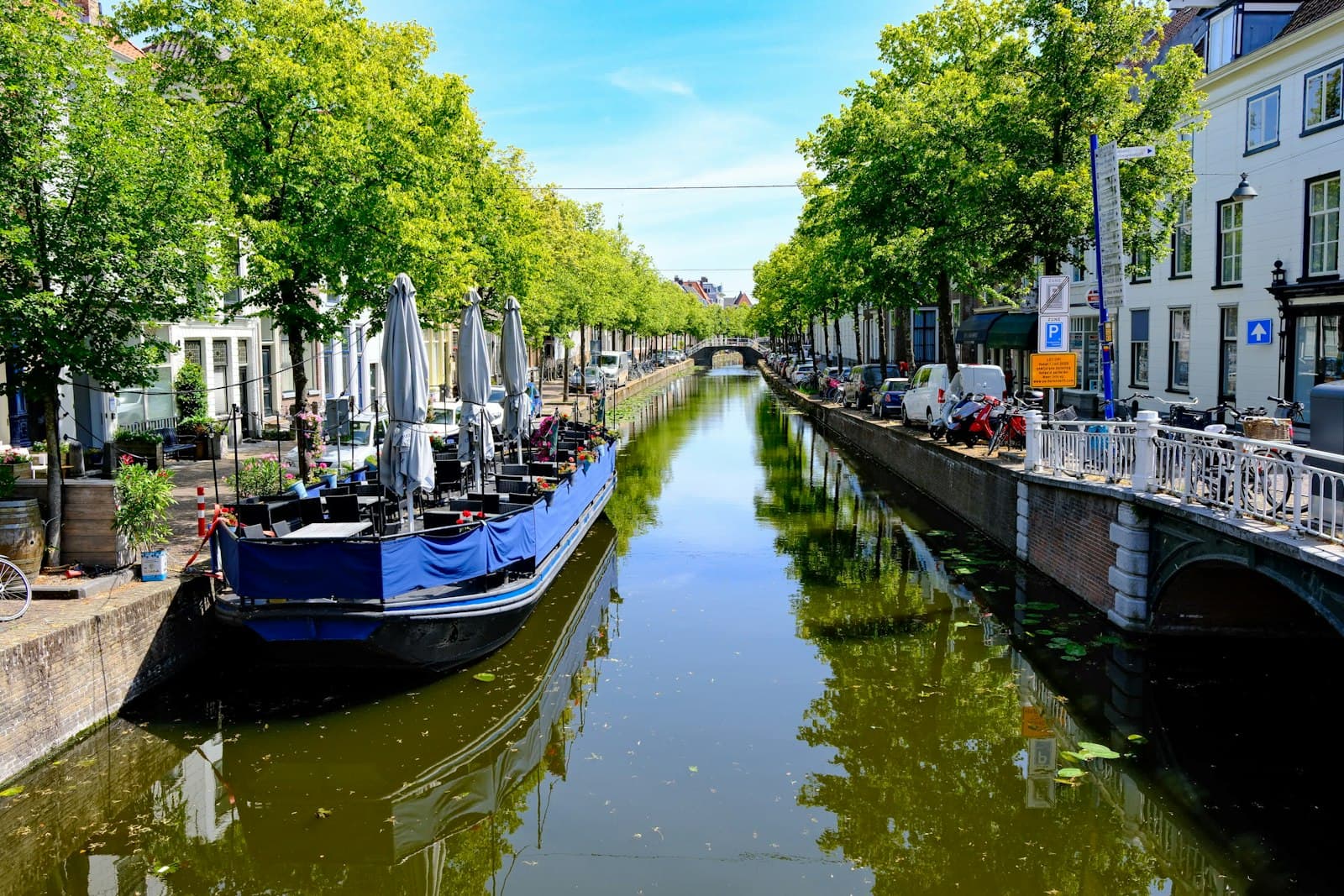
Walk the Delft route from the start and you see why the pottery could take root here at all. It begins on the merchant canals, the Koornmarkt and the Oude Delft, where Golden Age money settled first. The town's very name comes from the Dutch verb delven, to dig, a reference to the drainage canals cut through marshy peat from the eleventh century onward. Wealthy merchants built tall canal-side mansions along these waters in the sixteen hundreds, and a striking number still stand as national monuments. That wealth came first, and it funded the workshops and imports that followed.
Then came the pivot that gave the potters their buildings. For centuries Delft was a beer town, one of Europe's brewing centers, because the canal water was clean. When the beer trade unraveled in the late sixteen hundreds, from falling quality, lost markets, competition from Rotterdam, and pollution from the town's own textile industry, immigrant potters, many of them Flemish, moved into the large, abandoned brewery buildings. Same buildings, same water, entirely new craft. Between roughly 1650 and 1670 the pottery industry expanded fast and cushioned the collapse of the older trades.
The VOC's part in this deserves plain telling. Its Delft chamber did business from the East India House on the Oude Delft, rebuilt in 1631, a date still carved into the facade. The company imported the porcelain Delft would imitate, but the same commerce carried a darker history. According to the Mapping Slavery project, the VOC and its employees, including this Delft chamber, traded in enslaved people, an estimated total of up to roughly a million Asians and Africans over the company's lifetime, some of whom were brought to the Netherlands. The beauty of what Delft made cannot be separated from the machinery that made it possible.
Catastrophe on the same ground
There is one more turn before the pottery. On the twelfth of October, 1654, the national gunpowder magazine, holding roughly forty tonnes of powder in a former convent, exploded. The blast leveled the central part of Delft and was reportedly heard as far away as the island of Texel, more than a hundred kilometres north. Honest history admits the human cost is uncertain: more than a hundred people were killed and thousands injured, the exact number unknown. Among the dead was the painter Carel Fabritius, a gifted pupil of Rembrandt, and nearly all his works were destroyed with him. The town called it the Delftse Donderslag, the Delft Thunderclap. The open Paardenmarkt square exists today because the explosion cleared it. And the rebuilding after 1654 overlapped almost exactly with the great boom in the town's pottery. Beauty and catastrophe stood on the same ground.
The route also passes the Oostpoort, the eastern gate, built around the year 1400 in Brick Gothic style, with tall spires added around 1510. It is the only one of Delft's medieval city gates still standing, the others demolished in the eighteen forties. It watched the whole arc: the merchant fortunes, the empty breweries, the explosion, and the blue leaving town.
For the full picture and the other themed walks through the town, see our guide to Delft walking tours. Then walk the Blue and White Empire route yourself, from the canals to the kiln, and let the story close where the blue is still fired.
Sources
- De Koninklijke Porceleyne Fles, Wikipedia: founding in 1653 by David Anthonisz van der Pieth, sole surviving factory of the thirty-two established in the seventeenth century, and the 1919 Royal prefix.
- Royal Delft Museum, official history: the working pottery's continuous operation and hand-painting of tin-glazed earthenware.
- Delftware, Wikipedia: confirms Delft Blue is tin-glazed earthenware imitating Chinese porcelain, its peak period, and the disruption after the Wanli Emperor's death in 1620.
- Mapping Slavery project, Het Oostindisch Huis (VOC Kamer Delft): the Delft VOC chamber's involvement in the trade in enslaved people.
- Museum Prinsenhof Delft and Essential Vermeer, on the Delftse Donderslag of 1654 and the town's Golden Age canal development.
Ready to experience it?
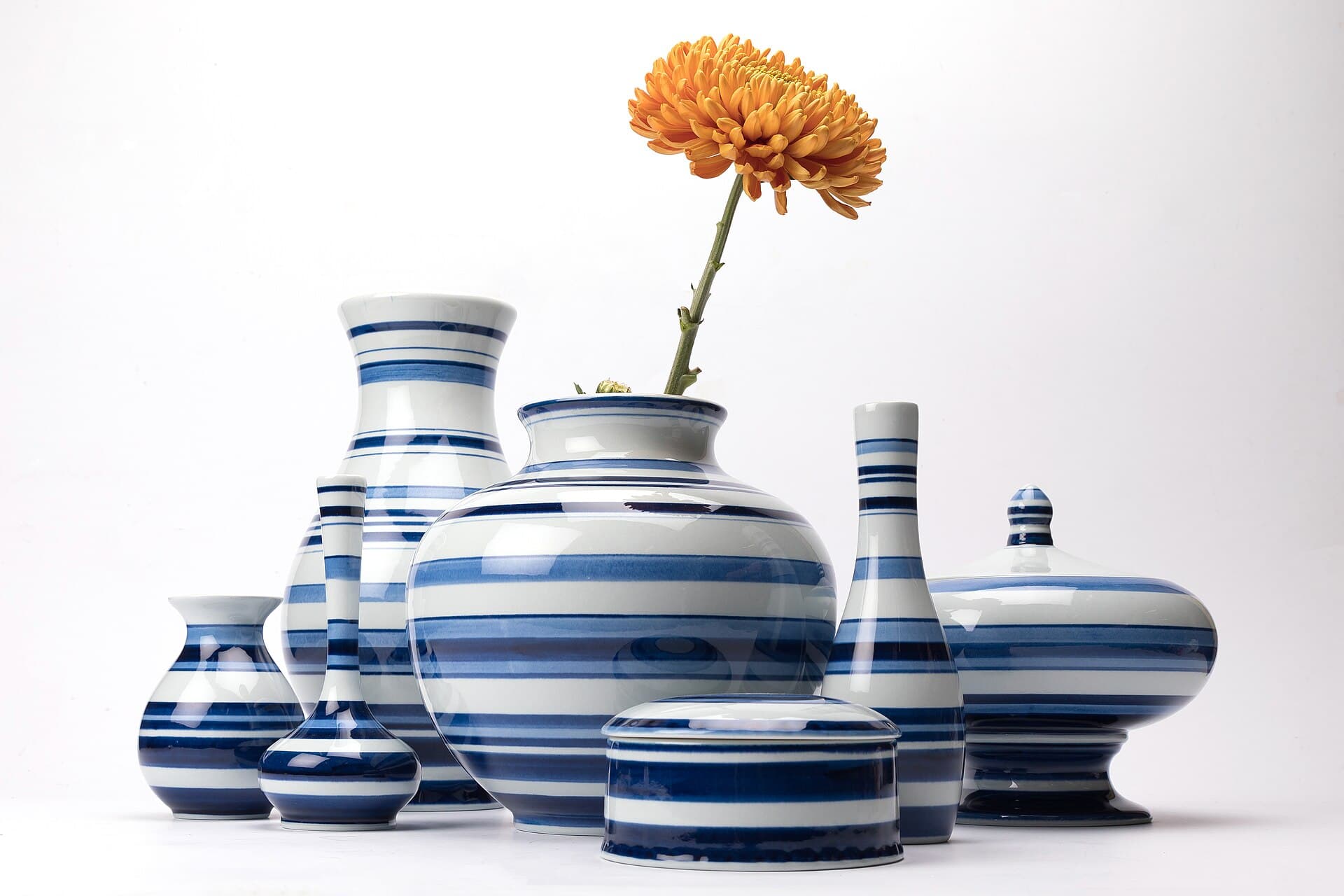
Delftware and the Golden Age: Blue and White Empire
130 min · 4.4 km · moderate
More from Delft
Explore more at your own pace.
Delft Travel Guide: Days, Transport, Safety, and Costs
The Small Town That Made Big History: Delft's Light, Its Martyr, and Its Blue
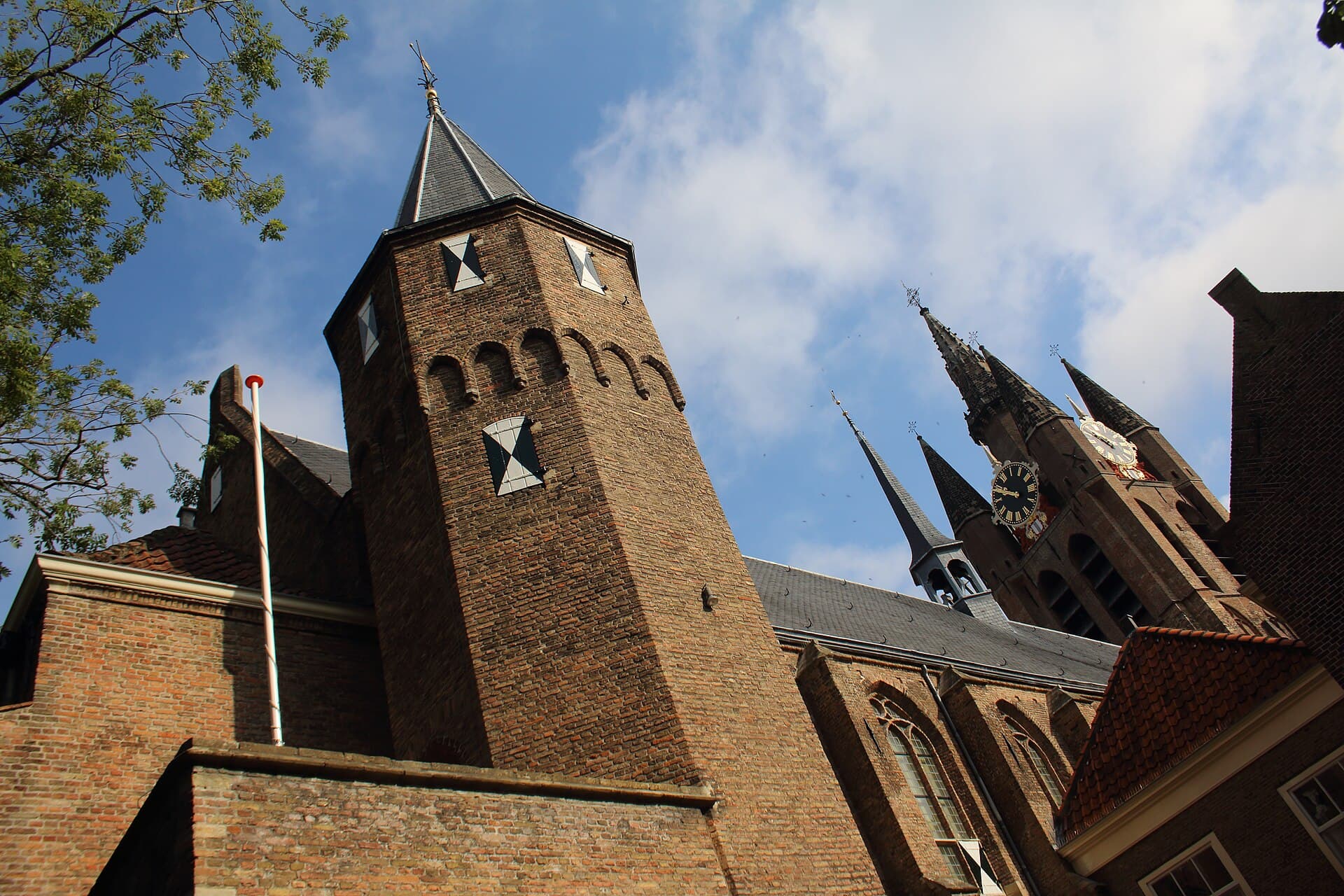
The Prinsenhof in Delft: Where a Single Shot Founded a Nation
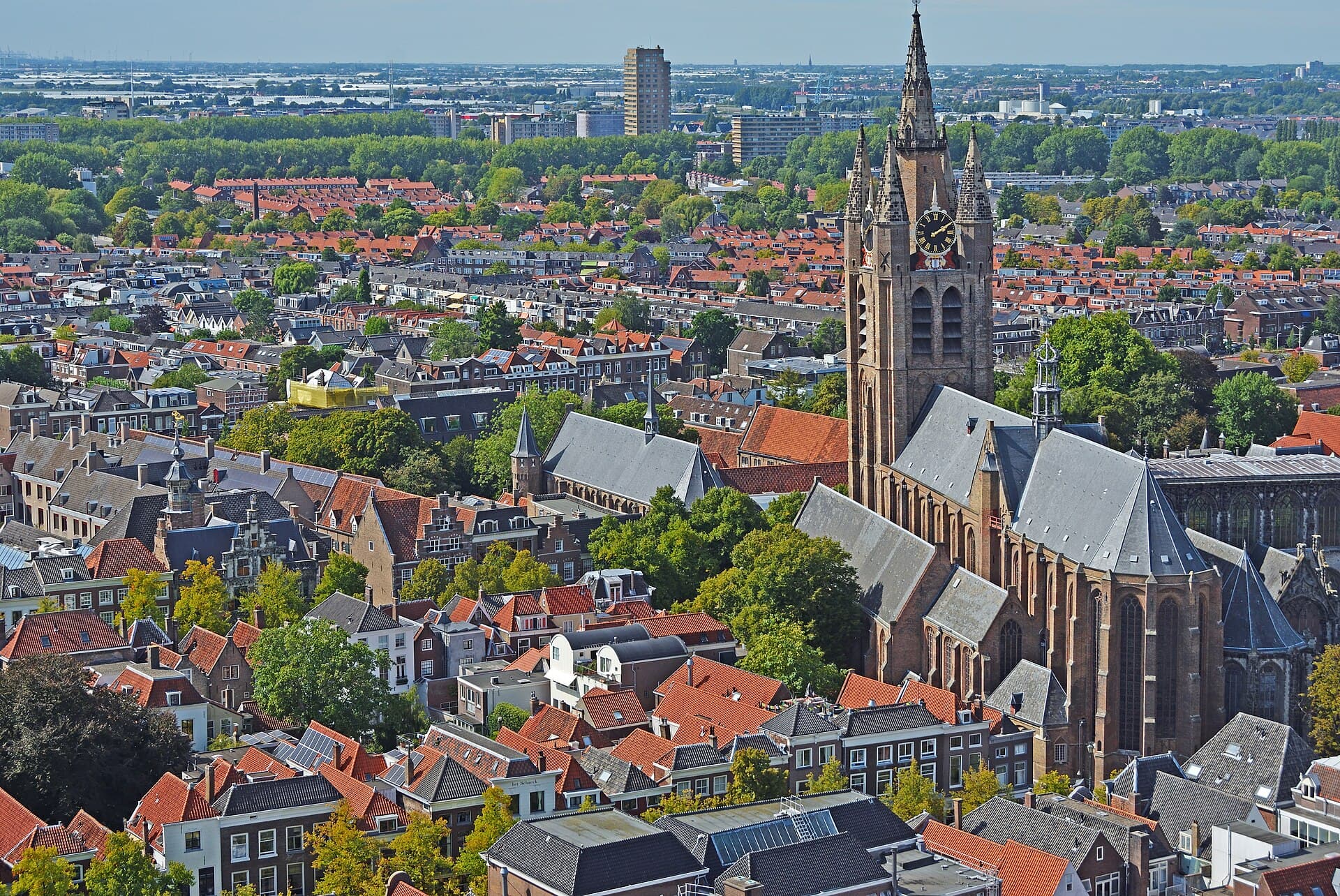
Nieuwe Kerk, Delft: The Church That Turned a Rebel Into a Dynasty
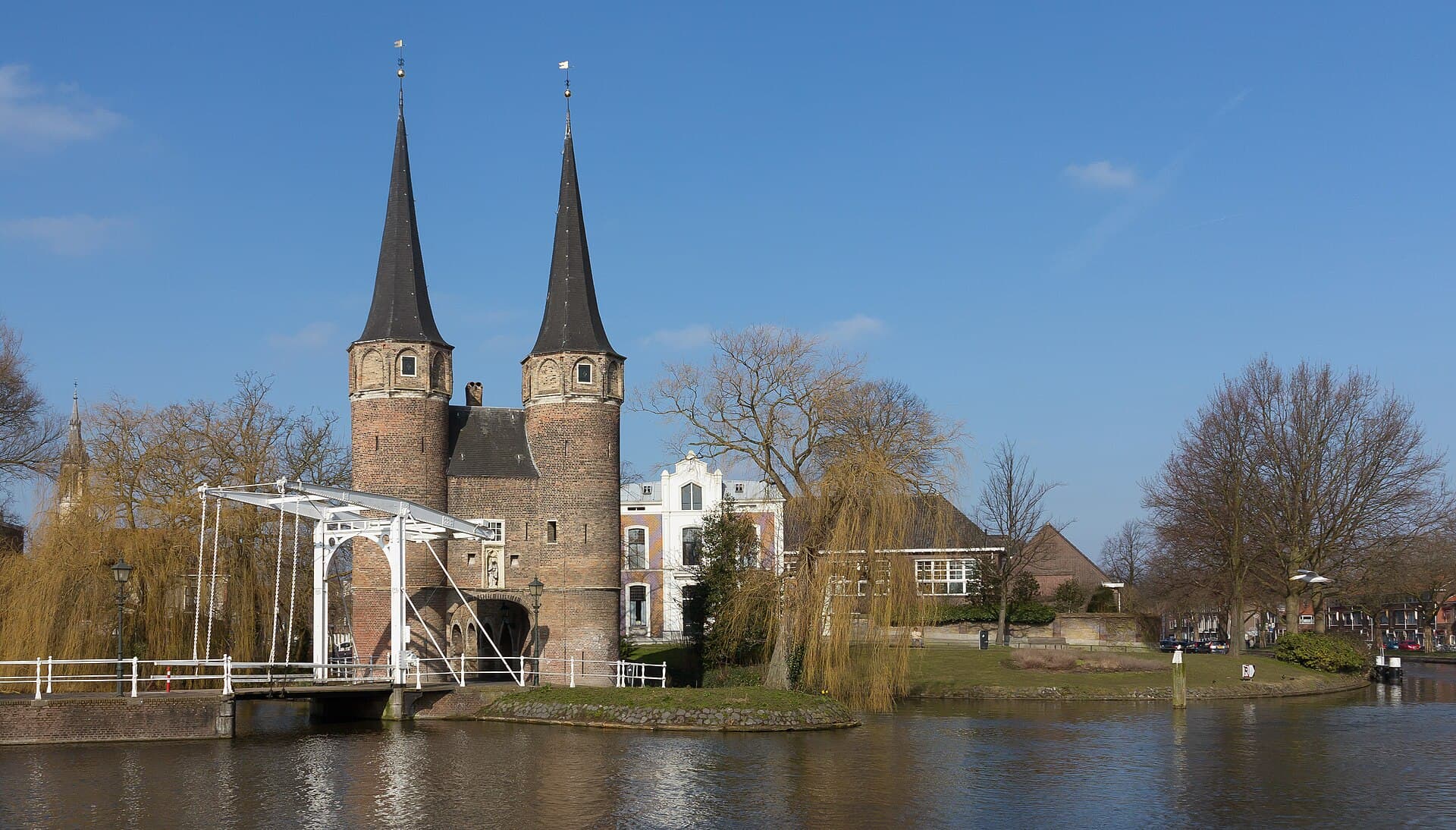
The Oostpoort: Reading Delft's Last City Gate