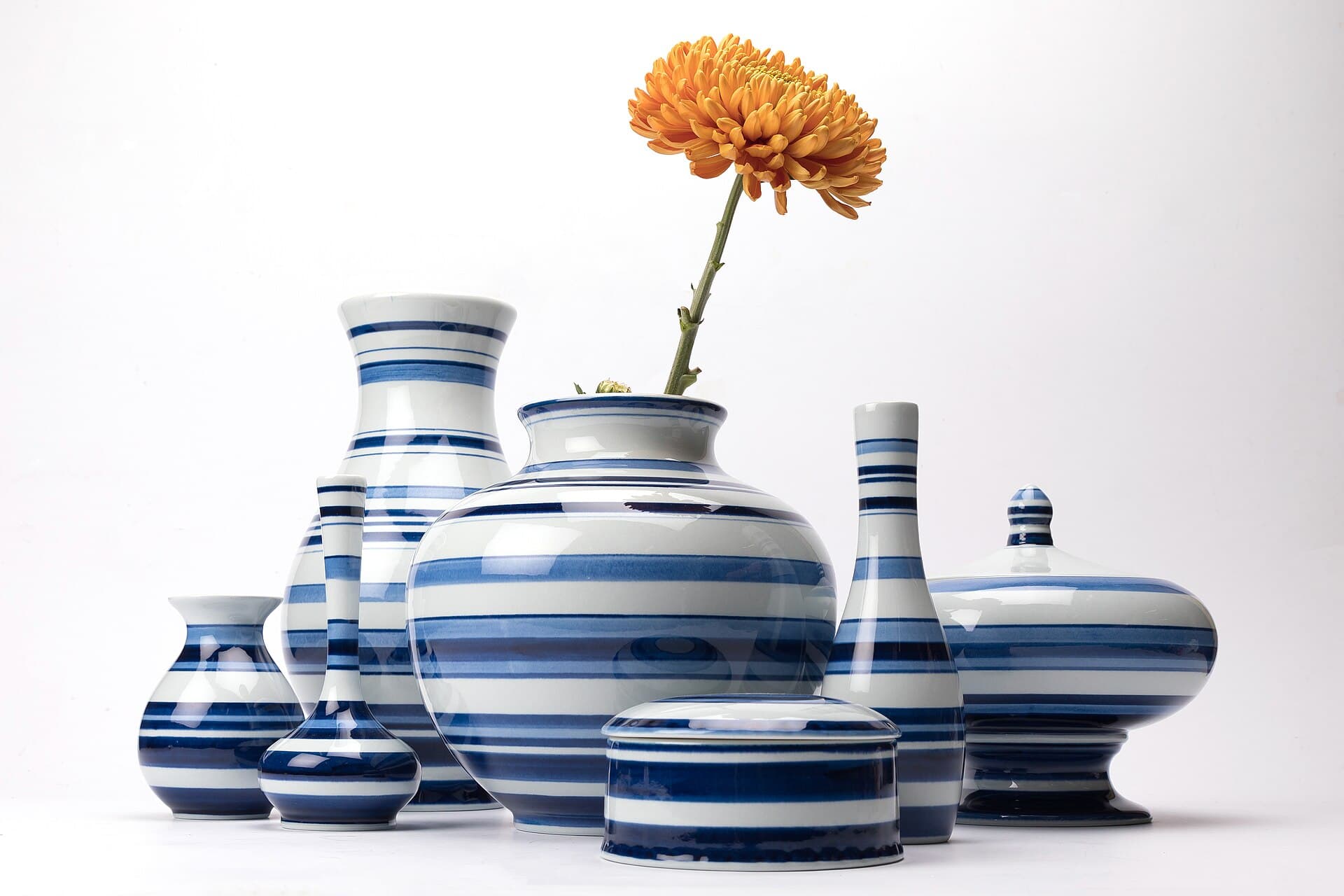
Blue and White Empire
Read Delft as a Golden Age trading town that turned catastrophe and imported ideas into the blue-and-white art it became famous for. Merchant canals, a lost city gate, and the pottery that still fires the blue.
4.30|130 minutes|4.4 km|7 Stops
Start
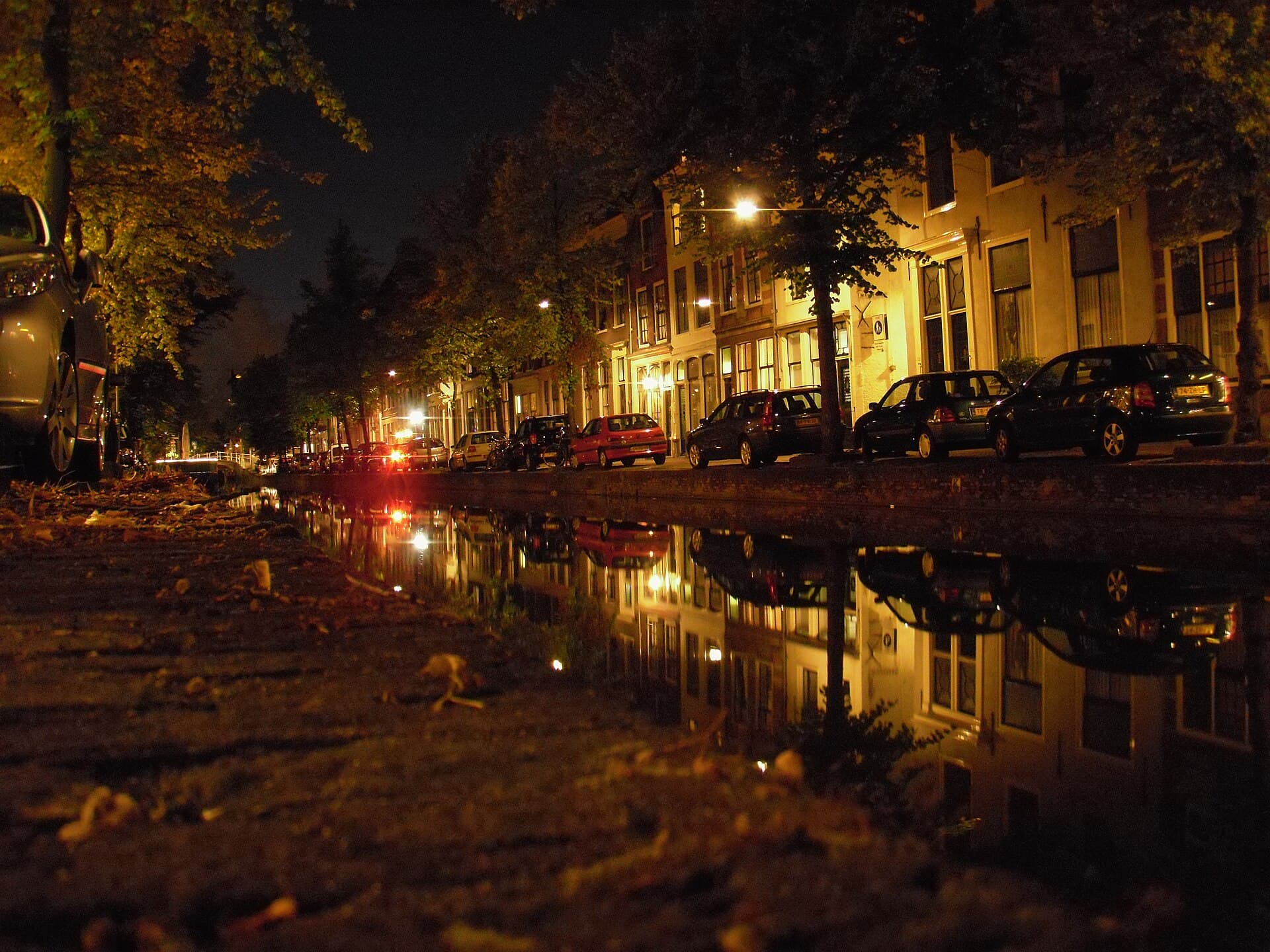
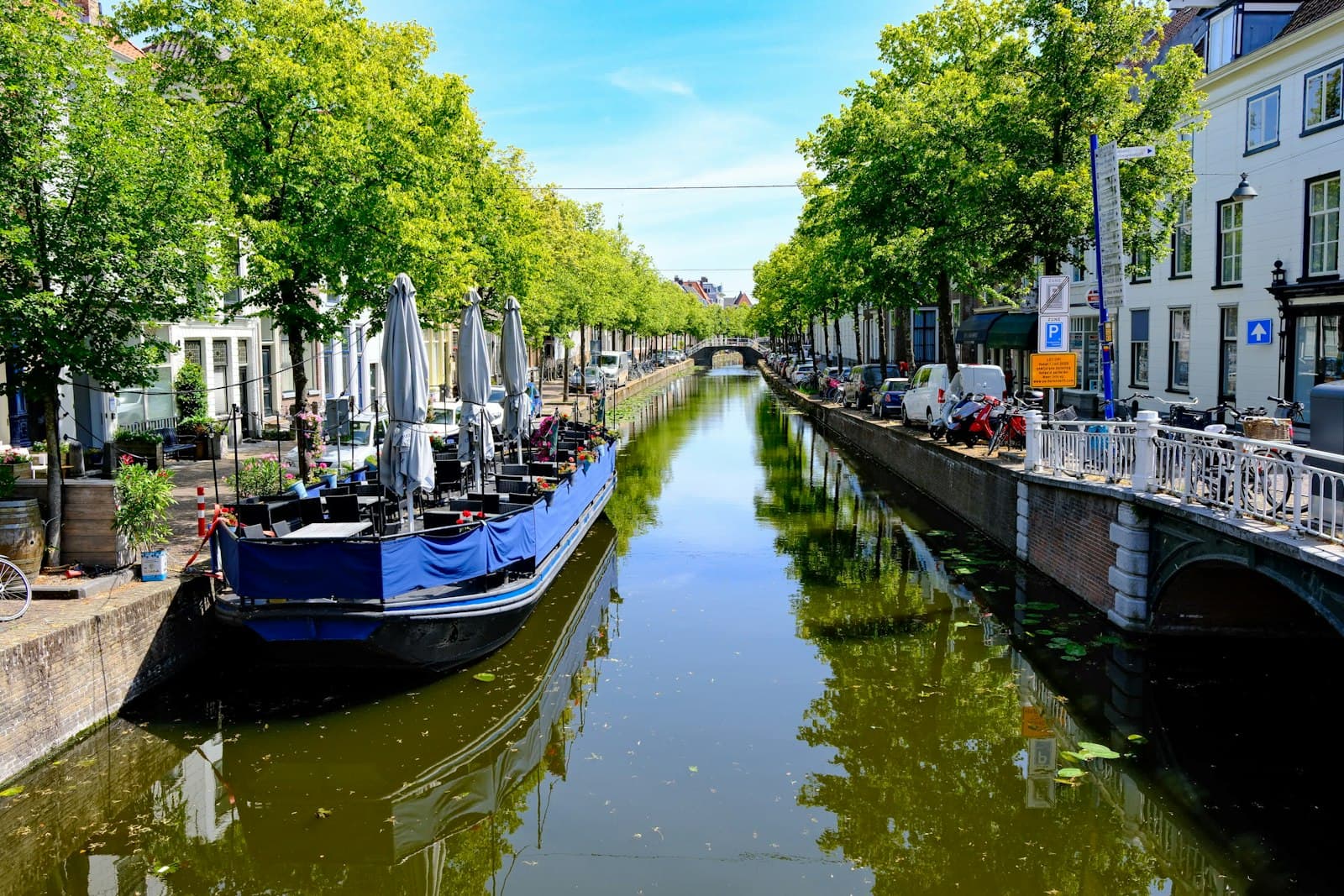
The Merchant Canals: Where the Golden Age Money Lived
1
The Merchant Canals: Where the Golden Age Money Lived
The oldest merchant canals of Delft, where Golden Age wealth built the mansions that funded everything to come.
2
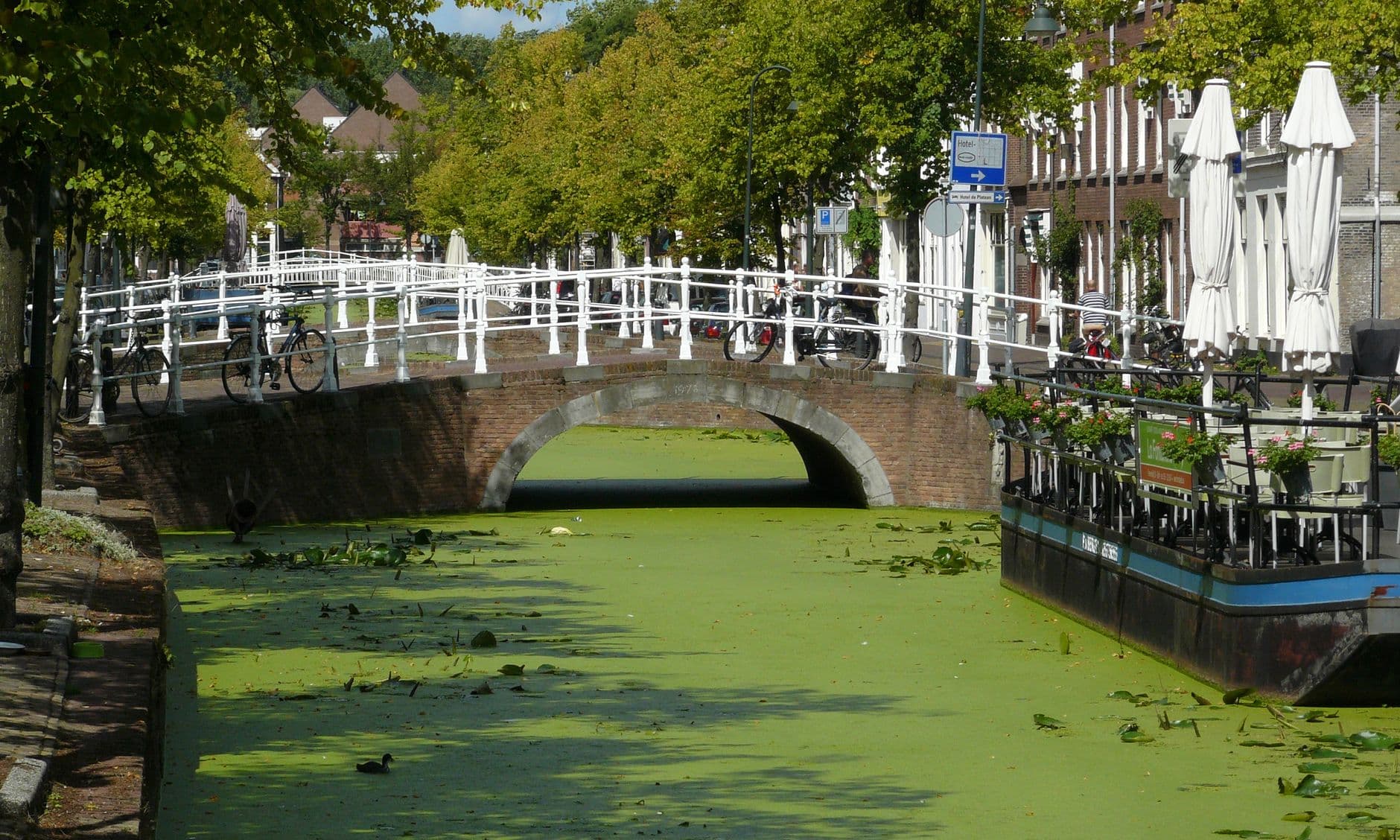
From Beer Town to Pottery Town: The Great Pivot
The canal stretch where medieval breweries once stood, and where potters later moved into the same buildings, using the same water.
3
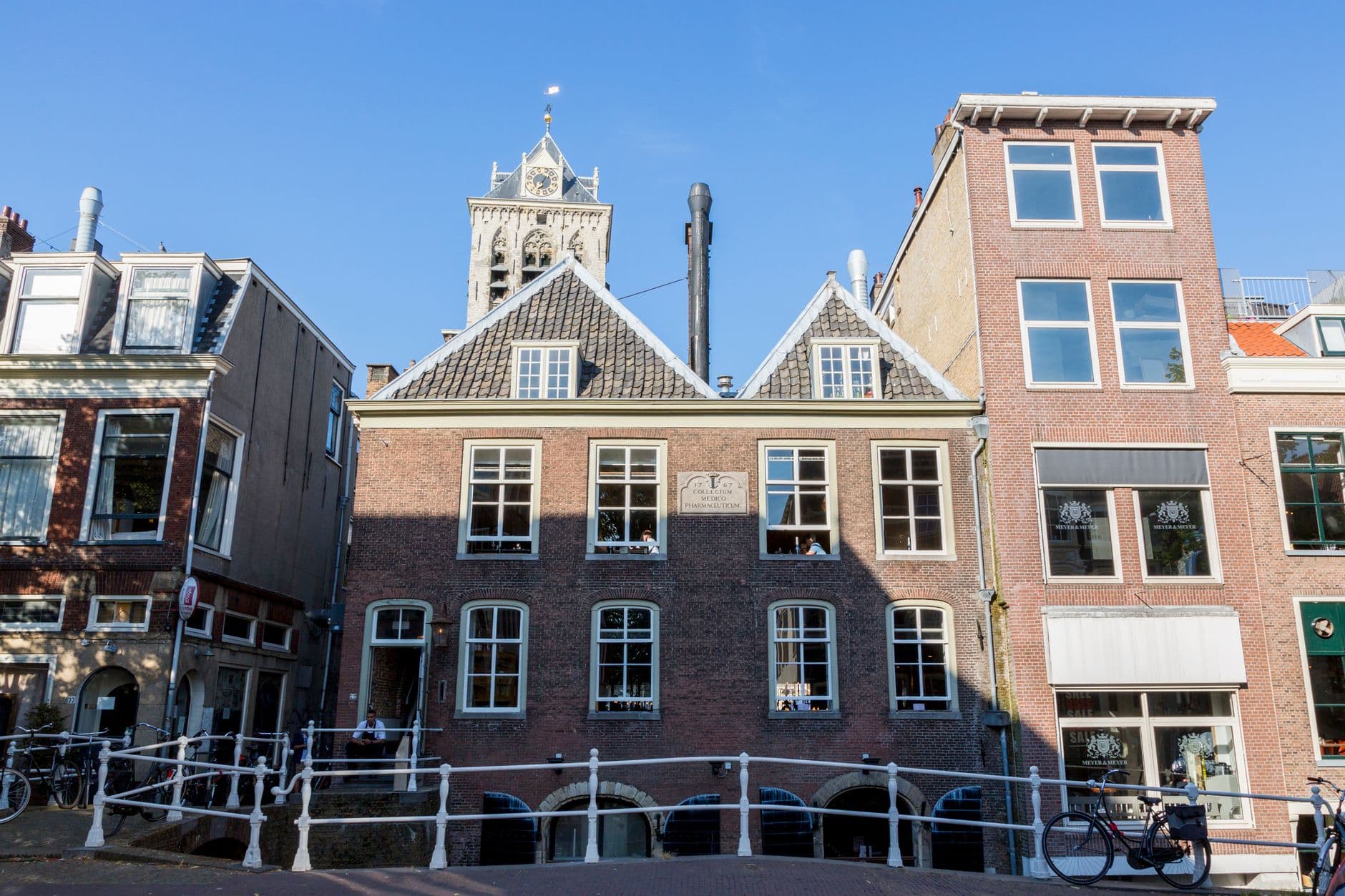
The East India House: Delft's VOC Chamber
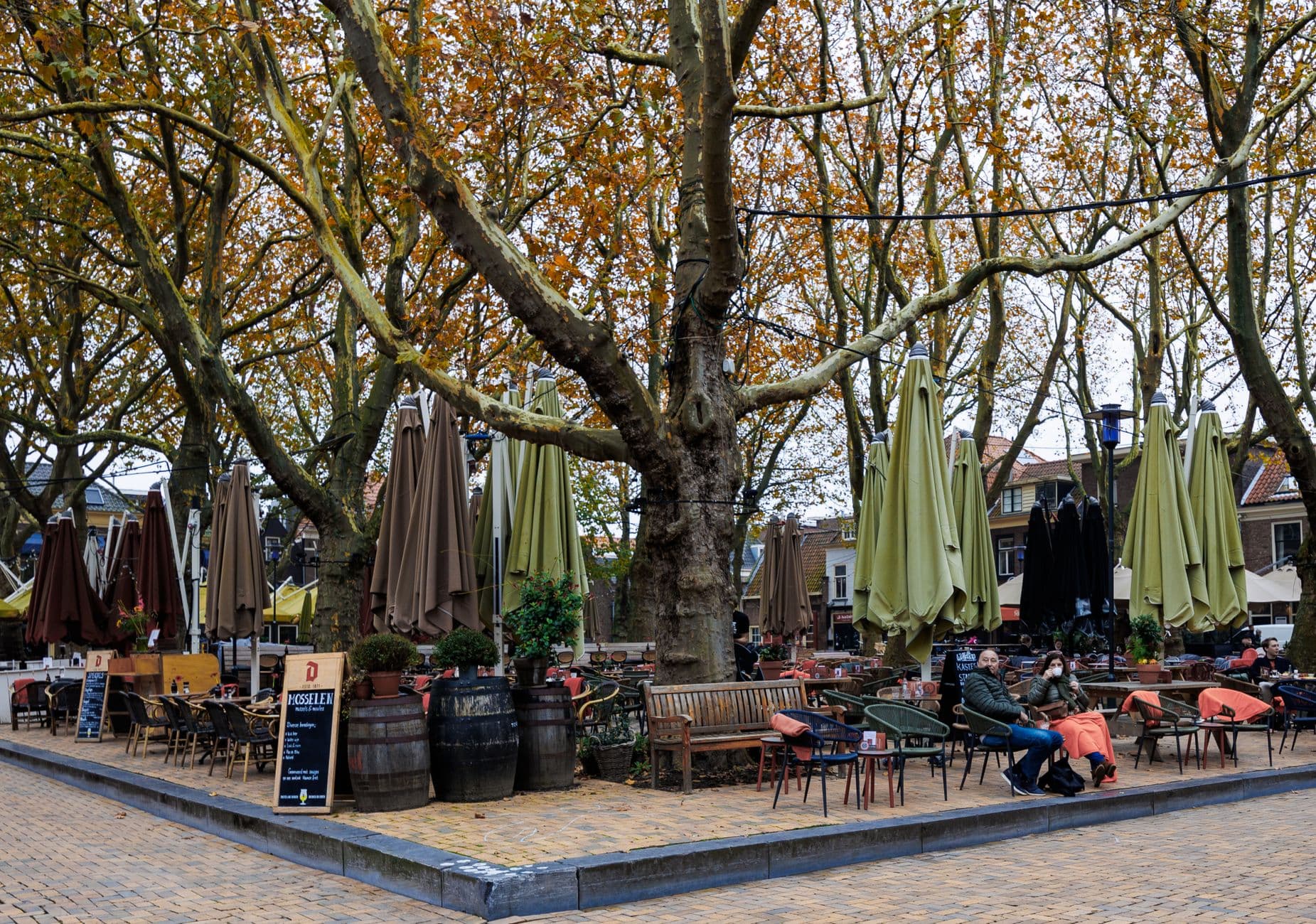
The step-gabled house on the Oude Delft where the local chamber of the Dutch East India Company conducted its trade.
4
The Delft Thunderclap of Sixteen Fifty-Four
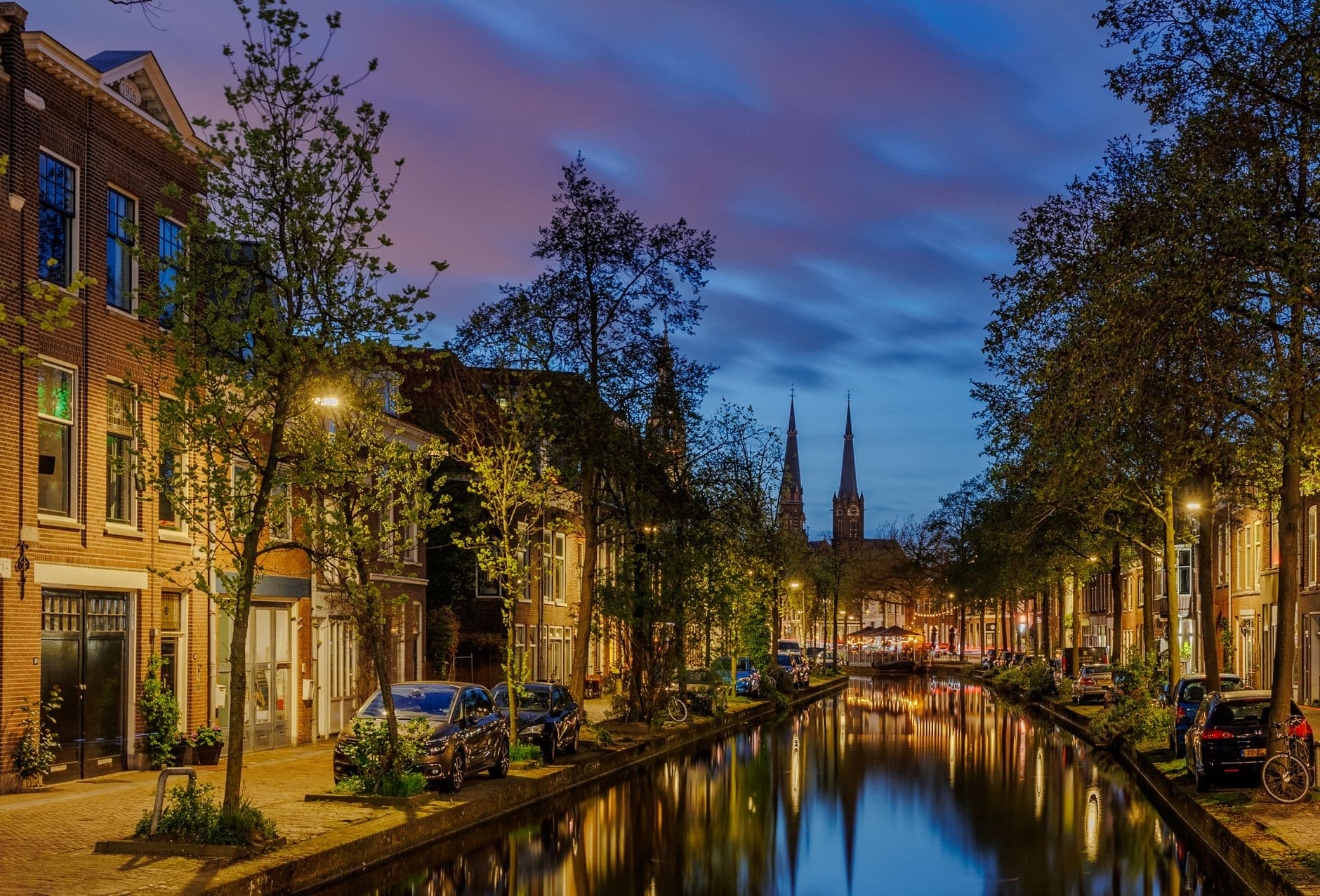
The open square left where a national gunpowder store exploded and flattened a quarter of the town.
5
Delftware: Blue and White Made From an Imitation
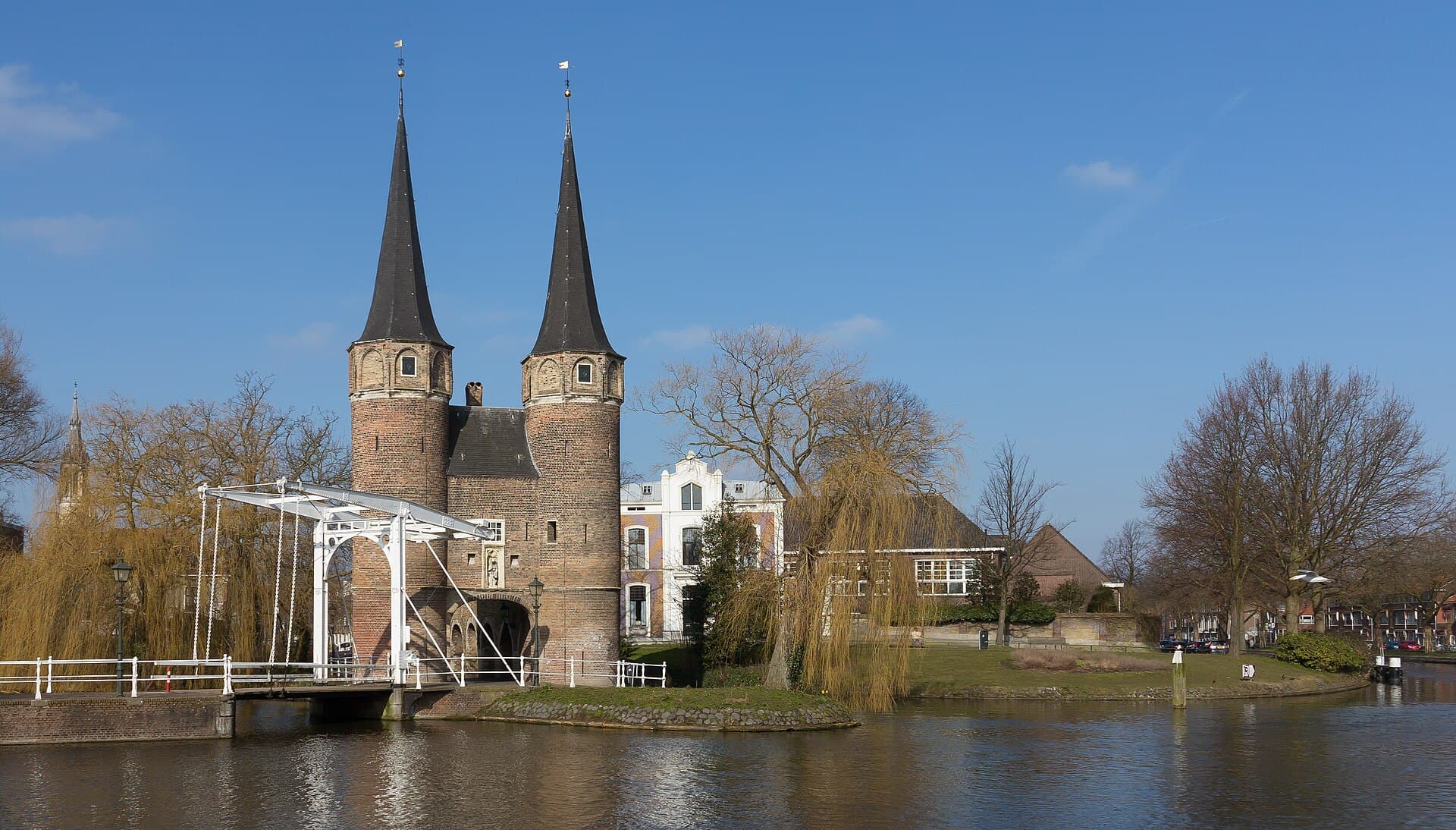
The eastern canals where the potteries clustered, and the honest story of how Delft Blue was born as a copy.
6
The Oostpoort: The Last Gate Standing
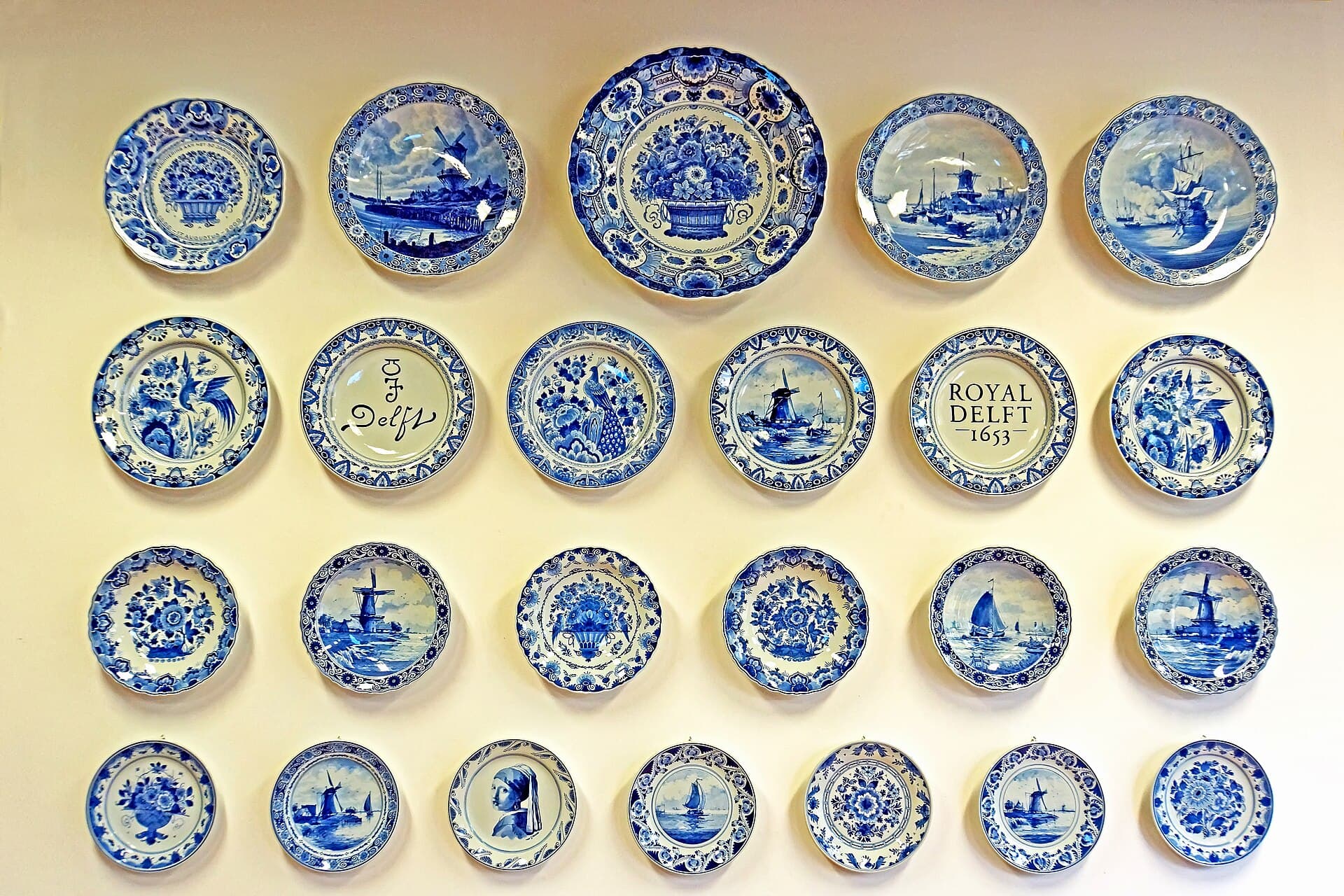
The twin-towered eastern gate, the only one of Delft's medieval city gates to survive.
7
Royal Delft: Where the Blue Is Still Fired
De Porceleyne Fles, the last of the original Delftware potteries, where Delft Blue is still hand-painted and fired.
Best Time to Visit
Late morning to mid-afternoon is ideal, when the canal-side light is soft and the reflections are at their best. Weekday mornings are quietest for the canals and the East India House, while the working pottery at the end of the walk is best reached earlier in the day so you have time to see it before closing. Spring and early autumn offer comfortable temperatures and fewer crowds than midsummer.
Pro Tips
- •The walk runs roughly two and a half kilometres over cobbles, so wear comfortable, sturdy shoes rather than smooth soles or heels.
- •Save the working pottery at the end for last, and check its current opening hours and ticket price before you set out, since the interior is a paid museum tour while the walk itself is free.
- •Pause on the canal bridges to look back along the water. Some of the best views of the merchant mansions and the light on the canals are from mid-bridge.
- •The East India House and the Oostpoort are best appreciated from the outside, as both are now private or residential. Admire the facades and gables from the street rather than expecting to enter.
- •Carry a refillable water bottle and take the stops slowly. Every stop is short and skippable, so linger where a view or a story holds you and move on when you are ready.
- •Stand a moment at the Paardenmarkt square before reading its story. Knowing that the open space was cleared by the explosion of sixteen fifty-four changes how the calm feels.
Safety & Precautions
- Many canal edges in Delft have no railings and drop straight into the water. Keep back from the edge, especially when taking photos, watching children, or walking after dark.
- Cyclists and trams have priority and move fast and almost silently. Before stepping off a curb or crossing a cycle lane, look both ways and listen, as bikes appear quickly and quietly from behind.
- The streets are uneven cobblestone, and some historic buildings and bridges have steep, narrow stairs. Watch your footing, and take care that bridges, wharves, and cobbles turn slippery when wet.
- At the working pottery and other major sites, expect possible queues and timed tickets, so allow extra time and consider checking availability in advance.
Gallery
Related Reading
Go deeper on what you'll see, hear, and walk through.
Overview
Best Self-Guided Walking Tours in Delft (2026)
3 min
Overview
Delft Travel Guide: Days, Transport, Safety, and Costs
6 min
Overview
One Day in Delft: A Walkable Itinerary
7 min
Thematic
Best Culture Walking Tours in Delft (2026)
2 min
Thematic
The Small Town That Made Big History: Delft's Light, Its Martyr, and Its Blue
8 min
Companion
Royal Delft and the Real Story Behind Delft Blue
7 min
Deep dive
The Oostpoort: Reading Delft's Last City Gate
6 min
Read
What to Eat in Delft: Herring, Stroopwafels, and How to Order Like a Local
7 min