The Inglewood tour walks a river seam. On one side is Calgary's oldest street, the stretch of 9th Avenue SE once known as Atlantic Avenue and Whiskey Row, probably the first main street the city ever had. A few hundred metres west is the confluence of the Bow and Elbow rivers, the exact ground the whole city grew out of in 1875. The two sides tell opposite stories about the same thing: what a city chooses to remember, and how.
The street that was forgotten on purpose
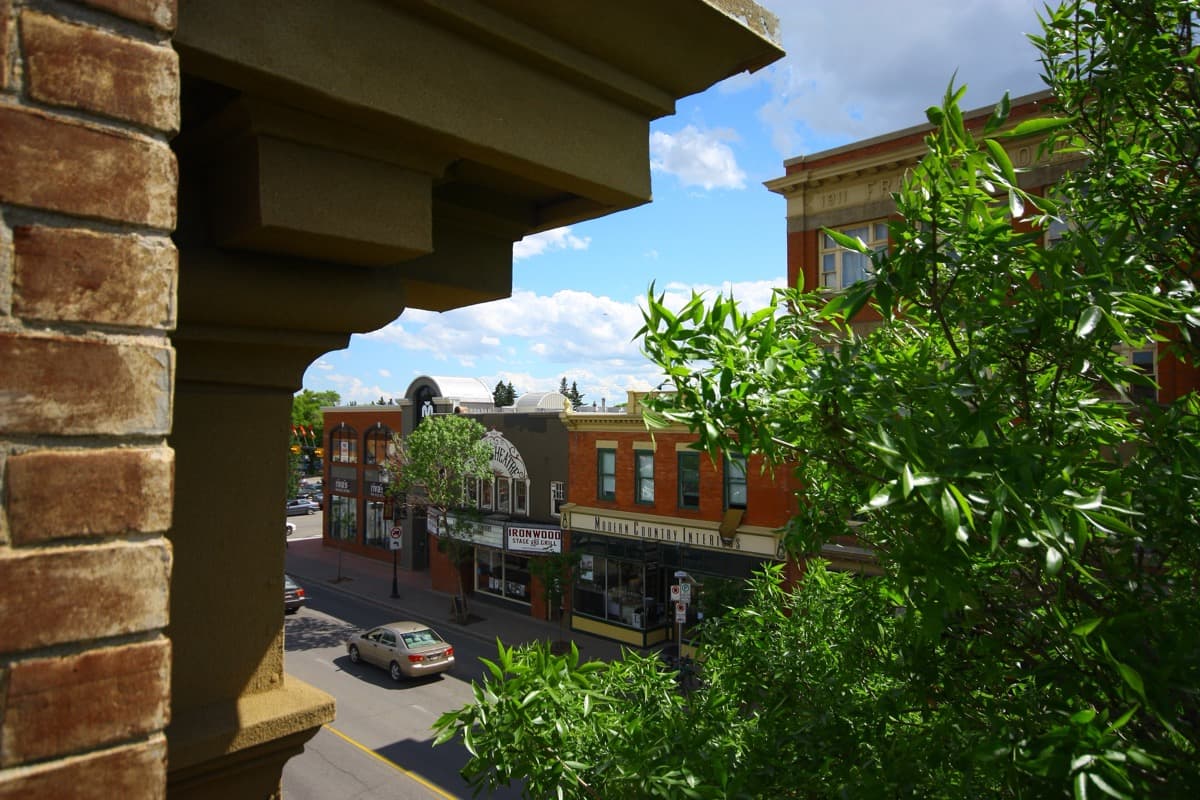
Inglewood is Calgary's oldest neighbourhood, and its main street survived intact for an unusual reason. It was left alone. As the city boomed and the money moved downtown and then outward, Inglewood stopped being where the action was. Nobody had a strong enough incentive to tear it down and start over. So the old low-rise commercial block along 9th Avenue kept standing, and today it is close to the only stretch of Calgary that still looks the way the whole city once did.
That is a different kind of preservation from the deliberate, funded, plaque-on-the-wall kind. Inglewood was saved by being abandoned by the city's restless money, and the tour treats that as the neighbourhood's defining fact. The block that became a bypassed backwater is now a maker district and heritage row precisely because it was overlooked at the right moment.
The confluence the city kept leaving
Hear a stop from this walk
Calgary Central Library (2018)
The west side of the walk is the opposite story. Calgary began in 1875 as a log fort the North-West Mounted Police built at the meeting of the Bow and Elbow. It was first called Fort Brisebois after its first commander, then renamed Fort Calgary in 1876. And long before any of that, the confluence was a gathering place for Indigenous peoples for thousands of years. In 2024 the historic site was rebranded from Fort Calgary to The Confluence to put that older history first.
Unlike Inglewood, the confluence was never left alone. The fort was demolished. The land became a rail yard and an industrial edge, flooded, abandoned, and rebuilt more than once. The oldest surviving buildings nearby only made it through by accident of scale or by literal relocation. The 1876 Hunt House is the oldest building in Calgary still on its original patch of ground, and it survived because it was a one-room log cabin too small and too plain to bother demolishing. The 1906 Deane House, built for the last NWMP superintendent posted here, survived because in 1929 it was physically hauled across the Elbow River to a new site. Even the fort's own memory had to be dragged across water to live.
What the walk connects
From the confluence the route runs east along Whiskey Row, past the Garry Theatre, to Studio Bell and the King Eddy, the old blues hotel now folded into the National Music Centre, and out to the Calgary Central Library, the arch-topped building that vaults over an active LRT line. The through-line is memory: a neighbourhood that remembers by staying still next to a birthplace that keeps being erased and reclaimed.
For the food and maker-district side of Inglewood, see Inglewood: Calgary's oldest neighbourhood turned maker district. For the wider argument about how Calgary keeps abandoning and reclaiming its own past, see Calgary: the city the oil price built and rebuilt.
The tour runs about 96 minutes over 4.9 km with eight stops, and it is free to start: the introduction and first stop play in full, and every later stop plays a short preview. Compare it against Calgary's other routes in the best self-guided walking tours in Calgary.
Ready to experience it?
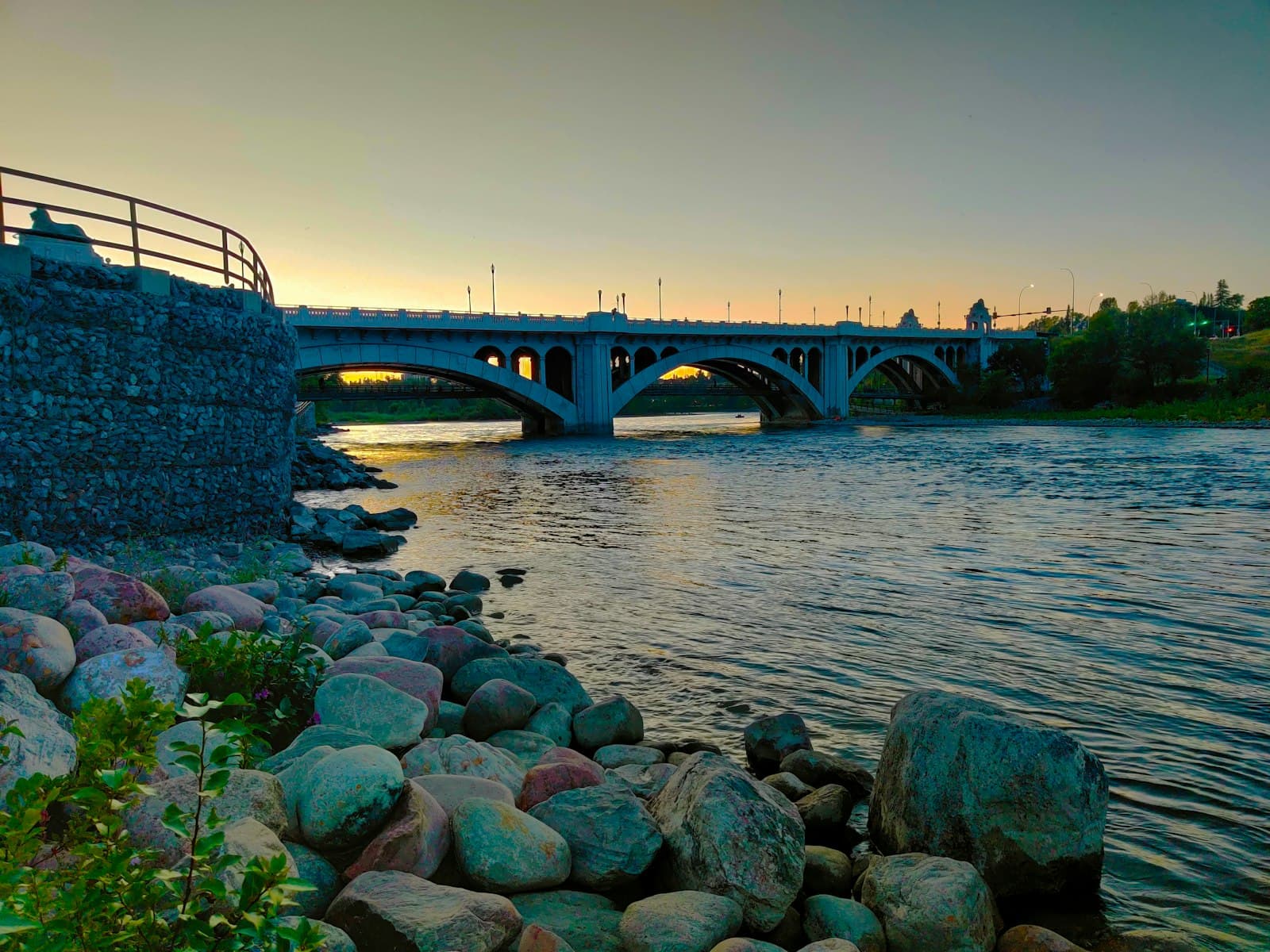
Inglewood: The Street That Was Forgotten on Purpose
96 min · 4.9 km · easy
More from Calgary
Explore more at your own pace.
Calgary: The City the Oil Price Built and Rebuilt

The +15: How Calgary Built a Second City Fifteen Feet Up
The Balance Sheet Skyline: Reading Calgary's Towers as an Oil-Price Chart
The Bridge Calgary Argued About: Crossing Between Two Calgarys
Inglewood: Calgary's Oldest Neighbourhood Turned Maker District