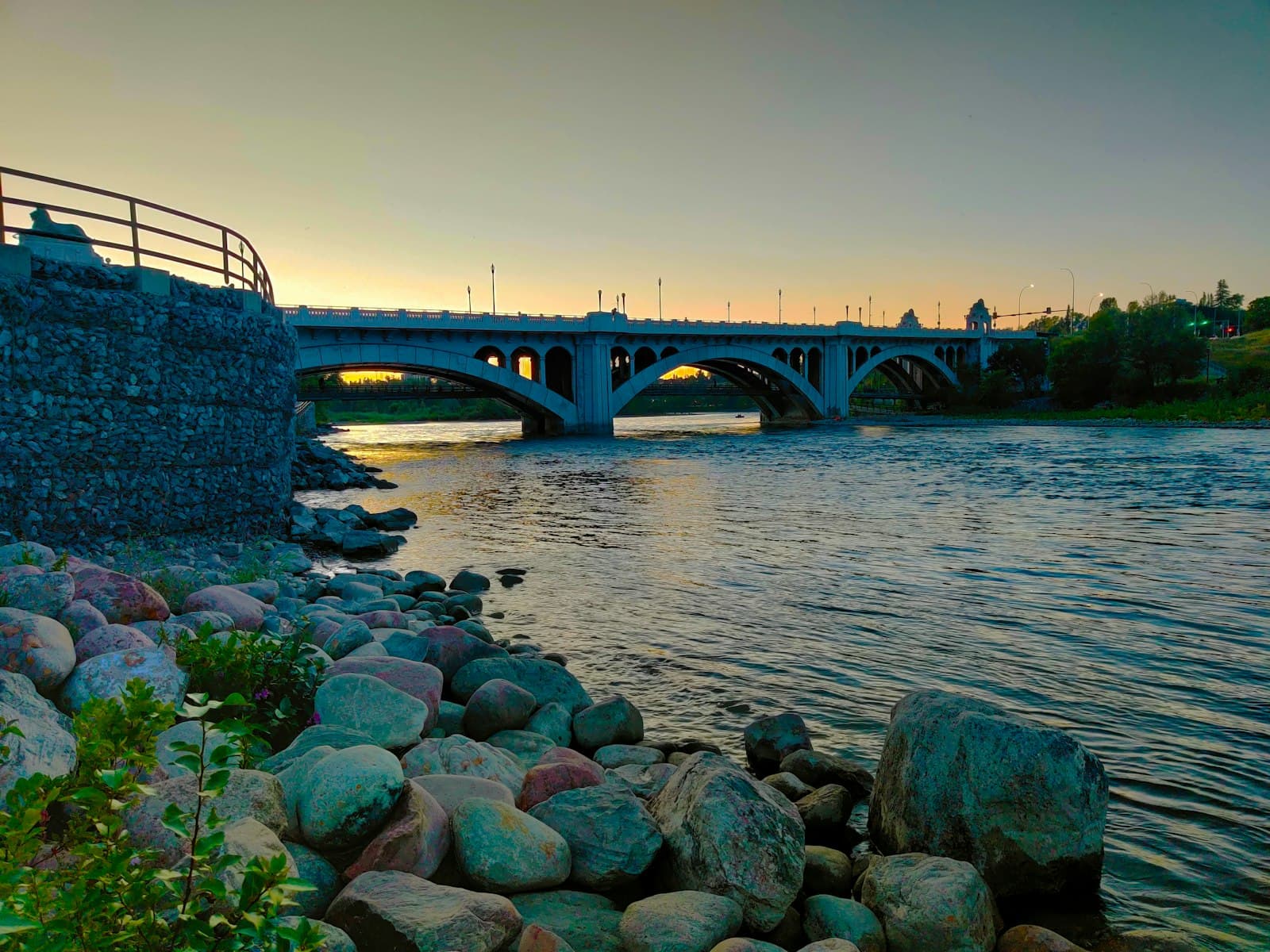
Calgary's oldest street survived because the city's restless money kept moving on without it, while the confluence that gave the city its birth, a few hundred metres west, has been abandoned, flooded, and rebuilt over and over.
Start · The Confluence (Fort Calgary)
DirectionsStops
- 1
The Confluence (Fort Calgary)
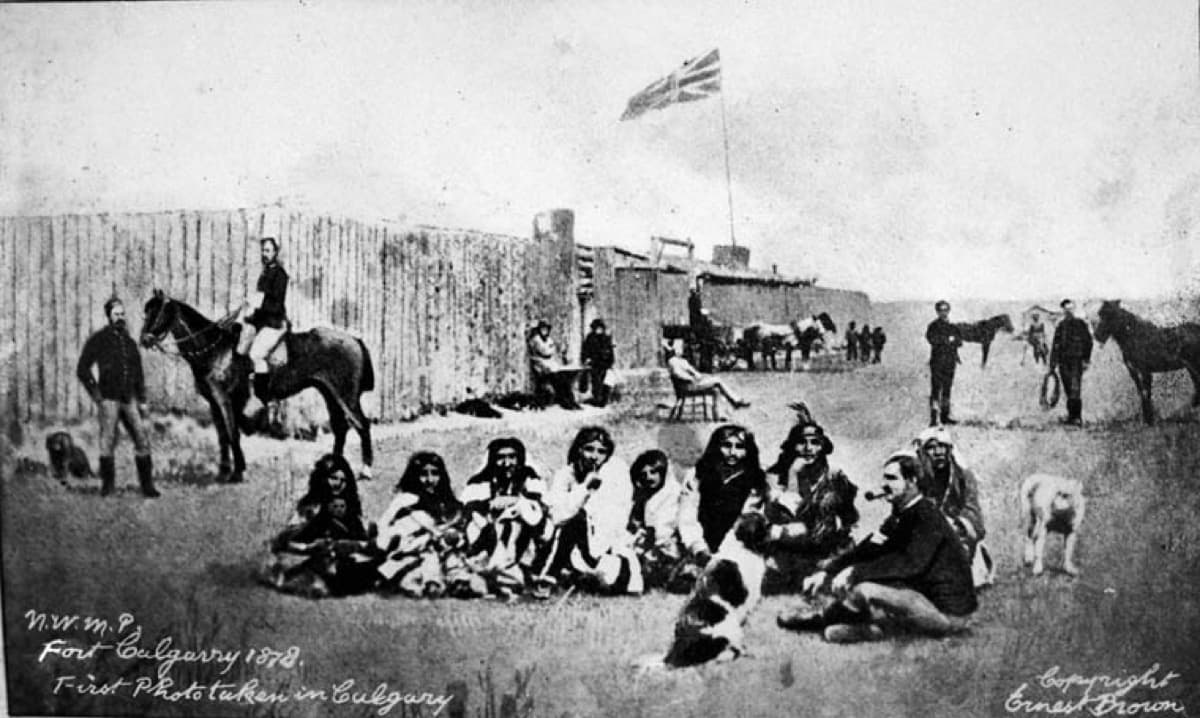
The birthplace the city kept trying to leave. A log fort of 1875 at the seam of the Bow and the Elbow, and a gathering place for thousands of years before that.
- 2
Hunt House (1876)
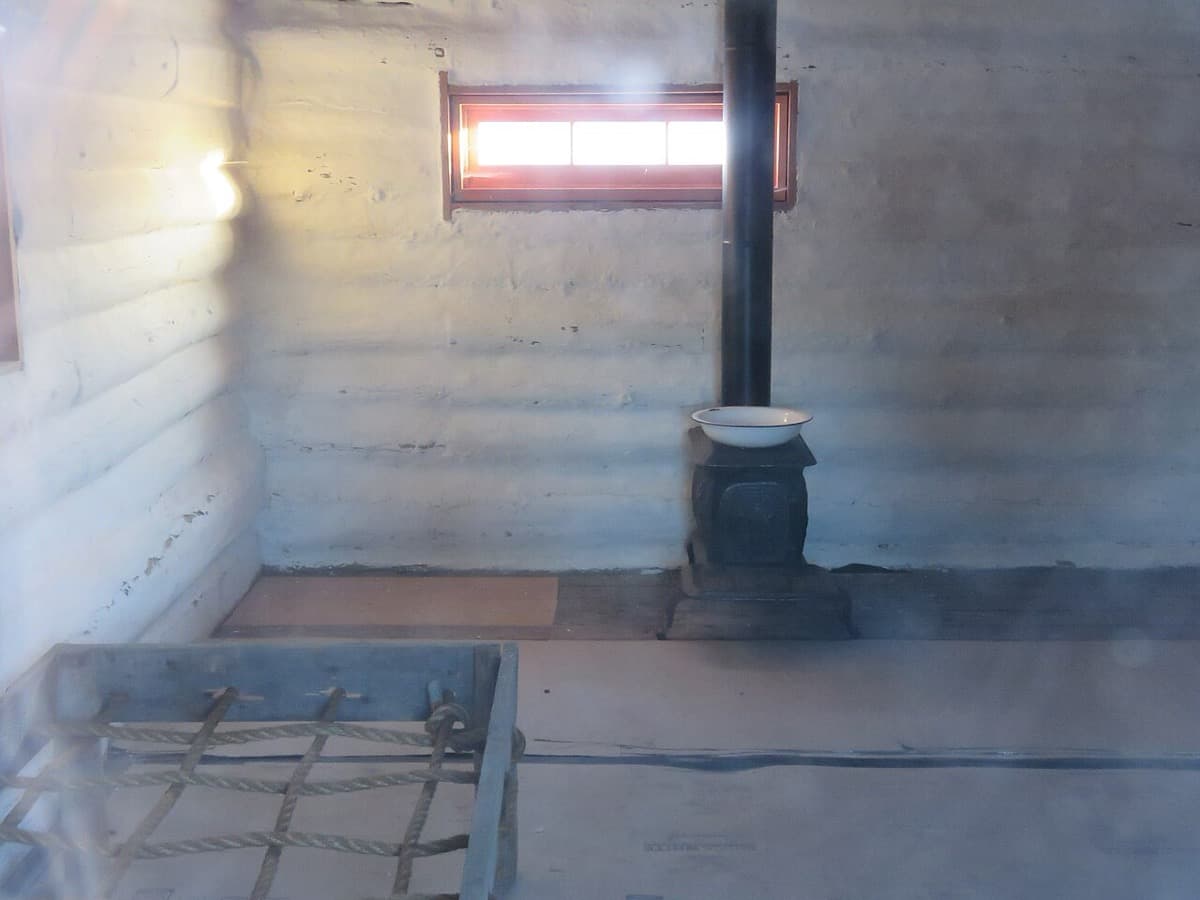
The oldest building in Calgary still on its original patch of dirt. A one-room log cabin that survived by being too small and too plain to bother demolishing.
- 3
Deane House (1906 / moved 1929)
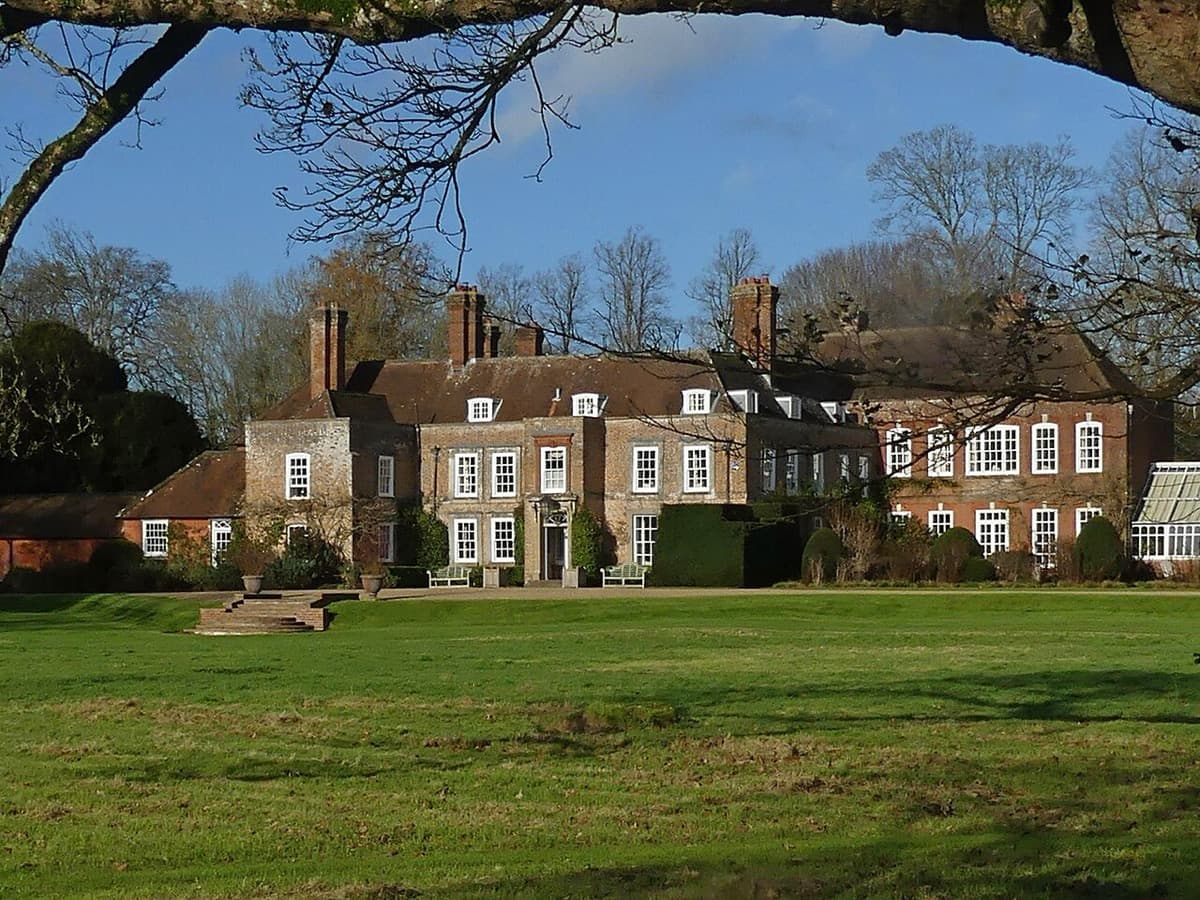
Even the fort's own memory had to be dragged across a river to survive. Built 1906 for the last NWMP superintendent here, hauled across the Elbow in 1929.
- 4
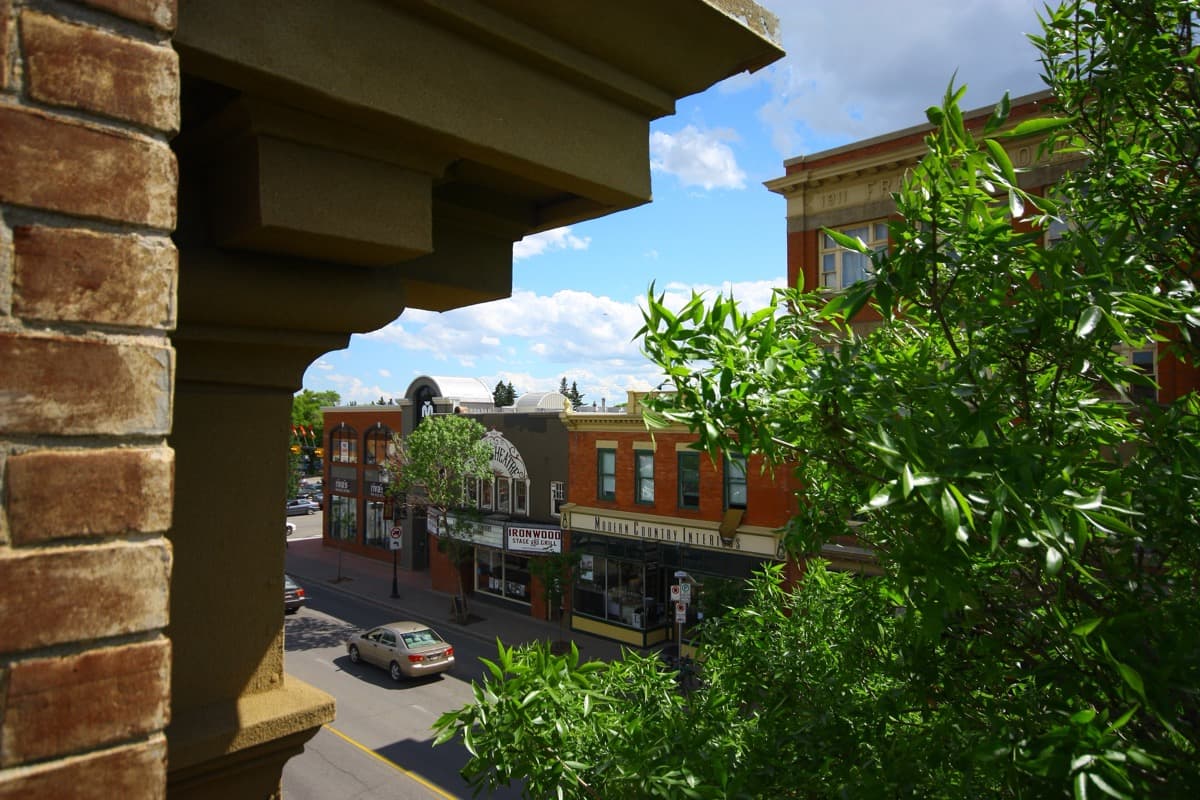
9th Avenue SE (Atlantic Avenue / Whiskey Row)
Probably the first main street in Calgary, and the only stretch that still looks the way the whole city once did. Saved by being abandoned.
- 5
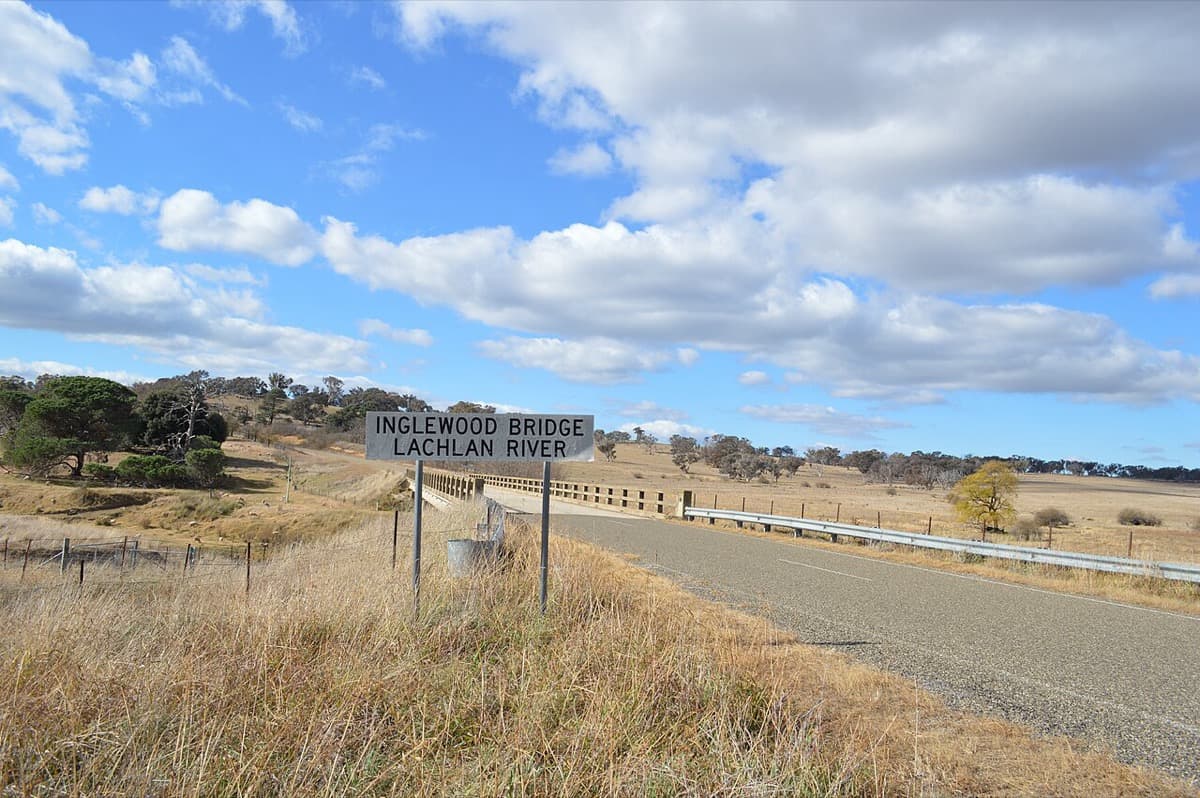
Haskins Block (1908) & the heritage row
A near-continuous wall of pre-1914 brick that survived for the least romantic reason imaginable: nobody had a profitable reason to tear it down.
- 6
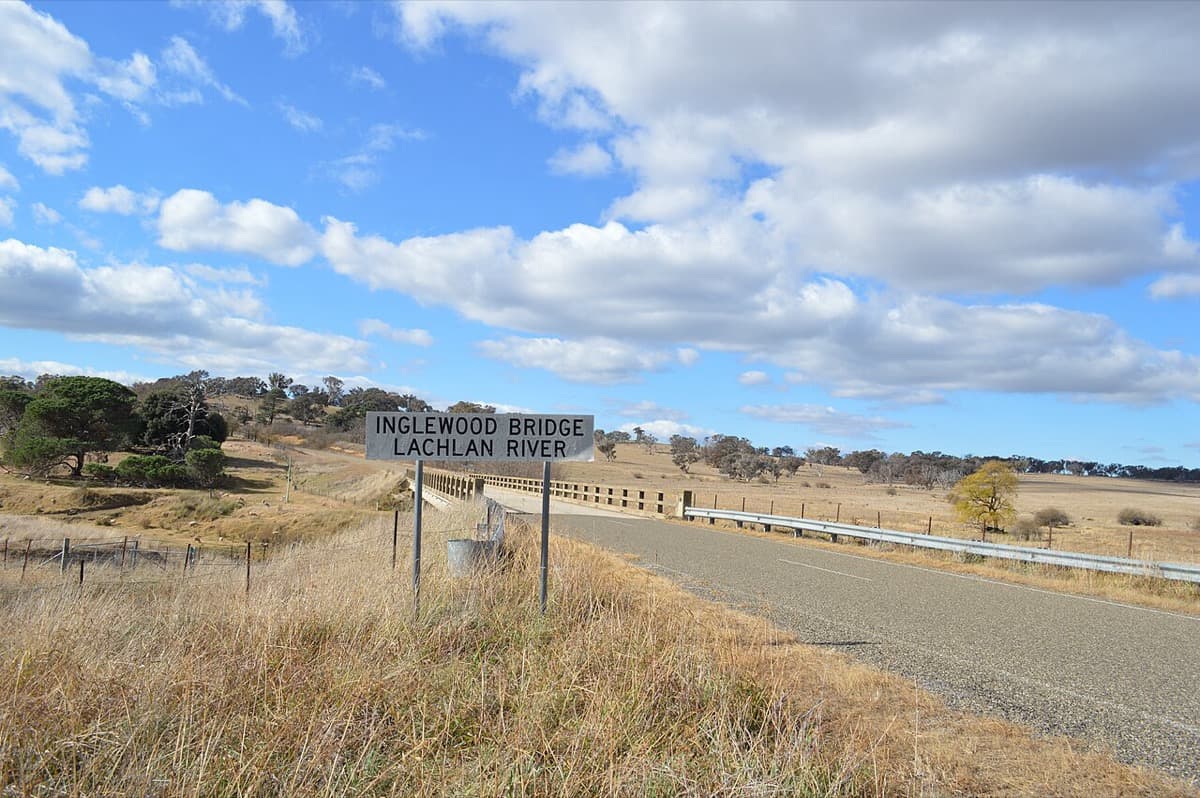
Garry Theatre / Ironwood Stage & Grill
Forgotten buildings do not die here, they get reused. A Depression-era movie house became a theatre, then a live-music room anchoring the Music Mile.
- 7
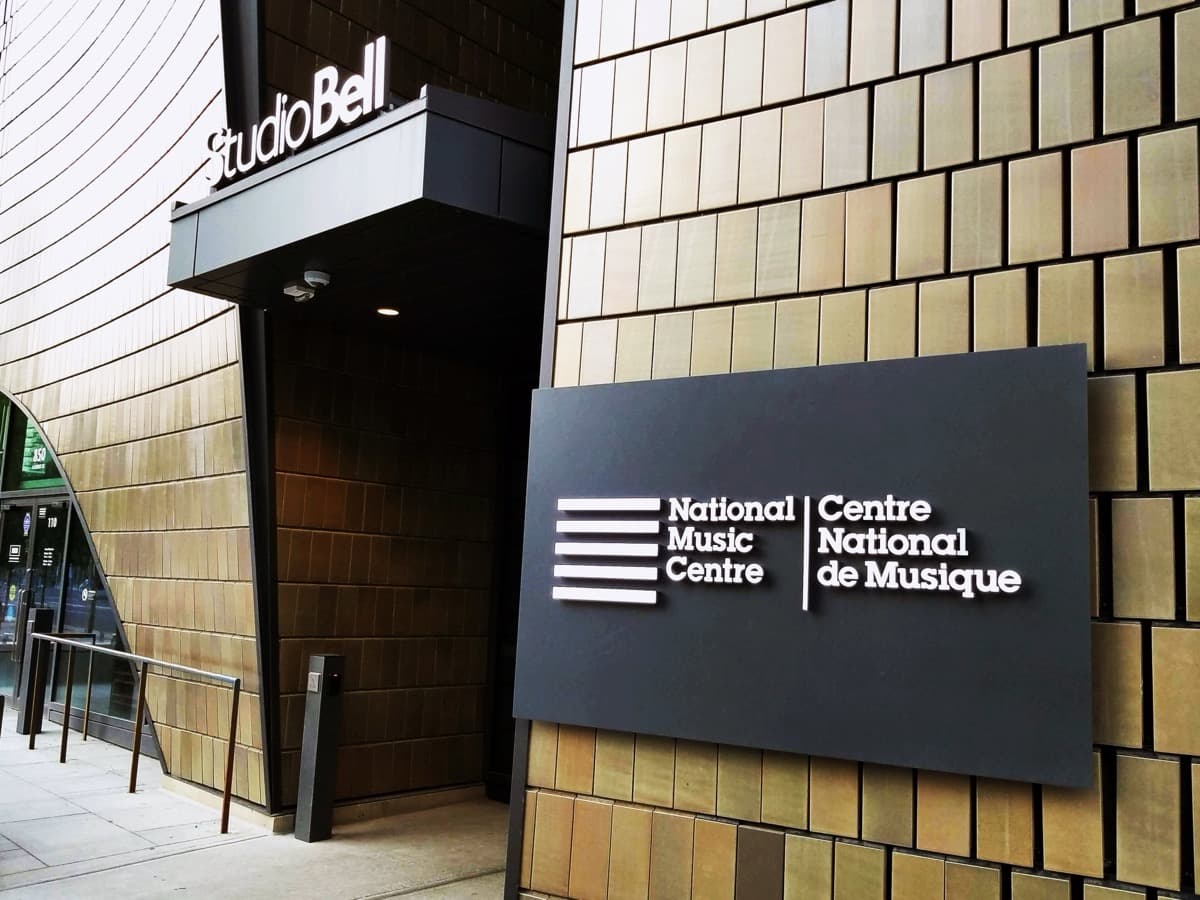
Studio Bell / National Music Centre (King Eddy)
The opposite survival strategy. East Village, the same age as Inglewood, was branded skid row, then erased and rebuilt on a raised floodplain with public money.
- 8
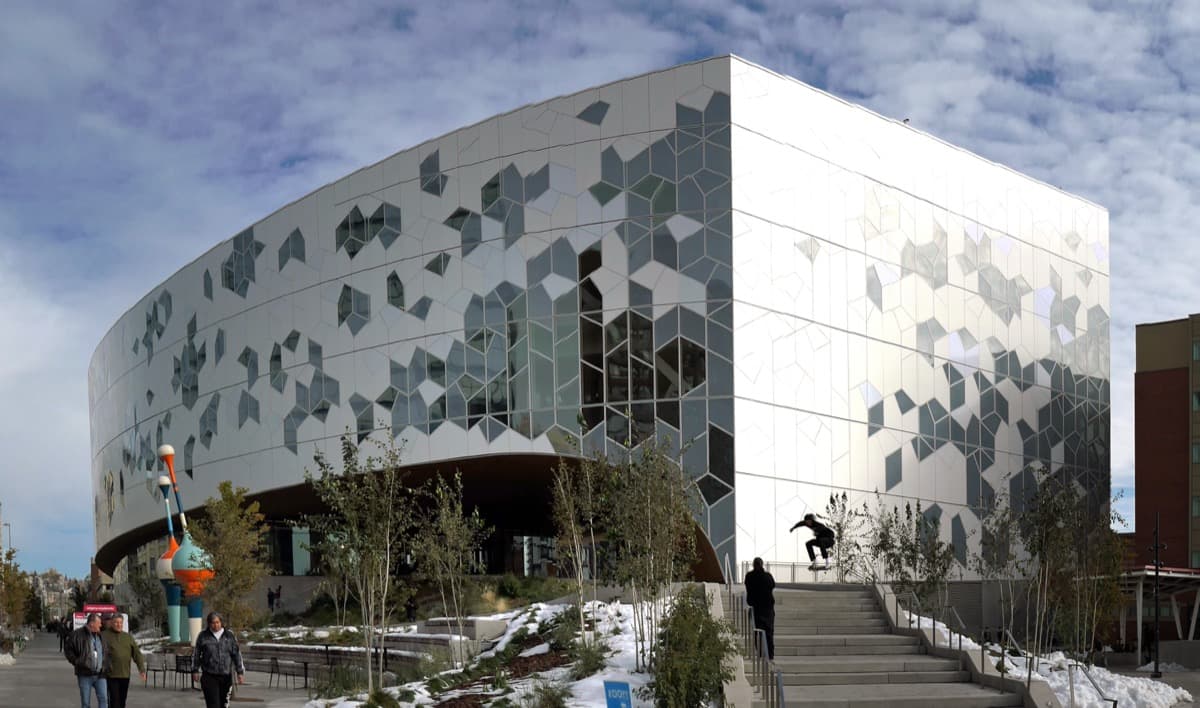
Calgary Central Library (2018)
The closing bookend. A free, open public room lifted over a live train on ground raised against the flood, everything the shut wooden palisade of 1875 was not.
Details
Best Time to Visit
Late morning to mid-afternoon, spring through fall. Inglewood's shops and the Ironwood along Ninth Avenue Southeast read best in daylight, and the confluence pathways at Fort Calgary, now The Confluence, are open riverside parkland that is most legible when it is dry underfoot. The two houses, Hunt and Deane, sit on the east bank of the Elbow and are easiest to find in good light. The walk finishes downtown at Studio Bell and the Central Library, both of which are livelier and warmer to end in during afternoon opening hours. Avoid the shoulder of a snowmelt or heavy-rain week: this is a river-junction walk, and the pathways closest to the water can be muddy or closed when the Bow and Elbow run high.
Pro Tips
- •The Confluence, formerly Fort Calgary, is a paid historic site with a visitor centre, but the surrounding parkland and the riverside pathways at Stop 1 are free and open. The audio anchors on the outdoor confluence view, so you do not need to buy admission to do this stop.
- •Hunt House and Deane House sit close together on the east bank of the Elbow behind the Fort Calgary grounds. Hunt House is a tiny one-room cabin and easy to walk past; look low and small, not for a grand facade.
- •Deane House is a working restaurant. Stop 3 is written from the exterior and its veranda, so it works at any hour without a reservation.
- •The middle of the walk runs east along Ninth Avenue Southeast through the Inglewood shops and the Music Mile. It is a long commercial stretch; the Haskins Block and the heritage row at Stop 5 are read from the sidewalk, so take your time along the brick.
- •The Ironwood Stage and Grill at Stop 6 is a live-music venue with evening programming. The audio reads the building from the street, but if you want to see it working, check its schedule first.
- •Stops 7 and 8, Studio Bell and the Central Library, are back downtown in East Village, a walk of several hundred metres west from Inglewood across the river. Both are indoor public buildings, and the Central Library is free to enter and a good warm place to finish.
Safety & Precautions
- •This is a river-junction walk. The pathways nearest the Bow and Elbow at the confluence can be wet, muddy, or closed after heavy rain or spring melt. Check conditions before walking the riverside sections.
- •The route is about five kilometres and crosses the Elbow River between the Inglewood side and East Village. Wear comfortable shoes and allow time for the downtown leg back toward Studio Bell and the library.
- •Ninth Avenue Southeast is a live traffic street through Inglewood. Cross at marked crossings, especially where the sidewalk narrows between shopfronts.
- •The final stops are in downtown East Village, where you will cross busy streets and, at the Central Library, walk above an active CTrain line. Follow posted signals and keep to pedestrian areas near the tracks.
Travel advisory: Exercise Normal Precautions (Level 1).
Gallery
Related Reading
Go deeper on what you'll see, hear, and walk through.
Overview
Best Self-Guided Walking Tours in Calgary (2026)
4 min
Overview
One Day in Calgary: A Walkable Downtown Itinerary (2026)
6 min
Thematic
What to Eat in Calgary: A Food Guide (2026)
4 min
Companion
Inglewood and the Confluence: Two Sides of One River, Two Kinds of Memory
4 min
Deep dive
Inglewood: Calgary's Oldest Neighbourhood Turned Maker District
3 min
Read the walk
The full story of Inglewood: The Street That Was Forgotten on Purpose, in words. Prefer to listen? Play it narrated, from home or on location.
Introduction
Take a second at the water. This is the corner of two rivers where Calgary begins. Not a metaphor. In 1875, about forty tired Mounties stopped right here, at the seam of the Bow and the Elbow, and threw up a log fort before winter. That fort is why there is a city at all.
And here is the strange part. Almost from the moment it was built, Calgary spent the next hundred and fifty years trying to be somewhere else. It moved its downtown west, then rebuilt it again and again, roughly every twenty years, chasing the current boom. The one place that kept the memory of the beginning was a street across the river nobody bothered to knock down.
That street is Inglewood, the oldest neighbourhood in Calgary. It survived by being forgotten. While the city's money kept moving on, its main street was simply skipped, and being skipped is exactly what preserved it. Roughly four hundred buildings here went up before 1914 and were never torn down.
This walk is about two opposite ways to survive on one river. Inglewood lived by being left alone. The founding confluence a few hundred metres west lived by being erased and rebuilt with public millions. Same age, same water, opposite fates. Over eight stops and about five kilometres, roughly ninety-six minutes of walking, we trace both. When you reach the confluence where the city started, begin with stop one.
1. The Confluence (Fort Calgary)
You are standing where Calgary was invented. Look at the two rivers meeting in front of you. The wide, pale one is the Bow. The smaller one folding into it is the Elbow. In the summer of 1875, a troop of the North-West Mounted Police stopped at this exact seam and built a log fort before the cold came. They called it Fort Brisebois, after their first commander, Ephrem Brisebois. The name did not last. In June 1876 it was renamed Fort Calgary, on a suggestion from Colonel James Macleod, after a place called Calgary on the Isle of Mull in Scotland.
So the city's name is borrowed from a Scottish bay, and the fort itself is gone. It operated until 1914, then was sold off to the Grand Trunk Pacific Railway and taken apart. What you are looking at is a reconstruction and a park, not the original timbers.
Now hold a longer view. The fort is a hundred and fifty years old. This confluence is not. For thousands of years before any Mountie arrived, this meeting of waters was a gathering place for the Niitsitapi, the Blackfoot, and for the Nakoda, the Tsuut'ina, and the Metis. It was a known, named, used place long before it was ever a fort.
And Calgary has never been quite comfortable with that. In 2024 the site was renamed once more, this time to The Confluence, an attempt to admit whose ground this always was. Keep that restlessness in mind. The birthplace of the city is also the piece of ground it has renamed, rebuilt, and second-guessed more than any other. Everything else on this walk is a reaction to this spot.
2. Hunt House (1876)
A few steps from the grandeur of the confluence sits the opposite of a monument. Look for the small, low log cabin. One room. Squared timbers chinked with mortar, a roof barely tall enough to stand under. This is the Hunt House, and it is the oldest building in Calgary still standing on the ground where it was built.
It went up around 1876, most likely somewhere between then and 1881, as an outbuilding of the Hudson's Bay Company post on the east bank of the Elbow. Not a grand hall. A utility shed for a fur-trade outpost. And that is precisely why it is still here.
Think about what did not happen to it. It was never important enough to be in anyone's way. It held no valuable corner. It blocked no ambitious tower. So while Calgary threw up glass office blocks across the river and then knocked them down to build taller ones, this cabin was simply too small and too plain to bother demolishing. It survived by being beneath notice.
That is the whole argument of this walk, shrunk to one room. Grand things get replaced because someone always wants the site. Humble things get left alone. The Hunt House outlasted the fort that came before it and most of the downtown that came after it, not through protection but through insignificance.
The irony arrived late. Fort Calgary eventually spent something like four hundred thousand dollars researching and preserving this cabin, which is to say the city finally paid a small fortune to look after the one building it had ignored into survival. Remember that number. We will watch the city spend money on memory again, on a very different scale, before this walk is over.
3. Deane House (1906 / moved 1929)
Now look at the handsome two-storey house nearby, with its deep veranda and its air of belonging to an older, statelier street. This is the Deane House, and its story is that even the fort's own memory had to be dragged bodily across a river to survive.
It was built in 1906 for Captain Richard Burton Deane, the last serving superintendent of the North-West Mounted Police in Calgary. It stood, originally, over on the fort grounds. But the fort was being dismantled and the land was wanted for the railway, and so the house faced the usual choice on this river. Be demolished, or be moved.
In 1929 it was moved. The entire house, all of it, was jacked up and hauled across the Elbow to this spot at 806 Ninth Avenue. The feat was strange enough that Popular Mechanics wrote it up the following year. Picture a whole family home creeping across the river on rollers, and you have the essential Calgary survival technique. Nothing stays where it is. Everything gets relocated or repurposed or both.
The house did not have an easy century afterward. But it was rehabilitated in 2015 and reopened as a restaurant in 2016, which is the second half of the local formula. First you move the building. Then you find it a new use, because a building with no use is a building waiting for the wrecking crew.
Hold the two houses we have now seen side by side. The Hunt House survived by never moving and never mattering. The Deane House survived by moving and by becoming something else. Two techniques, same river. Now we cross into the neighbourhood those techniques built, and the pattern gets a whole street wide.
4. 9th Avenue SE (Atlantic Avenue / Whiskey Row)
You are now standing on what was probably the first main street in Calgary. Today it is Ninth Avenue Southeast. A century ago it was Atlantic Avenue, and people had a blunter name for it: Whiskey Row. This is the heart of Inglewood, and Inglewood is the oldest neighbourhood in…
Full narration for this stop unlocks with the tour.
5. Haskins Block (1908) & the heritage row
Stop in front of the brick building known as the Haskins Block. Look up, above the shopfronts, to where the date and the name are usually set into the masonry. This one went up in 1908, and it is not alone. It anchors a near-continuous wall of brick storefronts, most of them…
Full narration for this stop unlocks with the tour.
6. Garry Theatre / Ironwood Stage & Grill
You have reached 1229 Ninth Avenue, and the building in front of you has had at least three lives. Today it is the Ironwood Stage and Grill, a live-music room. It has been that since 2010. Before that it was a theatre. And before that, back in the 1930s, it opened as a movie…
Full narration for this stop unlocks with the tour.
7. Studio Bell / National Music Centre (King Eddy)
You have crossed back toward the confluence, and you are now in East Village, standing near a building wrapped in bands of glazed terracotta. This is Studio Bell, home of the National Music Centre. It opened on the first of July, 2016, a roughly one hundred and sixty-eight…
Full narration for this stop unlocks with the tour.
8. Calgary Central Library (2018)
One block from Studio Bell, the walk ends at the Calgary Central Library. It opened on the first of November, 2018, designed by the firms Snohetta and DIALOG, at a cost of around two hundred and forty-five million dollars. Walk up under the great wooden arch of its entrance and…
Full narration for this stop unlocks with the tour.