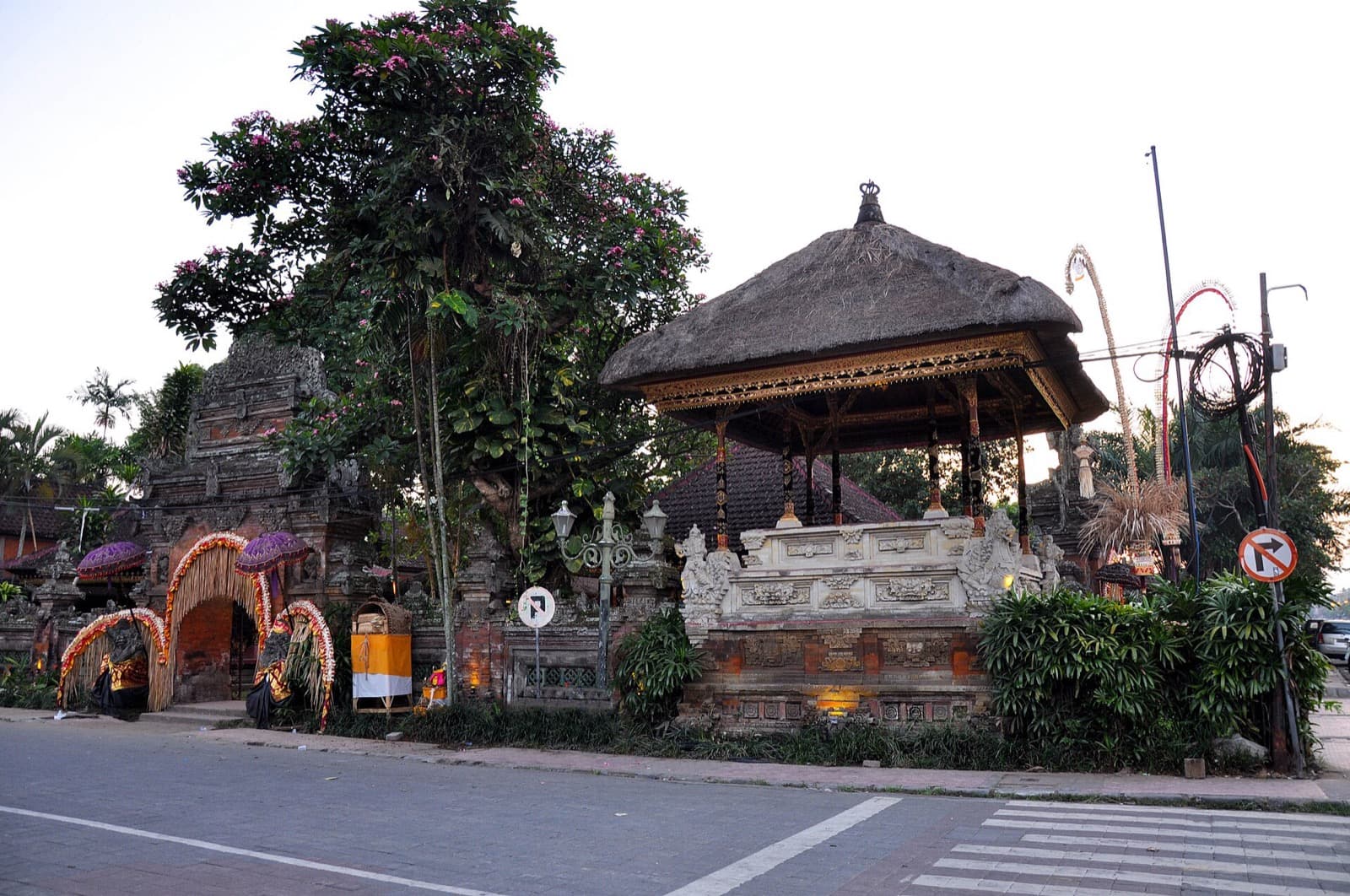
Ubud Palace is a working royal home, not a museum, and the family that lives there turned art into a civic duty you can still watch after dark. That single fact reorganizes how you read the rest of the town. Puri Saren Agung, as the palace is properly called, is the residence of the Sukawati ruling family, and most evenings its front courtyard becomes a stage where a gamelan orchestra plays and dancers perform the Legong and the Barong. Start here, read the carving on your own clock, and the whole compact core of Ubud opens up as one connected argument about a place that made creativity a way of life.
A house that treats art as duty
The palace took its present shape during the reign of Tjokorda Putu Kandel, who ruled from 1800 to 1823. An earthquake damaged it in 1917, and it was rebuilt with local artisans before the family began welcoming early foreign travellers into a corner of the compound in 1928. That date matters. It marks one of the first moments Ubud turned outward toward visitors, decades before the vans and the photo stops.
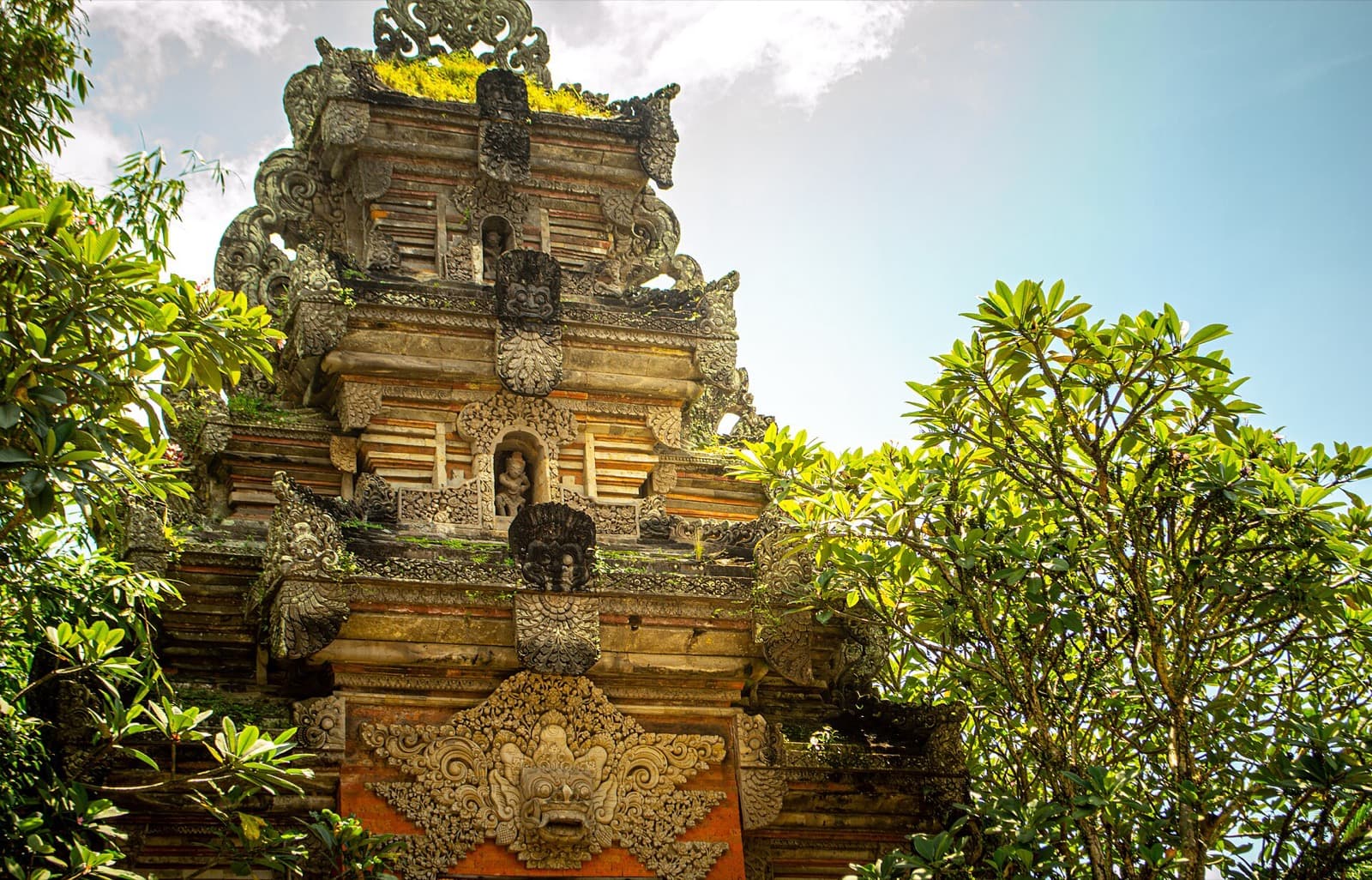
Look closely and the grandeur feels almost ordinary: split gates, carved sandstone softened by moss, courtyards where daily offerings still sit on the stone. The most important story here is one of patronage. Ubud's last official raja, Tjokorda Gede Agung Sukawati, who lived from 1910 to 1978, co-founded an artists' collective called Pita Maha on 29 January 1936, together with the resident European painters Rudolf Bonnet and Walter Spies. The name comes from an old court language and carries the sense of the great ancestor. The group gathered around a hundred and fifty Balinese artists, raised the standard of local painting and carving, and lasted about six years before the Japanese invasion of 1942 ended it.
That collective is why Ubud is a word people around the world attach to Balinese art. A ruling family with the means to hire or ignore artists instead chose to organize them, and the palace courtyard is where you feel that decision as living practice rather than history. The evening dance is not a show bolted onto a monument. It is the same impulse, still running.
The town as a single sentence
Hear a stop from this walk
The Ubud Palace: The Royal House That Still Dances
Once you accept that the palace is an argument about art as duty, every other stop on the walk reads as a variation on it. This is the case for walking the full route rather than photographing one gate and leaving. If you want the map before you go, the Bali walking tours hub lays out how the stops connect, and the Bali city page gathers the practical details.
Directly across Jalan Raya Ubud from the palace sits Pasar Seni Ubud, the Ubud Art Market. Much of what fills its craft hall was not made here at all. It comes from neighbouring villages, from Pengosekan, Tegallalang, Payangan and Peliatan, each with its own specialty, carried in and laid out under one roof. The market is the commercial half of the palace's idea: the town became a name for Balinese art partly because it sat at the centre of a web of village workshops and gave them a marketplace. Prices are a conversation, not a fixed number, best handled with a smile and no hurry.
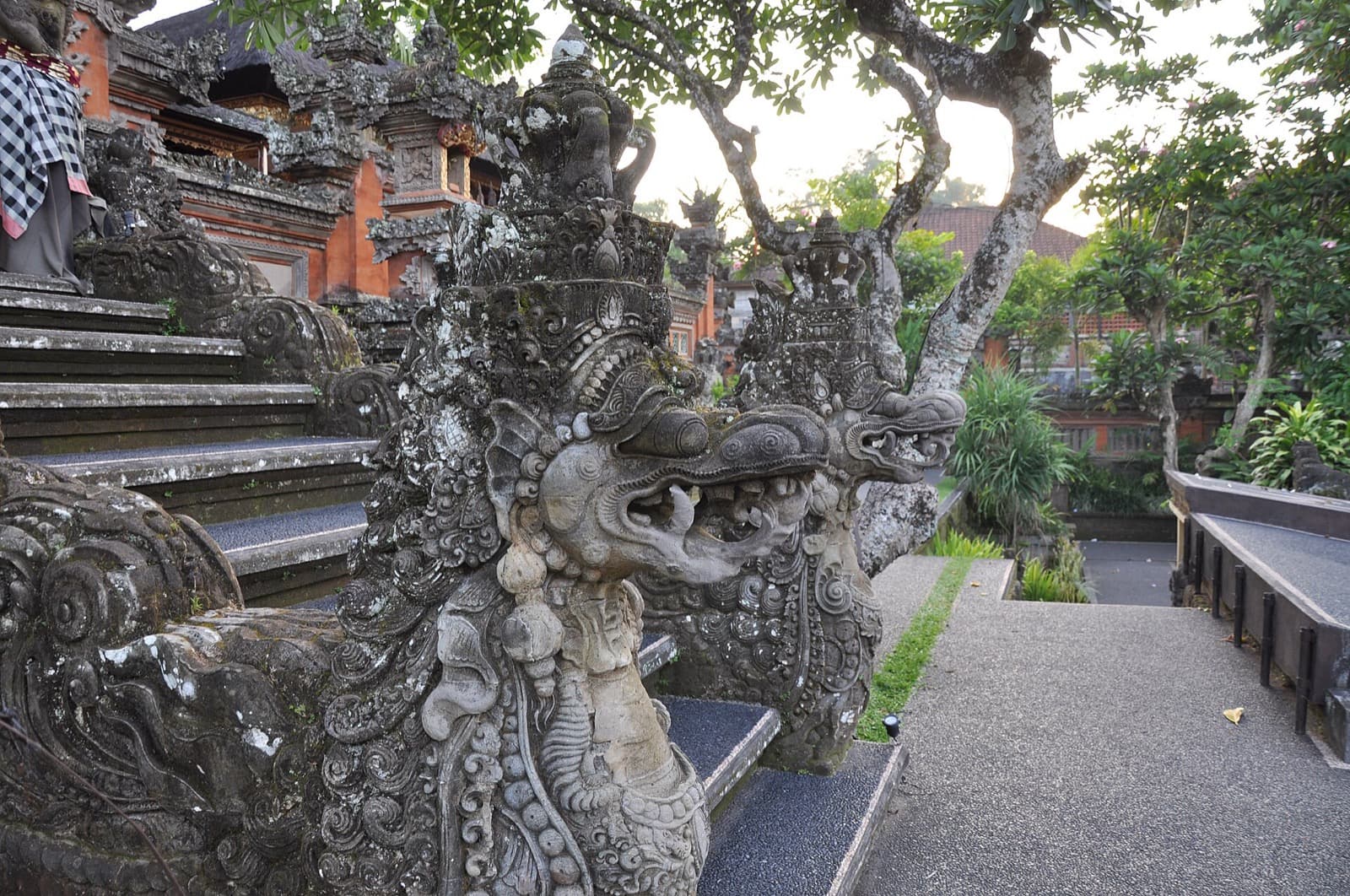
A short walk west brings you to Pura Taman Saraswati, sometimes called the Ubud Water Temple. It is dedicated to Saraswati, the Hindu goddess of learning, literature and art, which is the palace's thesis carved in stone: a town that built its finest water garden not for a king but for the goddess of art herself. It was designed by the celebrated Balinese sculptor and architect I Gusti Nyoman Lempad, commissioned by the prince of Ubud, and built in 1951 and 1952. Its signature is a broad lotus pond edged with frangipani, so you approach the gate along a raised walkway with pink blossoms on either side. Many of the mythological figures lining the path are Lempad's own work. This is a living temple, so a sarong and sash are required and usually lent at the entrance.
Where the town becomes landscape
Then the walk turns. The Campuhan Ridge is a paved track, barely a metre wide in places, running about two kilometres along a green spine between the east and west branches of the Wos river. The word campuhan means where two rivers meet, and Balinese tradition connects the site to an eighth-century sage, Rsi Markandya, said to have founded both the nearby temple and Ubud itself. Told as heritage rather than settled history, it is the moment the town dissolves into tall silvery grass, ravines and sky. The path is free and open around the clock, which is exactly the kind of stop that rewards your own pace: walk the full length or turn back wherever feels right.
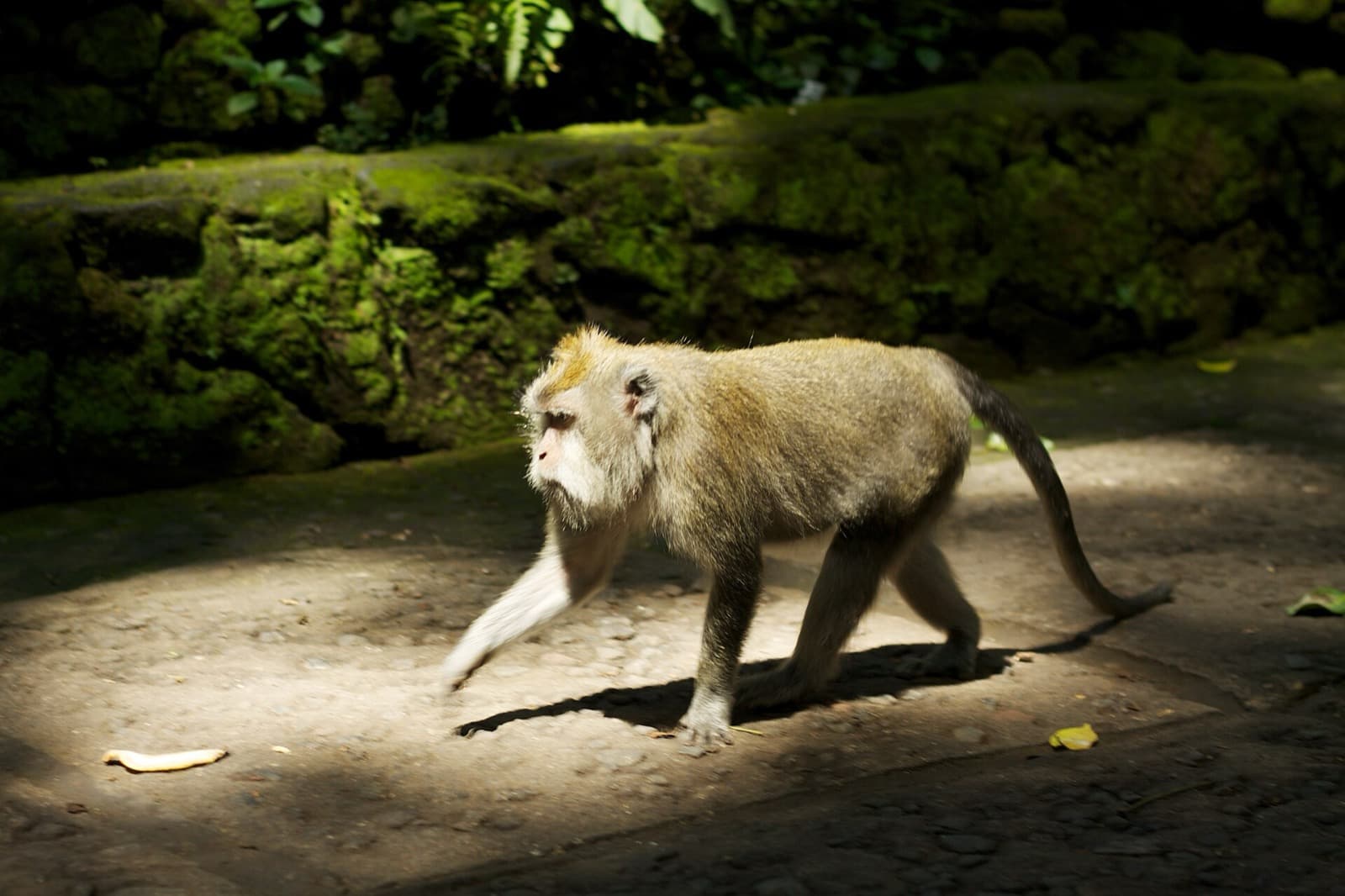
From the ridge the route drops south down Jalan Monkey Forest, a gentle downhill of galleries and cafes that thickens toward a wall of green. Keep your eyes up. The first macaques often appear on walls and rooftops well before the gate. Through it lies the Sacred Monkey Forest, known in Balinese as Mandala Suci Wenara Wana, about ten hectares owned and run by the village of Padangtegal on the Hindu principle of tri hita karana, harmony among people, nature and the divine. It is not a zoo but a living temple complex. Its long-tailed macaques grew from around six hundred counted in 2011 to well over a thousand in recent years, and three temples dated to around 1350 stand among the trees. The animals are wild and quick, so secure glasses, hats, bags and any food before you enter.
The walk resolves at Pura Dalem Agung Padangtegal, the great temple of the dead in the forest's southwestern corner. Its gates are carved with Rangda, the widow-witch demon-queen whose eternal struggle with Barong the lion-spirit is central Balinese story, and a temple of the dead is traditionally where the sacred masks of both are kept. Standing there, you can feel how completely Ubud fused its two obsessions: the deepest questions of the faith, death and dissolution, answered not with a plain wall but with the same carving impulse that fills the market stalls and the water temple up the road.
Come early, before about nine, to have the palace courtyard, the lotus pond and the ridge to yourself. Then, if the town has done its work, circle back at dusk for the dance, and watch a royal house keep its oldest promise.
Sources
- Ubud Palace, Wikipedia. Background on Puri Saren Agung, the Sukawati family, the 1917 earthquake rebuild, and the 1928 opening to guests.
- Pita Maha, Wikidata and contemporary art-history reporting. The 29 January 1936 founding of the artists' collective with Rudolf Bonnet and Walter Spies, its roughly one hundred and fifty members, and its end at the 1942 Japanese invasion.
- I Gusti Nyoman Lempad, Wikipedia. The architect of Pura Taman Saraswati and his role in Ubud's temples and palaces.
- Ubud Monkey Forest (Mandala Suci Wenara Wana), Wikipedia and the Sacred Monkey Forest Sanctuary official site. The Padangtegal village management, tri hita karana, macaque counts and the three fourteenth-century temples.
- Pura Dalem Agung Padangtegal, Wikipedia. The temple of the dead, Rangda, and the Rangda-Barong tradition.
Ready to experience it?
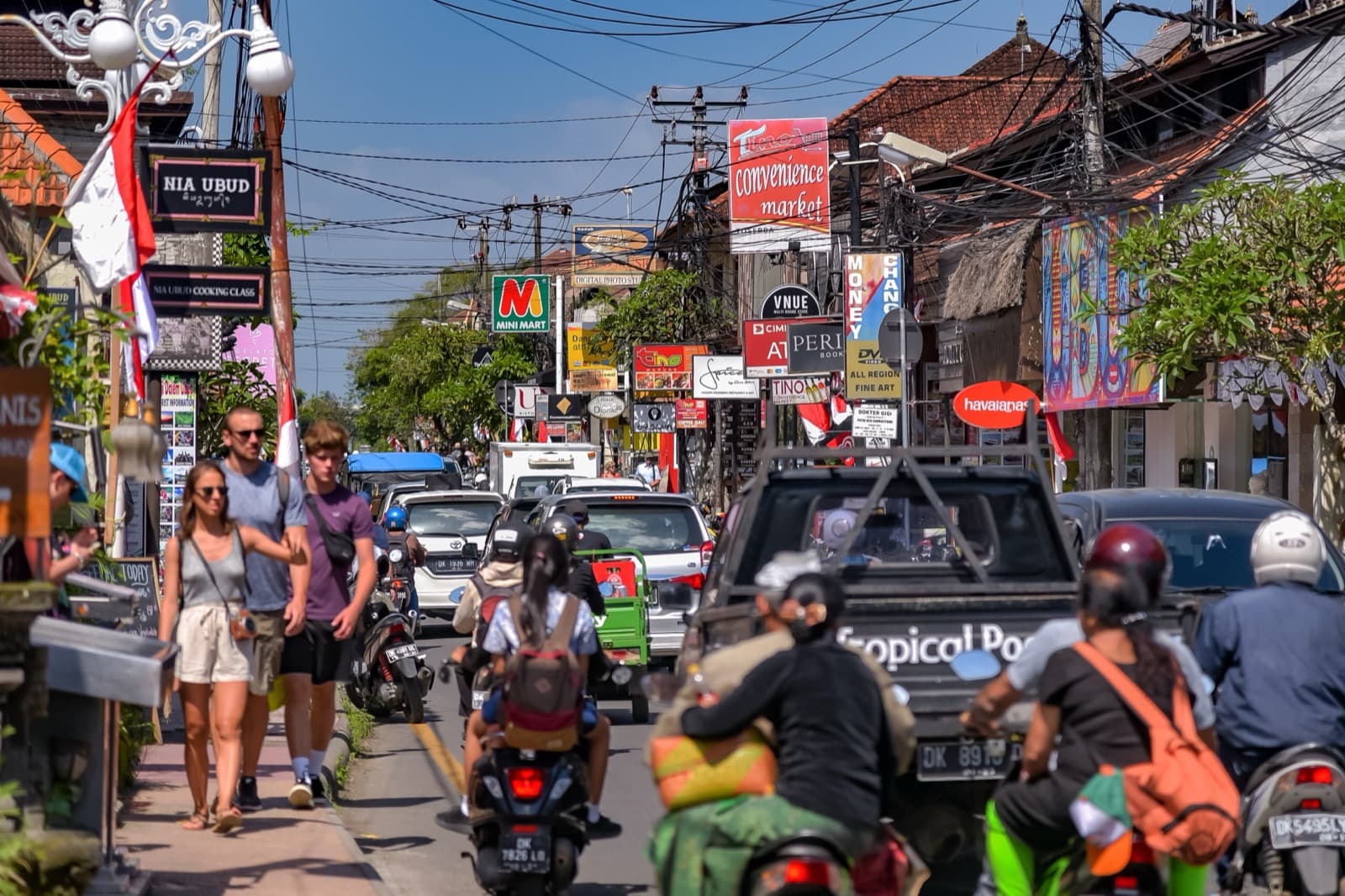
Ubud: The Town That Turned Art Into a Way of Life
150 min · 4.9 km · moderate
More from Bali
Explore more at your own pace.
Bali Travel Guide 2026: Days, Transport, Season, Cost, and Safety
One Day in Bali: A Walkable Ubud-to-Tanah Lot Itinerary
Bali: The Island Where Art and Water Became Devotion
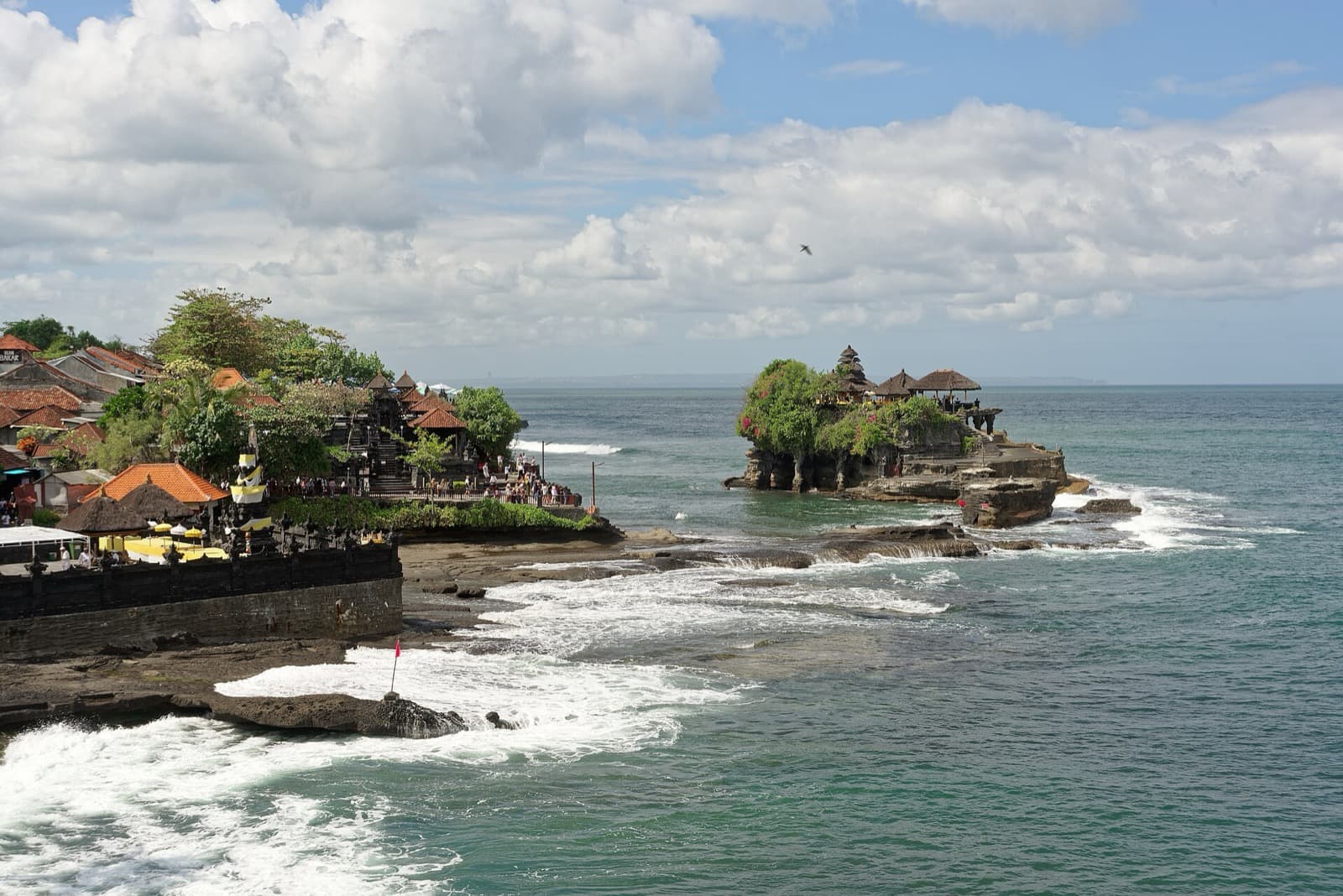
Tanah Lot's Tidal Causeway: The Temple That Faces Water Instead of Blessing It
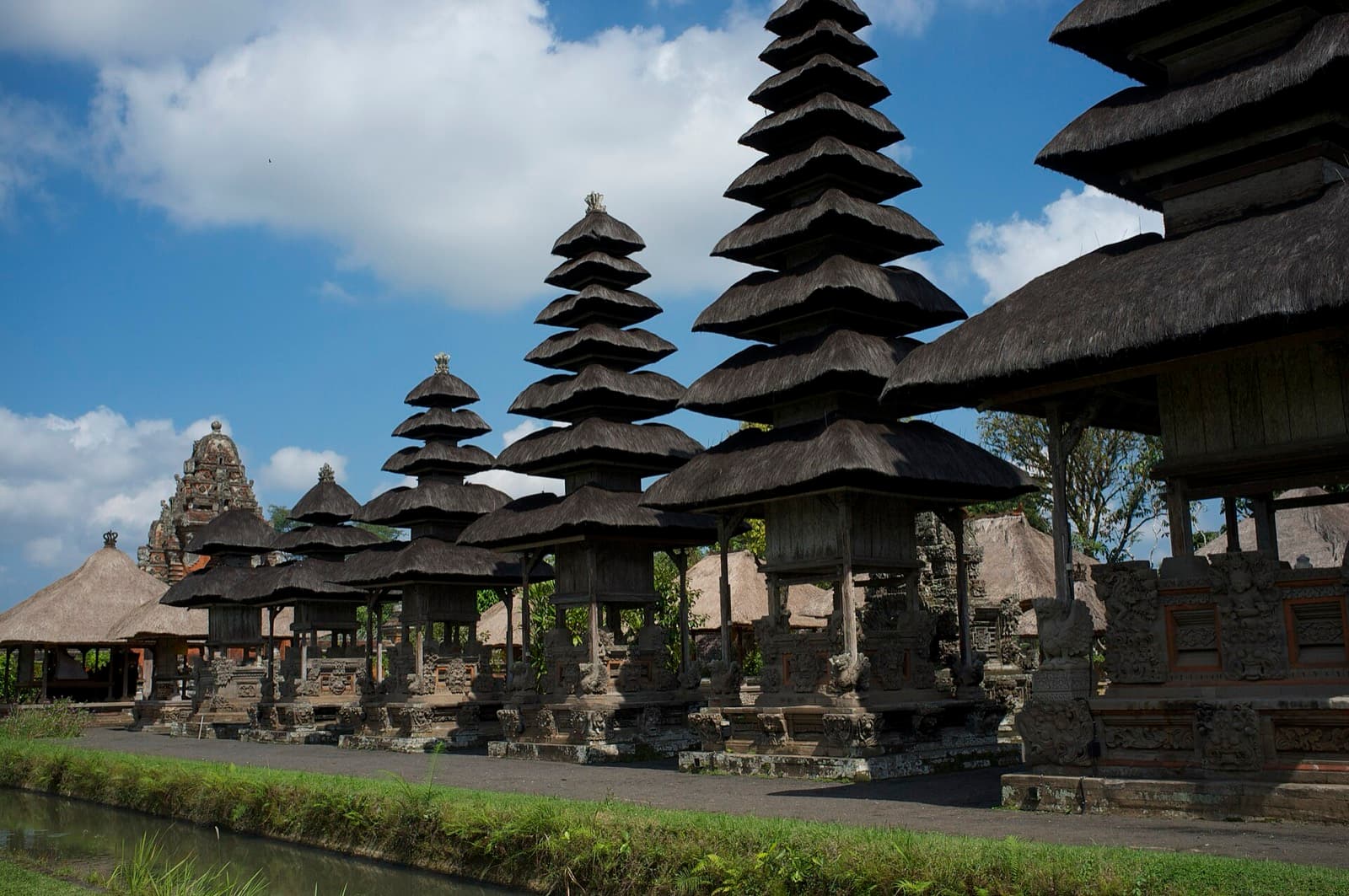
Taman Ayun's Meru Towers: How to Read the Tiers