Ubud: The Town That Turned Art Into a Way of Life
150 min · 4.9 km · moderate
Plan Bali as a two-region trip: base a few days in Ubud, the arts town in the green uplands, and a few more in the south for the coastal temples and beaches, and expect to move between them by scooter, a hired car with driver, or the Grab and Gojek ride apps rather than on foot. Bali is a large island, not a single walkable city, so the practical questions are how many days you need, how you get around, when to come, what things cost, and how to stay comfortable and safe. This guide answers each in turn, then hands you the two self-guided walks that make Ubud and the west coast temples legible on your own clock.
How many days you need
Give Bali seven to ten days if you can, and no fewer than four or five. A common shape is three to four nights in Ubud, then three to four nights in the south (Seminyak, Canggu, or the Bukit Peninsula), with the temples and rice-country day trips folded in between. Ten to fourteen days lets you add Bali's north or east, or a neighboring island, without rushing. If you have only a long weekend, pick one base and accept that you are sampling, not circling the island.
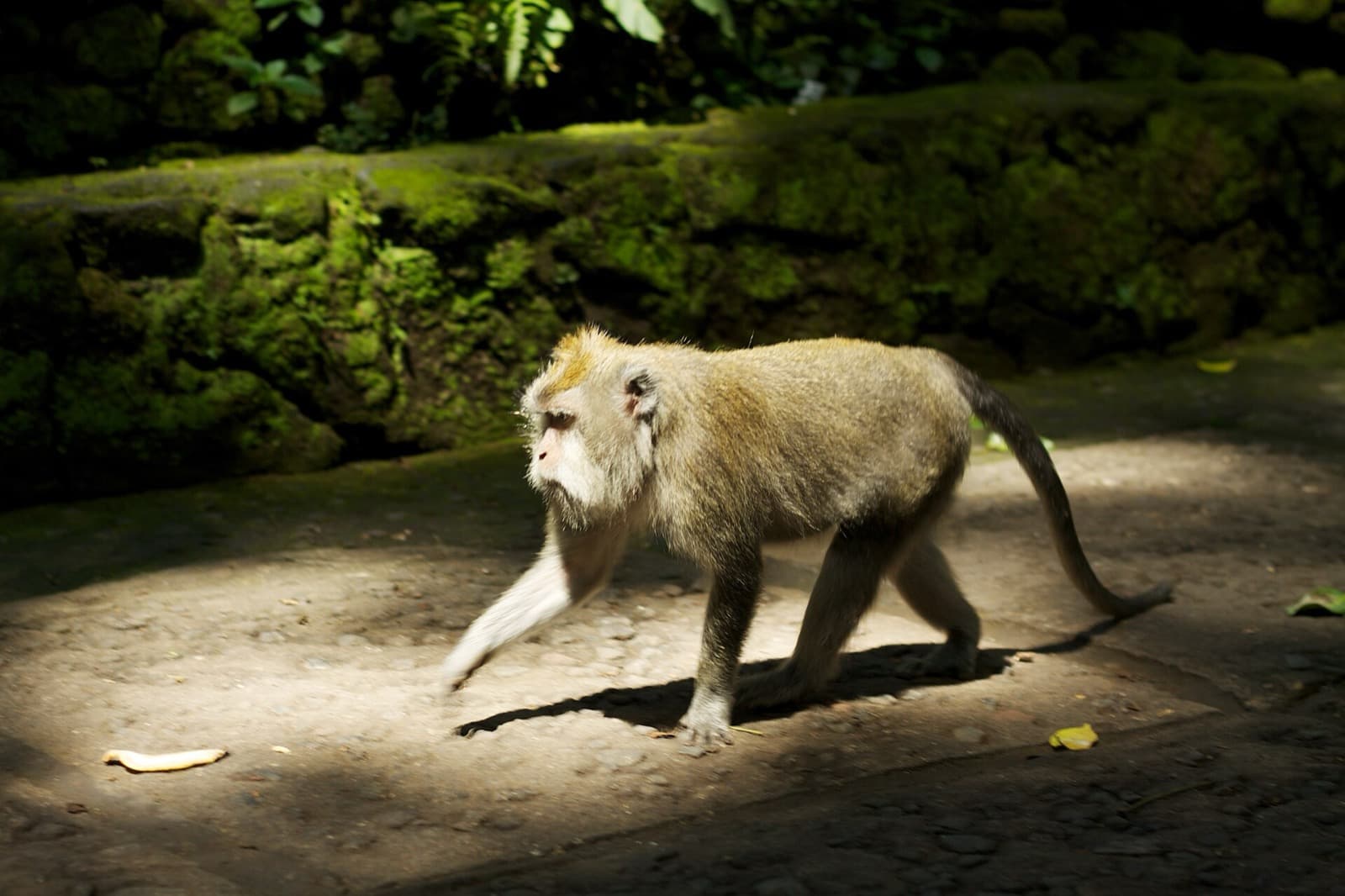
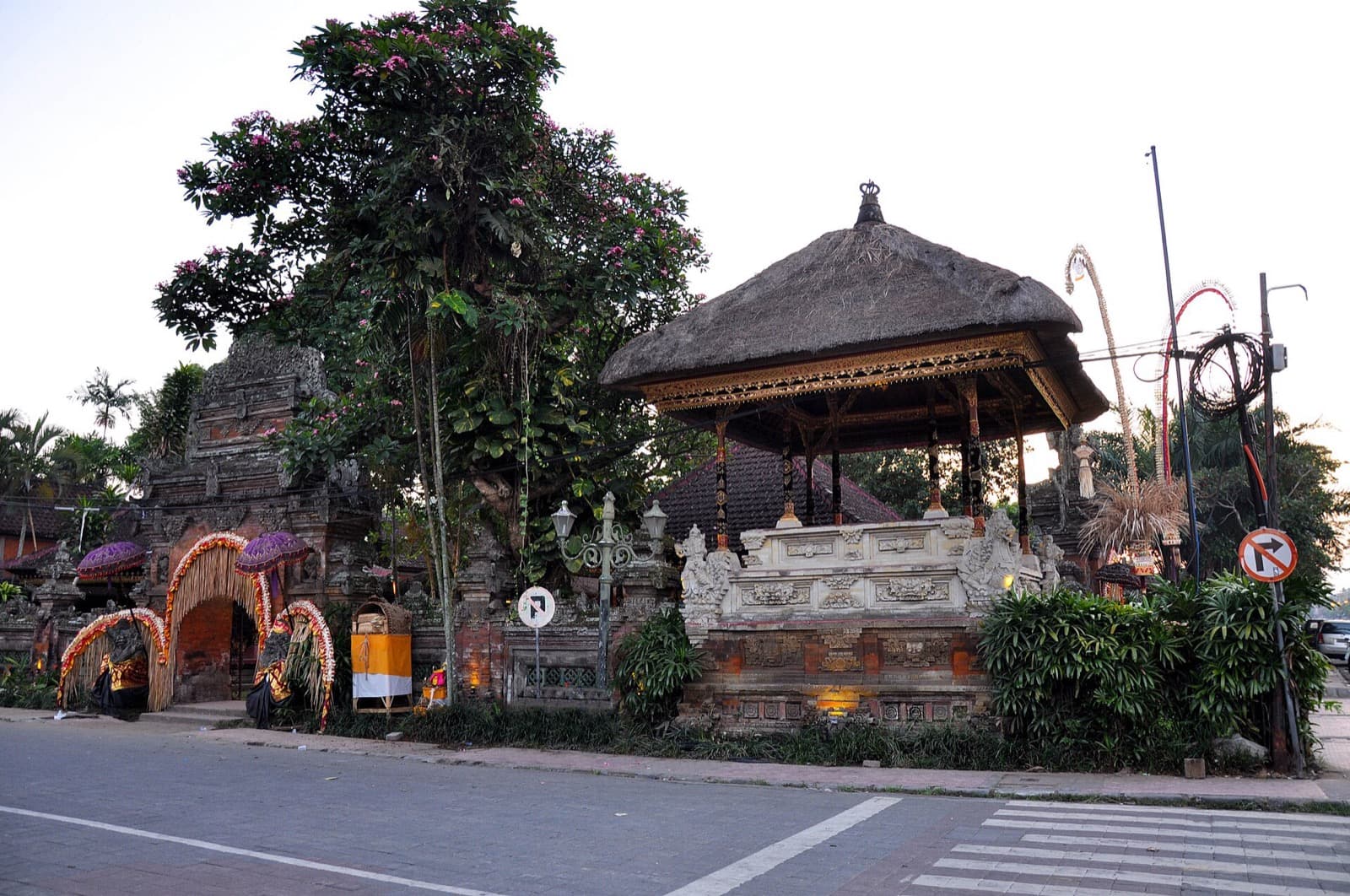
Ubud itself rewards two full days on foot and in the villages around it. Our Ubud walking tour threads the royal core in one compact loop of about five kilometers: the working palace, the craft market, the lotus water temple, the Campuhan Ridge, and the Sacred Monkey Forest. That is a half-day at an easy pace, and it leaves your afternoons free for waterfalls, rice terraces, or simply a slow lunch.
How to get around
Hear a stop from this walk
The Ubud Palace: The Royal House That Still Dances
There is no train and no useful island-wide bus, so your options are a rented scooter, a hired car with driver, or the ride-hailing apps. Each fits a different traveler.
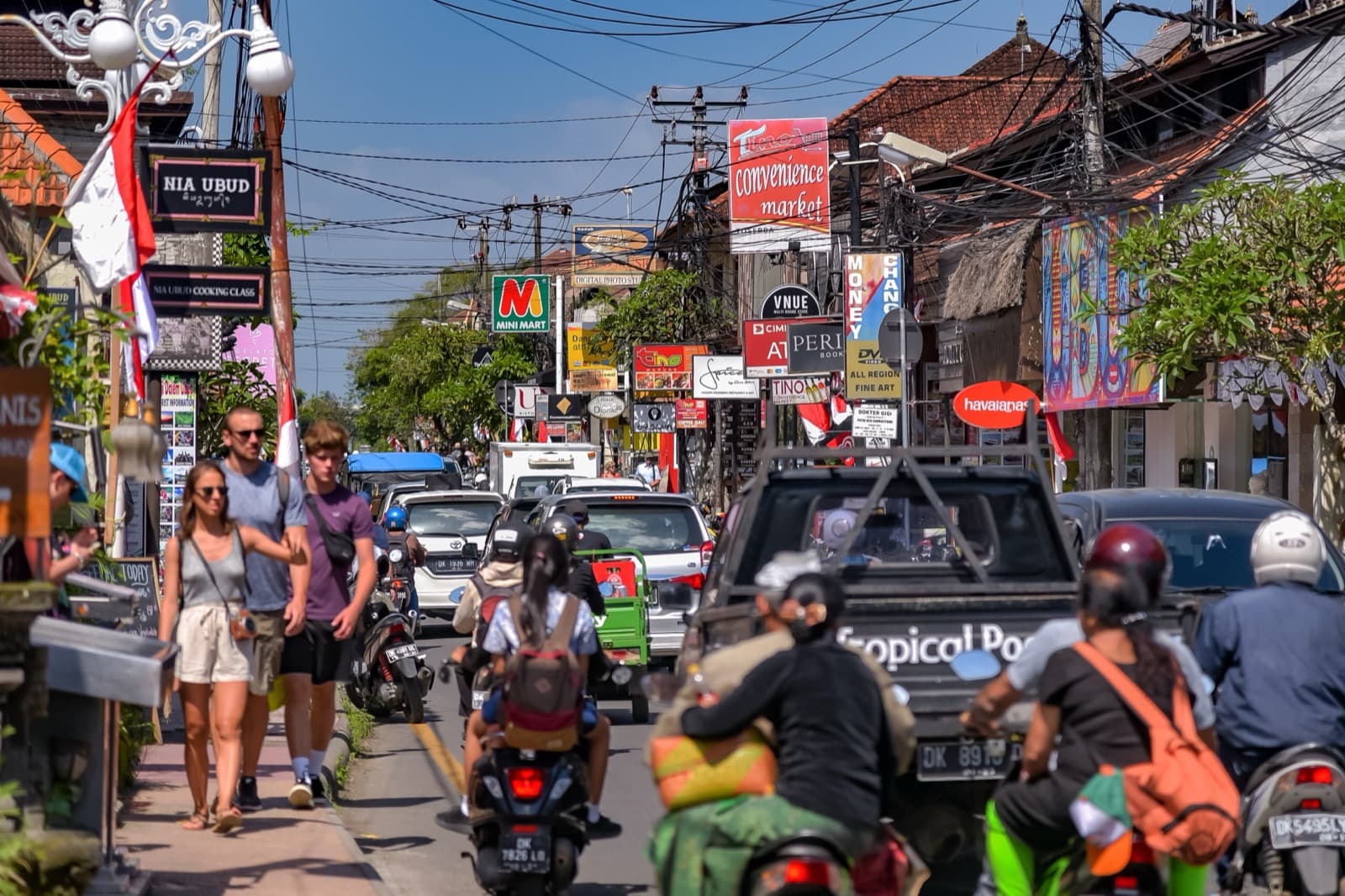
Scooters are the cheapest and most flexible way to move, typically a few dollars a day, and they suit confident riders who want to reach ridges and temples on their own schedule. Legally you need an International Driving Permit with a motorcycle endorsement, and you should always wear the helmet. Bali traffic is dense and fast in the tourist belts, so this is not the place to learn to ride.
A private car with driver is the low-stress choice for temple runs and longer hops, often around fifty to sixty US dollars for a full day, which is frequently cheaper than stringing together separate taxis. Drivers know the parking, the tides, and the shortcuts, and many will wait while you explore.
Grab and Gojek, the two big ride apps, handle shorter trips well and price transparently in-app for both cars and scooter rides, commonly around the price of a rented scooter for a full day of short hops. From the airport you may need to walk to the official pickup point, since app pickups are restricted there, and in parts of Ubud and Canggu local taxi groups sometimes block app pickups too. For street taxis, the metered Bluebird company is the reliable default; agree a fare or insist on the meter before you get in.
Our second walk, the Tanah Lot and Taman Ayun tour, is built for exactly this reality. It is a mixed walk-and-drive route: you explore the Taman Ayun garden temple on foot, then drive roughly fifteen to twenty minutes to the coast for Tanah Lot, with the narration timed to the transfer so you are never left guessing between stops.
Best time to visit
The dry season, roughly April to October, brings the most reliable sunshine, lower humidity, and calmer seas, and it is the best window for temple photography and sunsets. The wet season, November to March, is greener and quieter but comes with afternoon downpours that can wash out a sunset plan.
Within the dry season, May, June, and September are the sweet spot: good weather with thinner crowds and lower prices, with October still pleasant though it edges toward the wet season. July and August are the busiest and most expensive months, packed with international visitors. Whenever you come, plan temple walks for early morning or late afternoon to skip both the midday heat and the day-tour crowds. At Tanah Lot specifically, check the tide chart, because you can only reach the base of the sea rock at low tide, and the shore rocks turn slippery when wet.
What it costs
Bali is inexpensive by most standards, and the temple stops on these two walks cost very little. Taman Ayun charges a small entry fee, on the order of thirty thousand rupiah for a foreign adult. Tanah Lot is modest too, around seventy-five thousand rupiah for a foreign adult, with tiny separate parking charges. The Ubud Palace daytime courtyard and the Ubud Art Market are free to enter, and the Campuhan Ridge is free and open with no ticket booth.
The Sacred Monkey Forest is the one price in flux: its admission rose in 2026, so treat any figure you read as provisional and check the fee on the day. Bring small rupiah notes for temple donations, sarong rental, parking, and market bargaining, since many booths are cash-only. Because prices change and fee schedules get updated without notice, confirm the current rate at the ticket window rather than relying on an old number.
A calm word on safety
Bali is broadly safe for visitors, and the honest risks are practical rather than dramatic. The most common problems are road accidents, petty and opportunistic theft, and the usual currency and taxi scams, not violence aimed at tourists. Indonesian police reported a decrease in crimes involving foreigners in early 2026, and violent crime against visitors remains rare.
The sensible precautions are simple. On a scooter, wear the helmet and do not ride beyond your skill in heavy traffic. Guard your phone and bag in crowded spots and do not leave belongings on cafe tables or scooter hooks, since phone-snatching is the most reported nuisance in the busy southern beach towns. Use metered Bluebird taxis or the ride apps, agree fares in advance, use reputable money changers, and photograph any rental vehicle at pickup. At the temples, respect the dress rules: a sarong and sash are required at the working temples on both walks and are usually lent at the entrance, and by Balinese custom the inner sanctums are reserved for worshippers.
Where these walks fit
If your Bali plan runs through Ubud and the western coast, these two self-guided audio walks give you the marquee sites at your own pace, with no group schedule and no van hurrying you along. Start in Ubud with the palace, market, water temple, ridge, and Monkey Forest, then take an afternoon for the garden temple of Taman Ayun and the sea temple of Tanah Lot at sunset. Both are on the Bali walking tours hub and the /indonesia/bali city page. Pair them with the transport and timing above, and you have a Bali trip that covers the icons without surrendering your own clock.
Sources
- Getting Around Bali in 2026: Best Transport Options & Prices, Bali Holiday Secrets
- Best Time to Visit Bali in 2026: Months, Weather, & Crowds, Bali Holiday Secrets
- Tanah Lot Temple Entrance Fee 2026, Water Sports Bali
- Monkey Forest Ubud Entry Fee & Timings 2026 Guide, The Asian Affairs
- Is Bali Safe for Tourists? A Must Read (2026 Update), Bali Holiday Secrets
Frequently asked questions
- How many days do you need in Bali?
- Seven to ten days is a comfortable trip, and four or five is a reasonable minimum. A common plan is three to four nights in Ubud followed by three to four nights in the south. Ten to fourteen days lets you add the north or east, or a nearby island, without rushing.
- How do you get around Bali?
- There is no train or useful island-wide bus, so you rent a scooter, hire a car with a driver, or use the Grab and Gojek ride apps. A scooter costs a few dollars a day but requires an International Driving Permit with a motorcycle endorsement. A full-day private driver commonly runs about fifty to sixty US dollars, and metered Bluebird taxis are the reliable street option.
- When is the best time to visit Bali?
- The dry season, roughly April to October, brings the most reliable sun, lower humidity, and calmer seas. May, June, and September offer good weather with thinner crowds and lower prices, with October still pleasant as the wet season approaches, while July and August are the busiest and most expensive. Plan temple visits for early morning or late afternoon to avoid heat and day-tour crowds.
- How much do Bali temple entrance fees cost?
- They are modest. Taman Ayun charges a small foreign-adult fee on the order of thirty thousand rupiah, and Tanah Lot is around seventy-five thousand rupiah with tiny separate parking charges. The Ubud Palace daytime courtyard, the Ubud Art Market, and the Campuhan Ridge are free. The Sacred Monkey Forest fee rose in 2026, so confirm the current rate at the ticket window.
- Is Bali safe for tourists?
- Bali is broadly safe, with the real risks being road accidents, petty theft, and currency or taxi scams rather than violence against visitors. Indonesian police reported a decrease in crimes involving foreigners in early 2026. Wear a scooter helmet, guard your phone in crowded areas, use metered Bluebird taxis or the ride apps, and agree fares in advance.
- Do you need to cover up to enter Bali temples?
- Yes. At working temples like Taman Ayun, Tanah Lot, the Saraswati water temple, and the Monkey Forest temples, a sarong and sash are required and are usually lent at the entrance. Modest dress is expected, and by Balinese custom the inner sanctums are reserved for worshippers, so non-Hindu visitors may enter the grounds but not the innermost shrines.
Ready to experience it?
Ubud: The Town That Turned Art Into a Way of Life
150 min · 4.9 km · moderate
More from Bali
Explore more at your own pace.
One Day in Bali: A Walkable Ubud-to-Tanah Lot Itinerary
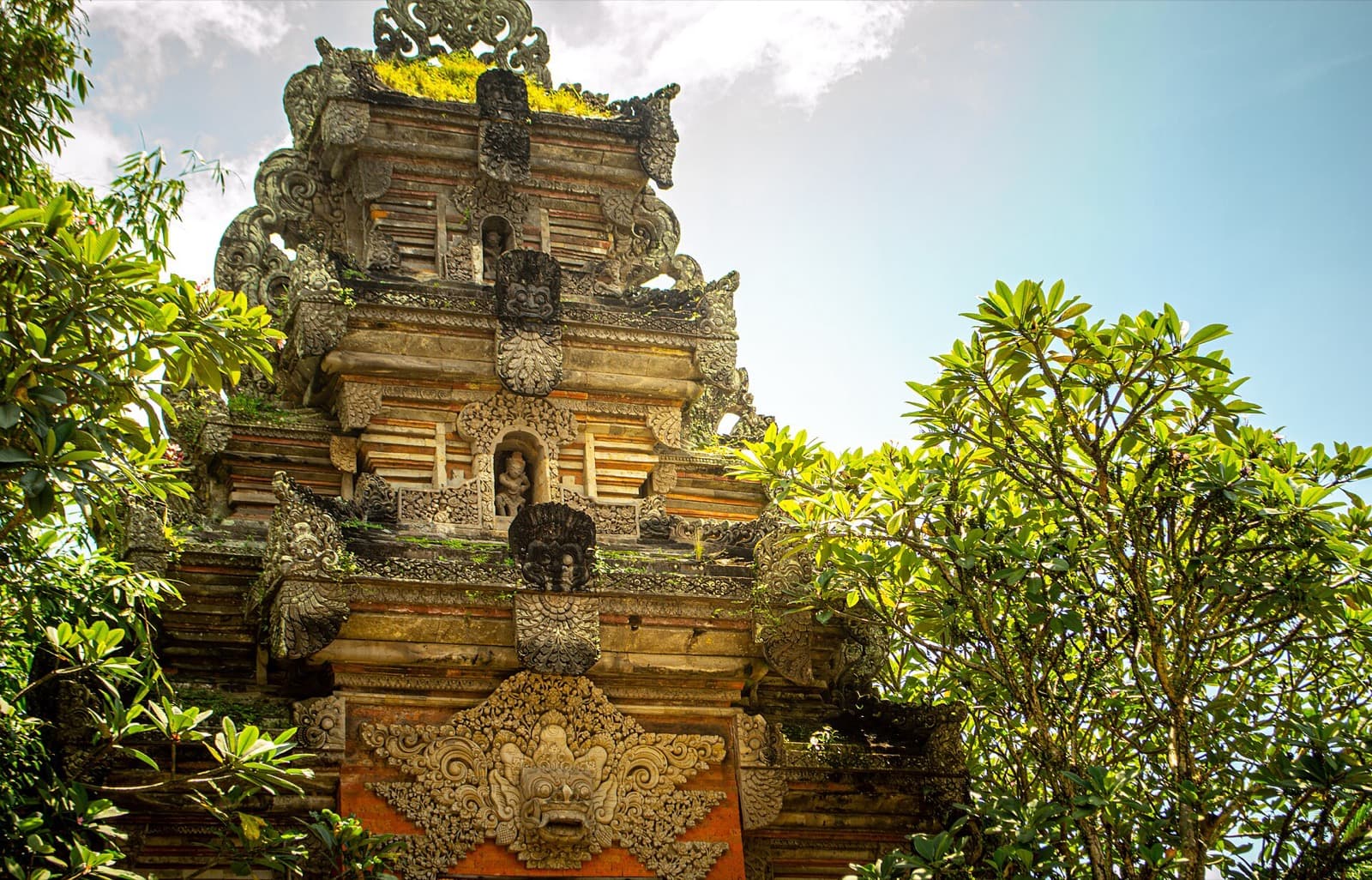
Bali: The Island Where Art and Water Became Devotion
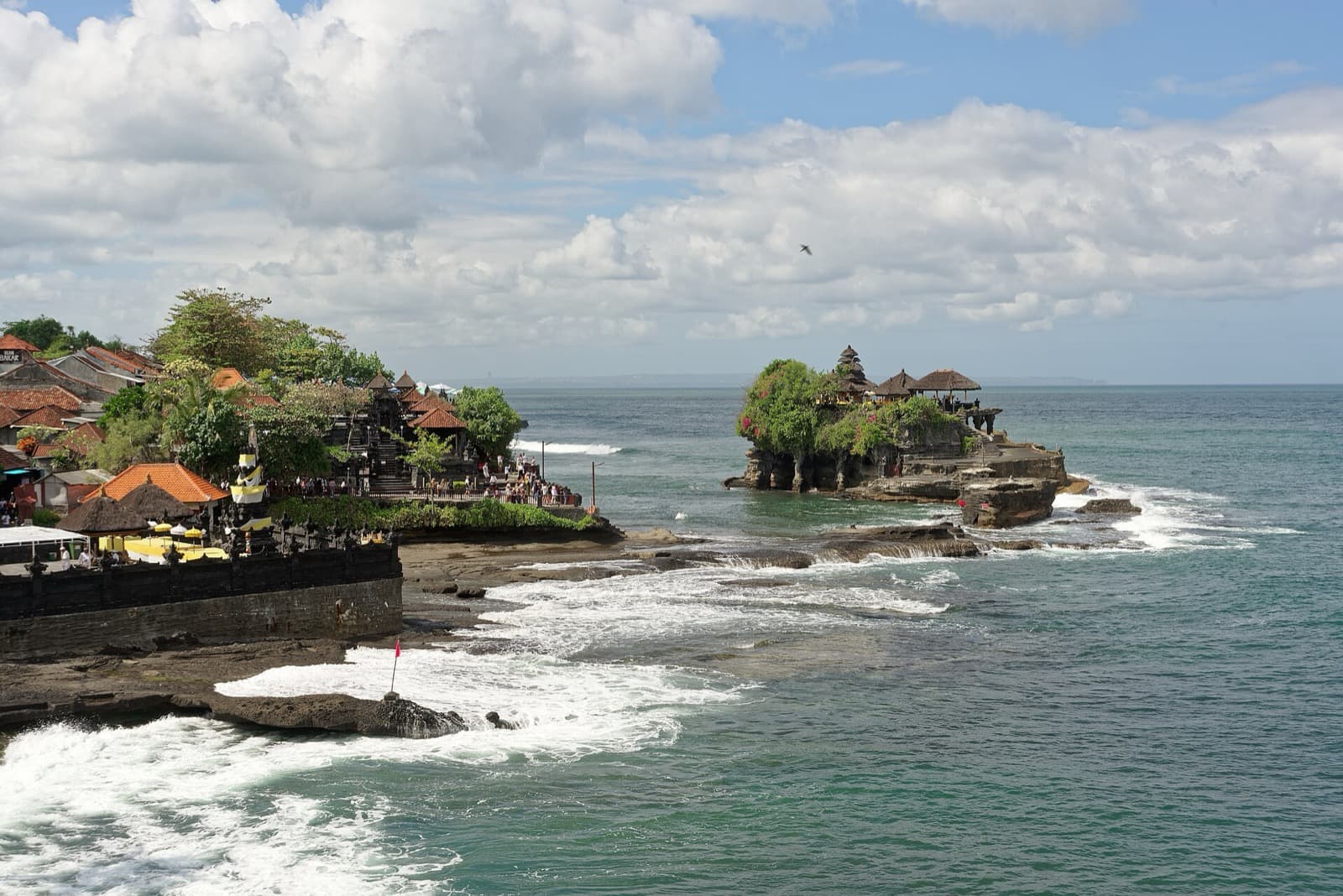
Tanah Lot's Tidal Causeway: The Temple That Faces Water Instead of Blessing It
Ubud Palace: The Royal House That Still Dances After Dark
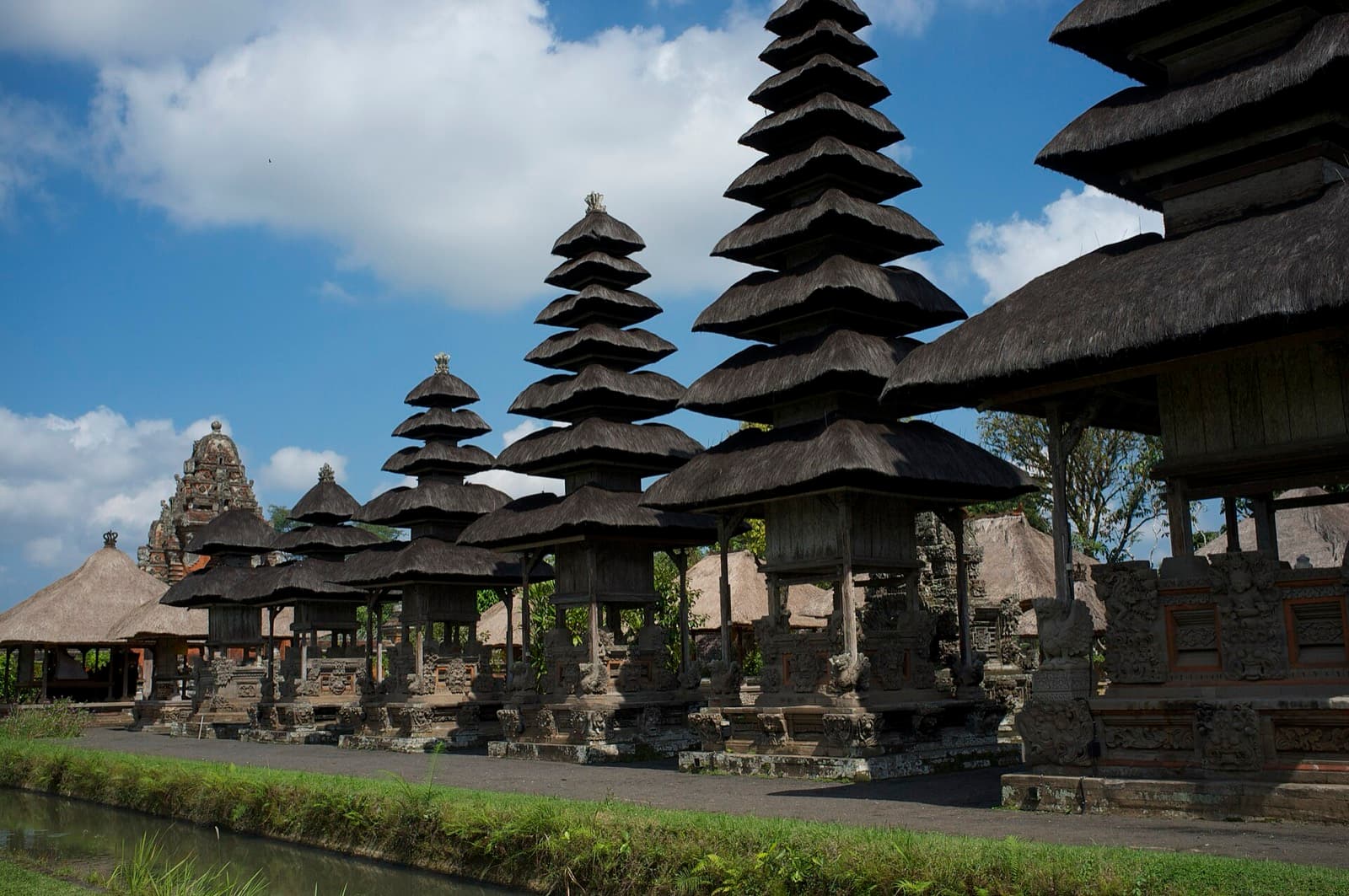
Taman Ayun's Meru Towers: How to Read the Tiers