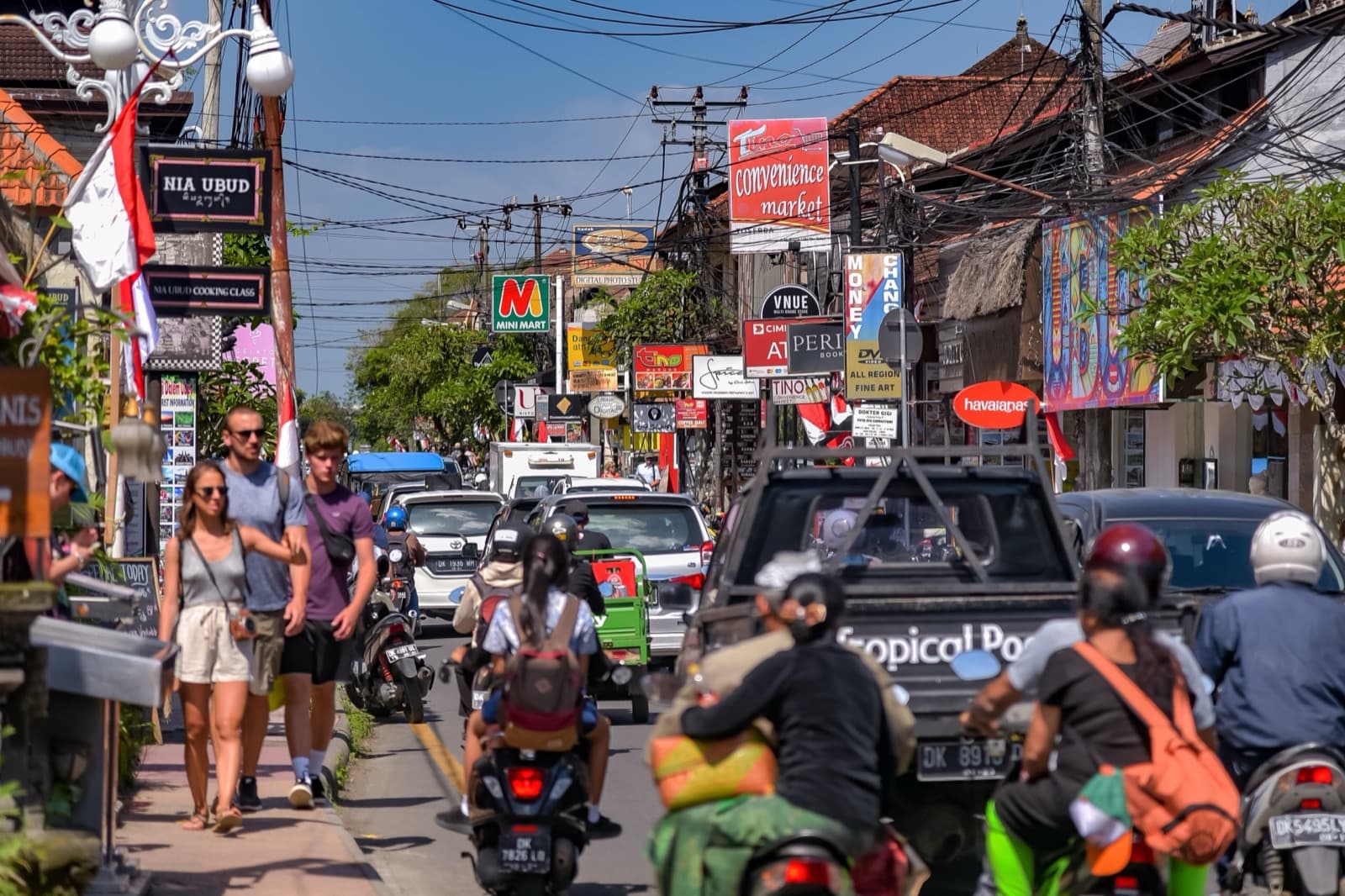
A compact walk through Ubud's royal core, from the palace that still dances after dark to a lotus temple, a rice-field ridge, and a forest that is itself a living temple.
Start · The Ubud Palace: The Royal House That Still Dances
DirectionsStops
- 1
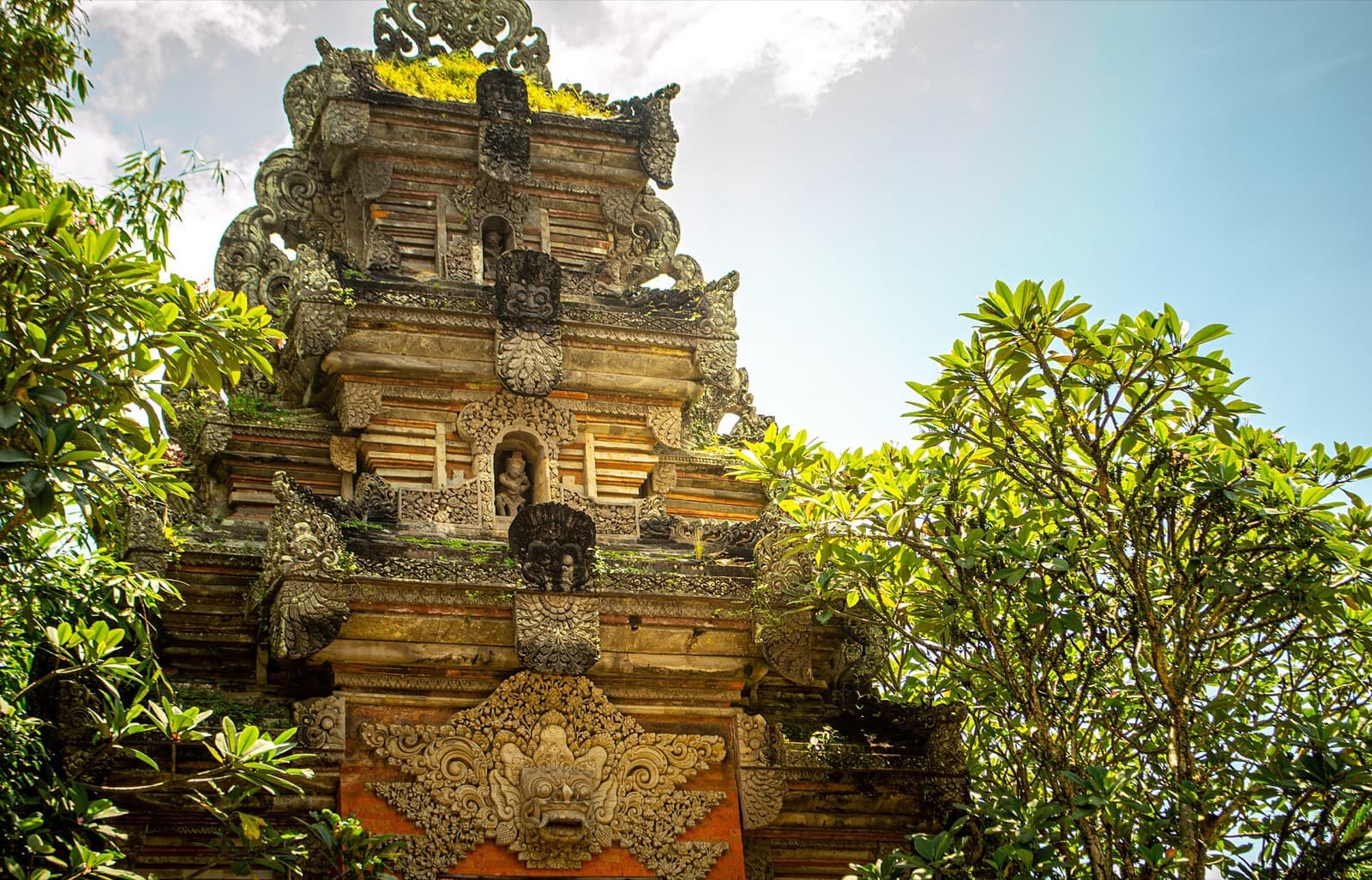
The Ubud Palace: The Royal House That Still Dances
The working residence of Ubud's ruling family, whose courtyard still fills with gamelan and Balinese dance after dark.
- 2
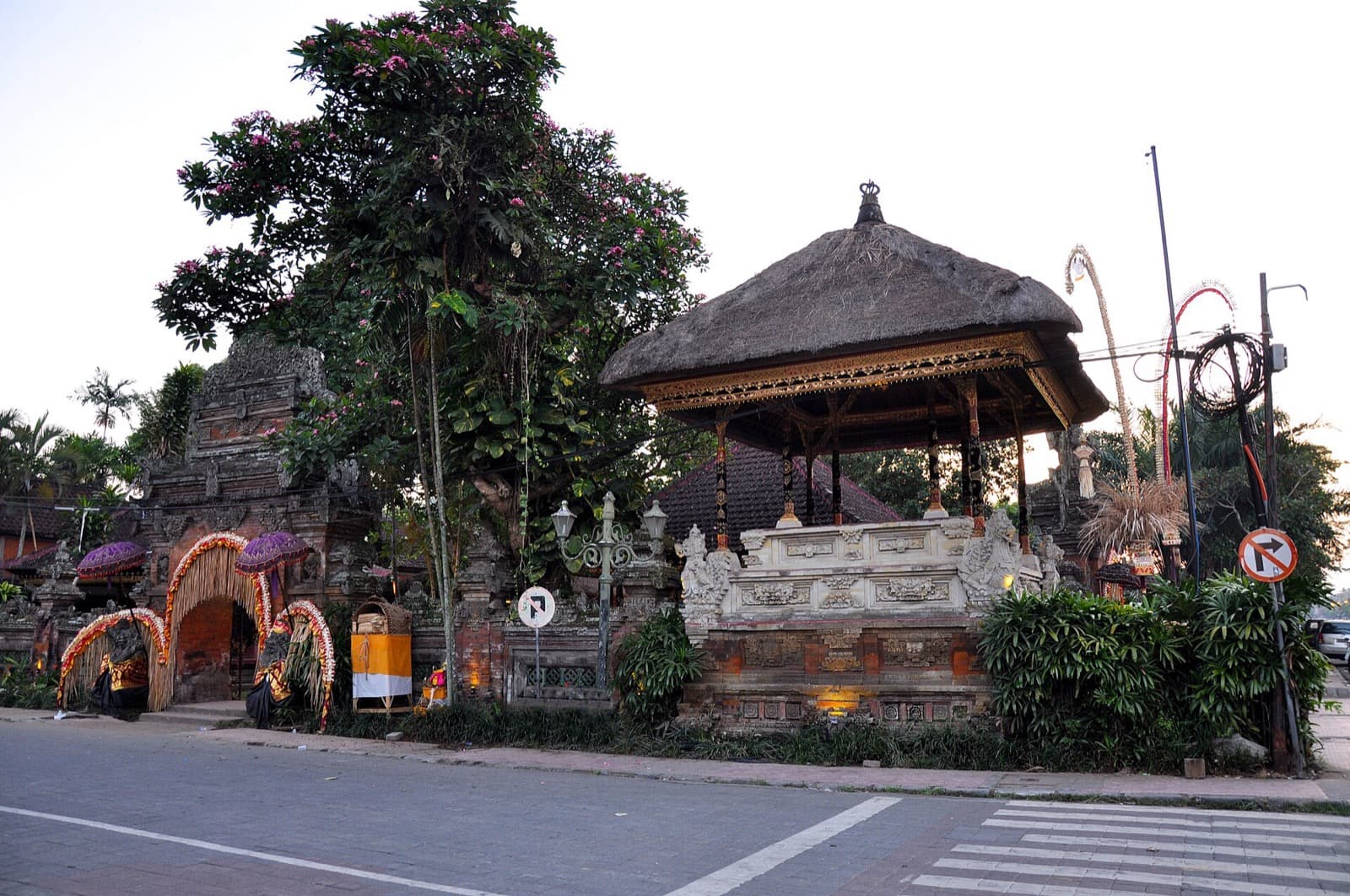
The Ubud Art Market: The Market That Carried the Town's Name
The traditional craft market directly across from the palace, stacked with carving and cloth made in the villages around Ubud.
- 3
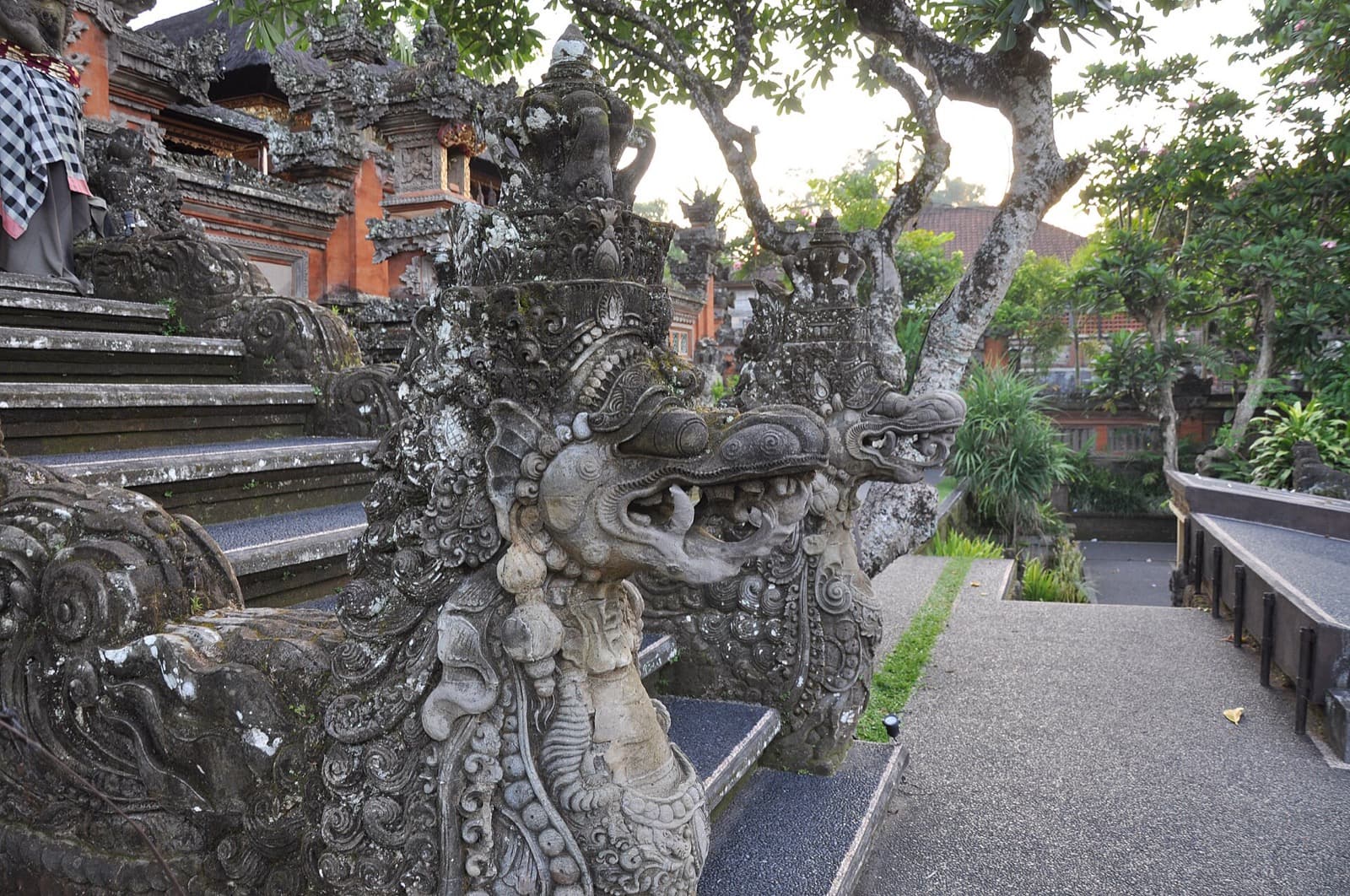
Pura Taman Saraswati: The Temple to the Goddess of Art, Rising from a Pond of Lotus
A serene water temple dedicated to the goddess of learning and art, fronted by a broad lotus pond and edged with frangipani.
- 4
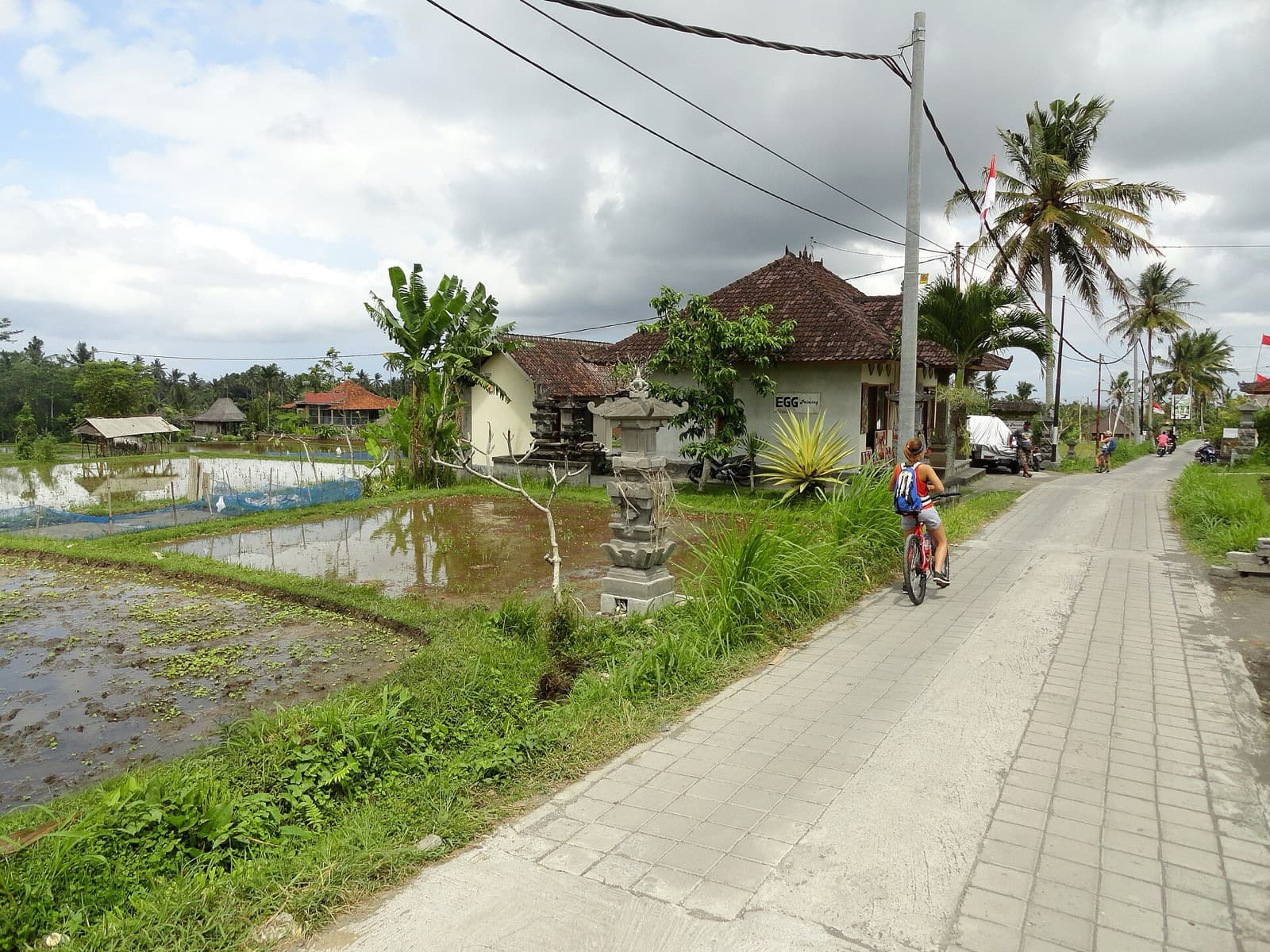
The Campuhan Ridge: Where the Town Becomes Rice Fields and Sky
A free, paved ridge path of about two kilometres that runs between two river valleys and opens the town into green silence.
- 5
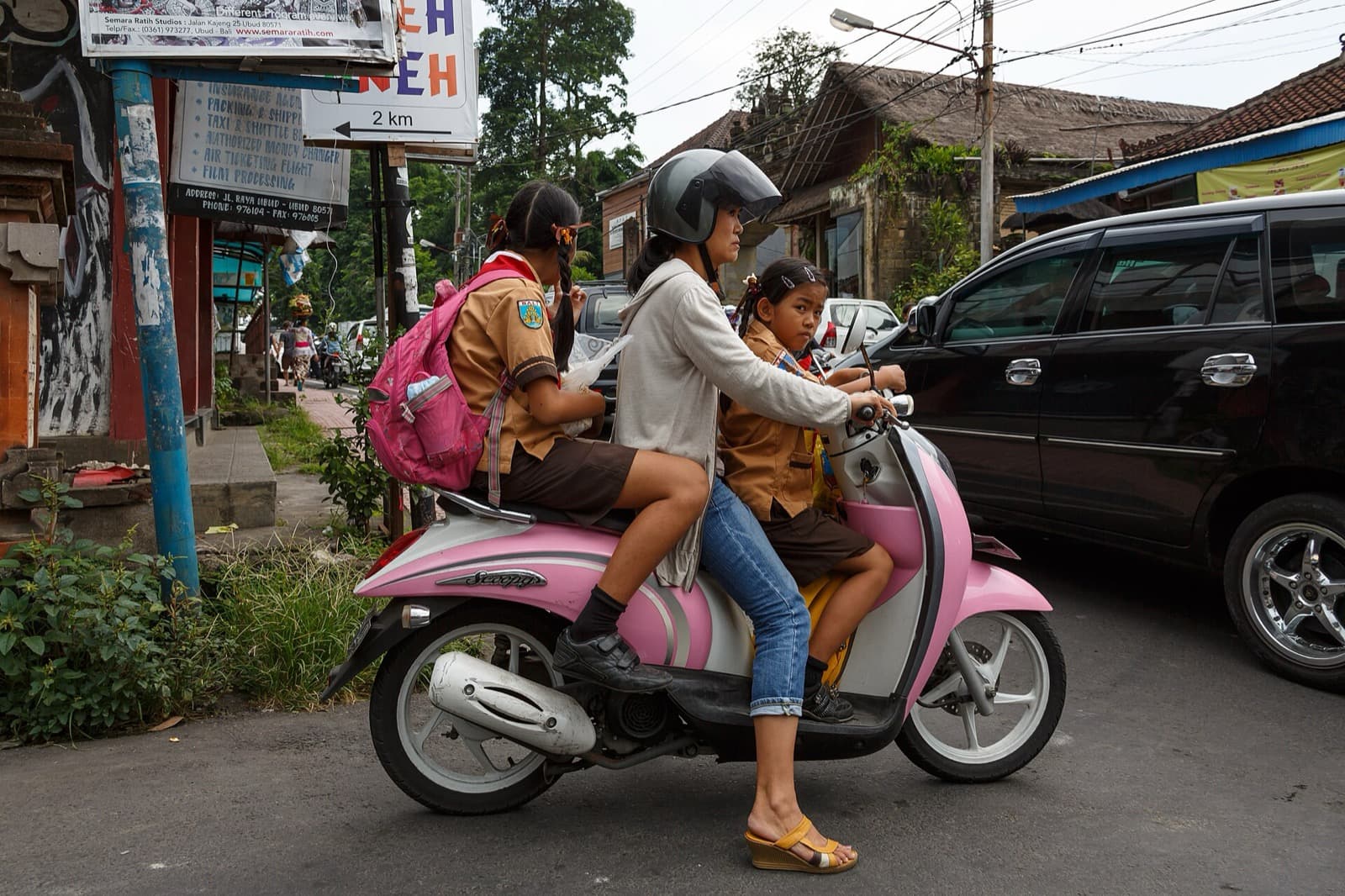
Monkey Forest Street: The Gallery Street That Leads to the Forest
The gallery-and-shop spine of southern Ubud, running from the town core down toward the gate of the sacred forest.
- 6
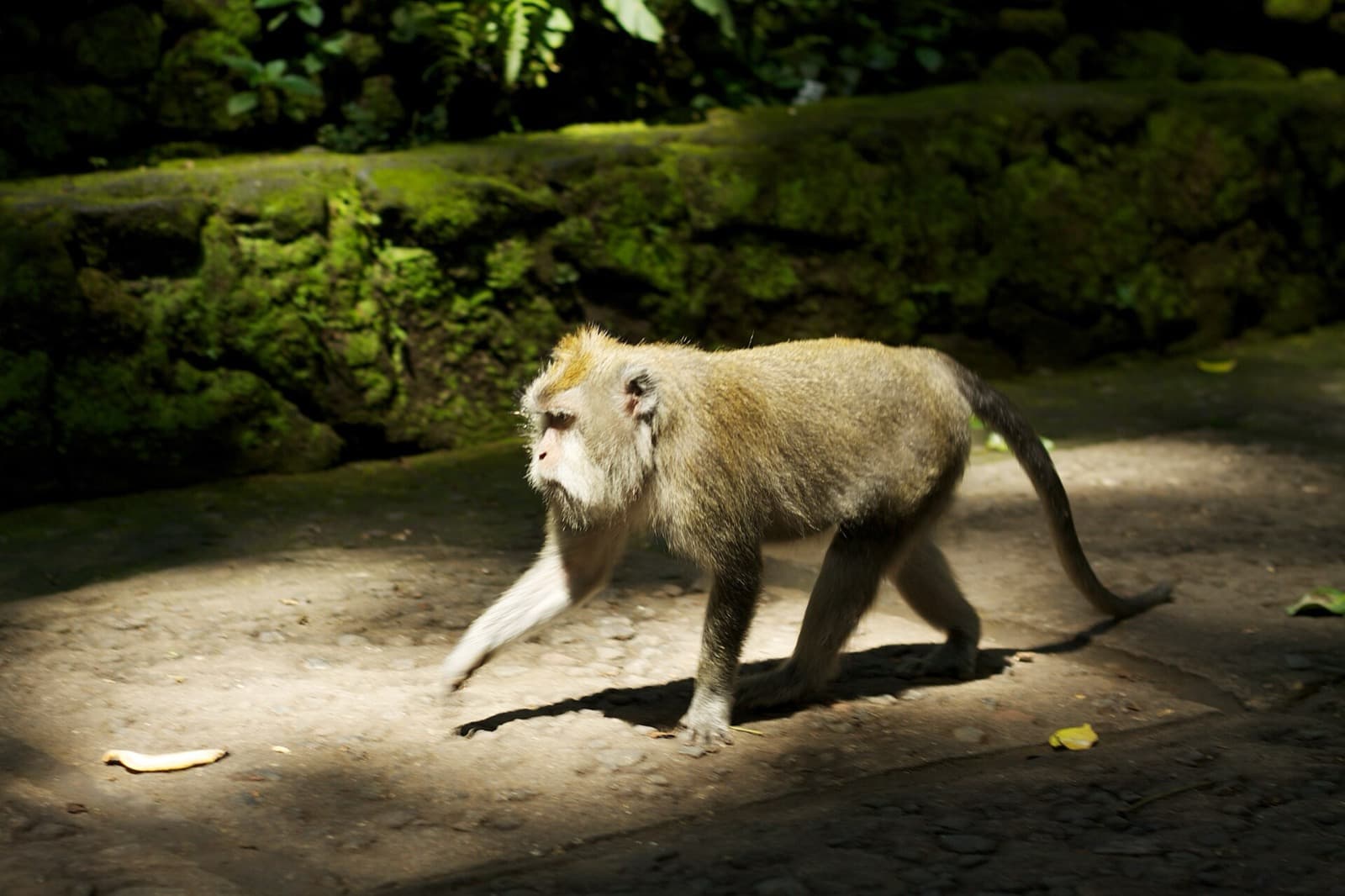
The Sacred Monkey Forest: A Forest That Is a Temple, with Wild Guardians
A ten-hectare village-run temple forest, home to many hundreds of wild macaques and three ancient temples set among the trees.
- 7
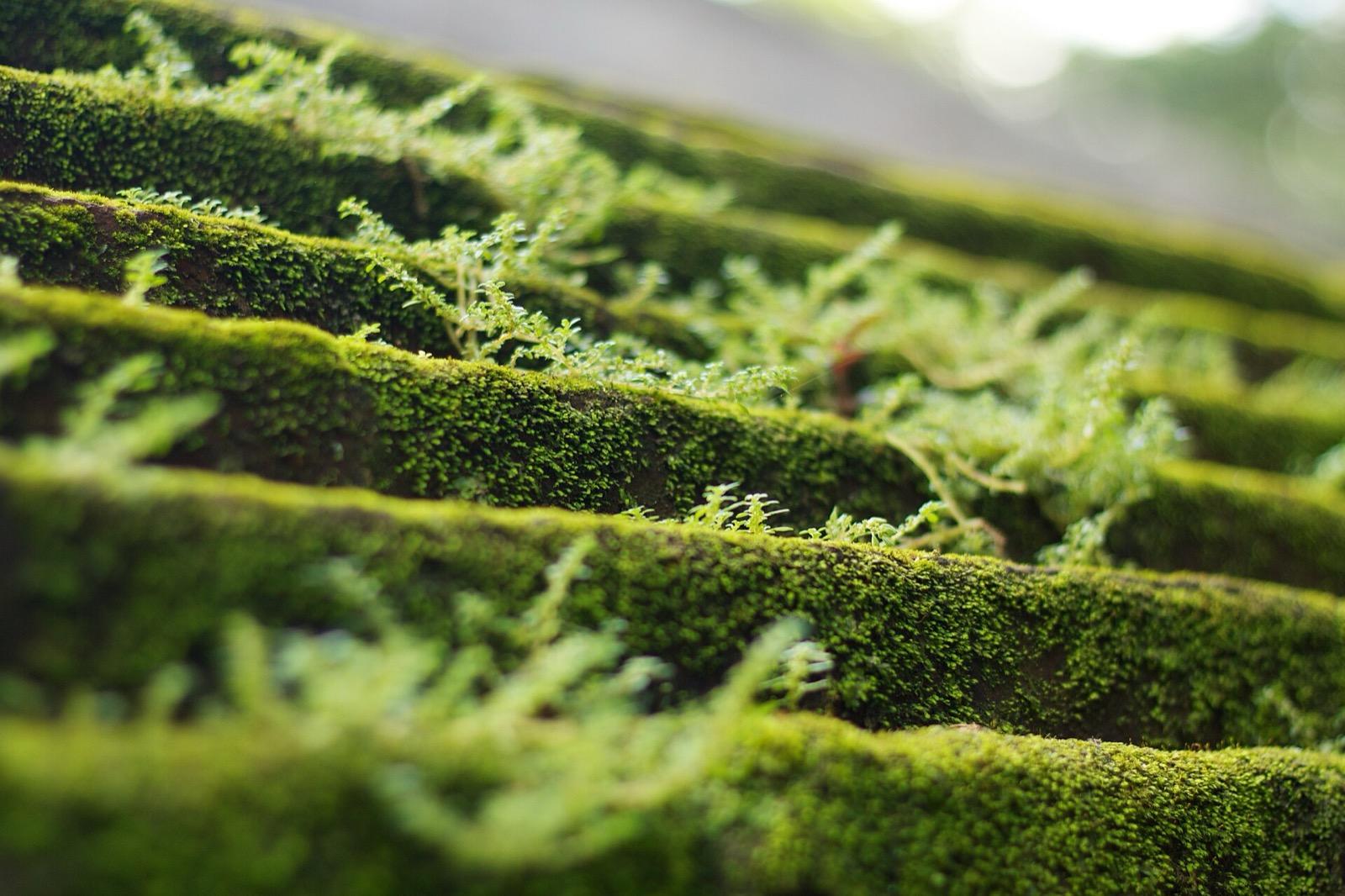
Pura Dalem Agung: The Temple of the Dead, Where a Carved Demon Queen Keeps the Gate
The temple of the dead in the forest's southwest, its gates carved with the demon-queen Rangda, where art and cosmology fuse.
Details
Best Time to Visit
Early morning, ideally before nine, for the palace courtyard, the Saraswati lotus pond and the Campuhan Ridge before the day-tour crowds arrive; late afternoon is best for the ridge itself, when low light rakes the grass and the heat eases, and many visitors return in the early evening for the ticketed Balinese dance in the palace courtyard.
Pro Tips
- •Come early, before about nine in the morning, to have the palace courtyard, the Saraswati lotus pond and the Campuhan Ridge to yourself before the day-tour vans arrive.
- •Carry a sarong and sash of your own, or plan to borrow the ones usually lent at the Saraswati Temple and the Monkey Forest temples, so a dress requirement never turns you away.
- •The nightly dance in the palace courtyard is a separate ticket bought on the day, typically starting in the early evening, so decide in advance whether you want to circle back for it.
- •Walk the Campuhan Ridge at either end of the day for cooler air and softer light, and remember you can turn back at any point rather than committing to the full two kilometres.
- •Keep loose cash in small rupiah notes for the art market and temple donations, and treat bargaining as a friendly conversation rather than a contest.
- •At the Monkey Forest, empty your hands and pockets of food, drinks and dangling items before you go in, and keep phones and glasses secured while you photograph the macaques.
Safety & Precautions
- •The macaques in the Sacred Monkey Forest are wild and will snatch glasses, hats, bags, water bottles and food in seconds, so secure everything, never feed or tease them, and give mothers with infants space.
- •The Campuhan Ridge is paved but open and largely shadeless, so carry water, wear proper shoes, and avoid the exposed midday hours in tropical heat.
- •The Saraswati Temple and the forest's Pura Dalem Agung are active places of worship: a sarong and sash are required, modest dress is expected, and by Balinese custom menstruating women and anyone with a bleeding wound do not enter the inner courtyards, while non-Hindu visitors should not enter the inner sanctums.
- •Ubud's weather turns fast, so carry water and a light rain layer for sudden tropical downpours, and watch your footing on uneven stone steps and slick paths inside the temples and forest.
- •Jalan Raya Ubud and Monkey Forest Street are busy and their sidewalks are narrow, broken or blocked by parked scooters, so watch your footing, expect to step into the road, and stay alert to scooters that come from any direction.
- •For rides, use a metered Bluebird taxi or the Grab or Gojek apps rather than drivers who quote a flat price, and change money only at a licensed exchange counter where you count the notes yourself before handing anything over.
Travel advisory: Exercise Increased Caution (Level 2).
Gallery
Related Reading
Go deeper on what you'll see, hear, and walk through.
Overview
Bali Travel Guide 2026: Days, Transport, Season, Cost, and Safety
7 min
Overview
Best Self-Guided Walking Tours in Bali (2026)
3 min
Overview
One Day in Bali: A Walkable Ubud-to-Tanah Lot Itinerary
8 min
Thematic
Bali: The Island Where Art and Water Became Devotion
8 min
Companion
Ubud Palace: The Royal House That Still Dances After Dark
7 min
Deep dive
The Sacred Monkey Forest: Why Ubud's Macaques Live Inside a Temple
7 min
Read
What to Eat in Bali: Babi Guling, Betutu, and Warung Ordering
7 min
Read the walk
The full story of Ubud: The Town That Turned Art Into a Way of Life, in words. Prefer to listen? Play it narrated, from home or on location.
Introduction
Ubud sits in the green uplands of Bali, in Indonesia, a royal town that made art its civic religion. This walk gathers seven stops across the compact old core, and it runs roughly two and a half to three hours if you linger, covering about five kilometres on foot at an easy pace. That easy pace is the whole point. Ubud is one of the most tour-packaged towns on the island, thick with vans and touts and photo-stops, yet its meaning lives in unhurried attention, a carving read on your own clock, a ridge taken at your own speed. Here you keep your own map. No group steering you toward a shop, no schedule hurrying you past the thing you actually came to see. The route opens at the palace that still hosts dance in its courtyard, crosses to the craft market that carried the town's name to the world, then reaches a temple to the goddess of learning that rises from a pond of lotus. From there the town dissolves into rice fields and sky along a narrow ridge, before a gallery street draws you down toward a forest that is itself a living temple, guarded by wild macaques and, at the temple of the dead, a carved demon queen at the gate. Two of these stops are working Balinese Hindu temples, so carry a sarong and sash, usually lent at the entrance, and expect modest dress. These are places people still pray, so move gently. When you arrive at the Ubud Palace on Jalan Raya Ubud, begin with stop one.
1. The Ubud Palace: The Royal House That Still Dances
This is Puri Saren Agung, the Ubud Palace, and it is not a museum. It is the residence of the Sukawati ruling family, and it took its present form during the reign of Tjokorda Putu Kandel, who ruled from eighteen hundred to eighteen twenty-three. An earthquake damaged it in nineteen seventeen, and it was rebuilt with local artisans, then opened to foreign guests in nineteen twenty-eight, when the family began welcoming early travellers into a corner of the compound. Notice how ordinary the grandeur feels, split gates, carved sandstone softened by moss, courtyards where daily offerings still sit on the stone. The palace records a family that treated art as duty. Ubud's last official raja, Tjokorda Gede Agung Sukawati, who lived from nineteen ten to nineteen seventy-eight, co-founded an artists' collective called Pita Maha on the twenty-ninth of January, nineteen thirty-six, together with the foreign painters Rudolf Bonnet and Walter Spies. The name comes from an old court language and carries the sense of the great ancestor. The group gathered around a hundred and fifty Balinese artists, lifted the standard of local painting and carving, and lasted about six years, ending with the Japanese invasion of nineteen forty-two. The most vivid proof that art here is a living thing comes after dark. Most evenings the front courtyard becomes a stage, and a gamelan orchestra plays while dancers perform the Legong and the Barong, the struggle of a benevolent lion-spirit against a demon-queen that Balinese Hindus tell as sacred story rather than mere spectacle. You can stand in the daytime courtyard for free and simply read the carving. The evening dance is a separate, ticketed performance, and it is entirely yours to choose.
2. The Ubud Art Market: The Market That Carried the Town's Name
Directly across Jalan Raya Ubud from the palace stands Pasar Seni Ubud, the Ubud Art Market, and this is where the town's reputation left home. This is the traditional craft market of Ubud, and it works as two markets in one. The upper side is the art and craft hall, stacked with woodcarvings, textiles, silk scarves, woven bags and baskets, statues, kites and paintings. The other side, alive before dawn, is a produce market for local families. Much of what you see was not made here. It comes from the neighbouring villages, from Pengosekan, Tegallalang, Payangan and Peliatan, each with its own hand and specialty, carried in and laid out under these roofs. That is the quiet truth of Ubud's fame. The town became a name for Balinese art partly because it sat at the centre of a web of village workshops and gave them a marketplace and a stage. Move through it slowly and it reads less like a souvenir stop and more like a survey of a whole region's craft. Prices here are a conversation, not a fixed number, so bargaining is expected and best done with a smile and no hurry. The people behind these stalls are working traders, not scenery, and a little patience goes a long way. This is the colour-and-haggle counterpoint to the temples on either side of it, the loud, human middle of a town that turned making things into a way of life. Take what time you like. Nobody is timing you, and there is no van waiting to move you along.
3. Pura Taman Saraswati: The Temple to the Goddess of Art, Rising from a Pond of Lotus
A short walk west brings you to Pura Taman Saraswati, sometimes called the Ubud Water Temple. Pura means a Balinese temple, and this one is dedicated to Saraswati, the Hindu goddess of learning, literature and art. That dedication is the whole thesis of Ubud carved in stone. The temple's history records that it was designed by the celebrated Balinese sculptor and architect I Gusti Nyoman Lempad, who was born around eighteen sixty-two and died on the twenty-fifth of April, nineteen seventy-eight. He was an undagi, a traditional Balinese master builder, and he shaped palaces and temples across Ubud. This one was commissioned by the prince of Ubud, Cokorda Gede Agung Sukawati, and built in nineteen fifty-one and nineteen fifty-two. Its signature is the broad lotus pond that fronts the temple, edged with frangipani trees, so that you approach the gate along a raised walkway with the water and its pink blossoms on either side. The soft volcanic-stone sculptures lining the way, figures from Hindu myth, are largely Lempad's own work, and the red-brick split gates rise behind them. This is a living temple, so a sarong and sash are required to enter the temple courtyard, and they are usually provided at the entrance. Modest dress is expected. Stated plainly and as a matter of Balinese custom, menstruating women and anyone with a bleeding wound are asked not to enter the inner courtyards, and non-Hindu visitors may generally enter the grounds but not necessarily the innermost sanctum. From the lotus walkway you have already seen the heart of it, a town that built its finest quiet water garden not for a king but for the goddess of art herself.
4. The Campuhan Ridge: Where the Town Becomes Rice Fields and Sky
This is the turn of the walk, the moment Ubud stops being a town and becomes a landscape. The Campuhan Ridge Walk is a paved track, barely a metre wide in places, running about two kilometres along a green spine between two river valleys, the east and west branches of the Wos…
Full narration for this stop unlocks with the tour.
5. Monkey Forest Street: The Gallery Street That Leads to the Forest
Back from the ridge, the route turns south down Jalan Monkey Forest, sometimes called Jalan Wenara Wana, the gallery street that leads to the forest of monkeys. This is the spine of southern Ubud, a gentle downhill lined with art galleries, small cafes and shops that thickens…
Full narration for this stop unlocks with the tour.
6. The Sacred Monkey Forest: A Forest That Is a Temple, with Wild Guardians
Through the gate lies the Sacred Monkey Forest, known in Balinese as Mandala Suci Wenara Wana. It is about ten hectares of dense forest owned and managed by the village community of Padangtegal, and it is run on the Hindu principle of tri hita karana, the idea of harmony among…
Full narration for this stop unlocks with the tour.
7. Pura Dalem Agung: The Temple of the Dead, Where a Carved Demon Queen Keeps the Gate
In the southwestern corner of the forest stands Pura Dalem Agung Padangtegal, the great temple of death, and it is the resolution of this whole walk. A pura dalem is a temple of the dead, tied in Balinese Hindu belief to Shiva as the divine force of dissolution and renewal, and…
Full narration for this stop unlocks with the tour.