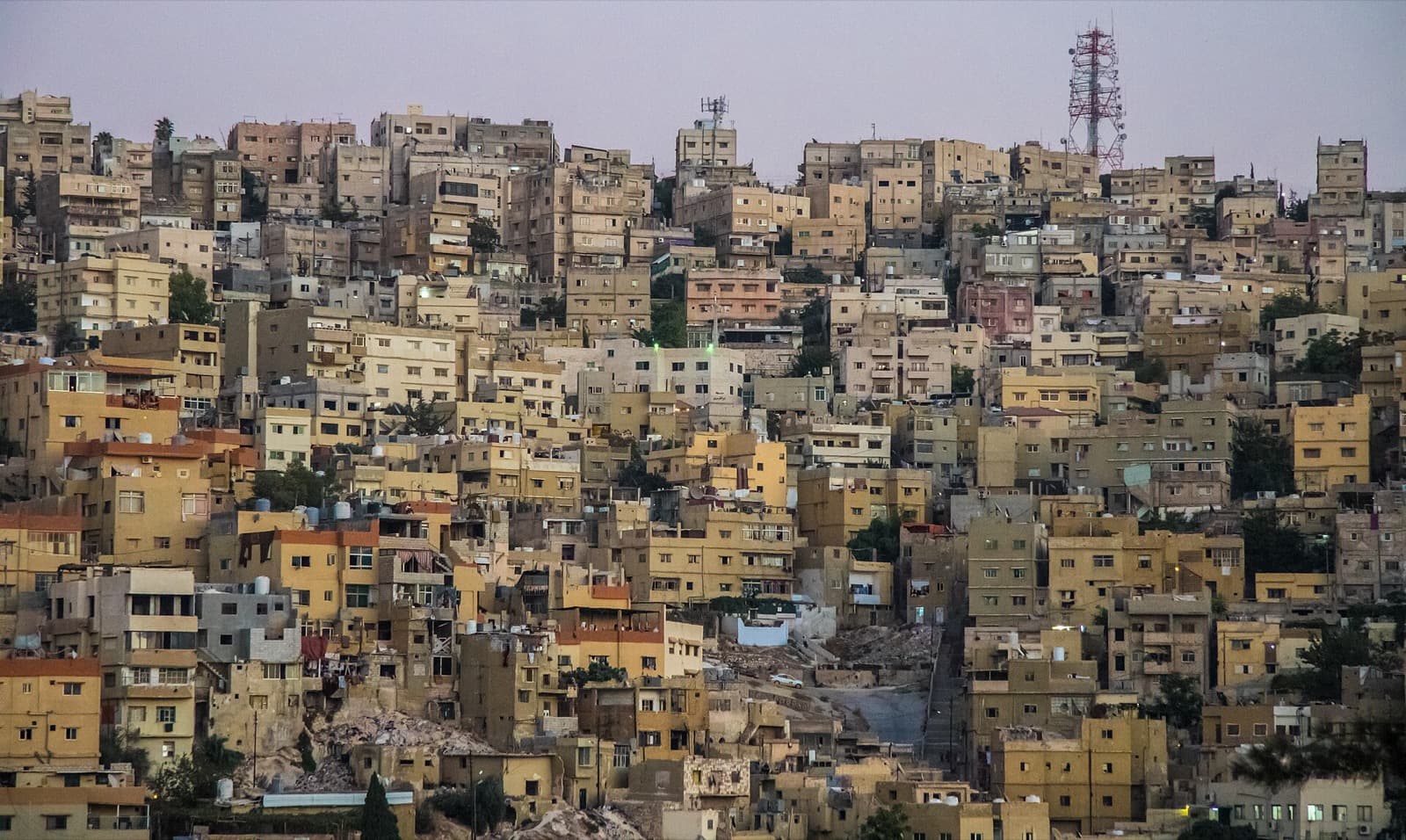
Climb the graceful limestone hill of Jabal Amman, where the young capital first rose from its valley, and walk the heritage spine of Rainbow Street at your own unhurried pace.
Start · The First Circle: Where Old Amman Climbed the Hill
DirectionsStops
- 1
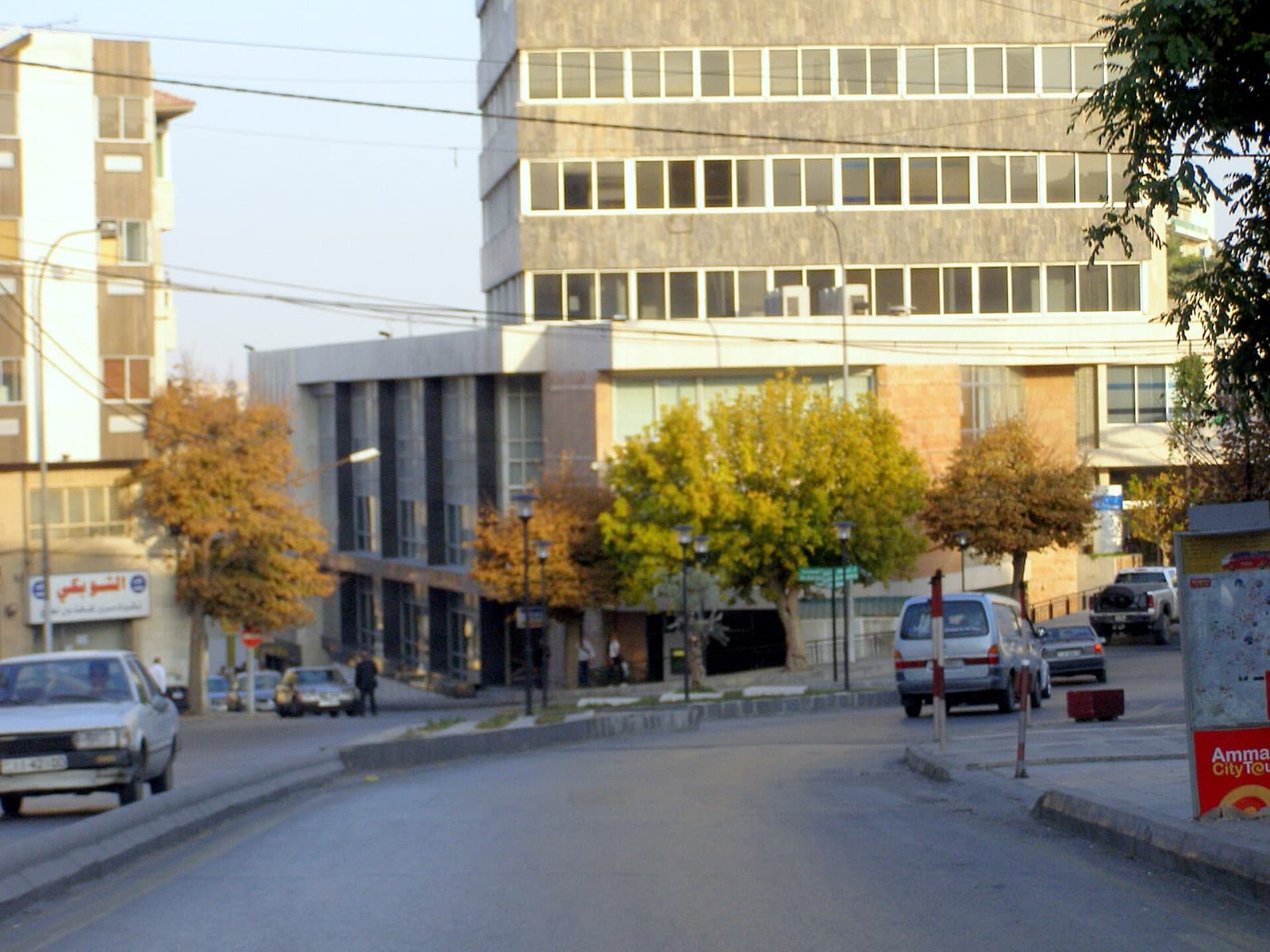
The First Circle: Where Old Amman Climbed the Hill
The first of the ridge's numbered traffic circles, the traditional head of Jabal Amman and the starting point of Rainbow Street.
- 2
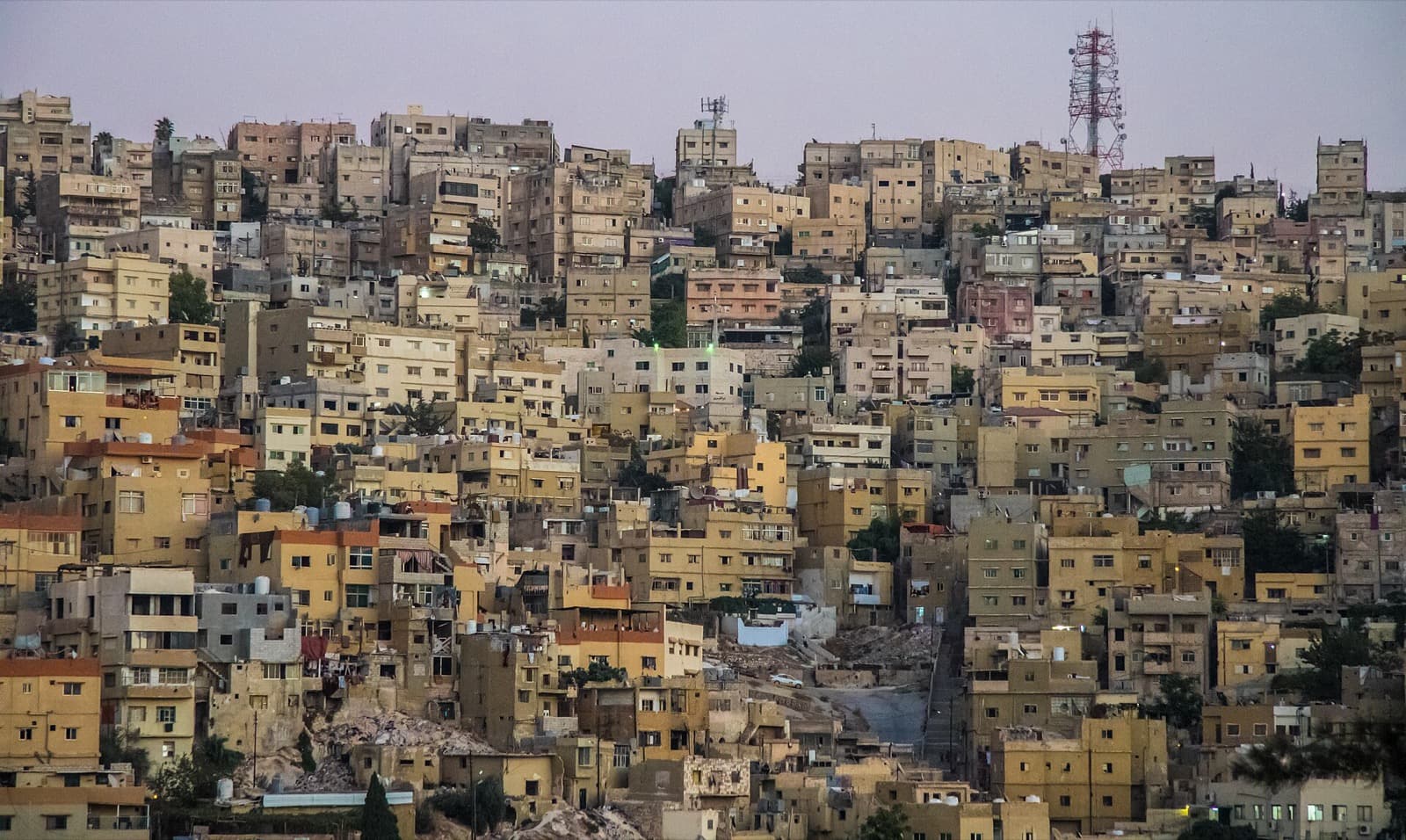
Rainbow Street: The Old Cinema Street Reborn as the City's Front Porch
Jabal Amman's heritage spine, a restored stone street named for a mid-century cinema and now the quarter's most beloved promenade.
- 3
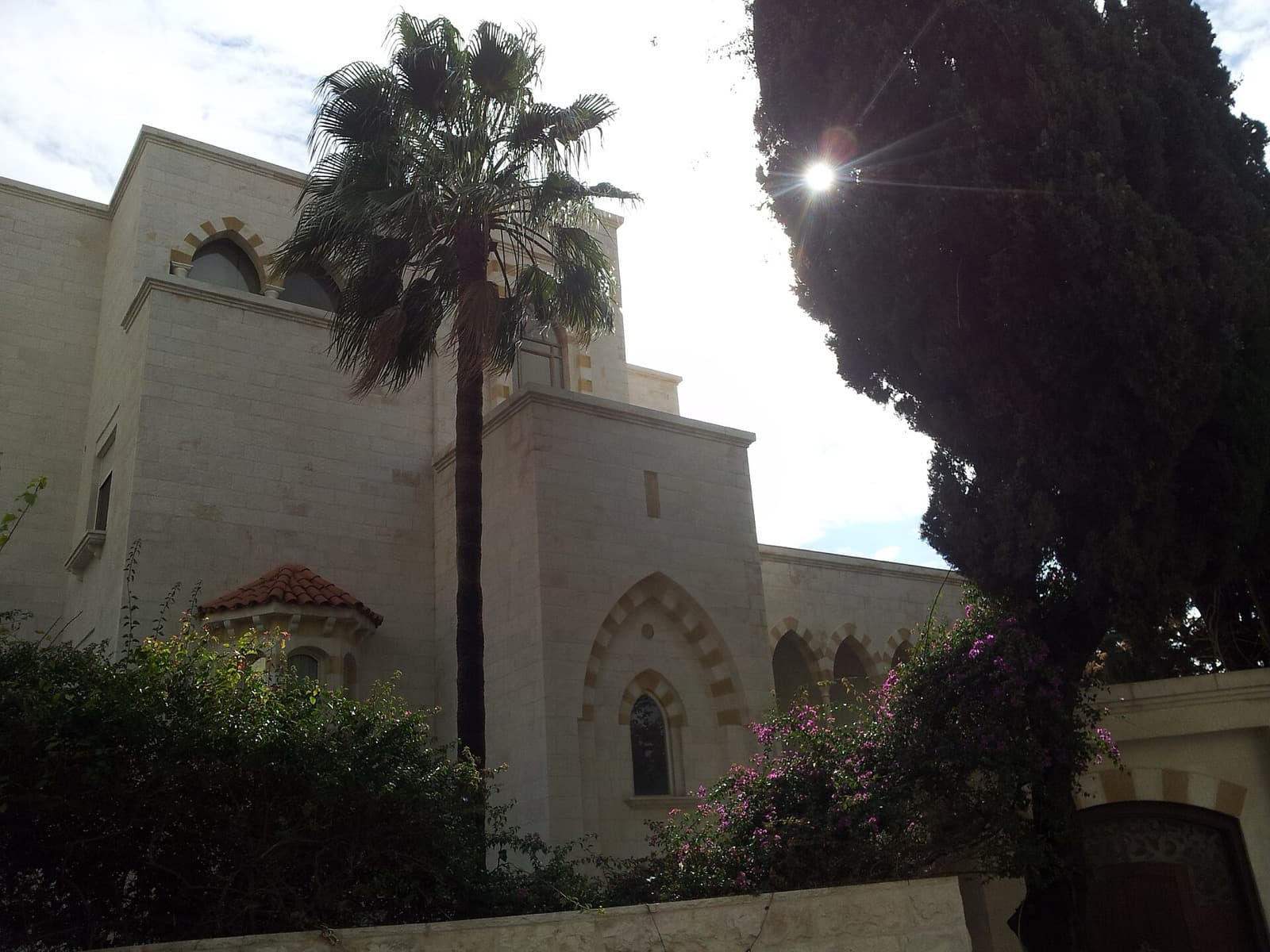
The Heritage Villas of Jabal Amman: The Limestone Houses of the City's First Hill
The gracious stone villas of the nineteen twenties, thirties and forties that line the quiet streets on either side of Rainbow Street.
- 4
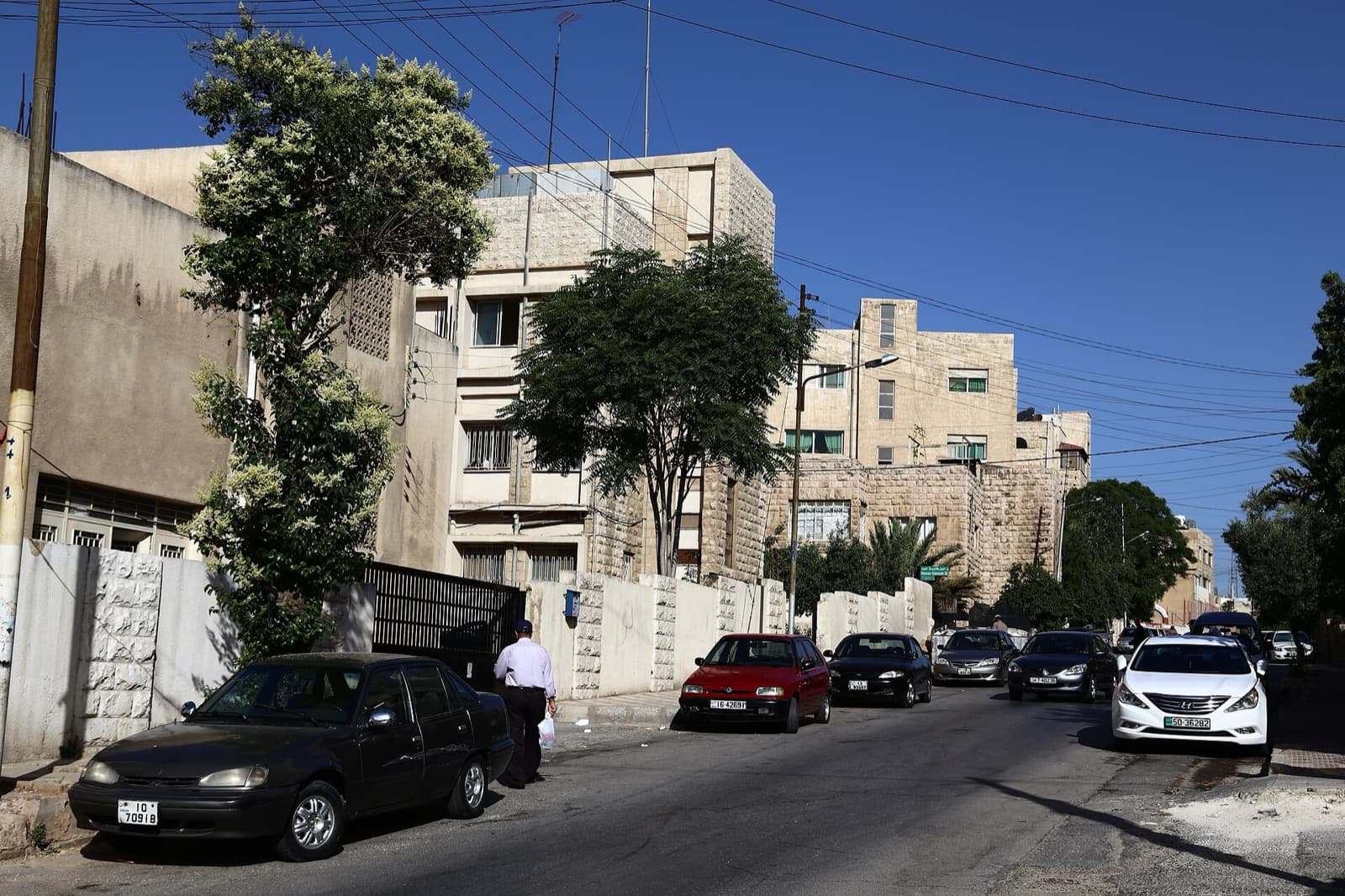
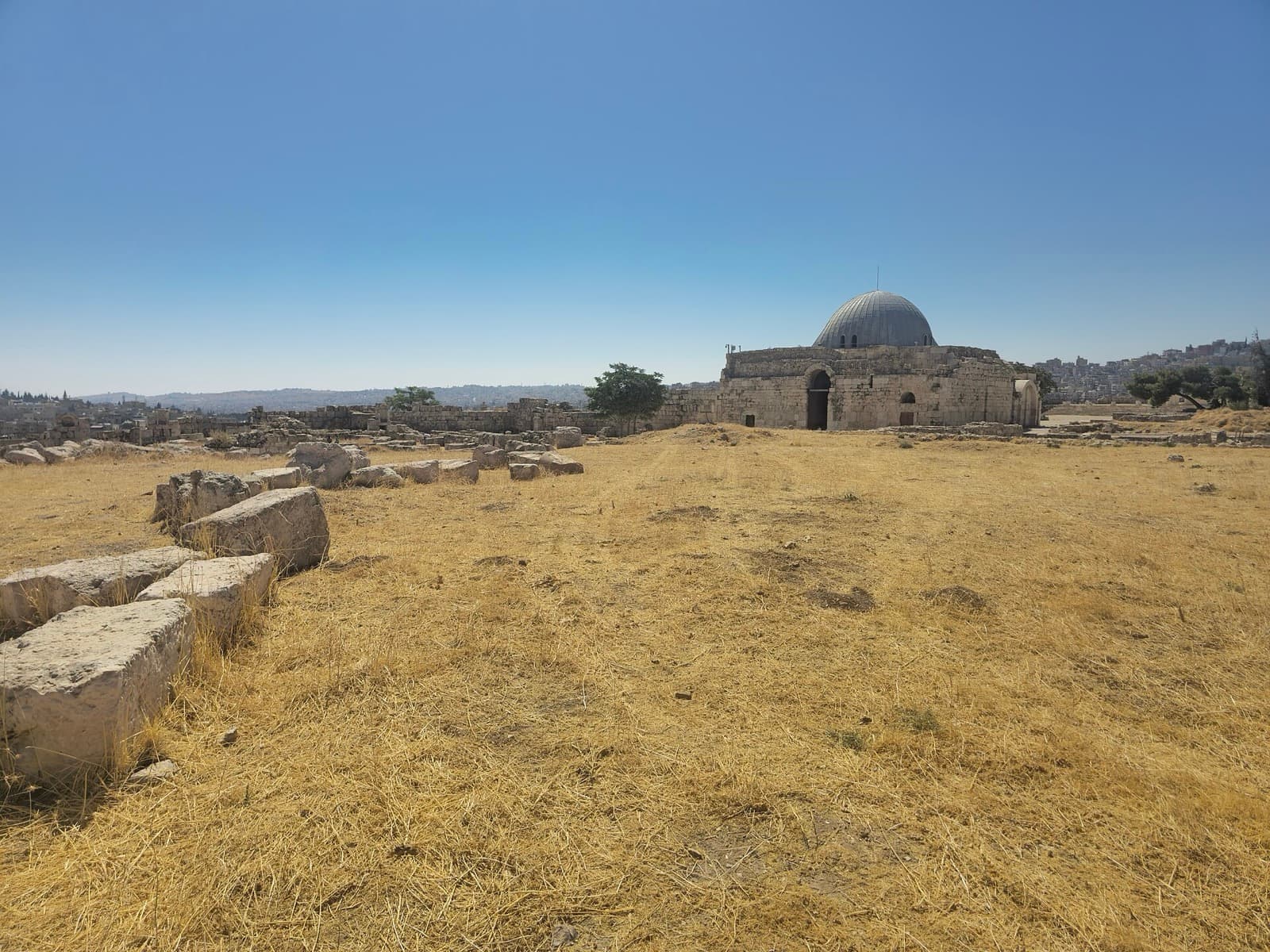
Wild Jordan and the Citadel View: The Balcony Where the Ancient Hill Lines Up Across the Valley
A terrace at the edge of the First Circle, home to Jordan's national conservation society, looking across the valley to the ancient Citadel.
- 5
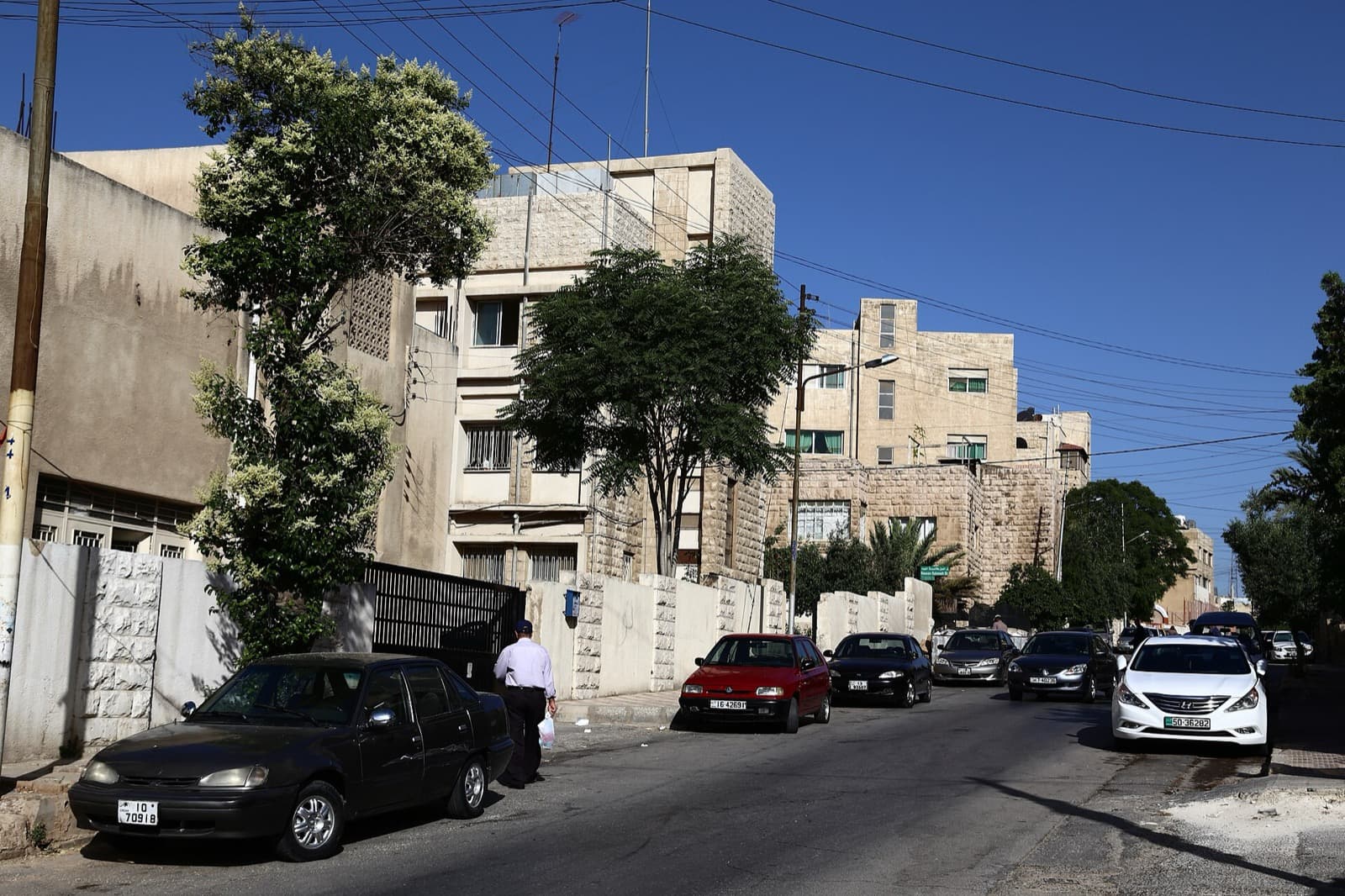
The Old Stairways of Jabal Amman: The Painted Stairs That Were the Hill's First Roads
The steep public stairways, now bright with street-art murals, that once carried the hillside down to the valley market.
- 6
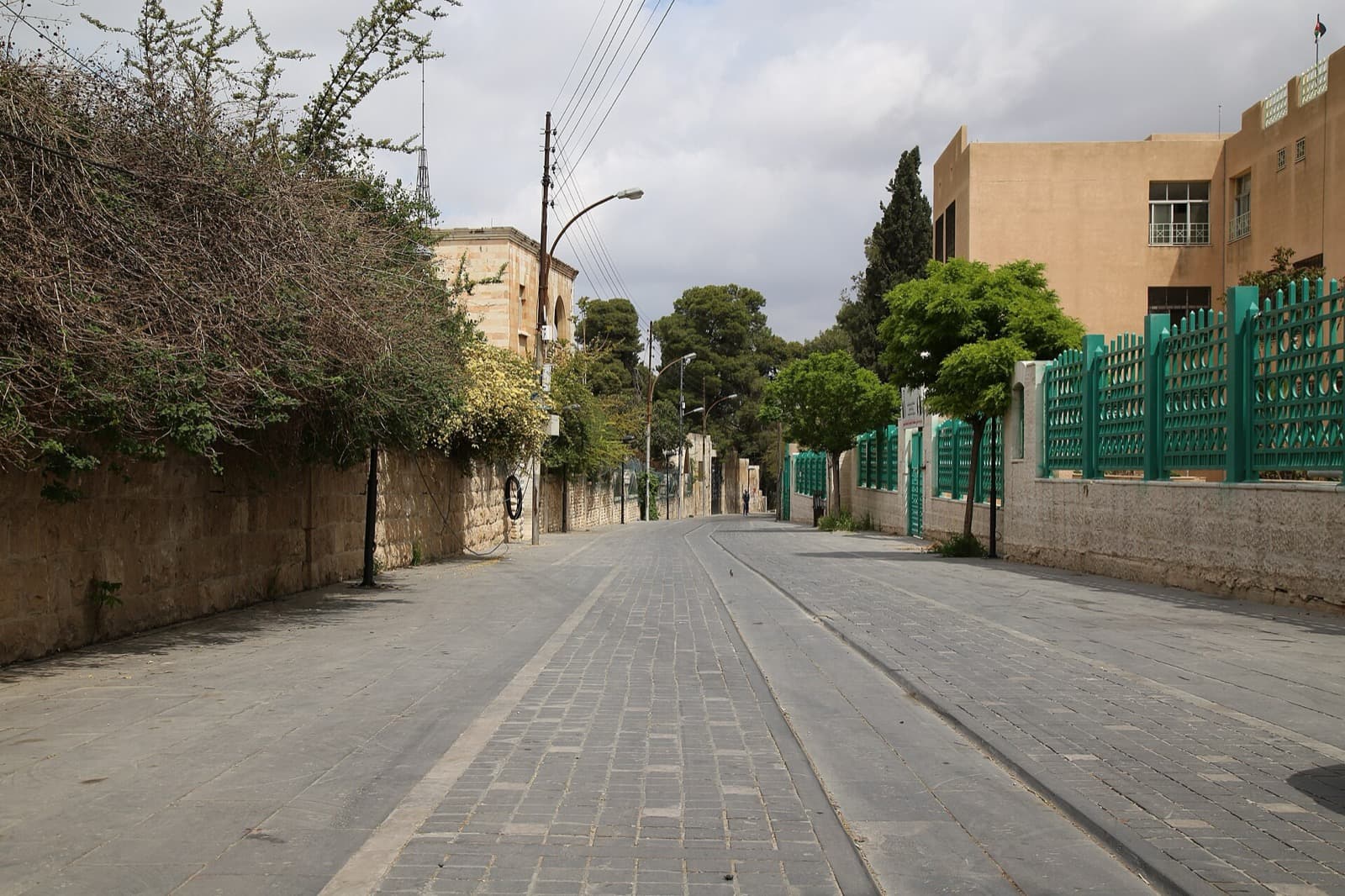
The Craft Heritage of the Hill: Where Old Amman Keeps Its Handmade Things
The living craft tradition of embroidery, weaving and Bedouin work kept alive in the restored heritage houses of Rainbow Street.
Details
Best Time to Visit
Spring, from March through May, and autumn, from September through November, are the kindest seasons, with mild days and soft evening light on the limestone. Late afternoon into early evening is loveliest on the hill, when the stone warms to gold and the terraces catch the view across the valley. If you want the street at its most alive, come on a Friday from June through September, when the Souk Jara open-air market fills a stretch near Rainbow Street; if you prefer quiet, choose a weekday morning.
Pro Tips
- •The whole walk is on foot along the ridge, so wear comfortable shoes with good grip for the sloping streets and the steep old stairways.
- •The numbered traffic circles are Amman's informal address system on this hill: the First Circle marks the head of the neighbourhood, so use them to keep your bearings as you go.
- •Several of the restored heritage houses double as cultural centres and showrooms with their own opening hours, so check times if you want to step inside rather than admire from the street.
- •Come on a Friday between June and September to catch the Souk Jara open-air market, or choose a weekday for a calmer, emptier walk.
- •Carry a little cash in Jordanian dinars for a coffee, a craft, or the market, since small stalls and stairways are not always set up for cards.
- •Late afternoon gives the best light for the terrace view over the Citadel and the downtown, so save the viewpoint stop for the golden hour if you can.
Safety & Precautions
- •The hill is steep in places and the old stairways are long and uneven, so take the descents slowly, especially in the heat or after rain when stone can be slick.
- •Amman sun is strong and the ridge offers little shade, so bring water, a hat and sunscreen, particularly in summer.
- •Rainbow Street is a real neighbourhood with traffic and narrow footways, so watch for cars at the circles and crossings and keep children close.
- •Fridays and daily prayer times change the rhythm of the quarter: dress modestly near any mosque, keep noise low, and expect some shops and cafes to shift their hours.
Travel advisory: Reconsider Travel (Level 3).
Gallery
Related Reading
Go deeper on what you'll see, hear, and walk through.
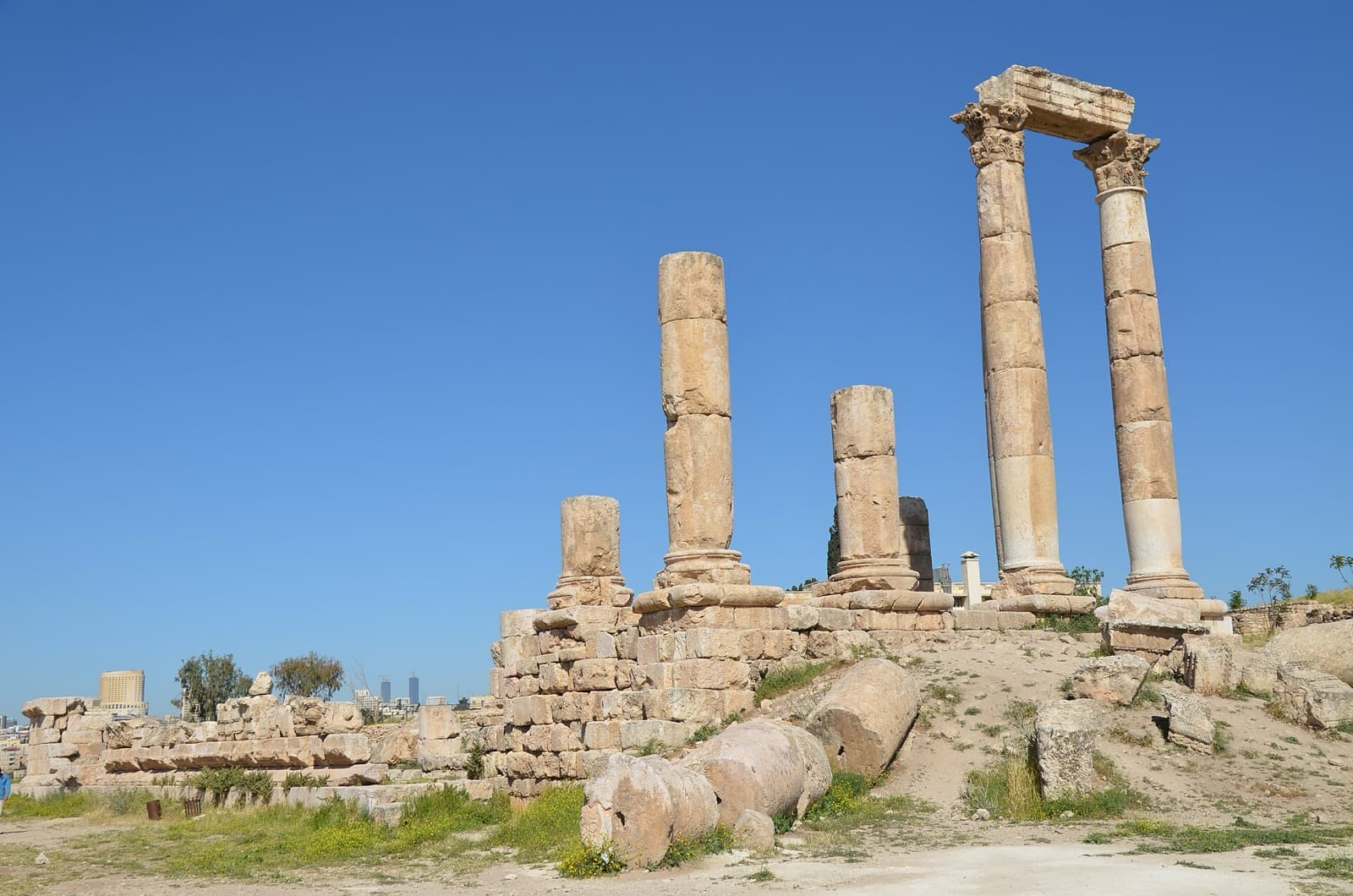
Overview
Amman Travel Guide: Days, Season, Getting Around, Safety, and Budget
7 min

Overview
Best Self-Guided Walking Tours in Amman (2026)
3 min

Overview
One Day in Amman: A Walkable Morning-to-Evening Itinerary
7 min
Thematic
Amman in Layers: How Three Hills Hold One City's Long Life
6 min
Thematic
Best Culture Walking Tours in Amman (2026)
2 min
Companion
Rainbow Street and the Hill Where Amman Grew Up
7 min
Deep dive
The Al-Kalha Stairs: Amman's Roads Before the Roads
6 min
Read
What to Eat in Amman: Dishes, Origins, and How to Order
7 min
Read the walk
The full story of Rainbow Street: Old Amman on the First Circle, in words. Prefer to listen? Play it narrated, from home or on location.
Introduction
This is a walk through old Amman on foot, along the ridge of Jabal Amman, one of the seven hills that first made up the city of Amman, in Jordan. There are six stops, spread over roughly one and a half kilometres, and the whole route takes about ninety minutes at an easy pace, though it is yours to stretch or shorten as you please. The ground rises and falls with the hill, and some of the old public stairways are steep, so this is a walk for comfortable shoes rather than a car or a taxi. Everything here sits within a short stroll, so you will move between the stops entirely on your own feet, with no group to keep up with and no schedule but your own. In the early twentieth century, when Amman became the capital, its downtown valley filled up and the city began to climb these surrounding hills. Jabal Amman was the grandest of those first hillside suburbs, and merchants, officials and royalty built stone villas here along a ridge road marked by numbered traffic circles. You will begin at the First Circle, the traditional head of the neighbourhood, then follow Rainbow Street past the old limestone houses, pause at a terrace looking across the valley to the ancient Citadel, glance down the painted stairways that once stitched the hill to the market below, and end among the crafts still made and shown in the restored houses. Take it slowly, linger where you like, and let the hill unfold at your own clock. When you arrive at the First Circle, begin with stop one.
1. The First Circle: Where Old Amman Climbed the Hill
You are standing at the First Circle, in Arabic the Dawar al-Awwal, the first of a series of eight large traffic circles set east to west along the ridge of Jabal Amman. The word jabal simply means hill, and this is one of the seven hills that originally made up Amman. For a long time it stayed a wooded outback above the town. Then, in the nineteen twenties, Amman became the capital, its downtown valley grew crowded, and the city began to climb. Royalty, wealthy families, businesses, army officers and politicians moved up onto Jabal Amman and built their stone houses here, and the numbered circles became the hill's informal address system. This First Circle is the traditional starting point of the whole neighbourhood, and it sits right at the head of Rainbow Street. Further along the ridge you would reach the Second Circle, and on toward the rest, all the way to the eighth. Take a moment to feel the geography of it: below and to one side lies Al-Balad, the downtown, the old valley market that this hill was built to look down upon, and all around you rise the limestone facades of a century ago. In the year two thousand and five, the Greater Amman Municipality recognized Jabal Amman as a heritage attraction point and set out plans to preserve and develop the historic hill, which is why so much of what you will see on this walk still stands. This is the calm, unhurried way to meet old Amman: no tour van, no schedule, just the ridge road and your own two feet. When you are ready, follow the street east toward stop two.
2. Rainbow Street: The Old Cinema Street Reborn as the City's Front Porch
This is Rainbow Street, the heritage spine of Jabal Amman and, on a good evening, something like Amman's front porch. Its older, official name is Abu Bakr al-Siddiq Street, but everyone knows it as Rainbow Street, a name it took from a cinema that once drew crowds here in the middle of the twentieth century. Sources disagree on exactly when that cinema opened, so think of it simply as a mid-century picture house whose glow gave the street its cheerful name. The street runs east from the First Circle, where you began, toward Mango Street, threading through the historic quarter just above the downtown. Look at the buildings as you go: restored stone houses of pale limestone, many now holding cafes, galleries and craft shops, their old balconies and arched windows kept intact. This was, and is, a place to live and to gather, and the pleasure of it is entirely yours to set. You can linger over a coffee, watch families and students drift past, and let an hour go by, or you can press on. On Fridays from June through September, an open-air market called Souk Jara spreads along a nearby stretch, with stalls of crafts, food and secondhand finds; on a quiet weekday the street belongs to whoever is walking it slowly. Among the fine old residences on and near this street stand houses once tied to Amman's leading families and to the royal household, the kind of gracious limestone homes this walk is really about. There is no group here to move you along and no tip pressure, only the street, the stone and your own unhurried pace. When you are ready, continue toward stop three.
3. The Heritage Villas of Jabal Amman: The Limestone Houses of the City's First Hill
Turn your attention to the quiet streets on either side of Rainbow Street, and you will find the heart of what this hill is famous for: the fine old villas of the nineteen twenties, nineteen thirties and nineteen forties, built when Amman's merchants, officials and royalty first…
Full narration for this stop unlocks with the tour.
4. Wild Jordan and the Citadel View: The Balcony Where the Ancient Hill Lines Up Across the Valley
This is the Wild Jordan Center, and its terrace is the balcony of this walk, the place where the whole ancient hill lines up across the valley. The centre is the headquarters and nature house of the Royal Society for the Conservation of Nature, an independent national…
Full narration for this stop unlocks with the tour.
5. The Old Stairways of Jabal Amman: The Painted Stairs That Were the Hill's First Roads
Before the roads climbed these hills, people did, and they did it on stairs. All across this quarter, long public stairways drop steeply from the ridge toward the valley, and they were the original roads of the hill, the pedestrian shortcuts that carried families down to the…
Full narration for this stop unlocks with the tour.
6. The Craft Heritage of the Hill: Where Old Amman Keeps Its Handmade Things
For the last stop, look at the restored houses of this street not as architecture but as workshops of memory, the places where old Amman keeps its handmade things. The whole hill has become a keeper of craft: embroidery, handwoven rugs, and the weaving and needlework of Jordan's…
Full narration for this stop unlocks with the tour.