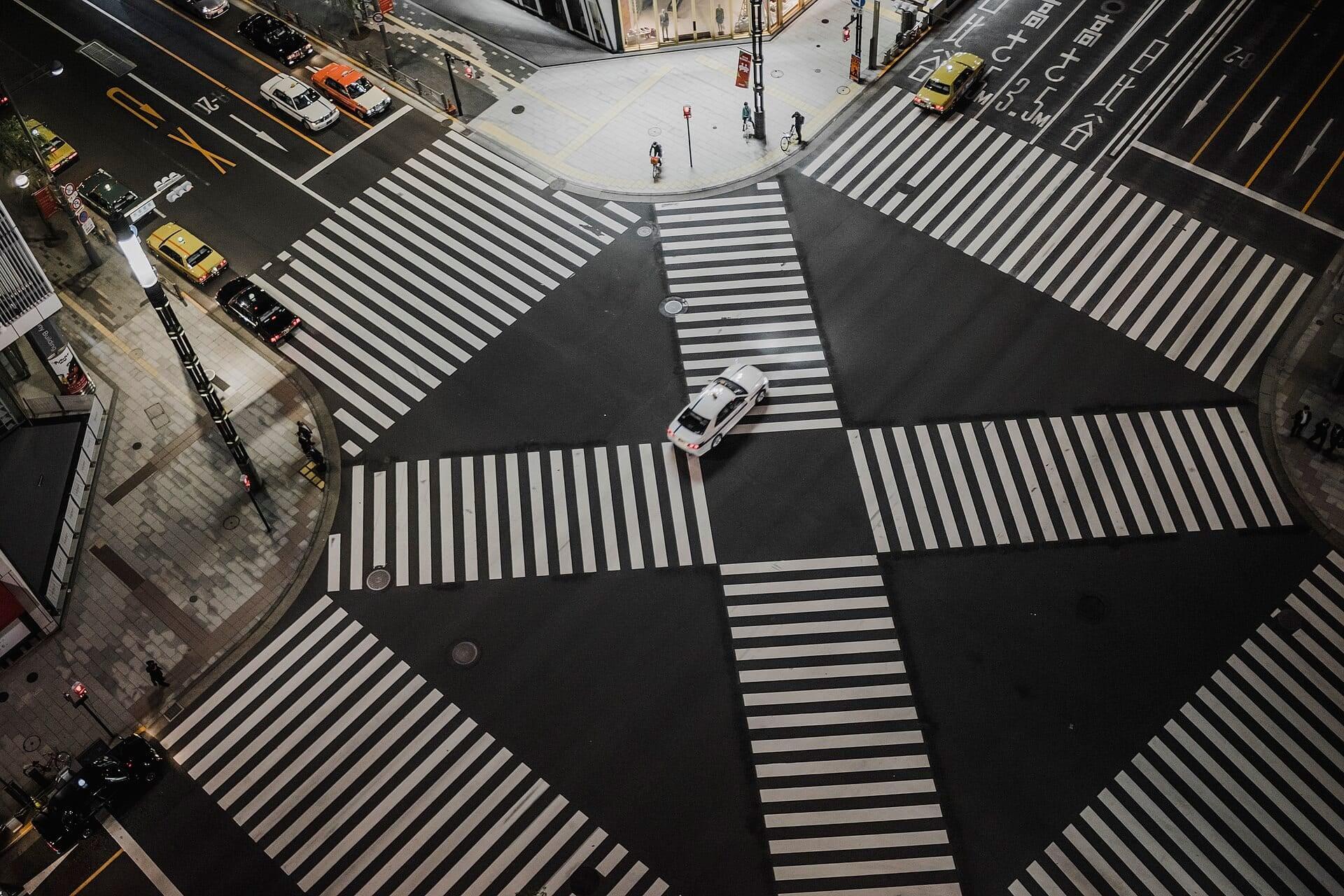
From Tsukiji Hongwanji through the outer market, Namiyoke Inari and the old fish market site, along a river turned expressway to Kabuki-za, Ginza 4-chome's clock tower and Sukiyabashi.
Start · Tsukiji Hongwanji: A Temple in India's Style
DirectionsStops
- 1
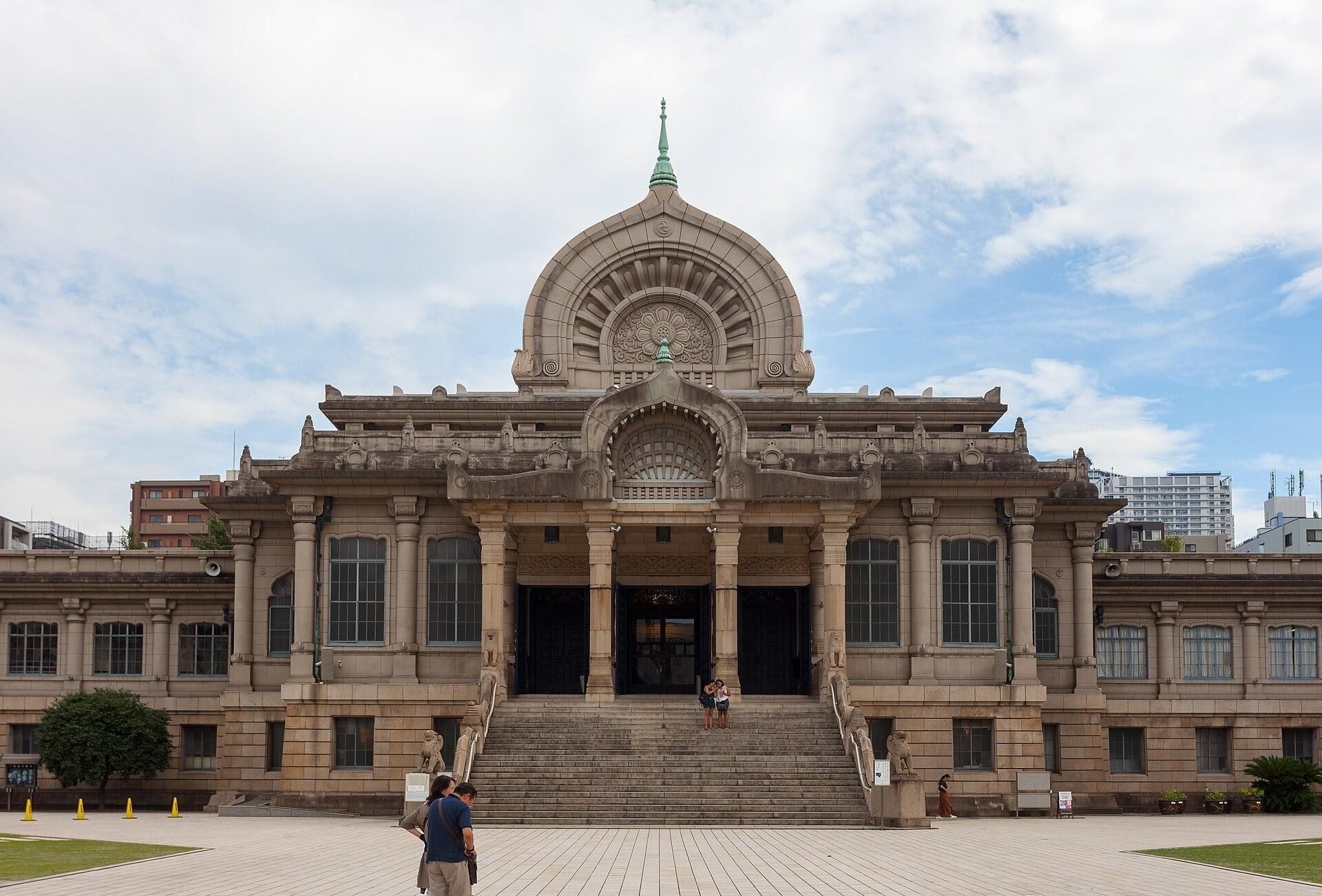
Tsukiji Hongwanji: A Temple in India's Style
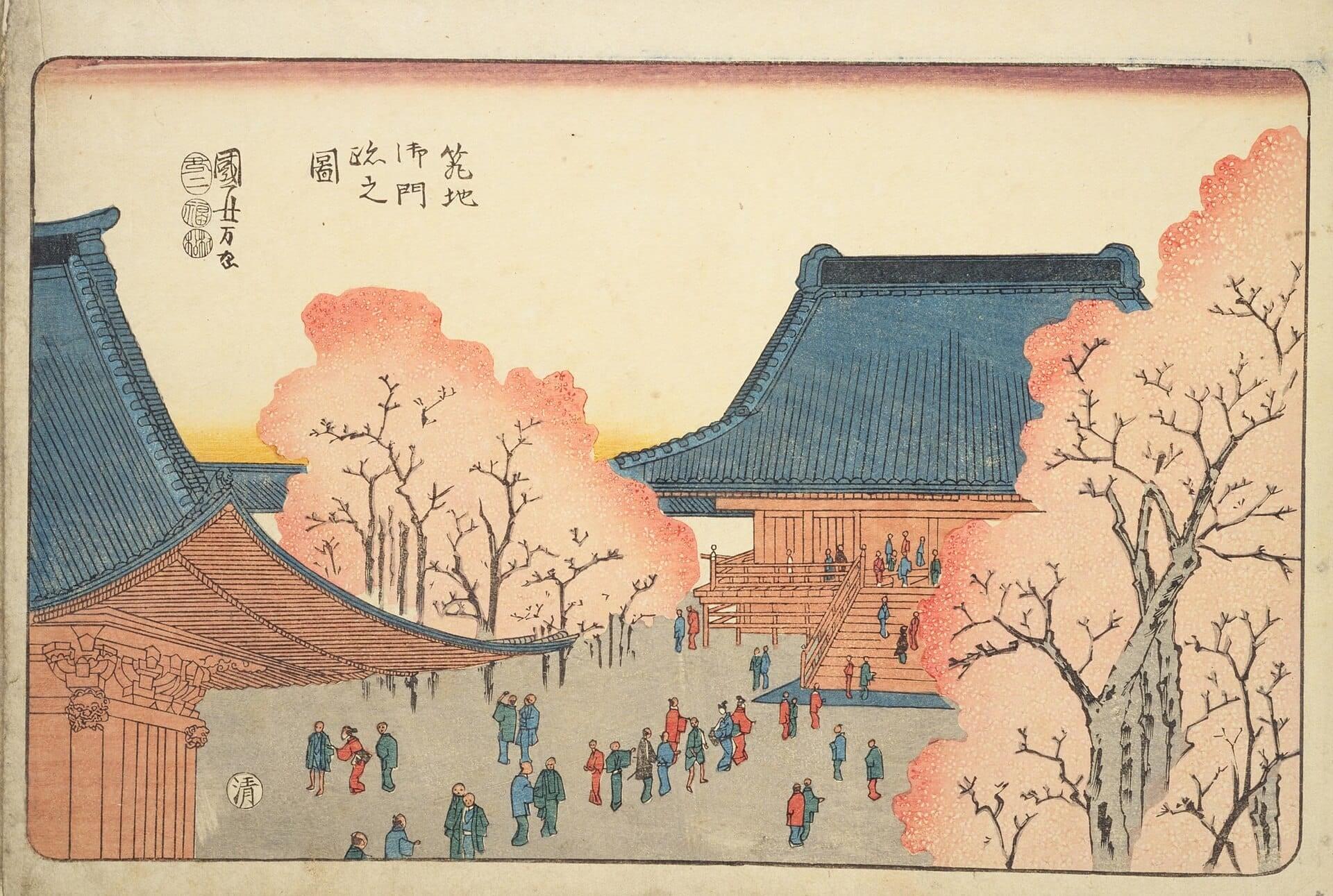
A Buddhist temple built in the style of India. Rebuilt in concrete in 1934 after the 1923 earthquake fire, on land its followers filled from the sea after 1657.
- 2
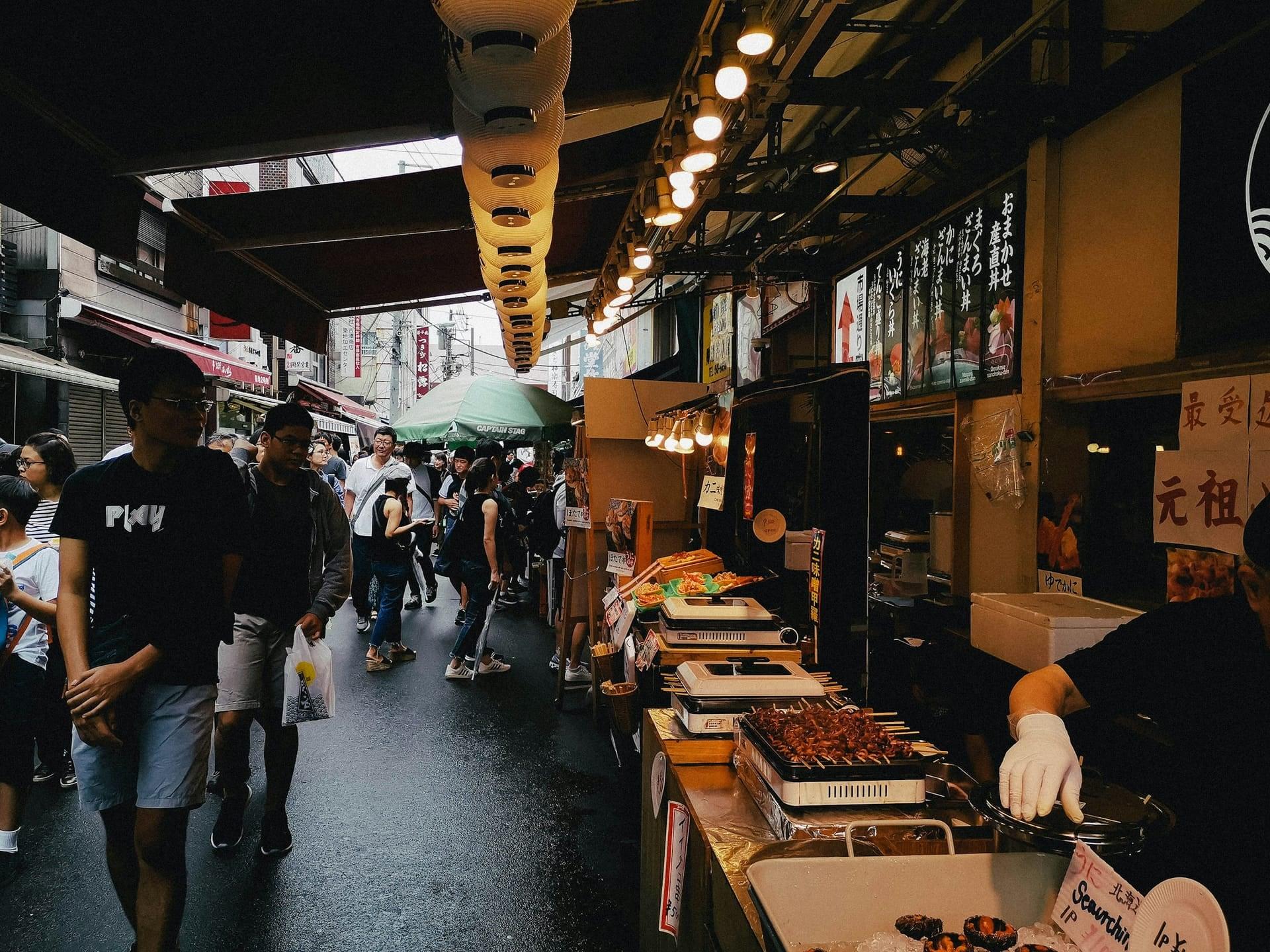
Tsukiji Outer Market: The Market Tokyo Kept
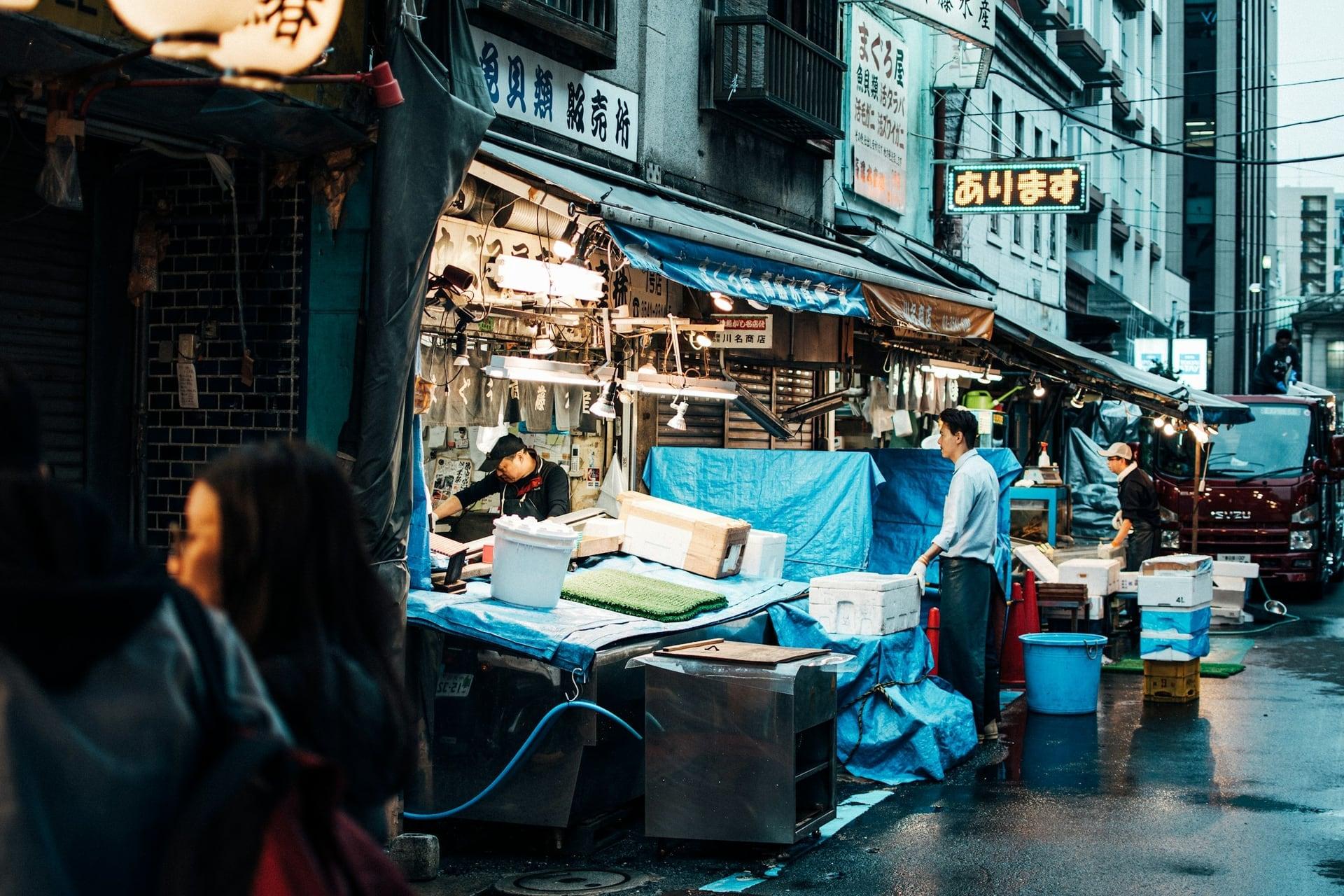
The shops that stayed when the fish market left. A town of stalls that grew after 1935 on the temple's old graveyard, still trading every market morning.
- 3
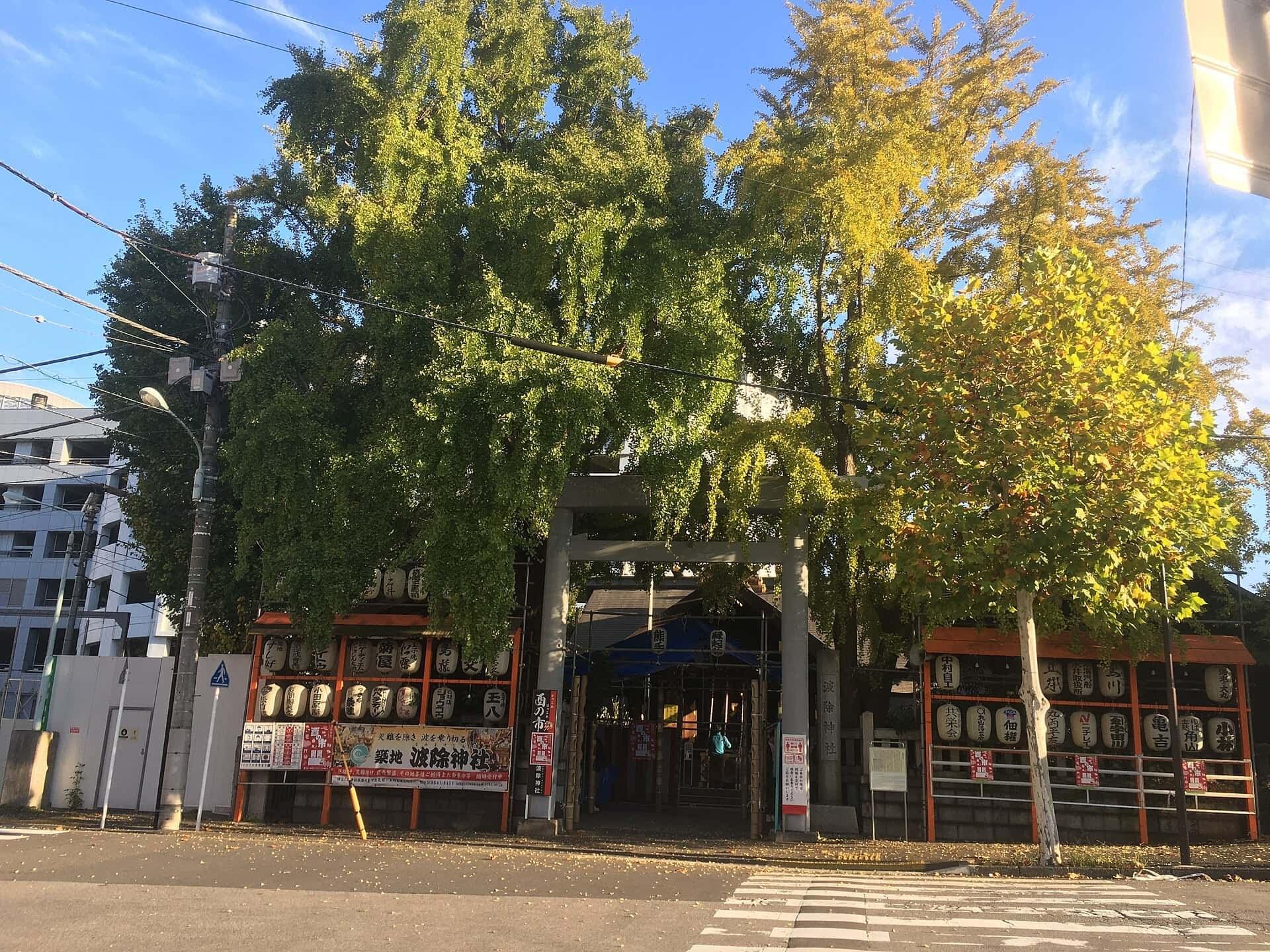
Namiyoke Inari: The Shrine of the Waves
The shrine said to have calmed the sea in 1659. Its name means protection from waves, and the market's trades still set up memorial stones inside.
- 4
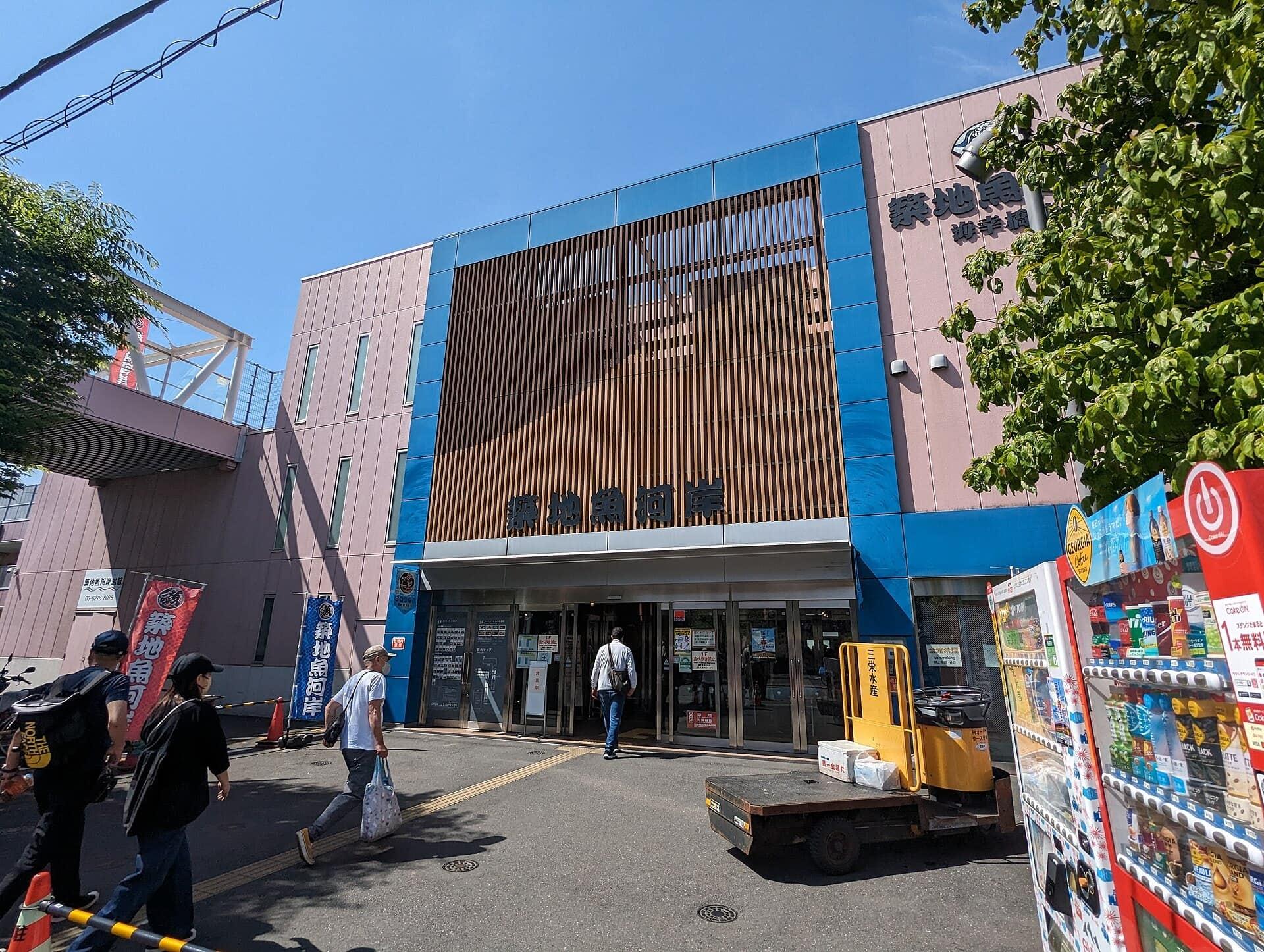
Tsukiji Uogashi: Where the Trade Still Buys
The ward's market for the trade that stayed. About sixty wholesalers' shops in two buildings named after bridges over vanished canals.
- 5
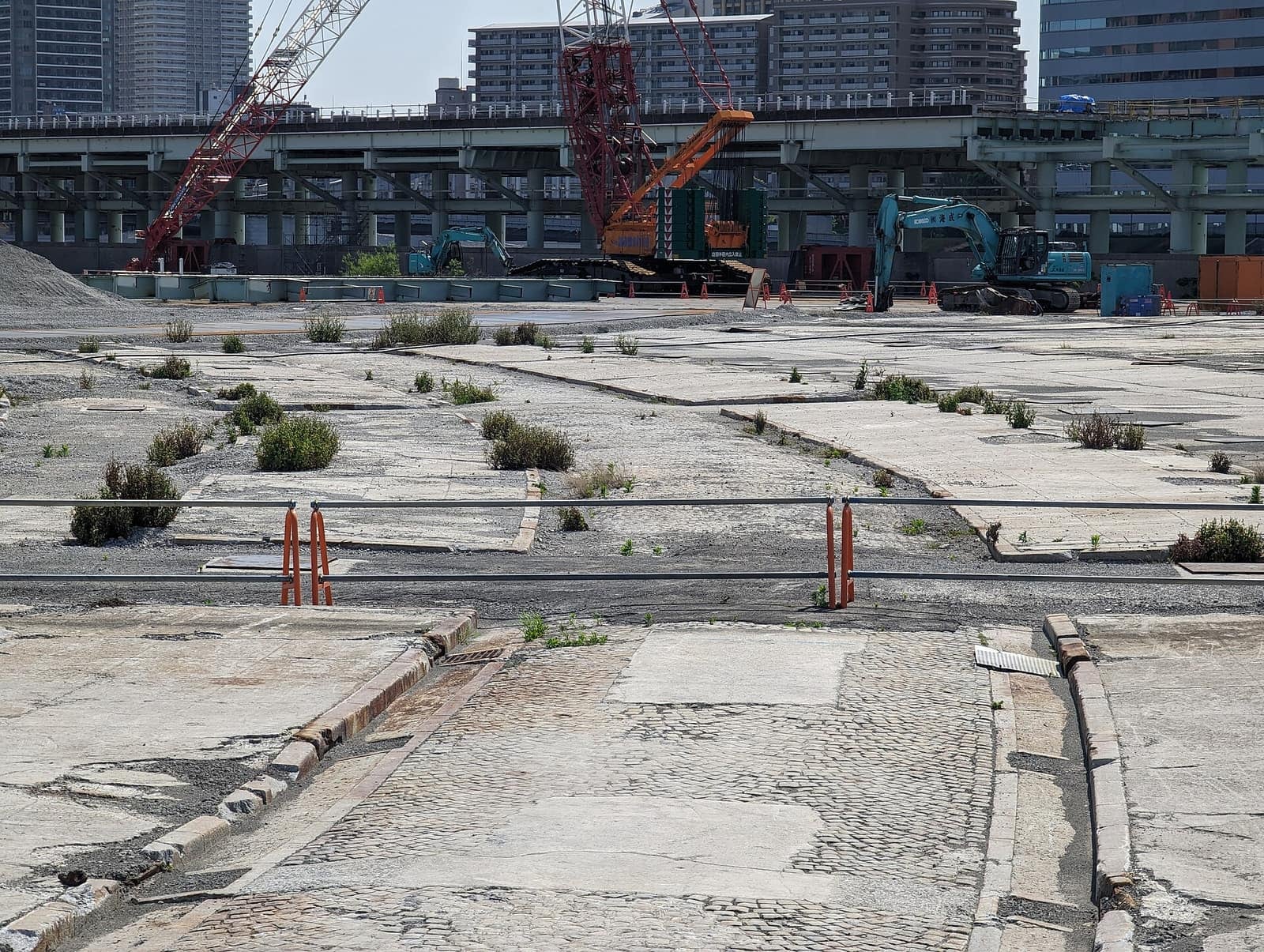
Old Inner Market Site: The Dig Under the Market
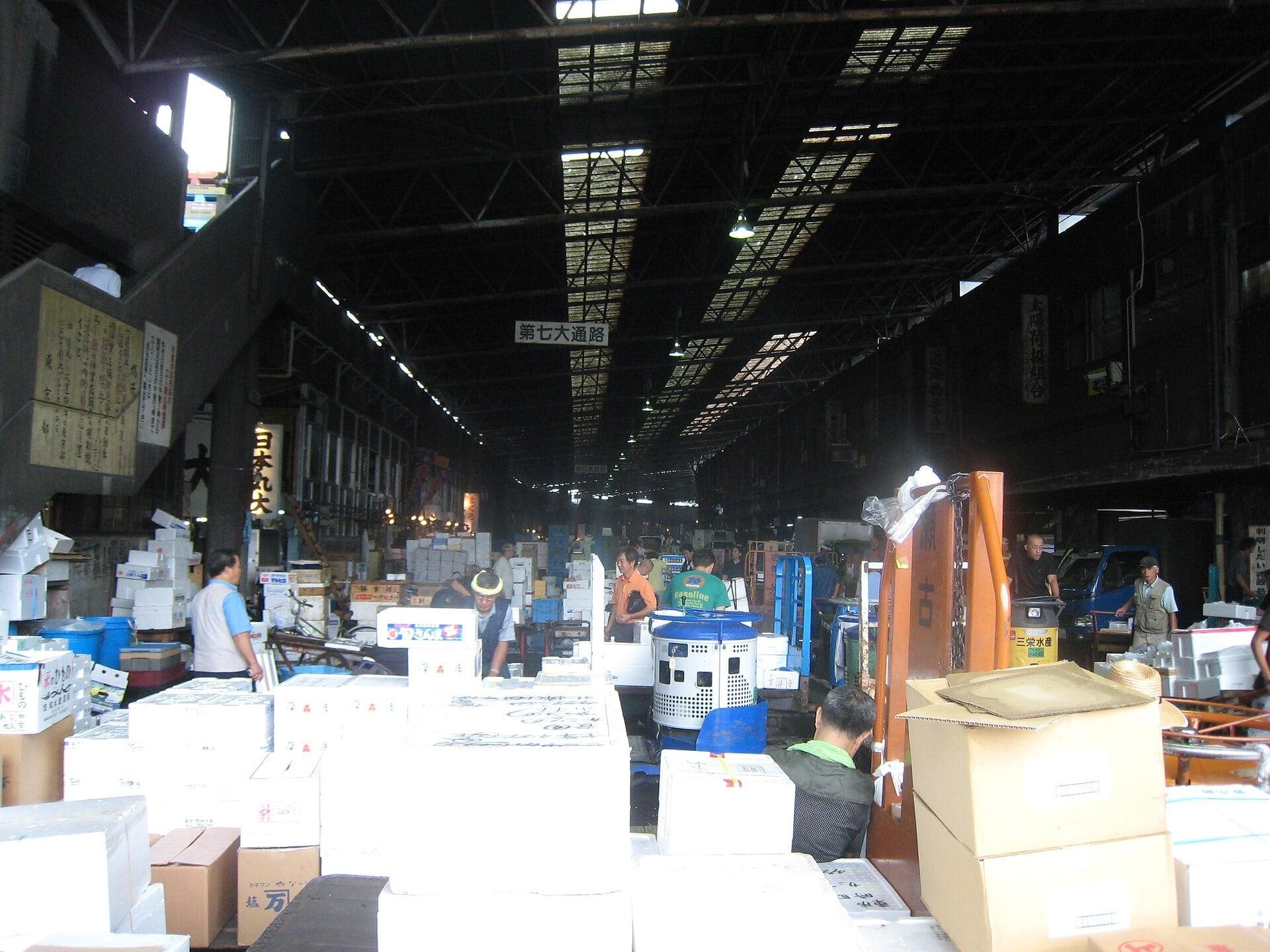
Where Tokyo's fish market stood from 1935 to 2018. Archaeologists now dig under the old market and have found the base of what is thought to be a Meiji-era navy furnace.
- 6
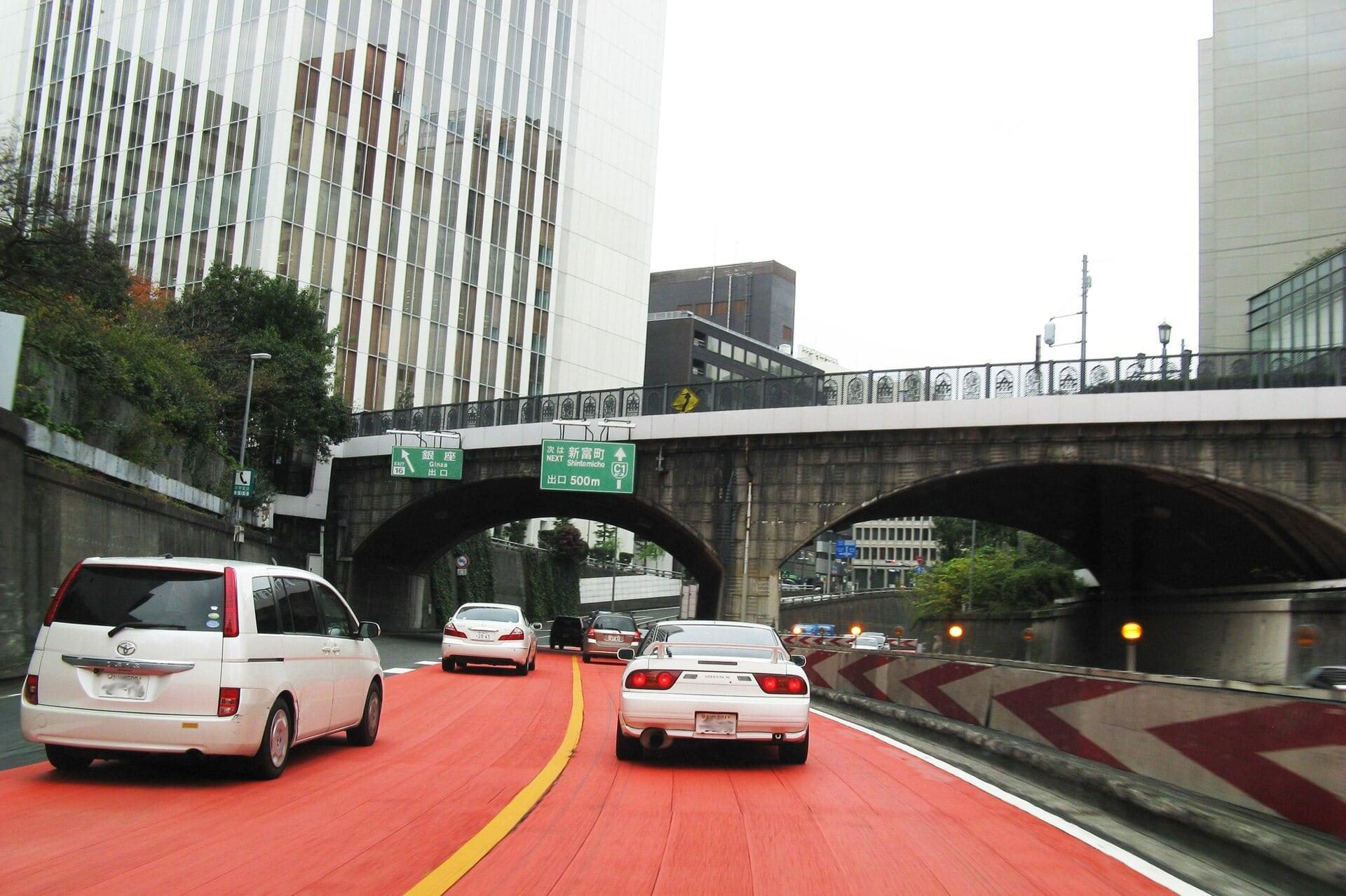
Tsukiji River and Uneme-bashi: A River of Cars
A river turned into an expressway in 1962. It became the Metropolitan Expressway's first route. The bridges kept their names and now cross traffic in a cutting where the water ran.
- 7
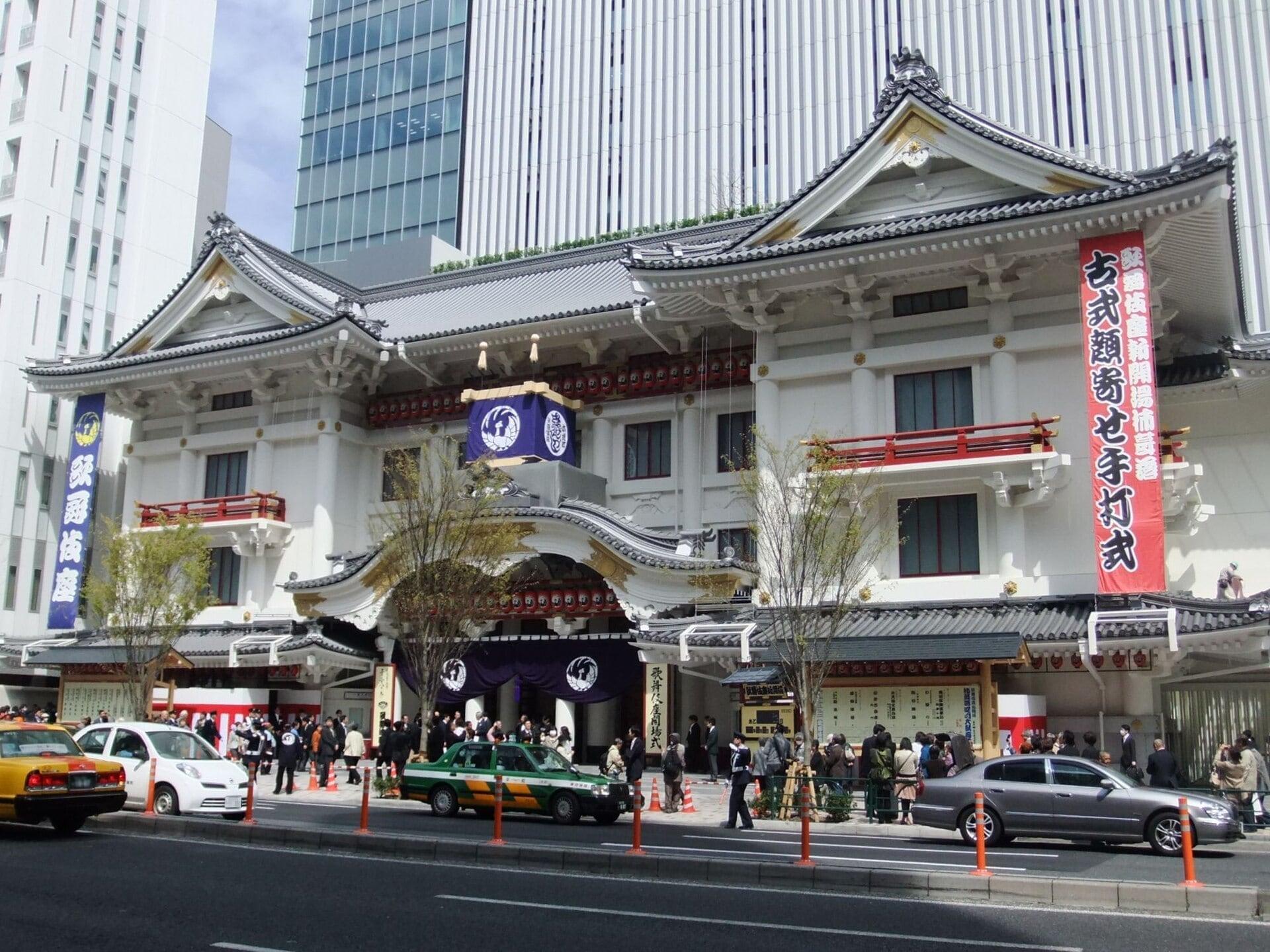
Kabuki-za: The Fifth Theater
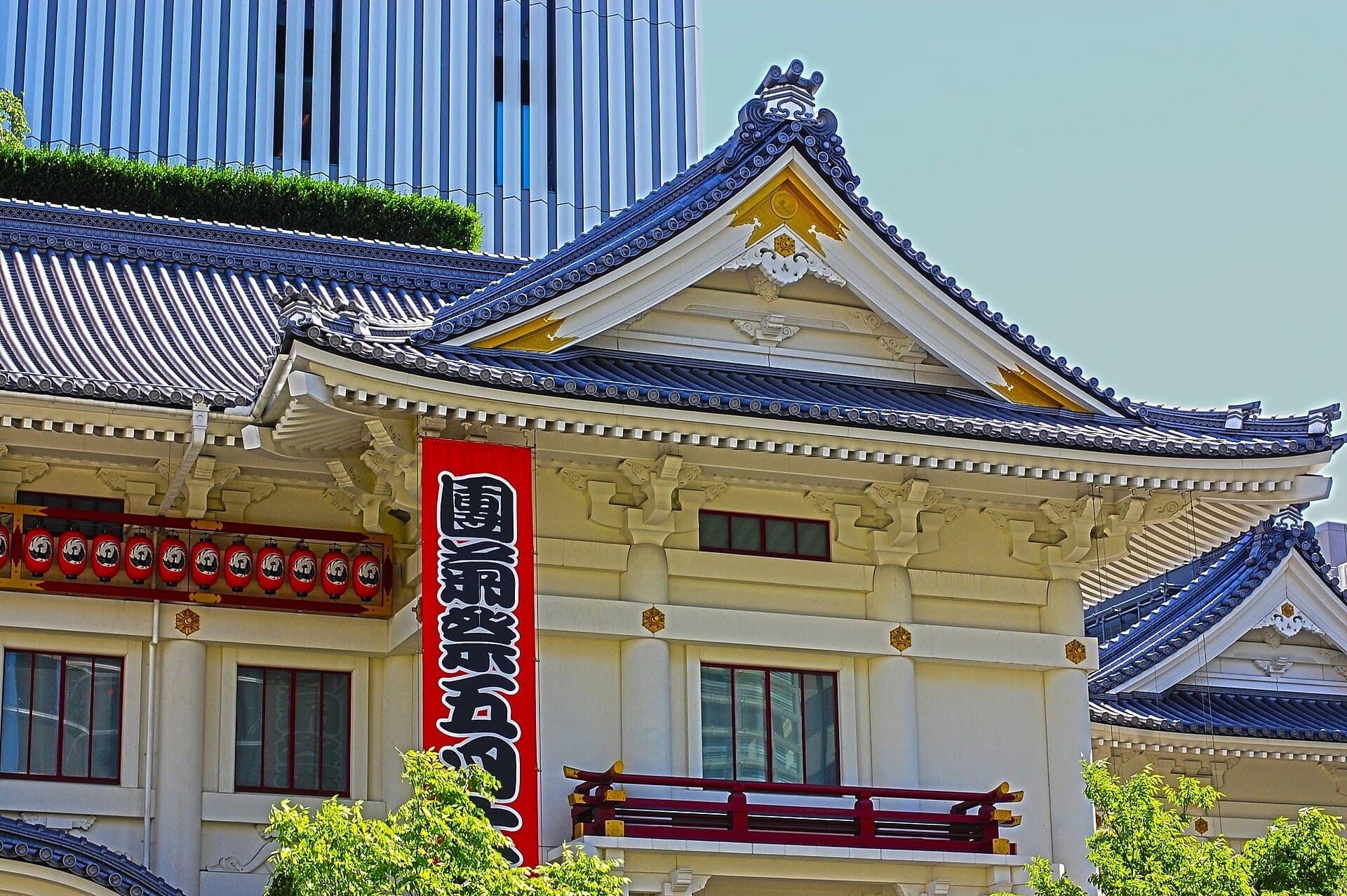
The kabuki theater rebuilt four times on one spot. Its 2013 front copies the curved gables of the old theaters, with a 29-storey tower behind.
- 8
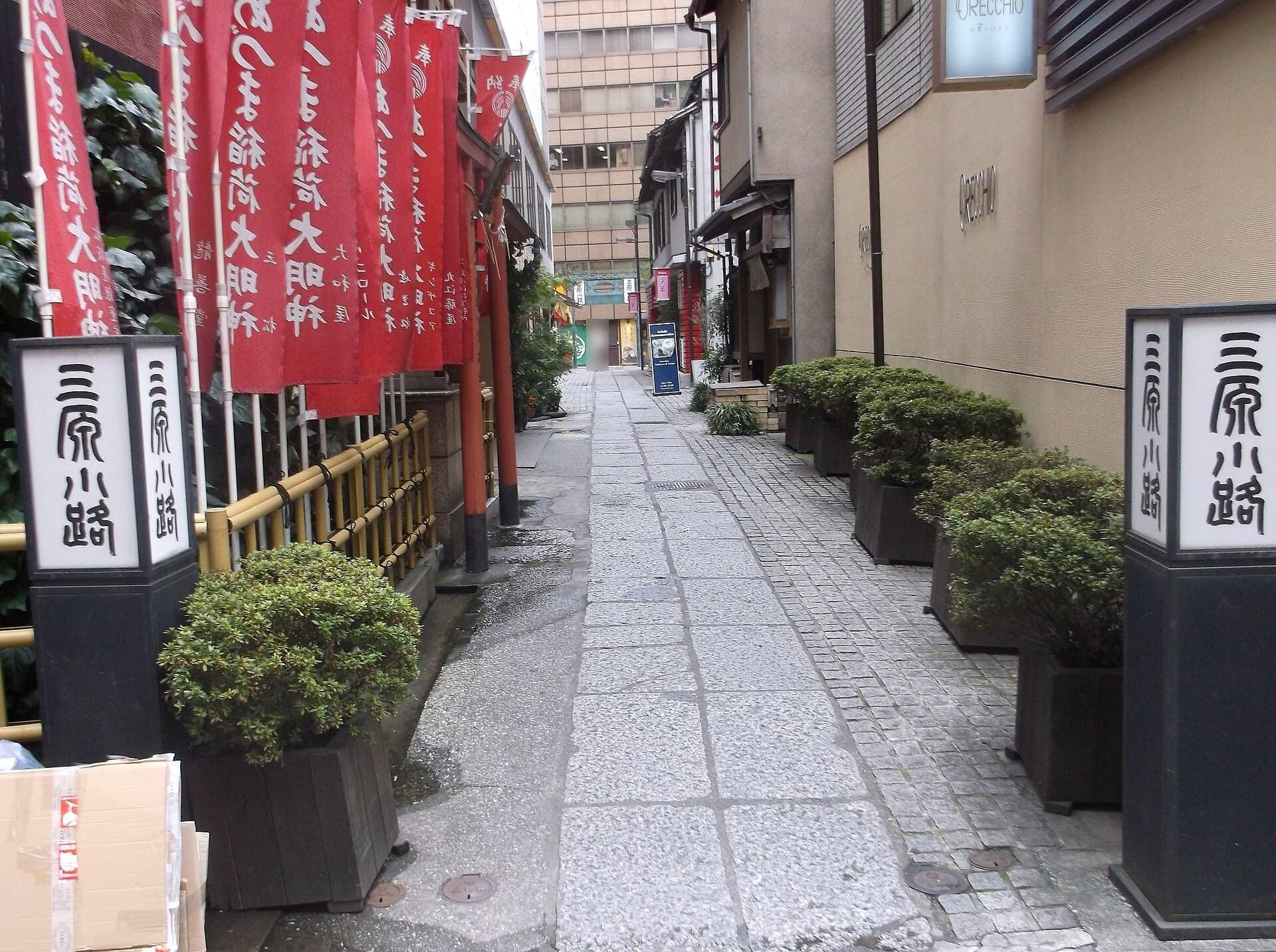
Mihara-koji: A Ginza Back Lane
A cobbled lane between Ginza's big blocks. A small street shrine stands along it, in a district bombed in January 1945.
- 9
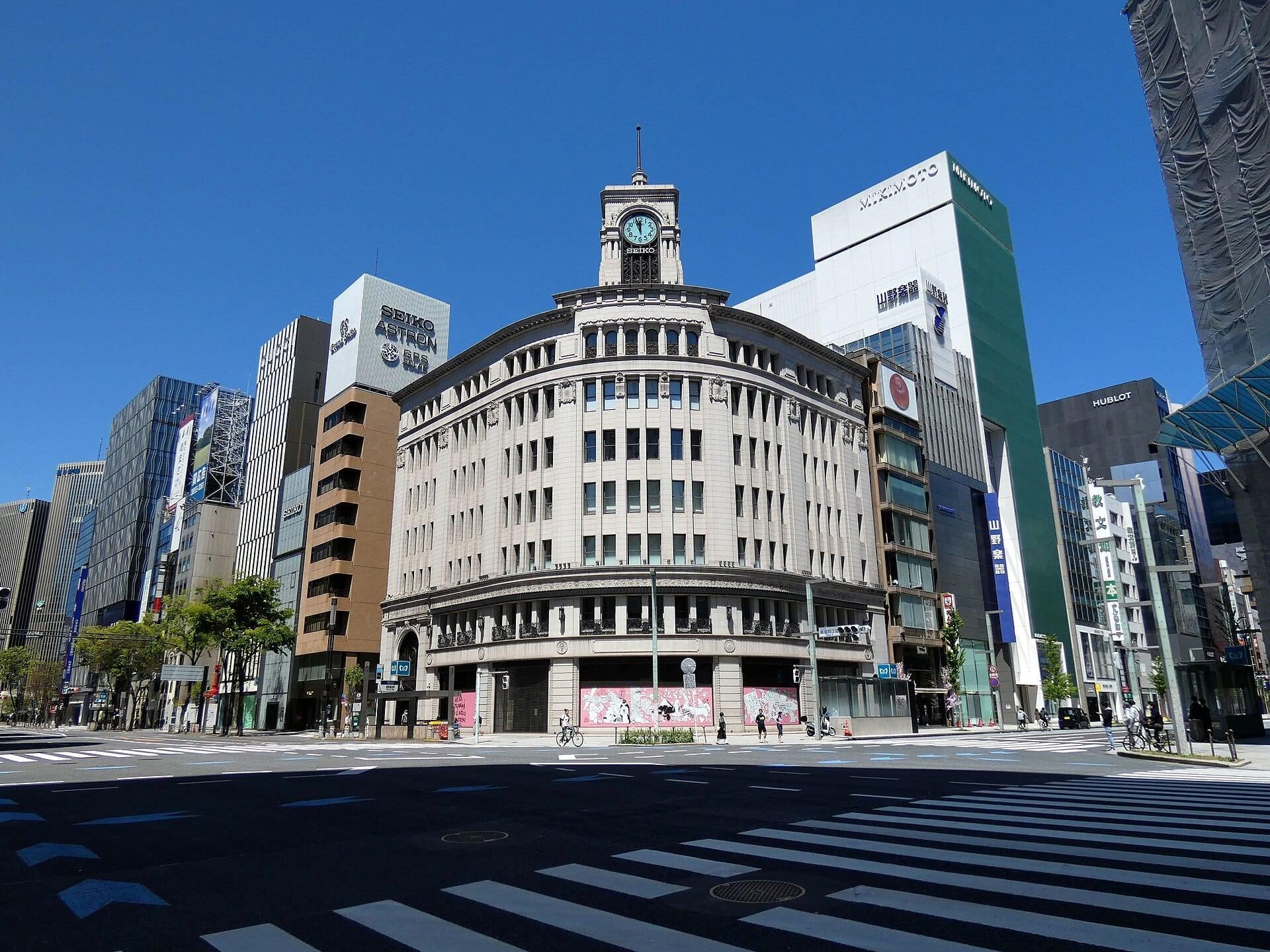
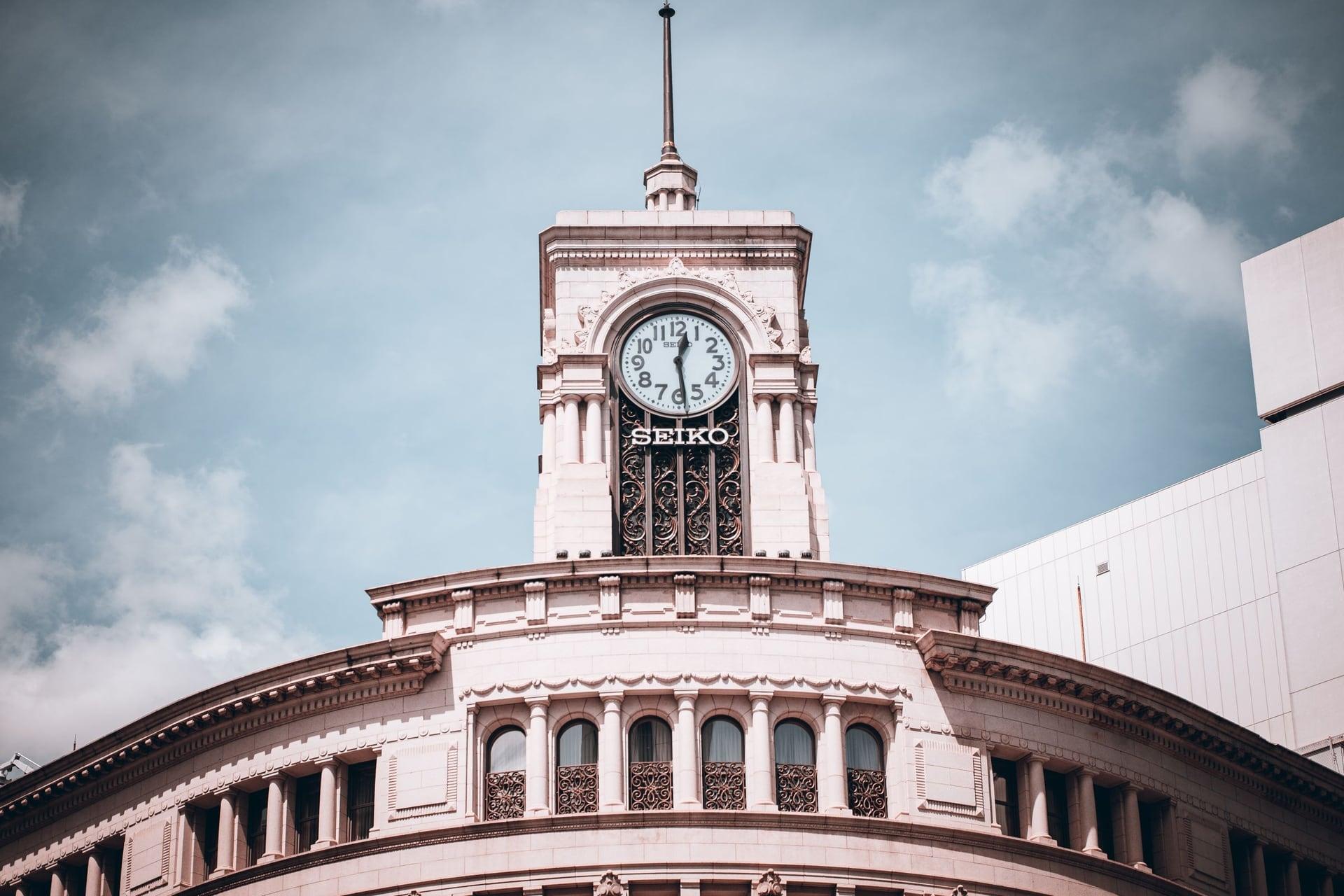
Ginza 4-chome Crossing: The Wako Clock Tower
Ginza's main crossing and its 1932 clock tower. Designed by Watanabe Jin in granite, still called Wako, at the meeting of Chuo-dori and Harumi-dori.
- 10
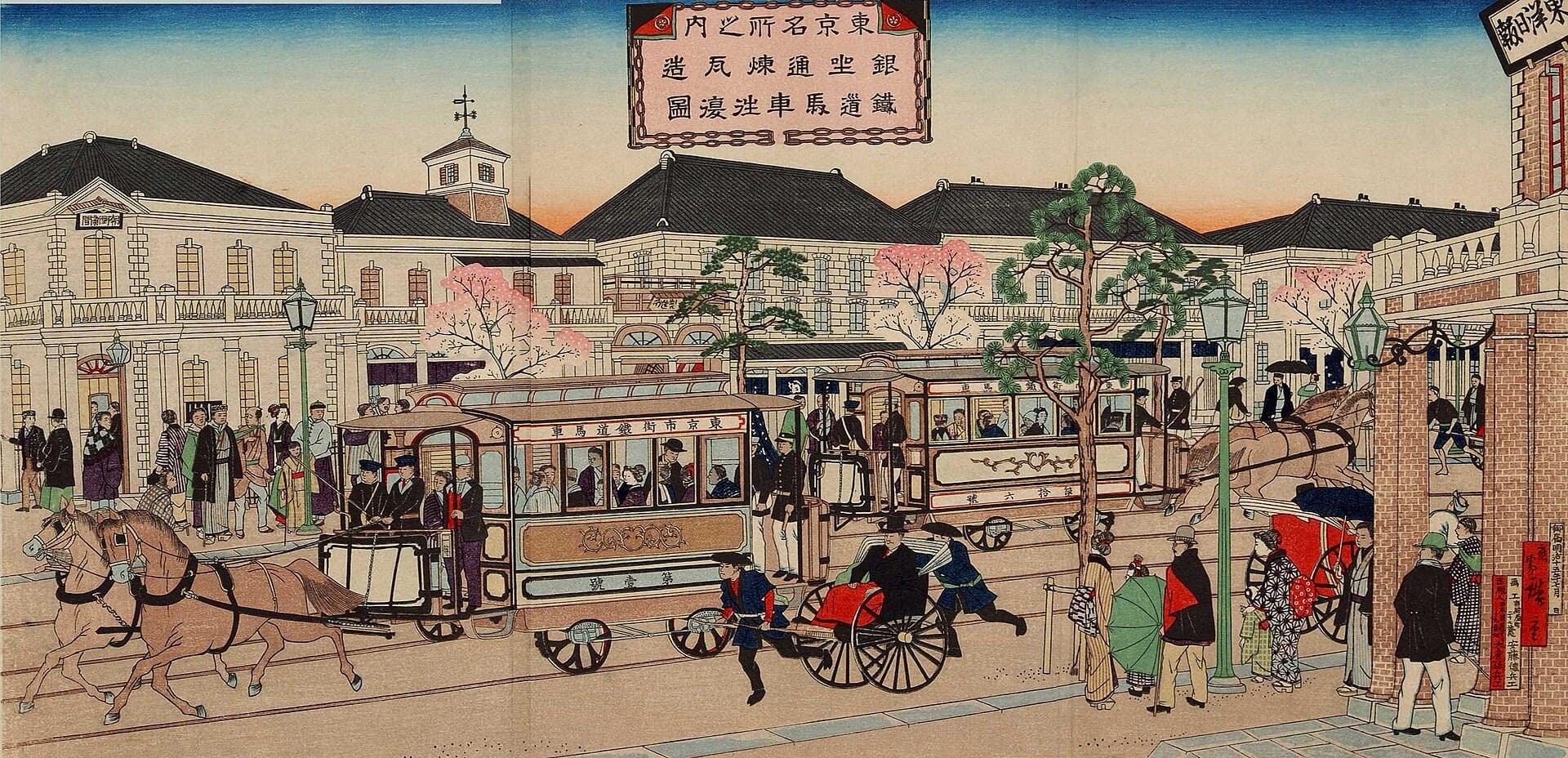
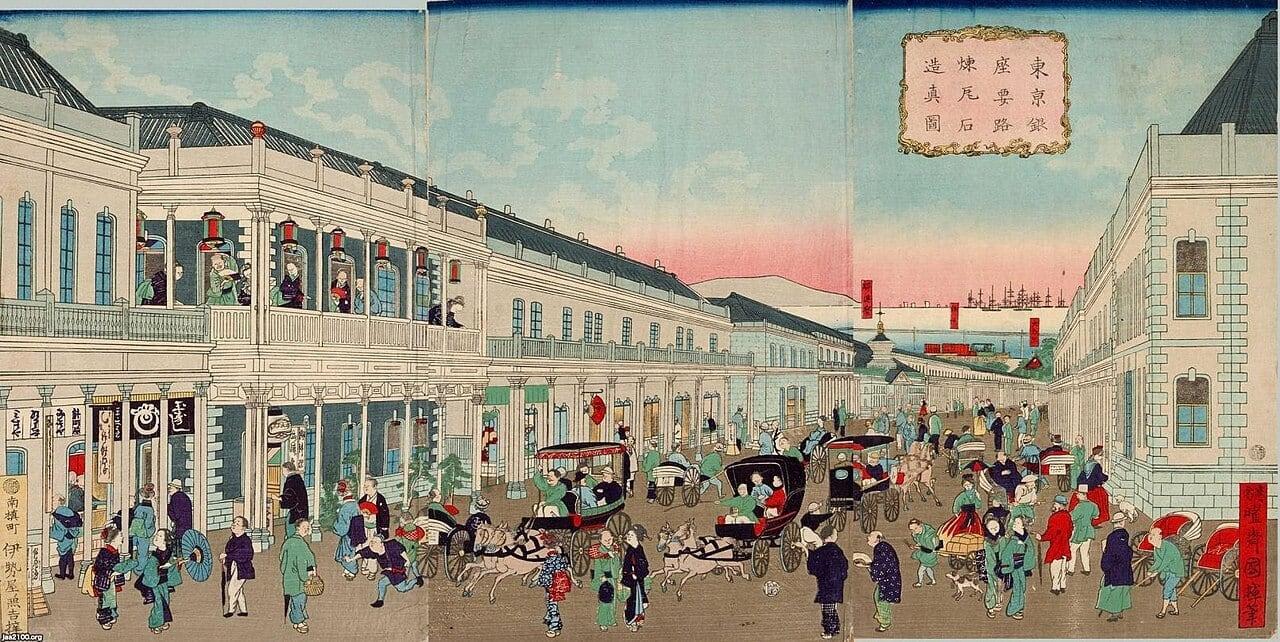
Renga-dori and Hodo Inari: The Brick Town's Name
A street name that remembers Ginza's brick town. Built after the fire of 1872 as a showpiece of the West, its bricks are gone and the name stays.
- 11
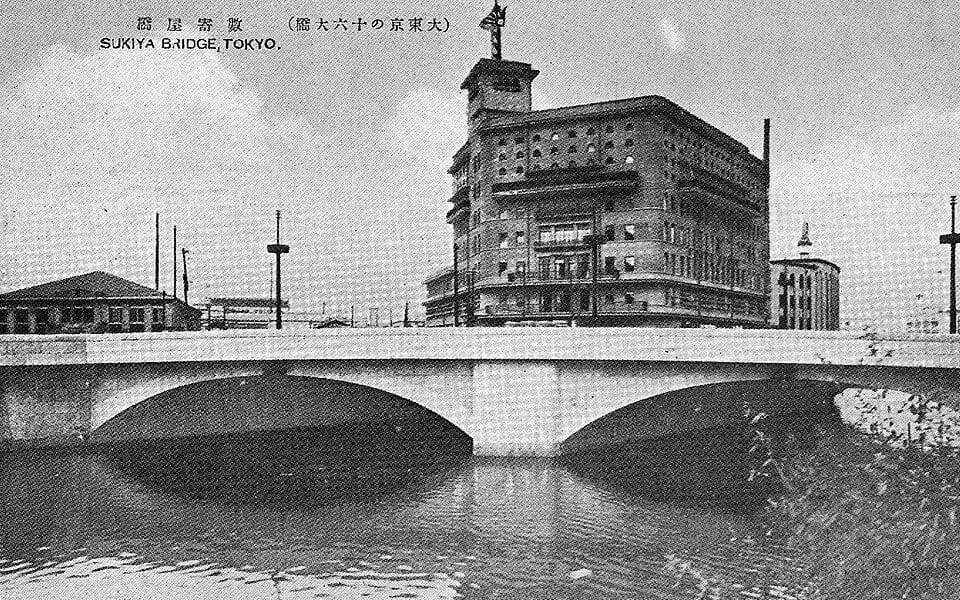
Sukiyabashi: The Bridge Without a Moat
The walk ends where Edo Castle's outer moat ran. The bridge and the water are gone, the name stays, and the Imperial Palace is a short walk on.
Details
Best Time to Visit
A market morning, Monday to Saturday except market holidays: start at Tsukiji Hongwanji between about 9:00 and 10:30, so the outer market is open to the public (9:00 to 14:00) and you reach Ginza late in the morning. On a Saturday you also get Chuo-dori closed to cars from noon. Avoid Sundays, national holidays and the market's closed Wednesdays (in November 2026: the 1st, 3rd, 8th, 11th, 15th, 18th, 22nd, 23rd and 29th; calendar at tsukiji.or.jp) and late December, when the market asks sightseers to stay away. The street half of the walk works at any hour. Checked 8 November 2026.
Pro Tips
- •Getting to the start: Tokyo Metro Hibiya line to Tsukiji station; exit 1 connects directly to the temple. Alternatives about 5 minutes away: Yurakucho line Shintomicho exit 4, Toei Asakusa line Higashi-Ginza exit 5, Toei Oedo line Tsukijishijo exit A1. Checked 8 November 2026.
- •Getting away from the end: Ginza station (Ginza, Marunouchi and Hibiya lines) has exits around the Sukiyabashi crossing; JR Yurakucho is a few minutes up Harumi-dori by the viaducts. The Imperial Palace walk starts at Sakuradamon, about 15 minutes on foot past Hibiya Park, or one stop from Yurakucho on the Tokyo Metro Yurakucho line. Checked 8 November 2026.
- •Outer market hours: professional buyers have priority 6:00 to 9:00, general shoppers 9:00 to 14:00, and after 14:00 each shop opens at its own discretion. The market closes with the Tokyo Central Wholesale Market calendar, and each shop also sets its own days: check the calendar at tsukiji.or.jp. Checked 8 November 2026.
- •Eating: Tsukiji Uogashi's third-floor food court is open 7:00 to 19:00 (last order 18:00; provisional hours), and its roof is a free place to sit. No eating on its ground floor, and no eating while walking anywhere in the market. Checked 8 November 2026.
- •Kabuki-za's rooftop garden, on the fifth floor of the Kabuki-za Tower behind the theater, is free: take the tower's own lift on the Kobikicho side. Check its hours before you go. Checked 8 November 2026.
- •Tsukiji Hongwanji's main hall is open daily 6:00 to 16:00 and free; it holds lunchtime pipe-organ concerts on the last Friday of the month, and Café Tsumugi in the precinct serves breakfast 8:00 to 10:30. The temple offers no omikuji, goshuin or amulets. Checked 8 November 2026.
- •Chuo-dori through Ginza closes to traffic on Saturdays, Sundays and holidays, noon to 17:00 from October to March and noon to 18:00 from April to September, except in bad weather and at the year end (Metropolitan Police, page updated 12 December 2025). Checked 8 November 2026.
- •Kachidoki-bashi, the bridge at the far end of Harumi-dori, completed in 1940, is about five minutes on foot beyond Namiyoke Inari (stop 3) and not part of this walk.
- •Hodo Inari (stop 10) is about 30 meters up Ginza Renga-dori, down a narrow alley under 3 meters wide on the side away from Chuo-dori: go in single file and come back out the same way.
- •Ginza Sony Park, round the corner from the end across Sotobori-dori, reopened as a building on 26 January 2025, free at street level with a roof garden about 20 meters up. Check its hours before you go. Checked 8 November 2026.
Safety & Precautions
- •The outer market (stops 2 to 4) is a morning place: most stalls close by about 14:00, and it shuts on Sundays, holidays and some Wednesdays. On those days and afternoons the walk still works as a street walk, but the market stops are shuttered.
- •In late December the market association asks sightseers and groups to stay away, to leave the New Year shopping rush to its customers (see tsukiji.or.jp).
- •The zebra crossing on Namiyoke-dori by the shrine (stop 3), used there and back, has no signal: cars and delivery trucks do not always stop. Look both ways and wait for a gap.
- •The six big crossings, over Harumi-dori (twice), Shin-Ohashi-dori, Showa-dori at Miharabashi, Chuo-dori and Sotobori-dori, are all at signals: cross only with the light. The wait at Miharabashi can be long.
- •The market streets are pressed from about 9:00 to 13:00, with delivery traffic before 9:00. Keep out of shop entrances, keep groups small, put large bags in coin lockers, and do not eat while walking or touch the food.
- •Smoking while walking and dropping butts are banned in public places across Chuo City, which takes in all of this walk (no fine); smoke at the marked smoking spots.
- •The old inner market site (stop 5) is a closed archaeological dig behind hoardings (Tsukiji Machizukuri, notice of 5 November 2026). There is nothing to enter, and what shows above the hoardings may change.
- •The expressway in the old Tsukiji River (stop 6) is due for a major renewal, so works or hoardings may appear at its bridges.
- •Ginza's tall blocks (stops 8 to 11) weaken GPS: if a stop is slow to start, tap it on the map. Ginza 4-chome is crowded on weekend afternoons.
Travel advisory: Exercise Normal Precautions (Level 1).
Gallery
Related Reading
Go deeper on what you'll see, hear, and walk through.
Overview
One Day in Tokyo: A Walkable Itinerary Across Three Faces (2026)
6 min
Overview
Tokyo Travel Guide: How Many Days, Getting Around, When to Go (2026)
5 min
Thematic
Best Culture Walking Tours in Tokyo (2026)
2 min
Thematic
What to Eat in Tokyo: A Food Guide (2026)
4 min
Companion
Edo Castle, Gate by Gate: How the Shogun's Fortress Became a Garden Anyone Can Walk Into
6 min
Companion
Tsukiji and Ginza: Built Land, Rebuilt City, and the Names That Outlived the Things
6 min
Read the walk
The full story of Tsukiji and Ginza: Built Land, Rebuilt City, in words. Prefer to listen? Play it narrated, from home or on location.
Introduction
Tokyo, the capital of Japan, stands in part on ground that was once sea, and this walk begins on some of it. After a great fire in sixteen fifty-seven, a temple was given a stretch of shallow water, and its followers, fishermen, filled it in. The new ground was called Tsukiji: built land. After the earthquake of nineteen twenty-three, Tokyo's fish market moved here, and in twenty eighteen it moved on, leaving behind the town of shops that had grown around it. Beyond lies Ginza, rebuilt in brick after a fire in eighteen seventy-two, and rebuilt again after the earthquake of nineteen twenty-three and the bombing of nineteen forty-five.
Three architects shape what you will see. Ito Chuta, who gave a Buddhist temple the look of ancient India. Kuma Kengo, who rebuilt the kabuki theater with its old face. And Watanabe Jin, who designed Ginza's clock tower.
The walk is eleven stops over about two kilometers, a mile and a quarter, and takes about seventy-five minutes. It is flat, with no steps. Cross the big roads only with the signal. The market is a morning place: most stalls close by about two in the afternoon, and it shuts on Sundays, holidays and some Wednesdays. The walk ends at Sukiyabashi, on the Ginza side of Hibiya, a short walk from the Imperial Palace. When you arrive at Tsukiji Hongwanji, begin with stop one.
1. Tsukiji Hongwanji: A Temple in India's Style
Welcome to Tsukiji Hongwanji, where this walk begins. Stay on the pavement by the low stone fence and look across the open forecourt to the great pale hall.
It does not look like a Japanese temple, and that was the point. The hall you see was finished in nineteen thirty-four, designed by Ito Chuta, an architect and a historian of architecture. Chuo City's history says he chose not a traditional Japanese temple style but the style of India, where Buddhism was born. Look at the dome in the center, the two smaller towers on either side, and walls that look like carved stone.
They are not stone. The temple burned in the fire that followed the earthquake of nineteen twenty-three, so the new hall was built of reinforced concrete, with earthquakes and fire first in mind. In twenty fourteen the national government made it an Important Cultural Property, and the listing takes in the stone fence beside you, a low wall of Oya stone.
Now the ground under your feet. The temple first stood elsewhere in the city and burned in the great fire of sixteen fifty-seven. In exchange it was given a stretch of shallow sea. Its own followers from Tsukuda island, fishermen, filled that water in, and a temporary hall stood here by the next year. That, Chuo City says, is where the name comes from: Tsukiji means built land. Everything on this walk stands on made ground.
If the gate is open, step into the forecourt. This is a working temple, with services every day, so keep your voice low near the hall. At the front of the hall, look for a winged lion. The temple's own guide says thirteen kinds of animals are hidden around the building, and that why each one sits where it does is still a mystery.
Follow the route along the temple's fence, and cross Harumi-dori at the junction with the signal.
2. Tsukiji Outer Market: The Market Tokyo Kept
Walk on along the market's street front to the mouth of the next lane running in among the stalls, and stop beside it, out of the way of shoppers.
This is the Tsukiji Outer Market, the part of the famous fish market that Tokyo kept. The story starts with the earthquake. In nineteen twenty-three the Great Kanto earthquake destroyed much of central Tokyo, including the old fish market at Nihonbashi. The fish market was moved here, to Tsukiji, and opened in nineteen thirty-five.
The same disaster had burned the temple you just left, and many of its graves were moved out of the city. Onto that ground came seafood traders, following the busy new market, and a town of shops grew up by itself. The market association repeats the old saying that went with it: trade on an old graveyard, and you will prosper. It grew to some five hundred shops. Look down the lane at the low shop houses. By the association's account, the owners keep the shop on the ground floor and usually live upstairs.
Fish were on this ground long before. In sixteen sixty-four, the record says, fish wholesalers from Nihonbashi paid the shogunate a hefty four thousand ryo and opened a town of their own in part of what is now the market.
In October twenty eighteen the wholesale market moved to Toyosu, across the water. The shops around it stayed. That is the outer market.
Its own rules are simple. Eat at the stall or where eating is allowed, not while walking. Ask before you photograph a shop. Don't touch the food. Before nine in the morning, the trade comes first. If the shutters are down, it is a market day off: the outer market closes with the wholesale market, on Sundays, holidays and some Wednesdays.
Follow the route along the market's front and down the next street, toward a shrine.
3. Namiyoke Inari: The Shrine of the Waves
Walk on down this street toward the trees and the torii of a shrine on the far corner. To reach the torii, cross on the zebra: cars and delivery trucks don't always stop here, so look both ways and wait for a gap. Then stop by the torii, at the corner, outside the shrine's fence.
This is Namiyoke Inari, the shrine of the built land. The shrine tells how, while Tsukiji was being filled in, the sea kept washing the new embankments away. Then one night a glowing object came floating on the water. It was a statue of the Inari deity. They enshrined it, the shrine says, and the wind and the waves fell still, and the land was finished. The shrine dates that to sixteen fifty-nine. Namiyoke means protection from waves, and today people come to ask it to ward off disaster and ride out the waves of their own lives.
The ground around it changed again and again. The market association lists what has stood on this corner since: townspeople's houses, a rice store, samurai mansions, the shogunate's military academy and naval school, a hotel, a navy arsenal. The shrine stayed through all of it. Its hall burned in nineteen twenty-three and was rebuilt in nineteen thirty-seven, in Japanese cypress.
If the gate is open, step in. In its own hall is a huge carved lion's head, two point four meters high and about a ton in weight, carved in nineteen ninety from Japanese juniper wood the shrine says is about three thousand years old. A female head, remade in two thousand two, has a small shrine of its own nearby. And around the grounds stand stones set up by the market's own trades: for sushi, for eggs, for shrimp, for monkfish, for seaweed, for clams.
Follow the route back over the zebra, with the same care, and along the market's main street.
4. Tsukiji Uogashi: Where the Trade Still Buys
Stop at the pavement edge beside the market lane here, not in it, and turn round to look back the way you came. The two low buildings you have just walked between, one on each side of the street, joined by the covered bridge you passed under, are Tsukiji Uogashi.
When the wholesale market left for Toyosu, not all of the professional trade went with it. Chuo City, the ward, built this market so that it could stay. In the ward's own words, it is here to carry Tsukiji's energy and bustle on into the future. About sixty shops inside are run by intermediate wholesalers, the middlemen of the fish trade.
It comes in two buildings, and both are named after bridges. Kaikobashi was a bridge of nineteen twenty-seven that joined the shrine you just left to the old wholesale market, its name chosen, the market association says, in hope of a thriving fish market and good catches. Odawarabashi remembers the fish wholesalers' town you heard about at the market's front. The water those bridges crossed is gone. Their names are on the buildings.
The ground floor is for buying, not eating. Before nine it is for the trade, and the public is asked to come after. Upstairs there is a food court, and the roof is a free place to sit. On market days off, it is closed.
Then turn back the way you were walking, follow the route to the end of this street, and cross the big road, Shin-Ohashi-dori, with the signal.
5. Old Inner Market Site: The Dig Under the Market
Cross Shin-Ohashi-dori with the signal, and on the far side stop on the pavement by the little park, just past the crossing. Then turn and look back across the road, beyond the crossing you came over. Over there, from nineteen thirty-five until October twenty eighteen, stood…
Full narration for this stop unlocks with the tour.
6. Tsukiji River and Uneme-bashi: A River of Cars
Walk on along the railings above the sunken road to the next bridge, Uneme-bashi, and stop at the railings just past its end. Look down into the cutting. This is the old bed of the Tsukiji River. The river was done away with, and in December nineteen sixty-two the first route…
Full narration for this stop unlocks with the tour.
7. Kabuki-za: The Fifth Theater
Walk on along this side of Harumi-dori until, across the wide road, a long white theater front with curved gables comes into full view, and stop there. This is the Kabuki-za, the theater of kabuki, Japan's classical stage drama, and it has been rebuilt four times on this spot.…
Full narration for this stop unlocks with the tour.
8. Mihara-koji: A Ginza Back Lane
Walk on down the side street to where a narrow cobbled lane opens off it, and stop at the lane's mouth, out of the way. This is Mihara-koji. Koji means a lane, and Ginza is threaded with them, running between the big blocks of the main streets: small restaurants and bars,…
Full narration for this stop unlocks with the tour.
9. Ginza 4-chome Crossing: The Wako Clock Tower
Walk on to the corner of the big crossing ahead and stop there, back from the curb and out of the flow. Diagonally across the crossing stands a building with a clock tower over its rounded corner. This is Ginza four-chome, where Ginza's two great streets meet: Chuo-dori, and…
Full narration for this stop unlocks with the tour.
10. Renga-dori and Hodo Inari: The Brick Town's Name
Stop here, just past the side street you have just crossed. Its name is Ginza Renga-dori, and renga is Japanese for brick. The name remembers a fire and a showpiece. In eighteen seventy-two a fire swept from where Otemachi is now through Ginza and Kyobashi, burning thirty-four…
Full narration for this stop unlocks with the tour.
11. Sukiyabashi: The Bridge Without a Moat
Here, beside the small park of trees, is where the walk ends. Stop at the park's corner, on the pavement, out of the crossing's flow. The name of this place is a bridge. Sukiyabashi was a bridge over the outer moat of Edo Castle, the shogun's castle that is now the Imperial…
Full narration for this stop unlocks with the tour.
- Namiyoke Inari Shrine (波除稲荷神社) — Nesnad, CC BY 4.0 · source
- I took this photo. — Hide1228, CC BY-SA 3.0 · source
- a photo of "Mihara Koji(street)".Ginza,Chuo-ku,Tokyo,Japan. — Kentin, CC BY-SA 4.0 · source
Images may be cropped or resized. Other photos via Unsplash and Pexels.