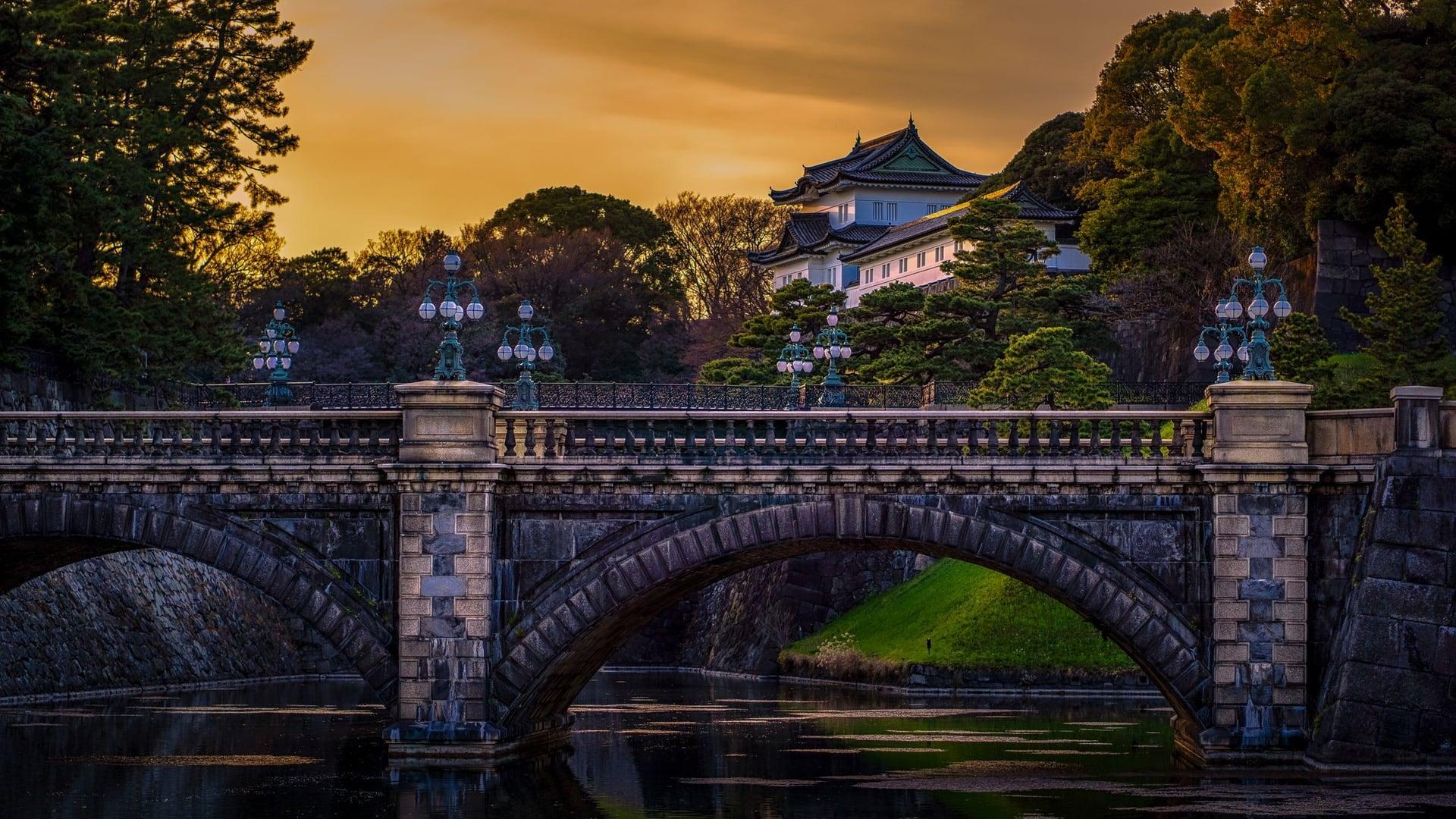
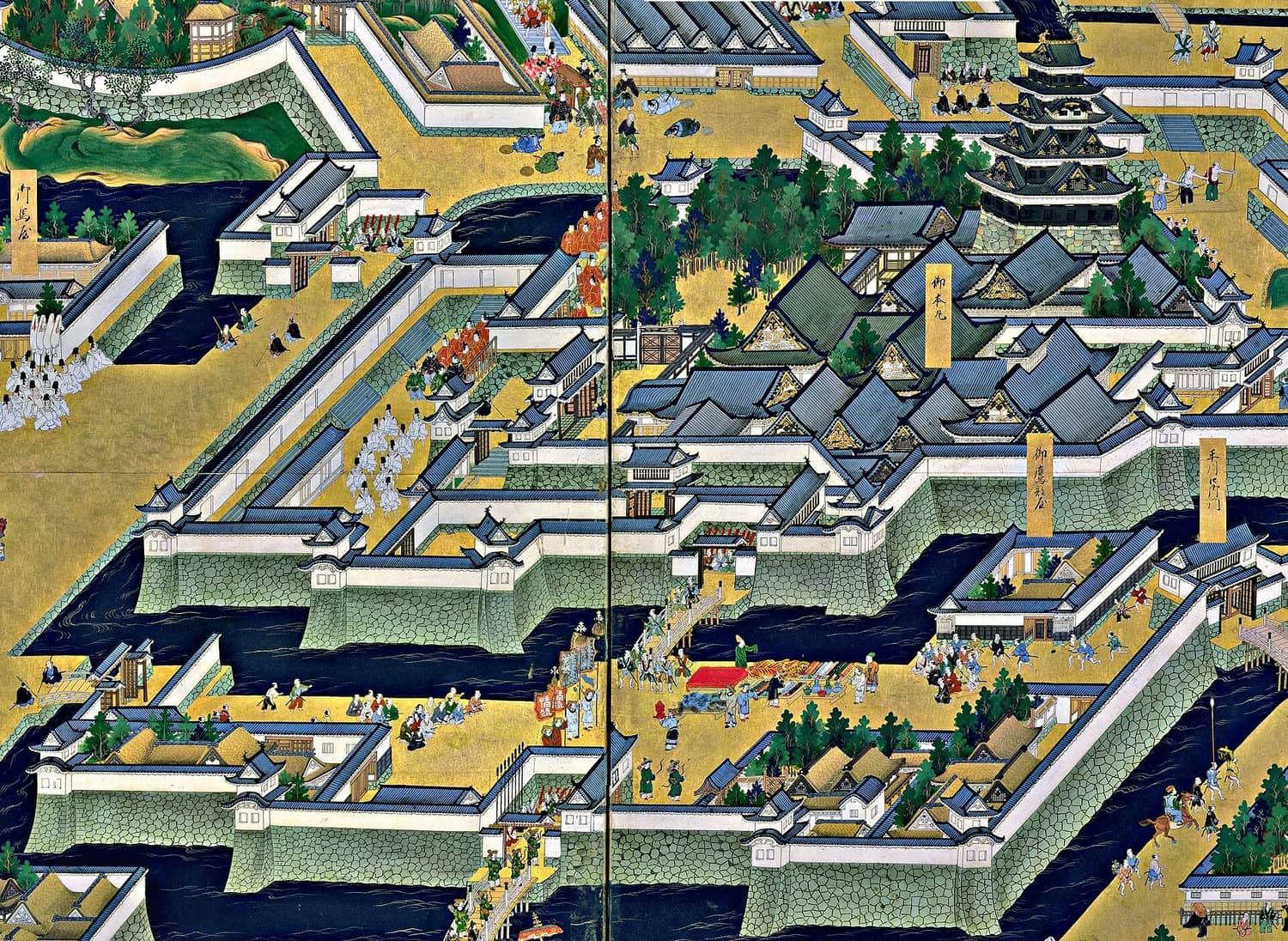
From Sakuradamon's box gate across the palace plaza to Nijubashi, the black pines and the castle towers, then in by Otemon to the East Gardens: the guardhouses, the keep base and the Ninomaru Garden.
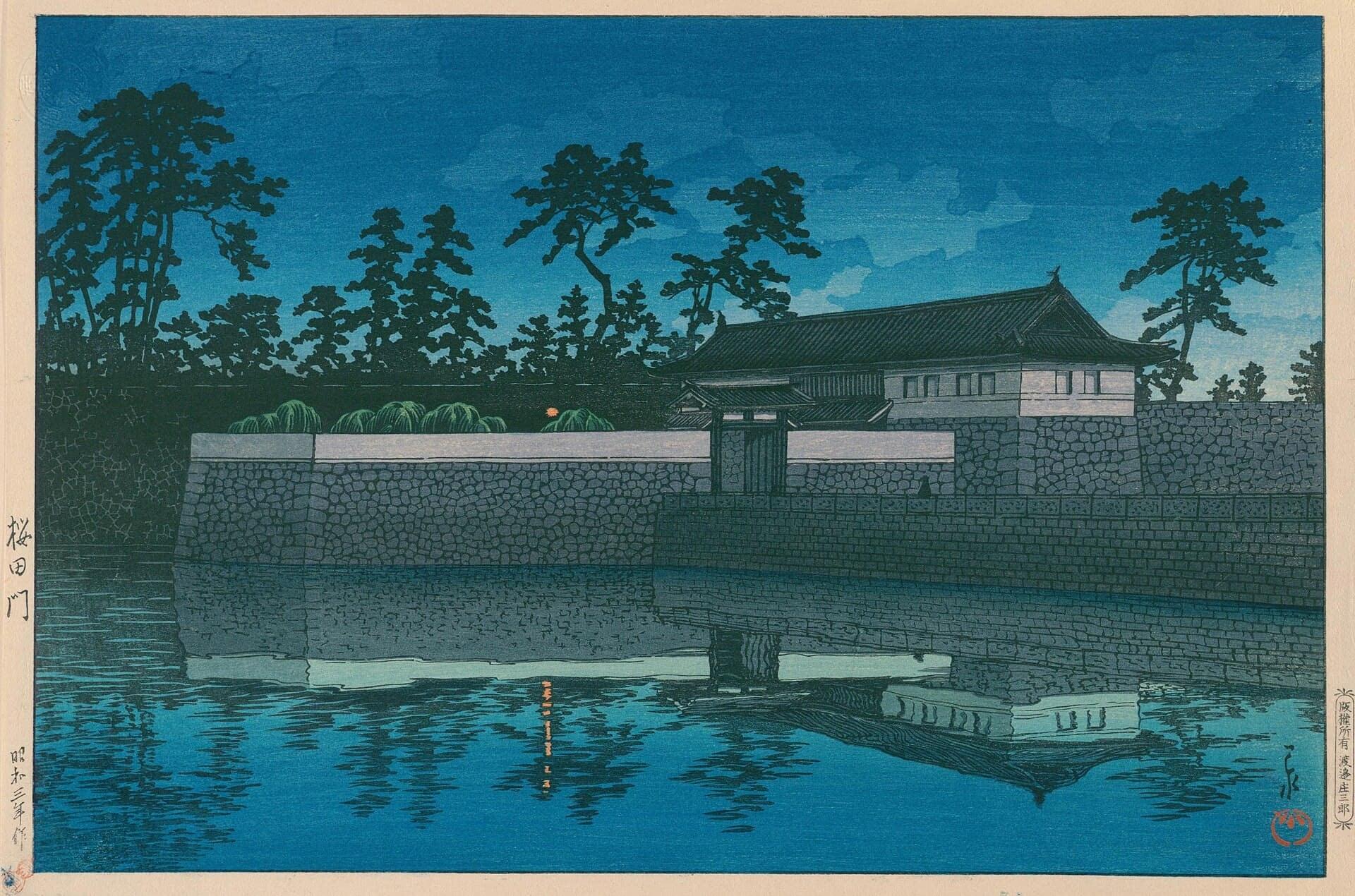
Start · Sakuradamon: The Box Gate
DirectionsStops
- 1
Sakuradamon: The Box Gate
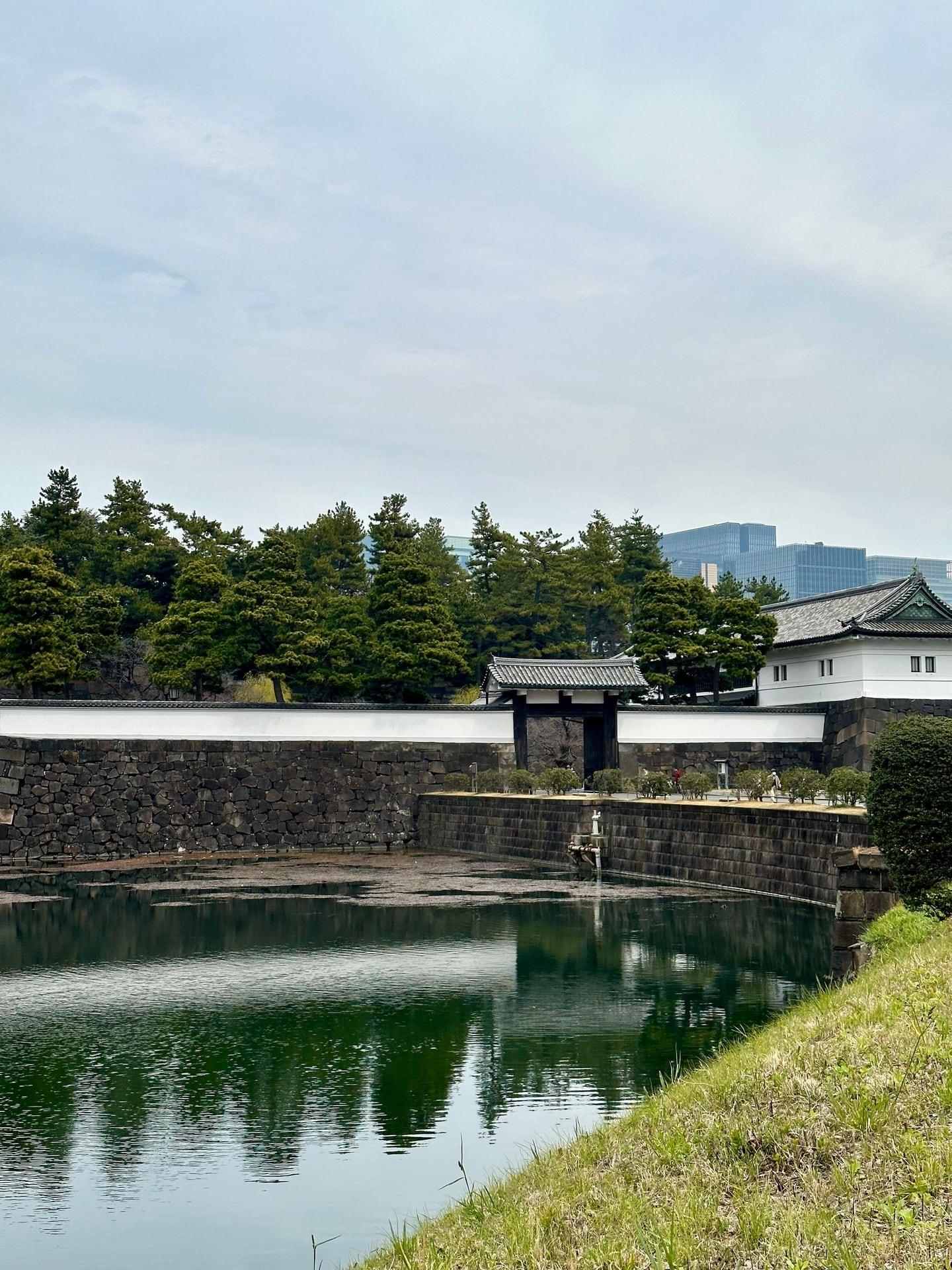
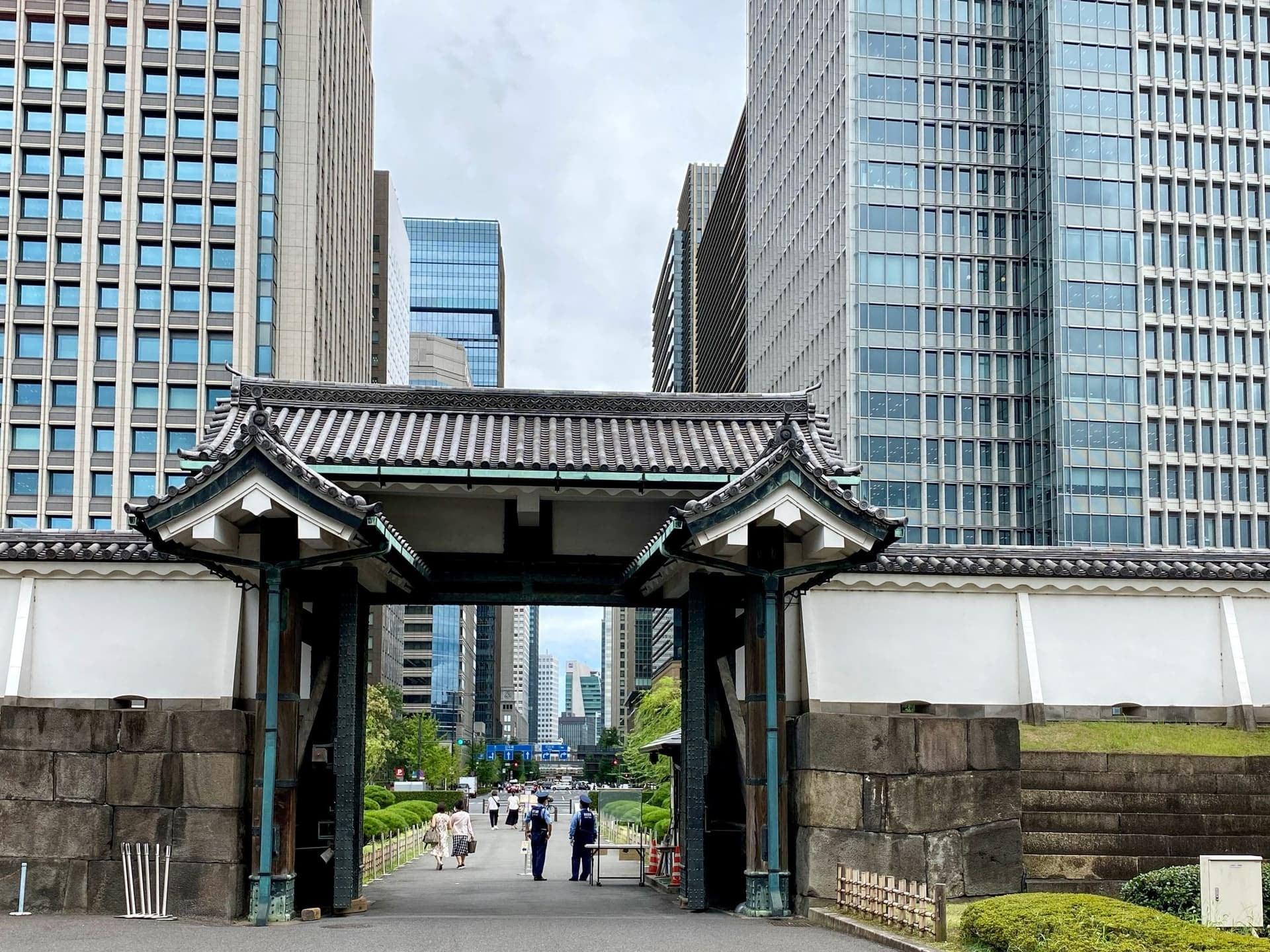
A gate built to make attackers turn. Sakuradamon's walled court, rebuilt after 1772 and strengthened inside after 1923, and the place of the 1860 attack outside it.
- 2
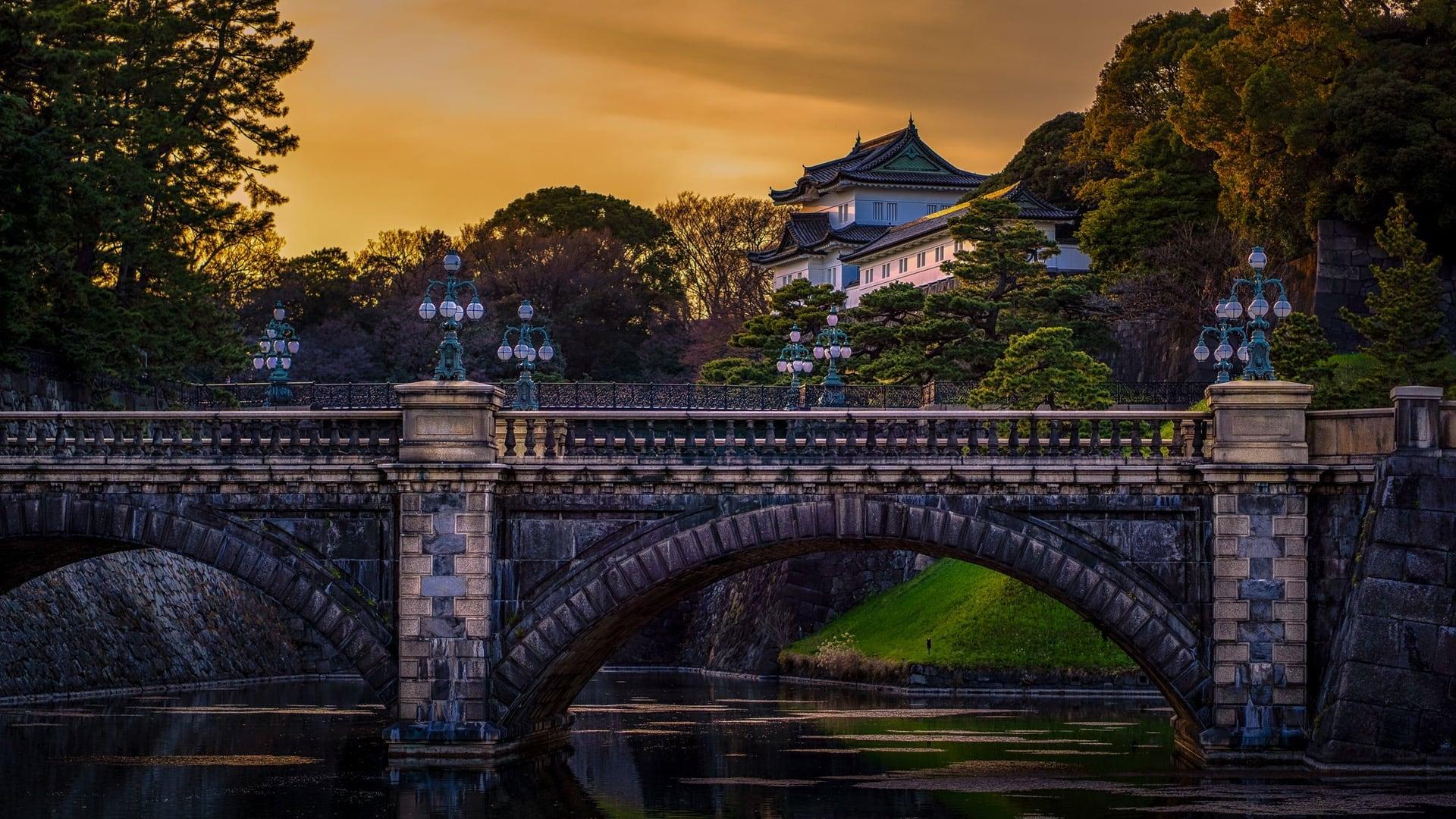
Nijubashi: The Bridge in Two Tiers
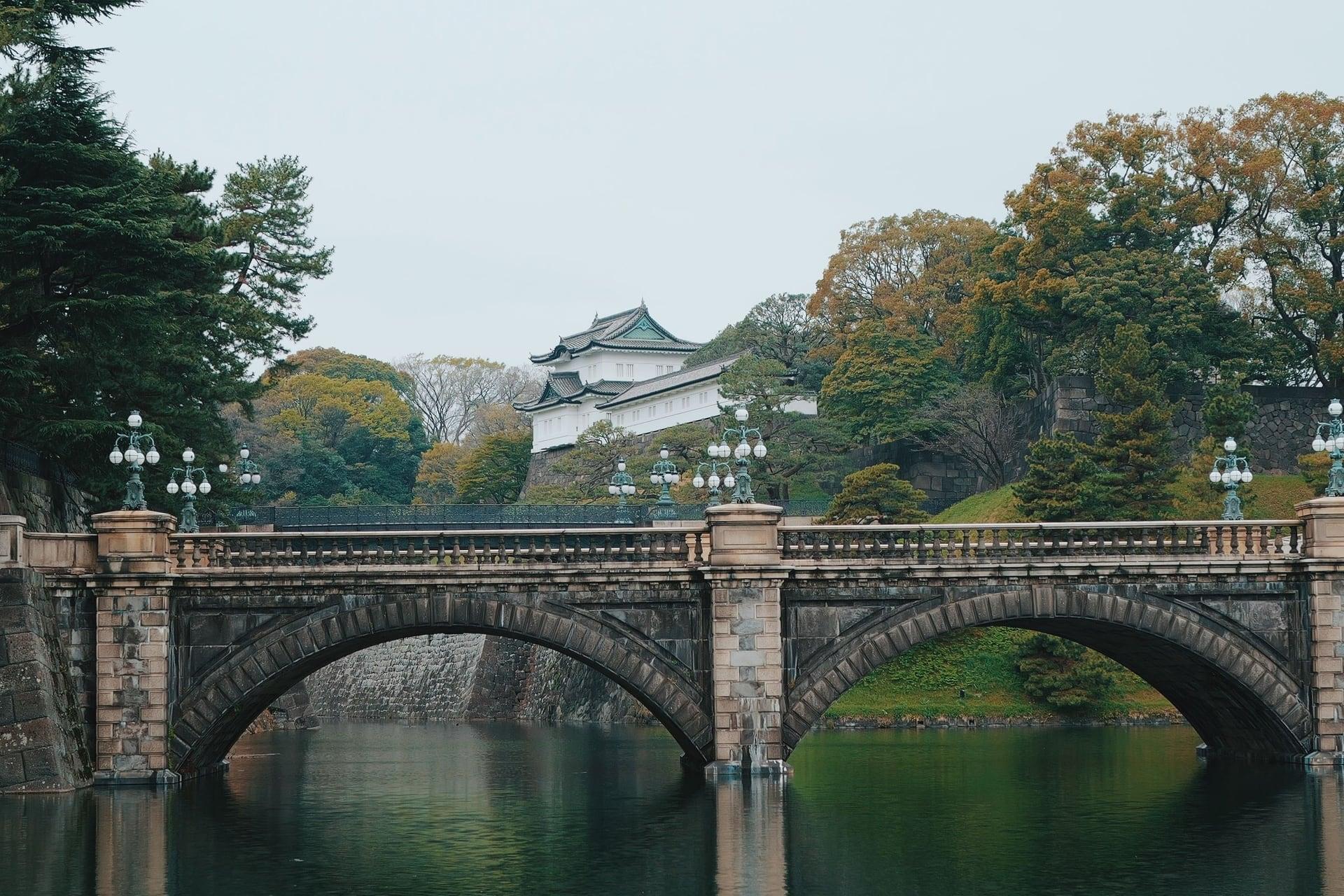
The palace's postcard view explained properly. Two bridges lead in to the palace, and only the far one is, strictly, Nijubashi.
- 3
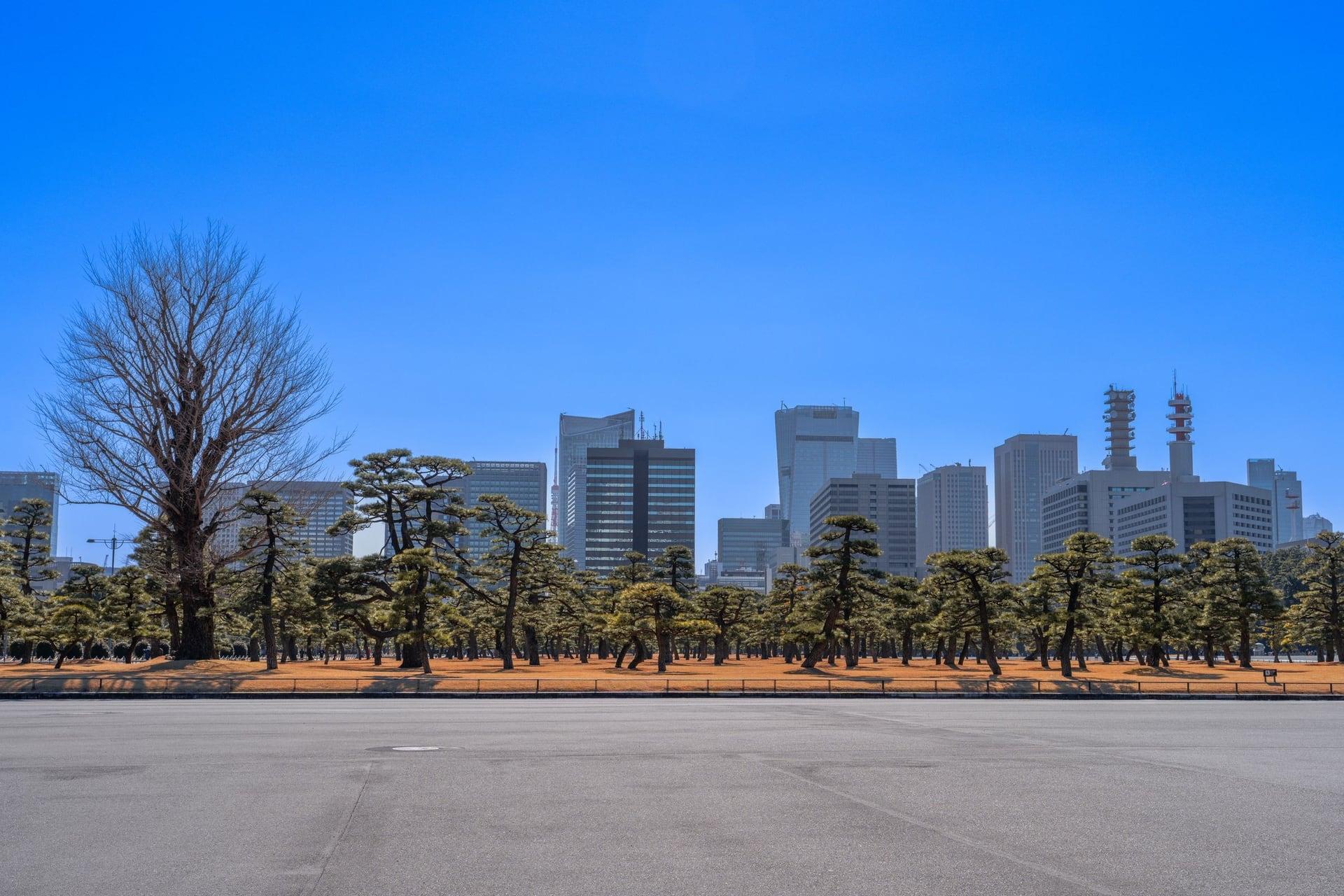
Black Pine Lawns: Where the Lords Lived
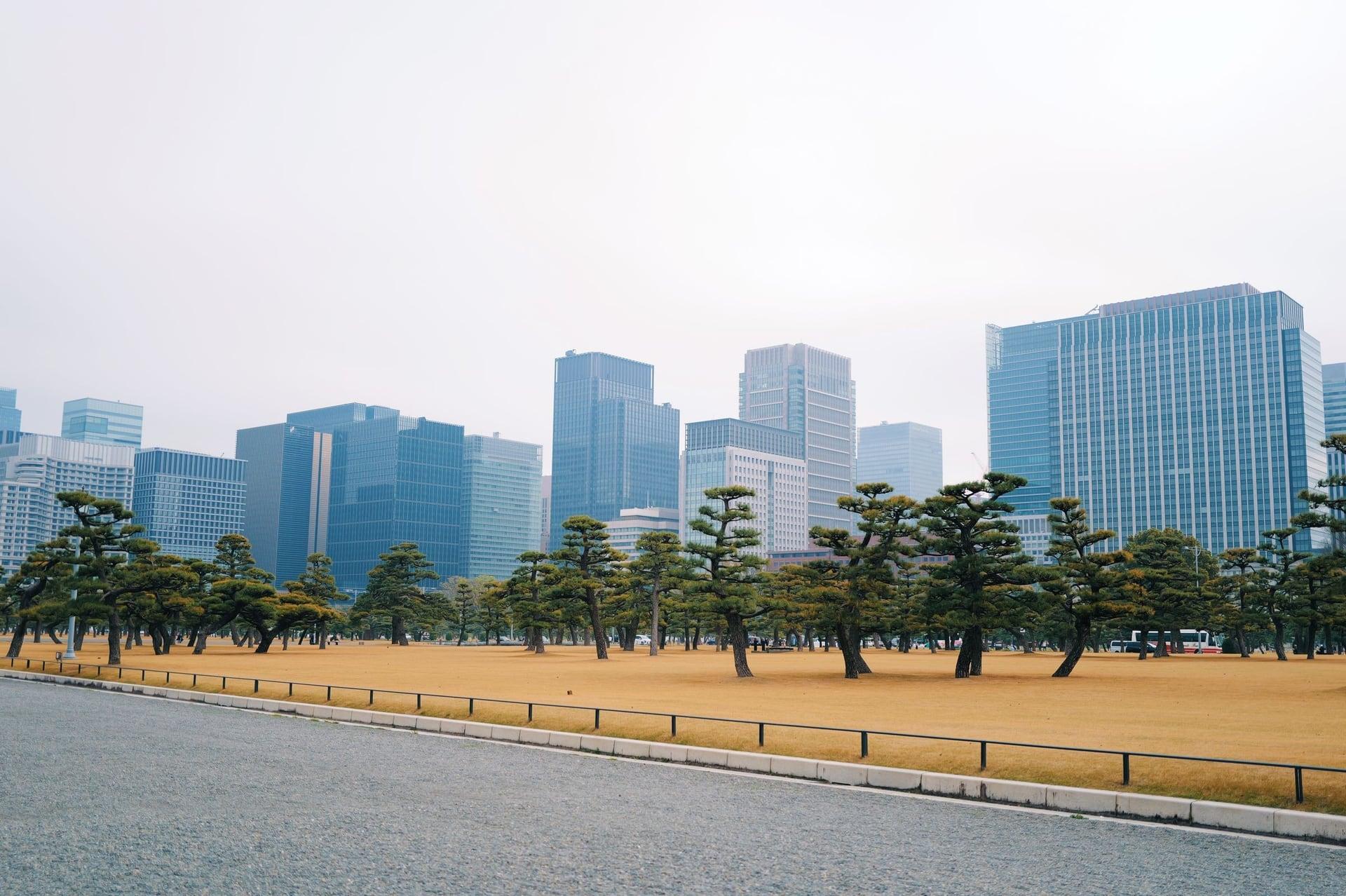
About two thousand pines on cleared ground. The palace plaza, made from lords' mansions after the shogunate fell and planted with black pines from 1888.
- 4
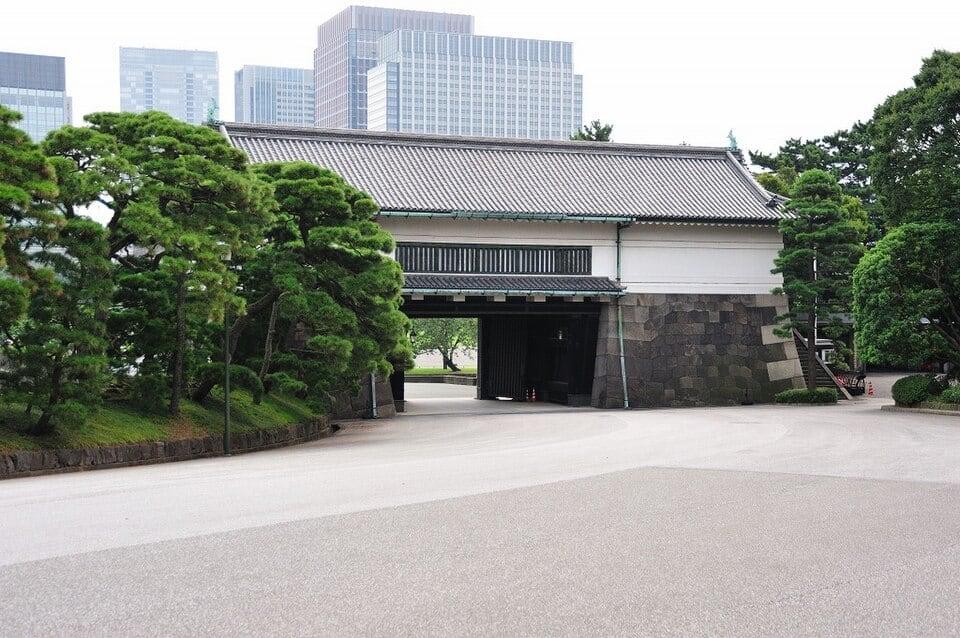
Sakashitamon: The Tower Over the Moat
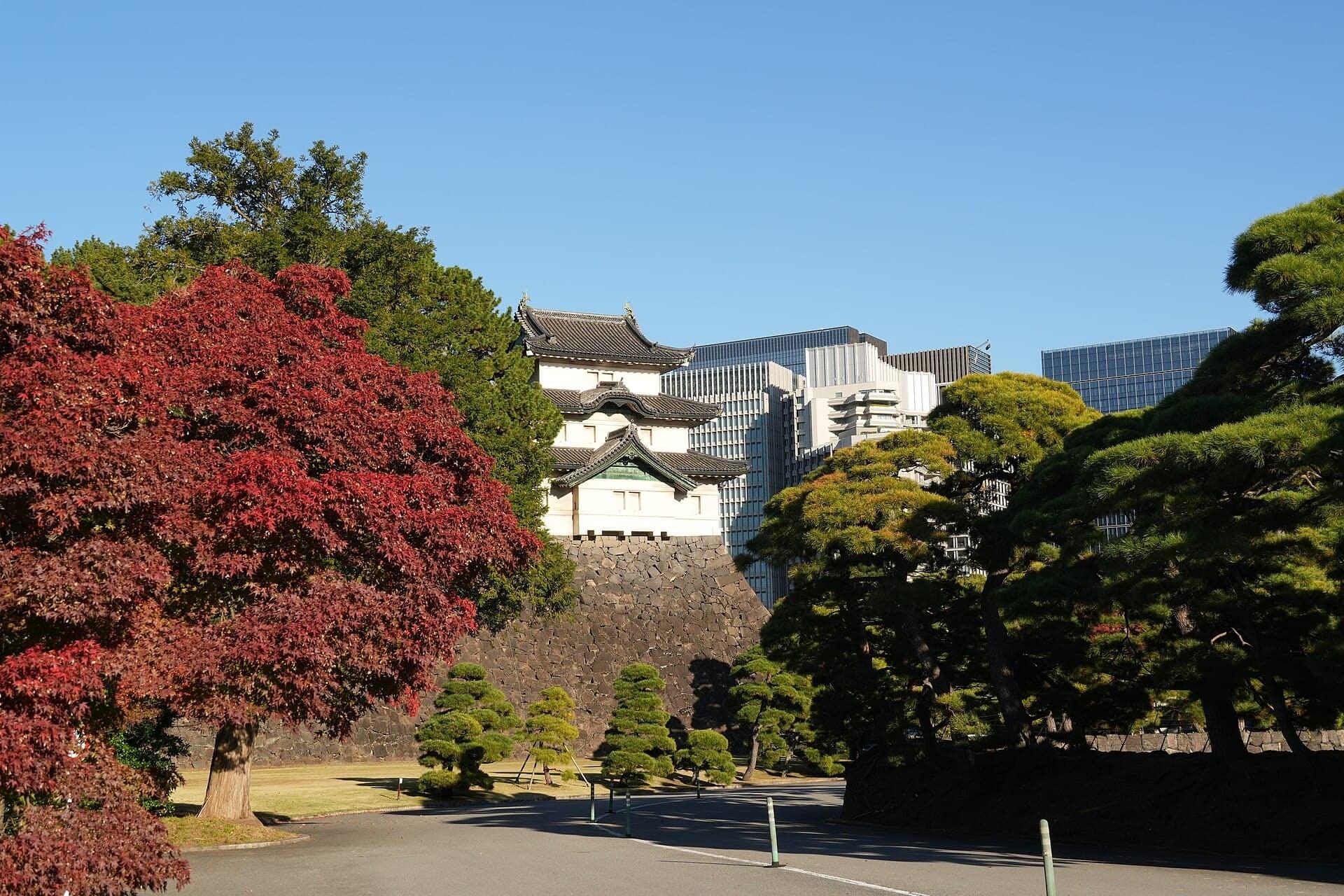
The one three-roofed Edo Castle tower left. Fujimi Yagura on its wall over the moat, seen from free ground beside the palace's working gate.
- 5
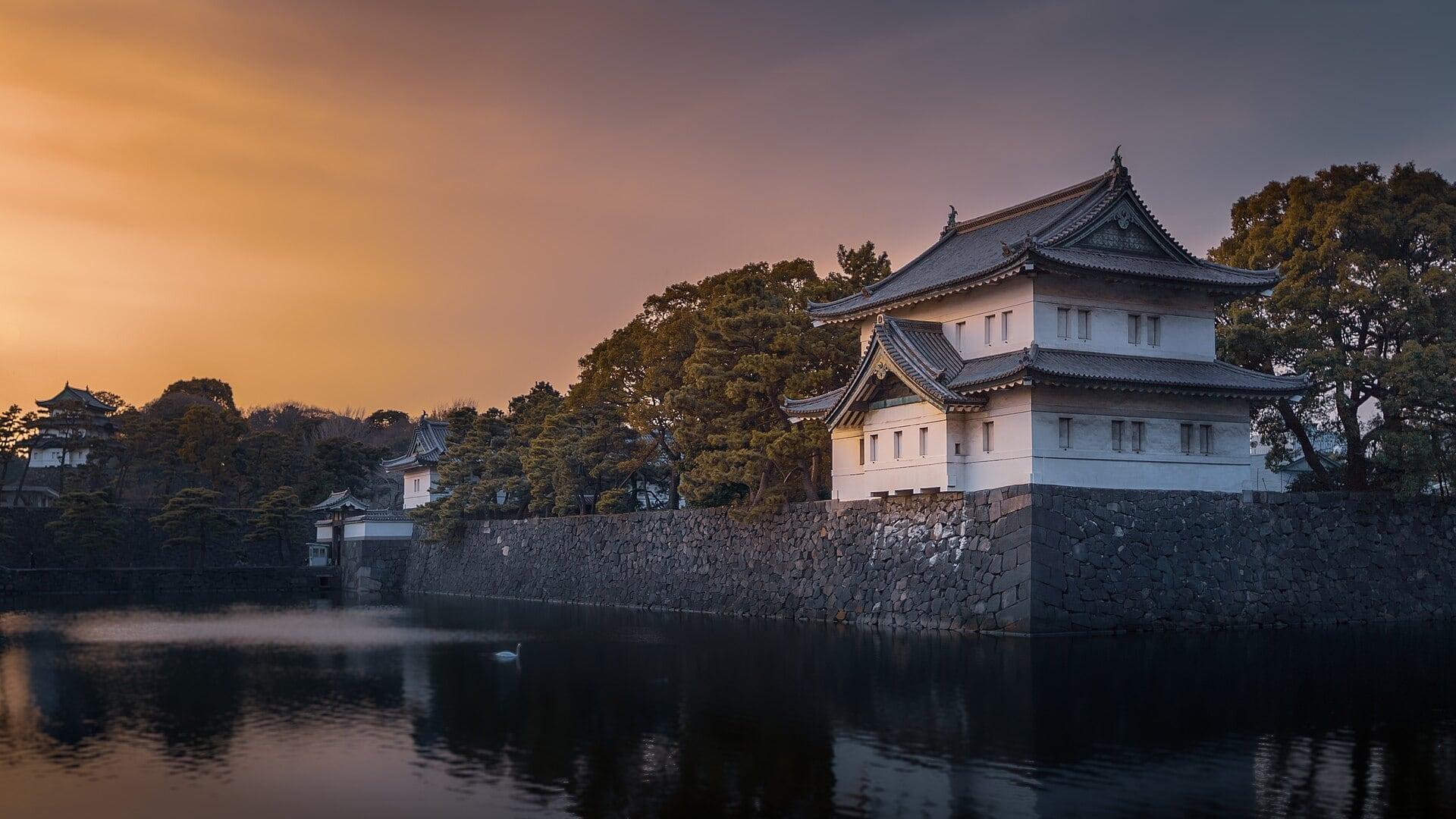
Kikyomon and Tatsumi Yagura: Moat, Wall, Tower
A corner tower above the moat's straight wall. Tatsumi Yagura and Kikyomon, the gate where the palace grounds tours begin.
- 6
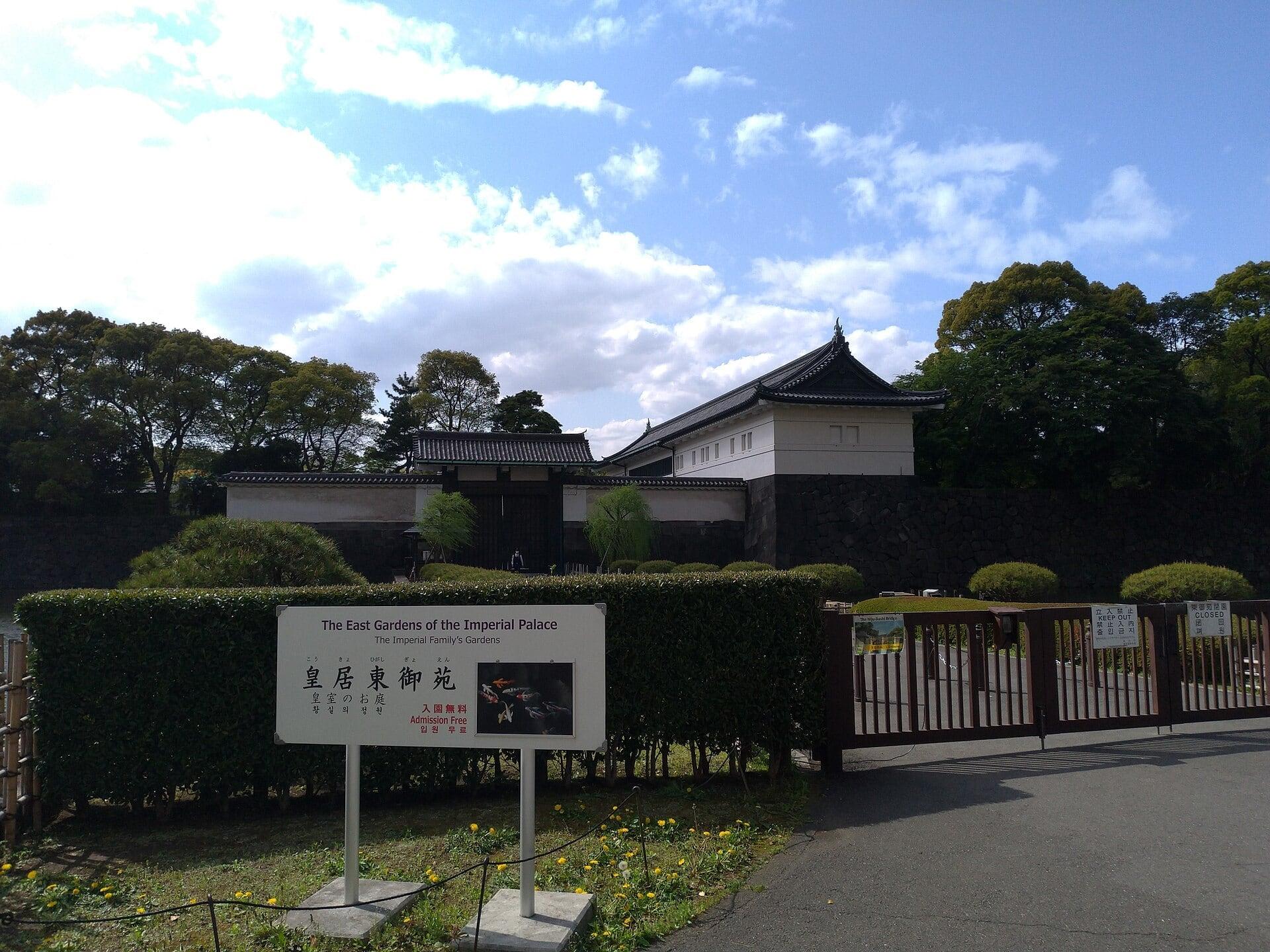
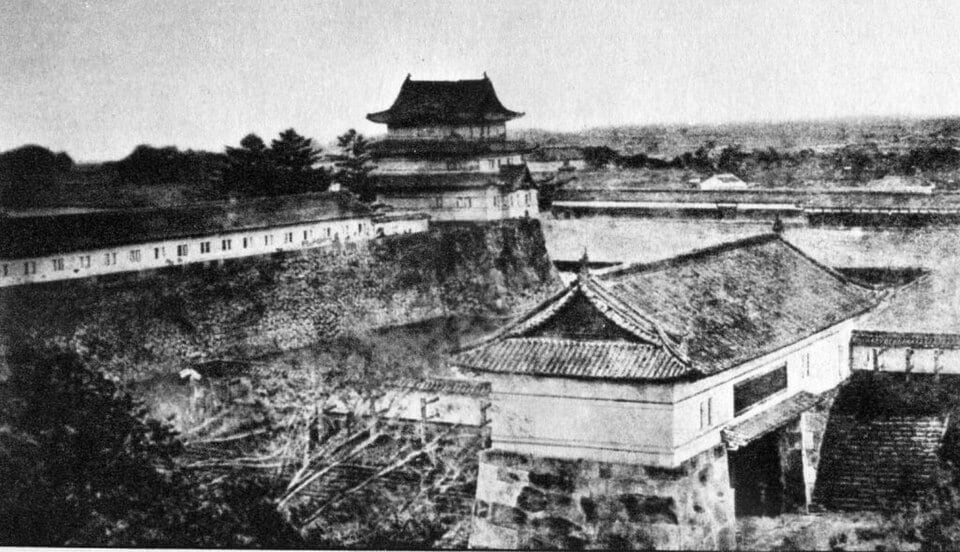
Otemon: The Castle's Front Door
The shoguns' main gate and the East Gardens entrance. Otemon's box gate, its gatehouse rebuilt in 1967, with a roof ornament dated 1657 kept from the old one.
- 7
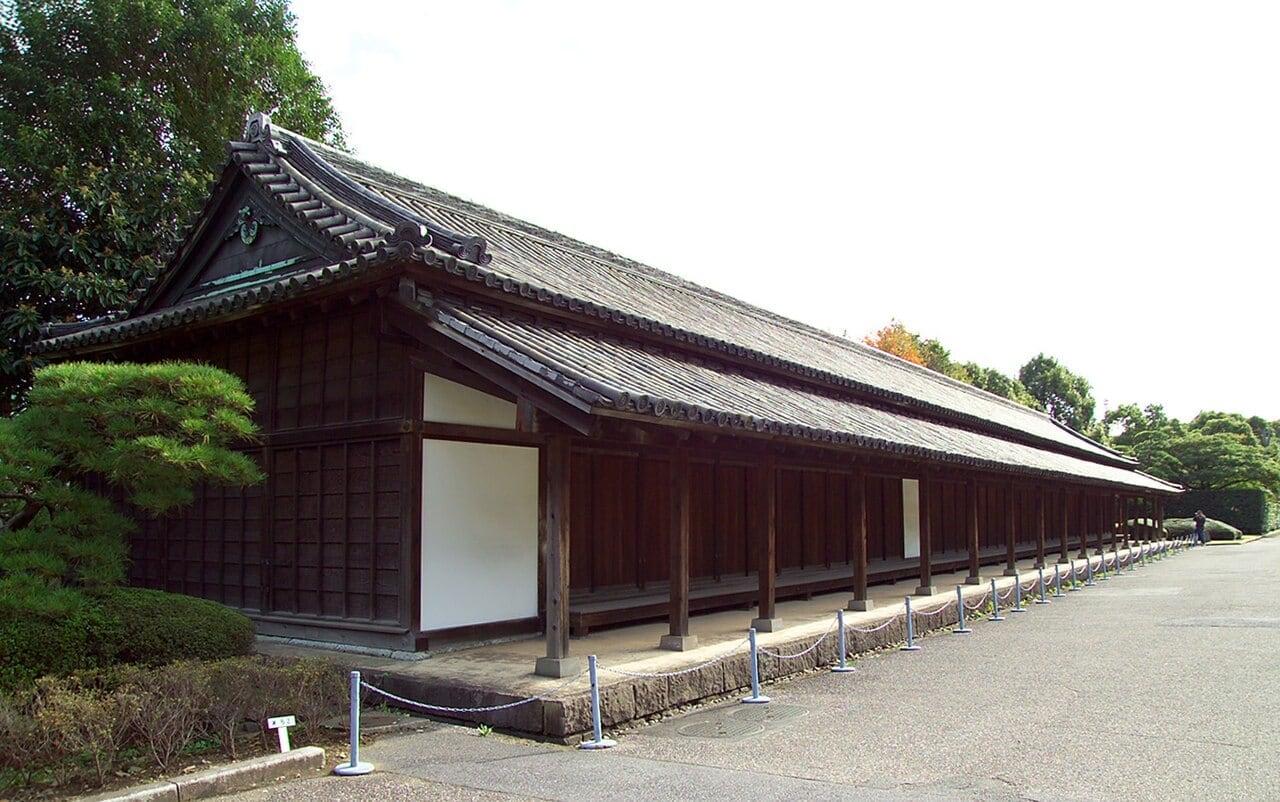
Hyakunin-bansho: A Hundred Guns on Guard
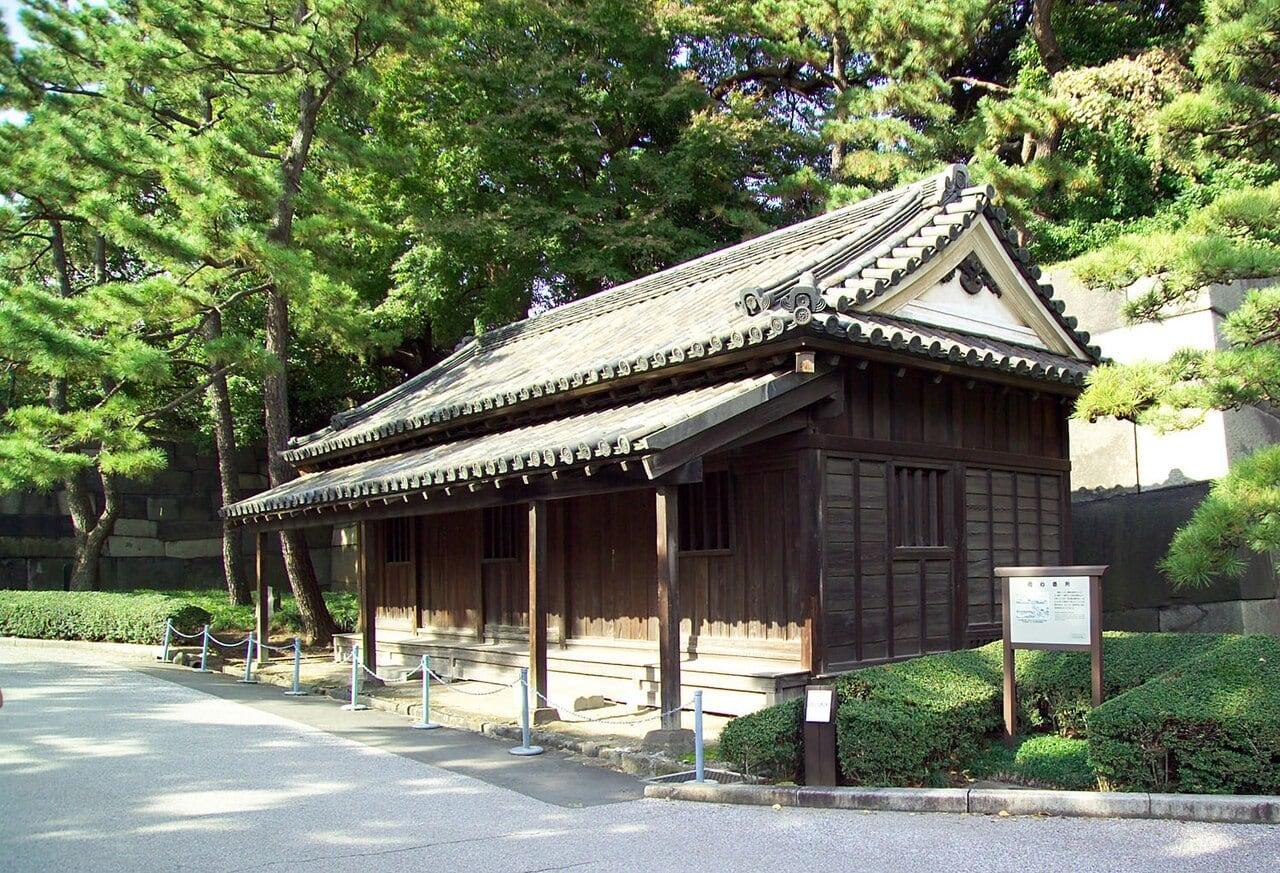
A 45 meter guardhouse below fitted stones. The largest of the castle's three old guardhouses, under a wall of stones up to about thirty-five tons laid without mortar.
- 8
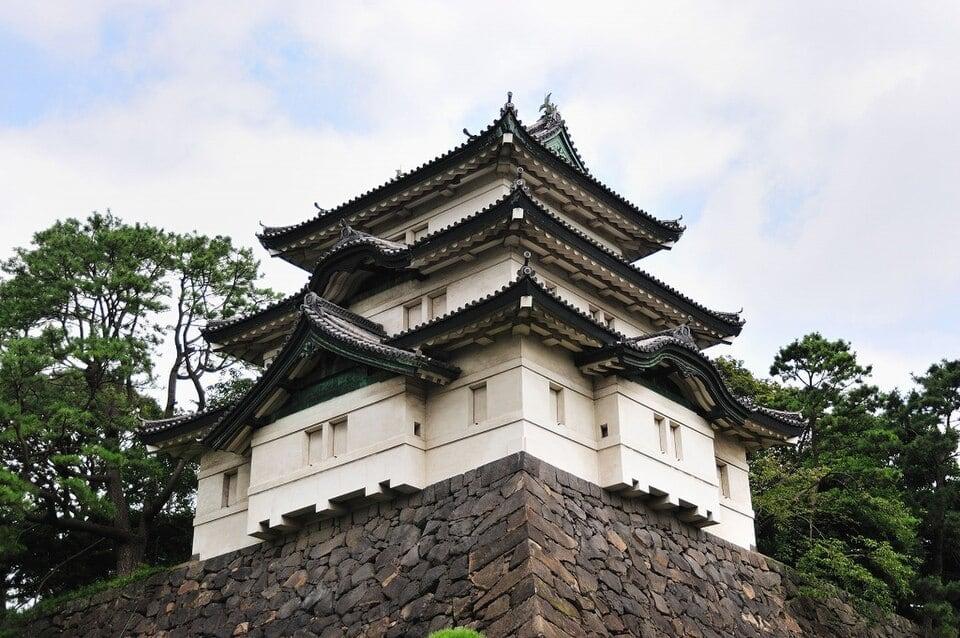
Corridor of Pines and Fujimi Yagura
Where the Ako story began in 1701. The Honmaru's south edge, behind the Fujimi tower, near the site of the Corridor of Pines.
- 9
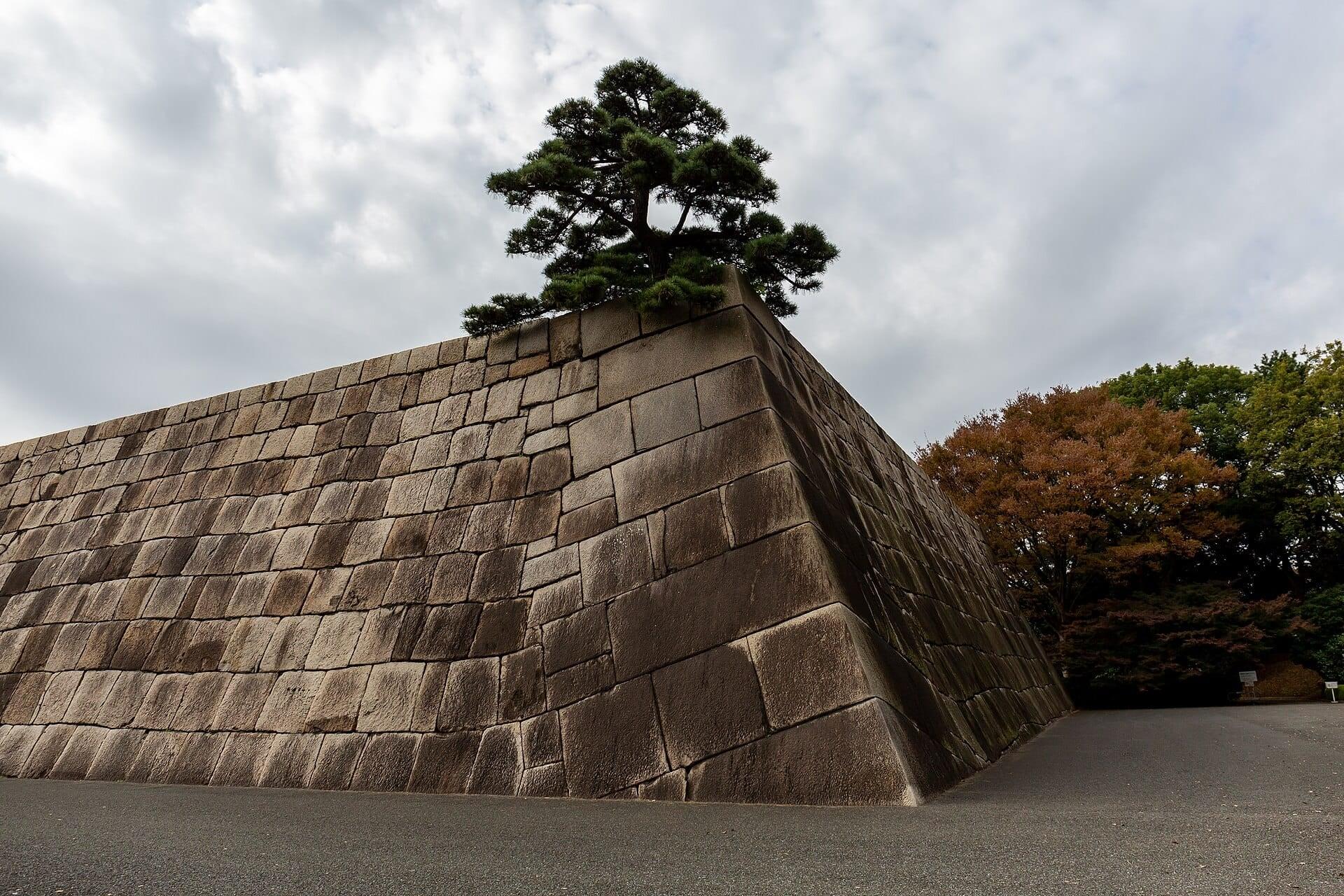
Tenshudai: The Keep That Was Never Rebuilt
The base of a keep once Japan's tallest. Rebuilt in 1658 after the great fire, and left empty because, the shogun's guardian said, peace needs no keep.
- 10
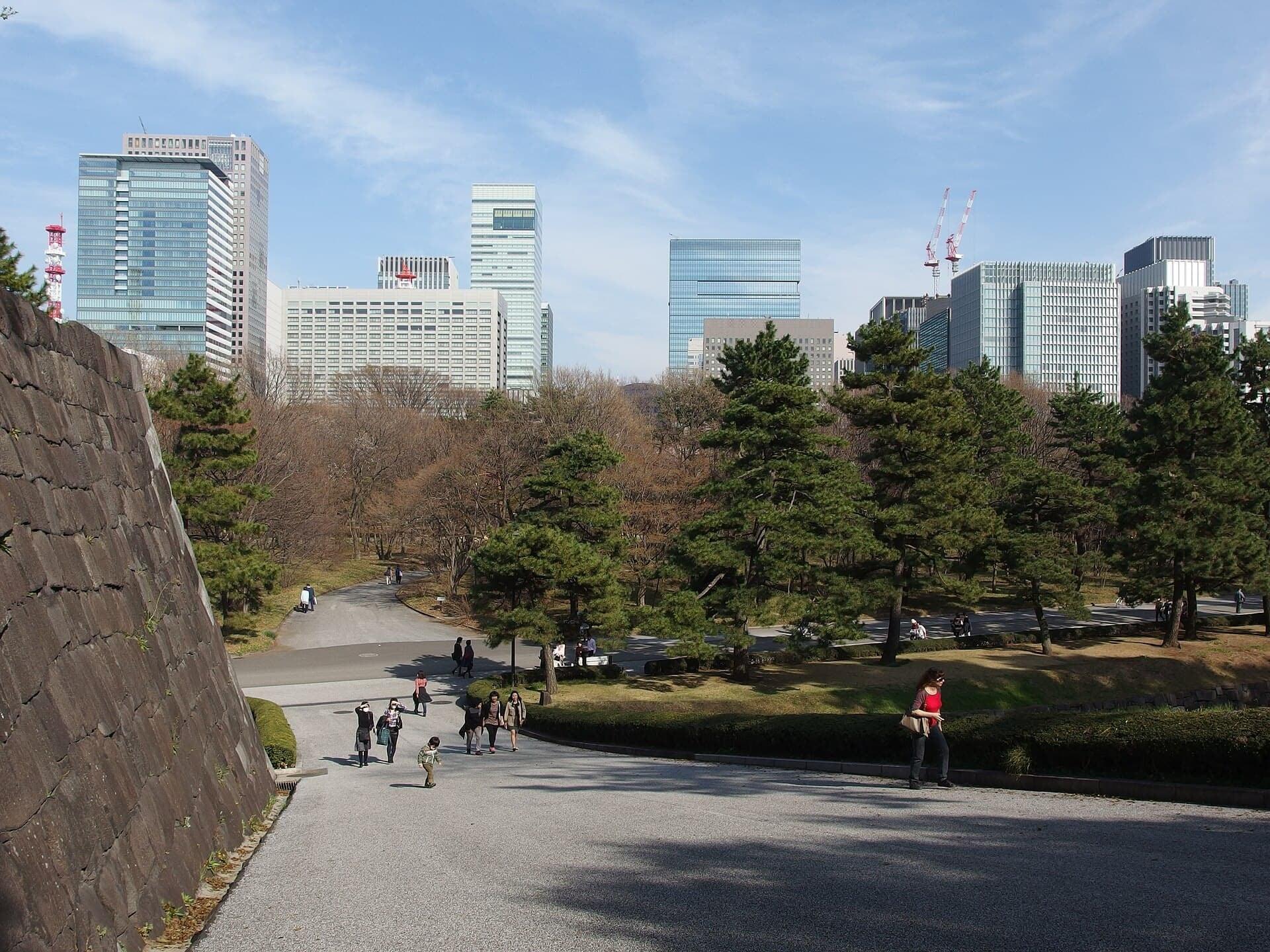
Shiomizaka: The Tide-Viewing Slope
A steep slope that once looked toward the sea. Shiomizaka drops from the Honmaru to the Ninomaru, where an inlet once came close.
- 11
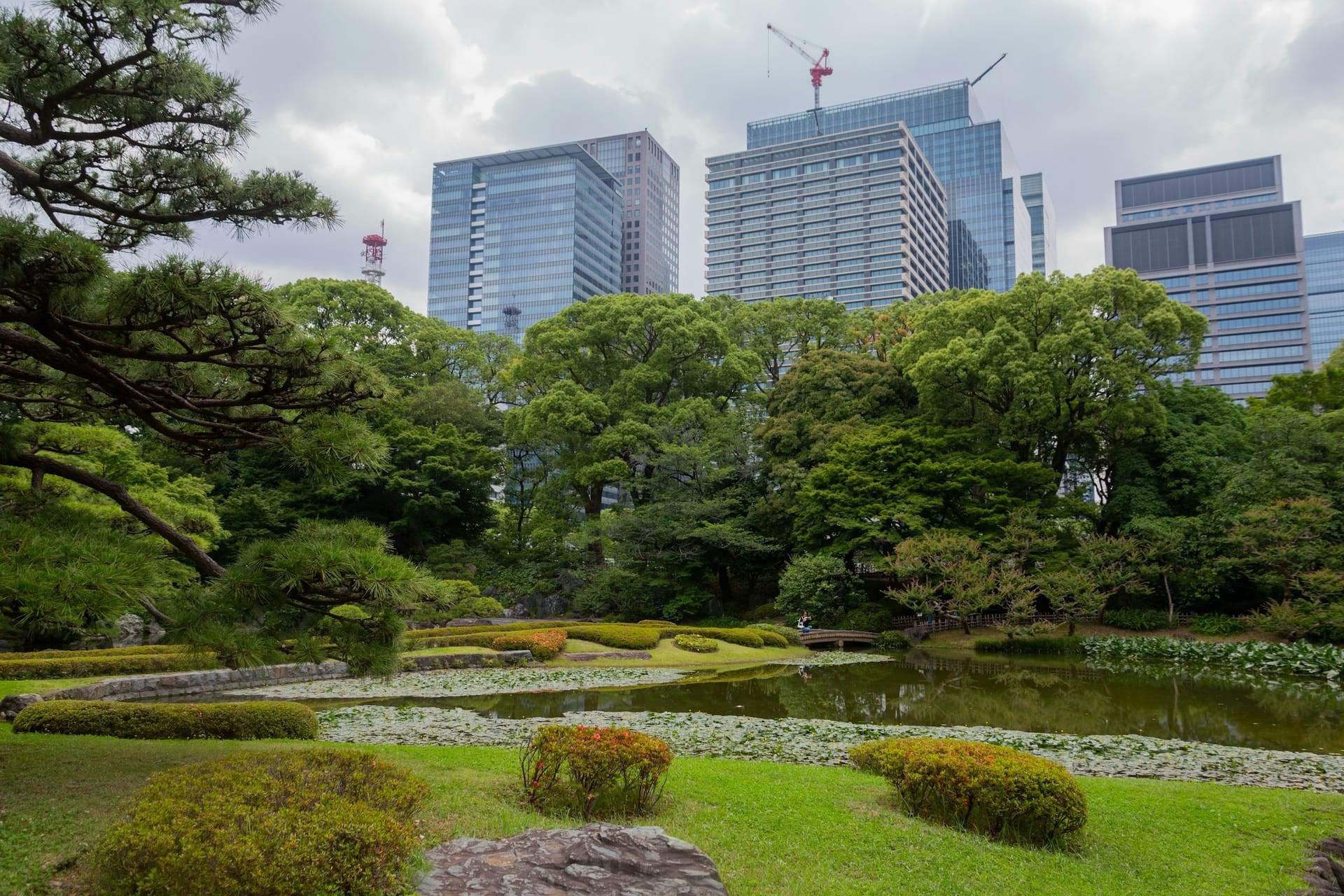
Ninomaru Garden: An Edo Plan, Made in 1968
A stroll garden that looks old but is not. Laid out in 1968 from an eighteenth-century drawing, with a 1912 teahouse and long-finned koi.
Details
Best Time to Visit
Any day for stops 1 to 6, which are open at all hours; Sakuradamon and parts of the walls are lit from about 15 minutes after sunset to 21:00. For the whole walk, a day the East Gardens are open (not Monday or Friday, not 28 December to 3 January), starting from about 9:30. From November to February the gardens' last entry is 15:30, so start at Sakuradamon by about 14:00; in October by about 14:45. The Nijubashi corner is busiest with tour coaches in mid-morning, and Otemon has a bag-check queue at the 9:00 opening. Plums flower on Bairinzaka from late December to February and the Ninomaru irises from late May to mid June. Checked 8 November 2026.
Pro Tips
- •Getting to the start: Tokyo Metro Yurakucho line to Sakuradamon station; the gate is just across the road from the station, and the walk begins inside it. The Ministry of the Environment gives about 10 minutes from the station to the palace plaza. Alternatively, Tokyo Metro Chiyoda line to Nijubashimae, about 9 minutes from the plaza; walk along the moat to Sakuradamon to start. Checked 8 November 2026.
- •East Gardens (stops 7 to 11): free, no reservation, bag check at the gate. Closed Mondays and Fridays (open on national holidays except the Emperor's Birthday; after a Monday holiday, closed on the Tuesday), 28 December to 3 January and on days of court functions. Hours 9:00 to 16:00 from November to February, 17:00 from 1 March to 14 April and in September, 18:00 from 15 April to August, 16:30 in October; last entry 30 minutes before closing (Imperial Household Agency). Checked 8 November 2026.
- •Inui-dori opening, Saturday 28 November to Sunday 6 December 2026 (and each spring at cherry time): Otemon is exit-only, so enter the East Gardens by Hirakawamon or Kitahanebashimon, then pick up the walk at stop 7. Sakashitamon (stop 4) has a long queue, bag check and security from 9:00 to 15:00. The gardens also open on their usual closed days of 30 November and 4 December 2026. Checked 8 November 2026.
- •Leaving: the nearest exit to the Ninomaru Garden is Otemon, back past the guardhouses, about 5 minutes from Otemachi station (exit C13a) and about 15 minutes from Tokyo Station's Marunouchi North exit; Hirakawamon is about 5 minutes from Takebashi station (Tokyo Metro Tozai line, exit 1a) (Imperial Household Agency). Checked 8 November 2026.
- •The Imperial Household Agency's free palace grounds tour hands out 300 same-day tickets in front of Kikyomon (stop 5) from 9:00 and from 12:30 on tour days; the tour is separate from this walk (sankan.kunaicho.go.jp). Checked 8 November 2026.
- •Inside Otemon, the new Ote rest area (opened 3 November 2026) has a cafe, a shop and exhibits, and eating is allowed there; the agency's Sannomaru Shozokan museum beside it fully opened in November 2026. A model of the 1638 keep is shown in the Honmaru rest house near stop 9. Checked 8 November 2026.
- •On a closed day, end at Otemon (stop 6): cross Uchibori-dori at the crossing in front of the gate, then walk through Wadakura Fountain Park (open every day, fountains 10:00 to 20:45) and along Gyoko-dori to Tokyo Station's Marunouchi side. Checked 8 November 2026.
Safety & Precautions
- •The East Gardens (stops 7 to 11) close on Mondays and Fridays, from 28 December to 3 January, on days of court functions and occasionally for weather (Otemon was shut by flooding on 22 and 23 September 2026). Stops 1 to 6 work any day and after dark.
- •Underfoot: gravel on the palace plaza (stops 1 to 5), slow and dusty in wind. The route has no mapped steps, but Shiomizaka (between stops 10 and 11) is steep, about 8.5 percent, and signed as too steep for wheelchairs. The top of the keep base (stop 9) is reached by a short flight of steps and is optional.
- •After stop 5 the route crosses the mouth of the paved palace drive, which has no signal: look both ways. Cross Uchibori-dori in front of Otemon (closed-day way only) only at the marked crossing and watch the traffic; for a certain signal, use the crossing at the mouth of Gyoko-dori.
- •The Uchibori-dori pavement between stops 5 and 6 is the palace runners' circuit, busiest in the evening and on weekend mornings: keep to the moat side. On Sundays from 10:00 to 16:00 the road beside it is closed to traffic for Palace Cycling (suspended in bad weather and over the New Year), so bicycles ride beside you (Metropolitan Police).
- •Kokyo Gaien (stops 1 to 6) has been entirely non-smoking since 19 April 2020, and drones are banned there. In the East Gardens smoking is allowed only at smoking areas, and alcohol, sports, picking plants and entering moats or ponds are forbidden. Personal photos are fine; filming for profit, live streaming and drone filming are not permitted.
- •The palace plaza can be restricted for security on state occasions, and the bridges, drives and palace gates seen on the walk are closed ground.
- •The palace grounds are the home of the emperor and empress: keep voices low at Nijubashi and the gates.
Travel advisory: Exercise Normal Precautions (Level 1).
Gallery
Related Reading
Go deeper on what you'll see, hear, and walk through.
Overview
One Day in Tokyo: A Walkable Itinerary Across Three Faces (2026)
6 min
Overview
Tokyo Travel Guide: How Many Days, Getting Around, When to Go (2026)
5 min
Thematic
Best History Walking Tours in Tokyo (2026)
2 min
Thematic
The Low City and the High City: How to Read Tokyo Like an Edo Map
6 min
Companion
Edo Castle, Gate by Gate: How the Shogun's Fortress Became a Garden Anyone Can Walk Into
6 min
Companion
Tsukiji and Ginza: Built Land, Rebuilt City, and the Names That Outlived the Things
6 min
Read the walk
The full story of Imperial Palace: Edo Castle, Gate by Gate, in words. Prefer to listen? Play it narrated, from home or on location.
Introduction
Tokyo, the capital of Japan, grew up around a castle, and the castle is still here, ringed by its moats. For over two and a half centuries this was Edo Castle, the seat of the Tokugawa shoguns, the military rulers of Japan from sixteen oh three to eighteen sixty seven. Then it became the emperor's palace.
This walk goes in the way the castle was built to be entered: slowly. Through gates that make you turn, past guardhouses ranked one above the other, up to the empty base of what the palace's own agency calls Japan's tallest castle keep. You meet a chief minister attacked at the first gate, a lord who drew his sword inside the castle, and the guardian who said the keep was not needed.
Eleven stops, about three kilometers, a little under two miles, and about eighty minutes. It is flat, with gravel in the outer garden, one gentle climb and one steep slope down near the end. The first six stops are open at all hours. The last five are in the East Gardens: free, with a bag check, and closed on Mondays, Fridays and over the New Year. From November to February the last entry is at half past three, so start by about two. On a closed day, stop six gives you the way round. The walk ends in the Ninomaru Garden. When you arrive at Sakuradamon, begin with stop one.
1. Sakuradamon: The Box Gate
Welcome to Sakuradamon, where this walk begins. Walk on into the open square of stone walls between the two gates, and stop there.
You came in through a small, sturdy outer gate. Ahead, the way on is not straight: it turns at a right angle, under the big gatehouse. This is a box gate, a masugata, and Japan's tourism agency explains the trick. An attacker who broke through the little gate found himself shut in this square, forced to slow down and turn, while archers in the gatehouse shot down at him. The Ministry of the Environment calls this one the largest surviving box gate of the castle.
The gate was first built in the early sixteen hundreds. What you see was rebuilt after a fire in seventeen seventy two, and it hides a modern skeleton. The nineteen twenty three earthquake damaged it, and in nineteen twenty six it was taken apart and put back stronger: bolts at the joints, wire mesh and mortar in the walls instead of earth, the stones under the gatehouse relaid in concrete, and a bridge-style truss slung inside.
Now the story this gate is known for. On the twenty fourth of March, eighteen sixty, an unseasonably snowy morning, Ii Naosuke, the shogunate's chief minister, was on his way into the castle by this gate. Outside it, on the approach, in front of a lord's mansion, near where the Metropolitan Police headquarters stands today, a band of samurai, nearly all from Mito, cut in at the front and back of his palanquin and killed him. A letter written twelve days later counts six of his escort killed on the spot. The attackers were anti-foreign radicals, set against his treaties with foreign powers and his purge of opponents. Seven years later, the shogunate's age was over.
The whole outer garden is non-smoking, and drones are banned.
Follow the route through the passage under the gatehouse, where cars also pass: keep to the side. Next is the best-known view of the palace.
2. Nijubashi: The Bridge in Two Tiers
Walk on beside the water. Across the moat, a stone bridge with two low arches comes into view. Carry on to the railing at the corner of the moat and stop there, then face the water and find that bridge again.
This is the view on every postcard of the palace, and most people call it Nijubashi, the double bridge. They usually mean both bridges: the stone one close by, which leads to the palace's main gate, and behind it, higher up, a second bridge of iron beyond the gate. The Ministry of the Environment is precise about it. Strictly, the name belongs to the far bridge. An earlier bridge there needed a stand halfway across to hold up its beams, so it was built in two tiers, a bridge on top of a bridge. Double, in other words, but not because there are two of them. The bridge there now dates from June nineteen sixty four.
Neither bridge is for everyday use. They open for court occasions, like the New Year greeting to the public and visits by foreign guests of state.
Above the water, on the wall, stands a corner tower, Fushimi Yagura; a yagura is a castle tower. It is said to have come from Fushimi Castle near Kyoto, but that is a tradition with no record behind it.
Beyond the gate are the palace grounds, where the emperor and empress live. The palace built there in eighteen eighty eight burned in an air raid on the twenty fifth of May, nineteen forty five, and the present palace went up between nineteen sixty four and nineteen sixty eight. None of it shows from here. This is a home as well as a palace, so keep your voice low at the railing.
Follow the route on along the gravel into the plaza. Next is a field of pines.
3. Black Pine Lawns: Where the Lords Lived
Walk on up the wide gravel avenue, with lawns and low dark pines on both sides, and stop halfway along.
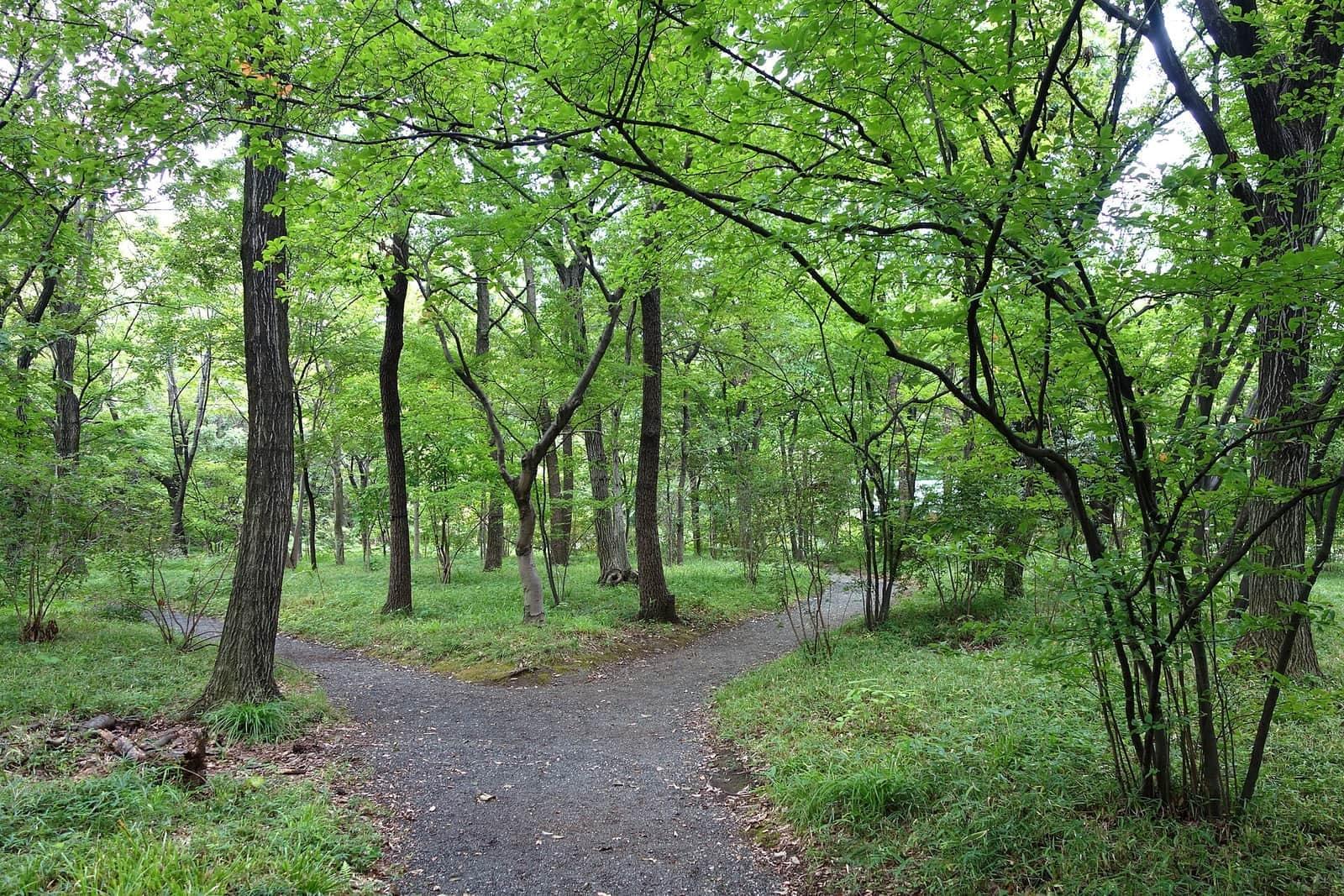
About two thousand black pines stand in these lawns, the Ministry of the Environment counts. Before there was a castle, this was the edge of an inlet of the sea, with black pines growing wild on the hills around it. So in a way the trees are back where they started.
In between, this ground was anything but open. In the shoguns' time it was packed with the official mansions of the shogun's senior officials, at the castle's front door. After the shogunate fell, the government took the land back and filled it with offices and barracks. Then, on the orders of the new government's leaders, everything was cleared away, trees were planted, and the ground became one great open plaza. The pines went in from eighteen eighty eight. Avenues were laid out in nineteen oh six to celebrate victory in the war with Russia, the plaza took its present shape between nineteen thirty nine and nineteen forty three, and in April nineteen forty nine it opened to everyone as a national garden.
Now look over the lawns at the office towers of Marunouchi. Tokyo's business district presses right up to the moats, and yet at its heart lies a field of gravel and pruned pines, because the new government cleared it into one great open square in front of the palace. The gardeners still prune the pines each March.
Keep to the gravel paths.
Follow the route on up the avenue. Next is a working gate of the palace, and a tower the shoguns looked out from.
4. Sakashitamon: The Tower Over the Moat
Walk on to the top of the gravel avenue, where it meets a paved drive, and stop on the gravel. The drive carries cars into the palace, so do not stand on it.
Across the forecourt is Sakashitamon, the gate at the foot of the slope. It is a working gate: just inside are the offices of the Imperial Household Agency, which runs the palace. Each spring and autumn the agency opens the road inside, Inui-dori, to the public for several days, and this gate is the way in, with queues and bag checks.
Now look along the moat, almost straight ahead, over its wooded bank to the tower on the high wall. That is Fujimi Yagura, the Mount Fuji viewing tower. The agency says it is sixteen meters high and the only tower of Edo Castle with three roofs still standing. It burned in the great fire of sixteen fifty seven, which you will hear more of at the top of the castle, and was rebuilt in sixteen fifty nine. From it, the agency says, the shogun is said to have looked out at Mount Fuji, at the sea at Shinagawa and at the fireworks at Ryogoku. Today it is lit up for state banquets and at New Year.
Count the roofs: three of them, stacked one above another, each smaller than the one below. Keep the shape in mind. Later, from inside the castle, you will glimpse this same tower again, from behind.
Follow the route across the gravel toward the far corner of the plaza. Next is the gate where the palace tours begin.
5. Kikyomon and Tatsumi Yagura: Moat, Wall, Tower
Walk on along the pavement with the moat beside you. Ahead, on the corner of the wall across the water, a two-storey tower comes into view. Stop at the stone bollards at the corner of the plaza, out of the runners' way, and face the moat. This is Tatsumi Yagura, a corner tower…
Full narration for this stop unlocks with the tour.
6. Otemon: The Castle's Front Door
Ahead, across the moat, a gate stands at the end of an earth causeway. Where the causeway leaves the pavement, turn onto it and stop a few steps in, before its own small gate. This is Otemon, in the shoguns' time the main gate of Edo Castle, used by the shogun and by the great…
Full narration for this stop unlocks with the tour.
7. Hyakunin-bansho: A Hundred Guns on Guard
Walk on up the path toward the great stone walls ahead, and stop beside the long, low building that runs along the path. This is Hyakunin-bansho, the hundred-man guardhouse. It runs forty five meters end to end. The Imperial Household Agency says four companies of musketeers…
Full narration for this stop unlocks with the tour.
8. Corridor of Pines and Fujimi Yagura
You are at the top of the ramps now, on the high ground of the castle, the Honmaru. Walk on round the path under the trees to the history board for Fujimi Yagura, and stop beside it. Through the trees is the back of the same three-roofed tower you saw from the plaza, the Mount…
Full narration for this stop unlocks with the tour.
9. Tenshudai: The Keep That Was Never Rebuilt
Walk on along the edge of the great lawn toward the massive stone platform ahead, and stop on the path where it faces it. This is the Tenshudai, the base of the castle keep. Japan's tourism agency gives its measure: forty six meters by forty two, and ten meters high. Now…
Full narration for this stop unlocks with the tour.
10. Shiomizaka: The Tide-Viewing Slope
Walk on past the end of the lawn to where the path tips downhill between high stone walls, and stop at the top of the slope. On the way you passed the site of the Ooku, the innermost quarters of the castle's palace, where the shogun's women lived. Now the castle drops away in…
Full narration for this stop unlocks with the tour.
11. Ninomaru Garden: An Edo Plan, Made in 1968
Come round the last bend and the pond opens out beside the path. Stop at the water's edge. This is the Ninomaru, the castle's second enclosure. It had its own palace and, at times, a garden, but its buildings burned again and again, and after the shogunate fell they went to…
Full narration for this stop unlocks with the tour.