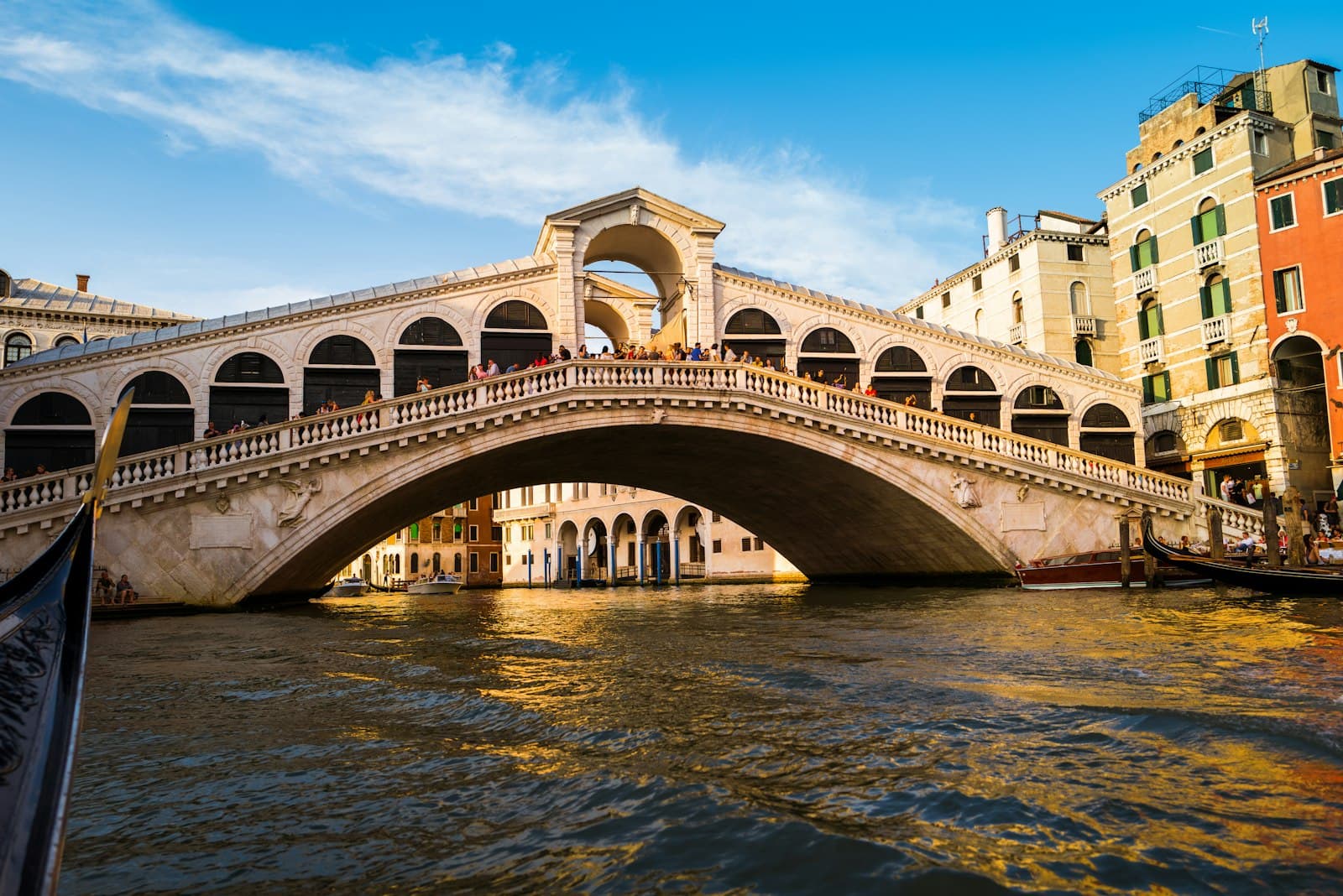
The Engine Room
Before Venice was a museum, it was a corporation, and its true capital was the Rialto. This walk reads the postcard city as a business, tracing the market, the money, and the merchant halls that paid for the palaces.
4.64|90 minutes|1.9 km|6 Stops
Start
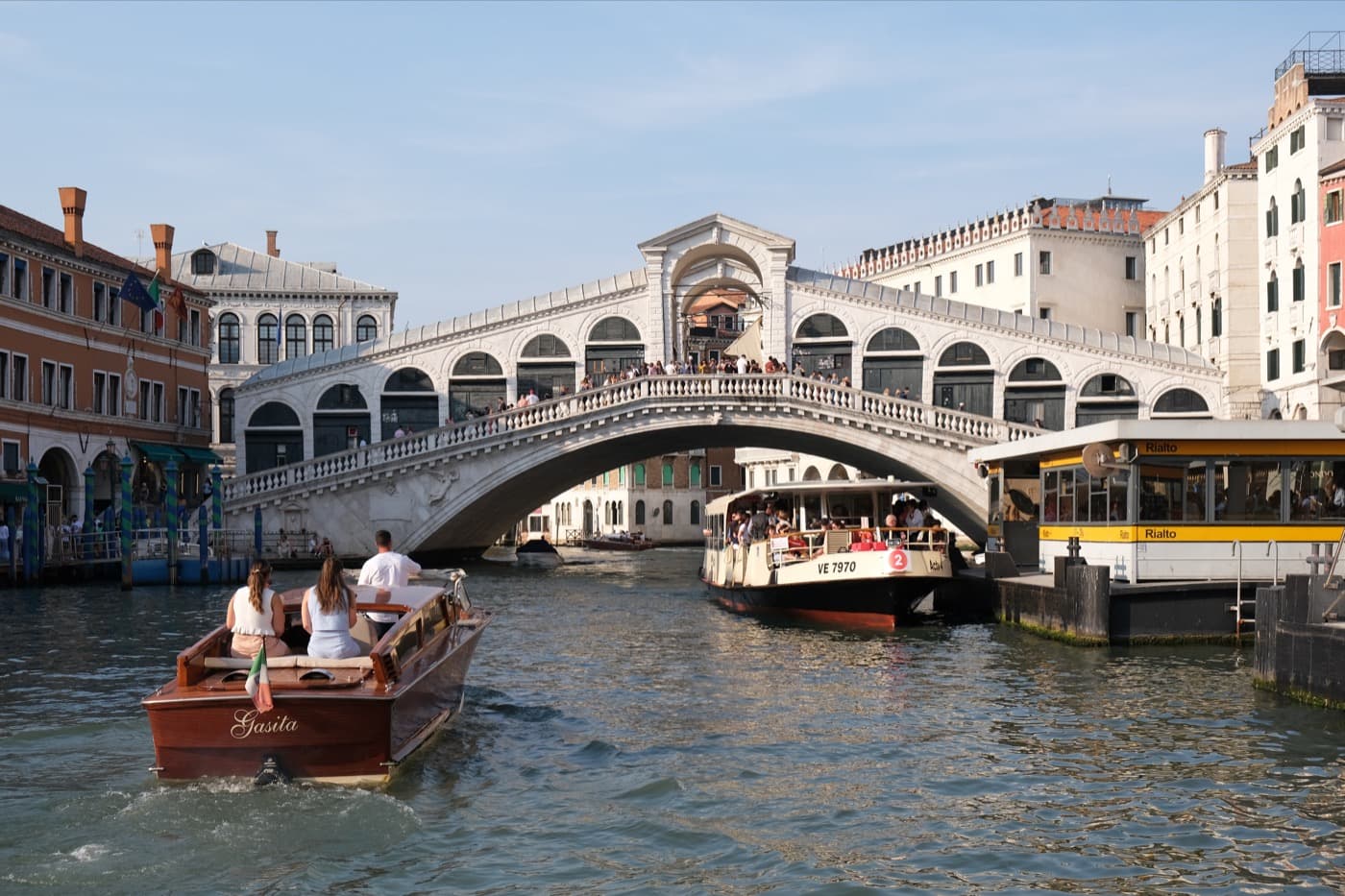
Ponte di Rialto: The Bridge That Sold Space
1
Ponte di Rialto: The Bridge That Sold Space
The oldest of the four bridges over the Grand Canal, a single audacious stone span with shops built into its flanks.
2
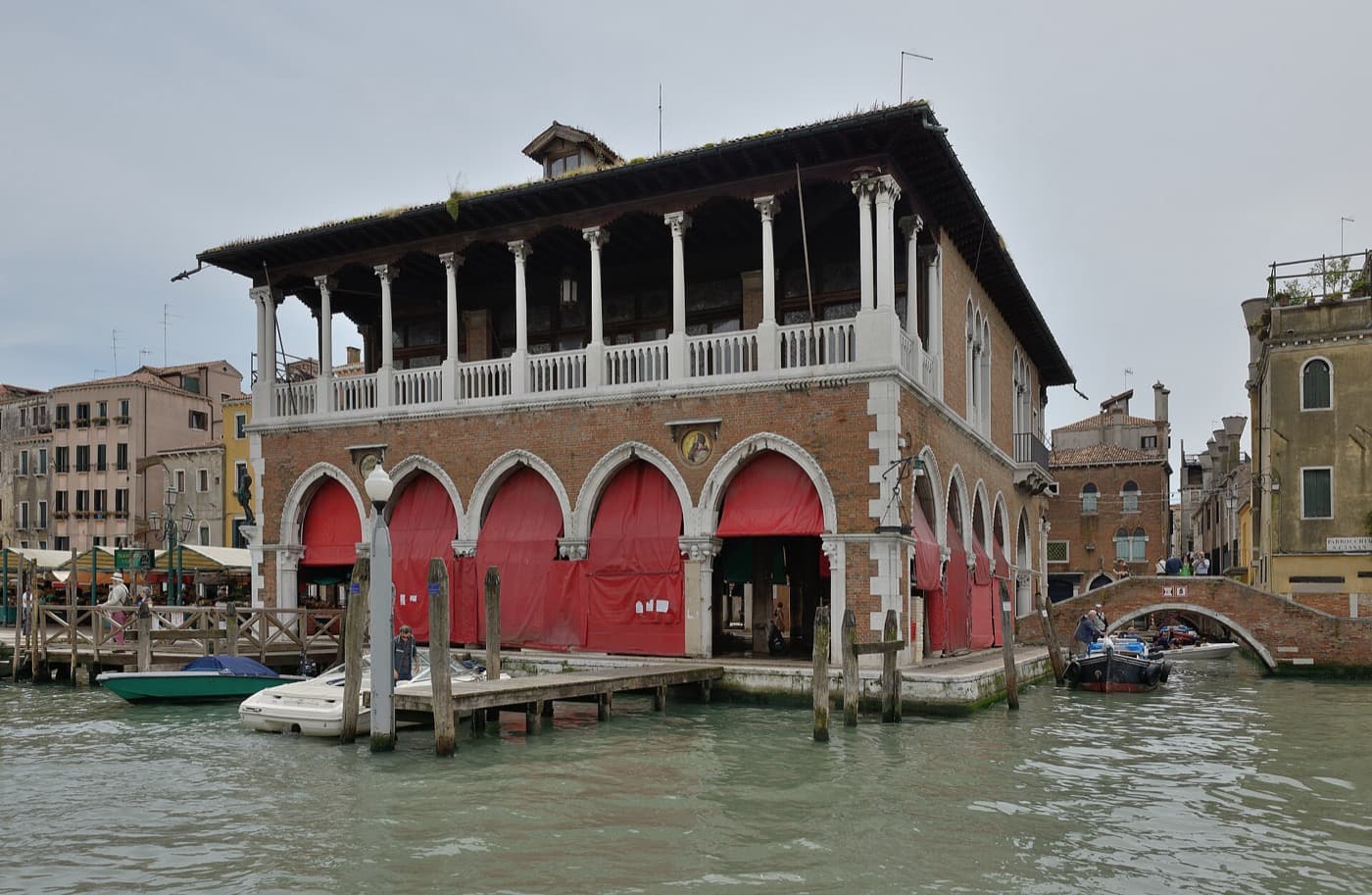
Rialto Market: The Erberia and the Pescaria
The open-air produce and fish markets that have anchored Venetian commerce since the eleventh century, sheltered by a neo-Gothic fish hall from nineteen oh seven.
3
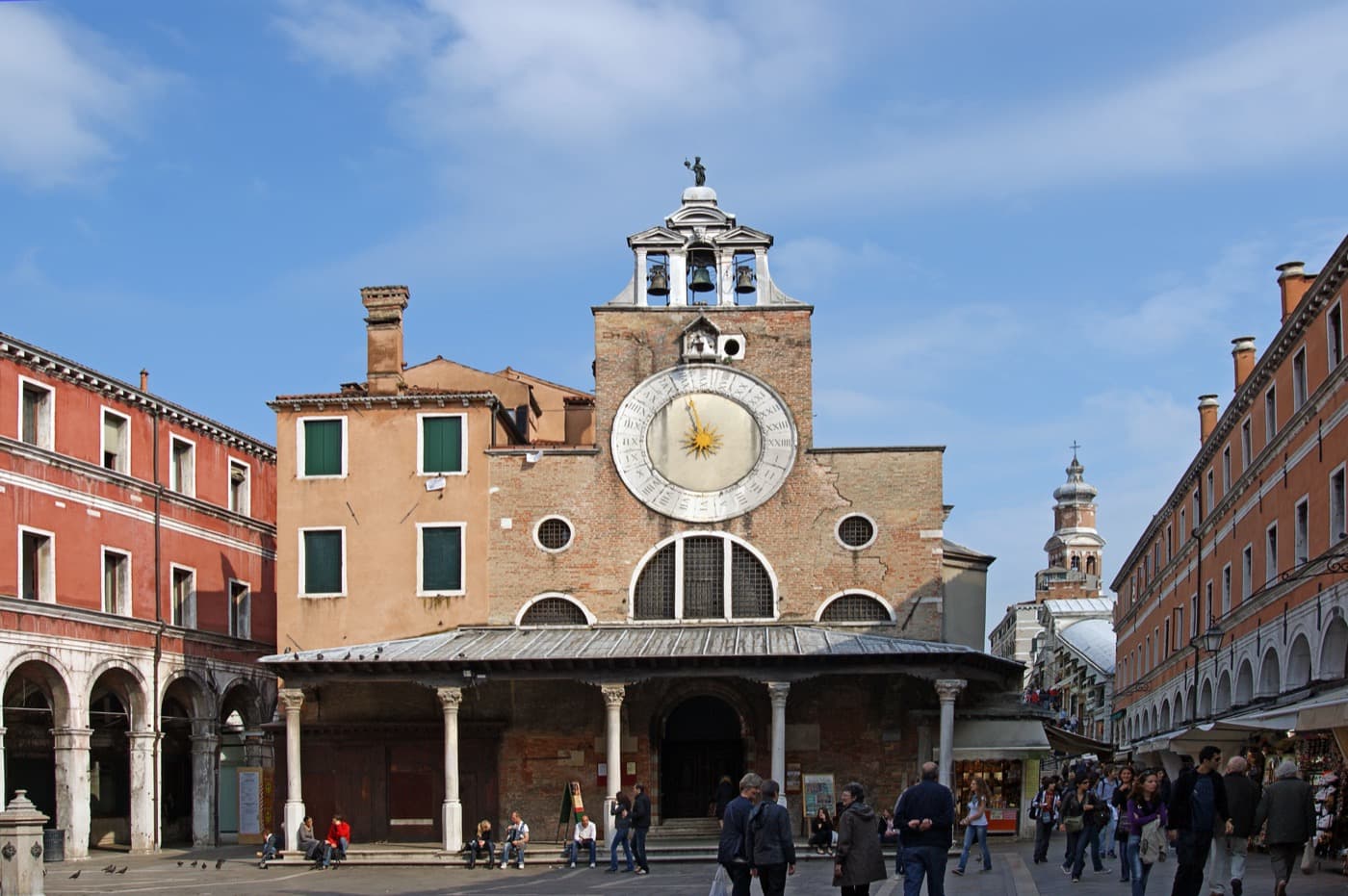
San Giacomo di Rialto and the Gobbo: Where Commerce Met Law
By tradition the oldest church in Venice, facing a crouching marble hunchback from which the Republic proclaimed its laws.
4
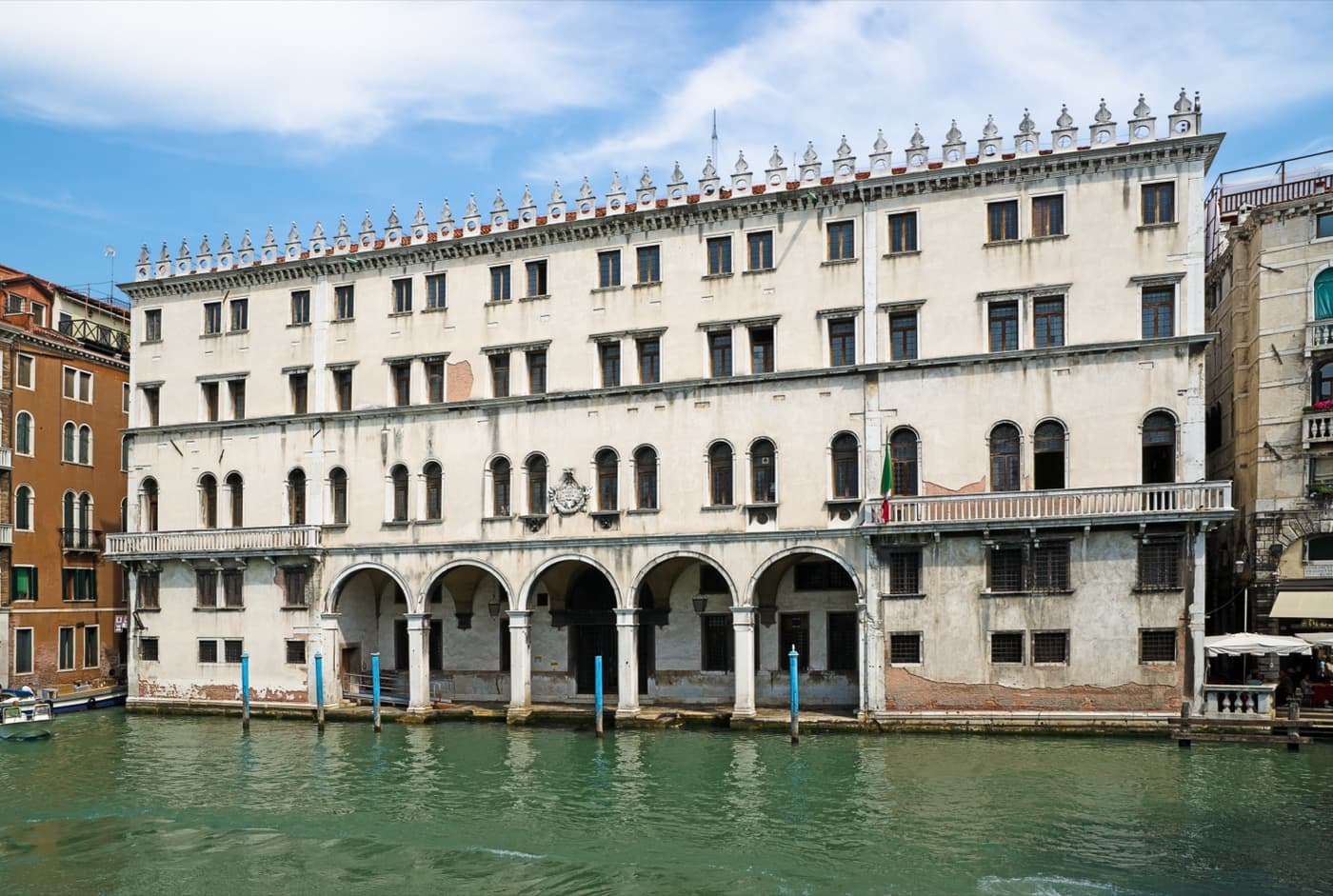
Fondaco dei Tedeschi: The House of Foreign Money
The former German merchants' trading house by the Grand Canal, a combined warehouse, shop, and lodging that housed and taxed foreign capital.
5
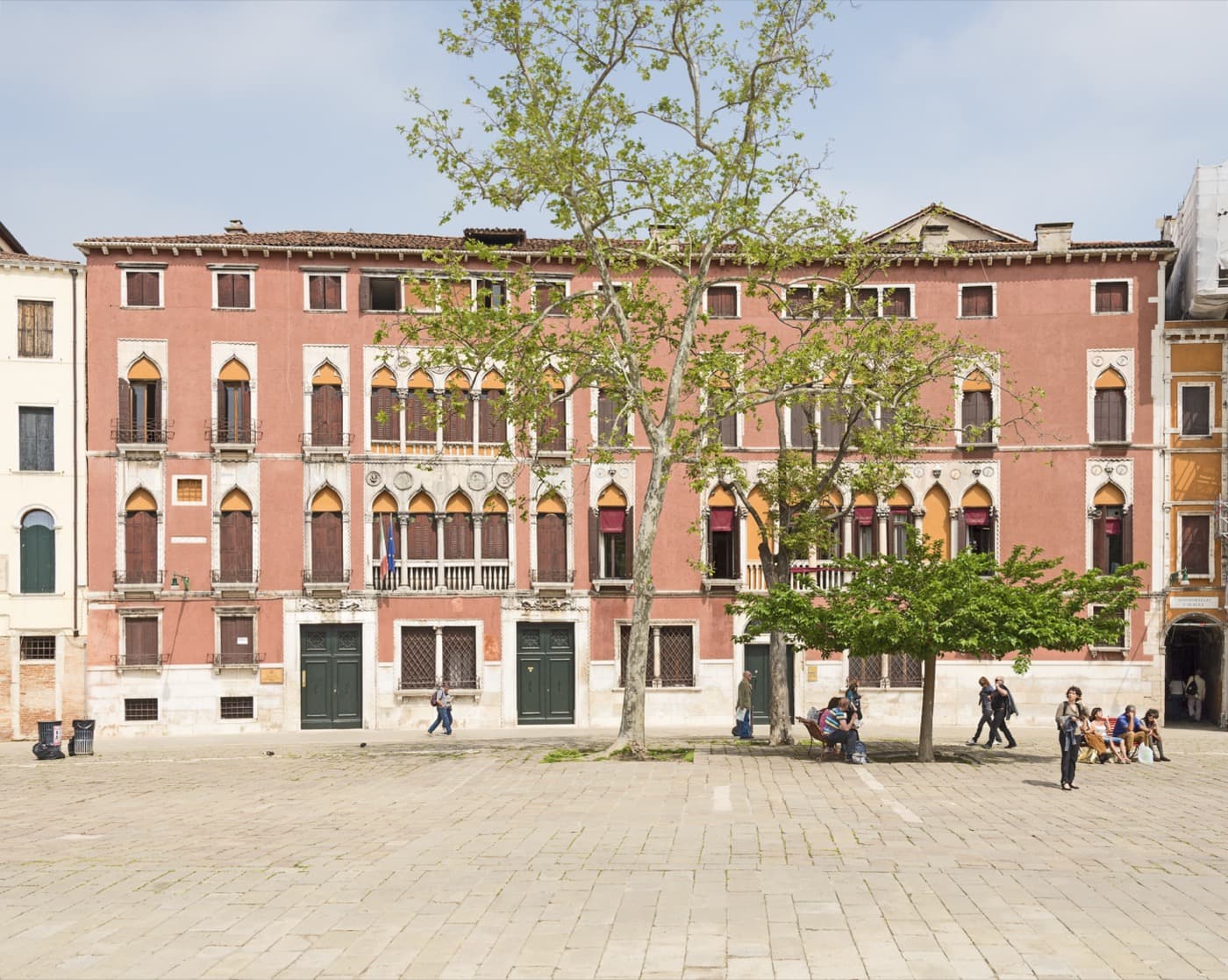
Campo San Polo: The Market Spread Across a Neighborhood
The largest campo in Venice, a vast open square that has served as fairground, market, and civic theater for centuries.
6
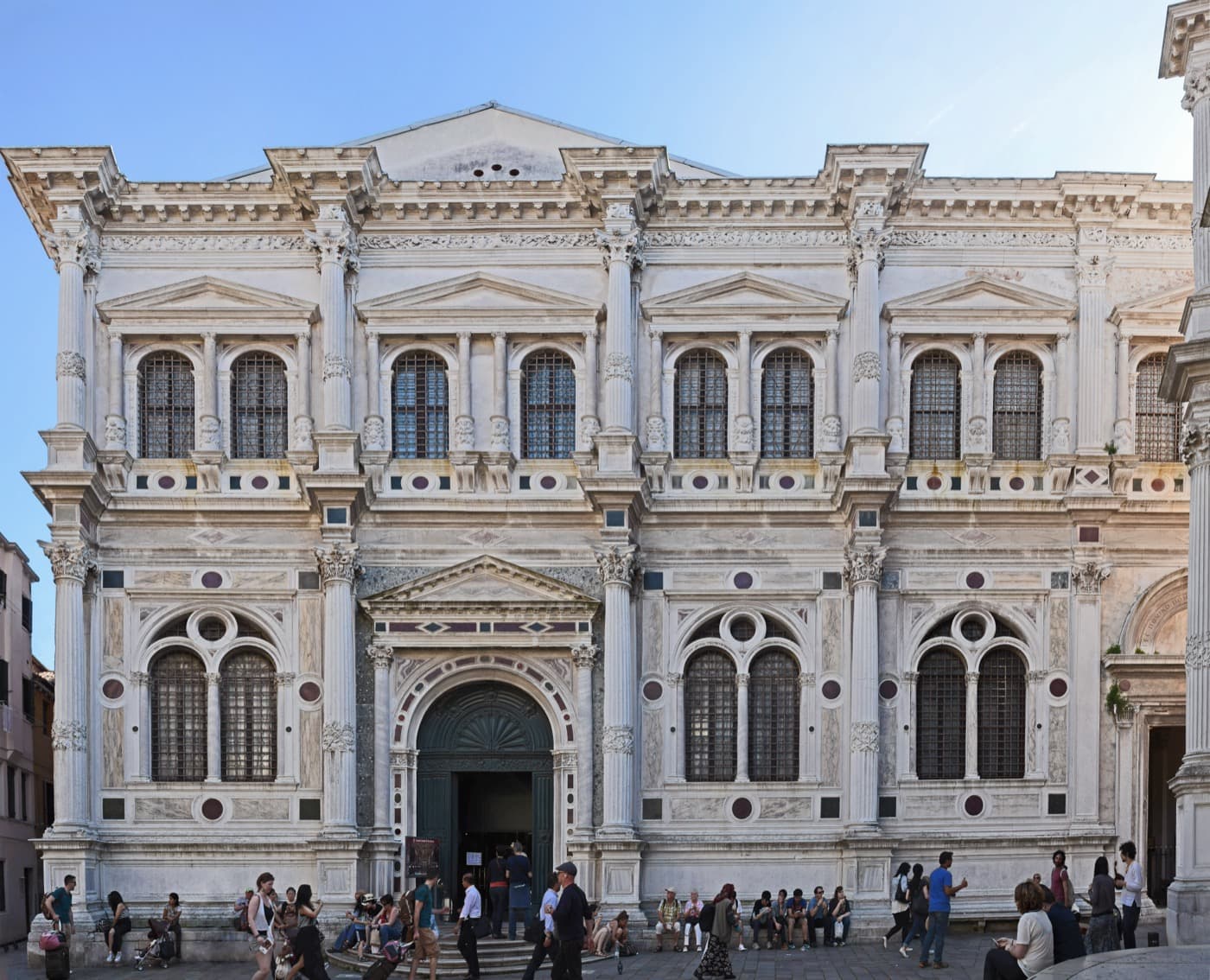
Scuola Grande di San Rocco: Where Profit Became Art
A wealthy lay confraternity founded in fourteen seventy-eight, its interior filled with a vast cycle of paintings by Tintoretto, read here from the campo.
Best Time to Visit
Early morning, ideally before nine, is the moment to start. That is when the Rialto Market is fully alive, the produce and fish stalls at their busiest, and the light on the Grand Canal is soft. Note that the fish market is typically closed on Sunday and Monday, so a weekday morning gives you the fullest experience. Arriving early also lets you cross the Ponte di Rialto before the midday crowds make it hard to stop and look.
Pro Tips
- •Start early, before nine in the morning, to catch the Rialto Market at its liveliest; the fish market is generally closed on Sunday and Monday.
- •This is a short walk, a little over one kilometre, so go slowly and let yourself stand still. The point is to look, not to cover distance.
- •Look up constantly. The carved capitals on the fish hall, the twenty-four-hour clock on San Giacomo, and the palace facades around Campo San Polo all reward a raised gaze.
- •At the Fondaco dei Tedeschi, read the building from the street. The former department store and its rooftop terrace closed in twenty twenty-five and are not currently open to visitors.
- •The Scuola Grande di San Rocco is an exterior stop on this walk, but its Tintoretto interior is extraordinary; if you want to go inside, plan for a paid ticket and extra time.
- •Carry a small amount of cash. Market stalls and older establishments in this district often prefer it, and it keeps you moving at your own pace.
Safety & Precautions
- The Rialto area is one of the most crowded tourist zones in Venice, and crowds attract pickpockets. Keep bags zipped and closed, and carry your phone and wallet in a front pocket, especially on the bridge and in the market.
- Venice underfoot is uneven: worn cobbles, stone steps, small bridges, and surfaces that can be slick when wet. Wear flat, closed shoes with good grip and watch your footing.
- If you choose to enter San Giacomo di Rialto or any other church, dress respectfully. Shoulders and knees should be covered, so bring a light layer if you are dressed for summer heat.
- In summer, the open squares and the bridge offer little shade and can get very hot at midday. Carry water, and if the Scuola Grande di San Rocco interior interests you, check opening hours and consider booking ahead, as ticketed sites can fill up.
Gallery
Related Reading
Go deeper on what you'll see, hear, and walk through.
Overview
Best Self-Guided Walking Tours in Venice (2026)
3 min
Overview
One Day in Venice: A Walkable Morning-to-Evening Itinerary
6 min
Overview
Venice Travel Guide 2026: Days, Transport, Fees, and Getting Around
7 min
Thematic
Best Culture Walking Tours in Venice (2026)
2 min
Thematic
Venice: The City Engineered on Water for Trade
7 min
Companion
Venice's Rialto Market: The Engine Room That Paid for the Palaces
7 min
Deep dive
The Rialto Bridge Was Built to Pay for Itself
6 min
Read
What to Eat in Venice: Cicchetti, Bacari, and the Dishes to Order by Name
6 min