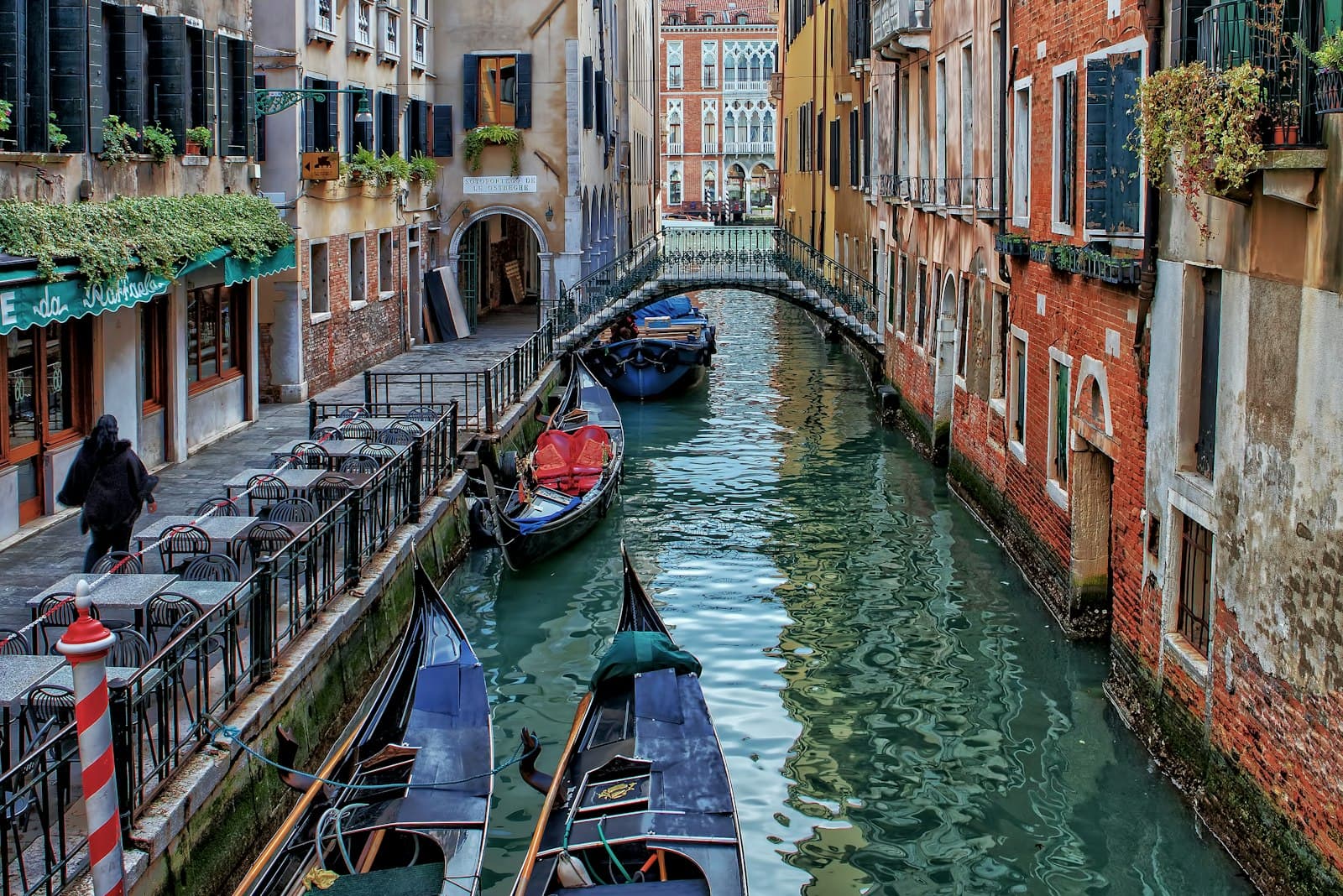
The word ghetto was born on one small island in Cannaregio, where a walled-in community answered scarcity with skyward invention. This walk reads confinement turned to ingenuity, then releases you along quiet canals to Tintoretto's church and a gilded palace on the Grand Canal.
Start · Campo di Ghetto Nuovo: Ground Zero of a Word
DirectionsStops
- 1
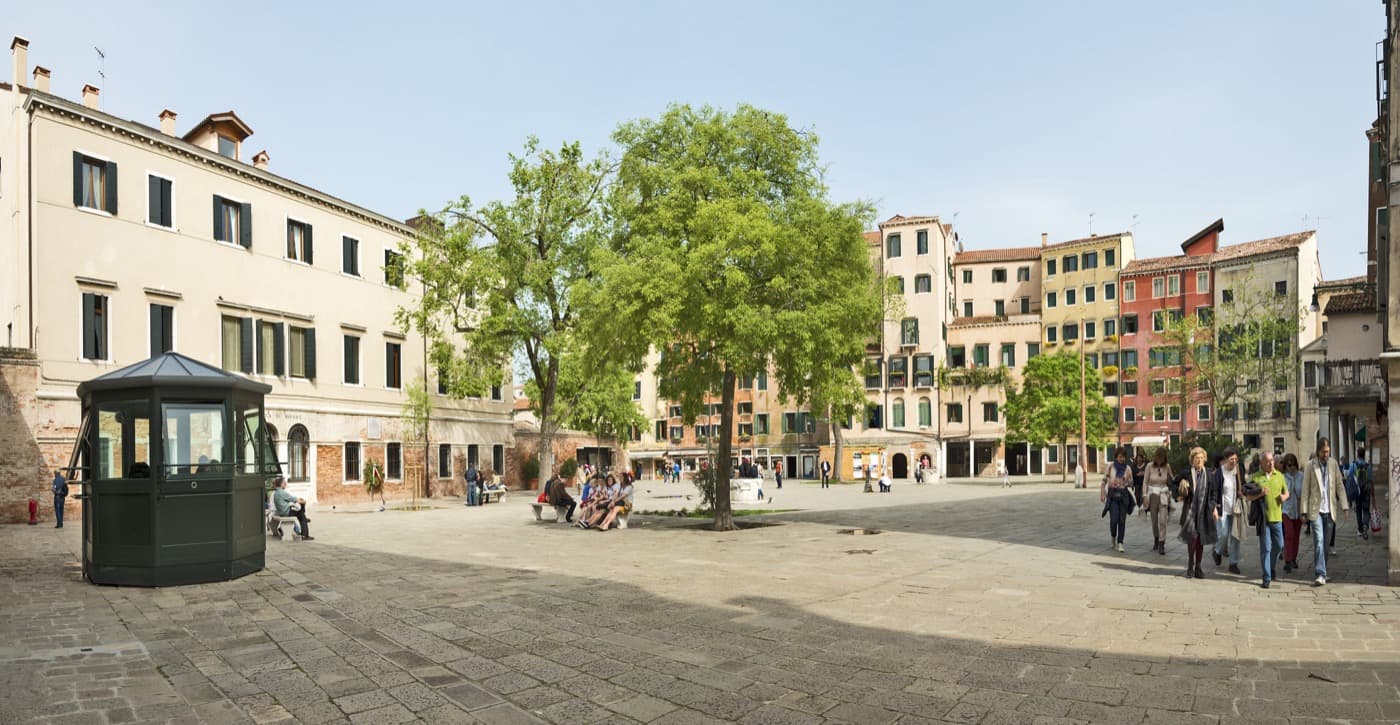
Campo di Ghetto Nuovo: Ground Zero of a Word
The walled island in Cannaregio where the word ghetto was born and where confined residents built the tallest houses in Venice.
- 2
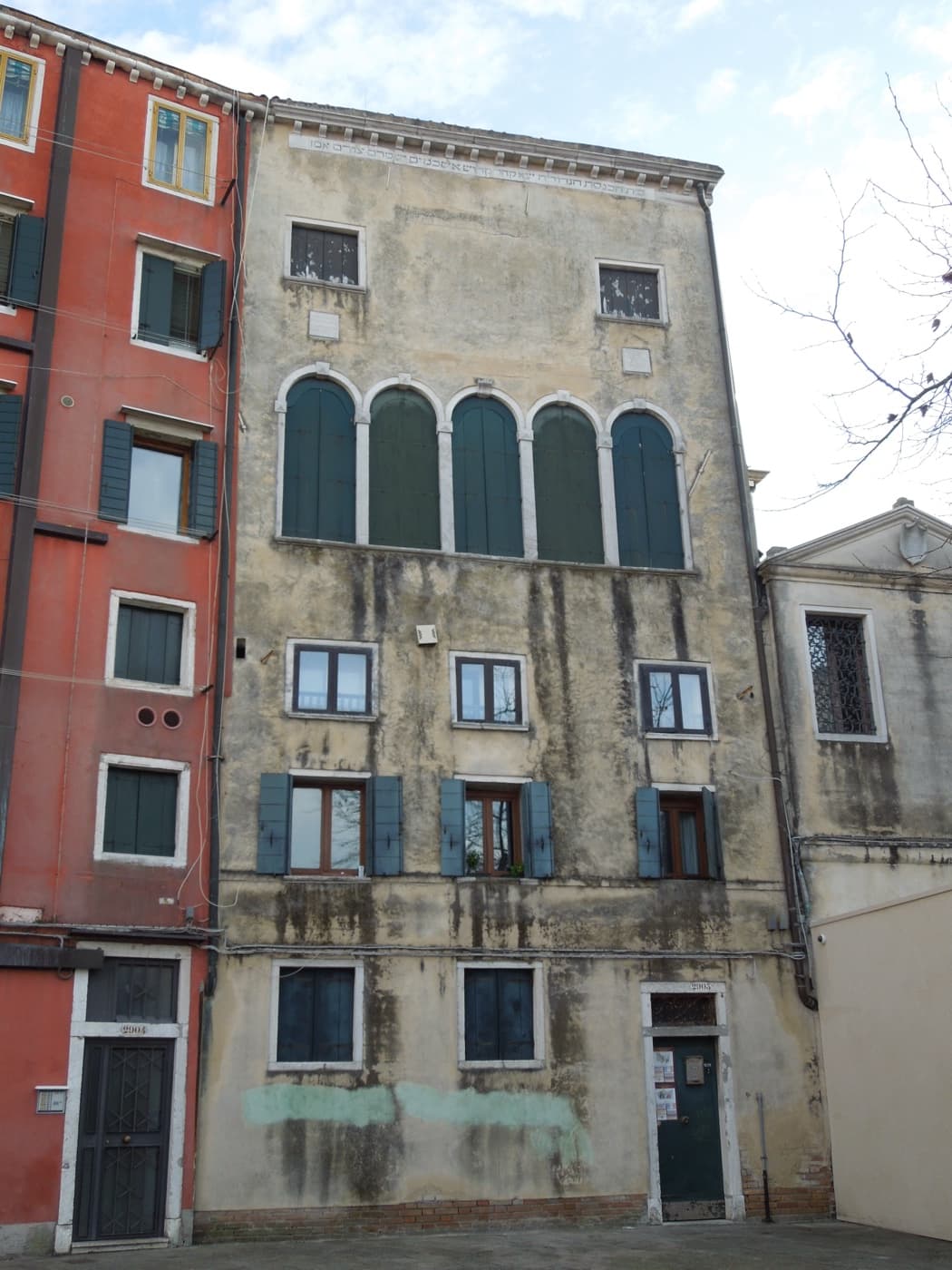
Scola Grande Tedesca: The Synagogues Hidden in the Rooftops
Five synagogues served the Ghetto, tucked invisibly into the upper floors of ordinary tenements, with the German scola the oldest.
- 3
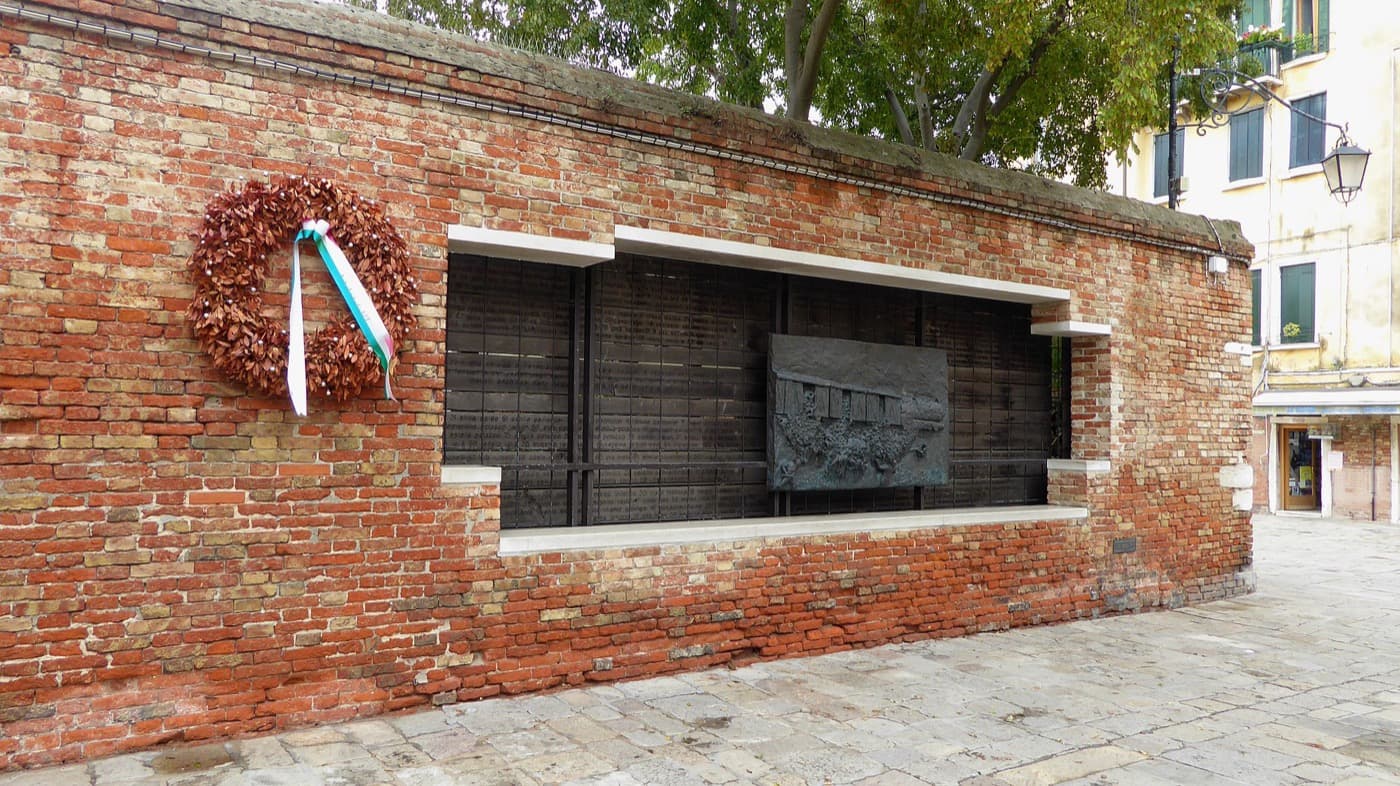
Monumento alla Shoah: The Weight of the Word
Bronze reliefs on the campo wall by sculptor Arbit Blatas that hold the full arc of what the word ghetto came to mean.
- 4
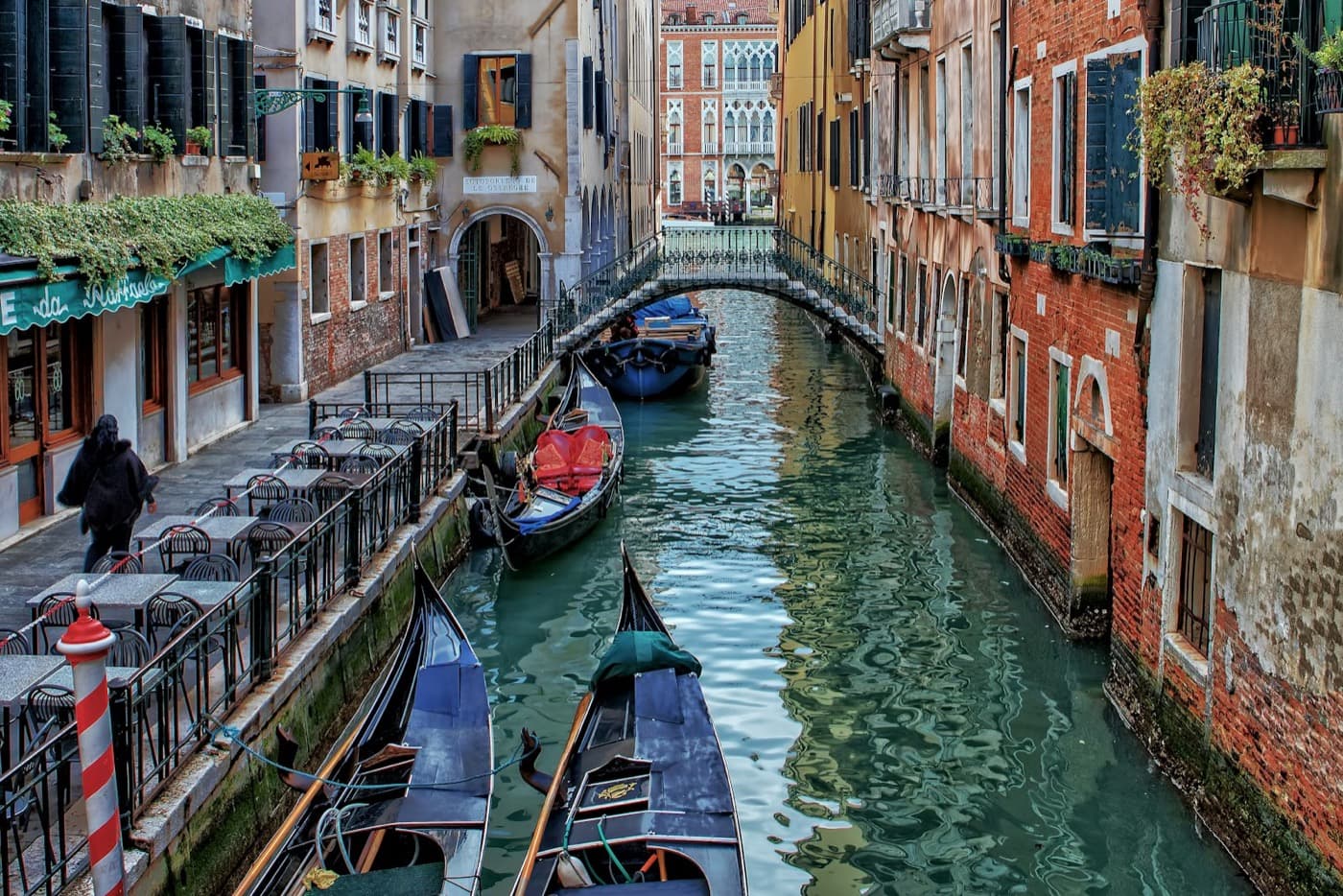
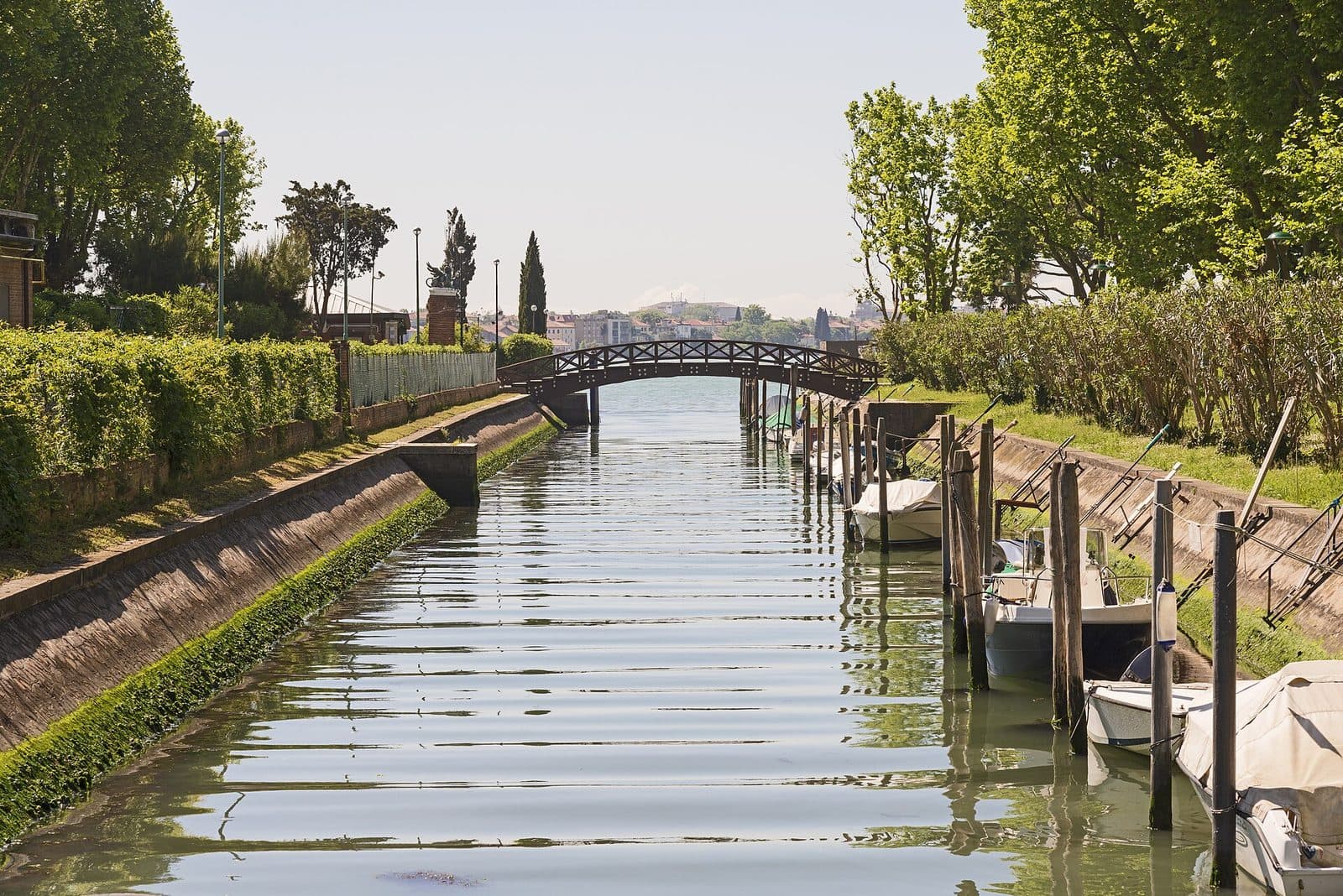
Fondamenta della Misericordia: Everyday Cannaregio
A long canal-side quay away from the tourist core, where working Cannaregio and its bacaro heritage come into view.
- 5
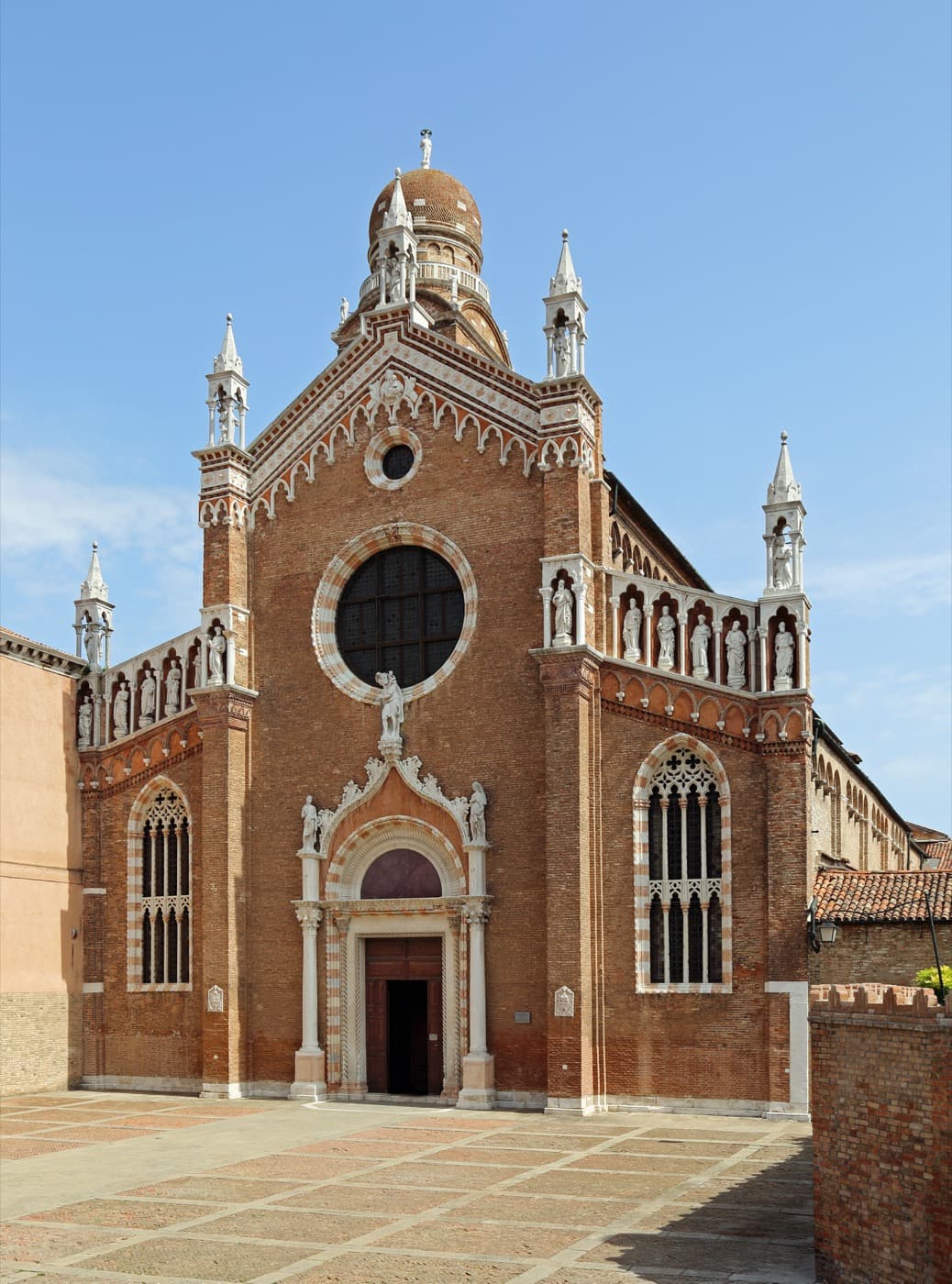
Madonna dell'Orto: Tintoretto's Parish Church
A Gothic brick church in Cannaregio that was Tintoretto's home parish and holds both his tomb and several of his greatest canvases.
- 6
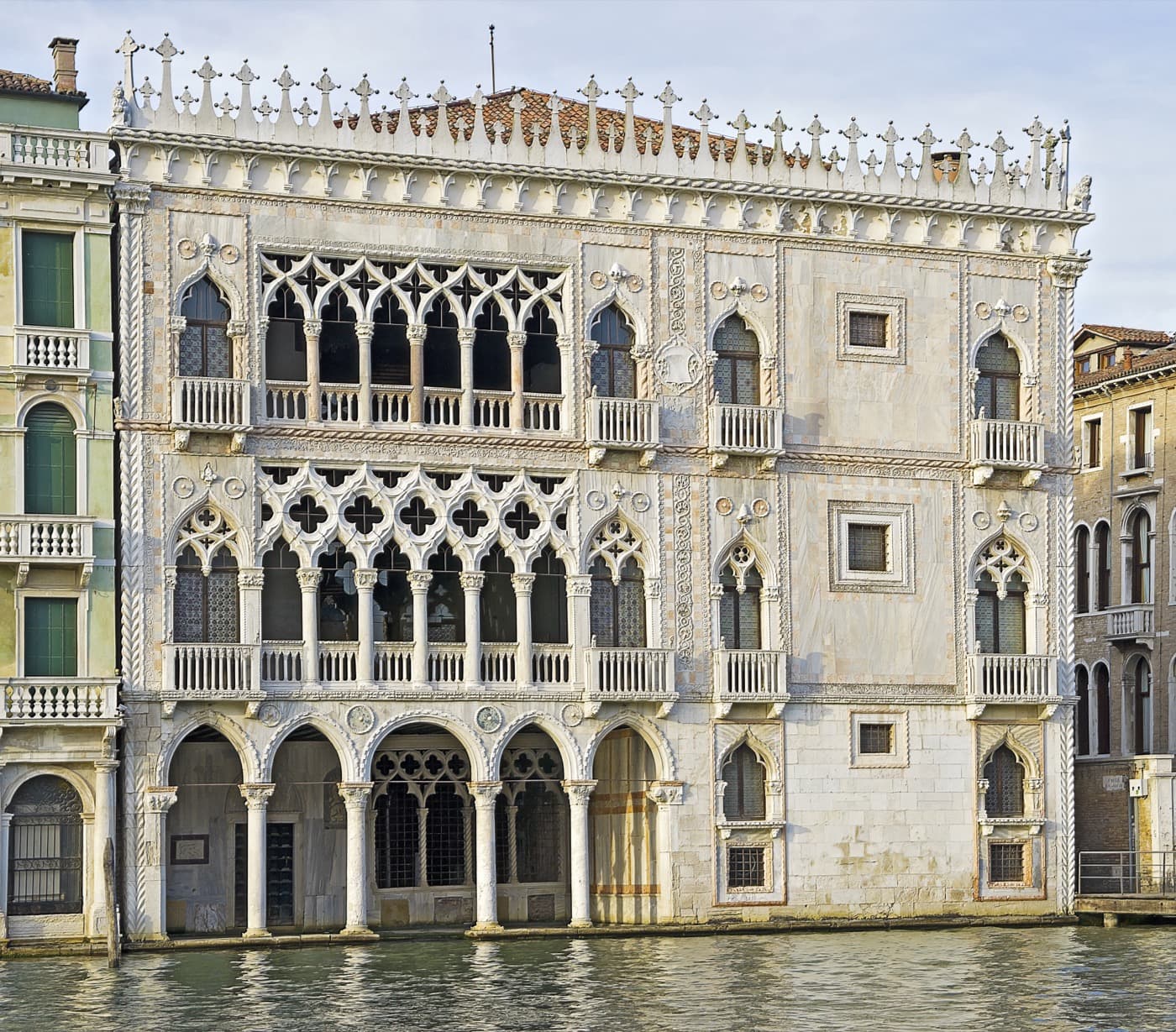
Ca' d'Oro: The House That Wore Gold
A Venetian Gothic palace on the Grand Canal, read from across the water, that closes the walk from enclosure to open water.
Details
Best Time to Visit
Late morning or early afternoon on a weekday, when the Ghetto is calm and the light falls into the campo. Arrive at the Ghetto before midday to have the square nearly to yourself, then let the walk carry you out to Cannaregio's quieter canals as the afternoon opens up.
Pro Tips
- •Approach the Ghetto over one of its two historic bridges and look for the low arches where the gates once hung; the two former gate-bridges are part of the story you are walking into.
- •In Campo di Ghetto Nuovo, stand in the center and look straight up to read the extra stories on the tall houses; the vertical crowding is the single clearest piece of physical evidence on the whole walk.
- •The interiors of the synagogues can be seen only on a guided visit through the Jewish Museum of Venice, so book ahead if you want to go inside; from the campo you can still read their hidden upper-floor windows for free.
- •Give yourself extra time on the Fondamenta della Misericordia leg; it is an intentional longer stretch and the point is to slow down and feel a working Venetian neighborhood, not to rush to the next stop.
- •Madonna dell'Orto and Ca' d'Oro are ticketed sites, and Madonna dell'Orto is part of the Chorus circuit of Venetian churches; check opening hours before you go, since smaller churches keep limited times.
- •The Ca' d'Oro reads best from across the Grand Canal, from the fondamenta near the Rialto fish market or from the Ca' d'Oro vaporetto stop, so you do not need a museum ticket to close the walk on its gilded facade.
Safety & Precautions
- •Venice paving is uneven and every canal crossing means bridge steps, so wear flat, sturdy shoes and watch your footing, especially on worn or wet stone.
- •The Ghetto and Cannaregio's inner canals are quiet, but the approaches through the tourist core near the station and Rialto draw crowds where pickpockets work; keep bags zipped and close in busy passages.
- •Madonna dell'Orto is an active church with a dress code, so cover your shoulders and knees to enter, and carry a light layer for that reason even in summer.
- •Shade is scarce on the open campo and along the fondamenta, so on hot midday afternoons carry water, use the shaded arcades where you can, and pace yourself between stops.
Travel advisory: Exercise Increased Caution (Level 2).
Gallery
Related Reading
Go deeper on what you'll see, hear, and walk through.
Overview
Best Self-Guided Walking Tours in Venice (2026)
4 min
Overview
One Day in Venice: A Walkable Morning-to-Evening Itinerary
6 min
Overview
Venice Travel Guide 2026: Days, Transport, Fees, and Getting Around
7 min
Thematic
Best History Walking Tours in Venice (2026)
2 min
Thematic
Venice: The City Engineered on Water for Trade
7 min
Companion
Where the Word Ghetto Was Born: A Walk Through Venice's Cannaregio
7 min

Read
What to Eat in Venice: Cicchetti, Bacari, and the Dishes to Order by Name
6 min
Read the walk
The full story of Jewish Ghetto of Cannaregio: The First Ghetto, in words. Prefer to listen? Play it narrated, from home or on location.
Introduction
Every language on earth carries a word that began on one small island, here in Venice, Italy. Ghetto. It now means poverty and exclusion almost everywhere, but it started as the plain local name for a foundry, a place where metal was cast, and it traveled from this one campo in the Cannaregio district into the whole world. There are six stops, roughly two kilometres, and about ninety minutes at your own pace, though you can linger far longer. You set the rhythm. The stops are short and skippable, so stay where something holds you and move on when you are ready. The arc is simple. We begin at the birthplace of the word, a walled island where a confined community, forbidden to spread outward, built upward instead, raising some of the tallest houses in the city. We climb, in imagination, to synagogues hidden in the top floors of ordinary buildings. We pause at a memorial that holds the full weight of what the word came to mean. Then the walk opens out. We follow an everyday Cannaregio canal, arrive at Tintoretto's own parish church of brick and shadow, and finish across the water from a Gothic palace that once wore gold. It is a transect, from enclosure to the Grand Canal. Wear comfortable shoes, the paving is uneven and there are bridge steps. When you arrive at Campo di Ghetto Nuovo, begin with stop one.
1. Campo di Ghetto Nuovo: Ground Zero of a Word
Stand in the middle of this square and look up. The houses around you are unusually tall for Venice, six, seven, even eight stories, with low ceilings stacked close together, while the grand palazzi elsewhere in the city rose only three or four. That difference is the whole story. On March twenty-ninth, in the year fifteen sixteen, the Venetian Senate, under Doge Leonardo Loredan, ordered the city's Jewish residents to live on this single island. It was linked to the rest of Venice by only two bridges, and the gates on those bridges were opened at the morning bell of Saint Mark's belfry and locked at midnight. Christian watchmen stood guard, and here is the bitter detail: the Jewish residents were required to pay for the men who locked them in. Forbidden to expand outward, the community expanded the only way left to them, straight up. These became the skyscrapers of their time. The word itself comes from what stood here before. This island had been a foundry, and by one account it held over twelve foundries where bronze and cannonballs were cast. The Venetian word for that casting site, geto, or ghetto, became the name of the place, and then the name for every enclosure like it, everywhere. The first residents were German-speaking Jews who pronounced it with a hard g. Ghetto Nuovo means the new foundry, the older one lying just beyond. By the year sixteen hundred, as many as five or six thousand people lived within these barely seven acres. This is where a common word was born, in confinement, and in the vertical ingenuity that confinement forced.
2. Scola Grande Tedesca: The Synagogues Hidden in the Rooftops
Look at the buildings ringing this campo and try to guess which ones hold synagogues. You cannot tell from the street, and that is the point. The Ghetto had five synagogues, called scole, each serving a different community by rite and origin: the German, the Italian, the Canton, the Levantine, and the Spanish. And nearly all of them are invisible from below, built into the top floors of otherwise ordinary tenement buildings. The oldest is the Scola Grande Tedesca, the Great German Synagogue, completed in the year fifteen twenty-eight by the Ashkenazi German community. It occupies the upper floors of a plain five-story building that today also houses the Jewish Museum of Venice. From outside, you might notice five windows on an upper story, a small asymmetry, the ark projecting quietly over the canal at the back. That is all the clue you get. Why build a synagogue in the attic? Partly the brutal scarcity of space on this tiny island, where every square foot was fought for. And partly a tradition that nothing should stand between a synagogue and the sky. The result inside is intimate and cramped, ceilings low, the whole sanctuary folded into a rooftop. The English traveler Thomas Coryat walked through this Ghetto in the year sixteen oh eight and published his account in London three years later, the first mention of the Venetian Ghetto in the English language. He counted, in his words, at least seven synagogues, and reckoned five to six thousand people lived here. A concealed faith, raised as high as the buildings would allow.
3. Monumento alla Shoah: The Weight of the Word
Turn to the brick wall of this square and let the walk grow quiet for a moment. Set into the brick are bronze bas-relief plaques by the Lithuanian-American sculptor Arbit Blatas, installed on April twenty-fifth, in the year nineteen eighty, which is Italy's national day of…
Full narration for this stop unlocks with the tour.
4. Fondamenta della Misericordia: Everyday Cannaregio
Leaving the Ghetto behind, the walk opens up along this fondamenta, a paved quay running beside the Rio della Misericordia. This is an intentional longer leg, a transect between the enclosed island and the church ahead, and it is worth walking slowly. You have stepped out of the…
Full narration for this stop unlocks with the tour.
5. Madonna dell'Orto: Tintoretto's Parish Church
Ahead rises a church of warm brick, its Gothic facade rich with tracery and patterned masonry, set on a small campo well off the tourist spine. This is the Madonna dell'Orto, and it was the home parish of one of Venice's great painters, Jacopo Robusti, known to the world as…
Full narration for this stop unlocks with the tour.
6. Ca' d'Oro: The House That Wore Gold
The walk ends at the water, looking across the Grand Canal at a palace whose stonework seems to dissolve into lace and air. This is the Ca' d'Oro, the House of Gold, widely regarded as the finest surviving example of Venetian Gothic domestic architecture. It was built for a…
Full narration for this stop unlocks with the tour.