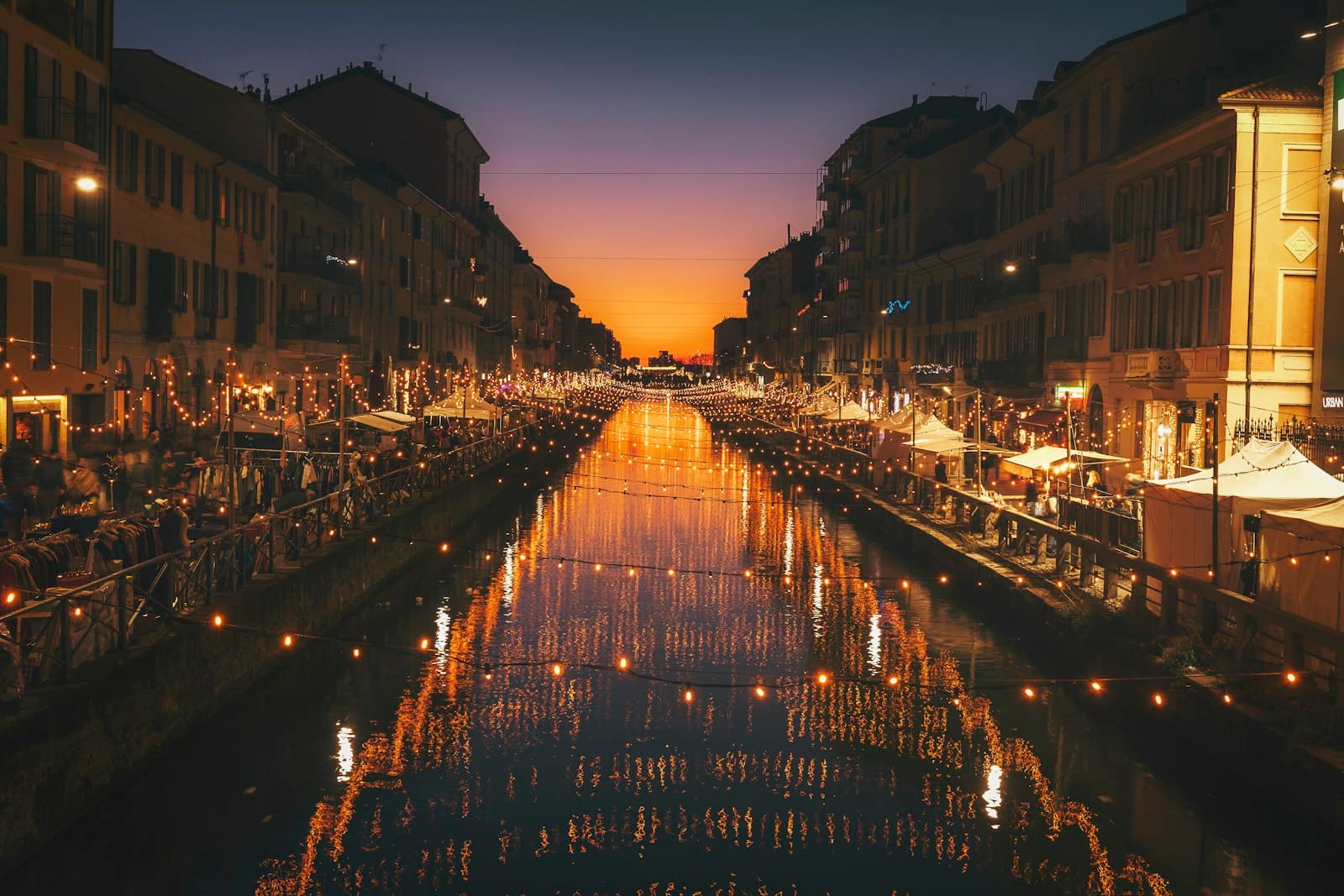
Milan has no river, yet it was once one of Italy's busiest inland ports. This walk follows the buried water inland, from the last open canals to the refectory that holds Leonardo's Last Supper.
Start · Naviglio Grande and the Darsena: Milan's Inland Port
DirectionsStops
- 1
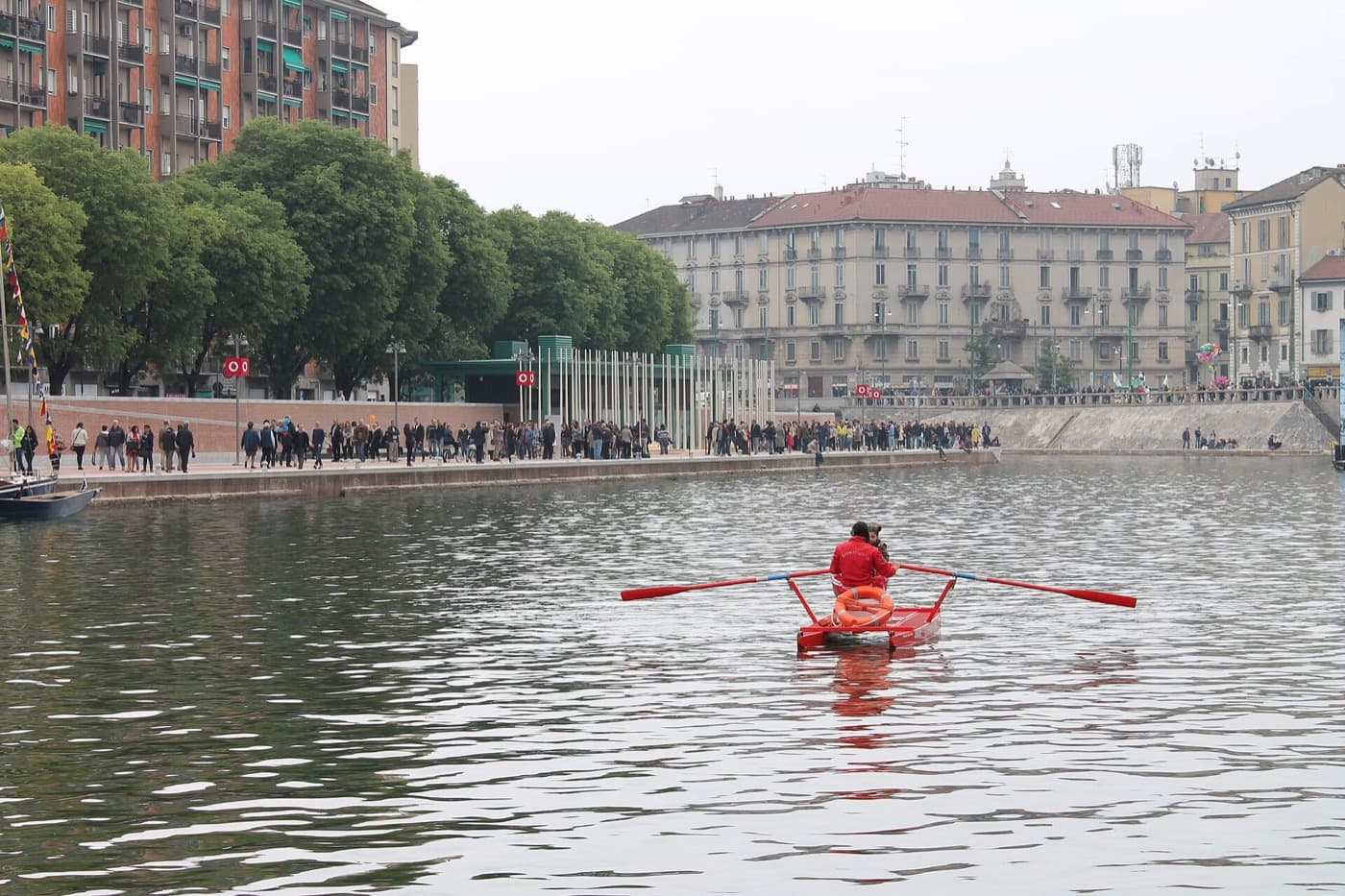
Naviglio Grande and the Darsena: Milan's Inland Port
The wide dock where two canals meet, and the oldest of Milan's great waterways feeds the basin that once served as the city's harbour.
- 2
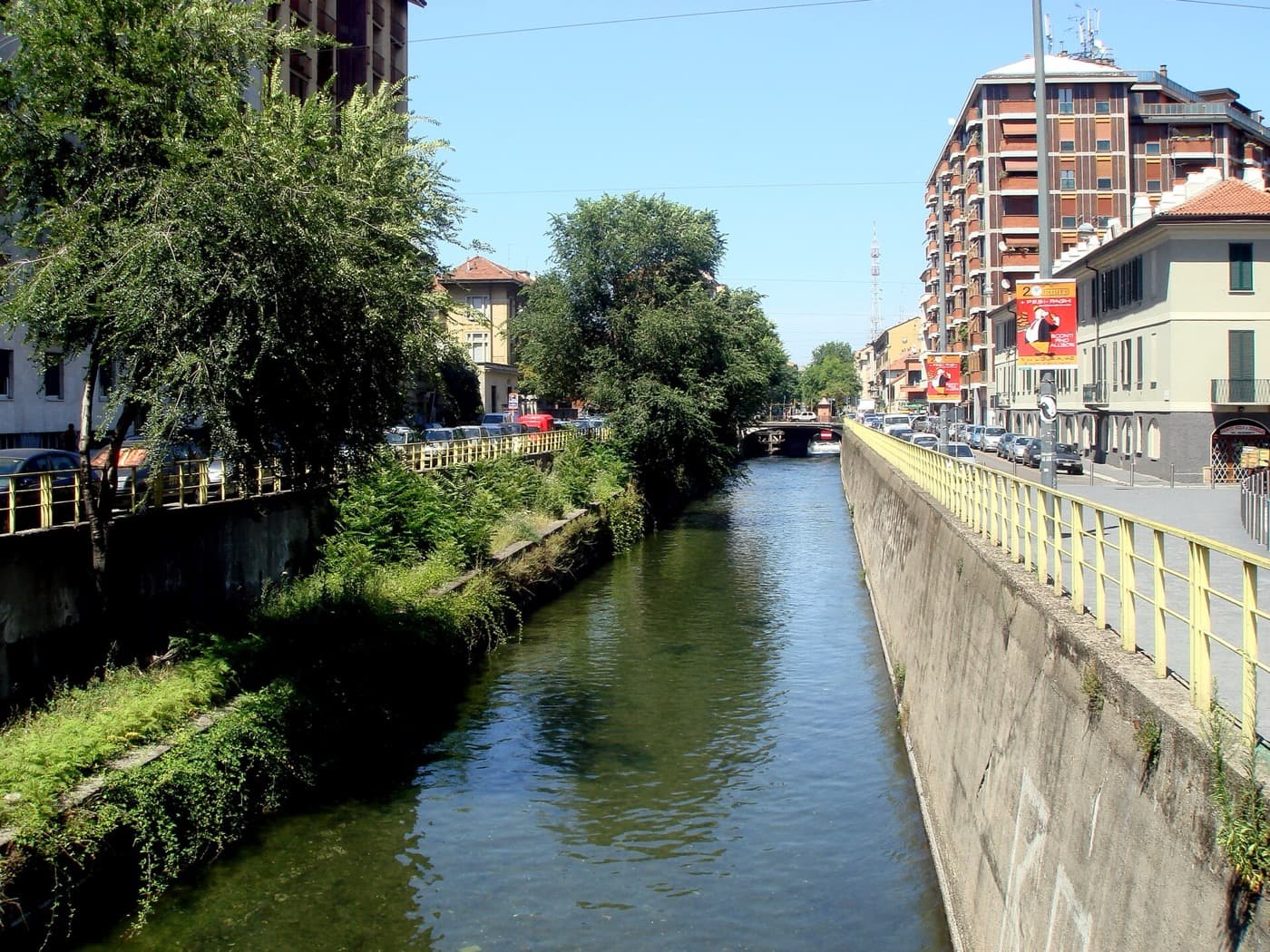
Naviglio Pavese: The Canal That Failed and Waited
The second open canal running south from the Darsena, a waterway begun in the sixteenth century, abandoned, and finally finished nearly three hundred years later.
- 3
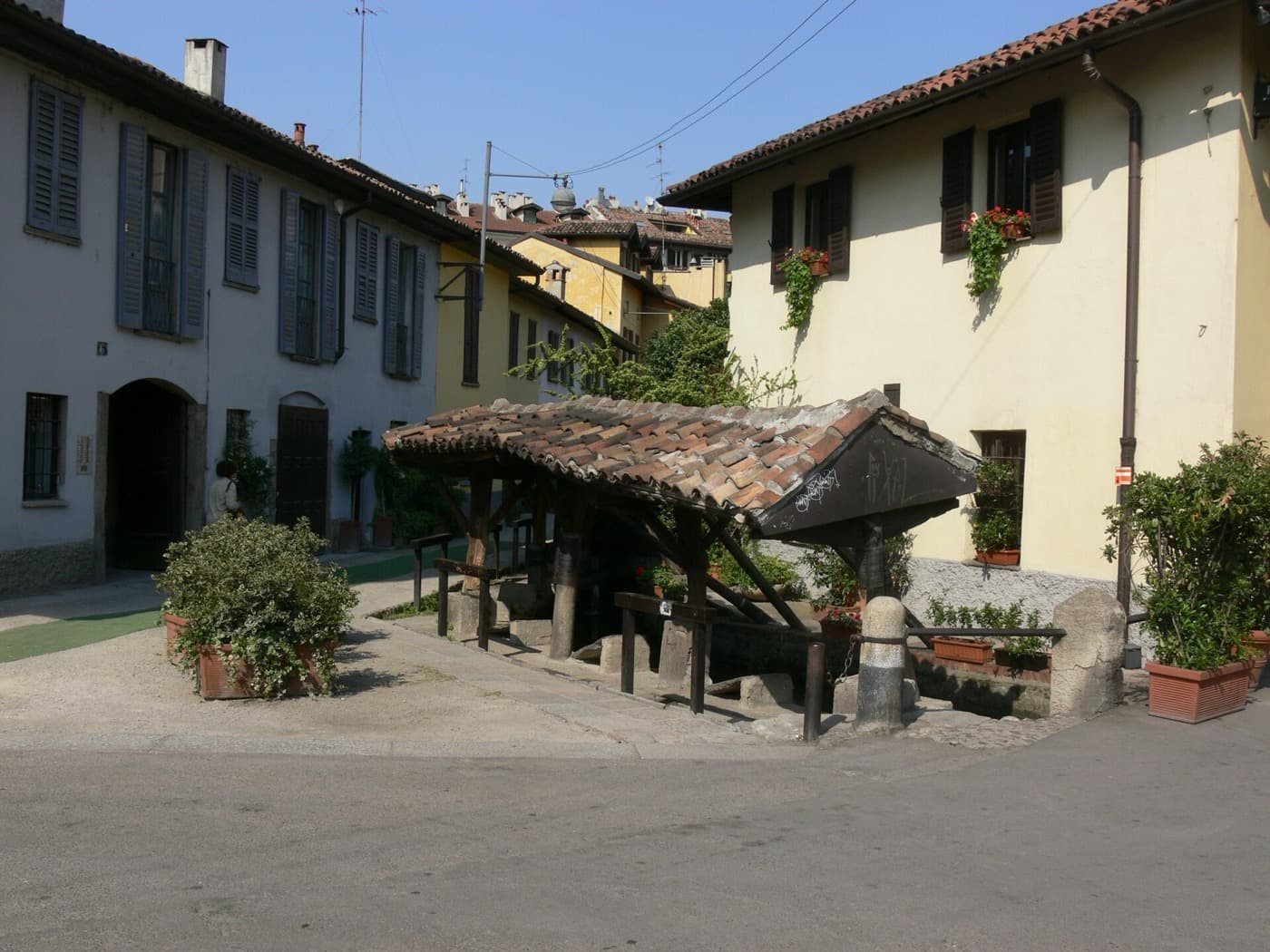
Vicolo dei Lavandai: The Washermen's Alley
A preserved communal washing place fed by canal water, where a guild of washermen once made their living beside the Naviglio Grande.
- 4
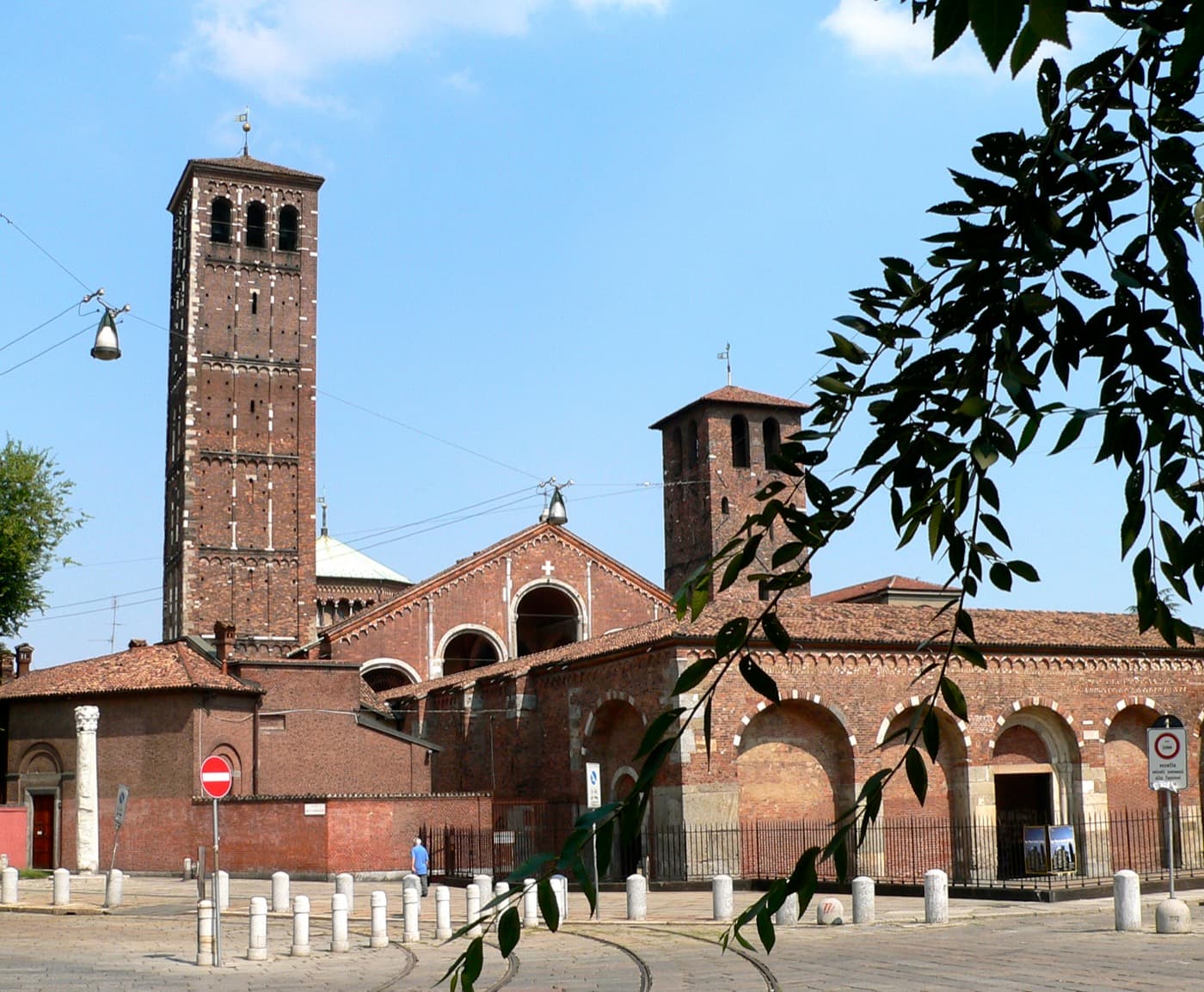
Basilica di Sant'Ambrogio: Milan's Ancient Heart
One of Milan's most ancient churches, founded by Saint Ambrose in the fourth century and rebuilt in enduring Lombard Romanesque stone.
- 5
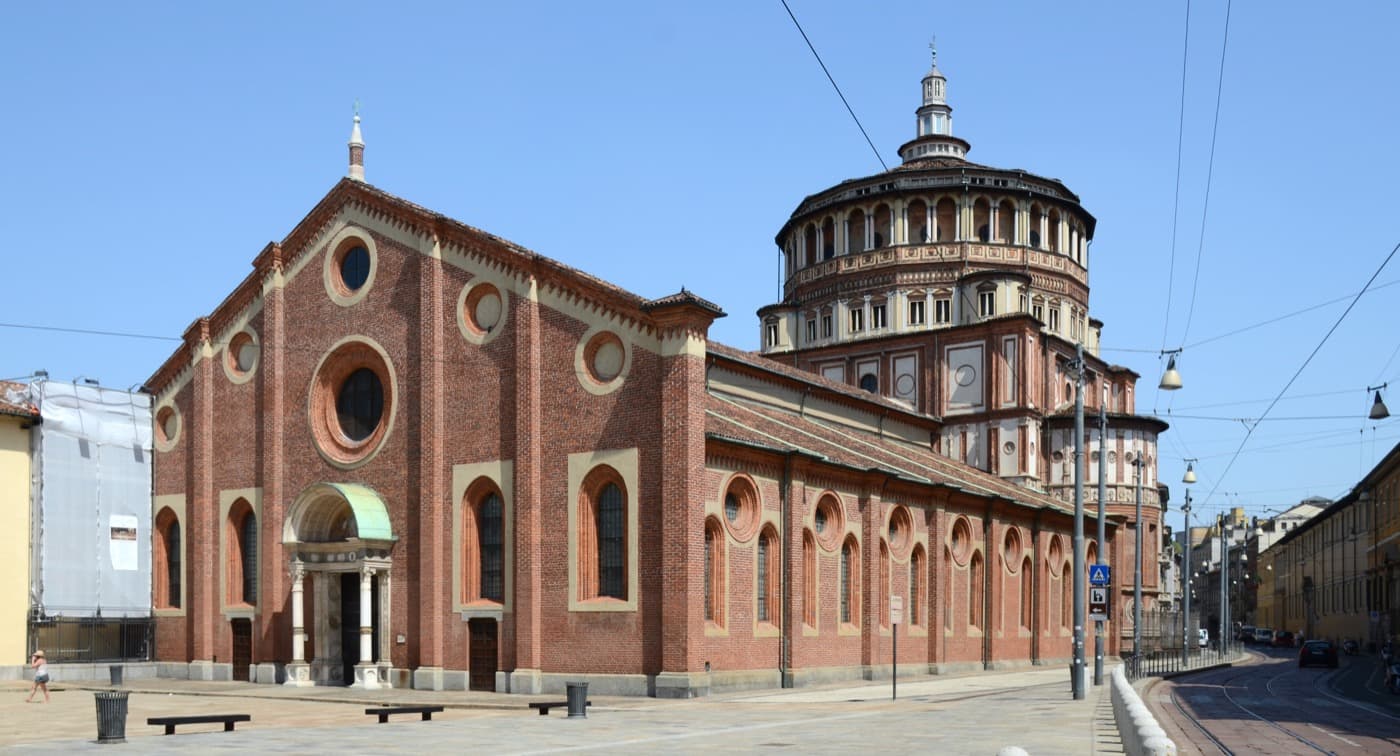
Santa Maria delle Grazie: The Last Supper
The Dominican church and convent whose refectory holds Leonardo's Last Supper, painted by the same hand that drew the city's lock gates.
Details
Best Time to Visit
Late afternoon into early evening is the sweet spot. The Darsena and the two open canals fill with light and life as the day cools, and the walk finishes near Santa Maria delle Grazie in time for a booked Cenacolo slot or a quiet look at the church. Morning also works well if you want the canal-side calm before the aperitivo crowds arrive, and it keeps you out of the hottest midday hours on the inland stretch. Weekdays are gentler than weekends, when the Navigli district and its market days draw heavy foot traffic.
Pro Tips
- •Book the Last Supper, the Cenacolo Vinciano, well ahead of your trip. It is a timed, pre-booked ticket at about fifteen euros full fare, and it sells out weeks in advance, so do not count on walking up.
- •Time the walk so your Cenacolo slot lands near the end. The route finishes at Santa Maria delle Grazie, so aim your booking for the tail of your two and a half to three hours.
- •Both the Basilica di Sant'Ambrogio and the church at Santa Maria delle Grazie are free to enter, so you can step inside for the architecture even without any tickets.
- •The Vicolo dei Lavandai is small and easy to miss. Look for the narrow lane off the canal-side near the Darsena, and step in quietly, as it sits right beside everyday life.
- •Wear comfortable shoes with good grip. The Navigli district and the inland lanes mix cobblestones, canal-side edges, and church steps.
- •Carry a refillable water bottle. Milan has public drinking fountains, and the inland leg away from the canals offers little shade in warm months.
Safety & Precautions
- •The Navigli district and the area around the Last Supper draw crowds, especially in the evening and on weekends. Keep your bag closed and in front of you, as busy tourist zones attract pickpockets.
- •Footing is uneven throughout. Expect cobblestones, canal-side edges without railings, and worn church steps, so watch your step and take the canal edges slowly.
- •Both basilicas enforce a modest dress code. Cover your shoulders and knees to enter, and carry a light scarf or layer if you are dressed for summer heat.
- •In summer the inland stretch between the canals and the churches offers little shade and can get hot around midday. Carry water, use the canal-side shade early, and pace yourself between stops.
Travel advisory: Exercise Increased Caution (Level 2).
Gallery
Related Reading
Go deeper on what you'll see, hear, and walk through.
Overview
Best Self-Guided Walking Tours in Milan (2026)
3 min
Overview
Milan Travel Guide: Days, Transport, Timing, Safety, and Cost
6 min
Overview
One Day in Milan: A Walkable Itinerary From Canals to Towers
7 min
Thematic
Best History Walking Tours in Milan (2026)
2 min
Thematic
Milan Works: A City Rebuilt Around Water, Industry, and Ambition
7 min
Companion
Vicolo dei Lavandai: The Washermen's Alley That Explains Milan's Buried Port
7 min
Deep dive
Santa Maria delle Grazie: Why Leonardo's Last Supper Survives on a Milan Wall
7 min

Read
What to Eat in Milan: Signature Dishes, Origins, and How to Order Like a Local
7 min
Read the walk
The full story of Navigli: Leonardo's Water, in words. Prefer to listen? Play it narrated, from home or on location.
Introduction
Milan, in northern Italy, has no river of its own. And yet for centuries this landlocked city ran on water. A ring of canals, the navigli, carried marble, rice, and trade into its heart, moving through locks whose gates a young engineer named Leonardo da Vinci studied and improved while he served the Sforza dukes. Most of that water was paved over in the twentieth century, but two canals still run in the open air, and the memory of the harbour is written all through these streets. This walk reads the pavement like a document, tracing the buried port beneath your feet, and ends with the man who engineered the water standing before his most famous painting. There are five stops, and the route runs about four kilometres, so give yourself around two hours at an unhurried pace. Each stop stands on its own and is easy to skip if something else pulls your attention, so walk it your way. We begin where the canals are still wet and working as public space, at the great dock called the Darsena. From there we follow the everyday texture of the canal economy, then turn inland through the oldest civic and sacred fabric of the city, and close at the refectory where the same hand that drew those lock gates painted the Last Supper. The tension all the way through is simple. How does a city with no river become a busy port, and where did all that water go. When you arrive at the Darsena, the wide dock where the Naviglio Grande meets the Naviglio Pavese, begin with stop one.
1. Naviglio Grande and the Darsena: Milan's Inland Port
Stand at the edge of the Darsena and look at the width of the water. This is the dock, the basin where the Naviglio Grande, meaning the great canal, meets the Naviglio Pavese. For a landlocked city, this was the harbour. The Naviglio Grande is the oldest and most important of the Milanese navigli. It began humbly, as a defensive ditch cut in the year eleven fifty-seven. Formal construction followed from eleven seventy-seven, and by the year twelve seventy-two it was navigable, after a final deepening and widening overseen by the engineer Giacomo Arribotti. It is remembered as one of the largest medieval engineering projects, and it made this dock possible. Think about what moved through here. Marble for the cathedral, rice from the plains, sand, timber, goods of every kind, floated in from the countryside to the doorstep of the city. This was no quiet backwater. In the nineteen fifties this dock ranked third in all of Italy for the sheer tonnage of cargo it handled, remarkable for a city with no natural river. The last cargo, a load of sand, was unloaded here on the thirtieth of March, nineteen seventy-nine. After that the working port fell silent, and for decades the basin sat neglected. What you see today, this open pedestrian expanse with its markets and its evening crowds, was recovered and reopened as public space for the world's fair that Milan hosted in the year two thousand fifteen. So the water at your feet is both very old and freshly returned. Take your time along the edge. The whole rest of this walk follows this water inland, and most of it you will not be able to see.
2. Naviglio Pavese: The Canal That Failed and Waited
Turn your attention to the other canal feeding the Darsena, the Naviglio Pavese. It runs south from this dock for about thirty-three kilometres, roughly twenty-one miles, all the way to the city of Pavia, connecting Milan toward the Ticino river and the great Po basin beyond. That was the dream: to link this inland city to a network of rivers, and through them to the sea. But this canal is a story of patience and failure. Construction started in the year fifteen sixty-four. After about twenty years the work was abandoned, defeated by technical problems the engineers of the day could not solve. The water sat unfinished. It was not completed as a navigable waterway until the year eighteen nineteen, nearly three centuries after the first shovel. Along its course it needed a flight of six conche, and a conca is a lock, a chamber that raises or lowers boats between stretches of water at different heights. There is a lock just outside Milan still called the Conca Fallata, the failed lock, named for that original sixteenth-century breakdown. The failure is baked right into the name. The Naviglio Pavese carried traffic for well over a century, then closed to navigation in the nineteen sixties as roads took over. Even now there is talk of restoring these waterways as part of a larger inland route reaching from Switzerland to Venice. Standing here, you can see the ambition. A city with no river tried to build its own, and it took the better part of three hundred years to make the southern line work. The problem of moving water uphill, of managing these locks, is exactly the problem that would draw Leonardo's eye. Hold that thought as we turn inland.
3. Vicolo dei Lavandai: The Washermen's Alley
Step into the narrow lane called the Vicolo dei Lavandai, the alley of the lavandai, which means the washermen. This is one of the most intimate fragments of the old canal economy still standing. Here a channel of canal water, known in the Milanese dialect as el fossett, feeds a…
Full narration for this stop unlocks with the tour.
4. Basilica di Sant'Ambrogio: Milan's Ancient Heart
Now the walk turns inland, away from the open water, toward the oldest sacred and civic fabric of the city. The Basilica di Sant'Ambrogio is a good place to feel just how old Milan is. Saint Ambrose himself commissioned a church on this ground between the years three hundred…
Full narration for this stop unlocks with the tour.
5. Santa Maria delle Grazie: The Last Supper
This is where the water leads, and where the walk closes. Santa Maria delle Grazie is a church and Dominican convent whose foundation stone was laid in the year fourteen sixty-three, with the building completed by fourteen ninety-seven. The Gothic nave was designed by Guiniforte…
Full narration for this stop unlocks with the tour.