The Movement and the Rose
A sober walk through Munich's royal and university quarter, the neoclassical stage the Nazis called their capital, and the ground where students and a lone carpenter refused. Two truths held in one frame, at your own pace.
4.27|120 minutes|4.9 km|7 Stops
Start
The Feldherrnhalle on the Odeonsplatz
1
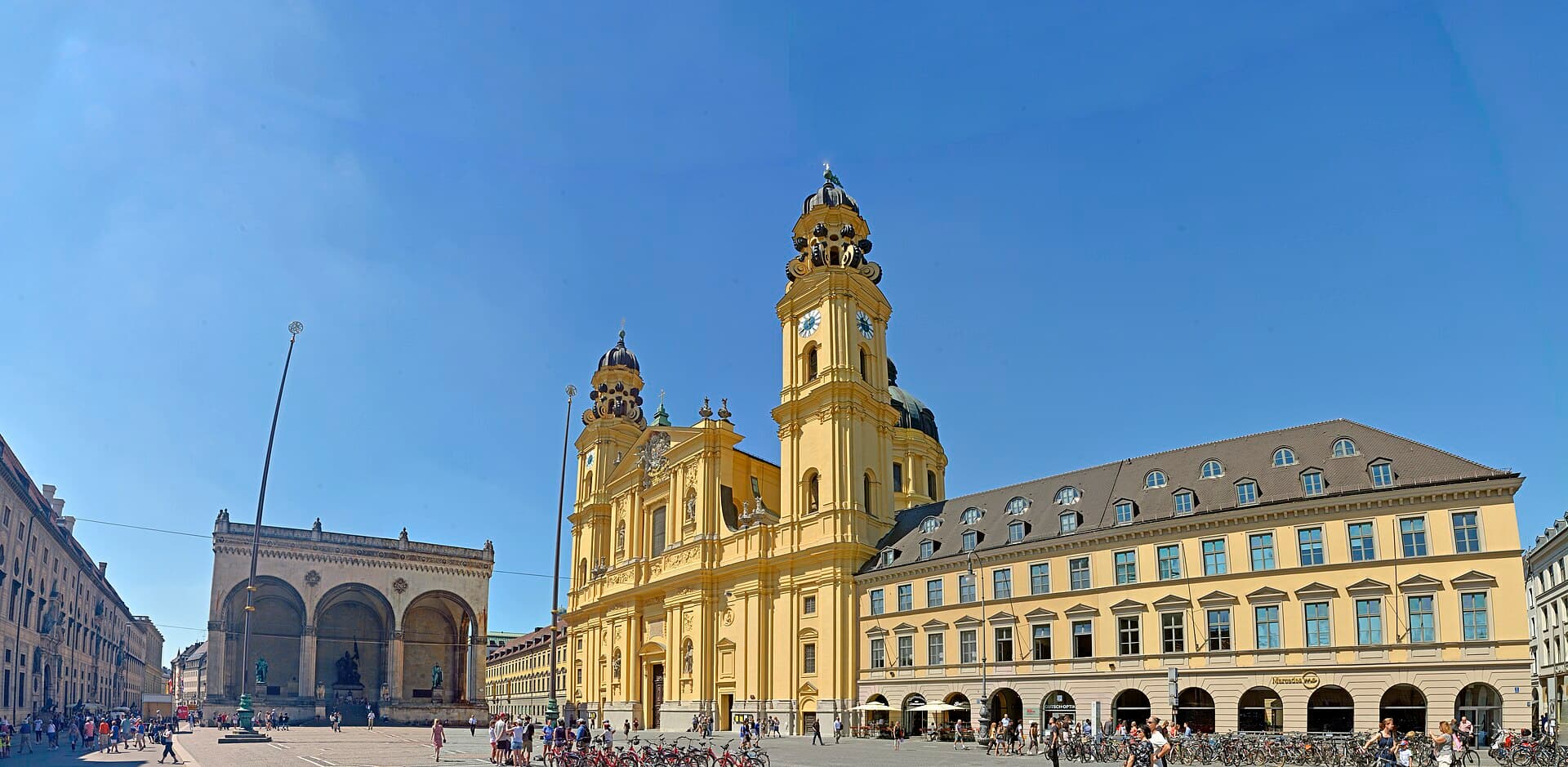
The Feldherrnhalle on the Odeonsplatz
A grand nineteenth-century loggia where a failed coup ended in gunfire, and which the Nazis later turned into their most sacred ground.
2
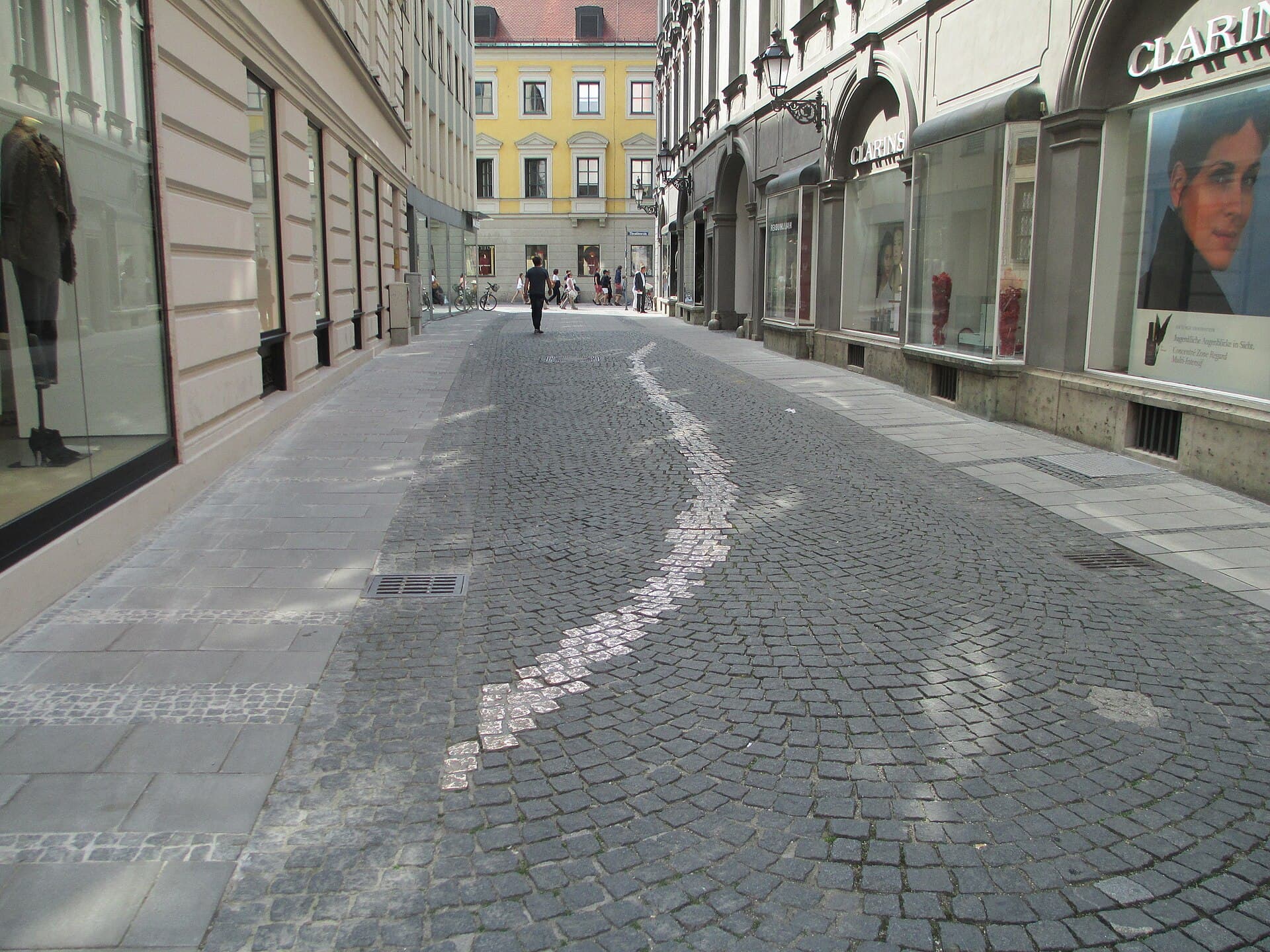
Viscardigasse: The Shirkers' Alley
A narrow back lane where ordinary Munichers slipped past to avoid saluting the Nazi shrine, marked today by a winding line of bronze in the cobbles.
3
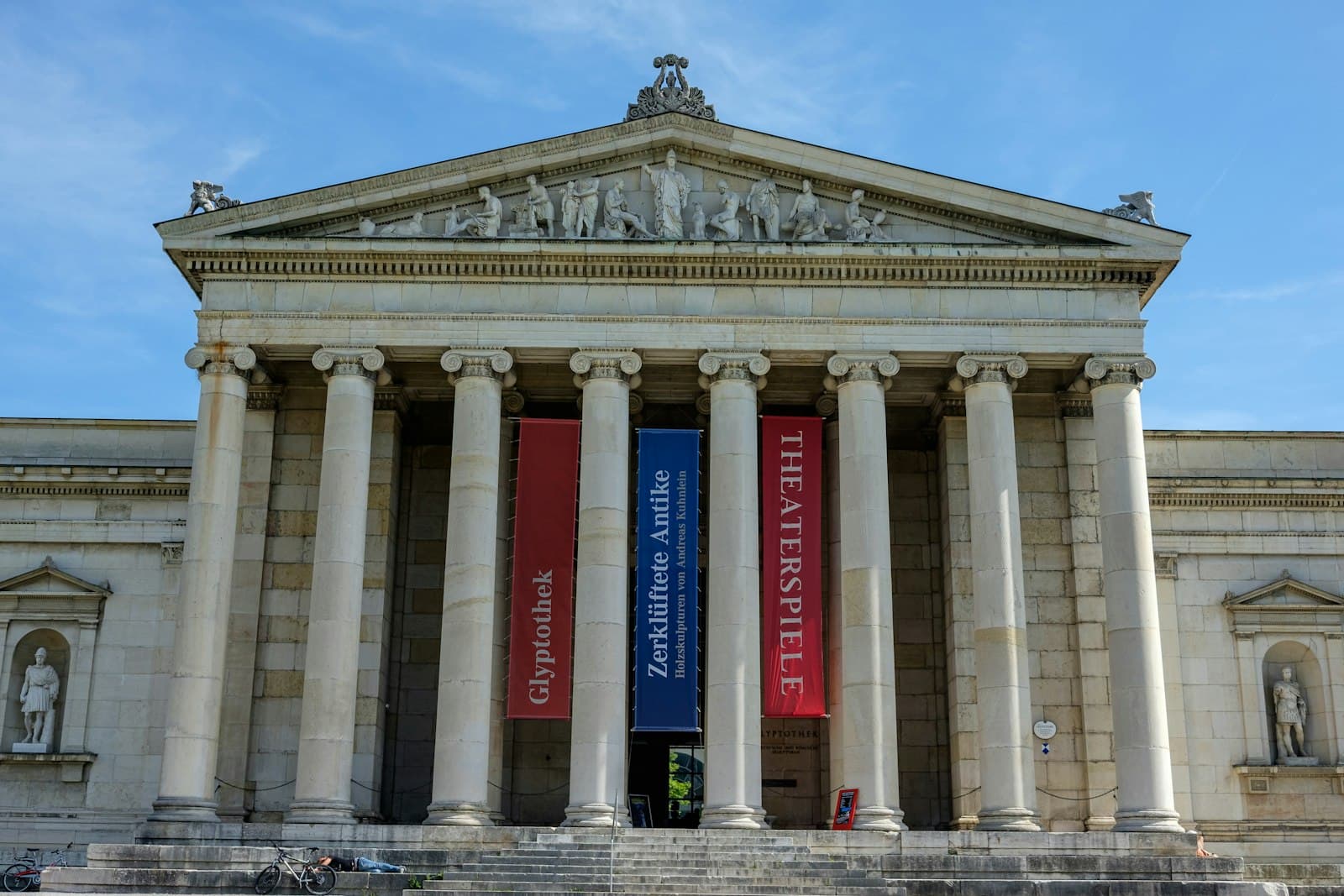
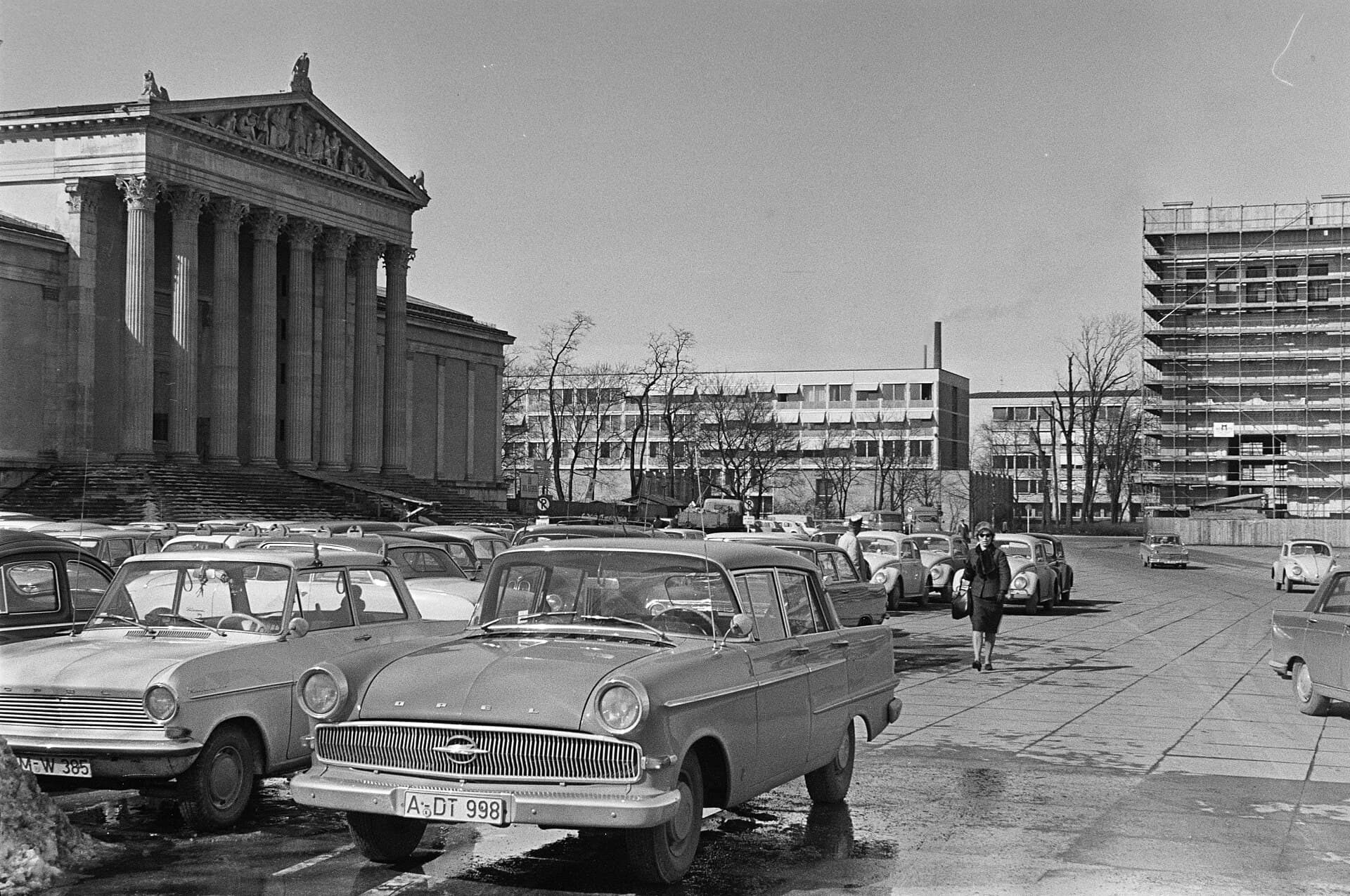
Königsplatz: The Ceremonial Forum
A neoclassical square Ludwig the First built as an Athens on the Isar, which the Nazis paved in granite and turned into a parade ground.
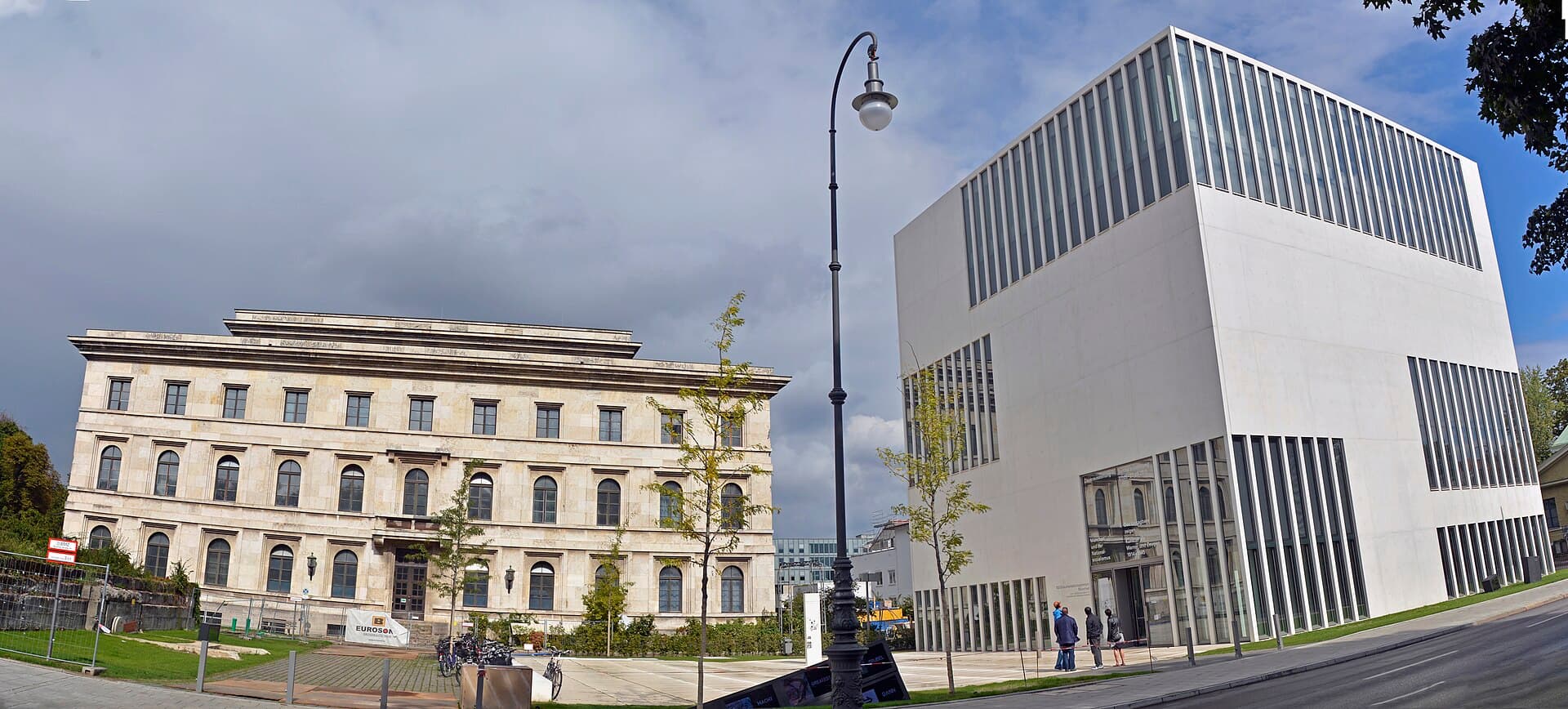
4
The NS-Dokumentationszentrum on the Brown House Site
A stark white cube on the ground of the former Nazi party headquarters, where Munich now names its own history out loud.
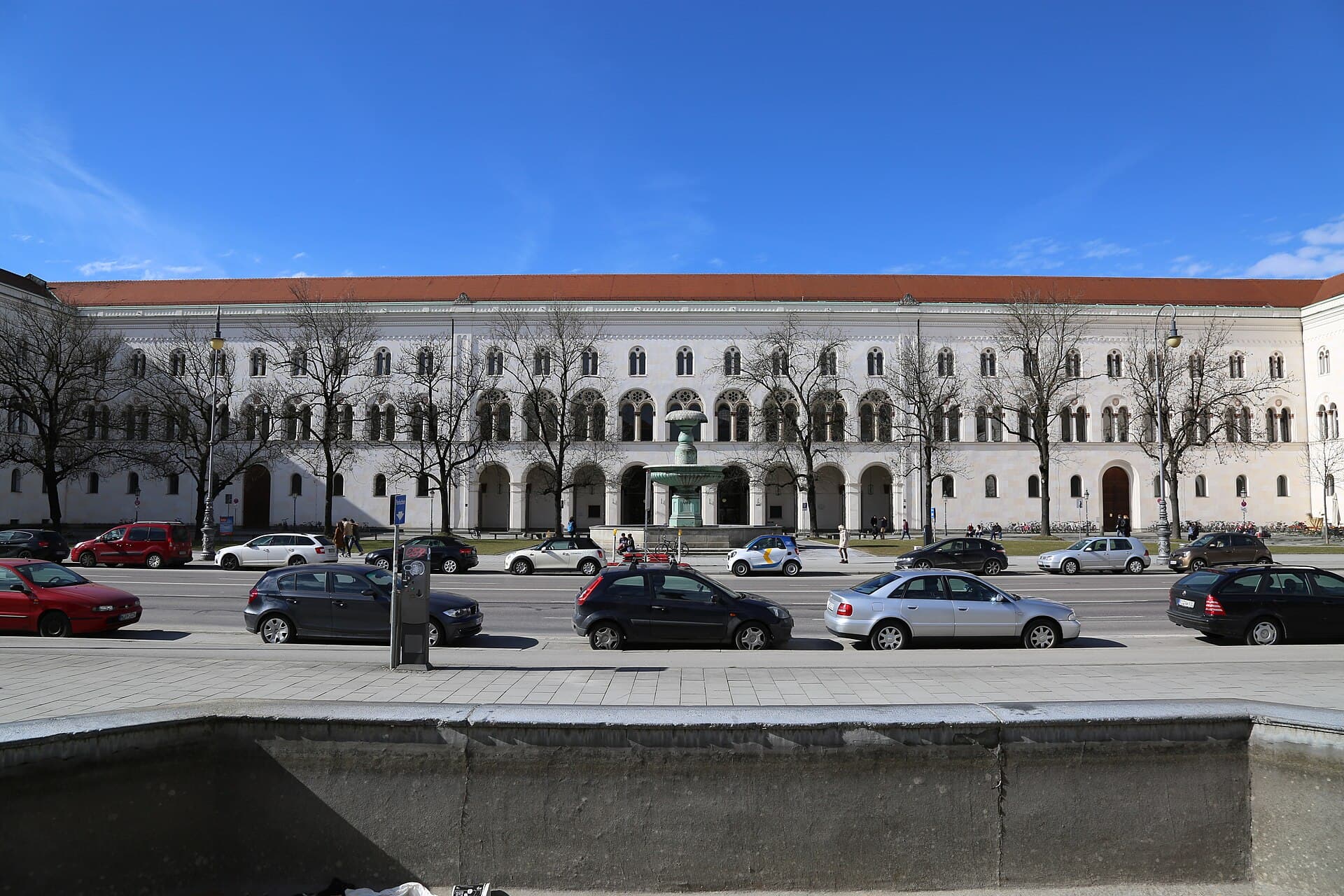
5
The University and the White Rose
The square before Munich's main university, where a handful of students distributed leaflets against the regime and were killed for it.
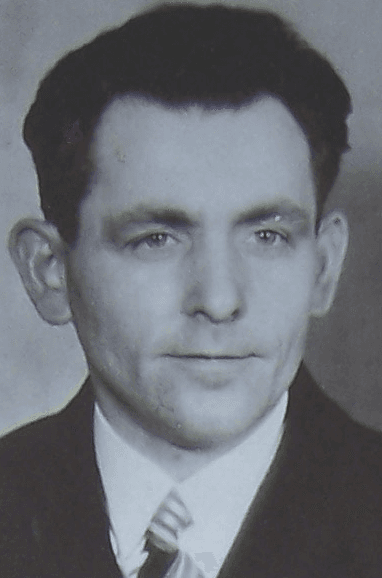
6
The Georg Elser Memorial
A neon-lit memorial to the lone carpenter who came within minutes of killing Hitler, set on a square that carries his name.
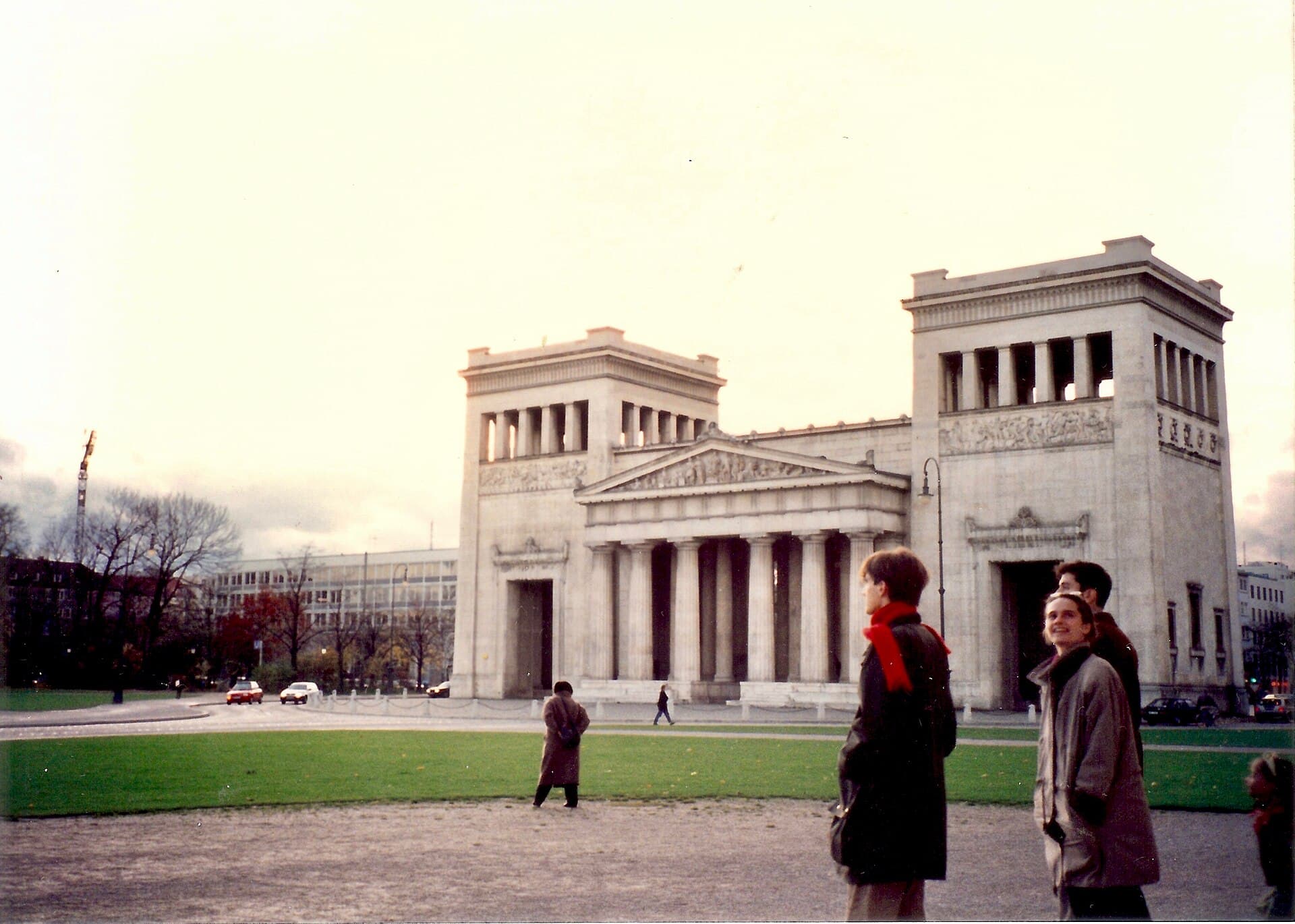
7
Königsplatz Today and the Choice to Remember
A closing return to the square, now ringed by museums, and to Munich's decision to document its history rather than erase or glorify it.
Best Time to Visit
Weekday mornings are best, when the university quarter is active but the squares are calm enough for reflection. Aim to arrive at the Königsplatz museums during their opening hours if you want to step inside, and note that the NS-Dokumentationszentrum and the White Rose exhibition are closed on some Mondays. Late afternoon light suits the neoclassical facades, and if you time the very end of your evening near the Georg-Elser-Platz, the memorial lights up at twenty-one twenty.
Pro Tips
- •This is a walk for reflection, not a sightseeing rush. Give yourself the full two hours and let the quiet stops breathe.
- •Admission to the NS-Dokumentationszentrum is free, and the White Rose exhibition inside the university atrium is free during opening hours, so both are easy to fold into the walk if you have time.
- •Wear comfortable shoes with a bit of grip. The Viscardigasse cobbles and the granite of Königsplatz are uneven and can be slick after rain.
- •The Georg Elser memorial sits a short distance from the main cluster in the Maxvorstadt quarter, so treat it as its own small detour rather than a stop right next door.
- •Munich's public transport uses the U-Bahn and S-Bahn, and the Königsplatz and Universität stations put you at the ends of this route if you want to shorten the walking.
- •The two demolished Temple of Honour foundations are easy to miss, grassed over at the edge of Königsplatz. Look for the low rectangular platforms rather than expecting a marked monument.
Safety & Precautions
- Keep a sober, respectful manner at every stop on this walk. These are sites of real deaths, the White Rose executions, Georg Elser's murder at Dachau, and the coup, and they are places of remembrance, not photo backdrops. Speak quietly and stay off the memorials.
- Watch for fast, near-silent cyclists and trams throughout this quarter. Bike lanes run alongside the pavement and cyclists have right of way in them, so look before you step across, especially near the university.
- Mind the tram tracks and uneven cobbles underfoot, particularly in the Viscardigasse and across the granite of Königsplatz. Heels and thin soles catch easily.
- Validate your U-Bahn or S-Bahn ticket before boarding, as fare inspections are common and unvalidated tickets are treated as fare evasion. Inside the documentation centre and the memorial exhibitions, follow the posted quiet and no-photography rules where they apply.
Gallery
Related Reading
Go deeper on what you'll see, hear, and walk through.
Overview
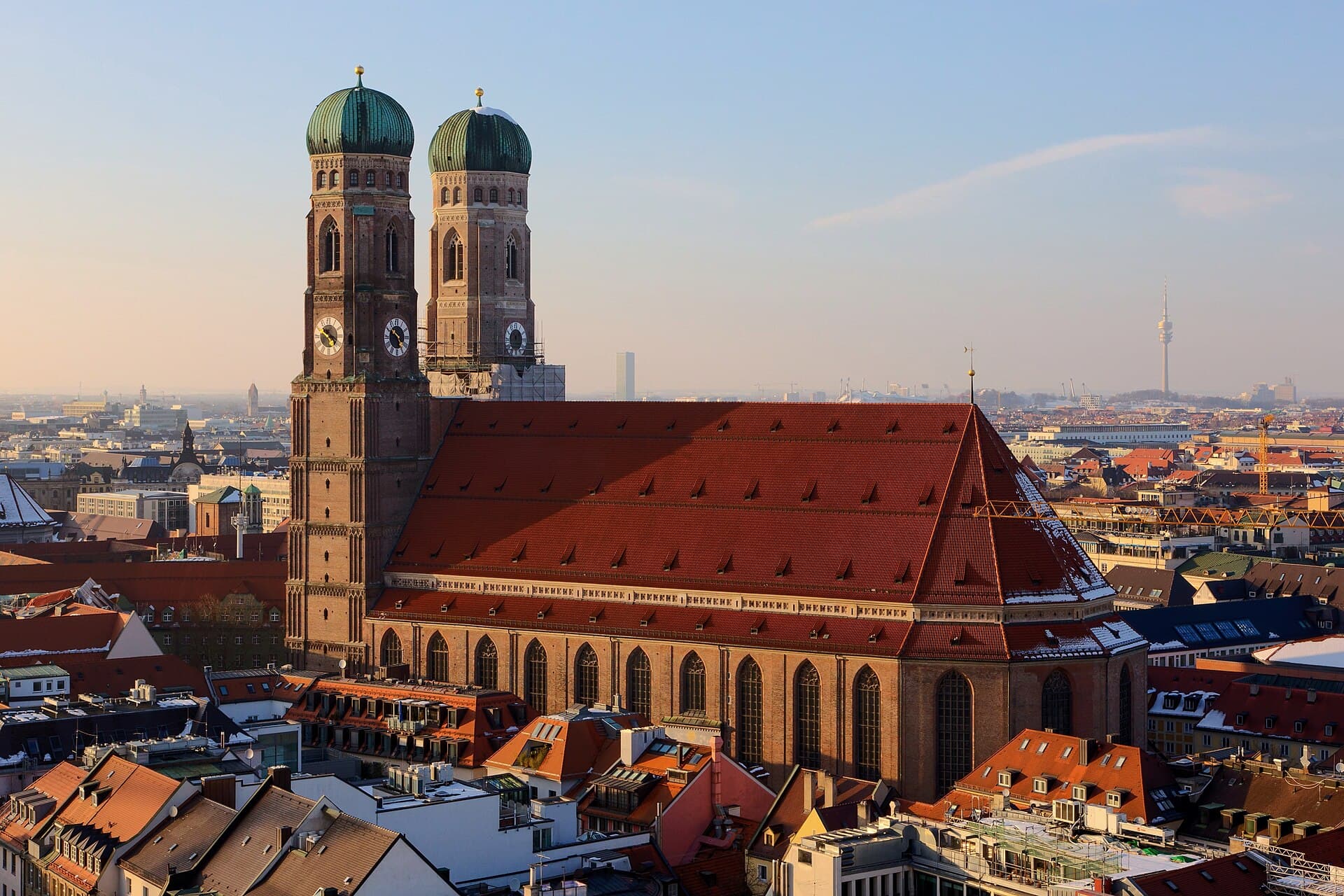
Munich Travel Guide: Days, Transport, Timing, Safety, and Budget
6 min
Overview
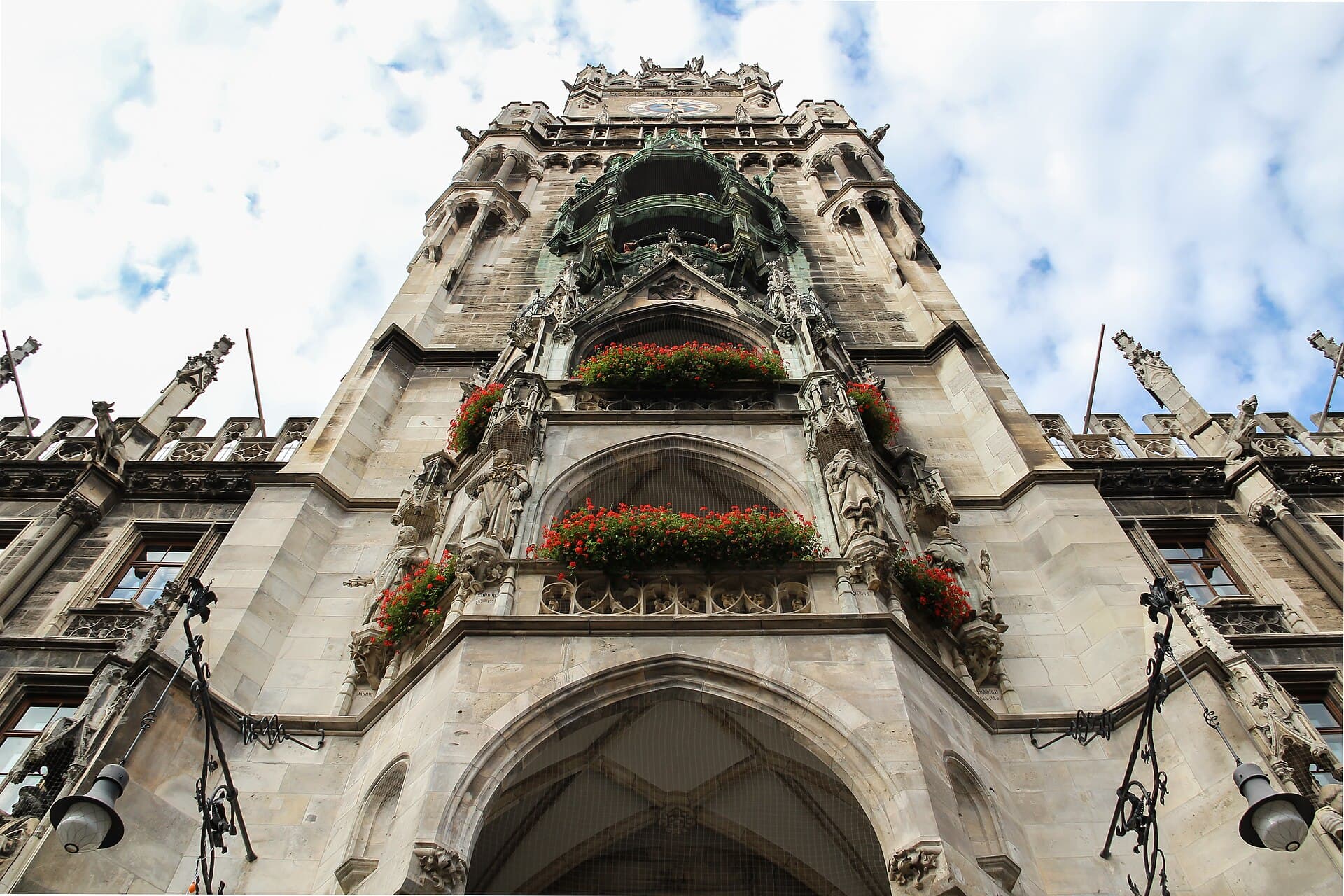
One Day in Munich: A Walkable Morning-to-Evening Itinerary
7 min
Thematic
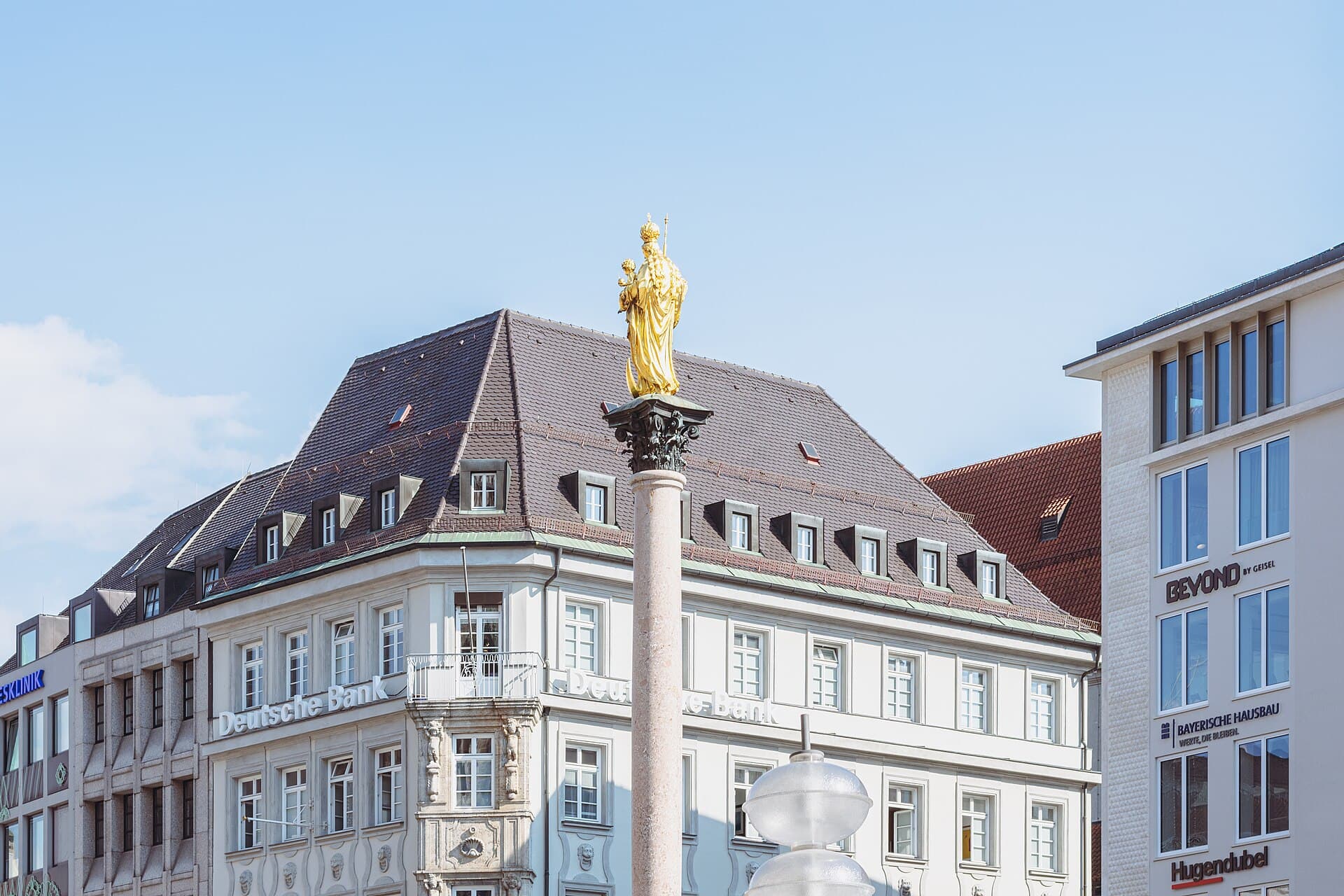
The City the Monks Named: How Munich Turns Privilege Into Public Life
7 min
Companion
Geschwister-Scholl-Platz: Where Munich's Students Chose to Say No
6 min
Deep dive
Königsplatz, Munich: The Athens on the Isar the Nazis Paved in Granite
6 min
Read
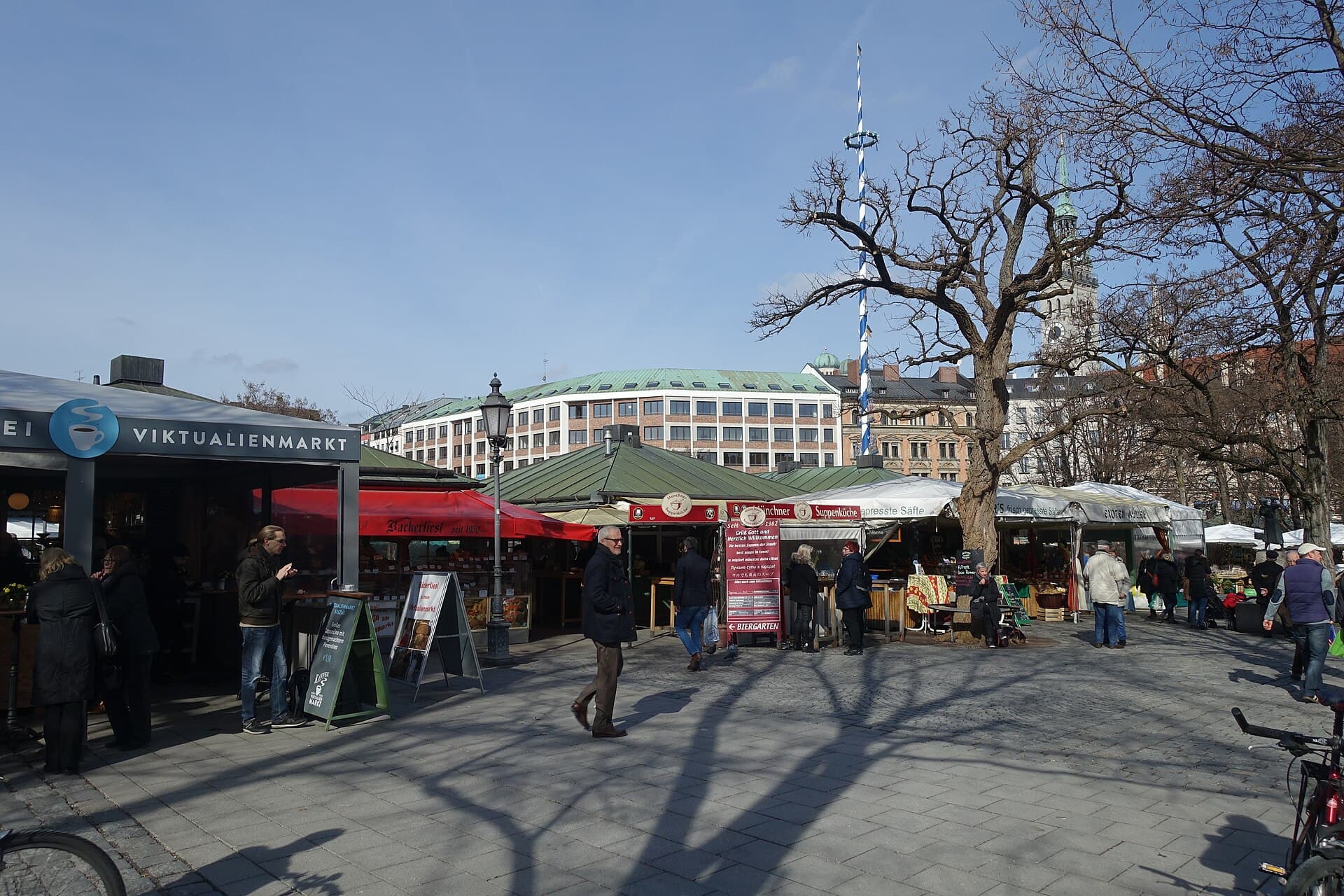
What to Eat in Munich
6 min