The City That Refuses to Forget
A sober walk through the memorial quarter of Mitte, where Berlin chose to keep the evidence of its darkest history in plain sight rather than pave it over.
4.42|120 minutes|4.5 km|7 Stops
Start
Reichstag: Democracy Made Visible
1
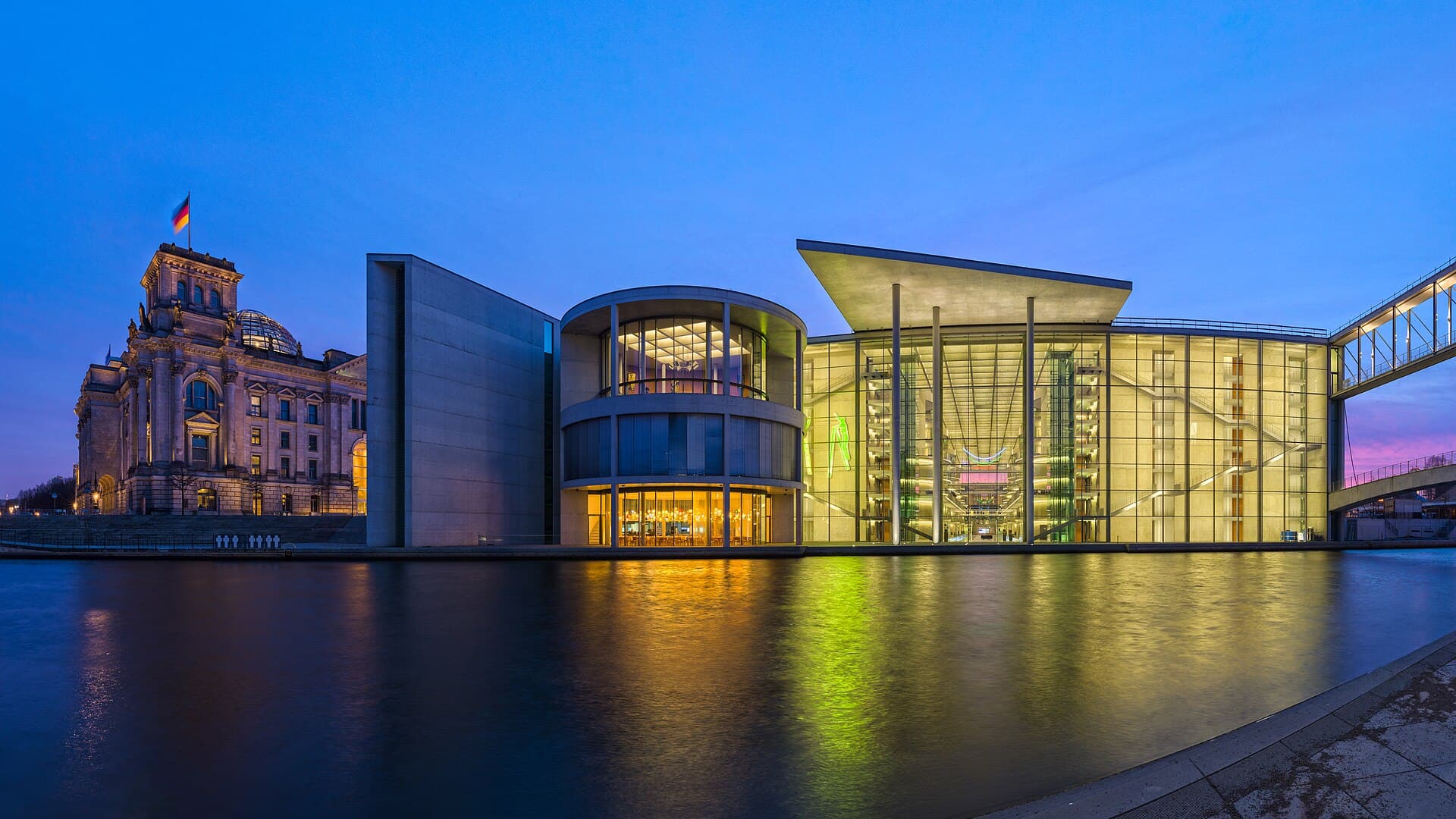
Reichstag: Democracy Made Visible
The seat of the German parliament, rebuilt with a walkable glass dome that lets citizens look down onto the debating chamber below.
2
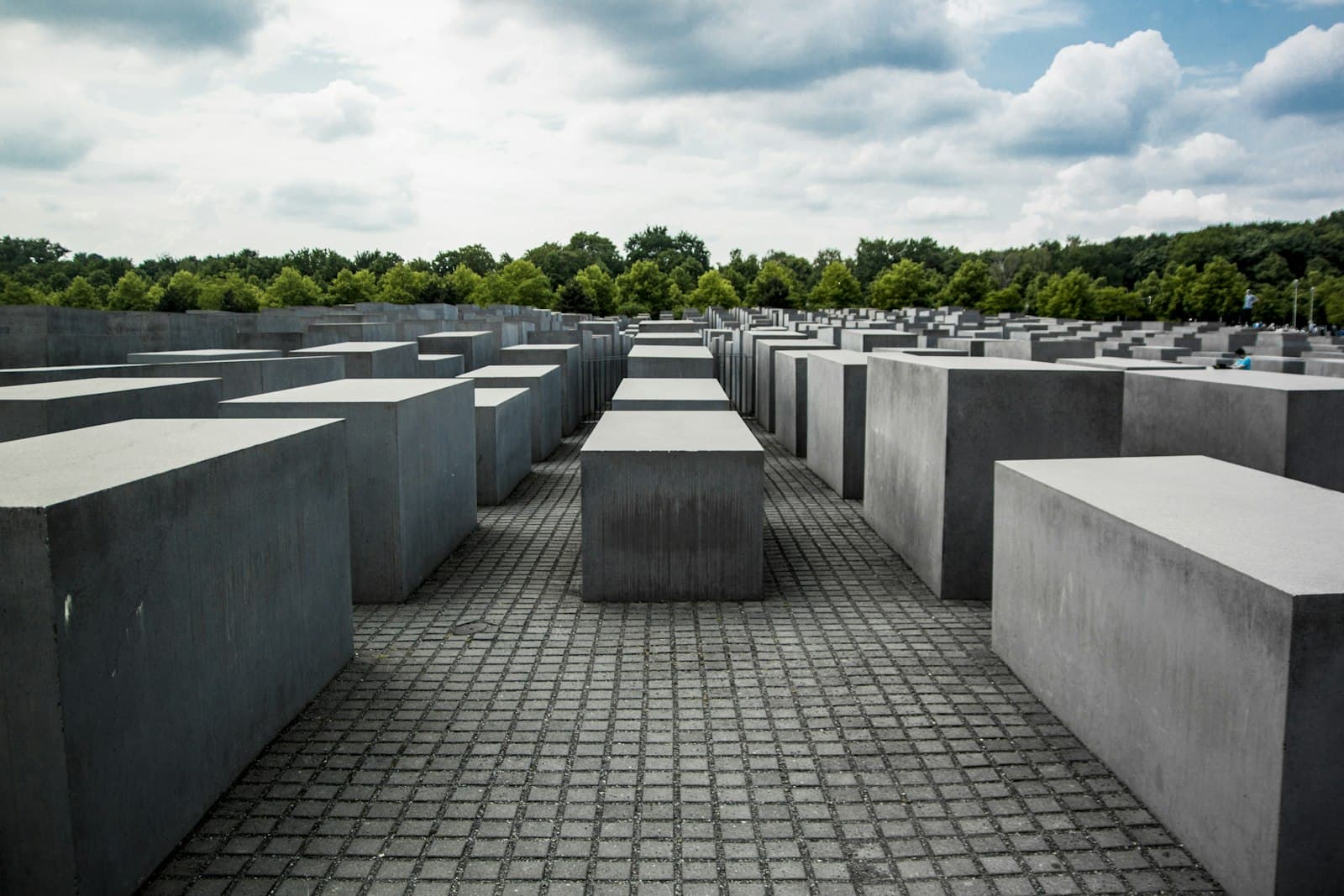
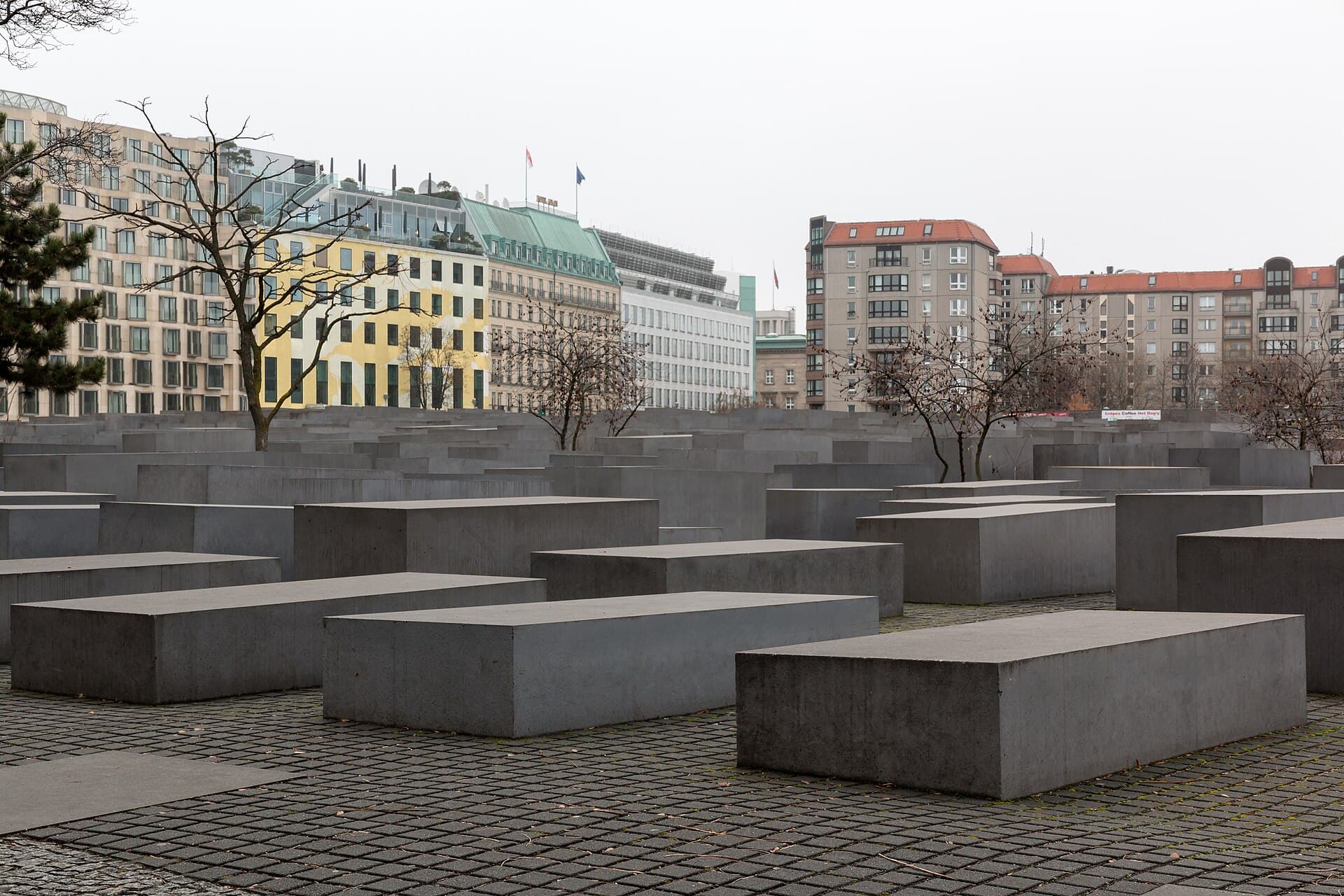
Denkmal für die ermordeten Juden Europas: The Field of Stelae
Germany's central Holocaust memorial, a field of two thousand seven hundred eleven concrete slabs on sloping ground, one block south of the Brandenburg Gate.
3
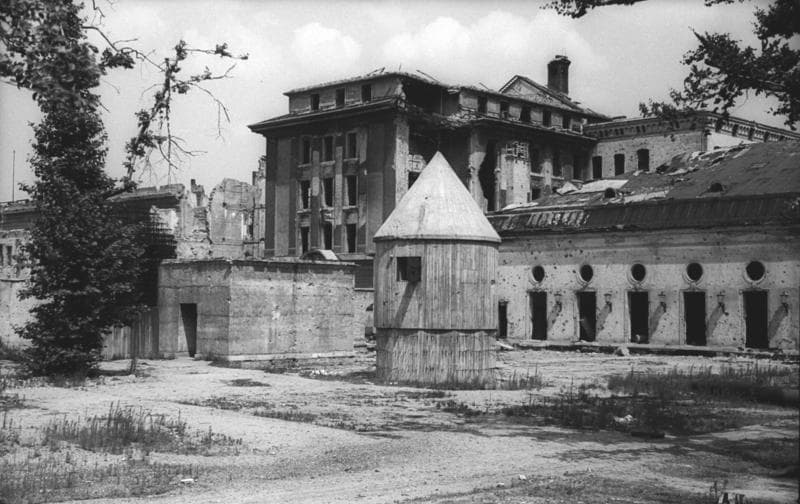
Site of the Führerbunker: The Anti-Monument
An ordinary residential car park deliberately left unmarked except for a single modest board, on the ground where Adolf Hitler killed himself.
4
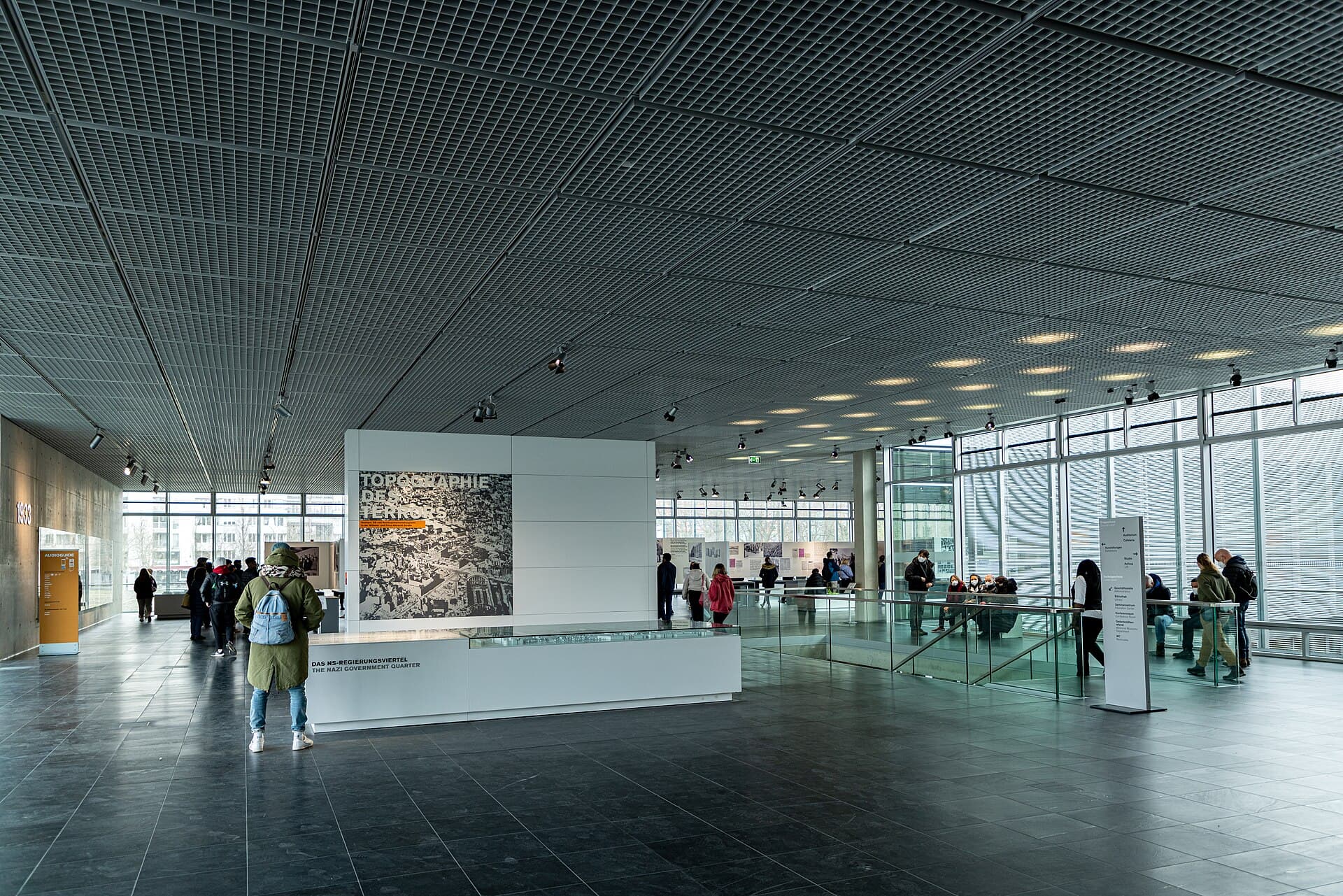
Topographie des Terrors: The Machinery of the Terror State
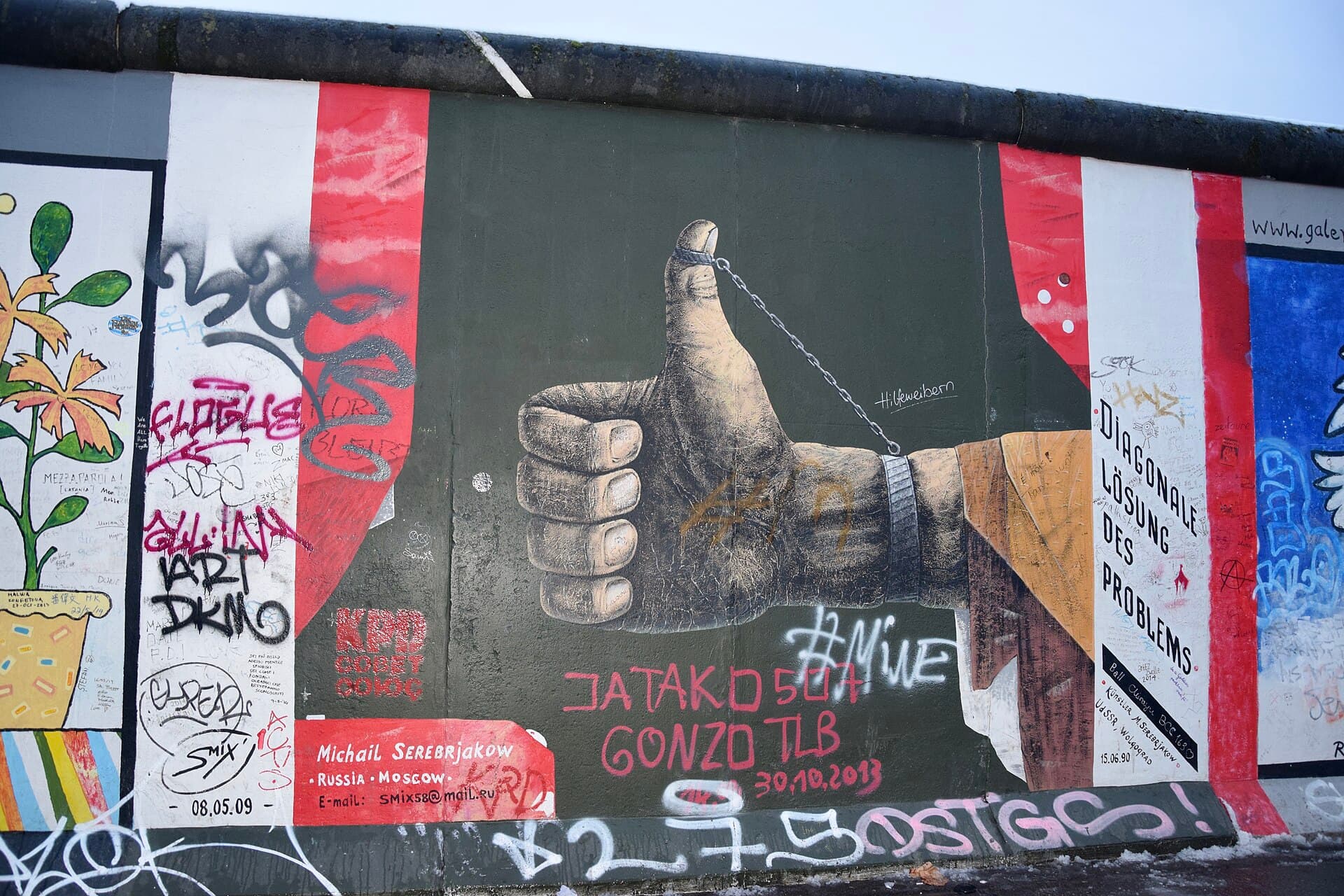
A free documentation centre built on the ruined headquarters of the Gestapo, the SS, and the Reich Security Main Office, beside the longest surviving segment of the outer Berlin Wall.
5
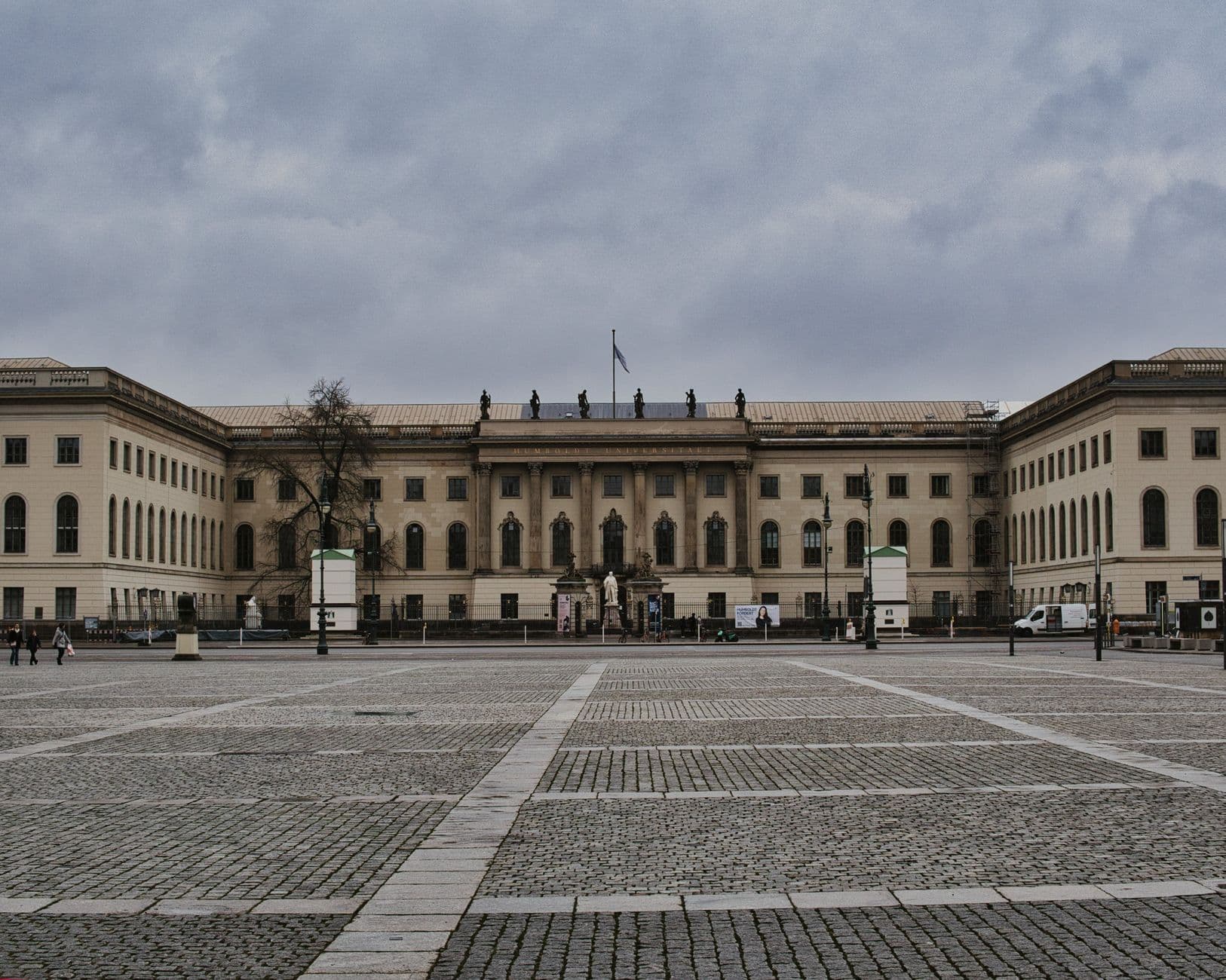
Bebelplatz: The Empty Library
The elegant square where Nazi students burned twenty thousand books in nineteen thirty-three, now marked by a subterranean room of empty white shelves beneath the pavement.
6
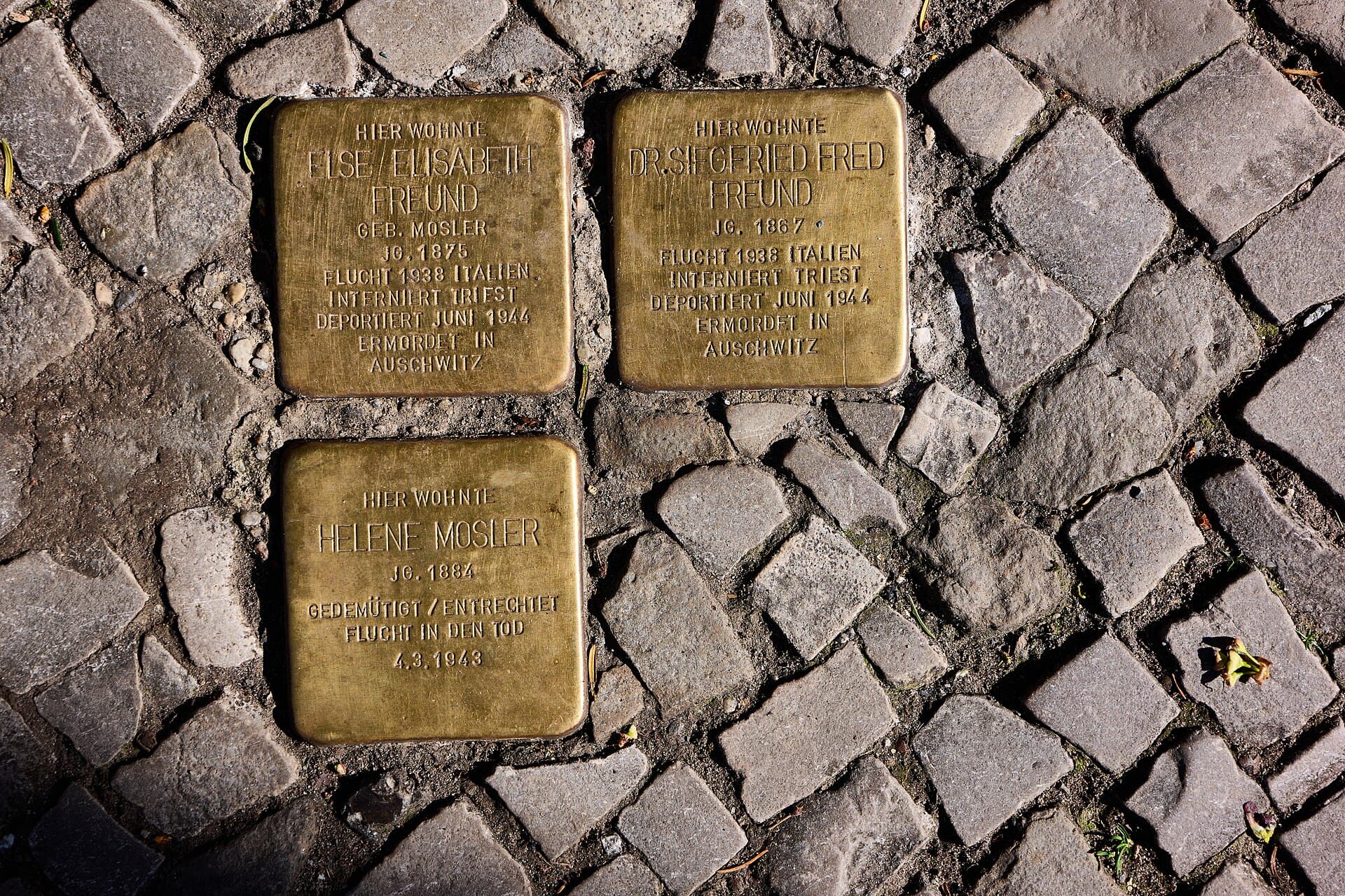
Stolpersteine: Names Underfoot
Small brass stones set flush into the pavement before victims' last chosen homes, part of the world's largest decentralized memorial.
7
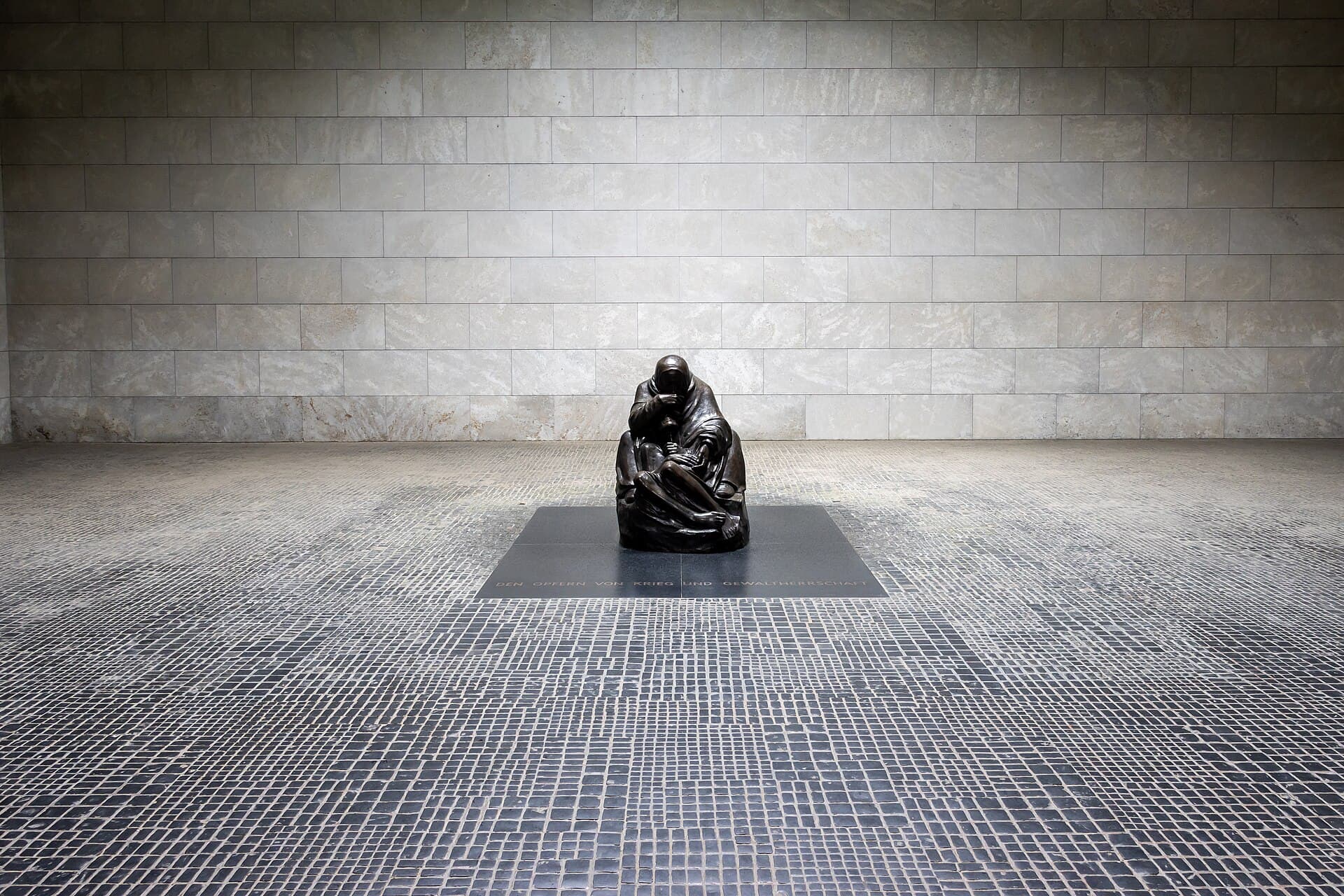
Neue Wache: A Mother Under an Open Sky
A neoclassical guardhouse, now Germany's central memorial to the victims of war and tyranny, holding a single grieving mother exposed to the weather beneath an open oculus.
Best Time to Visit
Late morning on a weekday is ideal, when the Reichstag dome timeslots and the Topography of Terror are open but the crowds are thinner than midday. Overcast or wintry weather suits this walk, and the exposed mother at the Neue Wache is most affecting in rain or snow. Note that some indoor exhibitions, including the underground Place of Information at the Holocaust memorial, are typically closed on Mondays.
Pro Tips
- •Register in advance and online for the Reichstag dome; free access requires a booked timeslot and a photo identity document, and walk-up entry is rarely possible.
- •The field of stelae at the Holocaust memorial is open around the clock, but check whether the underground Place of Information is open before you go, as it closes Mondays and has had renovation periods.
- •Every stop on this walk is free to enter, so carry only your identity document for the Reichstag; no tickets or cash are needed for the memorials themselves.
- •Wear sturdy shoes with grip. The stelae field has sloping, uneven paving, and much of Mitte has cobbles and tram tracks underfoot.
- •Keep your phone put away at the Holocaust memorial, the Führerbunker site, and inside the Neue Wache; these are places of mourning, not photo opportunities.
- •Give yourself permission to sit on a bench between stops. This is an emotionally heavy walk, and pacing it slowly is part of doing it well.
Safety & Precautions
- Berlin cyclists move fast and quietly in marked lanes that often run across the pavement; look for the coloured bike lane before you step, especially near the Brandenburg Gate and along Unter den Linden, and watch for silent trams and their tracks in Mitte.
- Cobblestones, tram rails, and the uneven sloping ground of the stelae field can catch a heel or a wheel; step carefully and mind children, as the deep centre of the memorial has blind corners.
- Maintain a sober, respectful, and quiet manner at every stop; these are Holocaust and war memorials, so keep voices low, do not climb or picnic on the stelae, and treat the Neue Wache interior with silence.
- If you use Berlin's U-Bahn or S-Bahn to reach the start or leave the finish, validate your ticket before boarding, as fare inspectors are frequent and unvalidated tickets draw an immediate fine.
Gallery
Related Reading
Go deeper on what you'll see, hear, and walk through.
Overview
Berlin Travel Guide: Days, Transport, Safety and Budget
7 min
Overview
One Day in Berlin: A Walkable Itinerary
8 min
Thematic
Berlin: The City That Reads Its Own Scar
7 min
Companion
The Memorial to the Murdered Jews of Europe: How Berlin Reads Its Own Reckoning
7 min
Deep dive
The Reichstag: How Berlin Turned a Burned Parliament Into Glass
6 min
Read
What to Eat in Berlin: Dishes, Origins, and How to Order
7 min