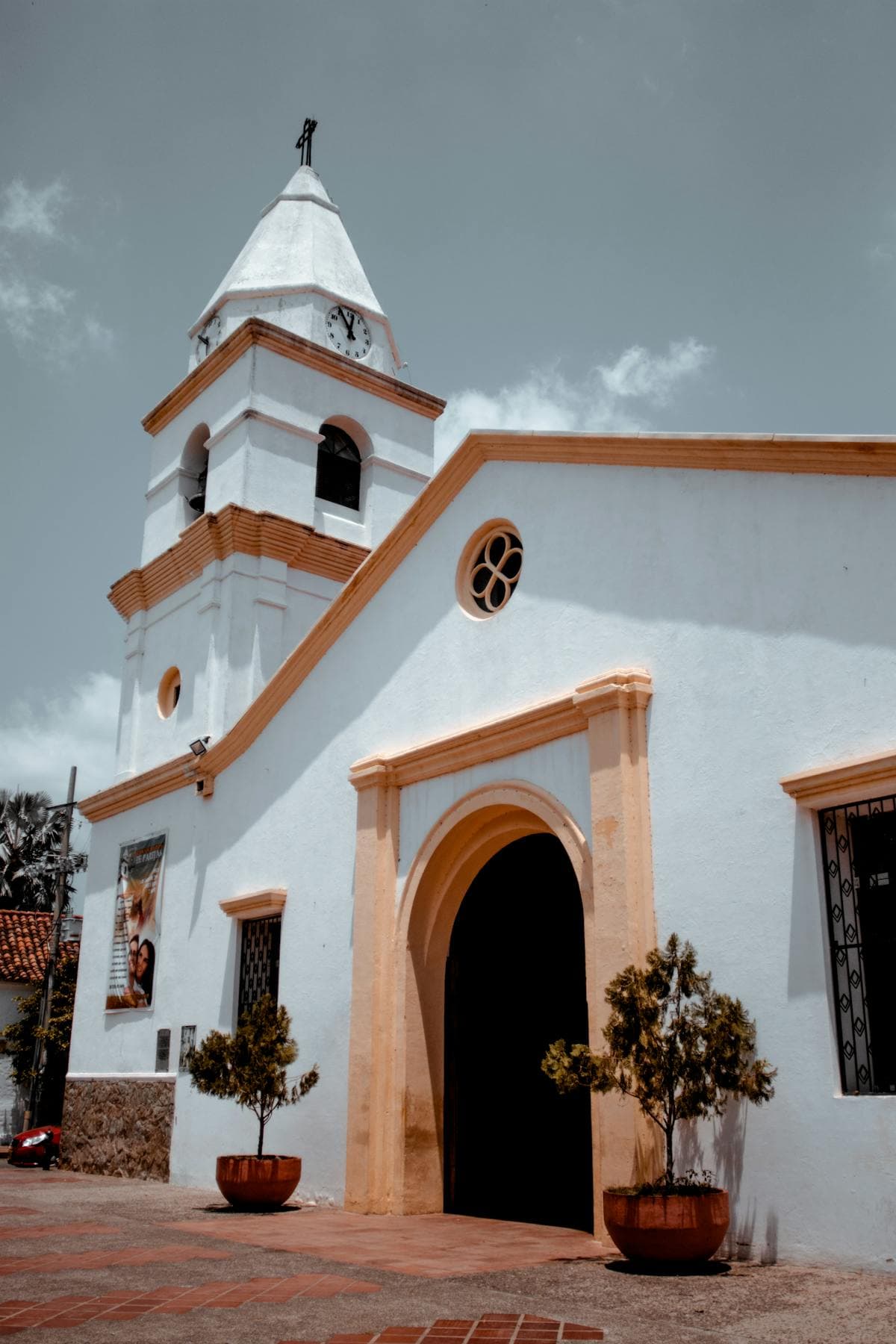
Journey through El Salvador's cultural capital, where colonial architecture meets indigenous heritage and artistic renaissance
Start · Parque Central (Central Park), Suchitoto, El Salvador
DirectionsStops
- 1
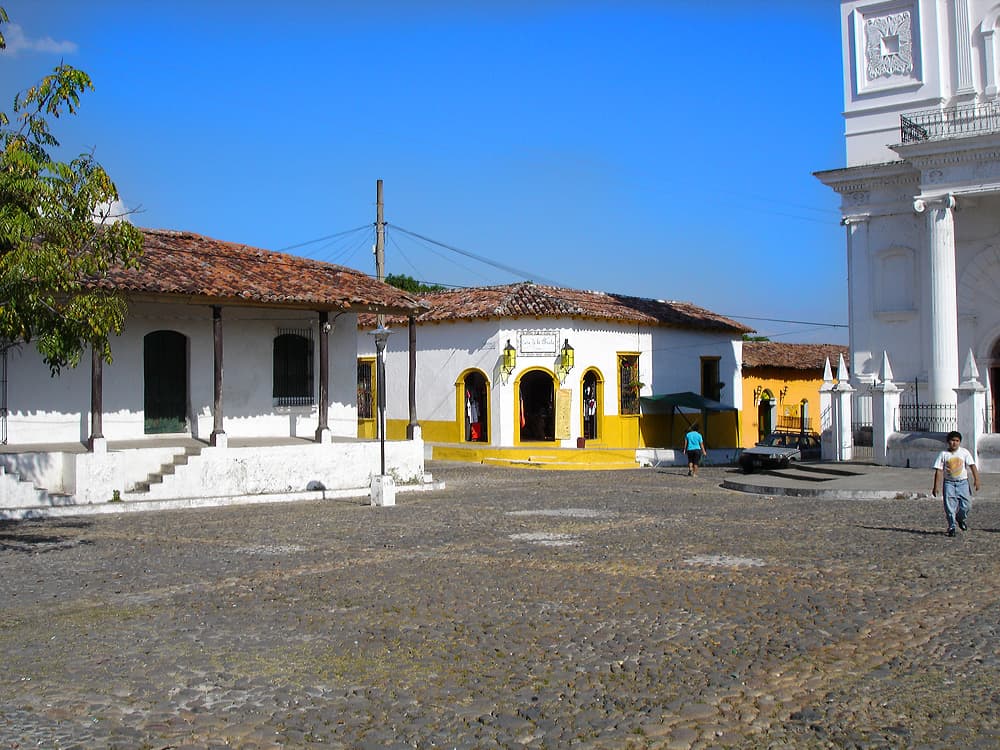
Parque Central (Central Park), Suchitoto, El Salvador
The heart of Suchitoto designed in classic Spanish colonial grid pattern. The plaza has been a gathering place for over 250 years.
- 2
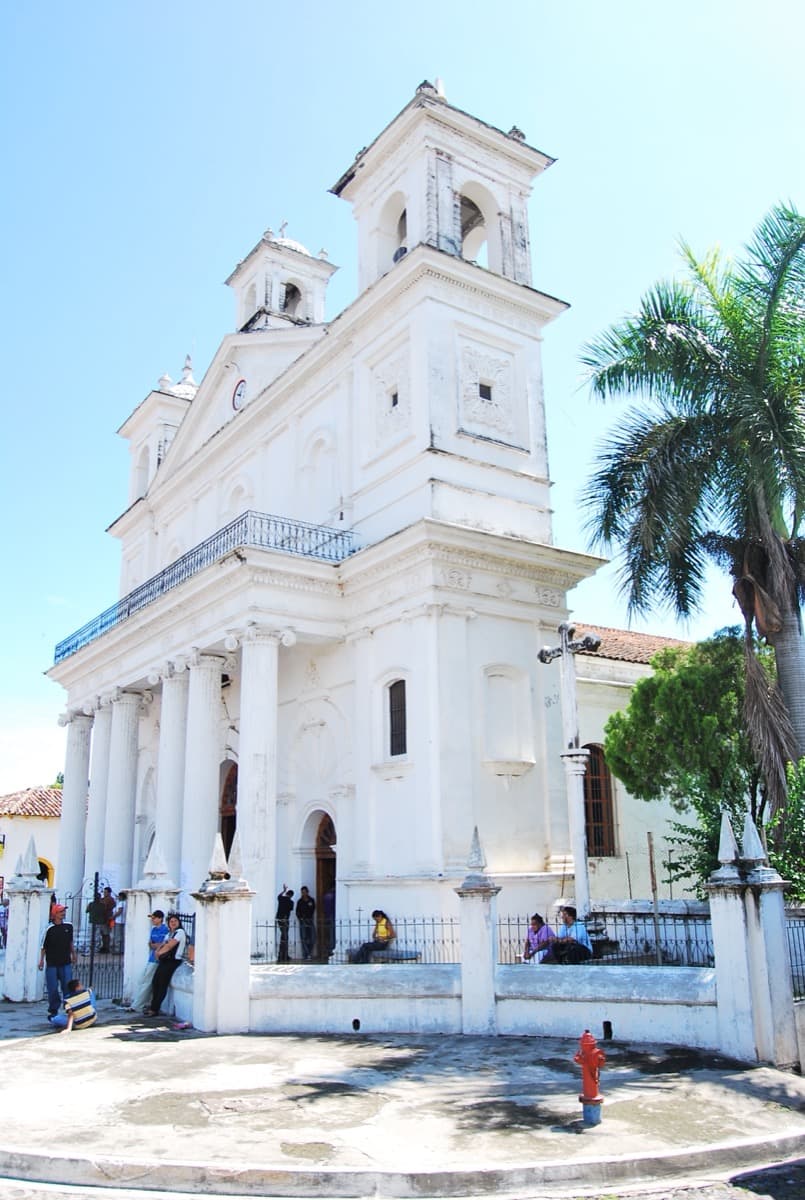
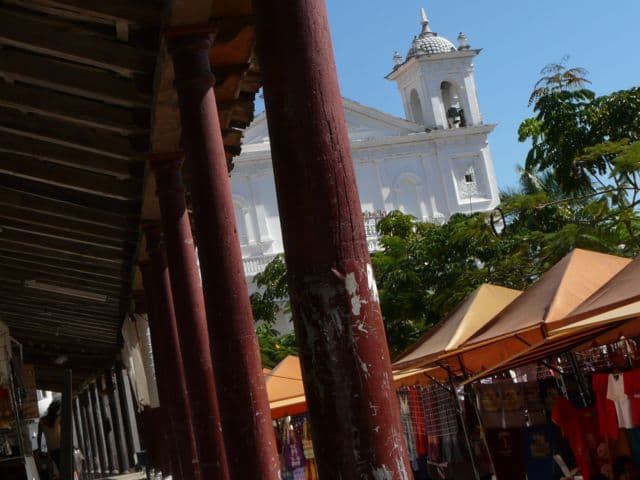
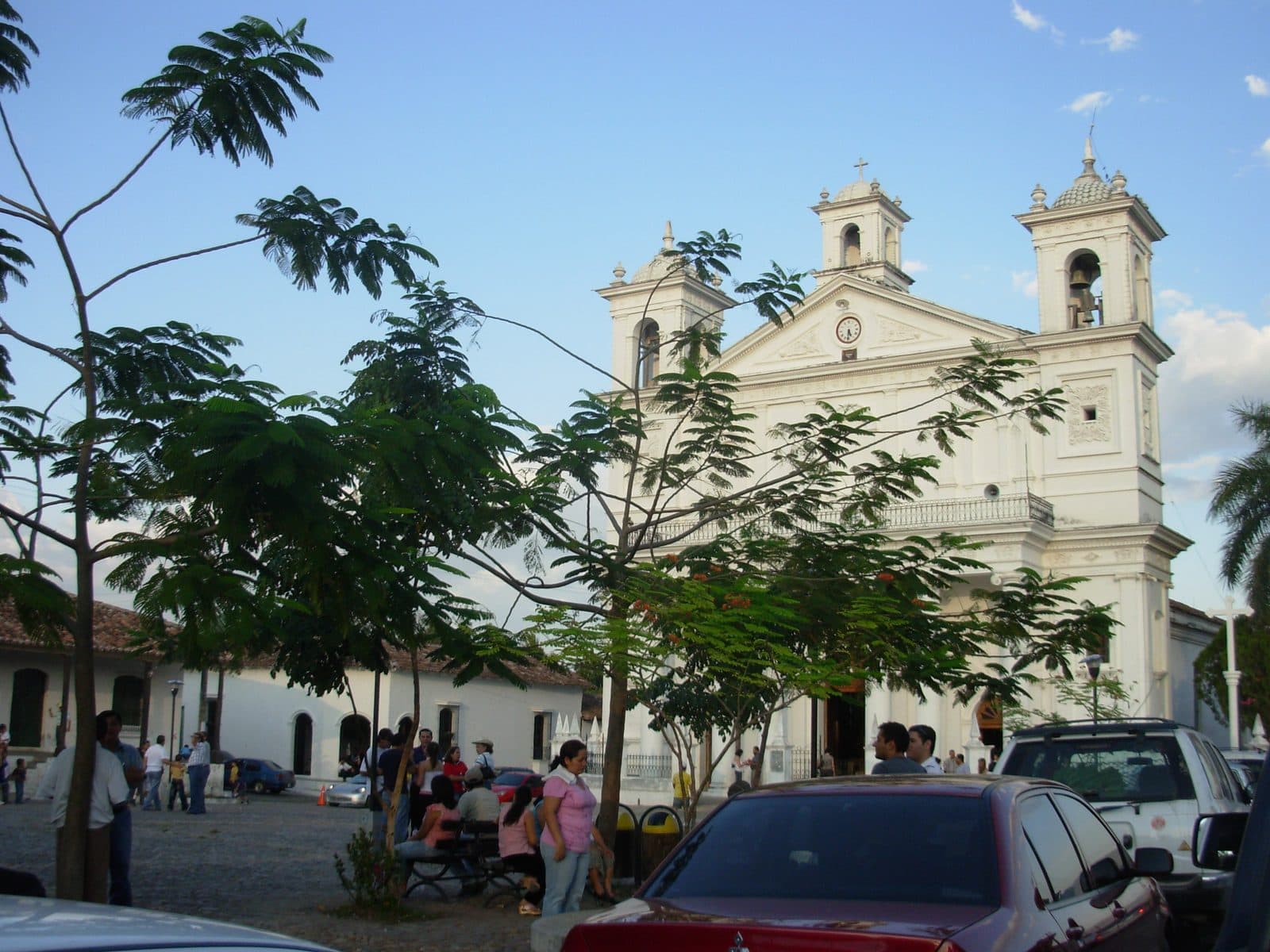
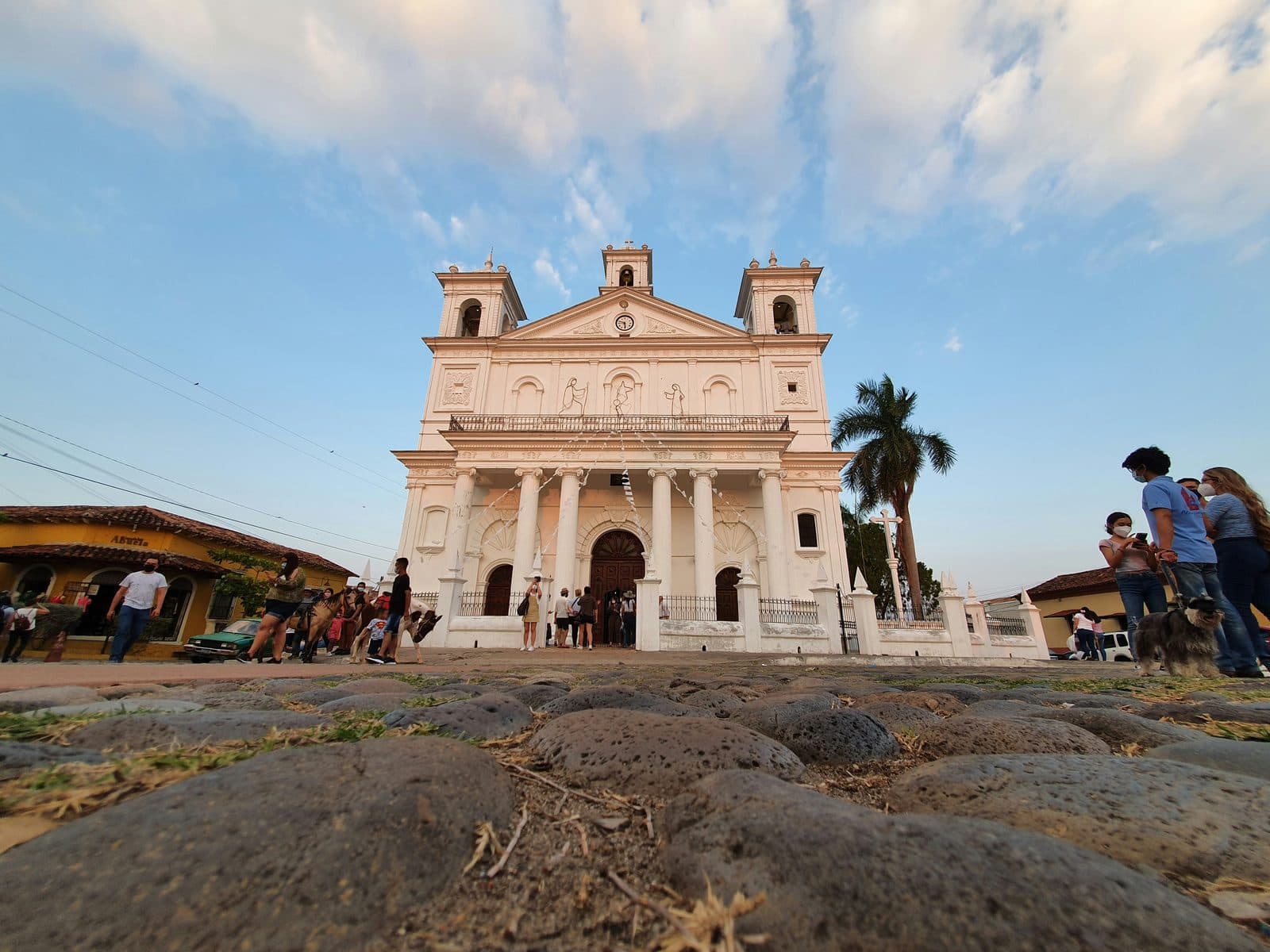
Iglesia Santa Lucía (Santa Lucía Church), Suchitoto, El Salvador
A stunning 1853 post-colonial church featuring ionic columns and baroque architecture. The white facade has become Suchitoto's iconic landmark.
- 3

Casa de la Cultura (Cultural Center) de Suchitoto, El Salvador
A restored colonial mansion now serving as Suchitoto's cultural hub. Features exhibits on Pipil indigenous heritage and contemporary Salvadoran art.
- 4
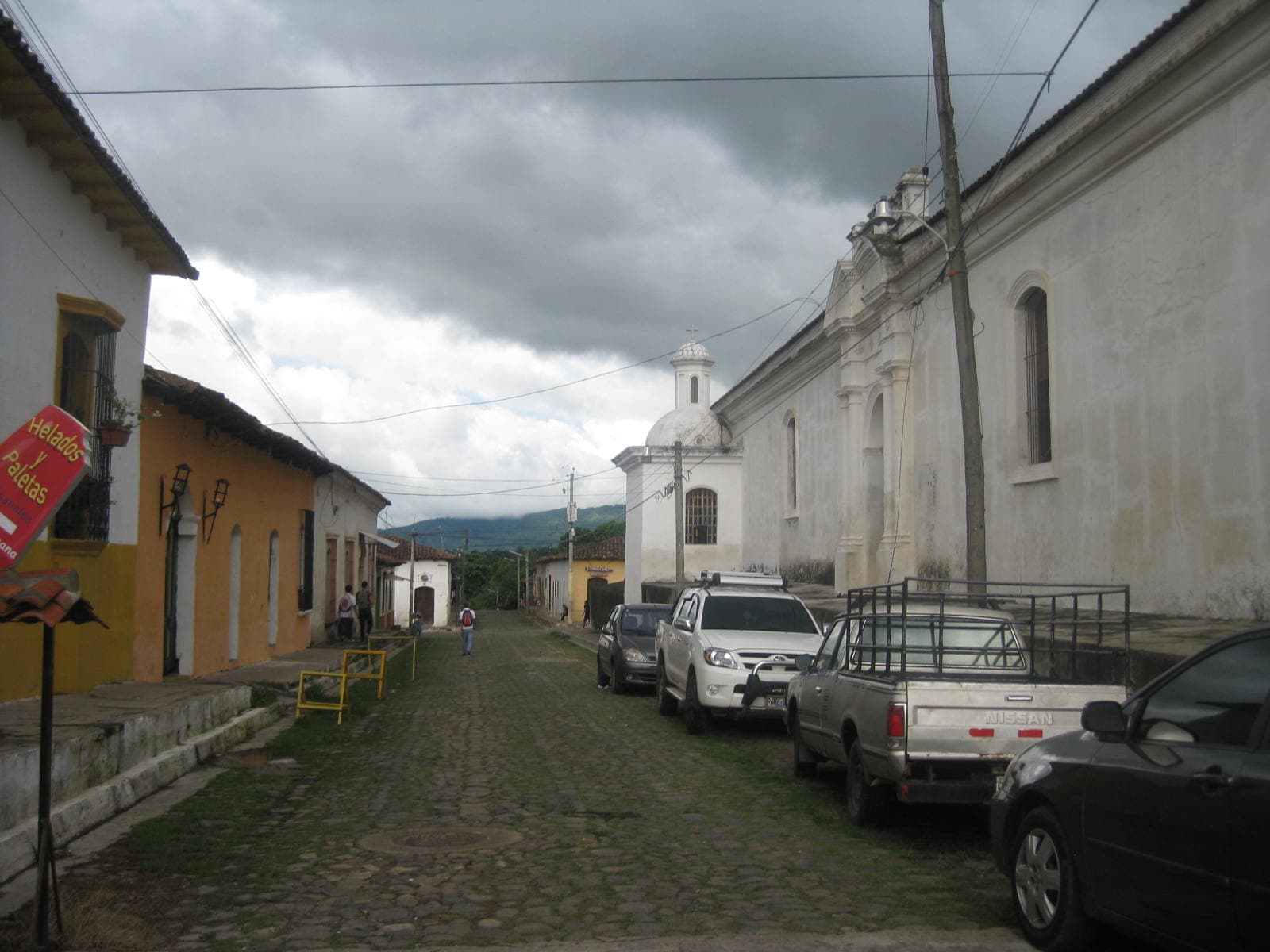
Calle Francisco Morazán (Colonial Street), Suchitoto, El Salvador
A cobblestone street lined with preserved colonial houses featuring traditional clay tile roofs and artisan workshops.
- 5
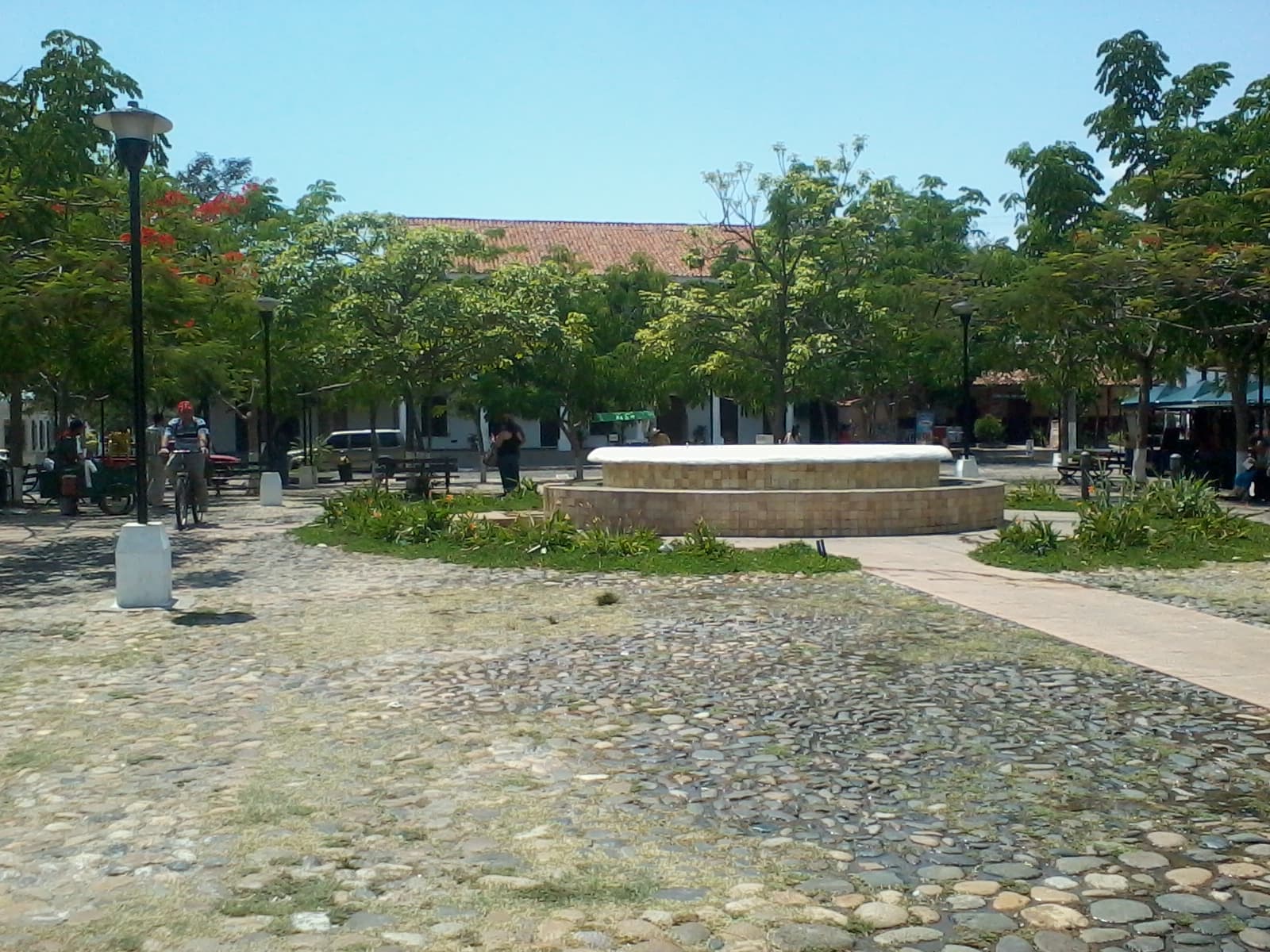
Plaza de las Madres (Mothers' Plaza) de Suchitoto, El Salvador
A memorial plaza honoring Salvadoran mothers and victims of the civil war, offering panoramic views of Lake Suchitlán.
- 6

Iglesia El Pilar (El Pilar Church Ruins), Suchitoto, El Salvador
Atmospheric ruins of an abandoned colonial church, left standing as a testament to El Salvador's earthquakes and historical upheavals.
- 7
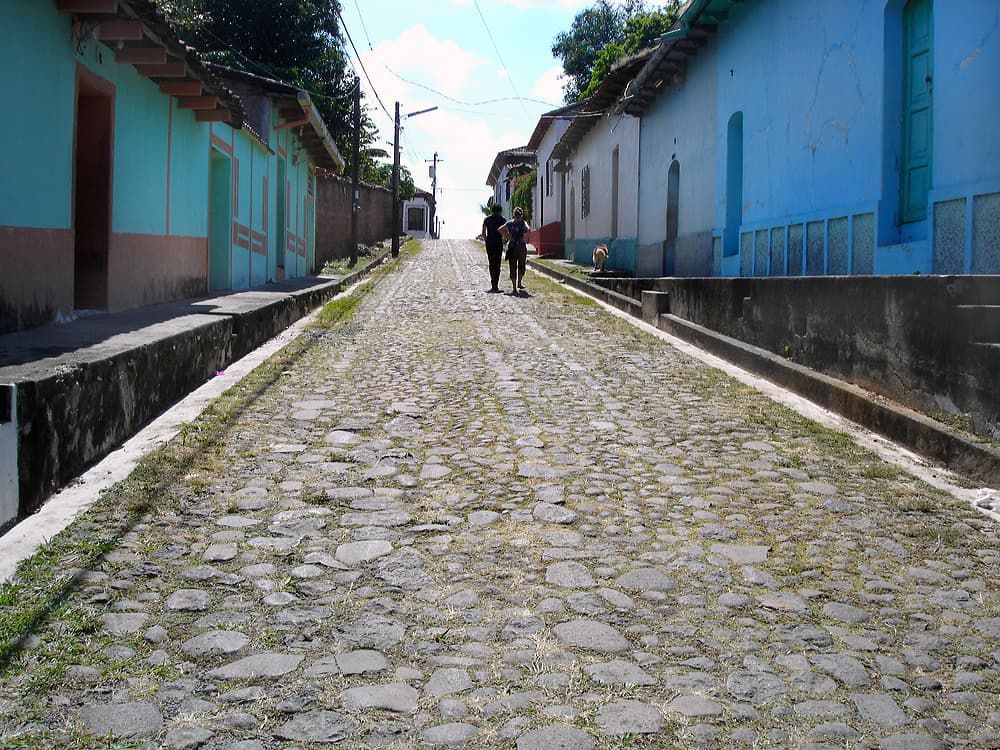
Calle del Cementerio (Cemetery Street) de Suchitoto, El Salvador
A quiet residential street showcasing traditional colonial houses with inner courtyards, leading to the historic cemetery.
- 8

Casa de Alejandro Cotto (Filmmaker's Residence) de Suchitoto, El Salvador
Former home of renowned Salvadoran filmmaker Alejandro Cotto, now a cultural landmark celebrating cinema and the arts.
- 9
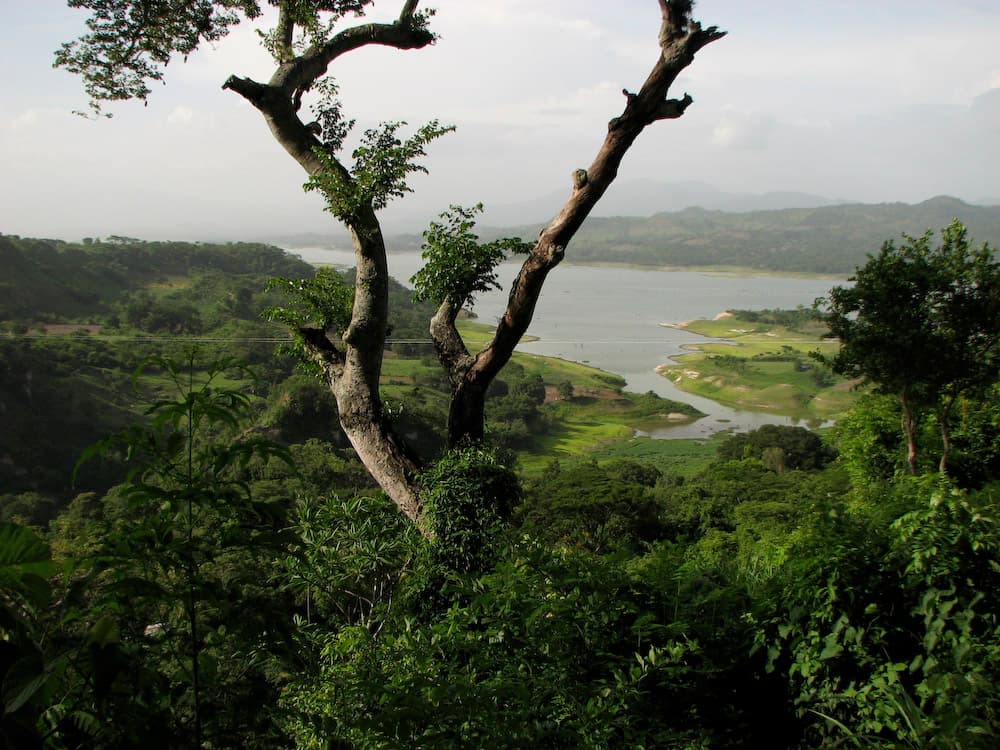
Mirador hacia Lago Suchitlán (Lake Viewpoint), Suchitoto, El Salvador
A scenic viewpoint offering panoramic vistas of the volcanic Lake Suchitlán and surrounding mountains.
- 10
Centro de Arte para la Paz (Art Center for Peace) de Suchitoto, El Salvador
A contemporary cultural space dedicated to peace-building through art, featuring local artisan work and community programs.
Details
Best Time to Visit
Morning hours (8-11 AM) for cooler temperatures and better light
Pro Tips
- •Bring small bills for local purchases and refreshments
- •Wear comfortable walking shoes for cobblestone streets
- •Sunscreen and hat recommended for tropical sun
- •Try local pupusas at the central market
Safety & Precautions
- •Keep valuables secure in busy market areas
- •Stay hydrated in tropical climate
- •Respect local residents and private property
- •Churches may require modest dress for entry
Travel advisory: Exercise Normal Precautions (Level 1).
Gallery


Related Reading
Go deeper on what you'll see, hear, and walk through.
Overview
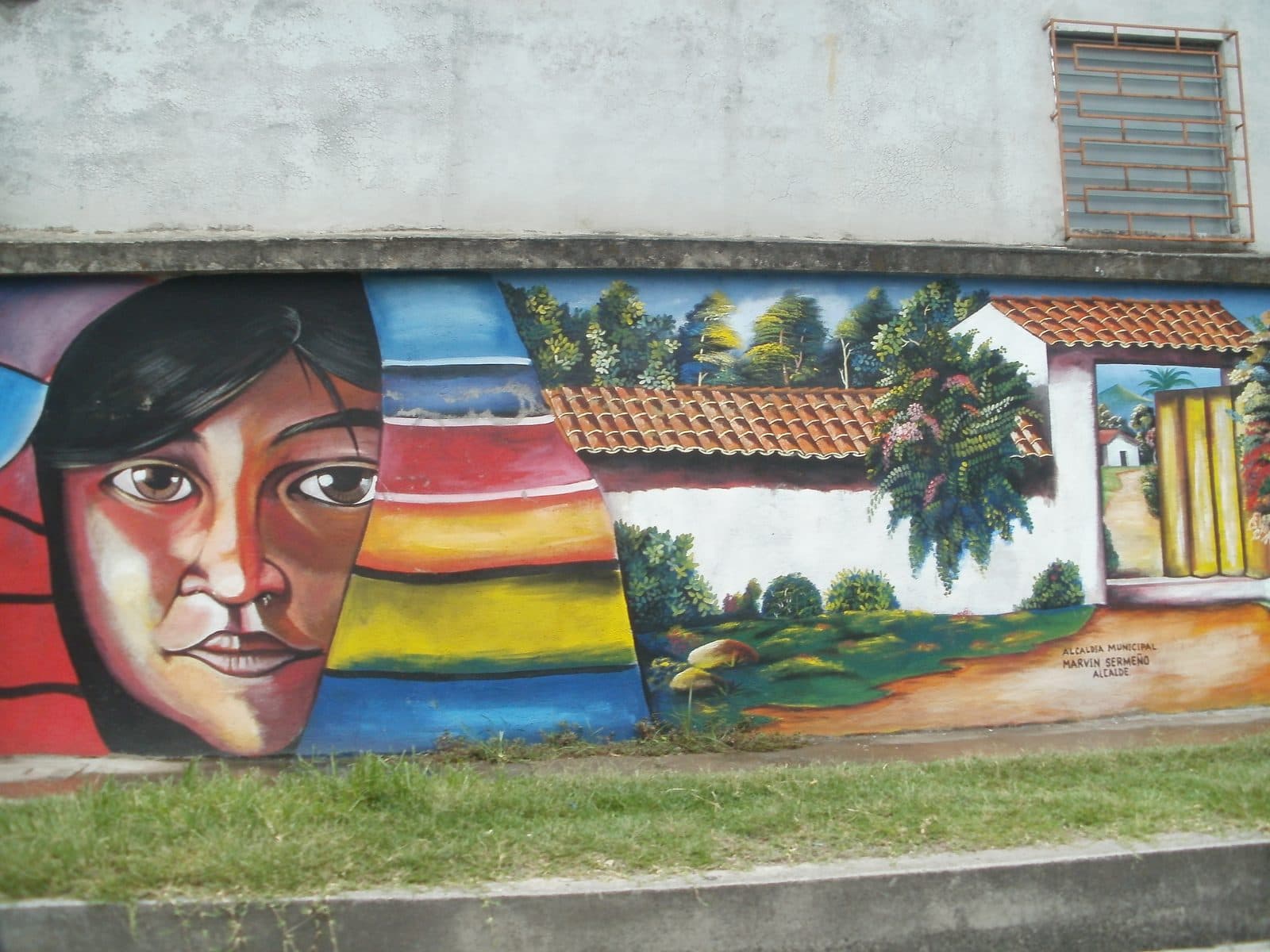
How to See Suchitoto: A Colonial Town That Refused to Die Twice
6 min
Overview
How to See Suchitoto: The Town One Man Refused to Let Die
6 min
Overview
One Day in Suchitoto: A Cobblestone Itinerary (2026)
5 min
Overview
Suchitoto Travel Guide: How Many Days, Getting Around, When to Go (2026)
5 min
Thematic
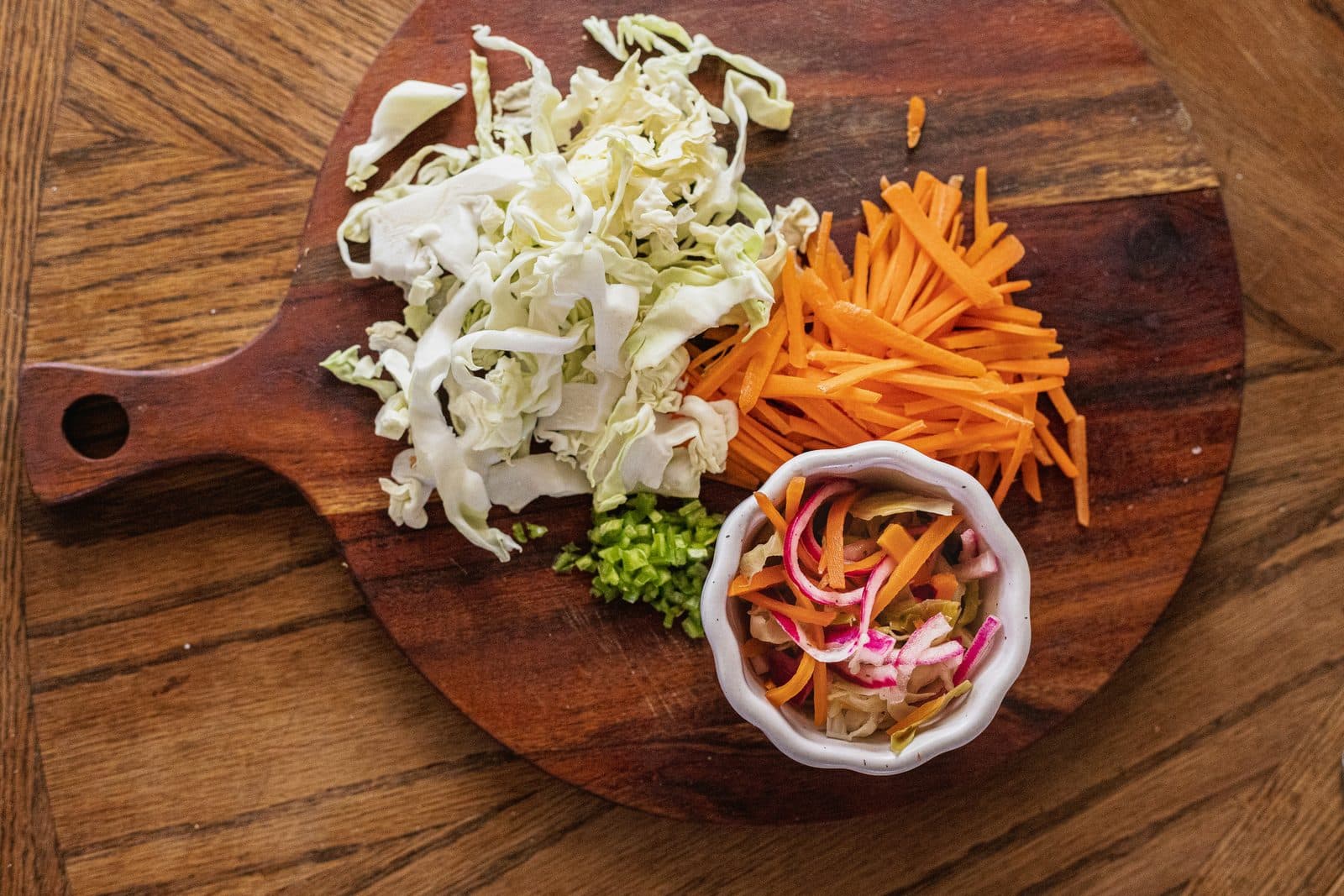
What to Eat in Suchitoto: A Food Guide (2026)
4 min
Companion
The Lake, the Church, and the Filmmaker: How Suchitoto Was Preserved
6 min
Read
From War Zone to Art Town: Suchitoto's Remarkable Transformation
5 min
Read
Suchitoto: El Salvador's Art Capital
4 min
Read
Suchitoto's Indigo Legacy: The Blue Gold of Central America
5 min
Read the walk
The full story of Suchitoto: The Town One Man Saved, in words. Prefer to listen? Play it narrated, from home or on location.
Introduction
In 1980, the Salvadoran army moved into Suchitoto. By 1992, when the civil war ended, this 250-year-old colonial town had been a garrison for twelve years. Half its buildings had bullet holes. The other half had been emptied of their owners. By every reasonable expectation, Suchitoto should not have survived.
A man named Alejandro Cotto refused to let it die. He was a filmmaker who grew up here, and he spent the next thirty years buying buildings, raising money, embarrassing politicians, and rebuilding a town nobody else thought was worth saving. He died in 2014. His house is now a museum. The town hosts cultural festivals year-round.
This is a tour about colonial architecture, but it is also a tour about one stubborn person. Over the next ten stops you will walk past colonial cobblestones, churches that survived earthquakes, a plaza that memorializes the war's victims, ruins that preservationists chose not to rebuild, and the house of the man who saved all of it.
Suchitoto sits above Lake Suchitlán in central El Salvador, ninety minutes north of San Salvador. The colonial center is small enough to walk in an afternoon. You finish at the Centro de Arte para la Paz, the institution Cotto's friends built after he died. It is the answer to the question this tour asks at every stop: what does cultural preservation actually look like when nobody outside the country is paying attention?
The walk is ten stops, about two point seven kilometres and ninety minutes, mostly flat with cobblestone streets. It starts at Parque Central, the colonial-grid plaza at the town's heart. When you arrive at Parque Central, begin with stop one.
1. Parque Central (Central Park), Suchitoto, El Salvador
Welcome to Parque Central, your first stop on this tour. You're standing in Suchitoto's beating heart,the Parque Central, laid out in the classic Spanish colonial grid pattern. Every colonial town in Latin America was designed around a central plaza like this one. It wasn't just aesthetic,it was control. The church represents spiritual authority. Government buildings represent political power. The plaza itself? That's where the people gather, where markets happen, where revolutions begin. Look toward the eastern side,that brilliant white facade is Santa Lucía Church, built in 1853. Notice the baroque bell tower rising against the volcanic landscape. Now observe the plaza itself. See those benches under the trees? For 250 years, locals have gathered here,to trade, to celebrate, to protest, to simply exist. During El Salvador's civil war in the 1980s, this plaza witnessed both fear and courage. Today, it hosts art festivals and peace concerts. The same cobblestones that carried Spanish colonizers now welcome artists, tourists, and locals sharing pupusas. Colonial spaces can become liberation spaces. That's Suchitoto's story in a single plaza.
2. Iglesia Santa Lucía (Santa Lucía Church), Suchitoto, El Salvador
Welcome to the Iglesia Santa Lucía. Before you stands Santa Lucía, Suchitoto's architectural crown jewel. Completed in 1853, this isn't technically Spanish colonial,Spain had lost control by then. This is post-colonial baroque, built by newly independent El Salvador. Look at that facade: six ionic columns supporting arched porticos. The white walls gleam against blue Central American skies. That bell tower? It's called to Mass for nearly 170 years. Step inside if it's open. The interior is surprisingly austere compared to gold-dripping colonial cathedrals you might find elsewhere. That simplicity is intentional,this was a poor, agricultural town. What wealth existed went into structural integrity, not ornamentation. During the civil war, this church became a sanctuary in the literal sense. Priests sheltered refugees. Nuns organized aid. The church bells that once called people to prayer became signals,warnings of approaching danger, announcements of ceasefires. Today, Santa Lucía anchors not just the skyline, but Suchitoto's identity. It's the background of every festival, every celebration, every moment of community gathering. Colonial architecture serving liberation theology.
3. Casa de la Cultura (Cultural Center) de Suchitoto, El Salvador
Welcome to the Casa de la Cultura. This elegant colonial mansion has been transformed into the Casa de la Cultura, Suchitoto's cultural beating heart. Originally a wealthy family's home during the coffee boom of the 1800s, it fell into disrepair during decades of conflict and poverty. Then came the artists. In the 1990s, as El Salvador's civil war ended, creative minds fled the chaos of San Salvador and found Suchitoto. They saw potential in ruins. This building became their project,restore colonial architecture while creating space for indigenous voices often silenced by that same colonial legacy. Inside, you'll find exhibits on the Pipil people who lived here for centuries before Spanish arrival. Their Nahuatl language gave Suchitoto its name. Their indigo dyeing techniques still survive in workshops across town. The cultural center also showcases contemporary Salvadoran art,paintings, sculpture, photography documenting both trauma and hope. It hosts concerts, film screenings, poetry readings. This is where Suchitoto's identity gets negotiated daily,honoring indigenous roots, acknowledging colonial scars, celebrating artistic renewal. A colonial house serving decolonial purposes.
4. Calle Francisco Morazán (Colonial Street), Suchitoto, El Salvador
Welcome to the Calle Francisco Morazán. Walk carefully on these cobblestones,they're originals from the 1700s. This street, Calle Francisco Morazán, offers a glimpse into daily colonial life that hasn't changed much in 250 years. See those houses? White walls, red clay tile…
Full narration for this stop unlocks with the tour.
5. Plaza de las Madres (Mothers' Plaza) de Suchitoto, El Salvador
Welcome to the Plaza de las Madres. This plaza carries weight. It's dedicated to the madres,the mothers,who lost children during El Salvador's brutal civil war from 1980 to 1992. Twelve years of conflict that killed 75,000 people, displaced over a million, and left psychological…
Full narration for this stop unlocks with the tour.
6. Iglesia El Pilar (El Pilar Church Ruins), Suchitoto, El Salvador
Welcome to the Iglesia El Pilar ruins. Some preservation means keeping buildings pristine. Sometimes it means letting ruins speak. El Pilar Church hasn't hosted Mass in decades. Earthquakes cracked its walls. Time stripped its roof. Nature reclaimed its floor with grass and…
Full narration for this stop unlocks with the tour.
7. Calle del Cementerio (Cemetery Street) de Suchitoto, El Salvador
Welcome to the Calle del Cementerio. This street reveals something tourists often miss,how people actually live in colonial architecture. These aren't museum pieces or hotels. These are homes. Families cook breakfast in kitchens that have stood for two centuries. Children do…
Full narration for this stop unlocks with the tour.
8. Casa de Alejandro Cotto (Filmmaker's Residence) de Suchitoto, El Salvador
Welcome to the Casa de Alejandro Cotto. This house belonged to Alejandro Cotto, one of El Salvador's most important cultural figures. A filmmaker, poet, and rebel, Cotto chose Suchitoto as his refuge during and after the civil war. While bombs fell in San Salvador, he shot…
Full narration for this stop unlocks with the tour.
9. Mirador hacia Lago Suchitlán (Lake Viewpoint), Suchitoto, El Salvador
Welcome to the Mirador. Take in this view. Lake Suchitlán stretches across the volcanic landscape like a blue mirror reflecting sky and mountains. But remember,this beauty has layers. The lake is man-made, created in 1976 when the Cerrón Grande Dam flooded the Lempa River…
Full narration for this stop unlocks with the tour.
10. Centro de Arte para la Paz (Art Center for Peace) de Suchitoto, El Salvador
Welcome to the Centro de Arte para la Paz, your final stop on this tour. Our tour ends here, at the Centro de Arte para la Paz,the Art Center for Peace. The name is intentional. Art for peace, not art about war. After twelve years of civil conflict that tore El Salvador apart,…
Full narration for this stop unlocks with the tour.