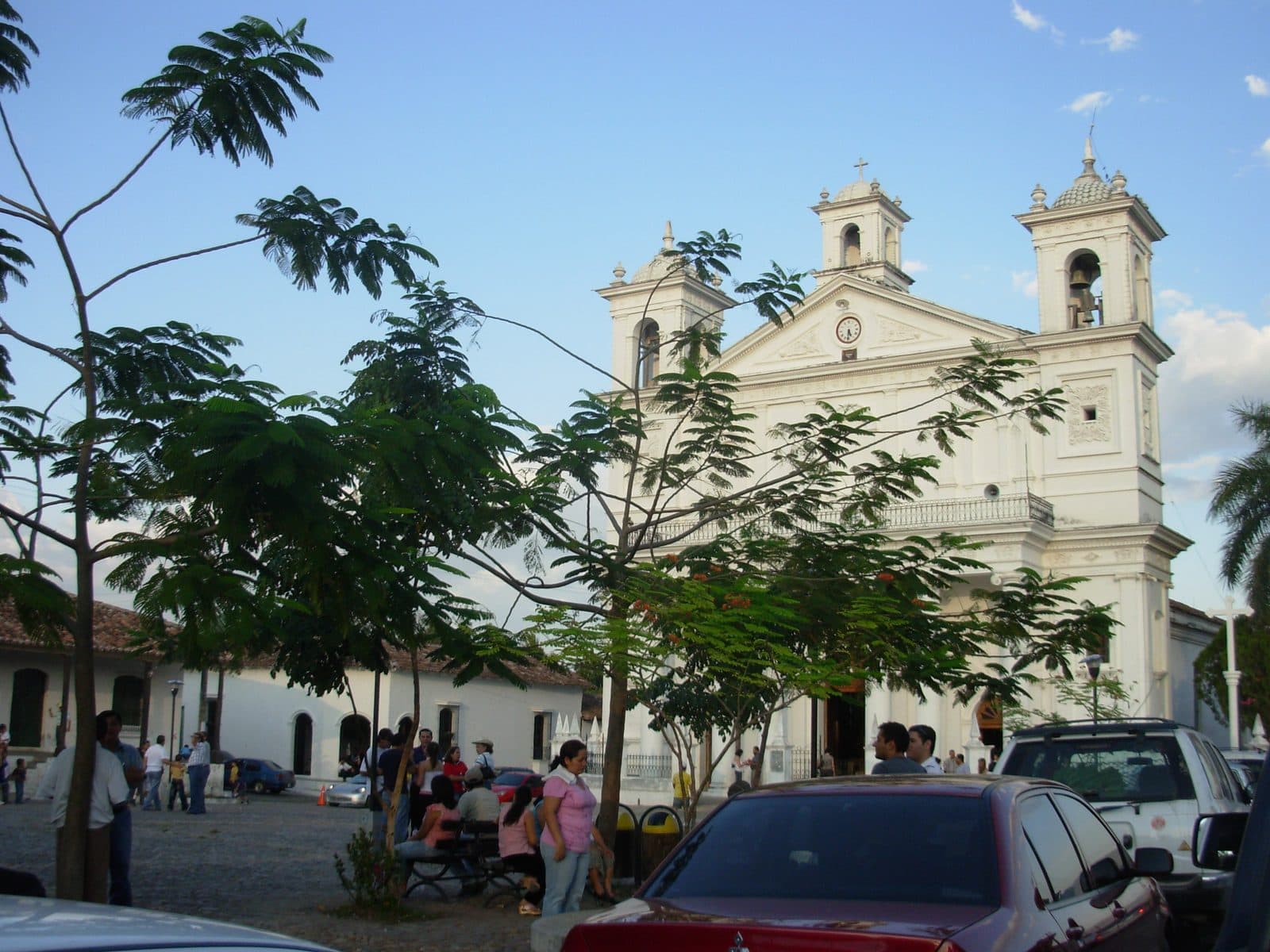
In 1980, the Salvadoran army moved into Suchitoto. The town sits ninety minutes north of the capital, above the western edge of Lake Suchitlán, on a colonial street grid laid down in the 1700s. The army stayed for twelve years. By the time the peace accords were signed in 1992, roughly half the buildings in the historic core had bullet holes and most of the families who had owned them had left. Nearby villages had been emptied entirely. Suchitoto in 1992 was the kind of place that historically becomes a ruin. It did not.
The reason it did not is one person, and the reason that is the story this town tells.
Why Suchitoto was strategic
A short geographical detour explains the war damage. Suchitoto sits on a hilltop above the Lempa River valley, which is the geographic spine of central El Salvador. Lake Suchitlán, which you can see from the Plaza de las Madres, is not a natural lake. The Salvadoran government built the Cerrón Grande hydroelectric dam in 1976, flooding about twenty-five thousand hectares of the Lempa valley, including the original Pipil settlement that gave Suchitoto its name. The dam was supposed to generate a significant share of the country's electricity. It still does.
That made the hills around Suchitoto strategically critical during the civil war. The FMLN guerrillas operated in the Guazapa and Chinchontepec volcano corridors a few kilometers south. The Salvadoran army needed to hold Suchitoto to keep them from threatening the dam. So a town that had been a quiet provincial seat for two and a half centuries became a garrison. The army occupied the colonial buildings. The civilian residents either left or learned to live around the occupation. The economy collapsed.
Alejandro Cotto
Hear a stop from this walk
Centro de Arte para la Paz (Art Center for Peace) de Suchitoto, El Salvador
Alejandro Cotto was a Salvadoran filmmaker born in Suchitoto in 1928. He made documentaries through the 1960s and 1970s, won a few international prizes, and was one of the small number of Central American filmmakers with an international reputation. When the army moved into Suchitoto, Cotto was in his fifties and could have left, as most of his contemporaries did. He did not. He stayed, and he started buying buildings.
The buildings cost almost nothing during the war. Owners were leaving, or had left, and there were no other buyers. Cotto used his own money, his international prize earnings, and any donations he could persuade out of European cultural foundations to acquire colonial-era houses block by block. He stabilized roofs. He paid for replastering. He kept the structures from collapsing while the war ground on around them.
When the war ended in 1992, Cotto had acquired enough property to start arguing publicly that Suchitoto could be reconstituted as an arts town. He embarrassed the central government into improving roads. He brought in Salvadoran artists who had been in exile. He turned his own house into an arts center. The Casa de la Cultura, on the corner of Calle Francisco Morazán a block north of the central plaza, is one of the buildings he rescued. So is the Centro de Arte para la Paz, the institution his colleagues created after his death in 2014.
By the early 2000s, the town was beginning to function as he had argued it could. By the 2010s, Suchitoto was hosting about fifty thousand visitors a year for art festivals, indigo workshops, the annual Permanent Festival of Arts and Culture, and an international poetry festival. The population today is about twenty-five thousand, which is roughly what it was before the war.
What you are walking through
The colonial heritage tour through Suchitoto follows ten stops on a flat loop through the historic core. Most of the buildings you walk past are buildings that Cotto either directly preserved or that his preservation argument protected from demolition. The clay-tile roofs, the white plaster facades, the wooden shutters, the inner courtyards, the cobblestones on Calle Francisco Morazán: all of these are real eighteenth-century construction, not heritage replicas. They survived because a single citizen made it his life's work that they would.
The Iglesia Santa Lucía on the eastern side of Parque Centenario was completed in 1853. It is an early post-independence church, built after Spain had lost control of Central America. Six ionic columns front a baroque interior that is unusually plain by Central American standards. The plainness is a clue. Suchitoto in the 1850s was a small town living on indigo exports and could not afford ornament. The church survived the earthquakes that destroyed comparable churches in larger cities partly because of that structural simplicity.
The Iglesia El Pilar, ten minutes north of the plaza, is the church Cotto deliberately did not restore. It sits as roofless ruins on a quiet square, walls intact, sky where the nave used to be. The Salvadoran preservation argument for letting some buildings stay as ruins is that earthquakes and history are part of the architectural record. The Plaza de las Madres, a hundred meters further, makes the same argument in a different register: it is dedicated to the mothers of the civil war's disappeared and looks out over the dammed lake that submerged the original Pipil settlement.
The tour is sequenced as a contradiction. The colonial-tile streets that are alive with vendors and weekend visitors are a few minutes' walk from a memorial wall to people who never came home. Suchitoto does not hide the contradiction. It frames the contradiction as the town's character.
The lesson Suchitoto offers
Most colonial towns in Latin America that survived intact survived because their economies collapsed and froze the building stock in place. Antigua Guatemala is the canonical example: a 1773 earthquake destroyed the city, the colonial administration moved to Guatemala City, and Antigua sat largely untouched for two centuries until tourism arrived. Suchitoto was nearly the inverse. Its economy collapsed in the late twentieth century, the war drove its population out, and the obvious outcome was that the building stock would fall apart. One person decided that would not happen.
That is why Suchitoto is worth a day, or two, when you are passing through El Salvador. The cobblestones and the painted facades are real. The lake views are real. What is also real, and what the historic center asks you to notice, is that preservation is not automatic. It is a choice that someone made, against the obvious odds, and the town you are walking through is the consequence of that choice.
Cotto's house, now the Museum Alejandro Cotto, is open for visits. The tour ends with the building he refused to leave.
Frequently asked questions
- How many self-guided walking tours are there in Suchitoto?
- Roamer currently has 1 self-guided audio walking tour in Suchitoto. Every tour is free to start: the introduction and first stop play in full, and every later stop plays a short preview before you decide to buy.
- How much does a self-guided walking tour in Suchitoto cost?
- Each tour is free to preview and $4.99 for lifetime access. If you want more than one, a 7-day pass is $12.99 and a 30-day pass covering every tour is $19.99, which works out to well under a dollar a day.
- Can I do the Suchitoto tours offline?
- Yes. Tours can be downloaded in advance in the Roamer app and played with no signal, which is useful when you are travelling without mobile data.
- How long are the Suchitoto walking tours?
- They run about 90 minutes, covering 2.7 km on foot, with up to 10 stops on the longest route. You set the pace and can pause any time.
Ready to experience it?
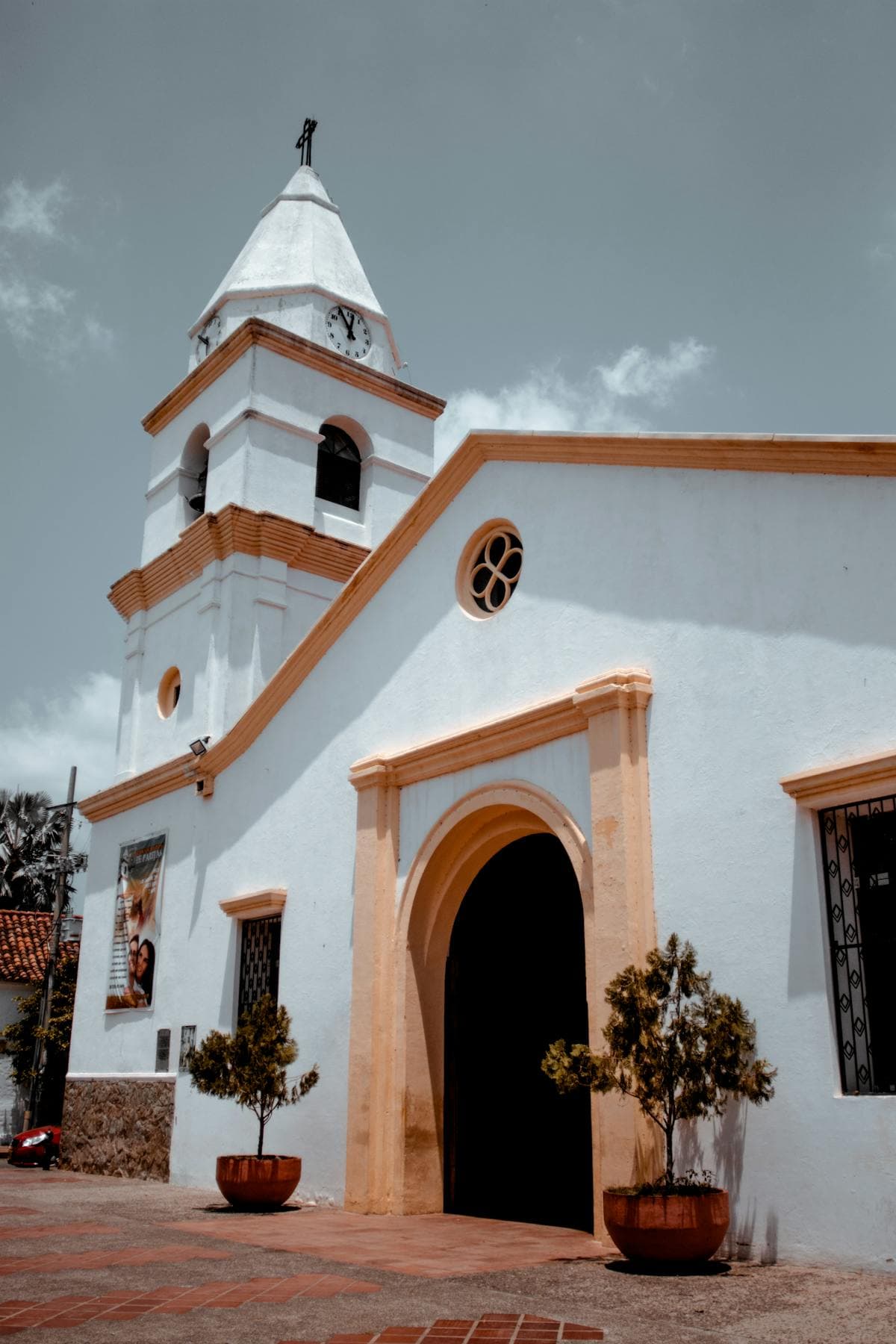
Suchitoto: The Town One Man Saved
90 min · 2.7 km · easy
More from Suchitoto
Explore more at your own pace.
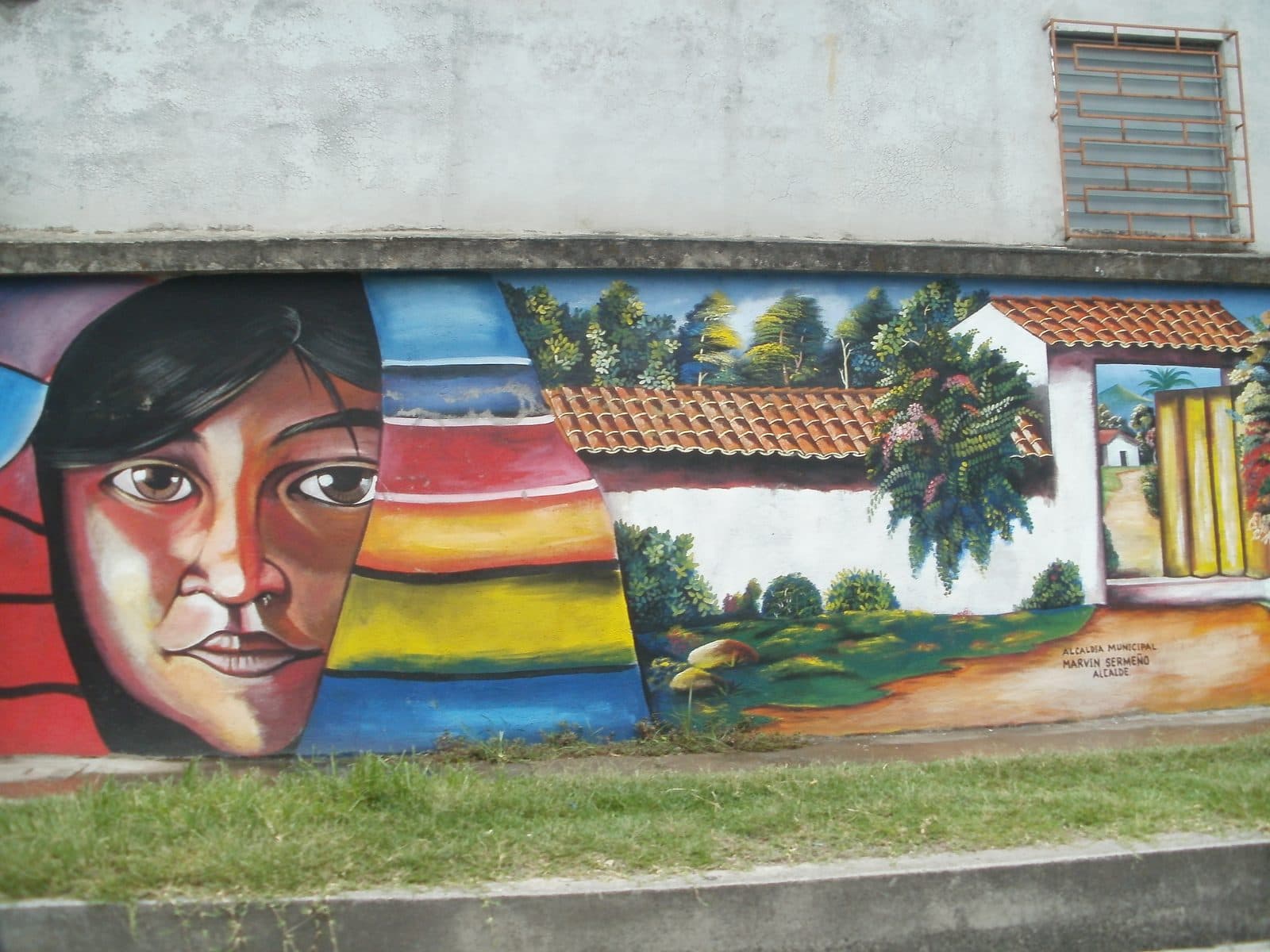
How to See Suchitoto: A Colonial Town That Refused to Die Twice
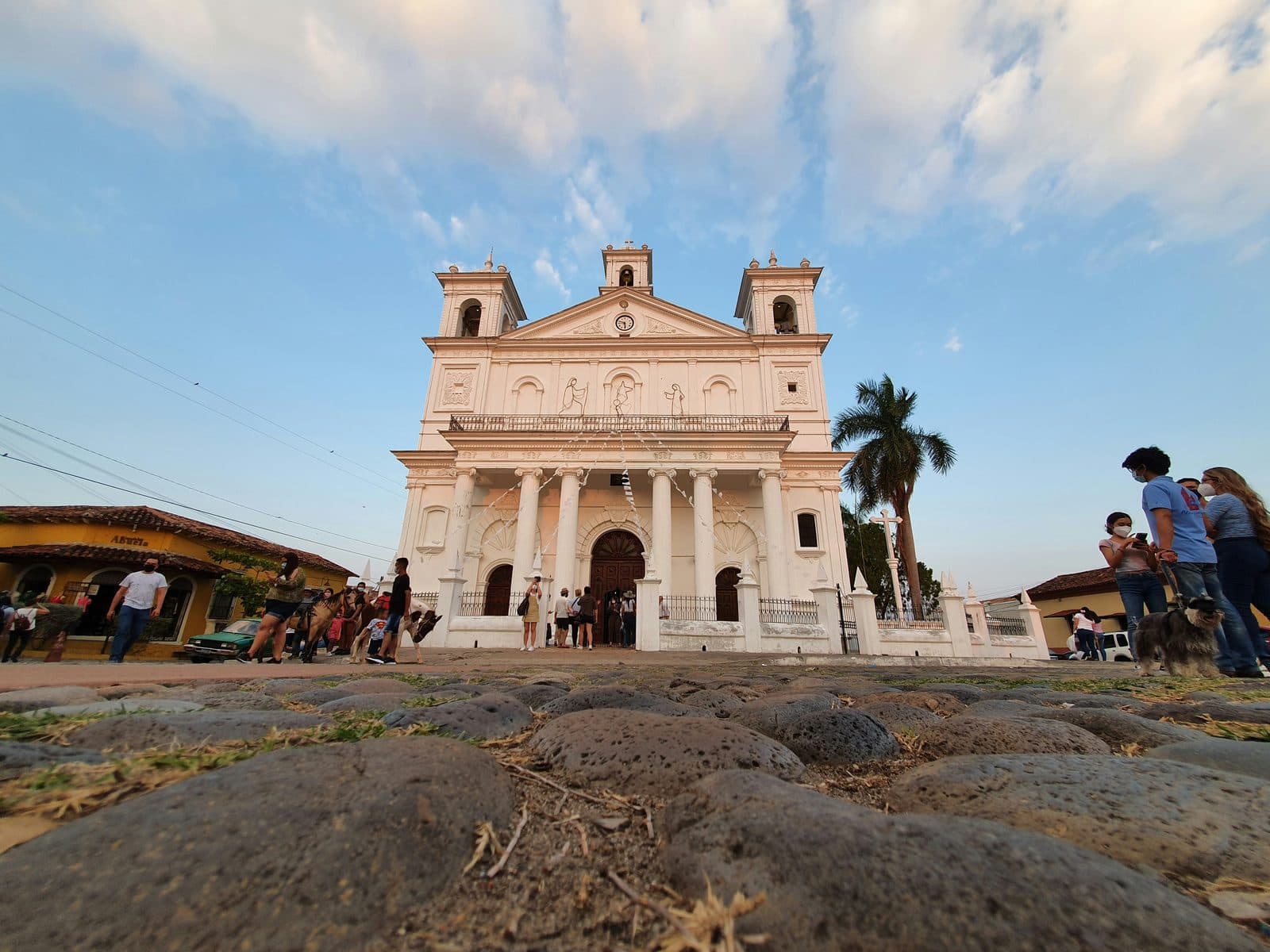
One Day in Suchitoto: A Cobblestone Itinerary (2026)
Suchitoto Travel Guide: How Many Days, Getting Around, When to Go (2026)

What to Eat in Suchitoto: A Food Guide (2026)
The Lake, the Church, and the Filmmaker: How Suchitoto Was Preserved