An hour north of San Salvador, where the road climbs out of the Lempa River valley and the air cools noticeably, the cobblestones of Suchitoto begin. It is a small town of roughly 25,000 people, with a colonial church, a lakeside perch, and an outsized reputation as the cultural capital of El Salvador.
That reputation is earned.
The Setting
Suchitoto sits on a bluff above Lake Suchitlán, a reservoir created by the Cerrón Grande dam in the 1970s. The lake stretches below the town in shades of green and silver, dotted with islands and bordered by forested hills. Egrets and herons work the shallows. On clear mornings, the Guazapa volcano rises to the south.
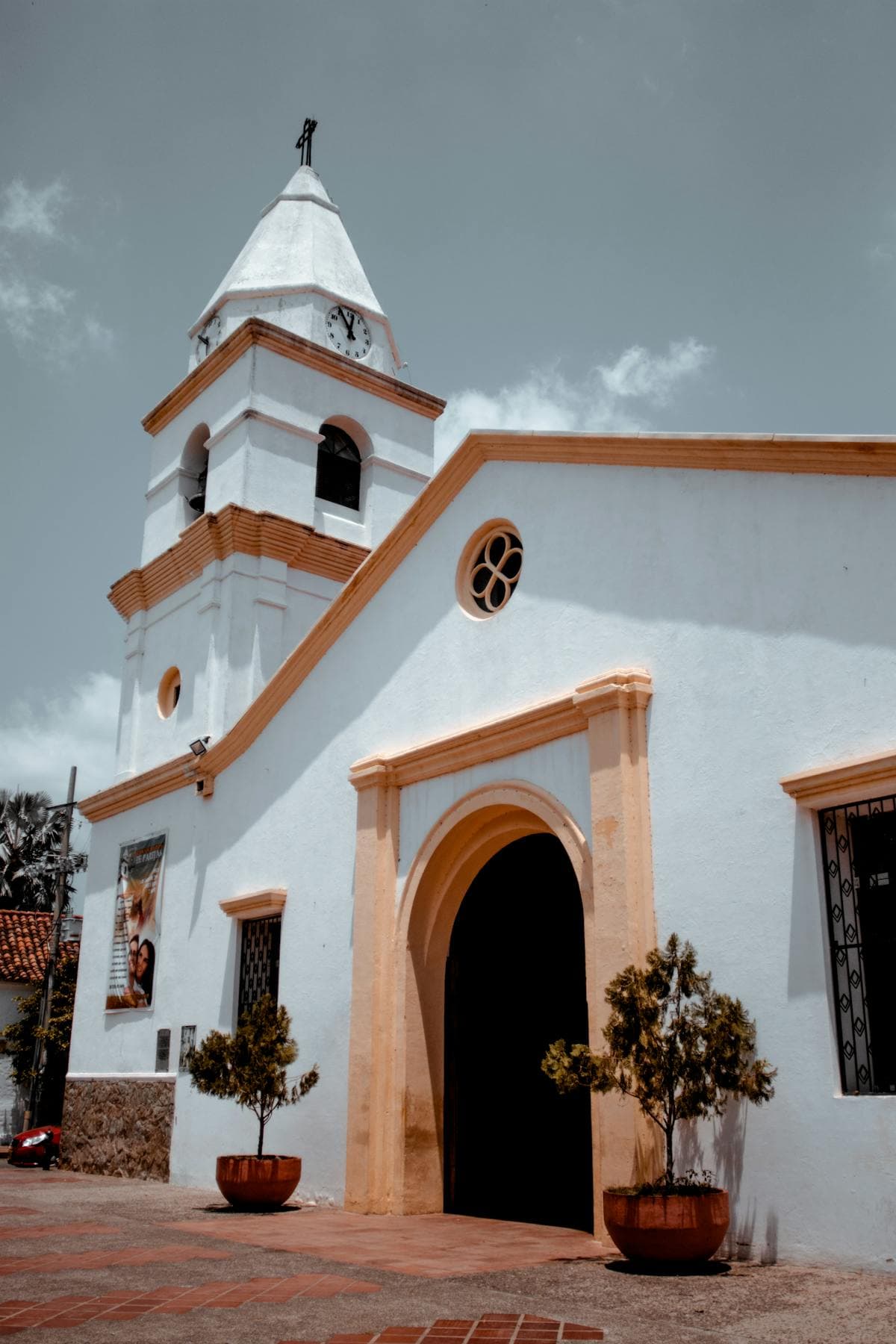
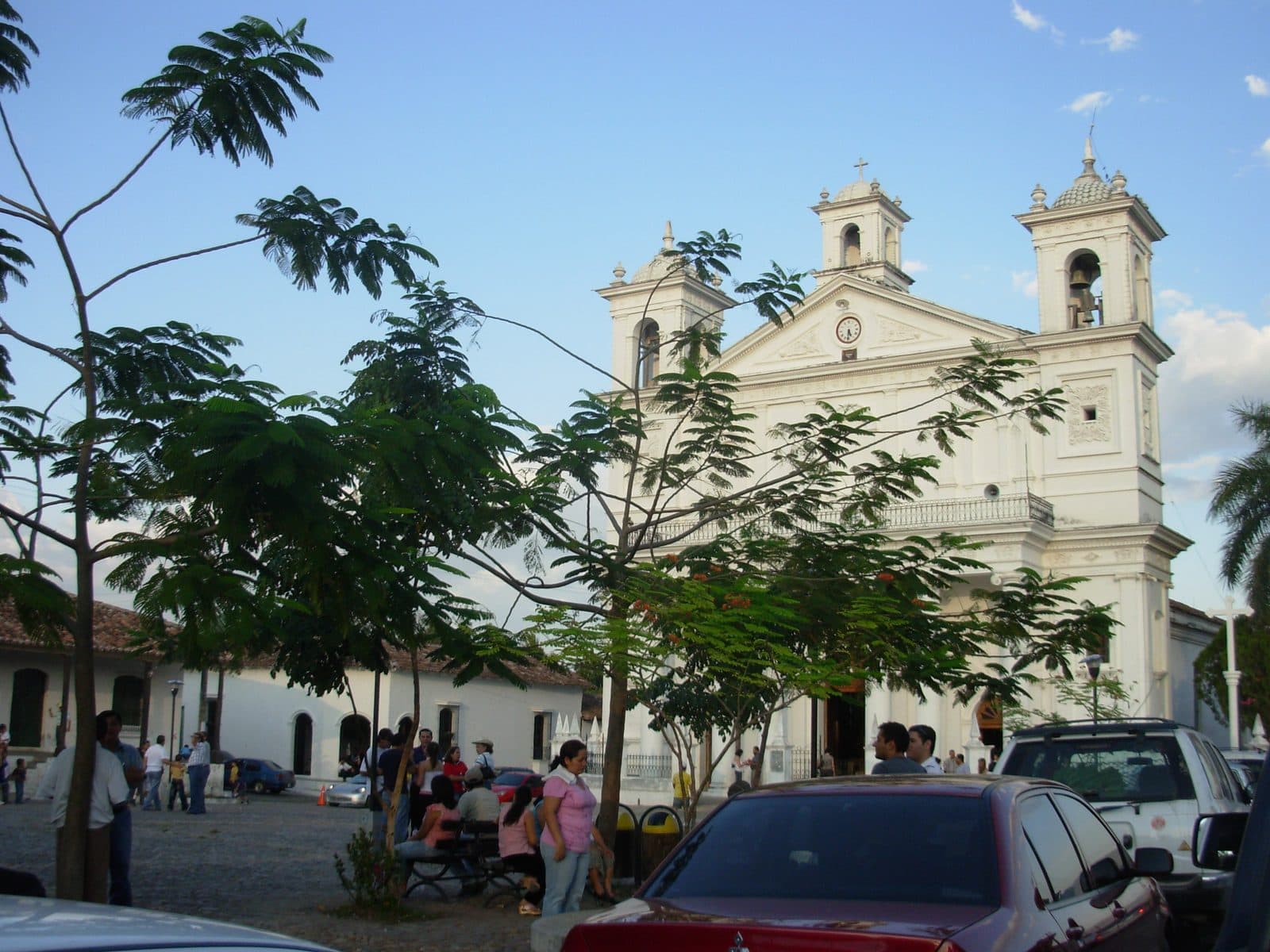
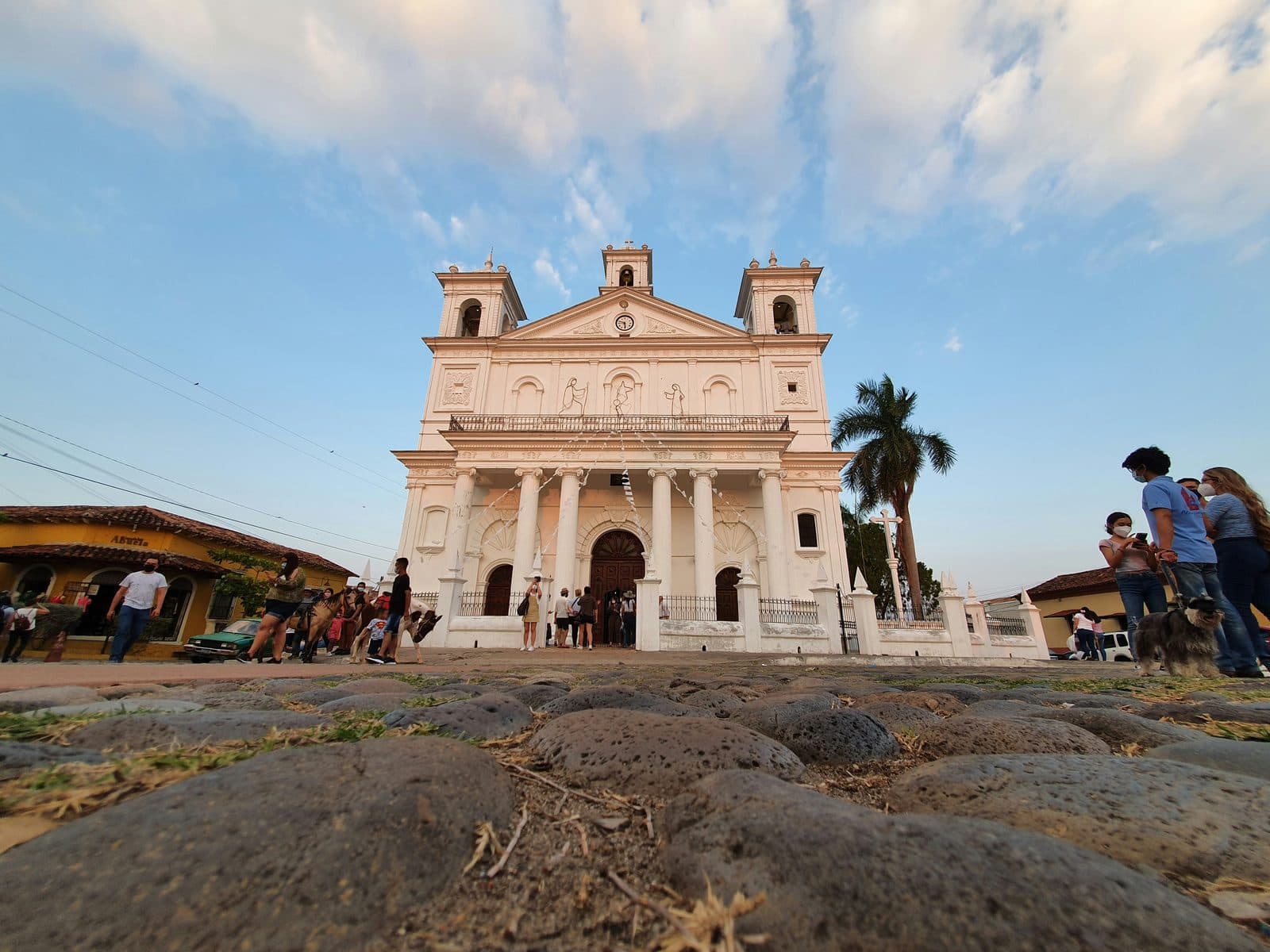
The town itself is a grid of cobblestone streets, low colonial buildings with red tile roofs, and a central plaza anchored by the white facade of the Iglesia Santa Lucía, built in 1853. The architecture is modest compared to Antigua or Granada, without the heavily ornate Baroque facades of those cities, but the proportions are pleasing and the setting is hard to beat.
The Art Scene
Hear a stop from this walk
Centro de Arte para la Paz (Art Center for Peace) de Suchitoto, El Salvador
Galleries and Studios
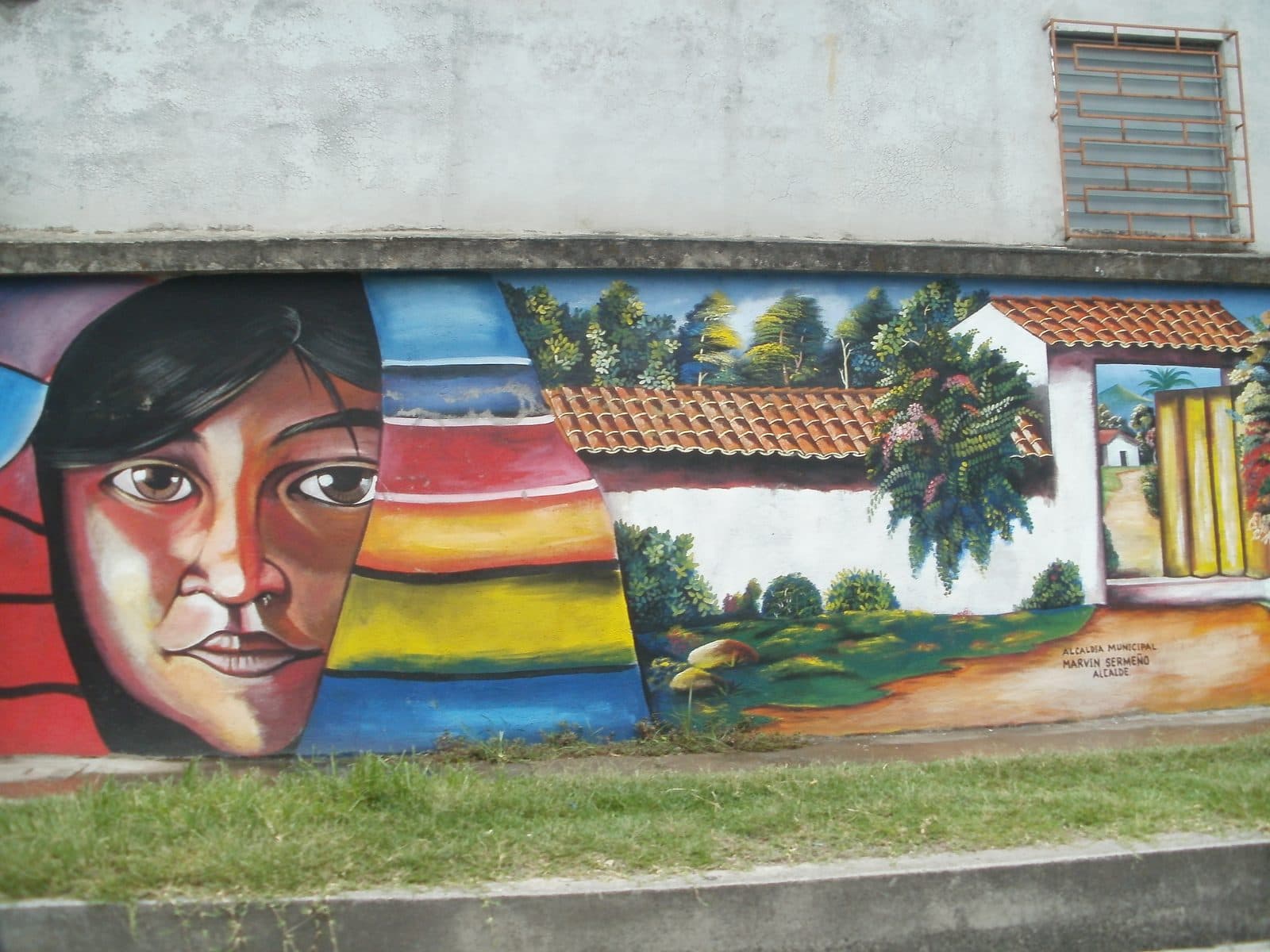
Suchitoto is home to dozens of working artists and several permanent galleries. The Centro Arte para la Paz (Art for Peace Center), housed in a converted convent next to the church, anchors the scene with rotating exhibitions, workshops, and community art programs. Local galleries along the main streets display painting, sculpture, textiles, and mixed media, much of it engaging directly with El Salvador's history of conflict and renewal.
What distinguishes Suchitoto's art community from a tourist-oriented craft market is seriousness of purpose. Many of these artists lived through the civil war or grew up in its aftermath. Their work grapples with memory, identity, and the meaning of peace in ways that are personal and often powerful.
Weekend Markets
On weekends, the streets around the central plaza fill with vendors selling handcrafts, textiles, and art. The quality varies, but the best stalls offer genuinely distinctive work: indigo-dyed textiles using traditional techniques, hand-painted ceramics, and woodwork by local artisans. The market atmosphere is relaxed and browsing is encouraged.
Festivals
Suchitoto hosts several cultural festivals throughout the year. The Festival de Arte y Cultura (February) brings musicians, performers, and visual artists from across Central America. The Festival del Maíz (August) celebrates corn culture with food, music, and traditional cooking demonstrations. During Semana Santa, the town is known for elaborate religious processions and the alfombras, intricate street carpets made of colored sawdust and flowers, that line the cobblestones.
Beyond the Galleries
The Lake
Boat tours of Lake Suchitlán offer birding opportunities and visits to small islands. The lake hosts abundant resident and migratory birdlife, including waterfowl that concentrate on the water between November and February. A boat trip at dawn, when the mist lifts off the water and the birds are most active, is one of the quiet highlights of any El Salvador visit.
The Waterfalls
Several waterfalls are accessible by short hikes from town. Los Tercios, the most famous, features a striking columnar basalt cliff face that looks like a giant pipe organ carved from stone. The waterfall itself is modest, but the geological formation is genuinely unusual and photogenic.
The Food
Suchitoto's restaurant scene punches well above the town's weight. A handful of excellent restaurants serve creative Salvadoran cuisine in colonial courtyard settings. Pupusas remain the staple, but look for dishes featuring local lake fish, organic coffee from nearby fincas, and the traditional drink chicha, a fermented corn beverage.
Getting There
The drive from San Salvador takes about 75 minutes. The road is paved and well-maintained, climbing through green countryside before dropping into the town. There is no bus terminal, just a main road where intercity buses stop.
Suchitoto is compact enough to explore entirely on foot. The cobblestones are uneven, so bring comfortable shoes. The town is quiet on weekday mornings and livelier on weekends when day-trippers arrive from the capital.
For a place that spent the 1980s as a conflict zone, Suchitoto's reinvention as an art town is not just charming. It is a statement about what a community can choose to become.
Frequently asked questions
- What is the Centro Arte para la Paz in Suchitoto?
- The Centro Arte para la Paz, or Art for Peace Center, is housed in a converted convent next to the church and anchors the town's art scene with rotating exhibitions, workshops, and community art programs.
- What is Lake Suchitlan and can you see wildlife there?
- Lake Suchitlan is a rich birding destination, home to resident and migrating waterfowl that concentrate on the lake between November and February.
- What is Los Tercios waterfall known for?
- Los Tercios features a striking columnar basalt cliff face that looks like a giant pipe organ carved from stone.
Ready to experience it?
Suchitoto: The Town One Man Saved
90 min · 2.7 km · easy
More from Suchitoto
Explore more at your own pace.
How to See Suchitoto: A Colonial Town That Refused to Die Twice
How to See Suchitoto: The Town One Man Refused to Let Die
One Day in Suchitoto: A Cobblestone Itinerary (2026)
Suchitoto Travel Guide: How Many Days, Getting Around, When to Go (2026)
What to Eat in Suchitoto: A Food Guide (2026)