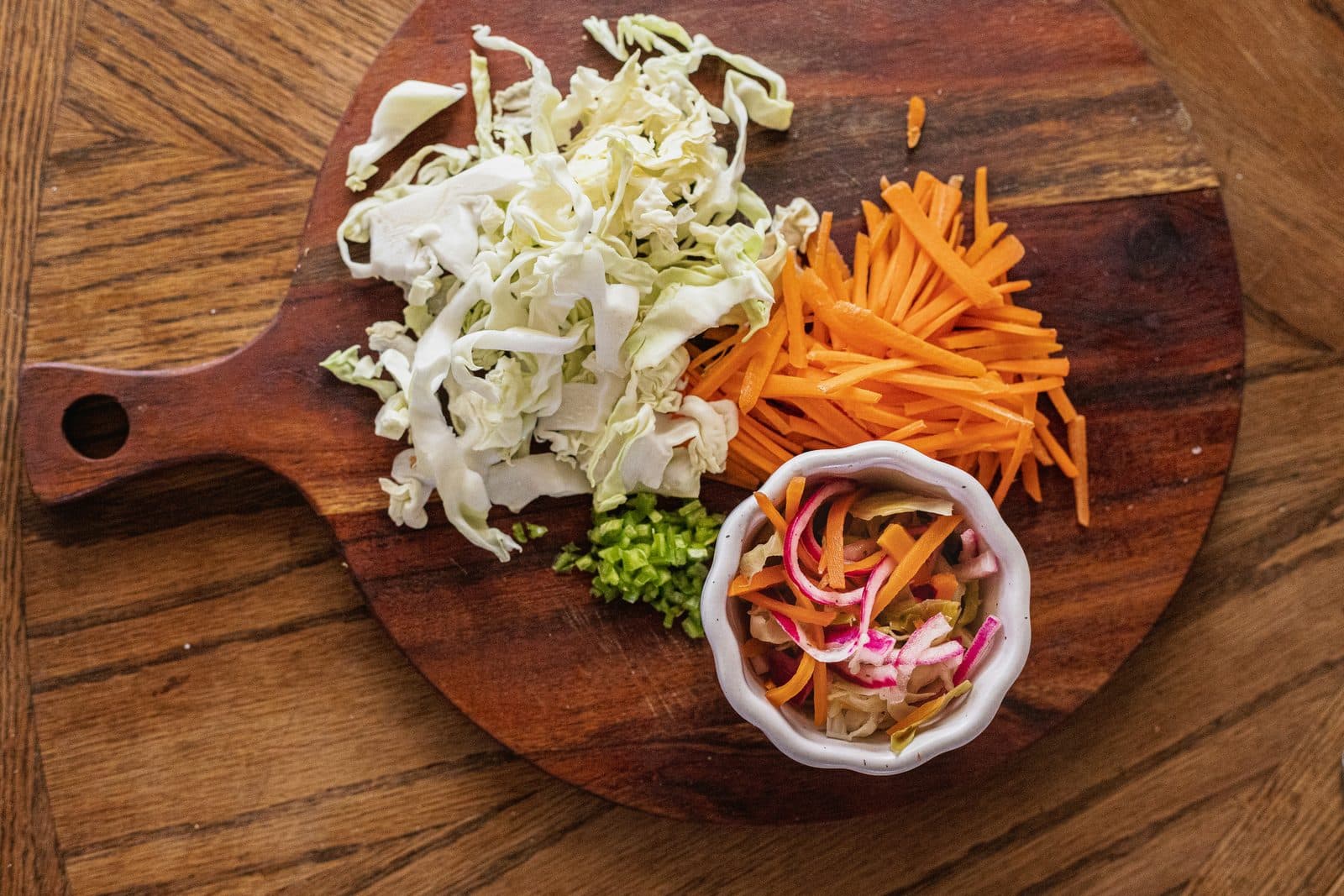
Suchitoto food is Salvadoran comfort with a lakeside accent. Three things shape it: the pupusa, El Salvador's national dish, which rules the square; the great lake below the town, which gives up freshwater fish to the dockside restaurants; and a set of old country dishes and sweets that survive at the festival table. Eat well here and you are eating simply and locally, on the plaza and at the water rather than in a dining room, which pairs naturally with a slow walk on our Suchitoto self-guided tour.
The dishes to seek out
Pupusas. The heart of any meal in Suchitoto and the national dish of El Salvador: a thick corn (or rice) griddle cake stuffed and cooked through, then served with curtido, a tangy fermented cabbage slaw, and a thin tomato salsa. The classic fillings are cheese (queso), refried beans (frijoles), chicharrón (pork), and the fragrant herb loroco, alone or combined (revueltas). On the Parque Central the stands nearest the church are the town's go-to, a full meal for a dollar or two.
Lake fish, tilapia and guapote. Because Suchitoto sits above Lake Suchitlán, freshwater fish is a genuine local specialty. Tilapia and guapote come out of the reservoir and onto the plates at the lakeside restaurants, typically fried whole and served with rice, salad, and tortillas. It is the dish that most belongs to this town rather than the country at large.
Gallo en chicha. A traditional festive dish worth trying if you find it: chicken (historically rooster) slow-simmered in chicha, a lightly fermented corn drink, sweetened with panela, until the sauce turns rich and tangy. It is old country cooking, more likely to appear at a celebration or the February festival than on an everyday menu.
Salvadoran sweets and pan dulce. El Salvador has a deep tradition of pan dulce, sweet breads and pastries, and on weekends and holidays the square fills with vendors selling them alongside grilled snacks. Look for the traditional dulces made with panela and local ingredients, the small-town sweets that round out a meal.
Coffee. El Salvador is a coffee country, and the cafes around the Centro pour it well. A cup on the plaza in the morning is part of the Suchitoto rhythm.
Where the food culture lives
Hear a stop from this walk
Centro de Arte para la Paz (Art Center for Peace) de Suchitoto, El Salvador
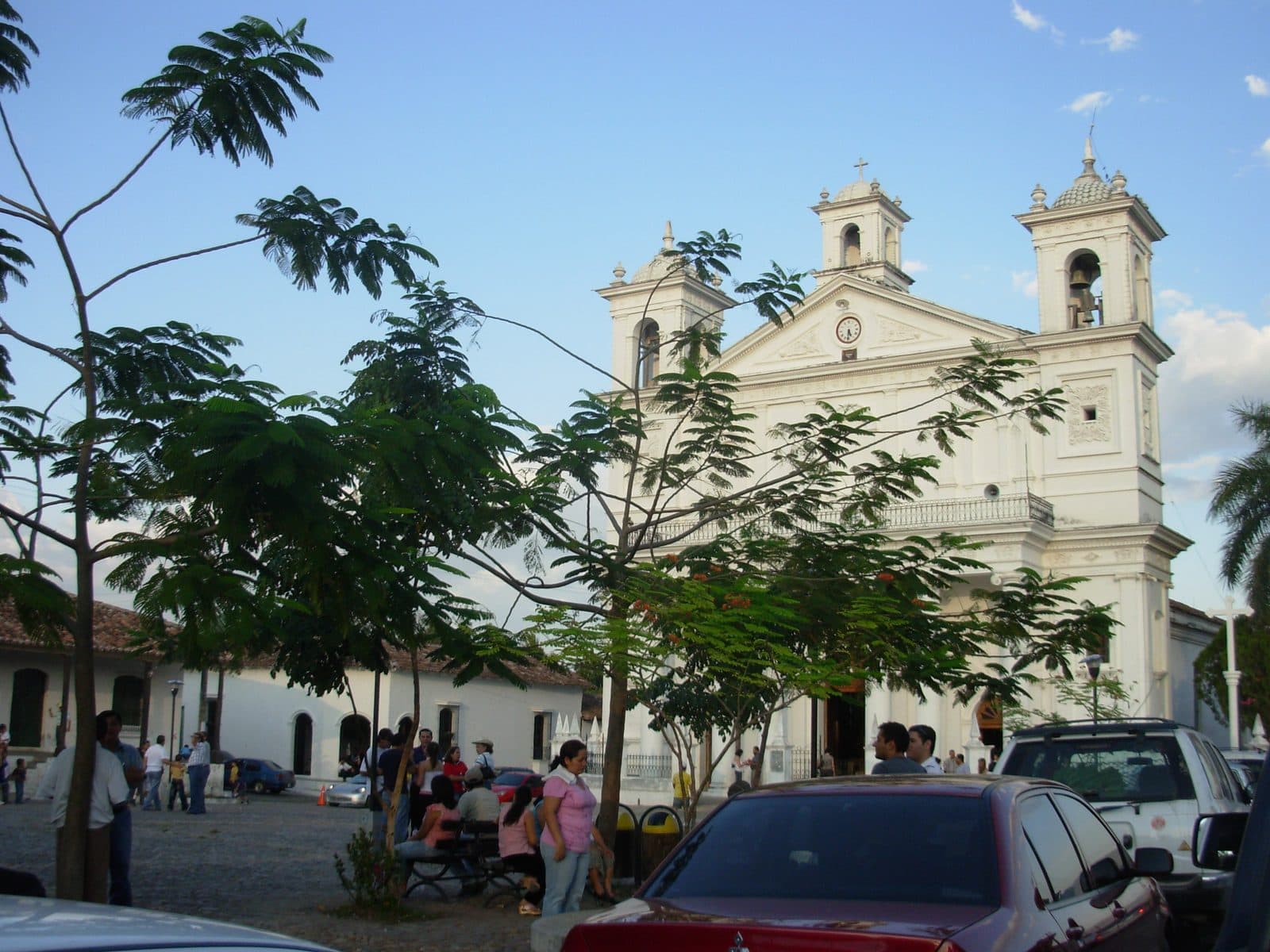
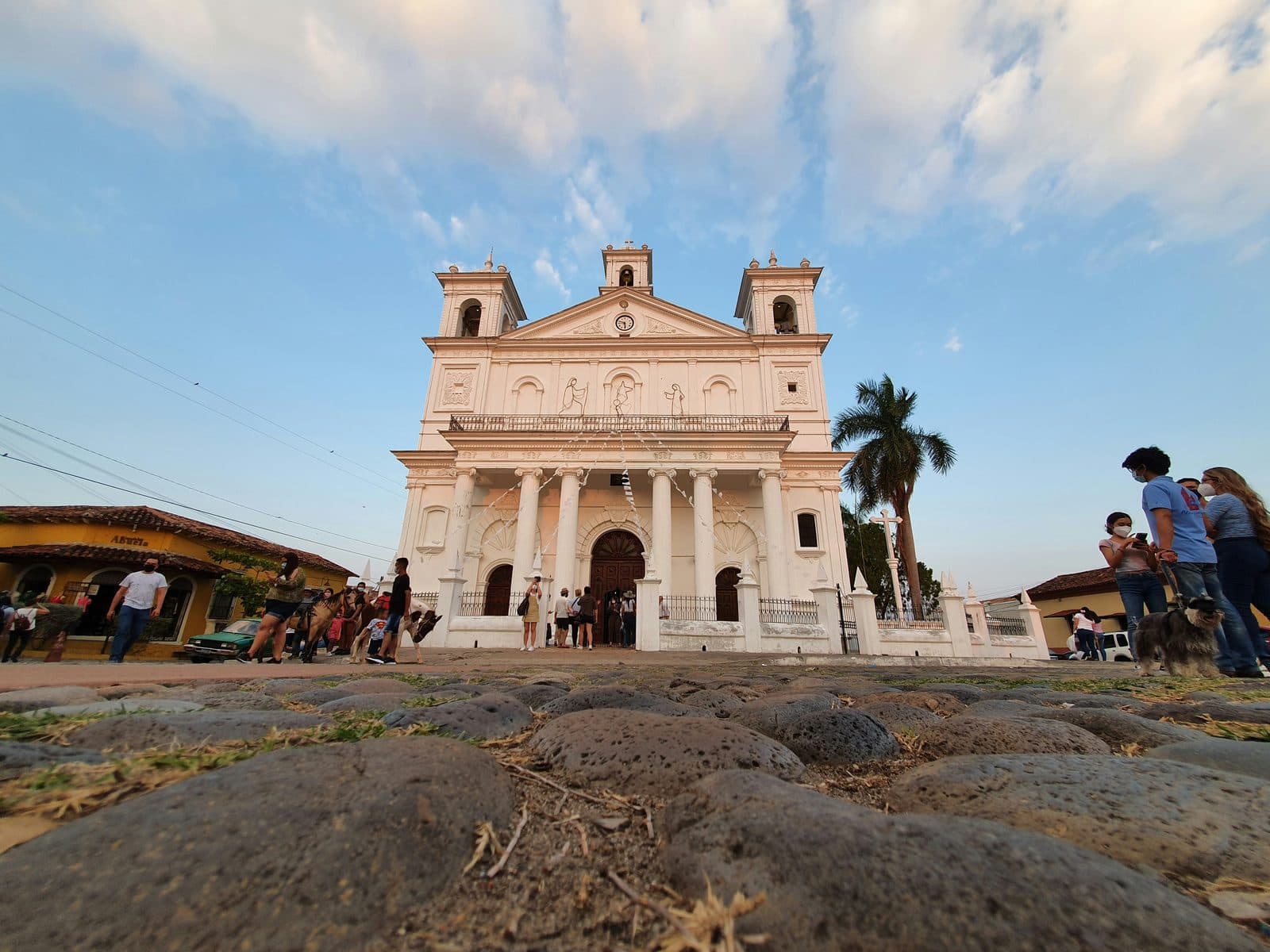
The Parque Central, for pupusas. The plaza in front of the Iglesia Santa Lucía is the beating heart of the town's food life. In the evenings and on weekends it fills with pupusa stands, grills, and sweet vendors. Walk the Suchitoto Colonial Heritage tour through the Centro and it doubles as your route to dinner.
Puerto San Juan, for the lake fish. Down at the dock on Lake Suchitlán, a cluster of restaurants serves tilapia and guapote fresh from the water, often with a lake view. It is the natural lunch stop if you are taking a boat trip out to Isla de los Pájaros.
The Centro cafes, for coffee and pan dulce. The cobblestone streets around the plaza hold small cafes and bakeries, good for a quiet coffee, a sweet bread, and a pause between galleries.
Eat as you walk
The best way to work through this list is on foot, at the town's own pace. Pair a morning in the cobblestone Centro with a mid-morning coffee and pan dulce, a lakeside lunch of fresh tilapia at Puerto San Juan, and an evening of pupusas on the square. Route your day with the one day in Suchitoto itinerary, plan the practical side with the Suchitoto travel guide, and browse all Suchitoto tours. Every tour is free to start: the introduction and first stop play in full, and every later stop plays a short preview before an optional purchase.
Frequently asked questions
- What food is Suchitoto known for?
- Suchitoto's food is classic Salvadoran with a lakeside twist. The headline dish is the pupusa, a thick corn griddle cake stuffed with cheese, refried beans, chicharrón, or the herb loroco, and it is El Salvador's national dish. Because the town sits on Lake Suchitlán, freshwater fish, mainly tilapia and guapote, is a local specialty served at the lakeside restaurants. Traditional dishes like gallo en chicha, chicken slow-cooked in a fermented-corn sauce, appear at festivals, and pan dulce sweet breads and local coffee round out the table.
- Where should you eat in Suchitoto?
- For pupusas, the stands on and around the Parque Central by the church are the town's classic meal, especially busy in the evening and on weekends. For lake fish, head down to the Puerto San Juan dock, where restaurants serve tilapia and guapote fresh from Lake Suchitlán, often with a view of the water. For coffee and pan dulce, the cafes around the Centro. The square is the beating heart of the food culture, so start there.
- Is the food in Suchitoto good for vegetarians?
- Yes, reasonably so. Pupusas are easily vegetarian, filled with cheese (queso), refried beans (frijoles), squash (ayote), or the fragrant loroco flower, and they come with curtido, a tangy fermented cabbage slaw, and salsa. Rice, beans, plantains, and fresh cheese are staples throughout Salvadoran cooking, so vegetarians eat well. The main meat-forward specialties, the lake fish and gallo en chicha, are easy to skip.
- What should you drink in Suchitoto?
- Local coffee is the everyday drink; El Salvador is a coffee-growing country and the cafes around the Centro serve it well. For something traditional, look for horchata, the Salvadoran version made from morro seeds and spices rather than rice, and fresh fruit refrescos. Because El Salvador uses the US dollar, prices are low and easy to read. Gallo en chicha takes its name from chicha, a lightly fermented corn drink with deep roots in the region.
Ready to experience it?
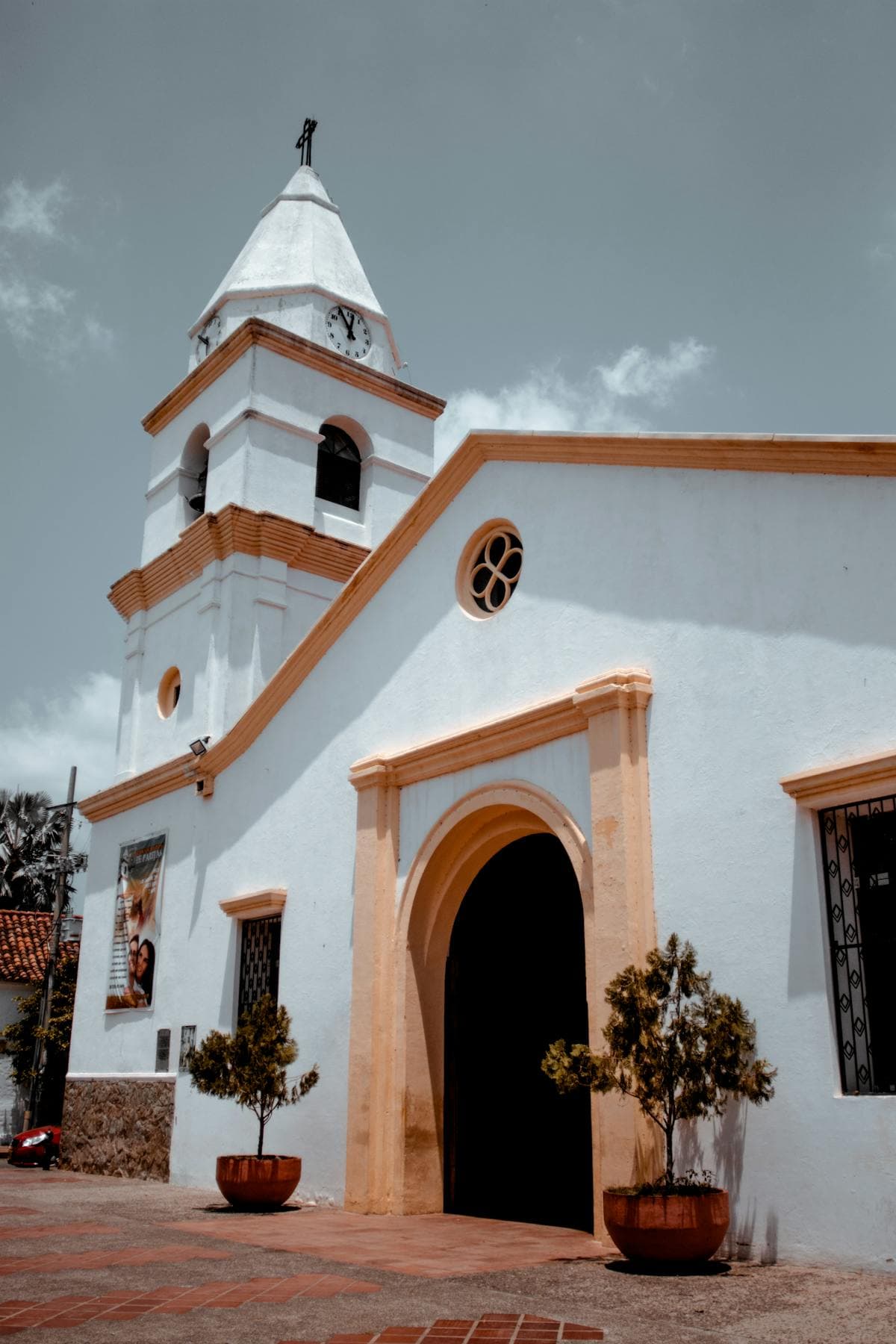
Suchitoto: The Town One Man Saved
90 min · 2.7 km · easy
More from Suchitoto
Explore more at your own pace.
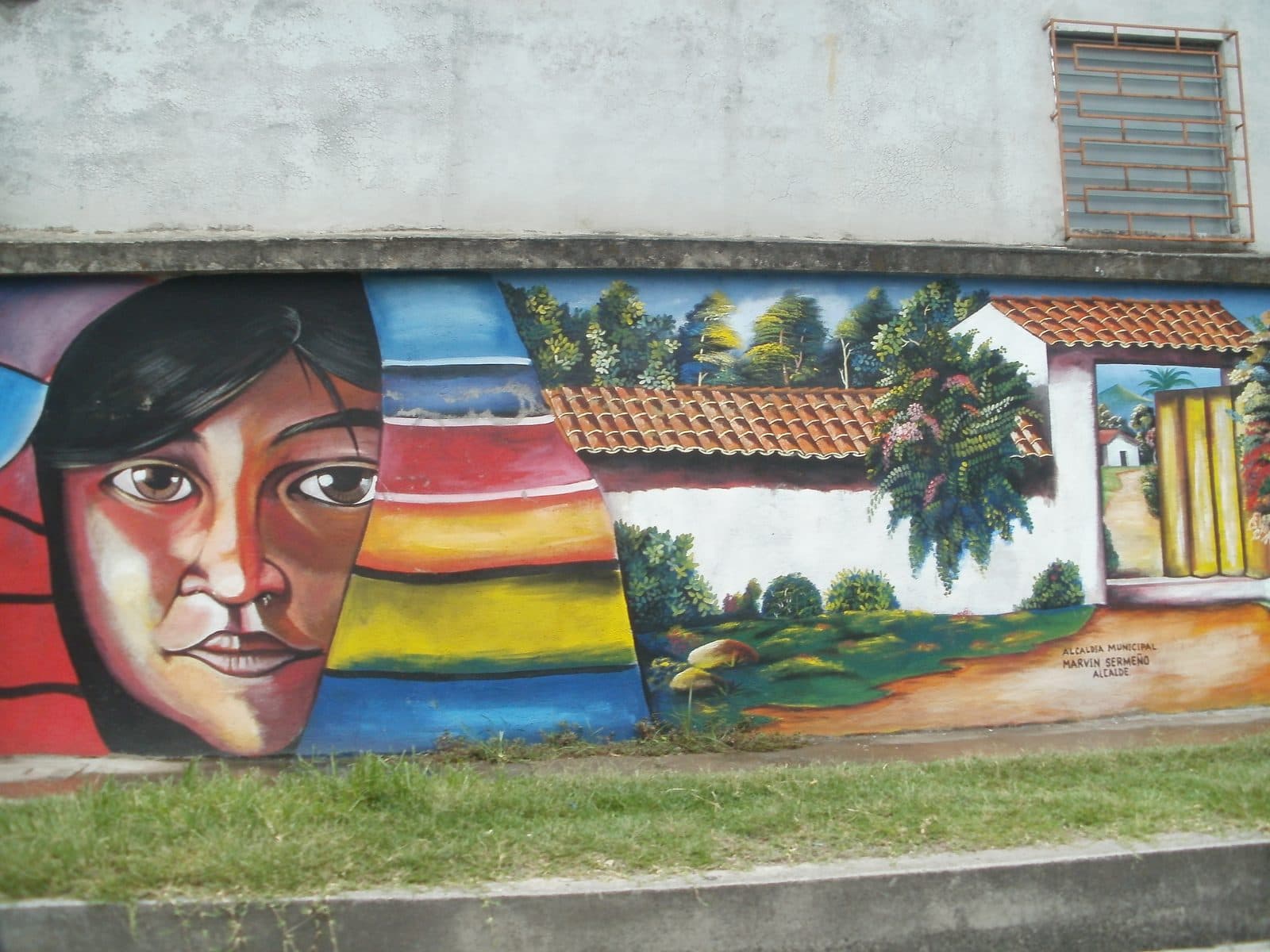
How to See Suchitoto: A Colonial Town That Refused to Die Twice
How to See Suchitoto: The Town One Man Refused to Let Die
One Day in Suchitoto: A Cobblestone Itinerary (2026)
Suchitoto Travel Guide: How Many Days, Getting Around, When to Go (2026)
The Lake, the Church, and the Filmmaker: How Suchitoto Was Preserved