Today, Suchitoto is known for art galleries, weekend markets, and cobblestone charm. Visitors stroll past restored colonial buildings, sip locally roasted coffee in courtyard restaurants, and photograph the lake at sunset. It is easy to imagine the town has always been this way.
It has not. Thirty-five years ago, Suchitoto was a war zone.
Before the War
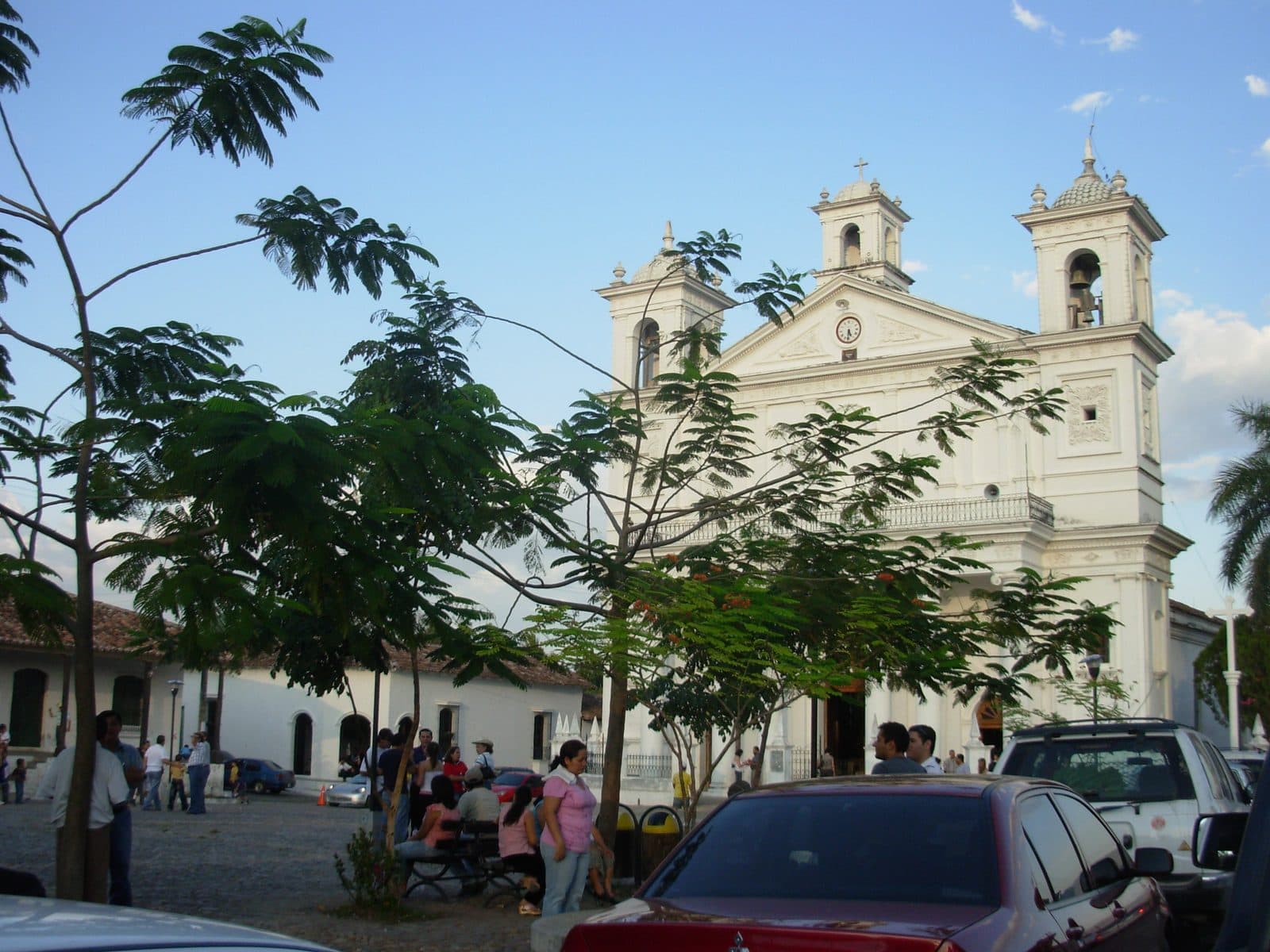
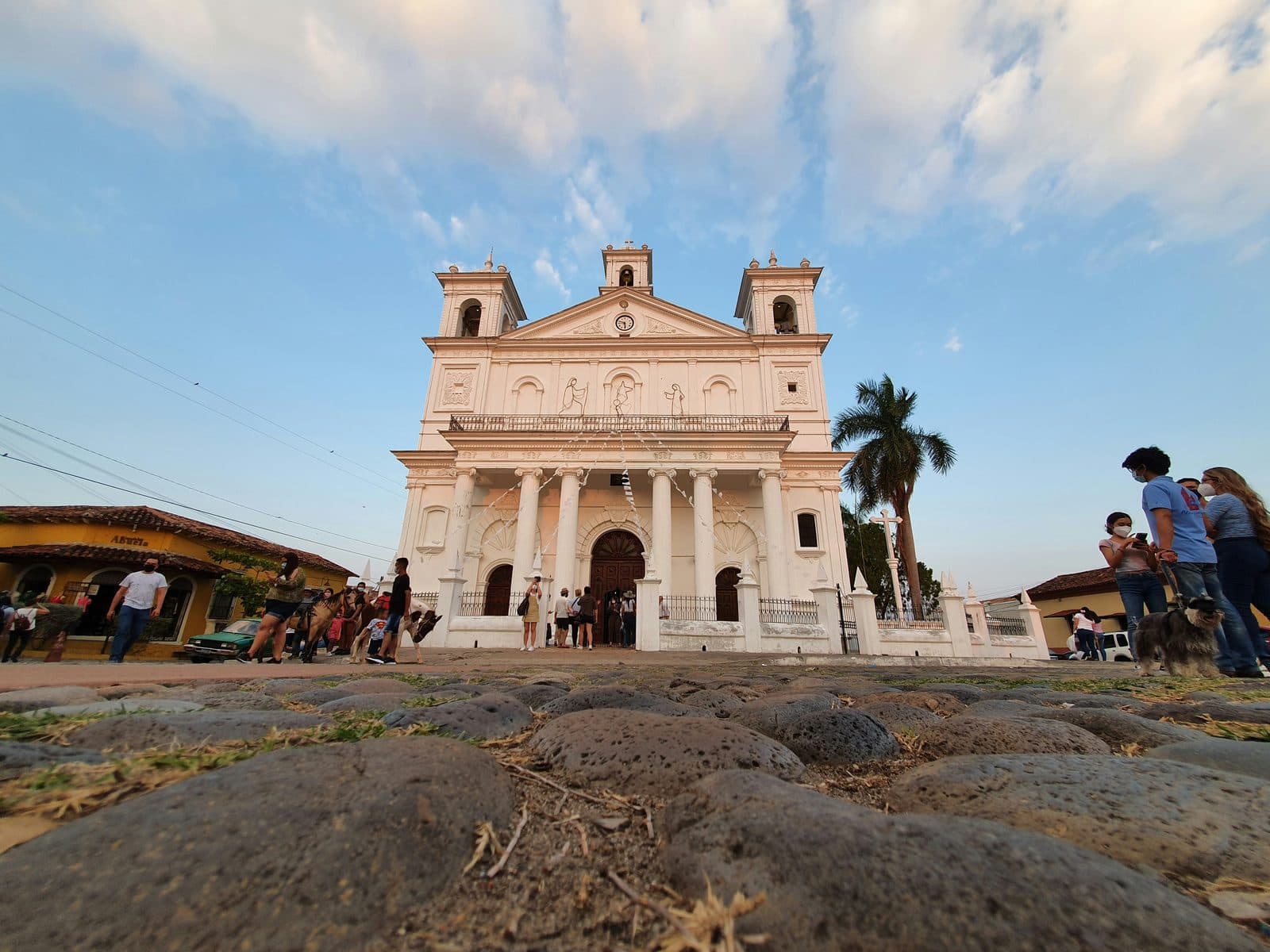
Suchitoto has been inhabited for over a thousand years. The Pipil people, descendants of Nahua migrants from central Mexico, established settlements here long before the Spanish arrived. The colonial town that grew up around the Iglesia Santa Lucía became an important regional administrative center in the 19th century.
By the mid-20th century, Suchitoto was a prosperous agricultural town, surrounded by haciendas growing sugarcane, cattle, and indigo. The creation of Lake Suchitlán in the 1970s, when the Cerrón Grande dam flooded the Lempa River valley, displaced thousands of farming families and disrupted the local economy. Many of those displaced families, already marginalized, would become part of the social base for the guerrilla movement.
The War Years
Hear a stop from this walk
Centro de Arte para la Paz (Art Center for Peace) de Suchitoto, El Salvador
When the civil war erupted in 1980, Suchitoto found itself in one of the most contested areas of the conflict. The town sits at the edge of the Guazapa volcano, which became a major FMLN guerrilla stronghold. The military established a garrison in Suchitoto and attempted to control movement in and out of the area.
The civilian population was caught between the two forces. The military viewed the surrounding rural population with suspicion, and scorched-earth operations drove thousands from their homes. FMLN fighters moved through the area regularly, drawing military operations that further endangered civilians.
By the mid-1980s, Suchitoto was largely depopulated. Many of its colonial buildings were damaged or abandoned. The town that had once been a regional center was a ghost of itself: occupied by soldiers, emptied of most of its residents, surrounded by a militarized countryside.
The Return
After the 1992 peace accords, displaced families began returning to Suchitoto. What they found was a town in ruins. Roofs had collapsed, walls were pocked with bullet holes, and the infrastructure of water, electricity, and roads was barely functional.
The rebuilding process was slow and driven largely by the community itself, with support from international NGOs and the Salvadoran government. What made Suchitoto's recovery different from other war-damaged towns was a deliberate decision, led by local leaders and returning residents, to rebuild around culture.
Culture as Strategy
The choice to invest in art and culture was not sentimental. It was strategic.
Suchitoto's leaders recognized that the town had several assets: its colonial architecture (damaged but salvageable), its lakeside setting, its proximity to San Salvador, and a community of people who had survived extraordinary trauma and were looking for ways to process and express that experience.
The Centro Arte para la Paz
The most significant institutional expression of this strategy was the Centro Arte para la Paz (Art for Peace Center), established in a restored convent adjacent to the Iglesia Santa Lucía. The center was conceived not just as a gallery but as a community space, offering workshops, artist residencies, youth programs, and a permanent exhibition on the town's history.
The center's name is deliberate. It frames art not as decoration but as a tool for peacebuilding, a way for individuals and communities to confront the past, imagine the future, and create shared meaning from shared suffering.
The Festival Circuit
Starting in the late 1990s, Suchitoto began hosting cultural festivals that drew visitors from San Salvador and beyond. The Festival de Arte y Cultura and the Festival del Maíz became annual traditions that brought economic activity, media attention, and a growing identity as a cultural destination.
The Artists
Artists began moving to Suchitoto, drawn by low costs, the beauty of the setting, and a community that valued creative work. Some were Salvadorans returning from exile. Others were international artists drawn to the town's story. Over time, a critical mass developed, including galleries, studios, workshops, and residencies, that made Suchitoto's cultural identity self-sustaining.
What It Means
Suchitoto's transformation is remarkable, but it is not a fairy tale. The town still faces challenges common to rural El Salvador: limited economic opportunity, youth migration to the cities and abroad, and the slow pace of institutional development. Not every resident benefits equally from the cultural economy, and tensions between the art-town identity and the needs of ordinary residents are real.
But the broader accomplishment is undeniable. A town that was depopulated by war has rebuilt itself around the proposition that culture matters, that art is not a luxury but a necessity, especially for communities that have experienced violence.
Walking the Layers
Visitors who walk Suchitoto's streets with this history in mind see a different town. The restored colonial facades are not simply picturesque. They are acts of reconstruction, physical statements that the community chose to rebuild rather than abandon. The art in the galleries is not merely decorative. Much of it engages directly with the experience of war, displacement, and return.
The cobblestones under your feet were walked by soldiers and guerrillas. The church plaza where weekend markets now set up was once a military checkpoint. The lake that glitters below the town displaced thousands of families whose descendants now serve you coffee in the plaza restaurants.
Suchitoto does not hide this complexity. It incorporates it. And that, more than any single gallery or festival, is what makes it one of the most meaningful places to visit in El Salvador.
Frequently asked questions
- What happened to Suchitoto during El Salvador's civil war?
- By the mid-1980s, Suchitoto was largely depopulated. Many of its colonial buildings were damaged or abandoned.
- How did Suchitoto rebuild itself after the war?
- What made Suchitoto's recovery different from other war-damaged towns was a deliberate decision, led by local leaders and returning residents, to rebuild around culture.
- Why is the Centro Arte para la Paz named the way it is?
- The name frames art not as decoration but as a tool for peacebuilding, a way for individuals and communities to confront the past, imagine the future, and create shared meaning from shared suffering.
Ready to experience it?
Suchitoto: The Town One Man Saved
90 min · 2.7 km · easy
More from Suchitoto
Explore more at your own pace.
How to See Suchitoto: A Colonial Town That Refused to Die Twice
How to See Suchitoto: The Town One Man Refused to Let Die
One Day in Suchitoto: A Cobblestone Itinerary (2026)
Suchitoto Travel Guide: How Many Days, Getting Around, When to Go (2026)
What to Eat in Suchitoto: A Food Guide (2026)