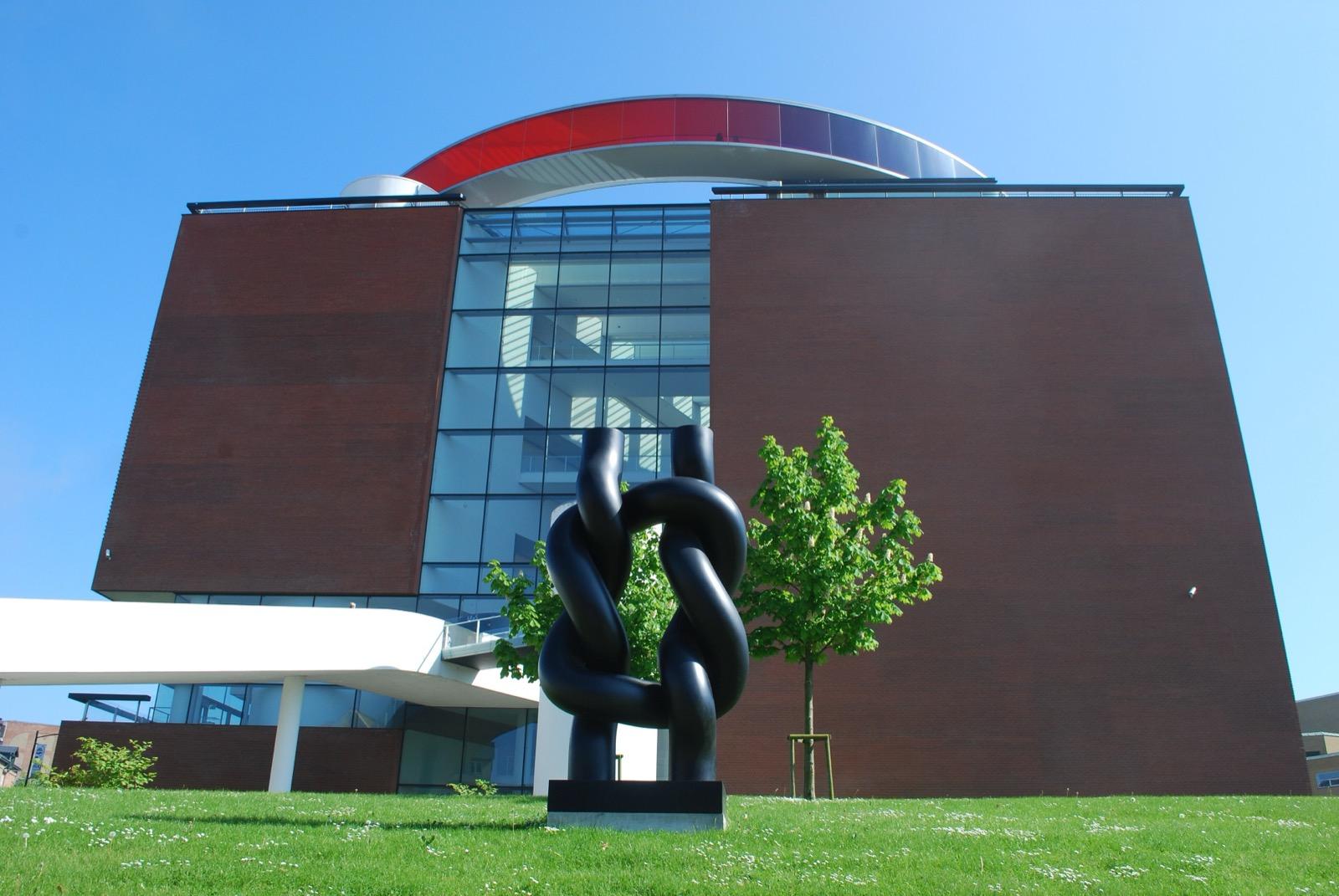
A walk across Aarhus that reads its half-century reinvention from a working harbour town into a capital of culture, bracketed by two moments of glass in the sky and glass over the water.
Start · ARoS: The Rainbow Ring in the Sky
DirectionsStops
- 1
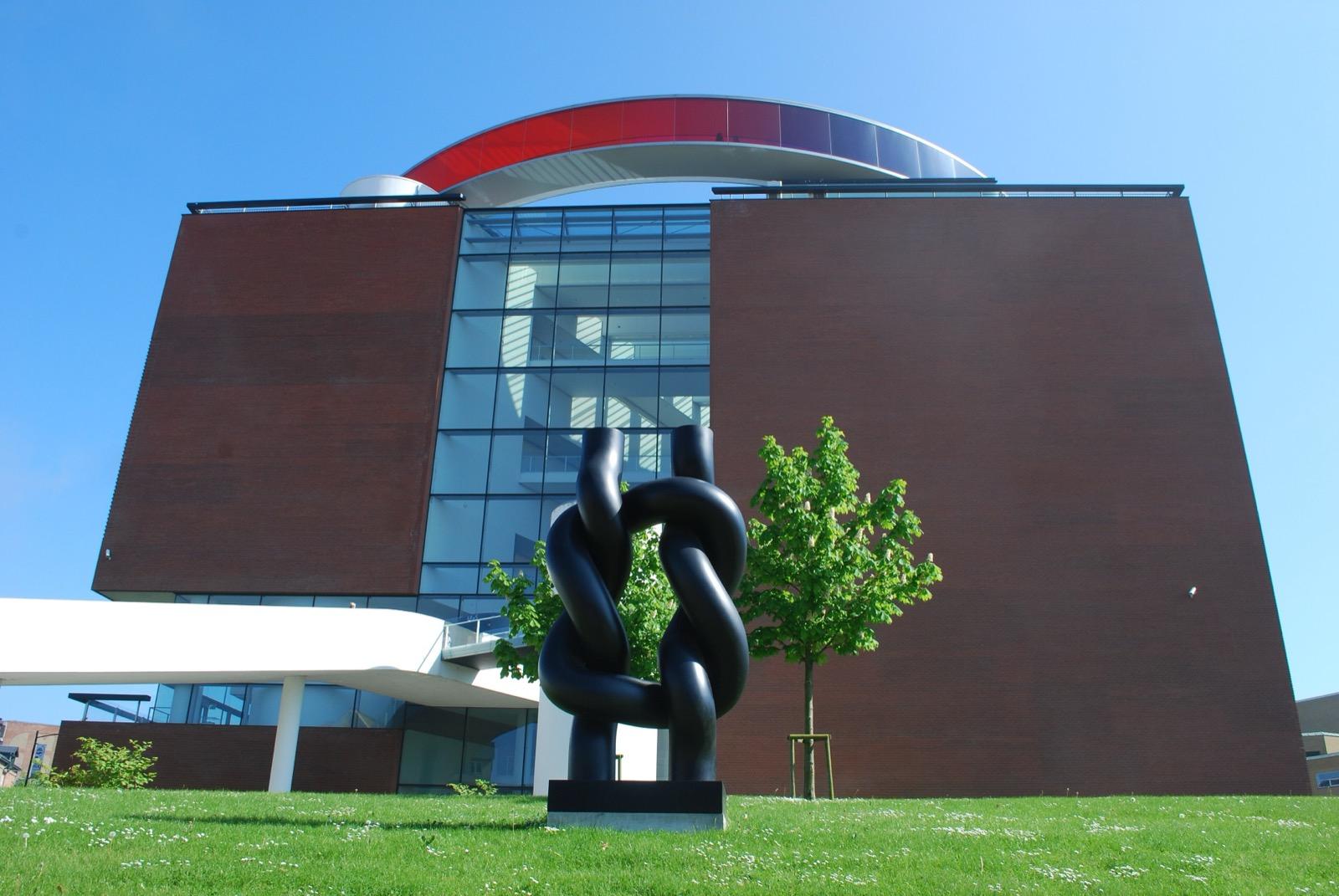
ARoS: The Rainbow Ring in the Sky
The great red-brick art museum crowned by Olafur Eliasson's circular walkway of coloured glass, the marquee image of the reinvented city.
- 2
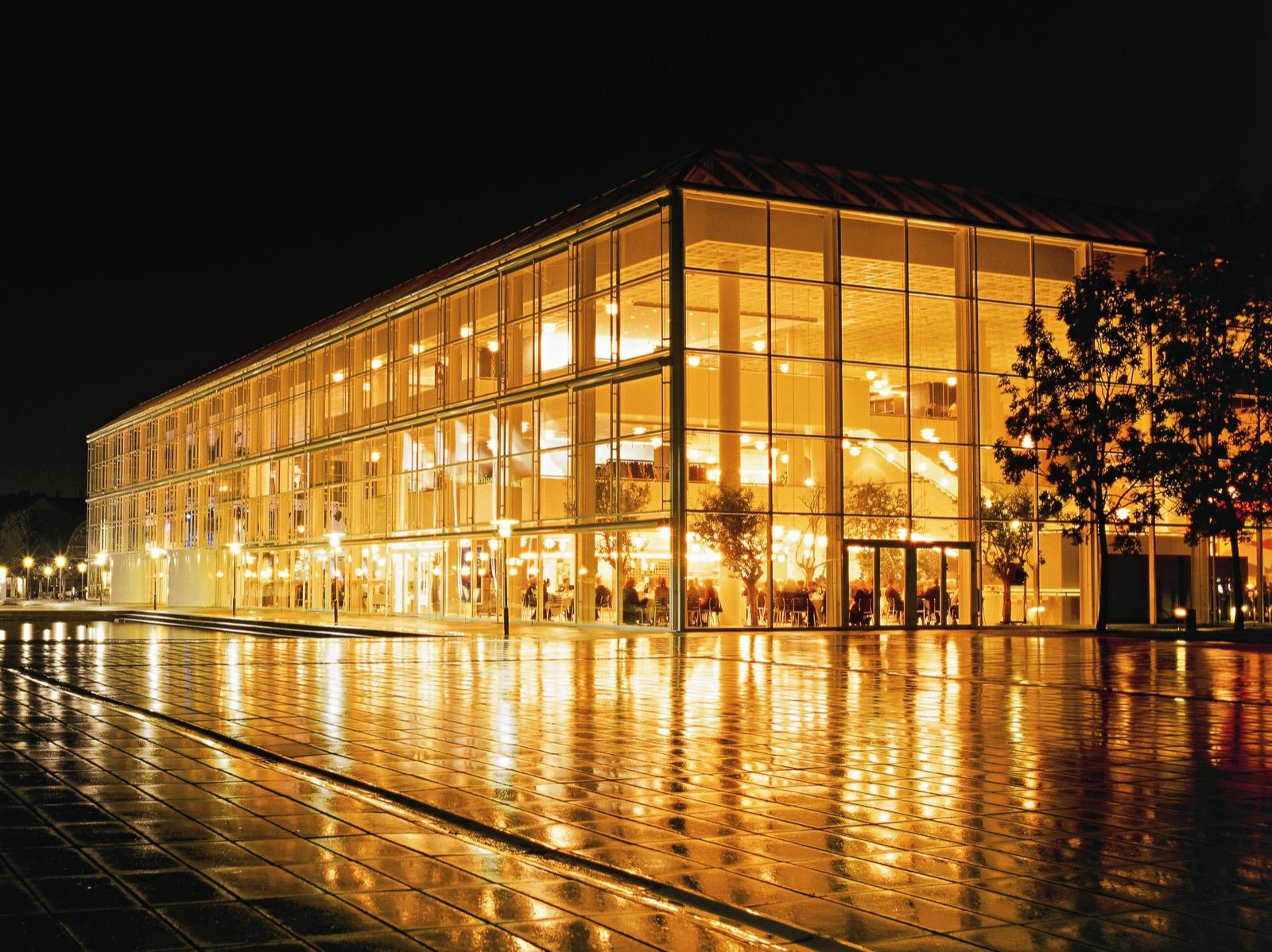
Musikhuset Aarhus: The Glass Music Hall in the Culture Quarter
The glass-fronted concert hall beside ARoS, culture as deliberate civic investment at the heart of the arts quarter.
- 3
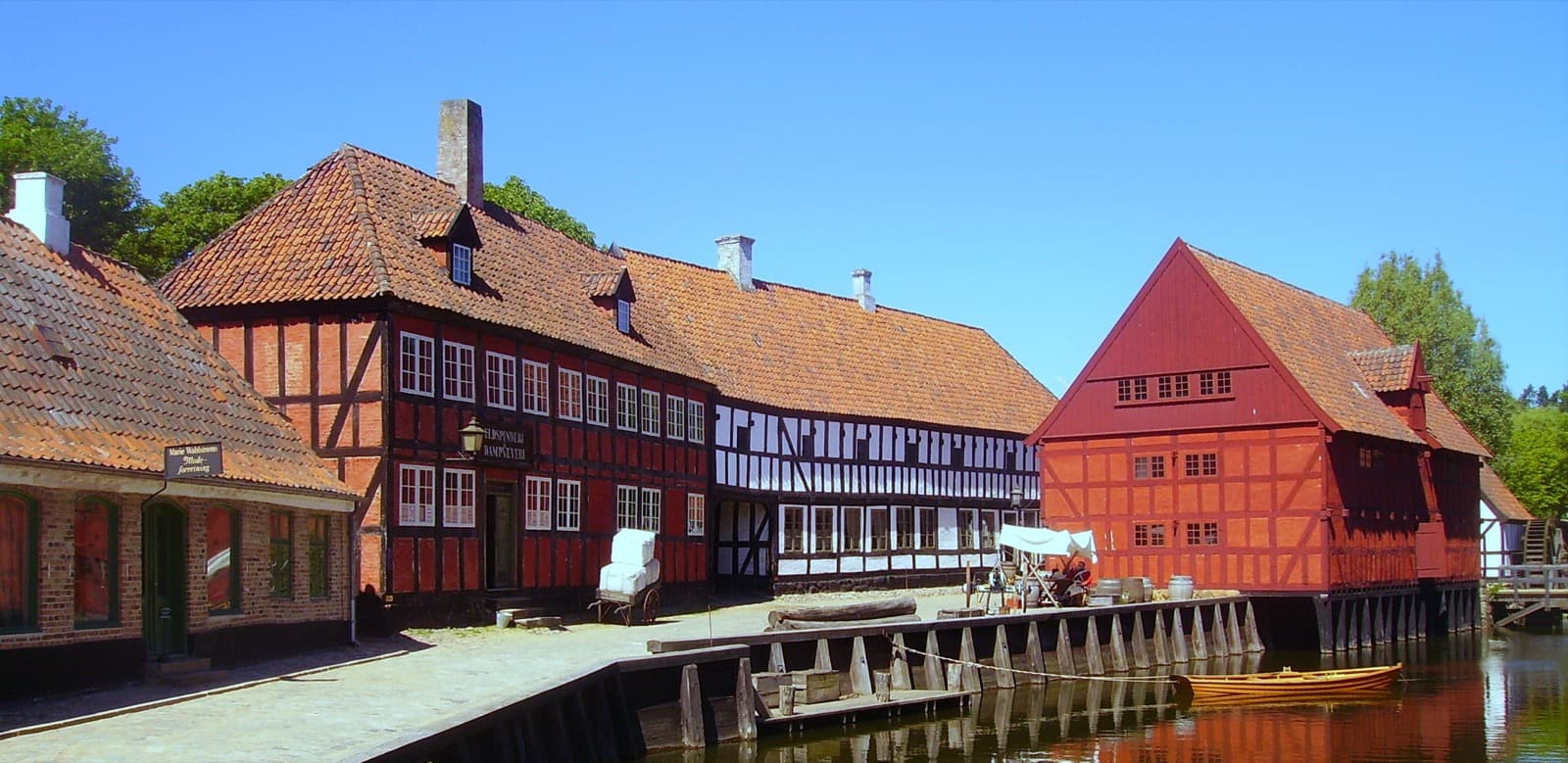
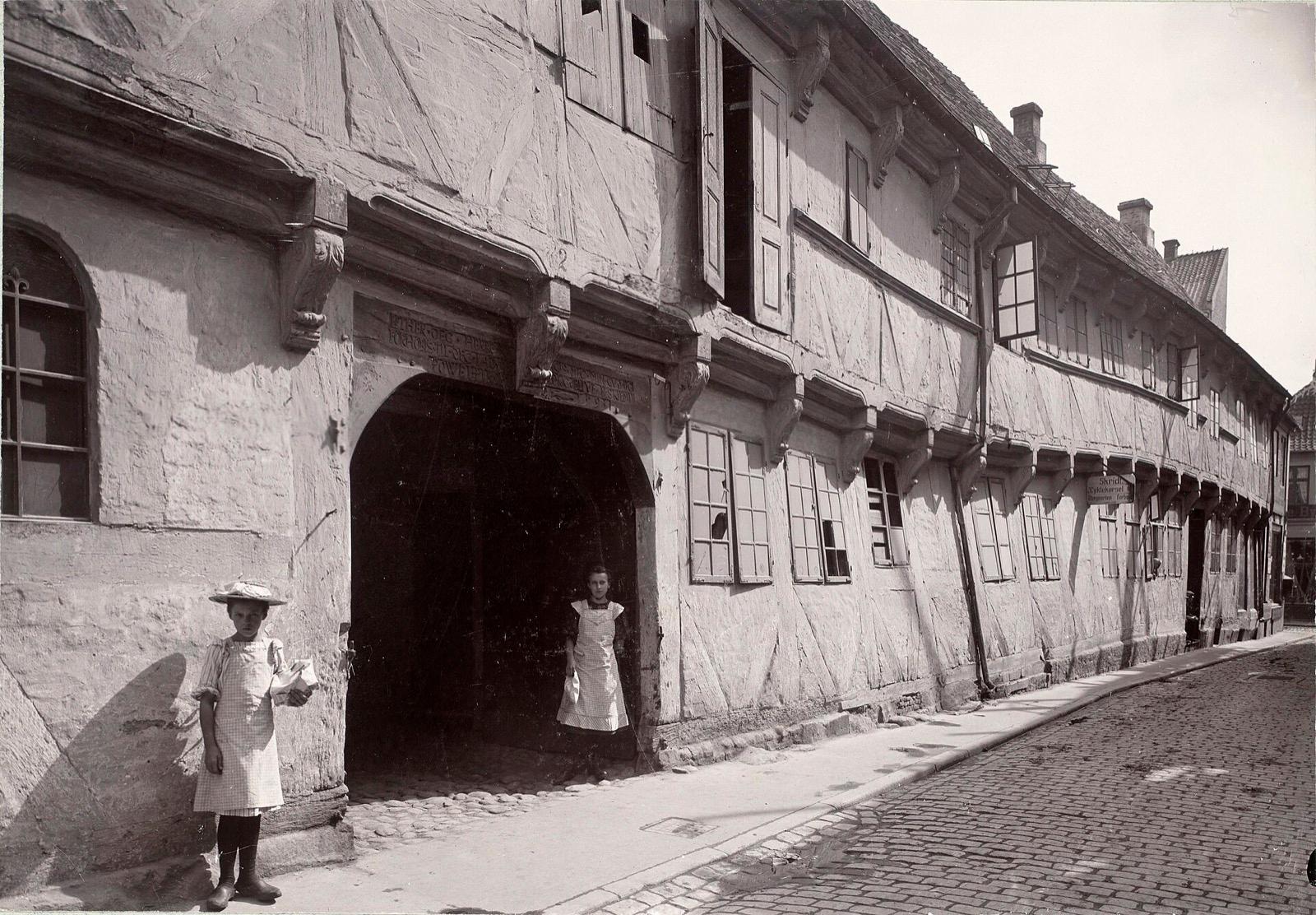
Den Gamle By: The Old Town Reassembled
An open-air town museum of some seventy-five historic timber-framed houses gathered from across Denmark and rebuilt as a living old town.
- 4
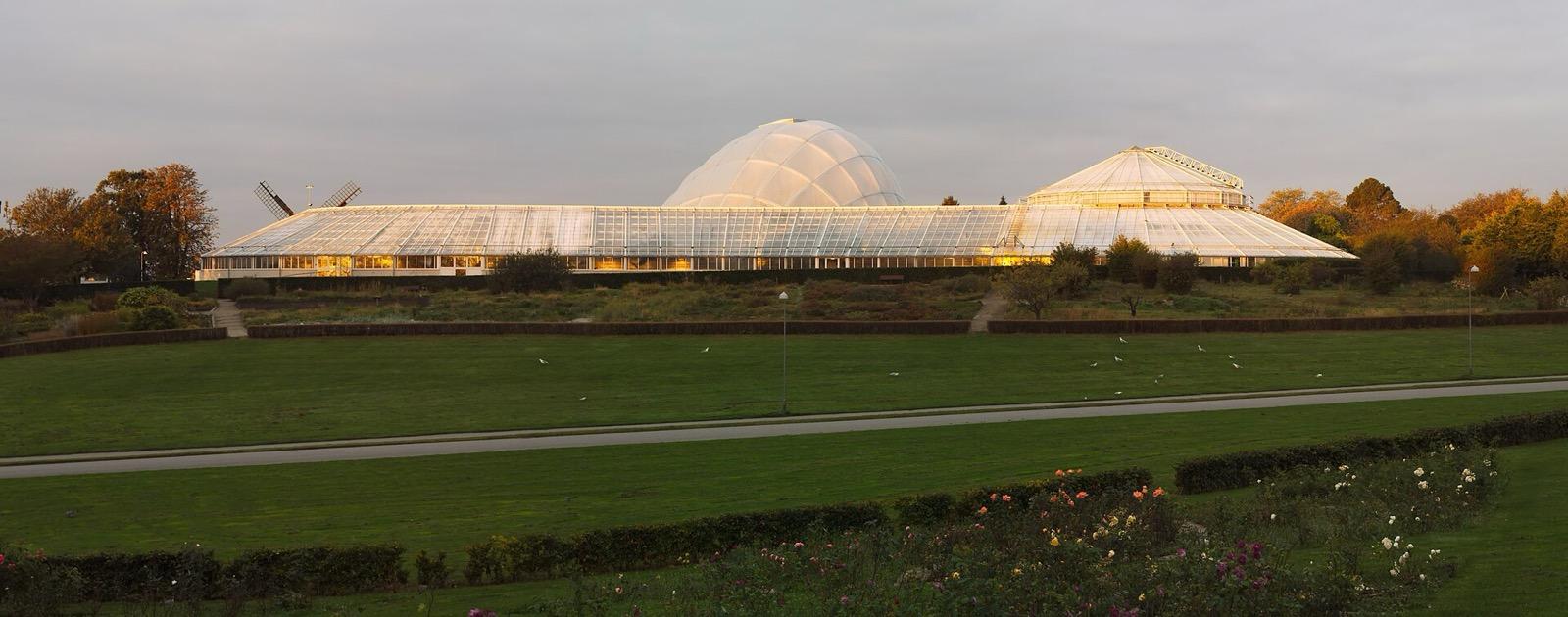
The Botanical Gardens: Terraces and Glasshouses on the Slope
Terraced hillside gardens with modern glass-and-steel tropical houses, a green lung between the old town and the university.
- 5
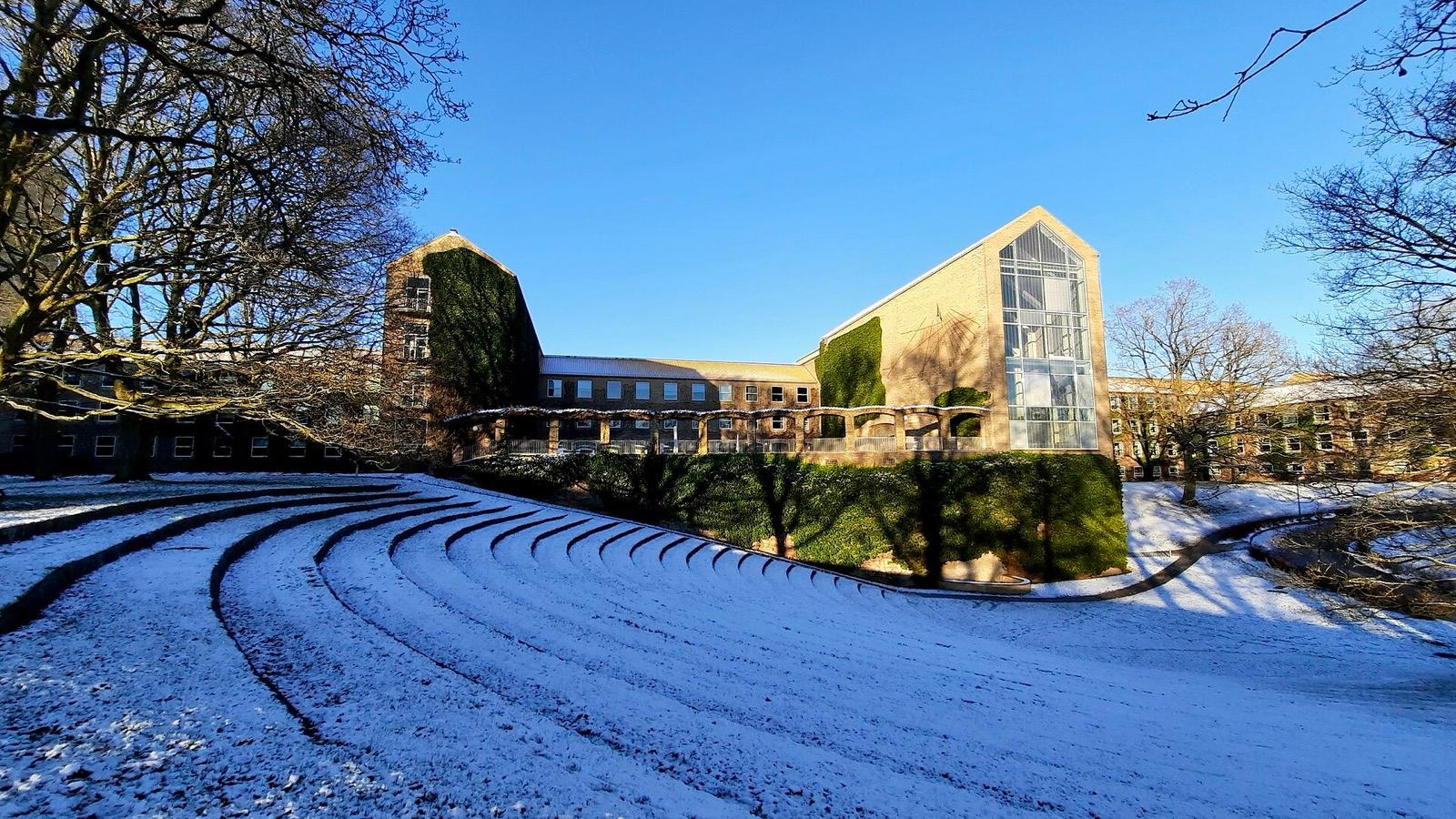
Aarhus University: The Yellow-Brick Campus in the Park
A celebrated suite of yellow-brick functionalist pavilions set in rolling parkland, Denmark's second oldest university and a work of architecture in its own right.
- 6
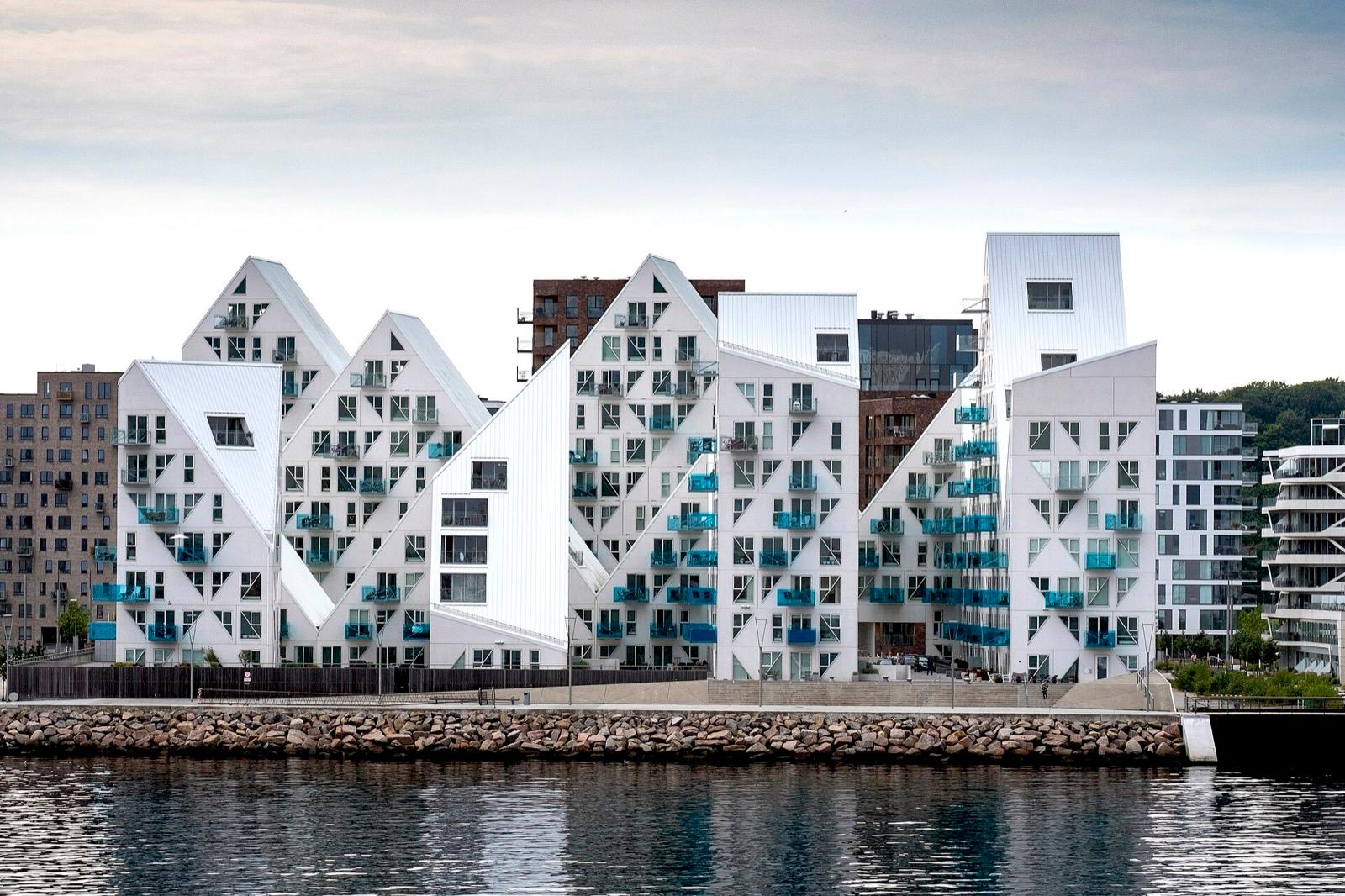
Aarhus Oe: The Working Docks Remade
The former container port transformed into a bold new waterfront district of towers, promenades and harbour baths, the climax of the reinvention.
- 7
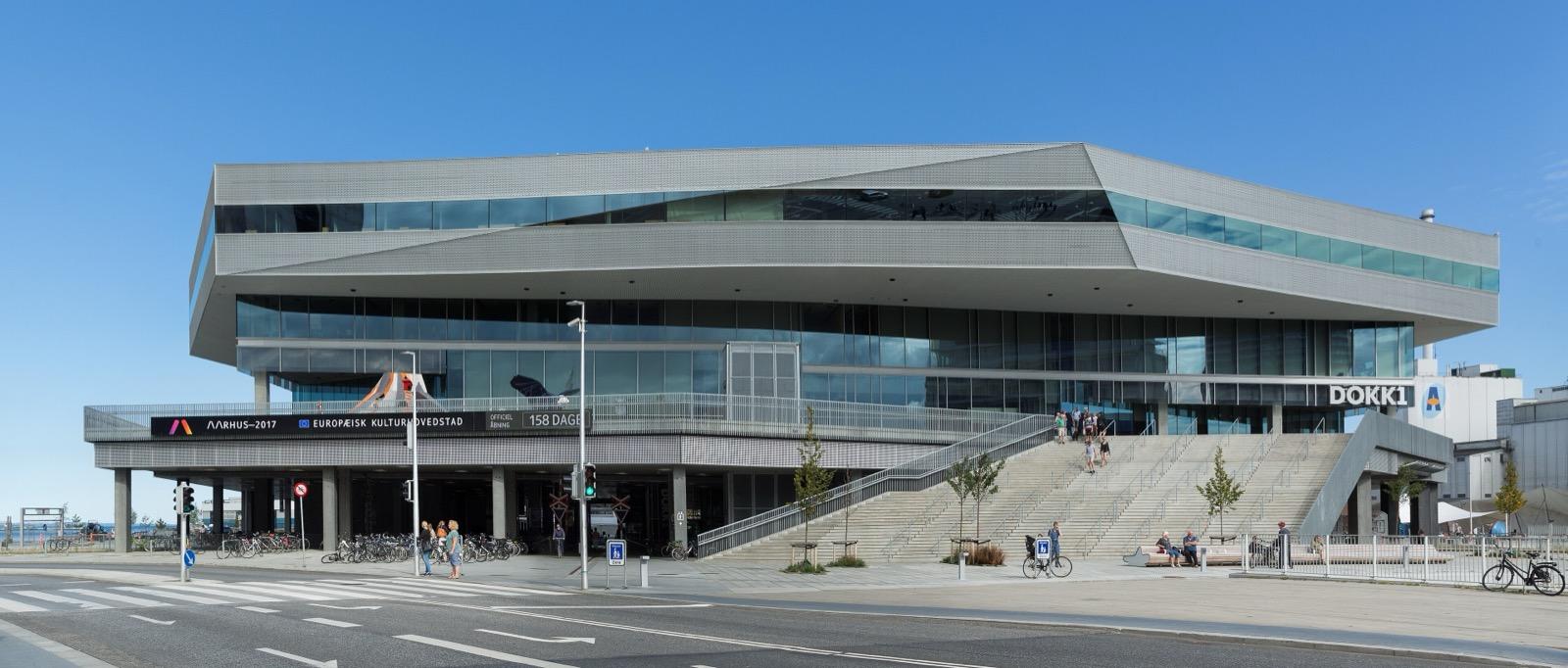
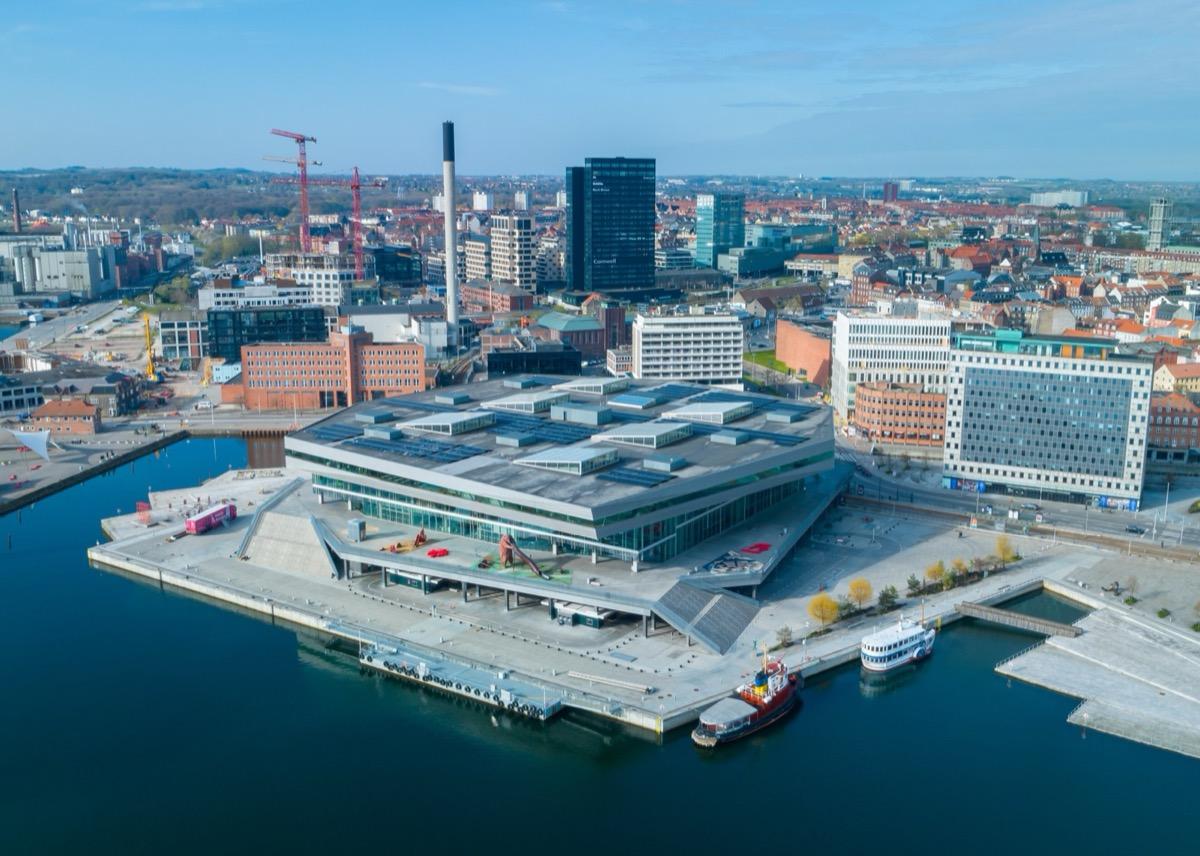
Dokk1: The Glass Library Over the Water
The great cantilevered glass library at the river mouth, the largest public library in Scandinavia and the symbol of the reinvented harbour city.
Details
Best Time to Visit
Late spring through early autumn, roughly May to September, gives the mildest coastal weather and the greenest University Park and Botanical Gardens, with the harbour district at its liveliest. Weekday mornings are quietest at ARoS and Den Gamle By before the ticketed sites fill up, while late afternoon into the evening flatters the glass buildings, when the Music Hall foyer and Dokk1 glow from within and the light warms the towers of Aarhus Oe. Danish weather changes quickly in any season, so an overcast day is no obstacle to this mostly outdoor walk.
Pro Tips
- •The two indoor highlights, ARoS with its Rainbow Panorama and Den Gamle By, are ticketed in Danish kroner, so decide in advance which you want to enter fully; the exteriors, the culture-cluster amphitheatre, the Botanical Gardens, the University Park, the docklands and Dokk1 are all free.
- •Set your own pace and skip freely. Each stop stands alone, so if the gardens or the University Park invite a long sit, take it, and rejoin the walk whenever you like without falling behind any group.
- •Step inside the Music Hall's glass foyer even without a concert ticket; it is a free public room with living trees, and on weekends there are free performances under the glass.
- •Combine Den Gamle By and the Botanical Gardens in one loop, since they sit together on the same hillside, then use the gentle rise up to the university as your natural break before descending to the water.
- •Carry the Aarhus Oe docklands and Dokk1 for last and time them for late afternoon or early evening, when the glass buildings and waterfront towers are at their most striking and the harbour baths at Basin seven are busiest.
- •Aarhus is compact and this whole route is walkable, but wear comfortable shoes for the slope up to the campus and the cobbles around the old town, and keep a little water on you for the climb.
Safety & Precautions
- •There is a real rise from the Botanical Gardens up to the University Park and campus, and terraced paths within the gardens, so allow extra time and take the ascent at an easy pace if steady slopes are difficult for you.
- •ARoS and Den Gamle By charge admission in Danish kroner, not euros; Denmark uses the Danish krone, so carry a card or local currency, and remember the Rainbow Panorama itself is inside the ticketed museum.
- •The old-town streets and parts of the route are cobbled and uneven, and the coastal weather changes fast, so bring sturdy footwear, sun protection and a light waterproof, and be ready for wind and spray along the exposed harbourfront at Aarhus Oe.
- •Keep valuables discreet in the busier culture cluster and library, and take care on the open promenades and quaysides of the docklands, where edges meet deep water and surfaces can be wet.
Travel advisory: Exercise Increased Caution (Level 2).
Gallery
Related Reading
Go deeper on what you'll see, hear, and walk through.
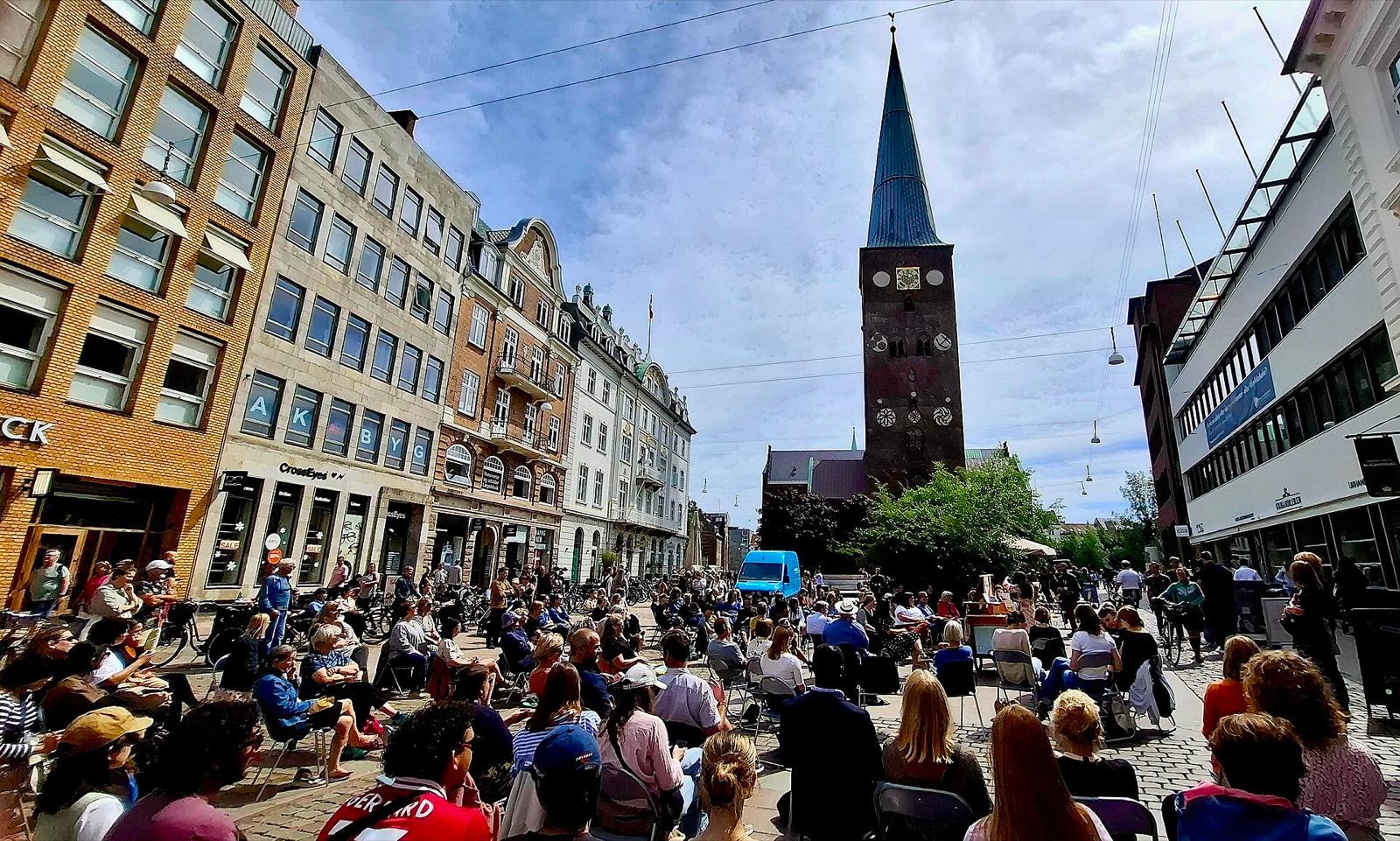
Overview
Aarhus Travel Guide: Days, Transport, Safety, and Costs
7 min
Overview
Best Self-Guided Walking Tours in Aarhus (2026)
3 min
Overview
One Day in Aarhus: A Walkable Itinerary From Cathedral to Harbour
8 min
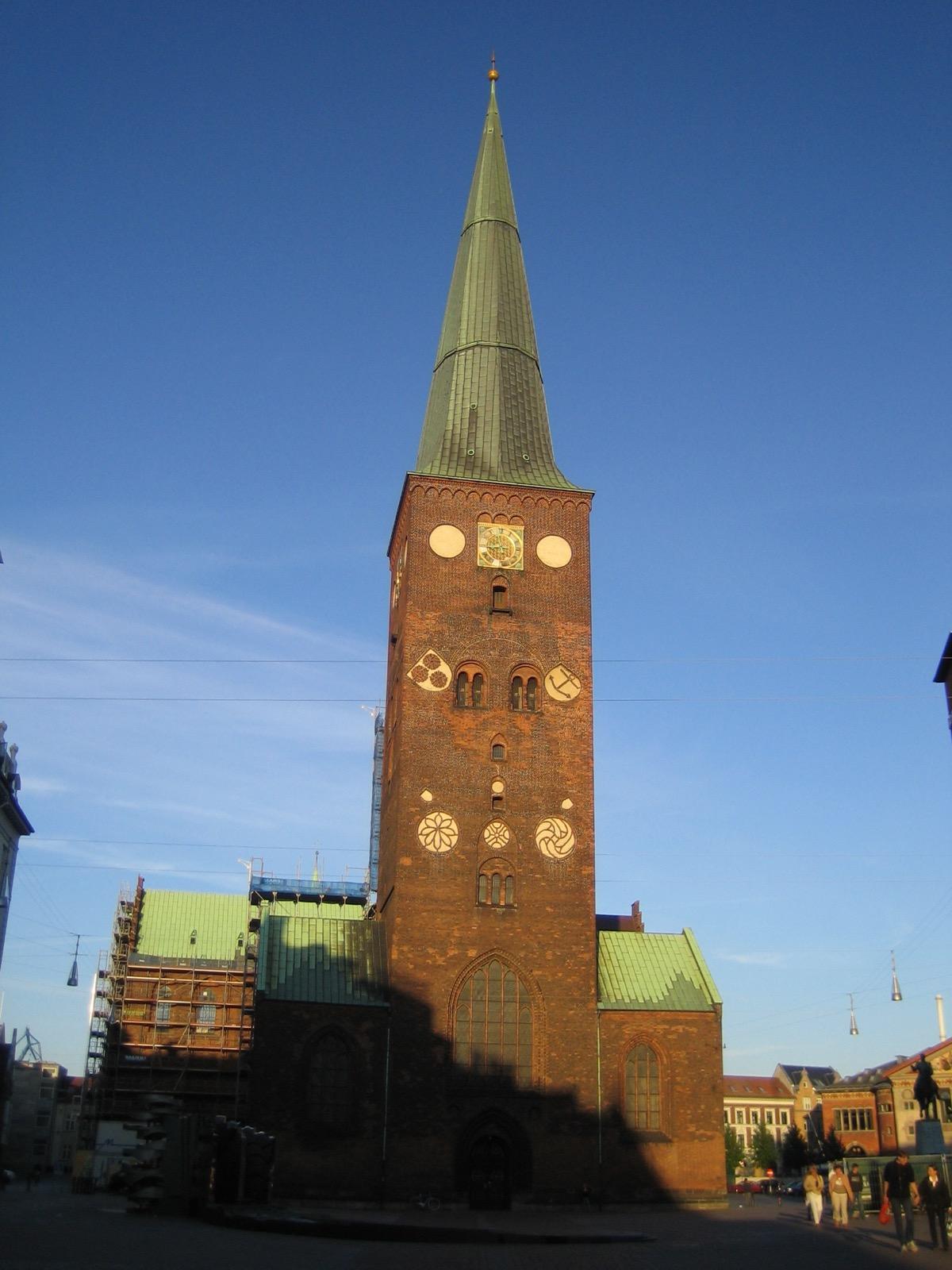
Thematic
Aarhus: From the Viking River Mouth to the Rainbow in the Sky
7 min
Companion
ARoS and the Rainbow Ring: How to Read Aarhus's Reinvention From the Roof Down
7 min
Deep dive
Den Gamle By: The Danish Town That Was Carried Here and Rebuilt
6 min
Read
What to Eat in Aarhus: Dishes, Origins, and How to Order
7 min
Read the walk
The full story of ARoS: The Rainbow Panorama and the Reinvented City, in words. Prefer to listen? Play it narrated, from home or on location.
Introduction
This self-guided walk moves through Aarhus, Denmark, and it reads a city in the act of reinventing itself. For most of the nineteenth century Aarhus ran on shipping, timber and factories, a working harbour town. Over the last half-century it rebuilt its identity around art, learning and design, a story that reached a high point when Aarhus was European Capital of Culture in twenty seventeen, sharing the year with Paphos in Cyprus under the theme Rethink. Seven durable cultural landmarks carry the through-line, from the ARoS art museum crowned by a ring of coloured glass to the great glass library reaching out over the docks. Between them sit a glass-fronted music hall, an old town reassembled building by building, terraced botanical gardens on a slope, a yellow-brick university in its park, and a former container port remade as a district of design. Plan on roughly two and a half to three hours of relaxed walking across about eight kilometres, a deliberate transect across a city whose cultural life is spread wide, though the pace is entirely yours and the route is easy to break into parts. There is no group, no schedule, and no tip pressure. You can linger in the University Park or among the greenhouses as long as you like, and skip any stop that does not call to you. Your route, your quiet map, your own clock. Each of the seven stops is short and self-contained, so you can pause the tour, wander off, and pick it up again wherever you please. When you arrive at the ARoS art museum, begin with stop one.
1. ARoS: The Rainbow Ring in the Sky
The building in front of you is ARoS Aarhus Kunstmuseum, and it opened on the seventh of April, two thousand and four, designed by the Danish firm Schmidt Hammer Lassen. From the street it reads as a single great cube of red brick, calm and severe. Inside, it climbs through ten storeys, with a floor area of about twenty thousand seven hundred square metres, which makes it, by the museum's own record, one of the largest art museums in Northern Europe. In twenty twenty-three it drew around six hundred and twenty-four thousand visitors. That alone would mark the arrival of the culture city. But the reason ARoS became an image of Aarhus is what sits on the roof. Crowning the museum is a work by the Danish-Icelandic artist Olafur Eliasson called Your Rainbow Panorama, inaugurated on the twenty-eighth of May, twenty eleven. It is a circular walkway, glazed in all the colours of the spectrum, a ring you enter and walk through so the whole city shifts hue as you go. The ARoS museum's own record notes the ring is about one hundred and fifty metres in circumference and about fifty-two metres across, roughly three metres wide, mounted on slender columns some three and a half metres above the roof. Move through it slowly, on your own clock, and Aarhus arrives to you in red, then orange, then yellow, then every colour in turn. The Rainbow Panorama is inside the ticketed museum, so the ring itself asks for admission, in Danish kroner. From down here, though, you can already read the whole idea of this walk: a coloured glass crown over the working city, art placed deliberately at its summit.
2. Musikhuset Aarhus: The Glass Music Hall in the Culture Quarter
A few steps from ARoS stands Musikhuset Aarhus, the Music Hall, and the two buildings share a cluster with a cobbled amphitheatre set between them, the arts quarter of the city. The Music Hall opened in nineteen eighty-two, designed by the firm Kjaer and Richter, and a later expansion by C.F. Moeller Architects ran from two thousand and five to two thousand and eight. Today it is one of the largest concert halls in Scandinavia, with seating for more than three thousand six hundred people across its halls, the main auditorium taking around one thousand five hundred. Its signature feature is a vast glass foyer of about two thousand square metres, with glass facades on three sides and palm and olive trees growing inside, so the building glows outward in the evenings and blurs the line between street and stage. The Music Hall is home to the Aarhus Symphony Orchestra, the Danish National Opera and the Royal Academy of Music, and on weekends it offers free performances under the glass. If the ARoS ring was the image of the culture city, the Music Hall is the deliberate civic investment behind it: a place a city builds when it decides that music and performance belong at its centre. You are free to step into the glass foyer and simply sit among the trees for a while, no ticket, no schedule, no one moving you along. A concert asks for a ticket in Danish kroner, but the foyer itself is a public room. Take it at your own pace, then carry on toward the old town.
3. Den Gamle By: The Old Town Reassembled
Here the tour turns its own theme inside out. Den Gamle By, which means simply the old town, is a modern museum that painstakingly rebuilt an old town. It was founded in nineteen fourteen by the teacher and historian Peter Holm, who lived from eighteen seventy-three to nineteen fifty, and it sits within the Aarhus Botanical Gardens. What you see behind the entrance is not a surviving medieval quarter but a gathered one. Den Gamle By's own history records that it brought together some seventy-five historic timber-framed houses, carried here from about twenty towns across Denmark, buildings first raised between roughly fifteen fifty and the late nineteenth century. Each was taken down where it stood and rebuilt here, plank by plank, into a living town with streets, workshops, shops and quarters. Newer sections even recreate the nineteen twenties and the nineteen seventies, so the museum stretches across centuries in a few minutes' walk. It is Denmark's first open-air museum devoted to town life rather than to farms and villages, among the earliest of its kind anywhere, and it serves well over four hundred thousand visitors a year. Think about what that means for this walk. A city that spent the nineteenth century as a working port later chose to reassemble, house by house, the old Denmark that industry had swept past. The living town is ticketed, in Danish kroner, but its setting in the gardens is free and open, and you can decide from out here whether to step inside or simply read the timber-framed facades from the gate. Either way, take it slowly. The point of the place is that time is layered, and you set your own pace through it.
4. The Botanical Gardens: Terraces and Glasshouses on the Slope
Just beside and above Den Gamle By spread the Botanical Gardens of Aarhus, known in Danish as Botanisk Have, where have simply means garden. They were founded in eighteen seventy-three and cover about twenty-one and a half hectares, and the ground is not flat. Terraced beds…
Full narration for this stop unlocks with the tour.
5. Aarhus University: The Yellow-Brick Campus in the Park
A gentle rise brings you into the University Park and Aarhus University, founded on the eleventh of September, nineteen twenty-eight, and the second oldest university in Denmark. This is not just a campus, it is a work of architecture in its own right, and it marks the turn in…
Full narration for this stop unlocks with the tour.
6. Aarhus Oe: The Working Docks Remade
Down at the water you reach the climax of this walk. Aarhus Oe, which means Aarhus Island, is the former industrial harbour remade. From the two thousands, the old container port has been rebuilt into a whole new city quarter for about ten thousand to twelve thousand residents,…
Full narration for this stop unlocks with the tour.
7. Dokk1: The Glass Library Over the Water
The walk closes at Dokk1, the great public library and civic building on the waterfront, inaugurated on the twentieth of June, twenty fifteen. It was designed by Schmidt Hammer Lassen Architects, the same firm behind ARoS where you began, with landscape by Kristine Jensen, and…
Full narration for this stop unlocks with the tour.