Step past the emperor's walls into the living, sensory Split: a green market, a fish hall the locals swear no fly will enter, a fishermen's slip, and a shallow bay where a hundred-year-old ball game is still played every day.
Start · The Silver Gate: where Roman meets everyday
DirectionsStops
- 1
The Silver Gate: where Roman meets everyday
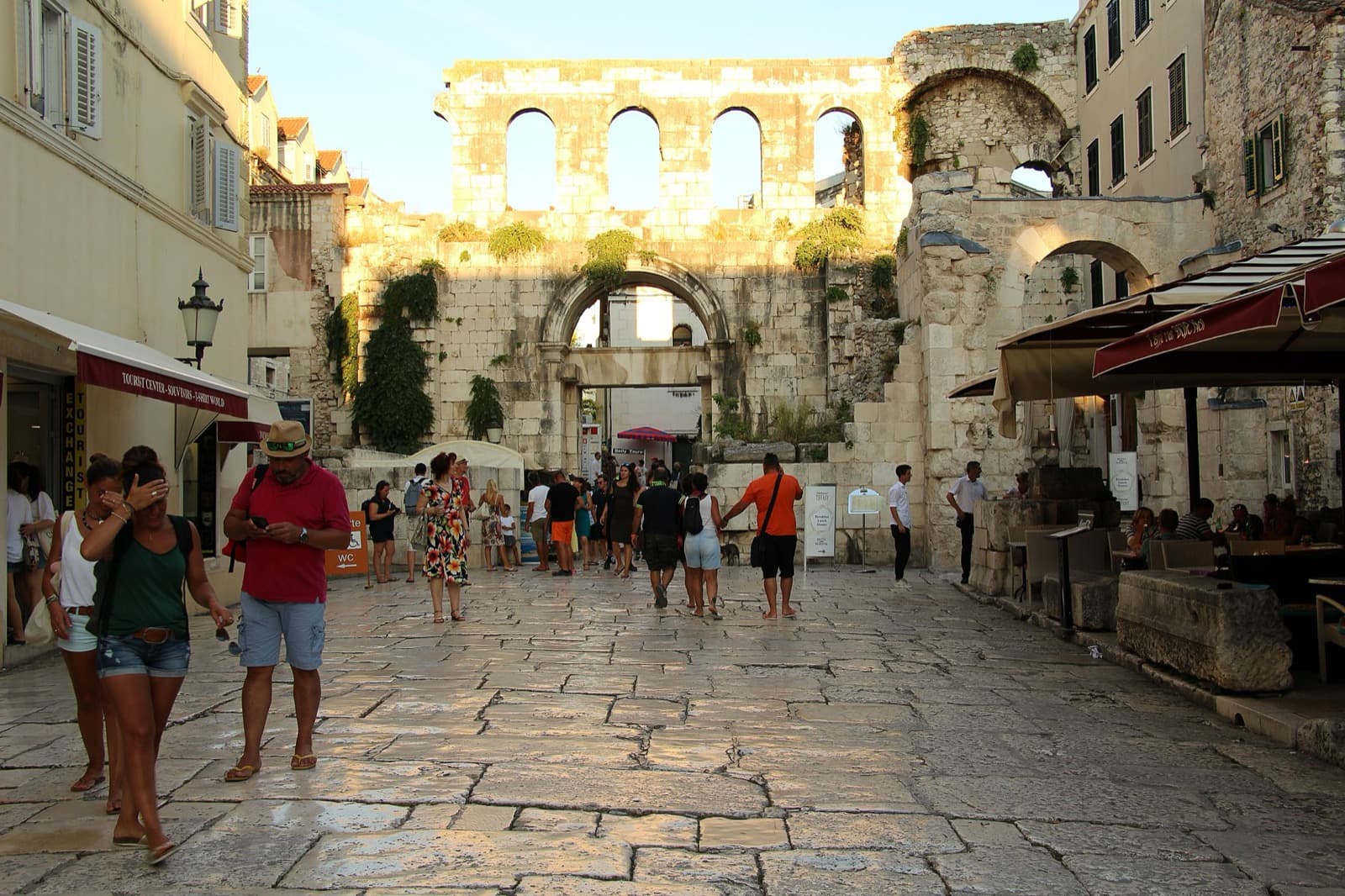
The eastern gate of Diocletian's Palace, once walled up for centuries, now the doorway locals use to reach their market.
- 2
The Pazar: the green market against the wall
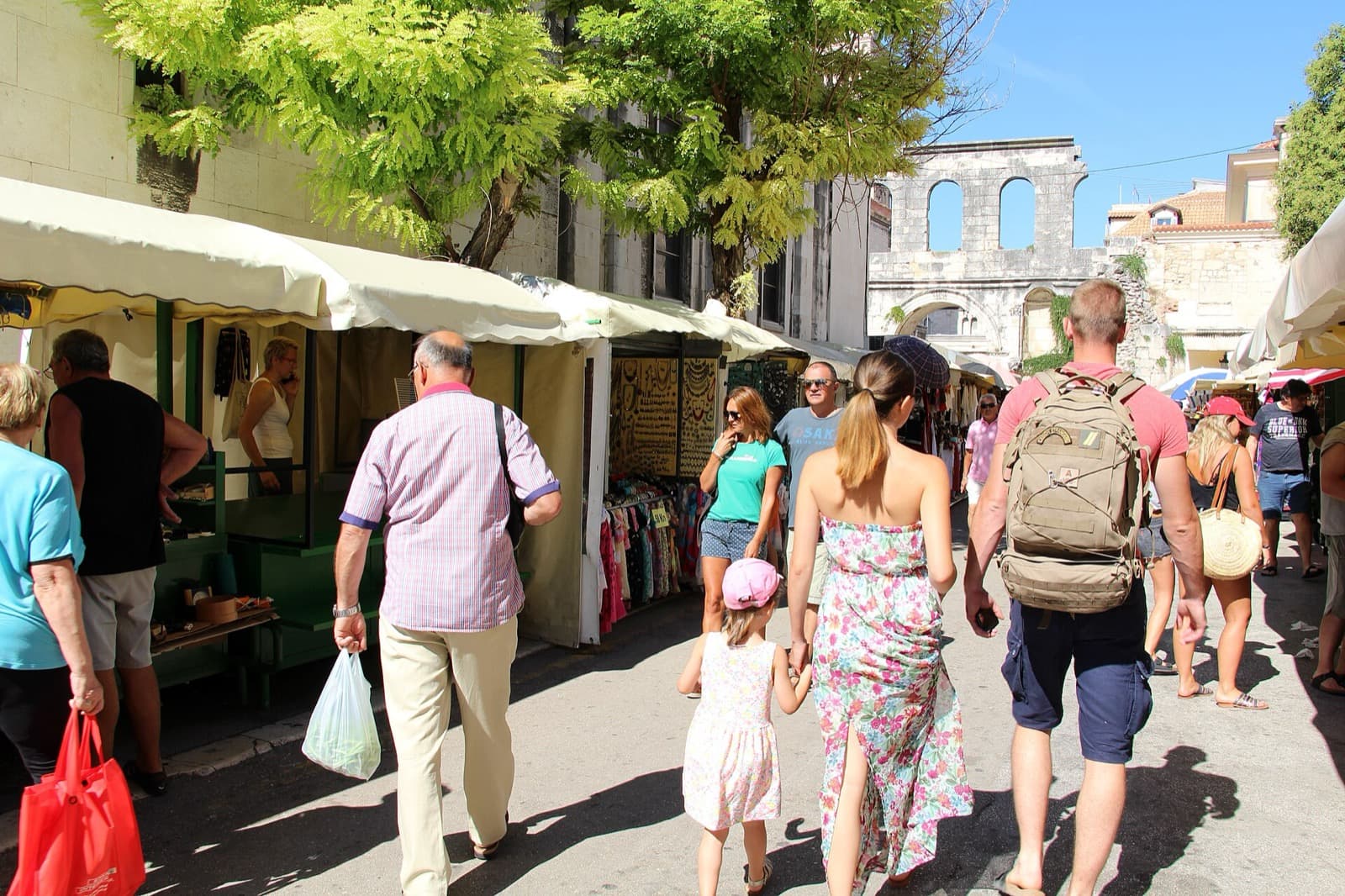
Split's main open-air produce market, its stalls pressed right against the eastern palace wall.
- 3
The Fish Market: the hall with no flies
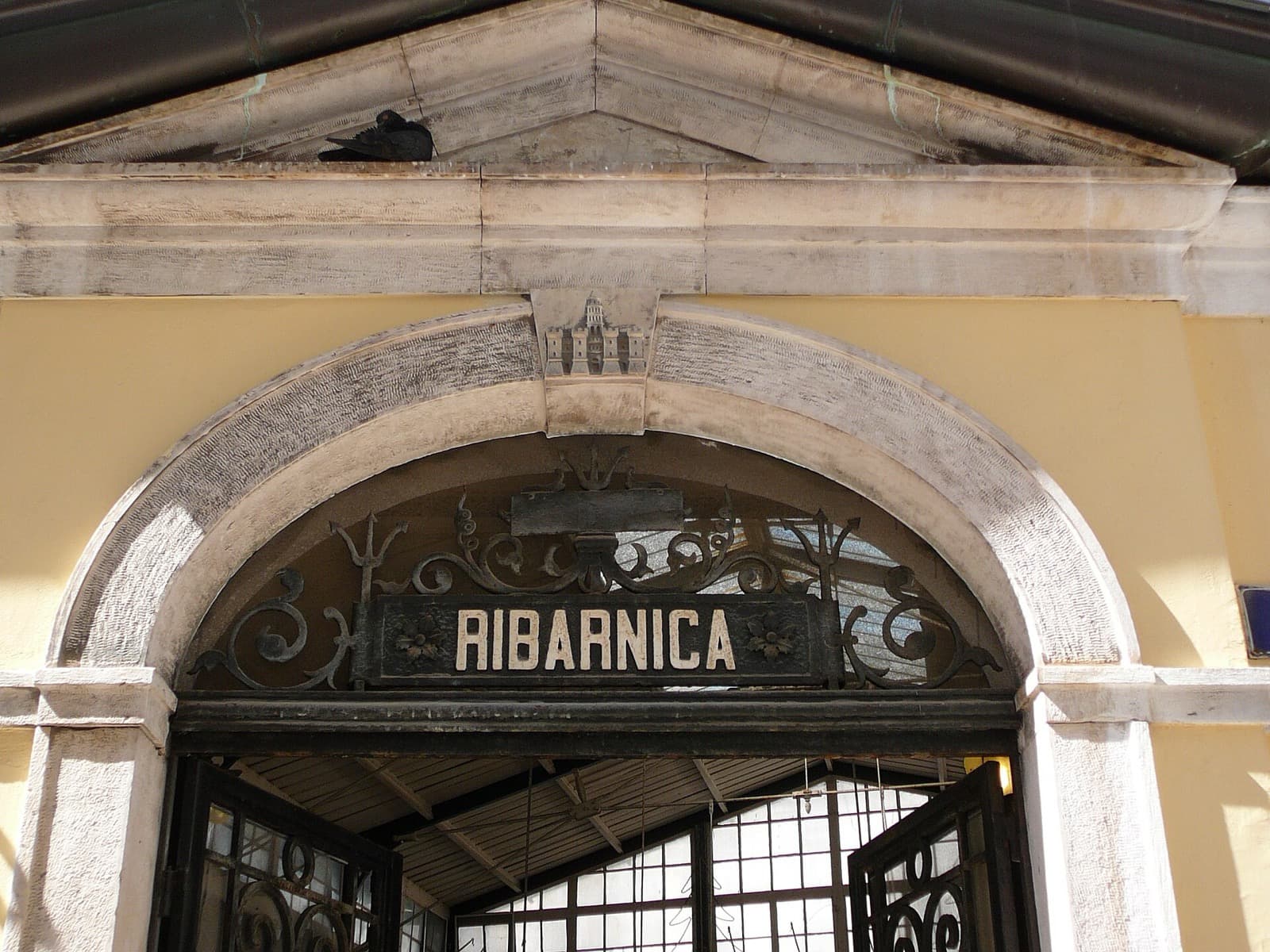
A century-old Art Nouveau market hall where the morning's Adriatic catch is laid out on marble, and, locals swear, no fly ever lands.
- 4
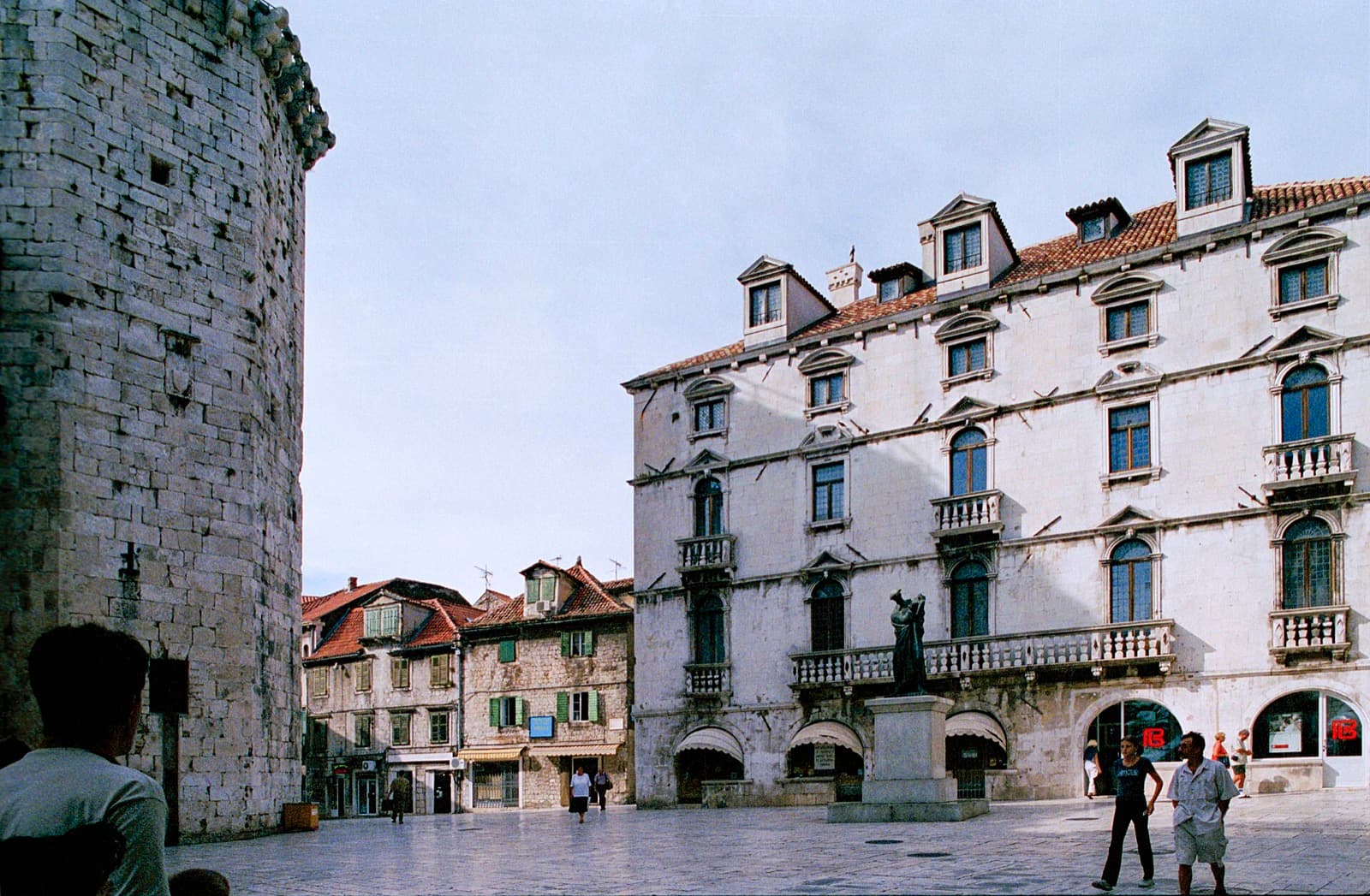
Fruit Square: Marko Marulic and the Venetian tower
A small square, once a fruit market, now guarded by a medieval Venetian tower and a monument to the father of Croatian literature.
- 5
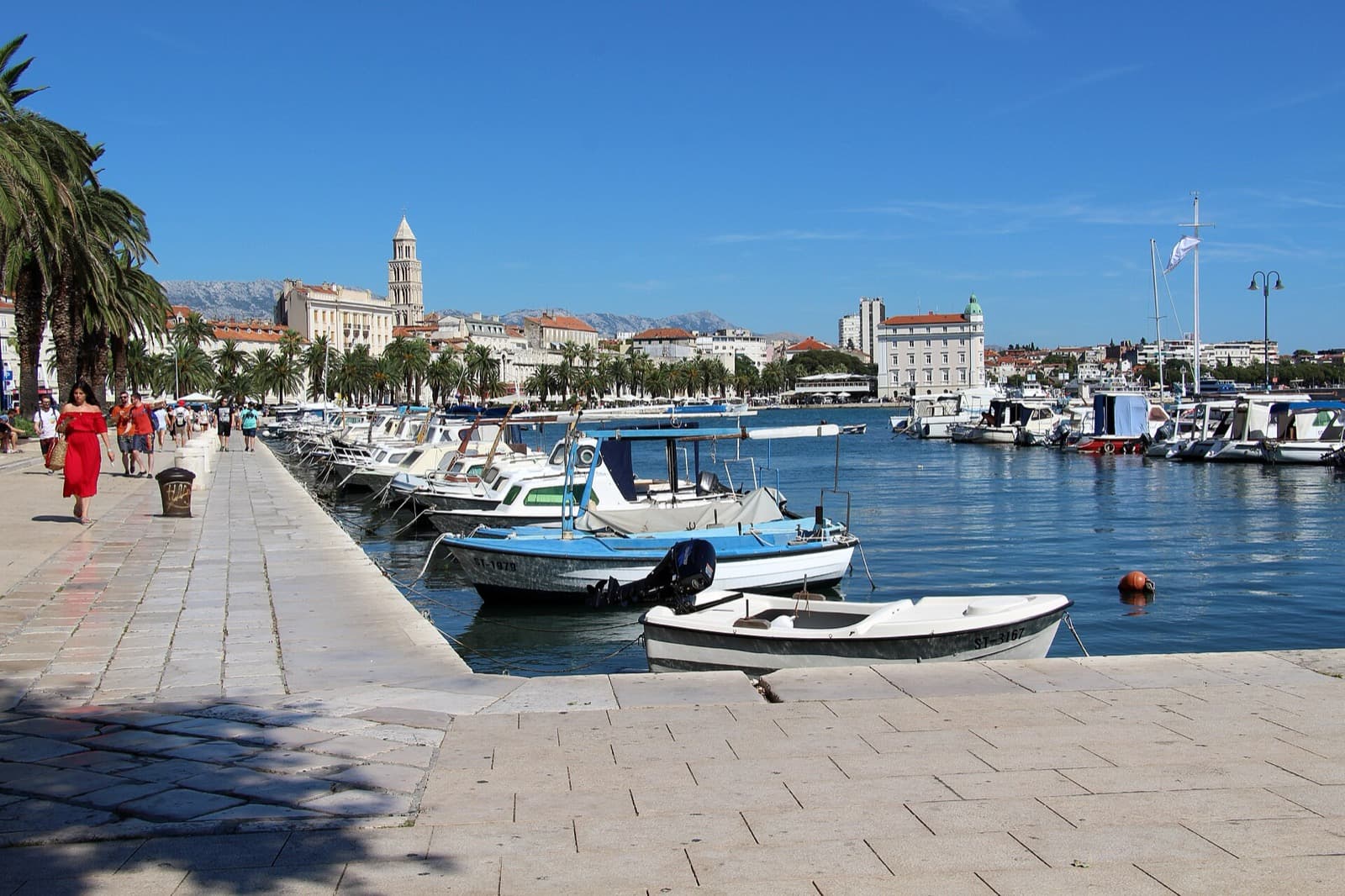
Matejuska: the fishermen's slip
The small working fishermen's harbour at the western end of the Riva, where wooden boats are still hauled out and nets are mended.
- 6
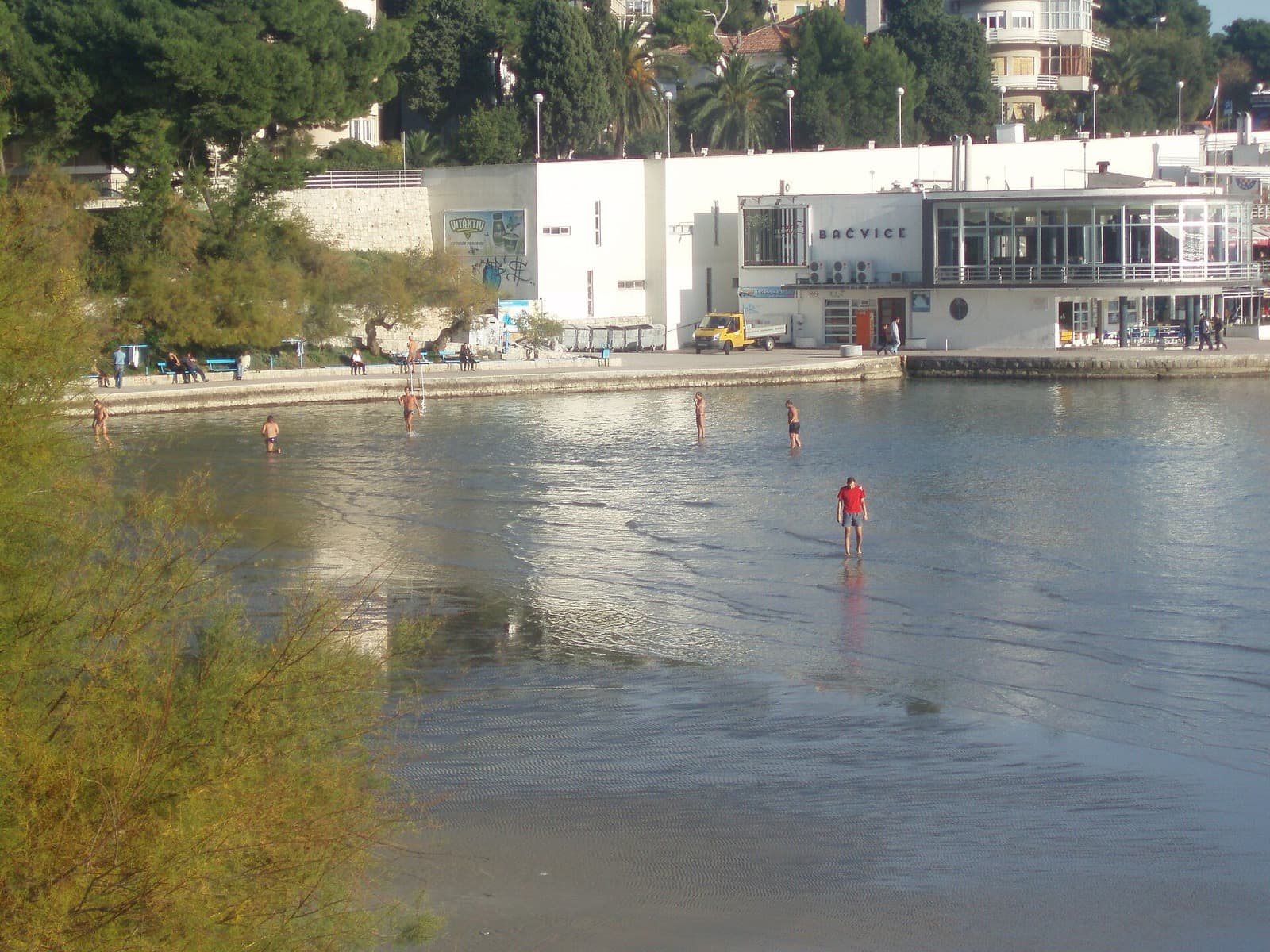
Bacvice and the game of picigin
A shallow sandy bay where, since nineteen oh eight, locals have played picigin, a ball game invented right here and now protected as heritage.
- 7
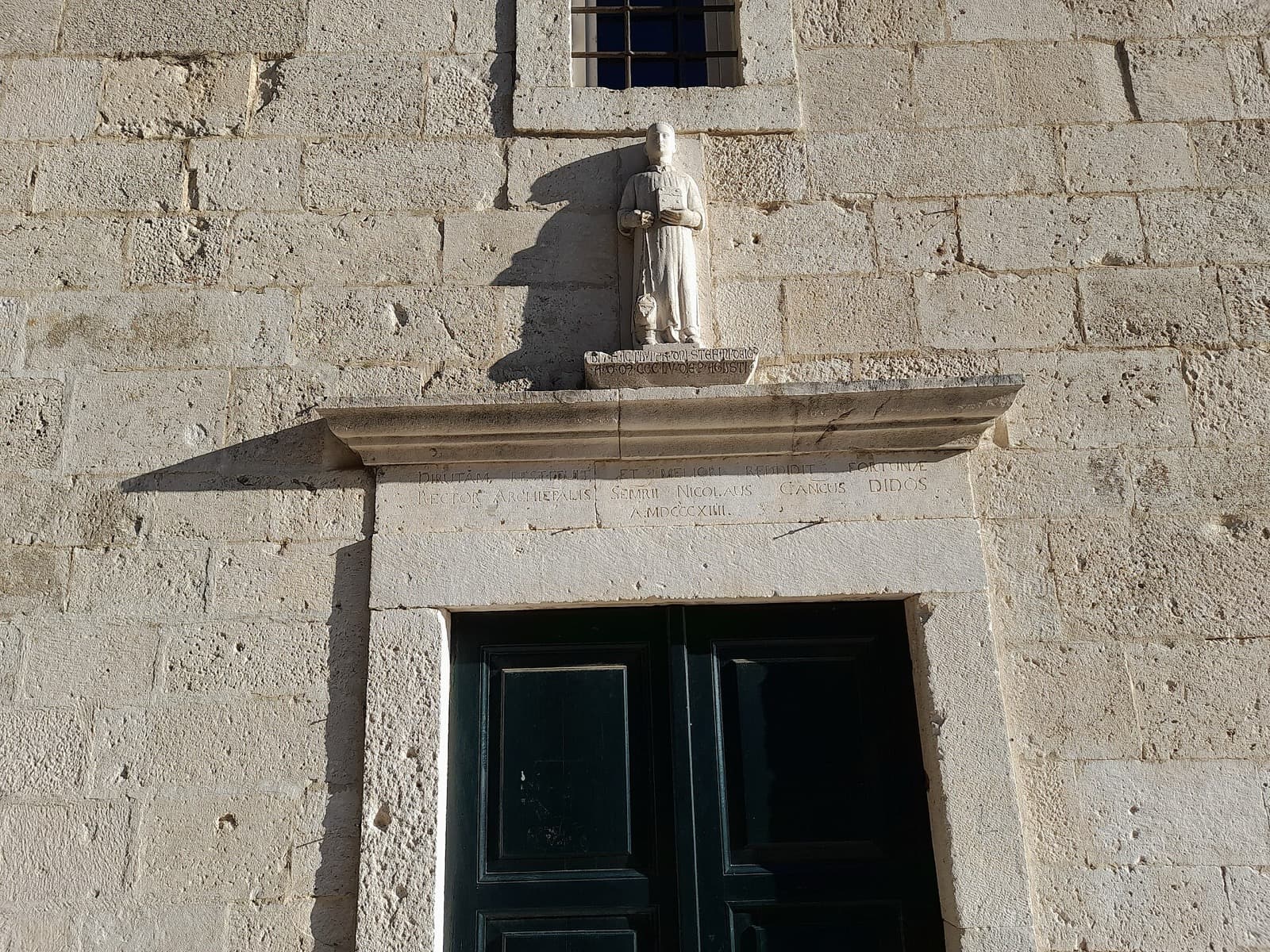
Sustipan: the green point and the long view
A quiet pine-shaded headland southwest of the harbour, layered with a lost monastery and a former cemetery, now a park with a long view over the sea.
Details
Best Time to Visit
Early morning is best, roughly six to ten, when the green market and fish market are at full pitch with the day's fresh produce and catch, before the midday heat and cruise-ship crowds arrive. Save Matejuska and Sustipan for late afternoon and golden hour, when the light on the water is at its finest. Picigin at Bacvice is most active on warm afternoons and weekends. The markets run daily including weekends; Sustipan park is open daily, roughly six in the morning to eleven at night.
Pro Tips
- •Do the markets first thing, ideally before ten, for the freshest produce and catch and the coolest, least crowded air.
- •Bring small cash. The Pazar and fish market are cash-first, and vendors sell by the kilo, so having coins and small notes makes buying and light haggling easy.
- •Carry water and wear a hat. The Riva, the market strip, and Bacvice have strong sun and little shade in summer.
- •Time Matejuska and Sustipan for late afternoon into sunset, when the harbour light and the sea views are at their best.
- •Watch a round of picigin at Bacvice before you decide whether to join. Beginners are welcome, but the game moves fast in shin-deep water, so ease in.
- •Treat the markets as living workplaces. Ask before photographing a vendor up close, step aside to let regulars through, and buy something small to earn your lingering.
Safety & Precautions
- •The historic core sits behind and around Diocletian's Palace, where the ancient and medieval paving is uneven and the polished limestone turns slippery when wet, so wear grippy, closed shoes and watch your footing.
- •Summer sun is intense with little shade along the Riva, the open market, and Bacvice beach, so carry water, use sun protection, and take breaks in the shade to avoid heat exhaustion.
- •The Silver Gate area and the palace fill with cruise-ship crowds by mid-morning; go early, keep valuables secure in the crush, and stay patient in narrow lanes.
- •Bacvice is a public swimming beach with shallow water and picigin players moving quickly, so mind flying balls, keep an eye on children in the water, and remember this is a lived-in local space to be respected rather than a staged attraction.
Travel advisory: Exercise Normal Precautions (Level 1).
Gallery
Related Reading
Go deeper on what you'll see, hear, and walk through.
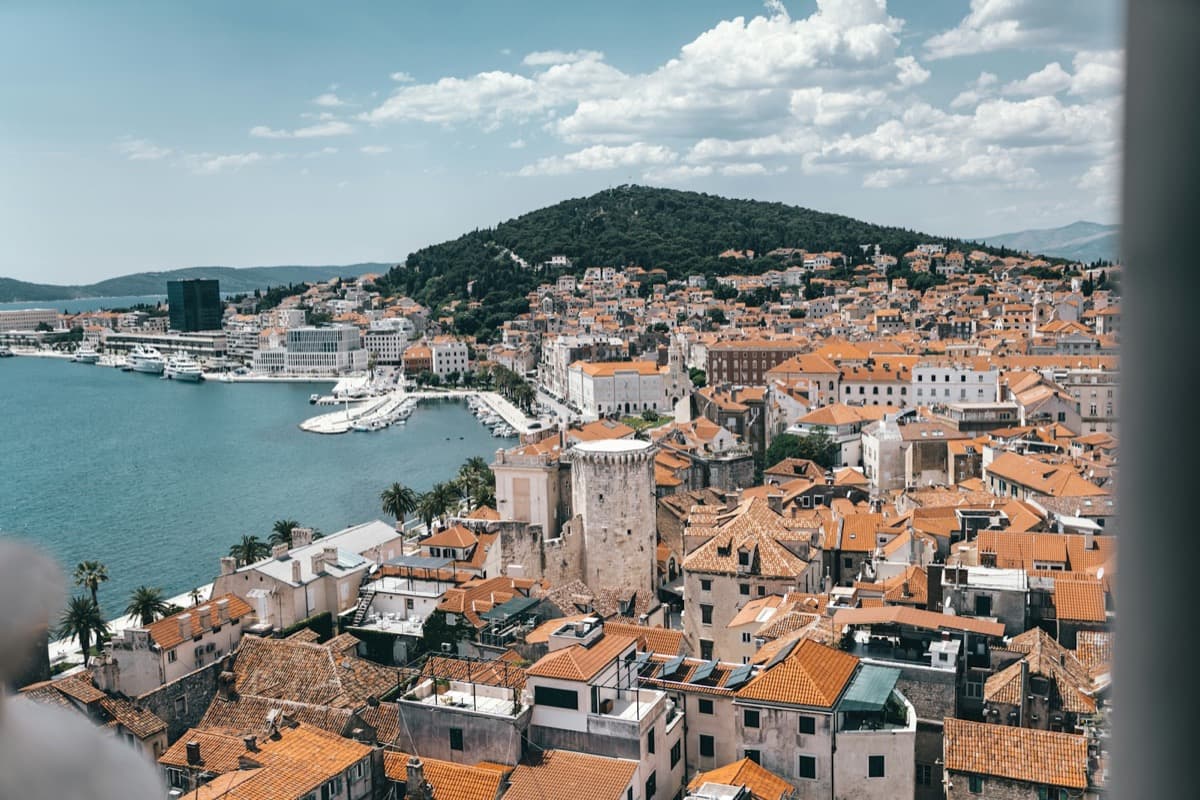
Overview
Best Self-Guided Walking Tours in Split (2026)
3 min
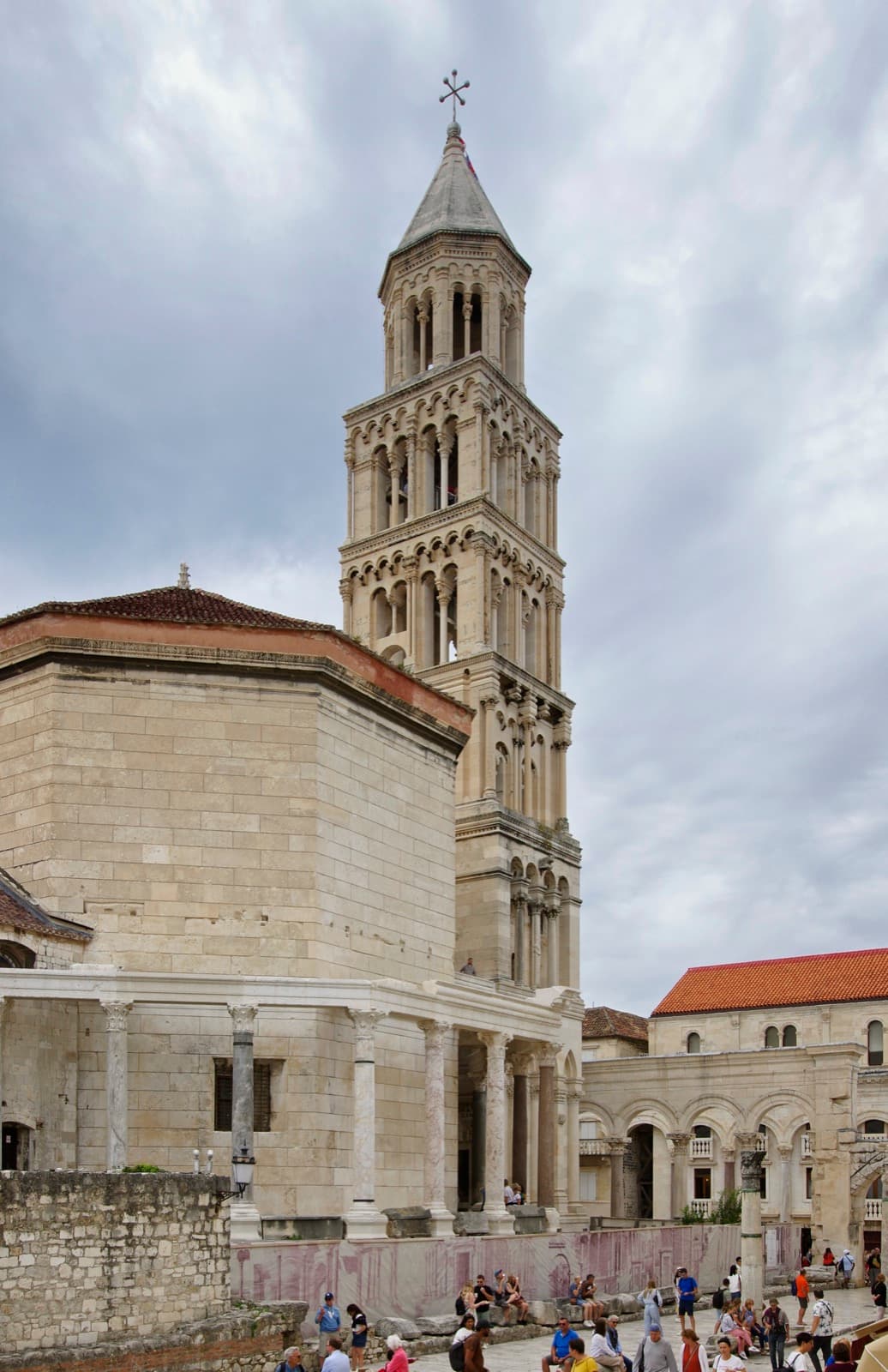
Overview
One Day in Split: A Walkable Morning-to-Evening Itinerary
7 min
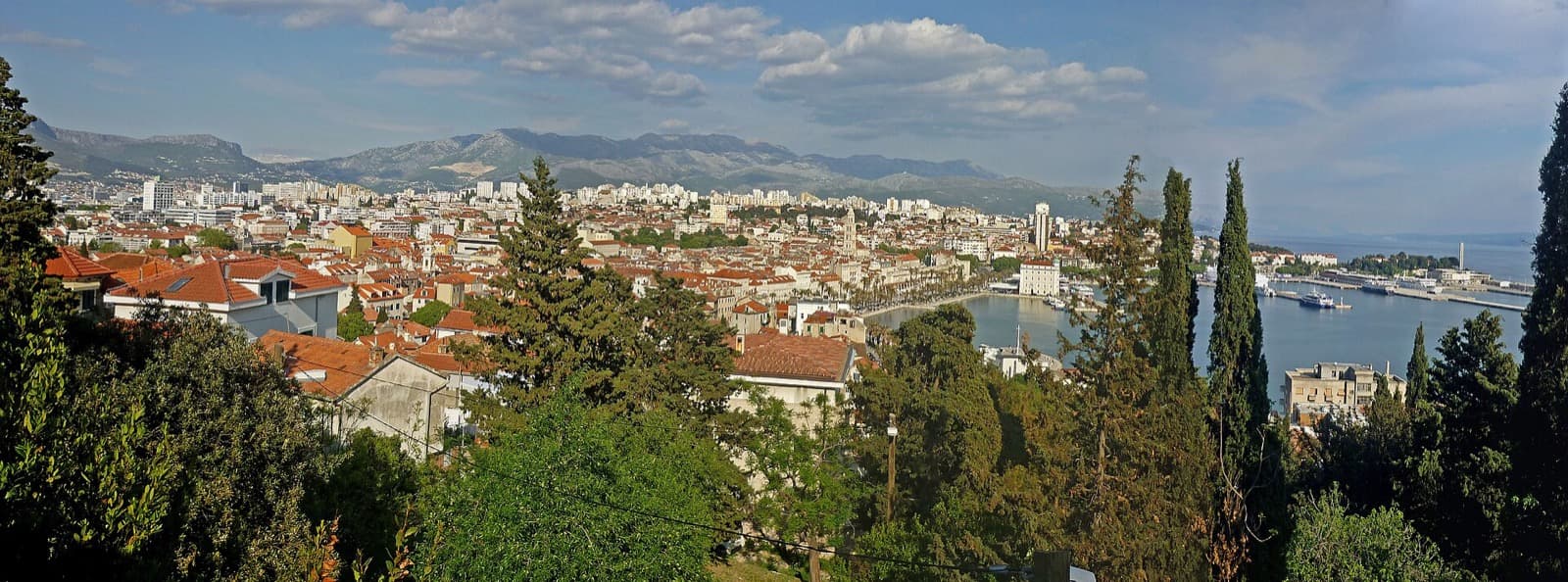
Overview
Split Travel Guide: Days, Transport, Season, Safety, Budget
7 min
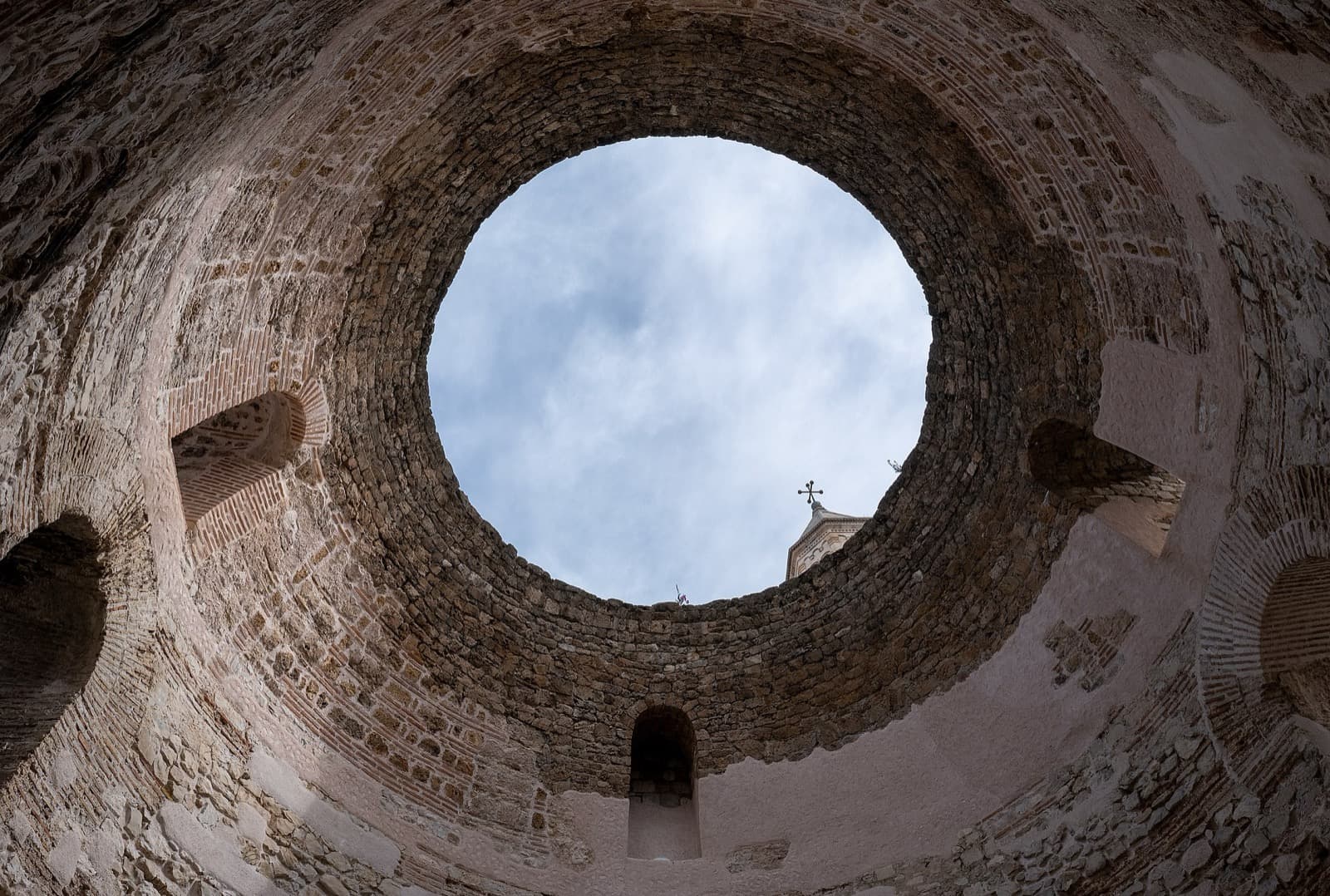
Thematic
Split: The City That Moved Into an Emperor's Palace
7 min
Companion
Picigin at Bacvice: The Shin-Deep Game That Explains Split
7 min
Deep dive
The Split Fish Market (Ribarnica): The Hall Where Locals Swear No Fly Lands
6 min
Read
What to Eat in Split: A Local Dalmatian Food Guide
6 min
Read the walk
The full story of Pazar Market and Bacvice: The Everyday City, in words. Prefer to listen? Play it narrated, from home or on location.
Introduction
Split is famous for a palace an emperor built himself, a Roman monument so complete that people have lived inside it for seventeen centuries. But that is not where the city shows its real face. A few steps beyond the eastern wall, the living city takes over: figs and lavender at dawn, marble slabs of fresh fish, wooden boats hauled onto a stone slip, and a ball kept out of shin-deep water. This is the everyday Split, and it is where Dalmatians practice their quiet art of doing very little very well, always within reach of the sea. This walk has seven stops. Give it about two hours if you linger, and expect to cover about four kilometres of easy, mostly flat ground here in Split, Croatia. It is a cluster of neighbourhoods rather than a straight line, so move at your own pace, and skip any stop that does not call to you. You will begin where Roman order meets the morning market, wander the green market and the fish hall, cross a square that carries the memory of a great writer, catch the golden hour at a working fishermen's harbour, watch a century-old game in a sandy bay, and finish on a quiet green headland with a long view back over the water. Along the way, let the ordinary things do the talking: the haggling, the salt air, the drying nets. When you arrive at the Silver Gate on the eastern wall of Diocletian's Palace, begin with stop one.
1. The Silver Gate: where Roman meets everyday
Stand at the Silver Gate and you are standing on the seam of two Splits. Behind you is the Roman core, the palace the emperor Diocletian built for his retirement, its historic centre inscribed as a UNESCO World Heritage Site in nineteen seventy-nine. In front of you is the everyday city, spilling right up against the ancient stone. This is one of the four principal gates of the palace, set in the middle of the eastern wall. The Romans called it the Eastern Gate, because it faced east toward the small Roman town of Epetia, which today is Stobrec. It was a secondary entrance, with outer and inner gates forming a little defensive trap for anyone who tried to force it. What makes this gate quietly remarkable is its long silence. From the medieval period onward it was walled up, sealed and forgotten, for centuries. It was only reopened in nineteen fifty-two, after a Baroque church that had grown up against it, damaged in wartime bombing, was demolished and the ancient gate reconstructed. So the doorway you are walking through is at once seventeen hundred years old and, in its current open form, younger than many of the people who use it. And they do use it. Of all the palace gates, this is the one residents pass through most, because it opens directly onto the daily green market. Notice the massive eastern wall running beside you, honey-coloured limestone laid by Roman hands. On one side of it, an emperor's monument. On the other, tomatoes and figs. The whole tour lives in that gap.
2. The Pazar: the green market against the wall
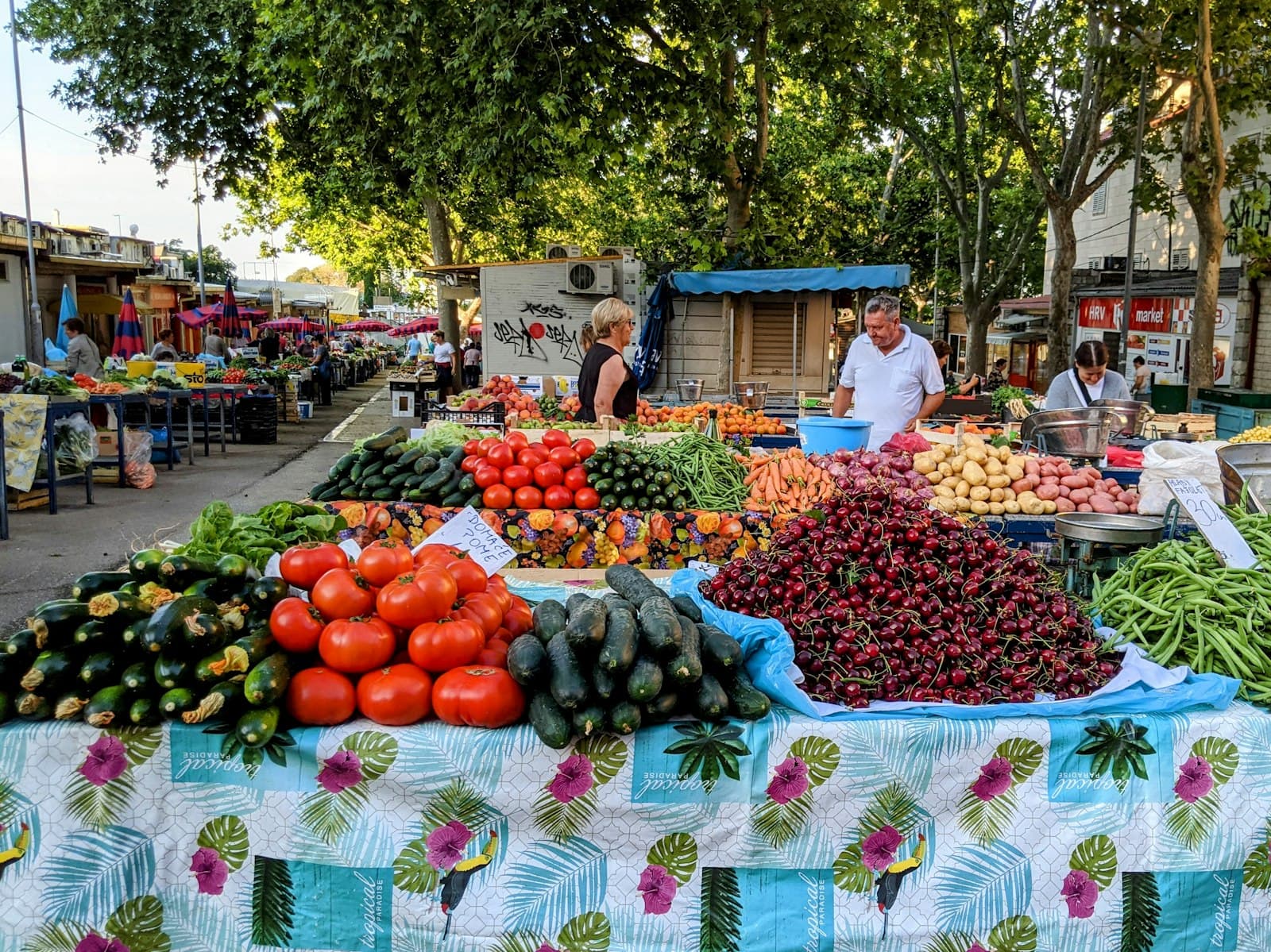
This is the Pazar, Split's green market, and it is the sensory heart of the city. Its stalls run in a long ribbon directly against the eastern wall of Diocletian's Palace, just outside the Silver Gate, so the awnings and crates literally lean on Roman stone. Every morning, farmers and small producers come down from the Dalmatian hinterland and set up, roughly from six until the early afternoon, weekends included. What they sell depends entirely on the season and on what was ripe that week. In high summer, the tables blaze with tomatoes and peppers, watermelons and peaches, courgettes and plums, and the figs that taste of the whole Mediterranean. Alongside the fruit and vegetables you will find olive oil in reused bottles, honey, cheese, cured meats, nuts, and, at the edges, bundles of lavender and buckets of cut flowers. The visit Split tourist office describes this place as somewhere you can still feel the spirit of Dalmatia, the colours and flavours and aromas, and the sounds, the yelling and the bargaining. That last part matters. The Pazar is not a curated attraction. It is living infrastructure, the ordinary machinery of feeding a city, and the negotiating over a kilo of tomatoes is part of the show whether you buy anything or not. Slow down here. Let the noise wash over you. Notice how the vendors greet regulars, how a whole conversation can happen over a wheel of cheese. This is the real Dalmatian art you came to see: not grandeur, but the daily, unhurried business of good things, eaten fresh, close to where they grew and close to the sea.
3. The Fish Market: the hall with no flies
Just west of the palace stands a market of a different mood: the Fish Market, the Ribarnica. It is a covered hall built in the Secession style, the local branch of Art Nouveau, and it has stood here more than a hundred years, dating to around the turn of the twentieth century. Step inside and the light changes, the sound softens, and the sea arrives all at once. On marble slabs lies the morning's Adriatic catch, glittering and cold. There are the humble everyday fish that feed the city, the sprats and picarels, the sardines and mackerels, and beside them the prized ones: scorpionfish, dentex, red porgy, sea bass, along with lobsters and shellfish. Now for the legend, and it is worth telling as exactly that, a local tradition rather than a proven fact. Splitcani will tell you, with straight faces, that no fly ever enters this hall. They credit a neighbouring thermal spring, an old spa whose sulphur smell is said to keep the flies away. The same tradition holds that those very sulphur springs were among the reasons the emperor Diocletian, said to be plagued by rheumatism, chose to settle in this exact place. Whether or not a single fly has ever slipped past, the story tells you something true about Split: even the fish market comes wrapped in seventeen centuries of tale. Take your time along the slabs. Watch the fishmongers work, the quick knives, the ice, the practiced call to a passing customer. This is the other half of the Dalmatian larder, the sea's contribution, laid out under Art Nouveau ironwork and, if you believe the locals, entirely fly-free.
4. Fruit Square: Marko Marulic and the Venetian tower
This little square is officially named for the Radic brothers, but everyone calls it Vocni trg, Fruit Square, and the nickname is the older truth. Trg means square, and a fruit market really did fill this space once, run by women who came in from the surrounding villages to sell…
Full narration for this stop unlocks with the tour.
5. Matejuska: the fishermen's slip
At the western end of the Riva, where the promenade quiets and the old quarter of Veli Varos climbs the slope behind you, sits Matejuska. It is easy to walk past, and that is part of its charm. This is Split's small working fishermen's port and boat slip, and for centuries it…
Full narration for this stop unlocks with the tour.
6. Bacvice and the game of picigin
Just east of the old town and the ferry port, the coastline softens into a rare sandy bay: Bacvice. The water here stays shallow a long way out, ankle-deep and then shin-deep, warm and gentle. And it is on exactly that shallow water that Split gave the world a game. Picigin was…
Full narration for this stop unlocks with the tour.
7. Sustipan: the green point and the long view
To close, a place of quiet: Sustipan, a small pine-shaded headland reaching out over the sea in the southwestern corner of Split, just west of the harbour. After a morning of markets and games, this is where the tour exhales. The name comes from a church dedicated to Saint…
Full narration for this stop unlocks with the tour.