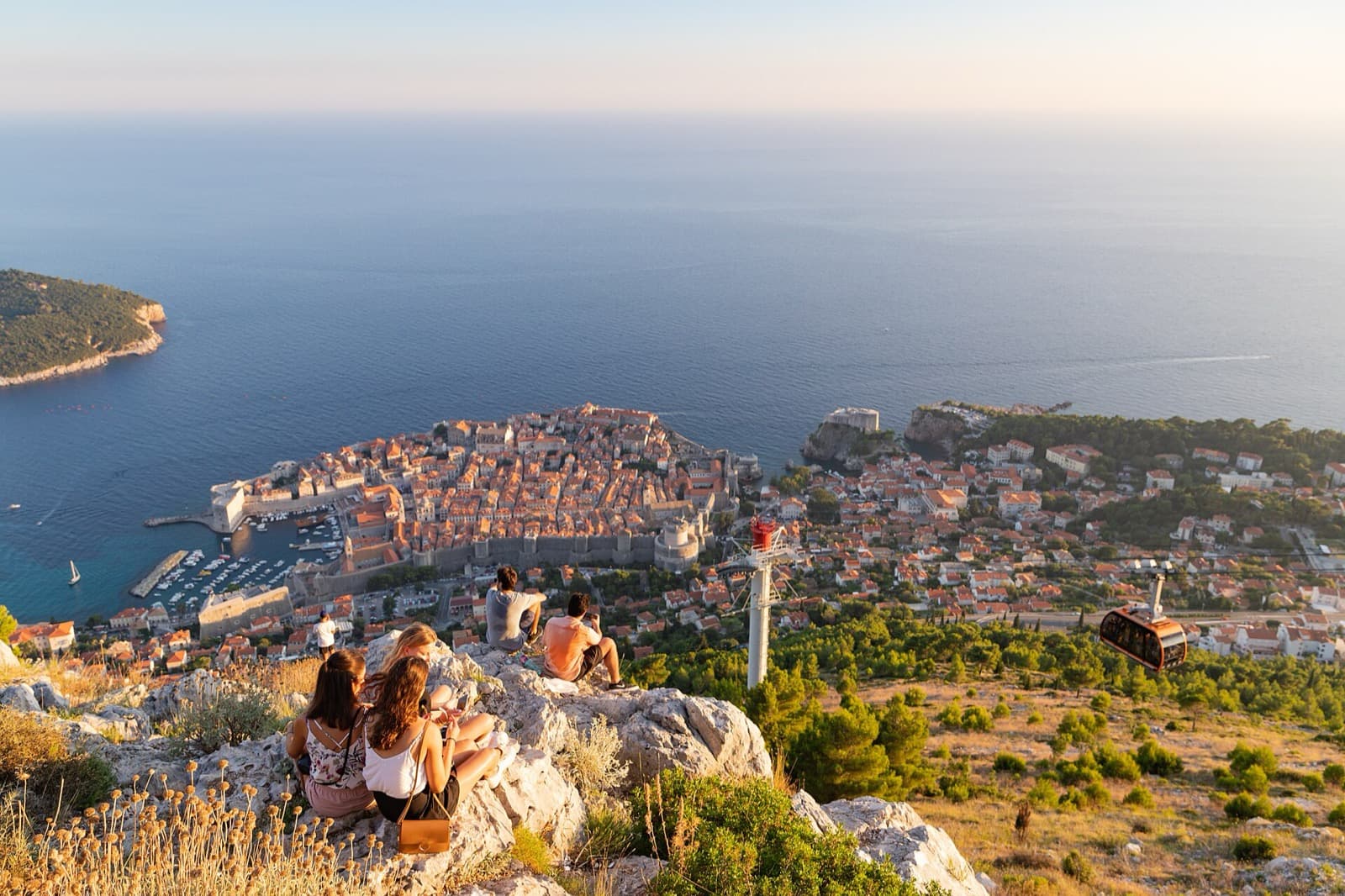
The postcard is the wall, but the real Dubrovnik lived by the sea and healed on the mountain above. Meet the working harbour, the global merchant fleet, the quarantine that changed public health, and the fort that watched over the city in living memory.
Start · The Old City Port and the Arsenal: where the Republic built its ships
DirectionsStops
- 1
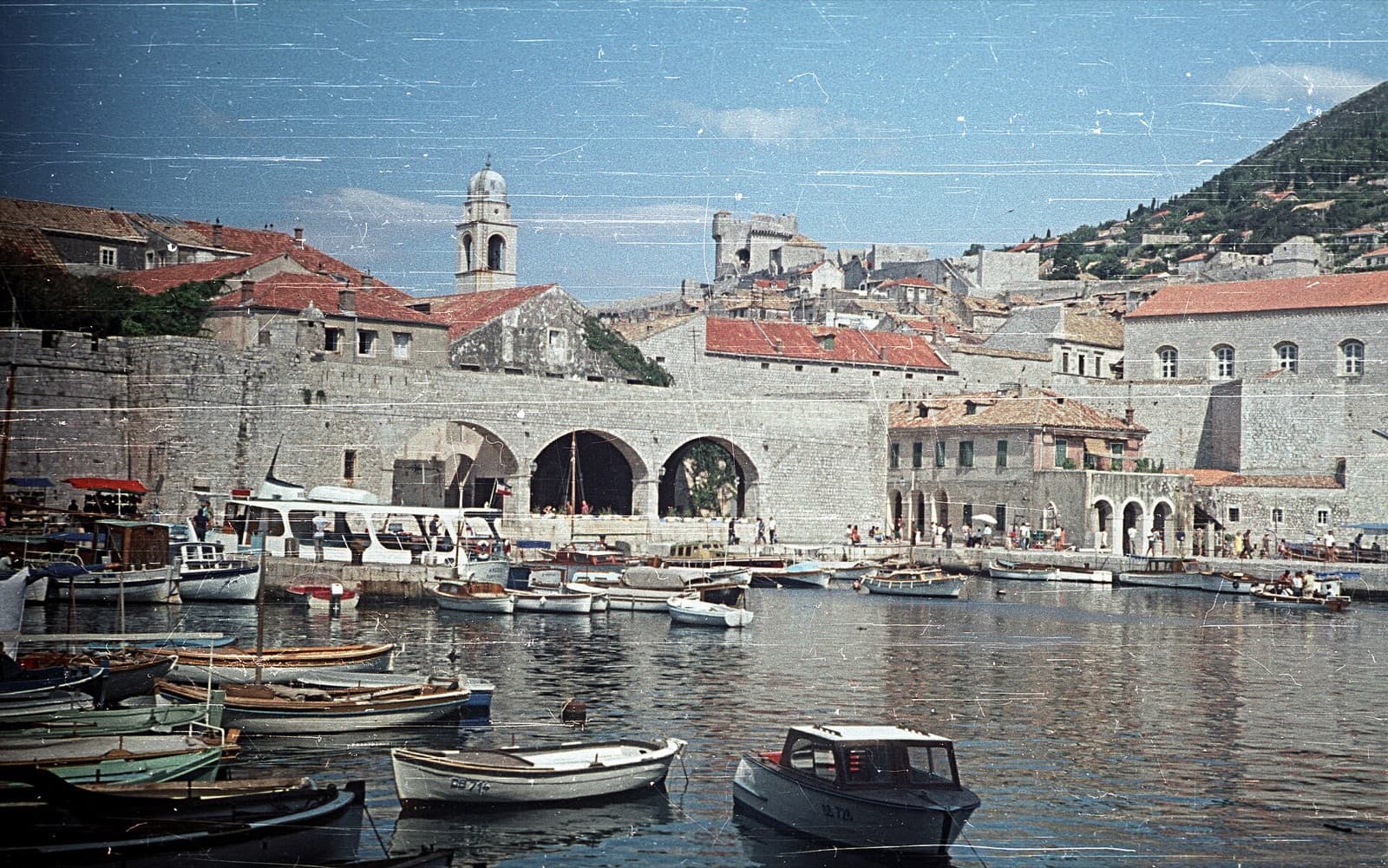
The Old City Port and the Arsenal: where the Republic built its ships
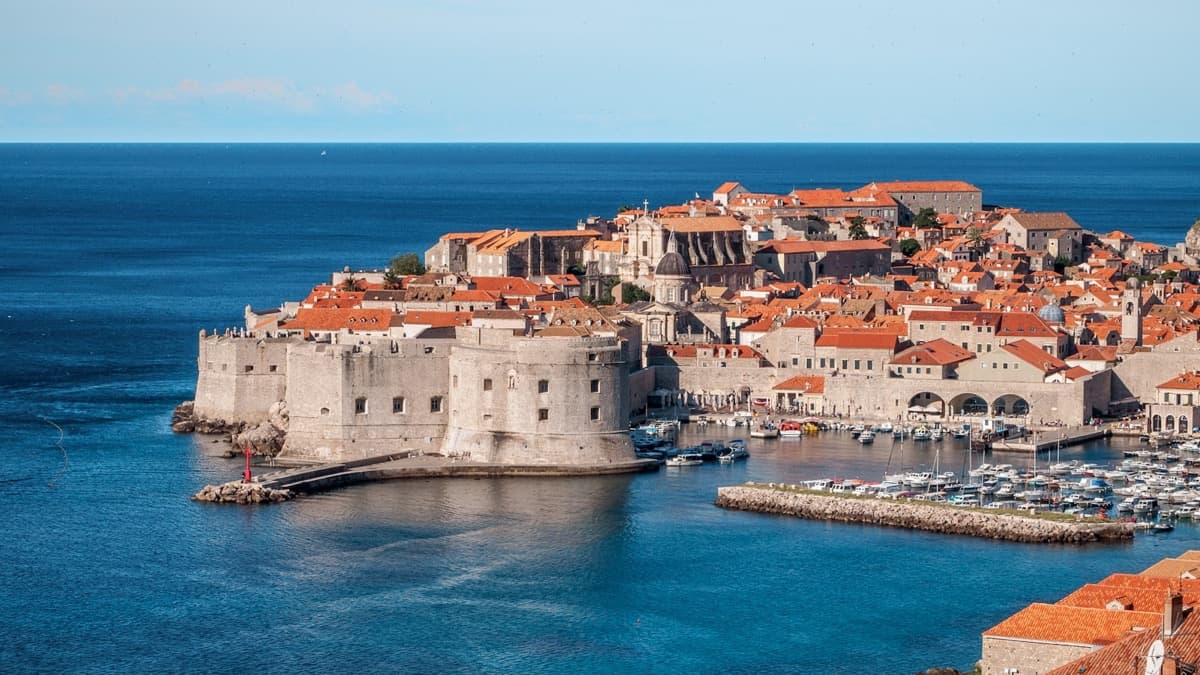
The sheltered harbour on the eastern shore, where the Republic docked its galleys under the great Gothic arches of the Arsenal.
- 2
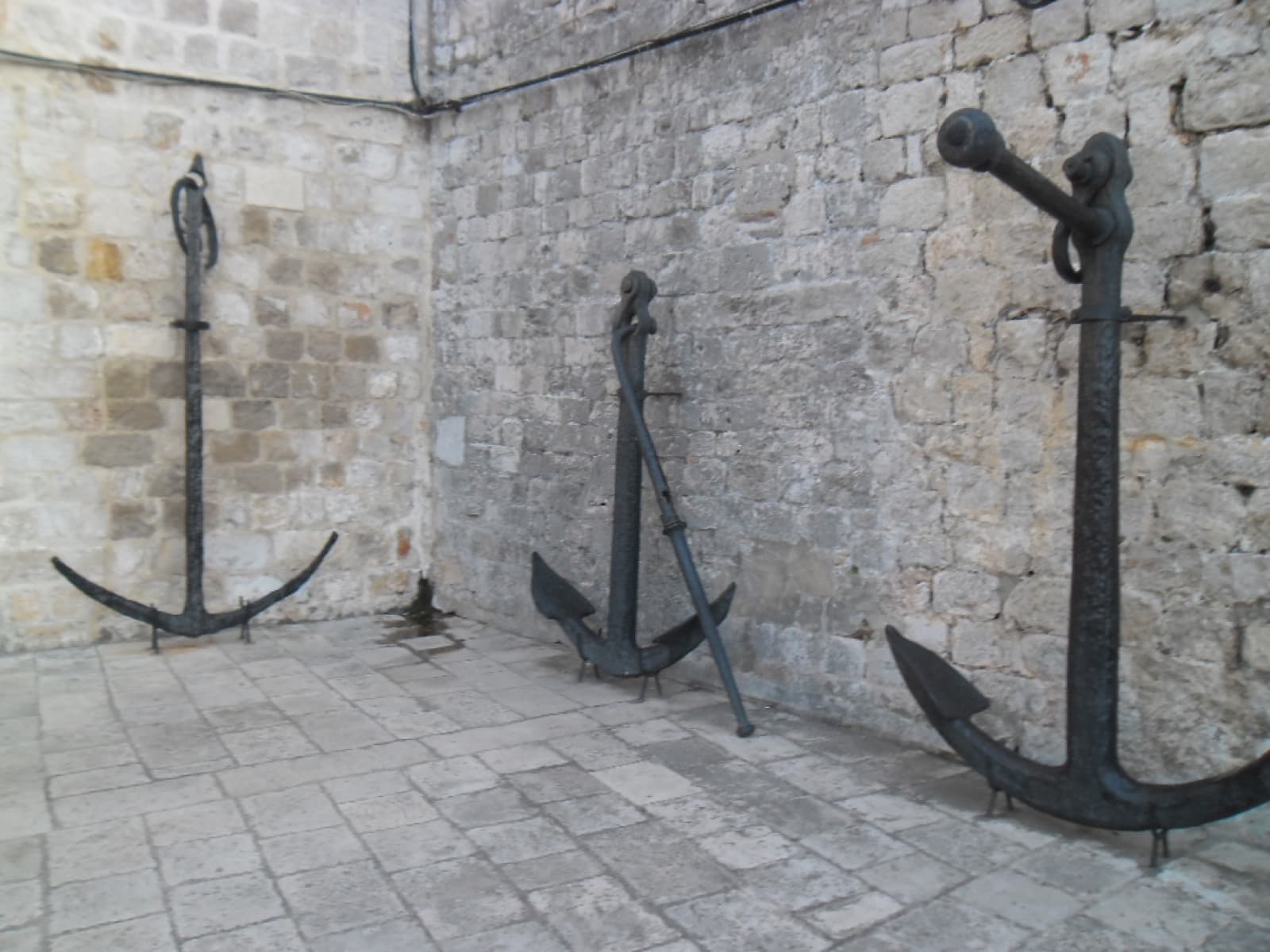
The Maritime Museum and the merchant fleet: the word argosy
Inside the Fort of Saint John, scale models tell the story of a merchant fleet that may have given English the word argosy.
- 3
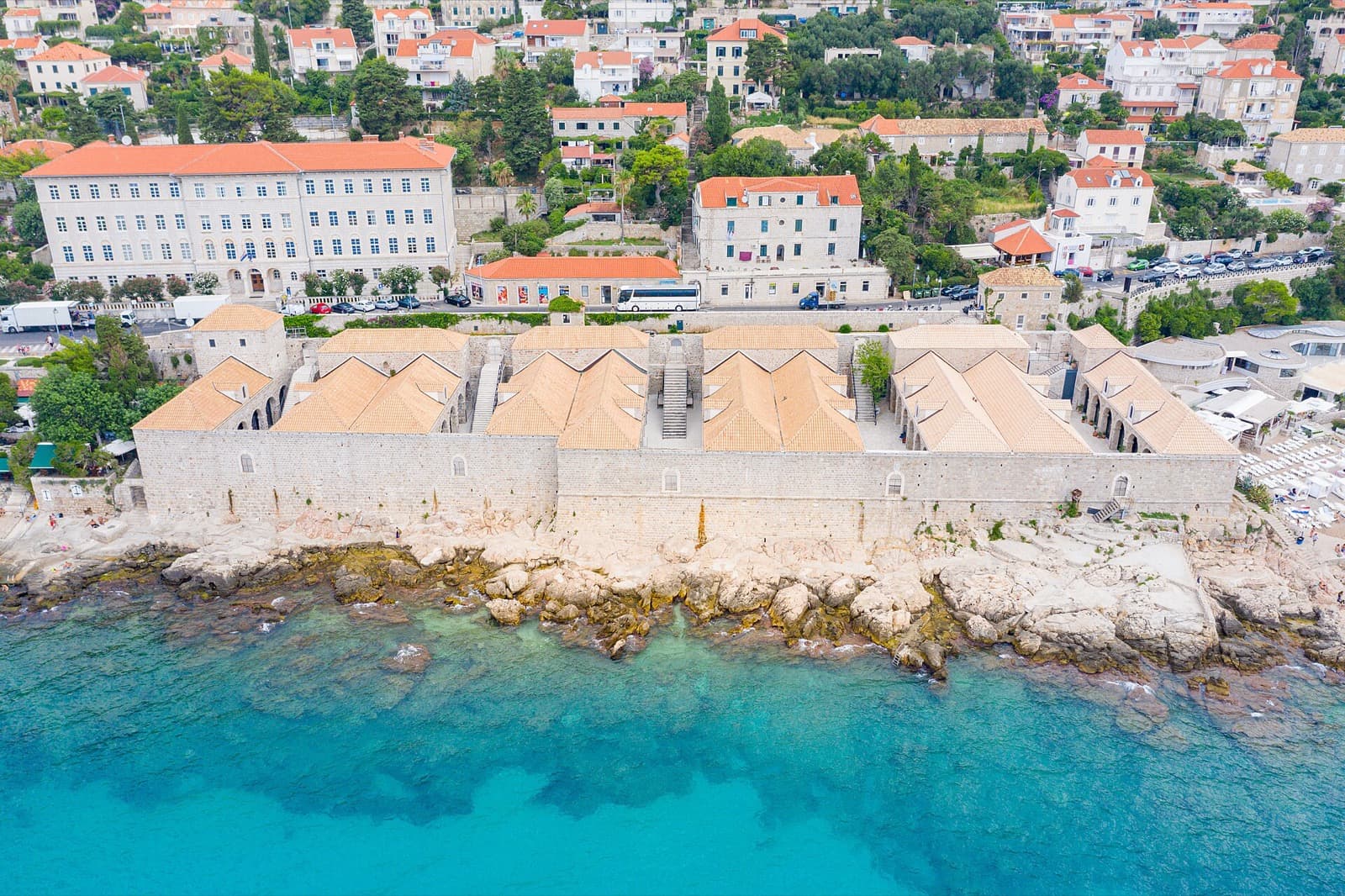
The Lazareti: the quarantine houses that changed public health
Just outside the Ploce Gate, the stone quarantine houses where a trading republic invented a way to keep the sea lanes open without importing plague.
- 4
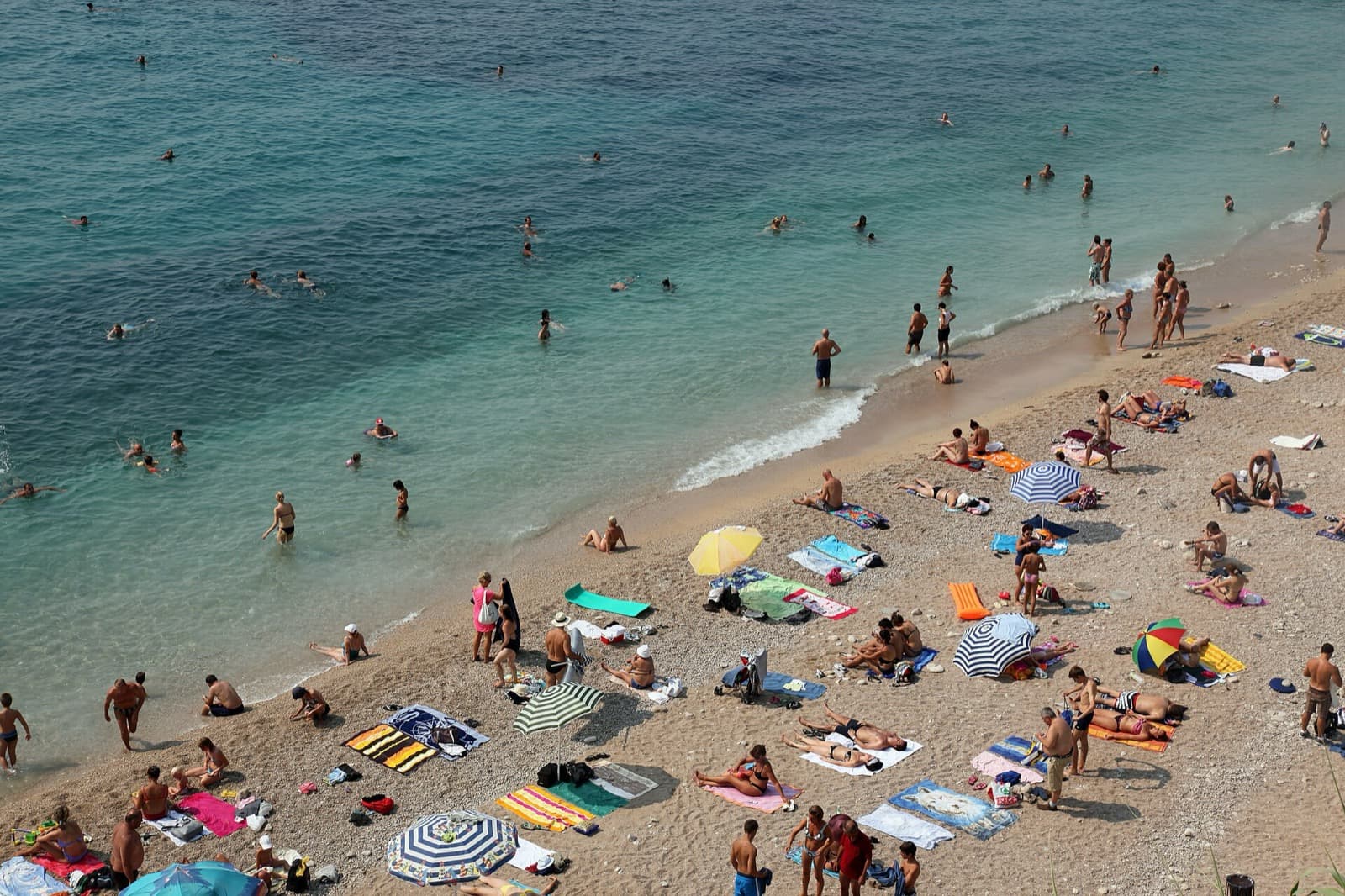
The Ploce approach and Banje: the view back to the sea walls
The classic panorama from the eastern shore, where the Old Town rises straight out of the Adriatic beneath the guns of Revelin.
- 5
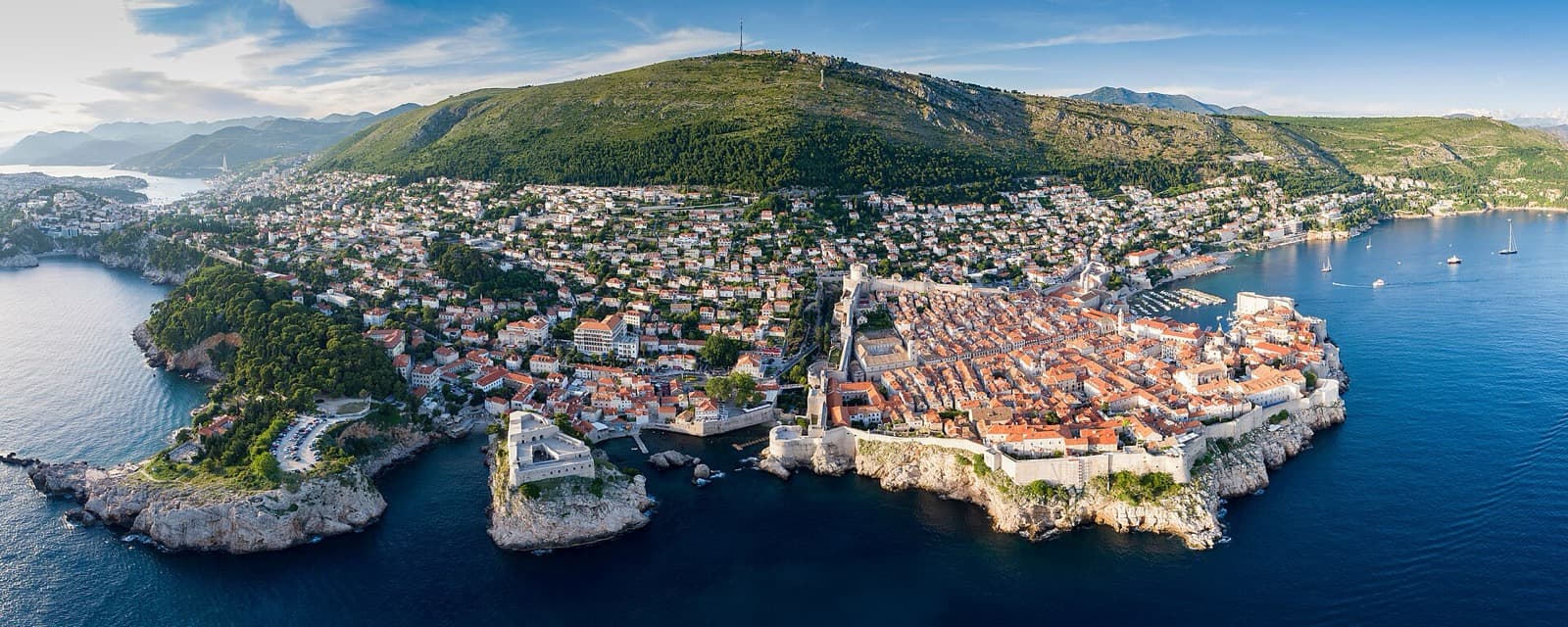
Fort Lovrijenac from the sea: liberty is not sold for gold
The fortress on its sheer rock outside the western wall, carved with the Republic's proud motto of liberty.
- 6
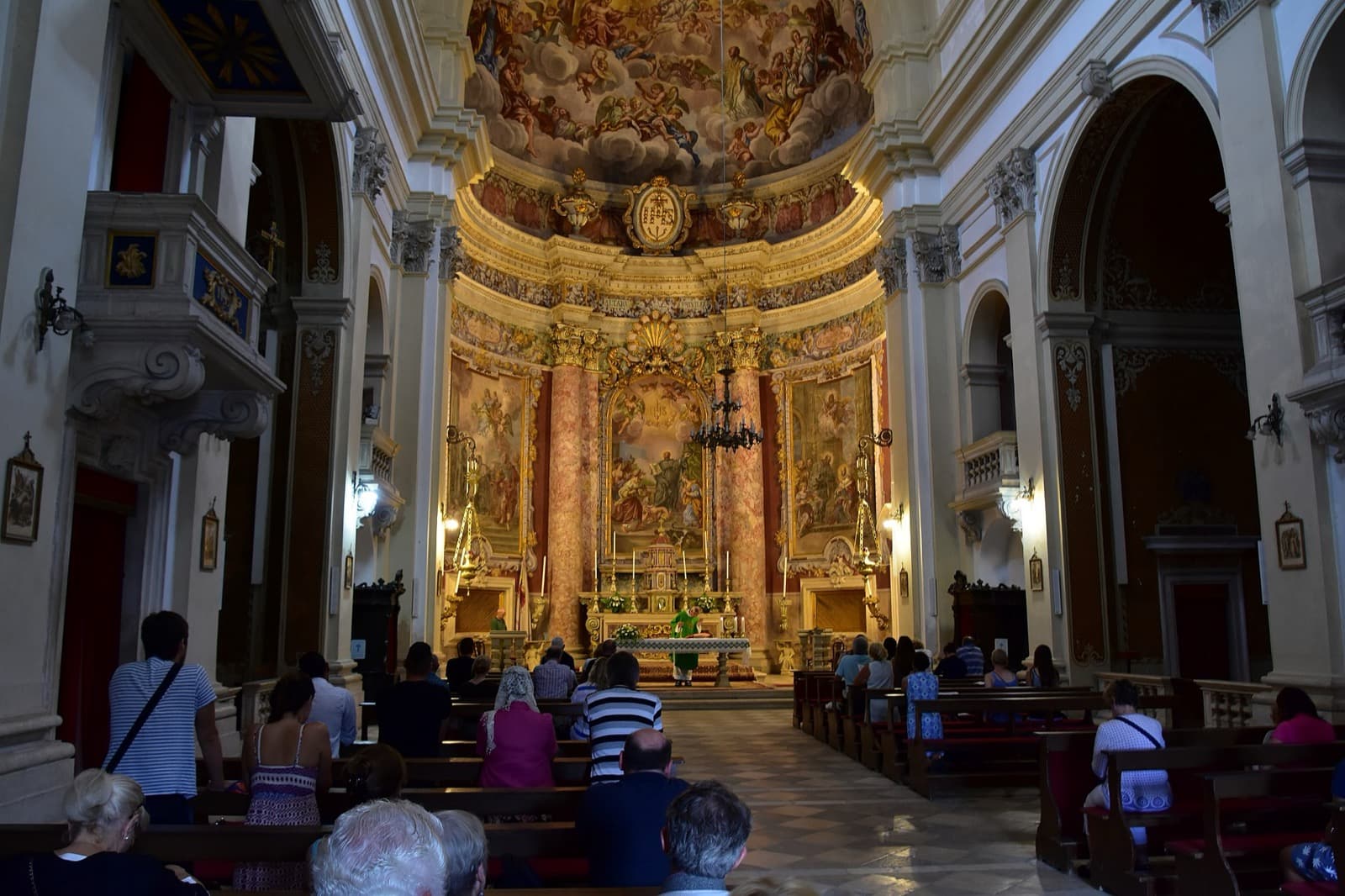
The Jesuit Stairs and Saint Ignatius: the Baroque city at its height
A sweeping Baroque stairway of one hundred and thirty-six steps rising to the grandest church ensemble in the city.
- 7
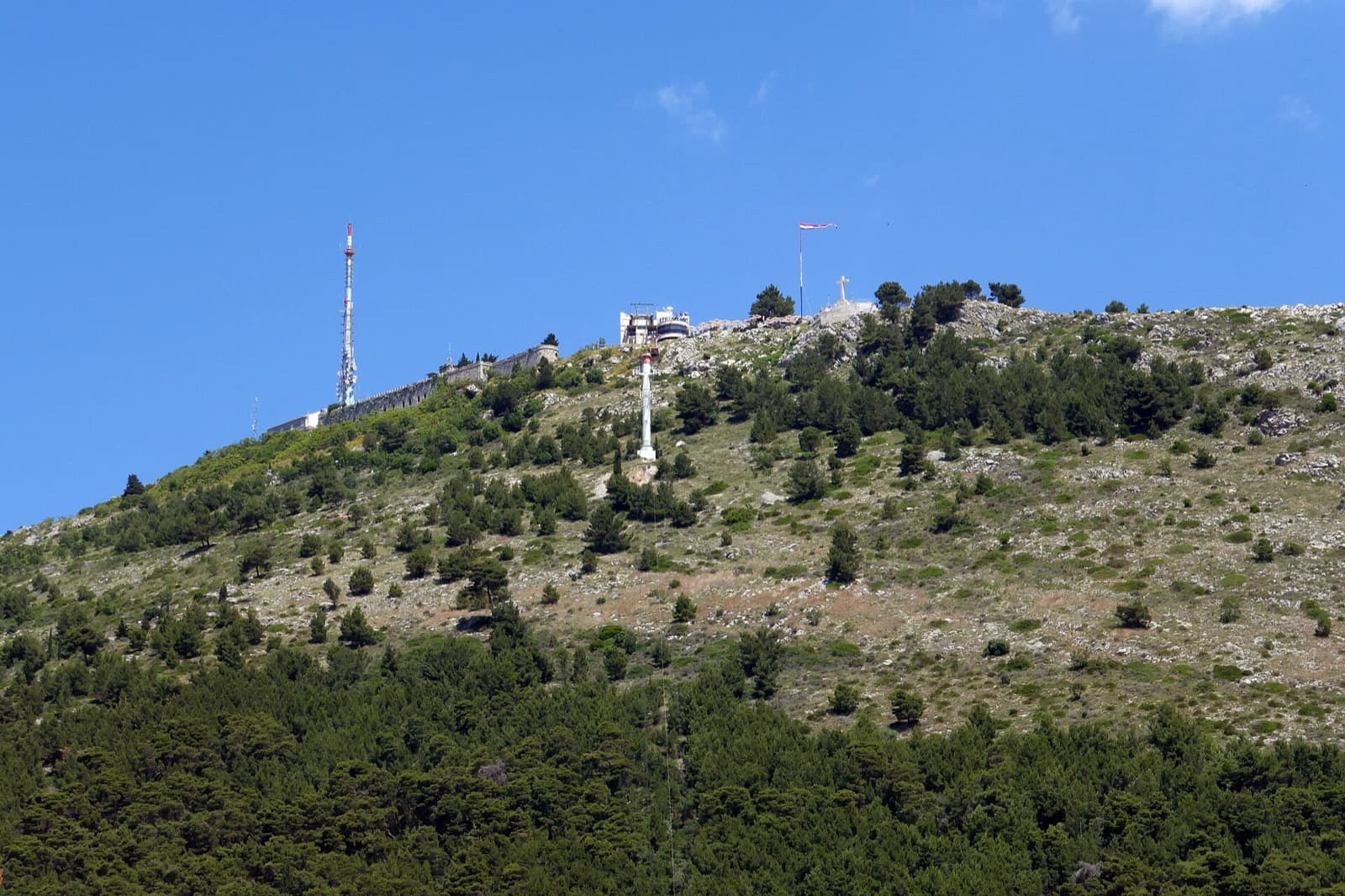
Mount Srd, Fort Imperial and the Homeland War: the whole coast below
The mountain fort above the city, held through the siege of nineteen ninety-one, now home to a museum of the Homeland War.
Details
Best Time to Visit
Early morning or the last two hours before sunset, when the light is soft on the sea walls and the cruise-ship crowds have thinned. Aim to reach Mount Srd for late afternoon so the whole coast glows below you, but check the cable car's final descent time and carry a layer, as the summit is cooler and windier than the harbour. Spring and autumn are gentler than the fierce, shadeless heat of high summer.
Pro Tips
- •Buy your Mount Srd cable car and museum tickets ahead where you can, and confirm the last descent time so you are not stranded at the summit after closing.
- •Wear proper shoes with grip: the old paving is polished limestone that turns slippery, and the Jesuit Stairs and Srd path are long climbs.
- •Carry water, especially in summer. Shade is scarce along the shoreline and on the mountain, and the sun off the sea is stronger than it feels.
- •Go early or late to dodge the midday cruise-ship surge through the Ploce and Pile gates, when the harbour and lanes fill quickly.
- •Fort Lovrijenac and the walls share a combined City Walls ticket, so plan whether you want to go inside or simply admire the fort from the water below.
- •Give the Mount Srd stop unhurried time and quiet: it covers the Homeland War soberly, and the museum rewards a slow, attentive visit.
Safety & Precautions
- •The Church of Saint Ignatius and other working churches require modest dress covering shoulders and knees, and quiet respect for people at prayer.
- •Expect uneven ancient and medieval paving and polished, slippery limestone throughout, along with many steps on the Jesuit Stairs and the approach to Fort Lovrijenac.
- •The climb or cable car to Mount Srd tops out at four hundred and twelve metres in full sun with little shade; carry water, wear a hat, and pace yourself on the switchback path if you walk it.
- •This is a lived-in old quarter, not a film set. Keep noise down in the residential lanes, do not block doorways for photographs, and treat the shoreline and walls as someone's home.
Travel advisory: Exercise Normal Precautions (Level 1).
Gallery
Related Reading
Go deeper on what you'll see, hear, and walk through.
Overview
Best Self-Guided Walking Tours in Dubrovnik (2026)
3 min
Overview
Dubrovnik Travel Guide: Days, Getting Around, Best Time, Safety
6 min
Overview
One Day in Dubrovnik: A Walkable Morning-to-Evening Itinerary
7 min
Thematic
Best History Walking Tours in Dubrovnik (2026)
2 min
Thematic
Dubrovnik: the free city the Republic of Ragusa built
8 min
Companion
Mount Srd and Fort Imperial: How Dubrovnik's Mountain Fort Explains the Whole City
7 min
Deep dive
The Lazareti: Where Dubrovnik Invented the Waiting Room for Plague
6 min
Read
What to Eat in Dubrovnik: Local Dishes and How to Order Them
6 min
Read the walk
The full story of Old Port and Mount Srd: Beyond the Walls, in words. Prefer to listen? Play it narrated, from home or on location.
Introduction
The world knows Dubrovnik, in Croatia, as a perfect walled shell, a stone crown rising straight out of the Adriatic. This walk goes looking for the body inside that shell. The wall was never the point. What it protected was: a working harbour, a merchant fleet that once ranged across the Mediterranean, a public-health idea born of trade, and a mountaintop fort that in living memory helped decide whether the city survived at all. Over seven stops and roughly two and a half hours, covering about three kilometres of mostly flat walking plus a cable car ride or a steep climb to the top of Mount Srd at the end, you will trace the Republic of Ragusa from the water it lived by to the mountain that watches over it. You will stand where the Republic built its galleys, learn how a type of Ragusan ship may have given English the word argosy, and see the quarantine houses where, on the twenty-seventh of July thirteen seventy-seven, this trading city ordained one of the earliest institutional isolations of arrivals anywhere. Then you will climb, by cable car or on foot, to Fort Imperial, and stand with the whole coast below and a war within memory. Go at your own pace. The stops are short and skippable, and nothing here needs a group or a schedule. Some of what you will hear is sober, especially the last stop, so give it the quiet it deserves. When you arrive at the Old City Port, on the eastern shore inside the walls, begin with stop one.
1. The Old City Port and the Arsenal: where the Republic built its ships
Stand at the Old City Port, on the eastern shore inside the walls, and you are at the working end of Dubrovnik, the part the postcard usually crops out. This is where the Republic of Ragusa met the sea it lived by. The harbour is sheltered by a low stone jetty called the Kase, built in fourteen eighty-five to designs by the engineer Paskoje Milicevic. Wooden chests filled with material were sunk into the seabed to form it, and it broke the south-easterly winds and waves that would otherwise pound the port. The word Kase comes from the Croatian for crate. The harbour could be sealed like a strongbox. Heavy chains were stretched between the Fort of Saint John and the Kase jetty to close the entrance, and the Arsenal itself was walled up for defence when danger came. Look for the great vaulted galley shed opening onto the water near the Ploce end, the Arsenal, known in the old tongue as the Orsan. Three of its enormous Gothic arches survive, a fourth long since walled in. This was the Republic's main shipyard until the early sixteenth century, the place where its galleys and defence vessels were built, repaired, and docked out of the weather. Ragusan ships had a reputation for quality, some said they could last as long as forty years at sea. Take your time here. Beneath the beauty, this was a place of ropes and pitch and labour, the engine room of a city that turned a small strip of coast into a maritime power. From this quiet harbour, the argosies went out.
2. The Maritime Museum and the merchant fleet: the word argosy
The stout fortress at the port entrance is the Fort of Saint John, begun in thirteen forty-six and extended into the late sixteenth century to guard the way into the harbour. Its upper floors hold the Maritime Museum, run by Dubrovnik Museums, the Dubrovacki muzeji. At its heart is a collection of scale models of Ragusan merchant and naval ships, reconstructed from records kept in the State Archives. These models let you grasp something hard to picture from the quiet harbour today: the sheer scale of Ragusan sea power. By the middle of the sixteenth century, the Dubrovnik merchant fleet was among the largest in the Mediterranean, on the order of one hundred and eighty to two hundred large ships. One cited figure puts it at nearly two hundred vessels worth around seven hundred thousand ducats. These ships traded from England to the Levant, a small republic reaching across half the known world. And here is the detail that lingers. The dictionaries trace the English word argosy, meaning a large merchant ship or a whole rich fleet, back to the Italian phrase for a vessel of Ragusa, a ship so associated with this port that its very type became a word. The Oxford English Dictionary gives its earliest recorded evidence from fifteen seventy-seven, and Shakespeare later put argosies into The Merchant of Venice. So when you read of argosies with sails filling the horizon, remember they sailed, in name at least, from this harbour. The models inside give faces to that fleet, hull by hull, mast by mast.
3. The Lazareti: the quarantine houses that changed public health
A short way outside the Ploce Gate, on the eastern shore, stands a long row of plain stone buildings and open courtyards: the Lazareti. Here arriving travellers and their goods were held in isolation before they were allowed into the city. It looks modest, almost austere. It is one of the most important places in the history of public health. On the twenty-seventh of July thirteen seventy-seven, the Great Council of Ragusa ordained that anyone arriving from a plague-infected area must be isolated before entering the city or its territory. First it was the trentino, thirty days. Later it was extended to forty days, and from the Italian word for forty, quaranta, we get the word quarantine. This was one of the earliest institutional quarantine measures documented anywhere in the world. Think about what it really was. A trading city could not survive if it closed its harbour, and it could not survive if it let plague in with the cargo. So it invented a third way: hold the ships and the goods and the people at arm's length, in a controlled place, for a set span of days, and let time do the sorting. Invention born of trade. The buildings you see, ten of limestone around five courtyards, went up chiefly between fifteen ninety and sixteen forty-two, though an earlier lazaretto stood near Danca beach from fourteen fifty-seven. Today the Lazareti are a cultural centre, home since nineteen eighty-eight to an art workshop, hosting exhibitions and concerts. Stand quietly and consider: the idea that shaped how the whole modern world answers a pandemic was worked out, in part, on this shore.
4. The Ploce approach and Banje: the view back to the sea walls
Step out past the Ploce Gate to the eastern approach, where the Revelin fortress guards the landward side and the small Banje shoreline opens up. Turn and look back. This is the view. The Old Town rises in one unbroken sweep of stone straight out of the Adriatic, the sea walls…
Full narration for this stop unlocks with the tour.
5. Fort Lovrijenac from the sea: liberty is not sold for gold
Look west, from the little Pile cove and the West Harbour below the walls, and you will see Fort Lovrijenac, the Fortress of Saint Lawrence, standing free on a bare rock thirty-seven metres above the sea. It is not part of the walls. It stands apart, just outside the Pile Gate,…
Full narration for this stop unlocks with the tour.
6. The Jesuit Stairs and Saint Ignatius: the Baroque city at its height
Turn inward now, away from the sea, to the highest and grandest corner of the old city. From Gundulic Square, a broad Baroque stairway of one hundred and thirty-six stone steps sweeps upward in a theatrical double curve to the Church of Saint Ignatius and the former Jesuit…
Full narration for this stop unlocks with the tour.
7. Mount Srd, Fort Imperial and the Homeland War: the whole coast below
The last stop rises above everything else. Mount Srd stands four hundred and twelve metres directly over the Old Town, reached by a cable car or a steep switchback path, and crowned by Fort Imperial and a large white cross. The cable car first opened in nineteen sixty-nine, was…
Full narration for this stop unlocks with the tour.