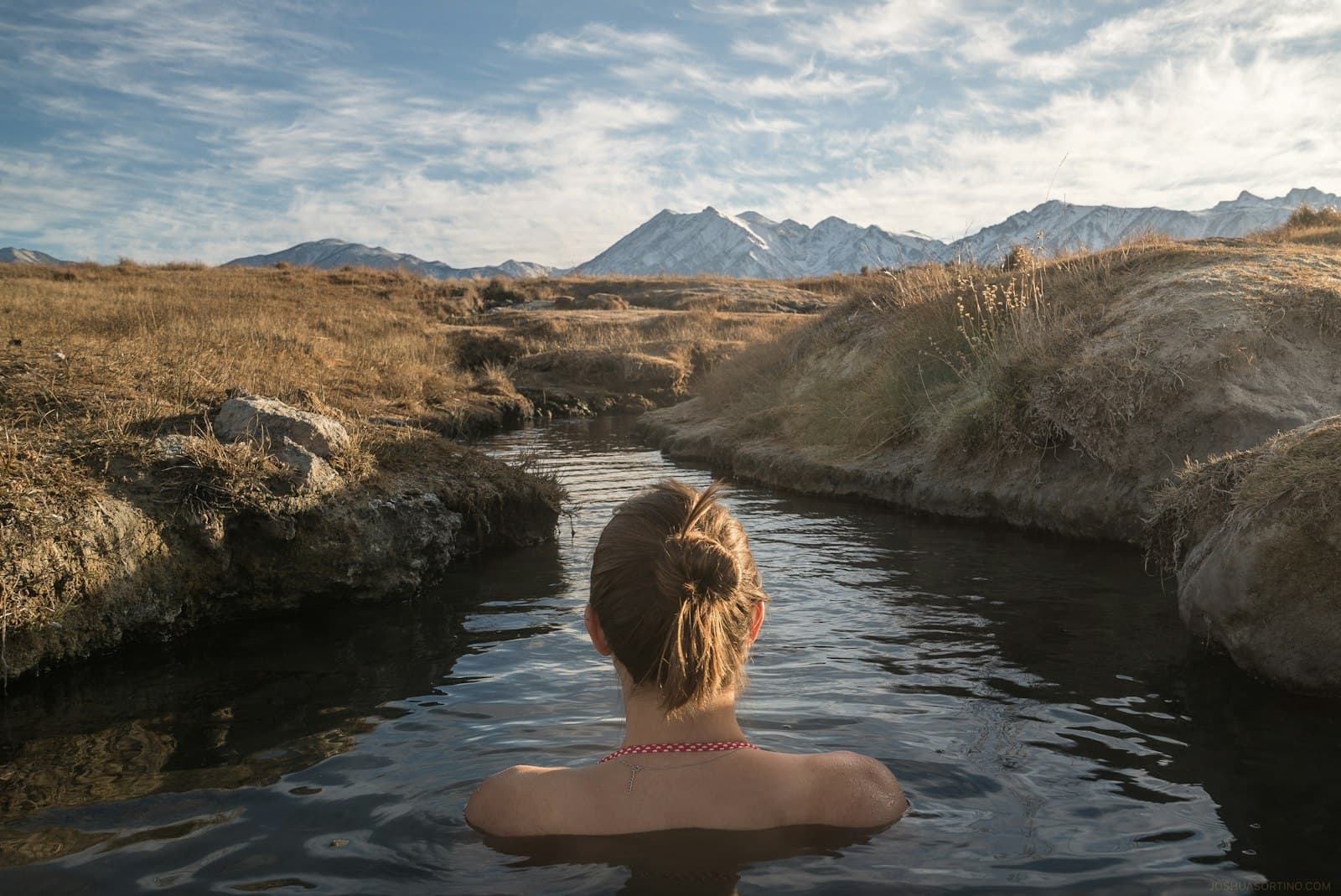
Canada's first national park was not born from wilderness idealism. It began as a government fix for a property fight over the Cave and Basin hot springs, and a railway that needed reasons to sell tickets west. The conservation ethic came later, learned rather than inherited.
Start · Cave and Basin: The Cave
DirectionsStops
- 1
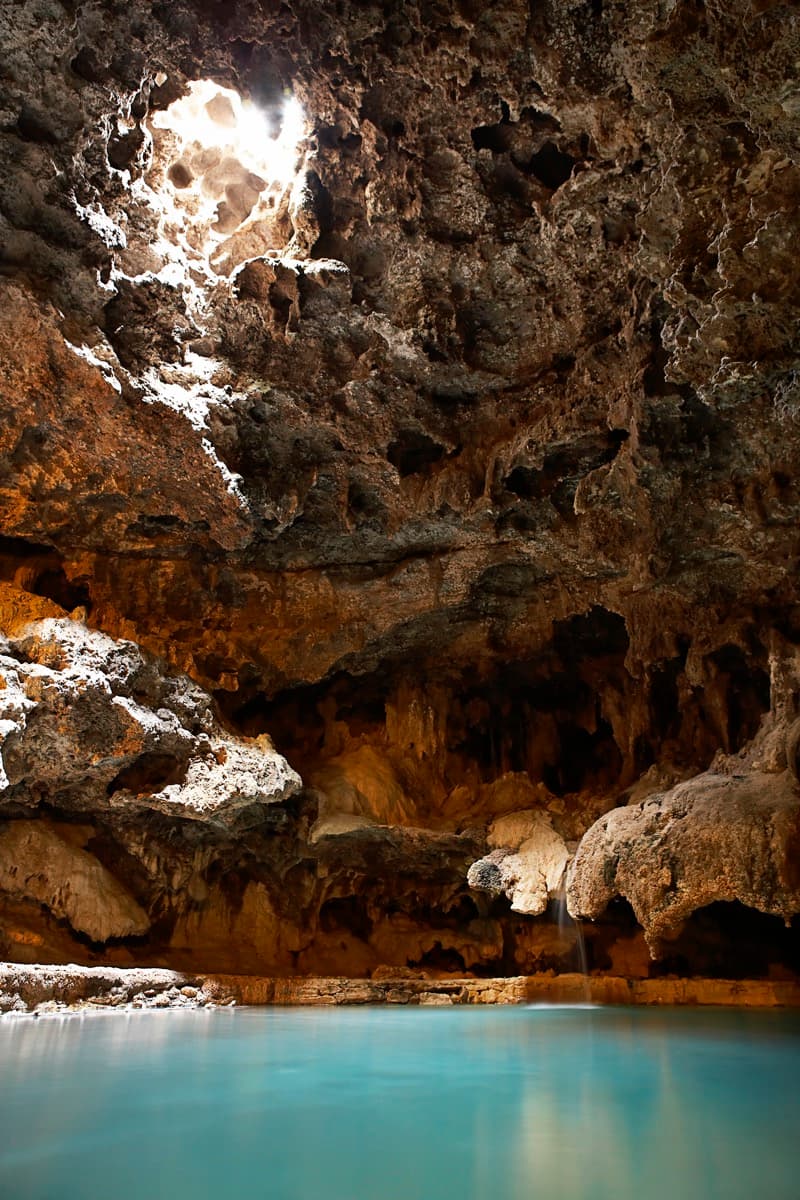
Cave and Basin: The Cave
The hole in the rock where three railway workers descended in 1883. The birthplace of Canada's national parks opens not with wonder but with a claim of ownership.
- 2
Cave and Basin: The Basin and the Claim
The open pool above the cave, where a shack held a claim and competing claimants turned an argument into a legal battle the government ended by taking the springs off the market.
- 3
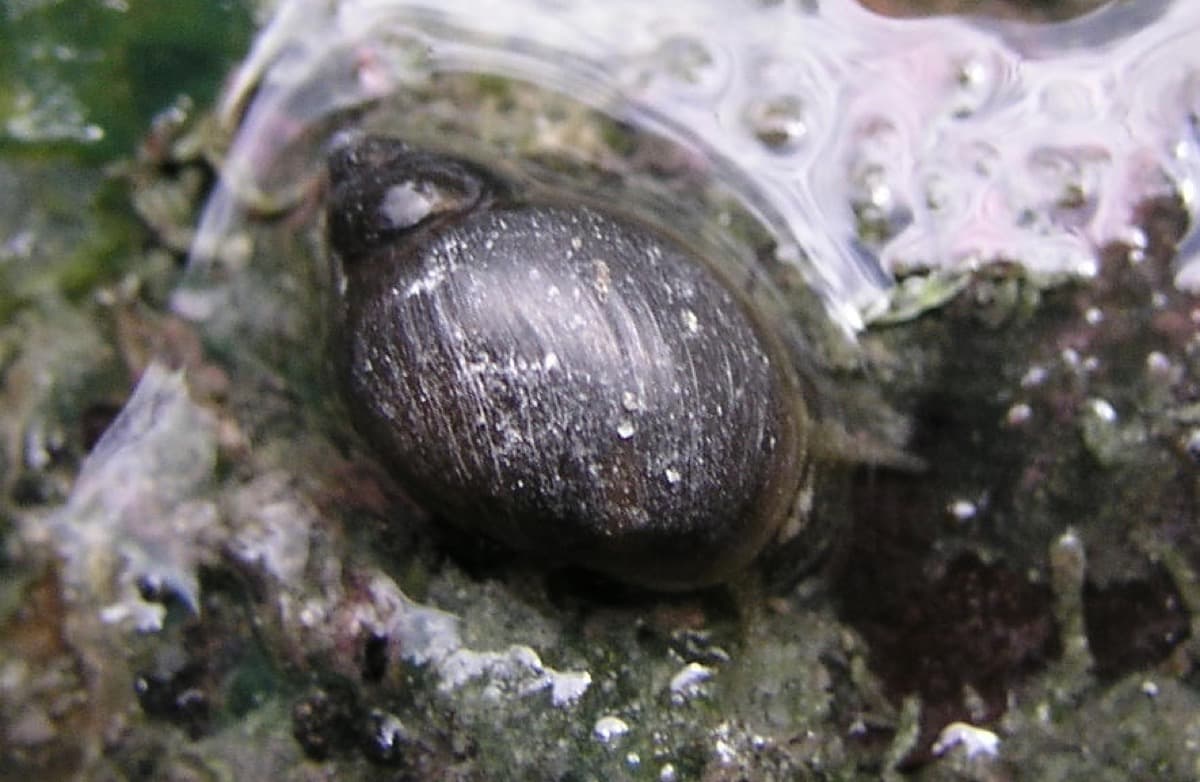
Marsh Loop and the Warm Springs Marsh
A rare warm marsh kept alive by the springs, home to the endangered Banff Springs snail, a living system nobody in 1883 thought of as worth protecting.
- 4
The Bow River Path and the Railway's Hand
The corridor between springs and town, where the Canadian Pacific Railway's need for passengers, grand hotels, and a saleable attraction fused conservation and commerce into a single decision.
- 5
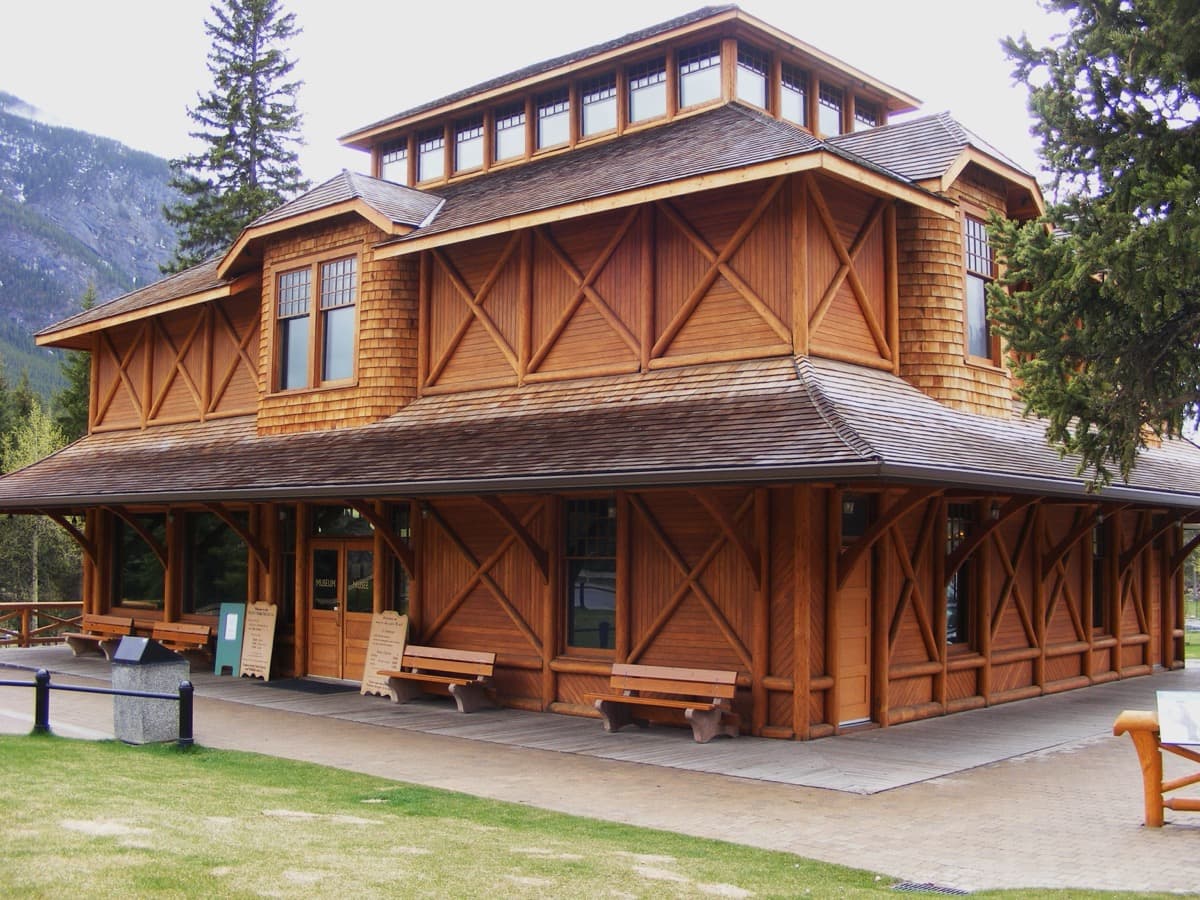
Banff Park Museum (1903)
The oldest building Parks Canada maintains, built in 1903 to teach visitors the wilderness was worth keeping. The conservation ethic arrives here, two decades after the reserve.
- 6
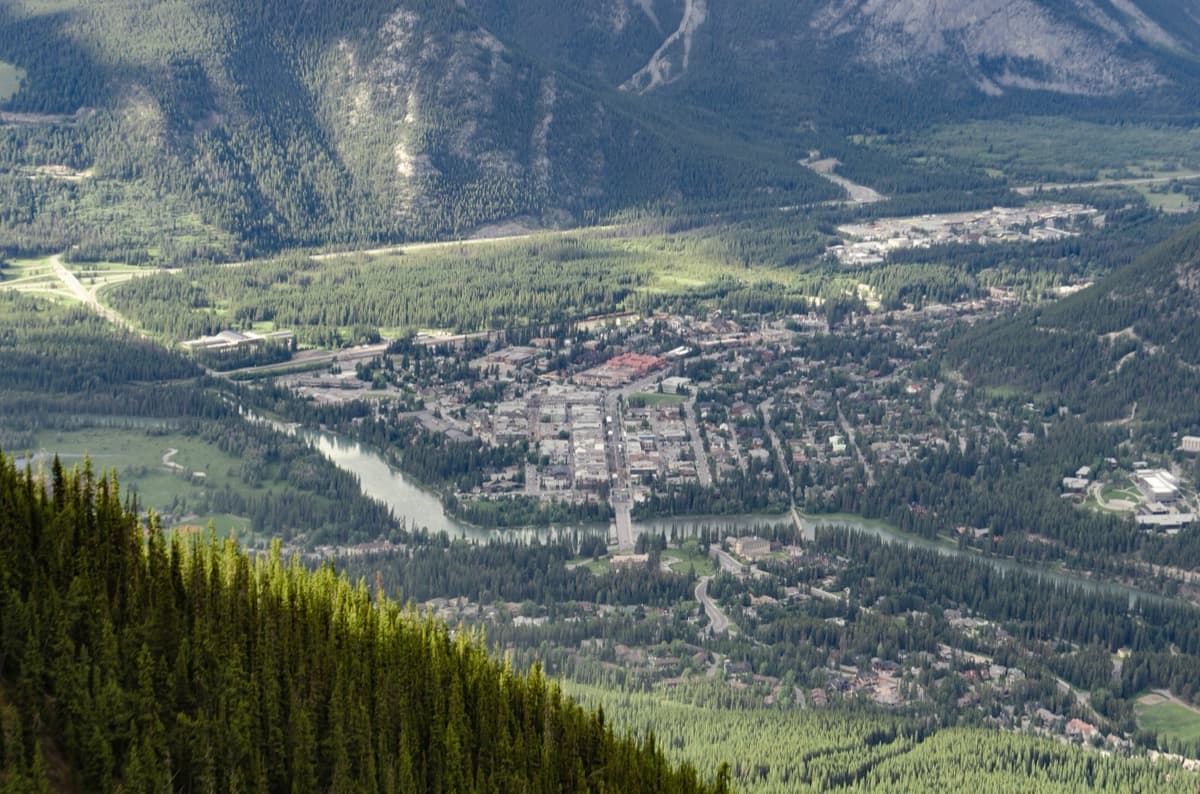
Central Park on the Bow
The riverside heart of a town that exists because of a bath-house dispute. The 1887 park act named natural areas among the country's sources of wealth, in the founding law's own words.
- 7
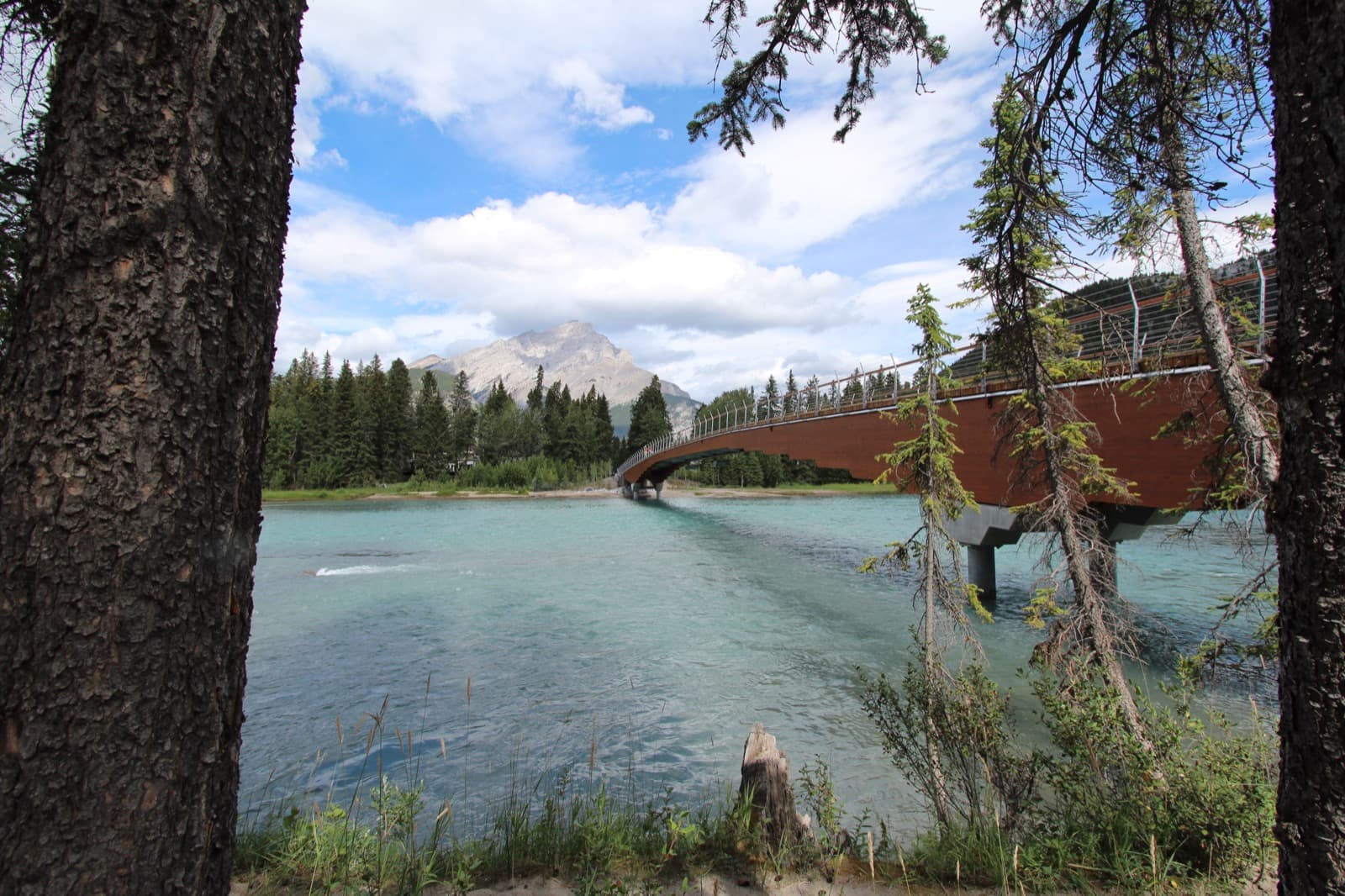
The Bow River Crossing (Nancy Pauw Bridge)
A 2022 pedestrian bridge between the built town and the wild south side. The visible seam where preservation and commerce still touch, 140 years on.
- 8
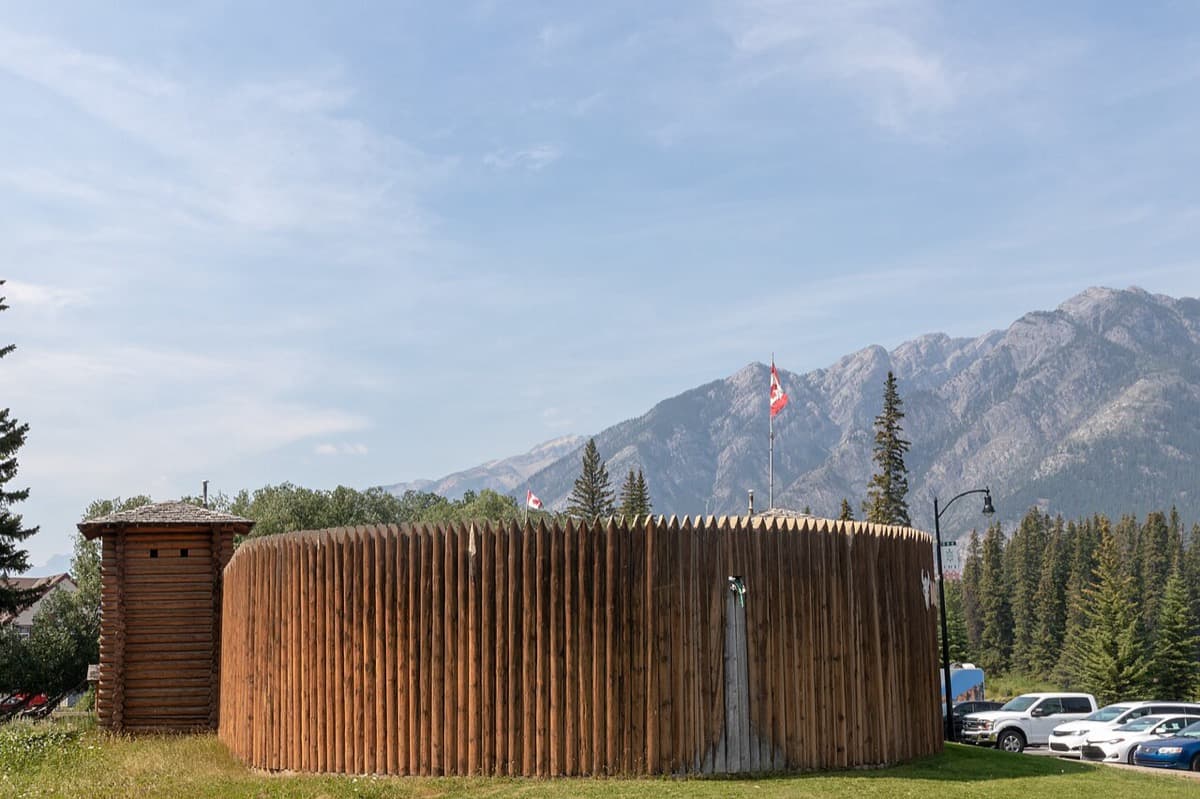
Buffalo Nations Luxton Museum
The payoff. People lived with these springs for millennia before 1883. This Indigenous museum corrects the founding word, discovery, and sets the myth, the revenue, and the oldest truth on the same ground.
Details
Best Time to Visit
Late spring through early autumn, from mid-morning to mid-afternoon. This is a riverside and marsh walk that reads best in daylight and dry conditions. The Marsh Loop stays soft and sometimes snow-free in winter because of the warm springs, but the surrounding paths can be icy from late autumn to spring. The Cave and Basin is a Parks Canada site with seasonal hours, so a mid-morning start gives you time inside the cave before moving along the river. The two museums, the Banff Park Museum and the Buffalo Nations Luxton Museum, also keep seasonal hours, so a daytime walk lets you step into either one along the way.
Pro Tips
- •The Cave and Basin National Historic Site is operated by Parks Canada and normally charges admission, with hours that change by season. The tour is written so the first two stops work from the site itself, so check the opening times before you set out.
- •Do not touch or enter the thermal water anywhere on this walk. The Banff Springs snail lives only in these springs and is endangered, and even a hand in the water can harm its habitat. Read the marsh from the boardwalk and the trail.
- •The Marsh Loop at Stop 3 is a level trail of a little over two kilometres. You do not have to walk the whole loop for the stop to work. Go far enough onto the boardwalk to see the wetland, then return to the river path.
- •The Nancy Pauw Bridge at Stop 7 is a pedestrian bridge and is accessible. It is the easiest crossing between the town side and the south bank toward the Cave and Basin.
- •Both museums reward a stop. The Banff Park Museum at Stop 5 is the 1903 log building, and the Buffalo Nations Luxton Museum at Stop 8 tells the Indigenous history the founding story leaves out. Each keeps its own seasonal hours and admission.
Safety & Precautions
- •This is a mountain-park walk. Weather changes quickly, so carry a layer and water even on a clear morning, and check conditions before starting the riverside sections.
- •You are in wildlife country. Elk, deer, and occasionally larger animals use the river corridor and the marsh. Keep your distance, never feed wildlife, and give any animal on the path a wide berth.
- •From late autumn through spring the paths near the springs can be icy even when the marsh itself stays unfrozen. Wear footwear with grip, and take the boardwalks and river path slowly in cold conditions.
- •The town portion of the walk crosses Banff Avenue and other streets with vehicle traffic. Cross at marked crossings, especially in the busy summer season.
Travel advisory: Exercise Normal Precautions (Level 1).
Gallery
Related Reading
Go deeper on what you'll see, hear, and walk through.
Overview
Banff Travel Guide: How Many Days, Getting Around, the Park Pass, When to Go (2026)
6 min
Overview
Best Self-Guided Walking Tours in Banff (2026)
4 min
Overview
One Day in Banff: A Walkable National-Park Town Itinerary (2026)
6 min
Thematic
Best History Walking Tours in Banff (2026)
2 min
Thematic
How a River Valley Became a Park: The Bow, the Ice, and the Warm Water
4 min
Thematic
The Town That Lives Inside a Park: How Banff Was Reserved Before It Was Founded
6 min
Companion
The Property Fight That Became a Country's Conservation Movement
4 min
Deep dive
The Hole in the Ground Where Canada's Parks Began
4 min
Read the walk
The full story of Cave and Basin: The Hot Spring That Made a Country Conserve, in words. Prefer to listen? Play it narrated, from home or on location.
Introduction
The birthplace of Canada's national parks is a cave you reach through a hole in the rock. In November of eighteen eighty-three, three railway workers lowered themselves down that hole on a felled tree, smelled sulphur, and found hot water steaming in the dark. They had exactly one thought. Not that this should belong to everyone. The thought was simpler. This should belong to me.
The country's whole conservation story starts there, with a fight over who got to sell a bath.
Here is the version you will hear on the plaques. Banff, Canada's first national park, cradle of a national idea, wilderness saved by foresight. It is a good story. It is also the second half of a different one. Before the foresight came a property dispute over a hot spring on Sulphur Mountain, and a railway that needed reasons for people to buy tickets west. The government did not reserve these springs to protect nature. It reserved them to end an argument, and to keep the value in public hands. The conservation ethic came afterward, downstream, learned rather than inherited.
That gap is the tour. Over the next couple of hours and eight stops, we walk about four and a half kilometres, from the cave where it started, along the Bow River, into the town the springs built, and we end at a museum that corrects the founding word. Discovery. Because people had lived with this water for thousands of years before three men climbed down a tree. Start at the Cave and Basin, at the mouth of the cave itself, for stop one.
1. Cave and Basin: The Cave
You are standing at the Cave and Basin, at the entrance to the cave itself. If you go inside, you reach a dim chamber where warm sulphur water pools under a natural rock dome, and a hole opens in the ceiling to the sky. That hole is where it began.
In November of eighteen eighty-three, three men who worked for the Canadian Pacific Railway came up the lower slope of Sulphur Mountain. Brothers William and Tom McCardell, and their fellow worker Frank McCabe. They found this vent, warm air rising from a hole in the ground, and they climbed down into it on a felled tree lowered through the gap. At the bottom, darkness, the smell of sulphur, and a pool of hot water in the middle of the mountains.
Now hold the plaque version against what happened next. The story you expect is wonder. Men find a natural marvel and want to share it. The story that actually happened is ownership. Within weeks they were writing to the government, not to celebrate the springs but to claim them. They wanted to own the water and charge for the bath.
That is the pattern this whole tour turns on. The birthplace of Canadian conservation does not open with someone wanting to protect nature. It opens with three railway workers wanting to sell it. And you cannot really blame them. A hot spring in the Rockies in eighteen eighty-three was money, plainly and simply, the way a spring at a spa town in Europe was money. The instinct was commercial from the first minute.
Keep that first minute in mind. Everything noble about this place was built on top of it. Now step back outside and walk up toward the outdoor basin above the cave, for stop two.
2. Cave and Basin: The Basin and the Claim
You have arrived at the basin, the open pool above the cave, where warm water sits under the sky against the mountain. This is where the argument became a legal case.
After the discovery, the three men did the practical thing. They built a cabin on the site, a rough structure whose real purpose was to hold the claim, to show possession. They had plans for a commercial resort, a bath-house you would pay to enter. And then the problem that undoes so many claims arrived. Other people wanted in. Competing claimants turned up, each arguing they had a right to the springs, and the disagreement climbed from an argument into a genuine legal battle over who owned the hot water.
Picture the scene honestly. Not a wilderness cathedral. A muddy patch on a mountainside with a shack on it, and several men insisting the shack, and the steam behind it, was legally theirs.
The government in Ottawa watched this and reached a decision that sounds noble and was mostly practical. It would not choose a winner. Instead, on the twenty-fifth of November eighteen eighty-five, an order-in-council reserved twenty-six square kilometres around the springs as the Banff Hot Springs Reserve. Reserved from sale, from settlement, from squatting. The move ended the dispute by taking the springs off the market entirely. No one could own them, because now everyone did.
Read that carefully, because it is the hinge. The first act of protection here was not born from love of the land. It was born from a property fight the government wanted to shut down, and from the sense that this steaming asset was too valuable to hand to three lucky men. Protection arrived as a side effect of ending a squabble. Now follow the path down toward the river and the marsh below, for stop three.
3. Marsh Loop and the Warm Springs Marsh
You have reached the Marsh Loop, a level trail of a little over two kilometres that runs across the wetland along the Bow River, just below the Cave and Basin. Stop where the ground turns soft and green even in the cold months. Steam sometimes hangs over it. This marsh should not exist at this altitude, and it does for one reason. The warm water from the springs drains down here and keeps the ground from freezing.
That warmth supports something found nowhere else on Earth. The Banff Springs snail, a tiny creature that lives only in these thermal waters and nowhere else on the planet. It is endangered now, its whole world confined to a handful of warm pools in this one valley.
Here is why this stop matters to the argument. In eighteen eighty-three, when three men were fighting over who owned the springs, no one was thinking about this. Not the snail, not the marsh, not the strange little ecosystem the warm water keeps alive. They were fighting over a bath-house. The living system underneath the business was invisible to everyone involved, because in eighteen eighty-three nobody yet had the idea that a marsh or a snail was a thing worth protecting for its own sake.
That idea, that nature has value beyond what you can charge for it, is exactly what the country did not have when it created this park. It is what the country slowly learned afterward. The endangered snail at your feet is the measure of the distance travelled. We now build fences and recovery plans around a creature the founders would not have noticed, on ground they were only fighting to sell. The whole park story is the slow closing of that gap. Now follow the river path back toward the town, for stop four.
4. The Bow River Path and the Railway's Hand
You are on the Bow River path, walking the corridor between the springs and the town of Banff. The river on your side, the mountains around you. This is a good place to talk about the part of the story the plaques keep quietest. The railway. None of this happens without the…
Full narration for this stop unlocks with the tour.
5. Banff Park Museum (1903)
You have arrived at the Banff Park Museum, the handsome log building near the river. Built in nineteen oh-three, it is the oldest building that Parks Canada still maintains. Step back and look at it as evidence, because that is what it is. It is the moment the conservation ethic…
Full narration for this stop unlocks with the tour.
6. Central Park on the Bow
You have arrived at Central Park, the green space along the Bow River in the middle of town. Find a bench near the water if you can. This stop asks you to do something simple. Sit, look around at the town of Banff, and register that all of it, every hotel, every shop, every…
Full narration for this stop unlocks with the tour.
7. The Bow River Crossing (Nancy Pauw Bridge)
You have arrived at the Bow River crossing, at the Nancy Pauw pedestrian bridge. This bridge opened in September of twenty twenty-two, and it links Central Park on the town side to the south bank of the river, the route back toward the Cave and Basin where the whole story began.…
Full narration for this stop unlocks with the tour.
8. Buffalo Nations Luxton Museum
You have arrived at the Buffalo Nations Luxton Museum, on the south bank of the Bow at Birch Avenue. This is where the tour finally corrects its own first word. Discovery. For seven stops we have said that three railway workers discovered the Cave and Basin springs in eighteen…
Full narration for this stop unlocks with the tour.