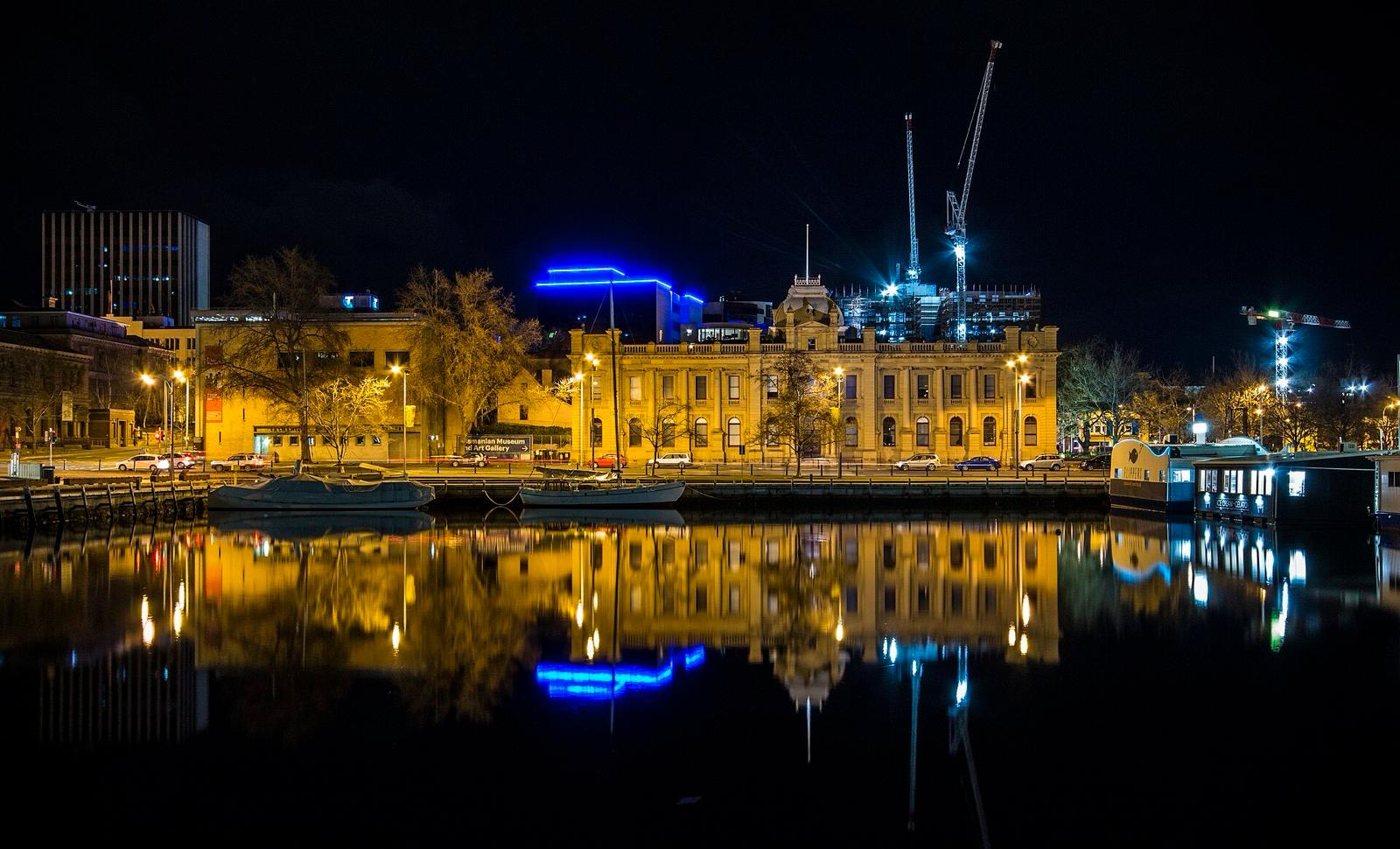
A level walk around Hobart's working harbour reads how a convict port on the far edge of the world grew into a capital city, told soberly, with its Aboriginal history held plainly.
Start · Hunter Street and the Old Wharf: Where Hobart Town Took Hold
DirectionsStops
- 1
Hunter Street and the Old Wharf: Where Hobart Town Took Hold
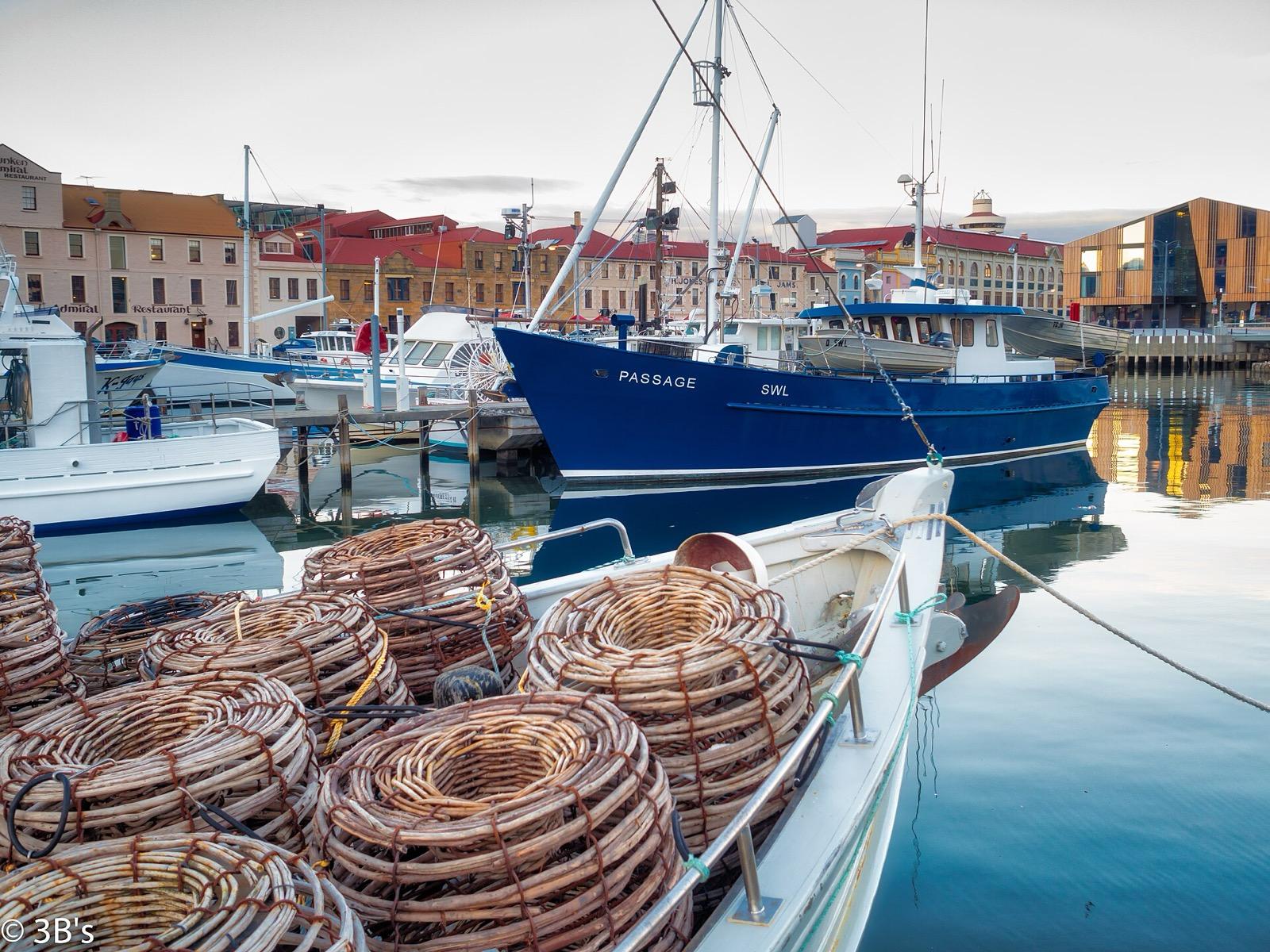
The low rise of Georgian sandstone warehouses by the water, where Hobart Town first took hold in eighteen oh four.
- 2
Victoria Dock and Constitution Dock: The Fishing Docks Where a Great Race Ends
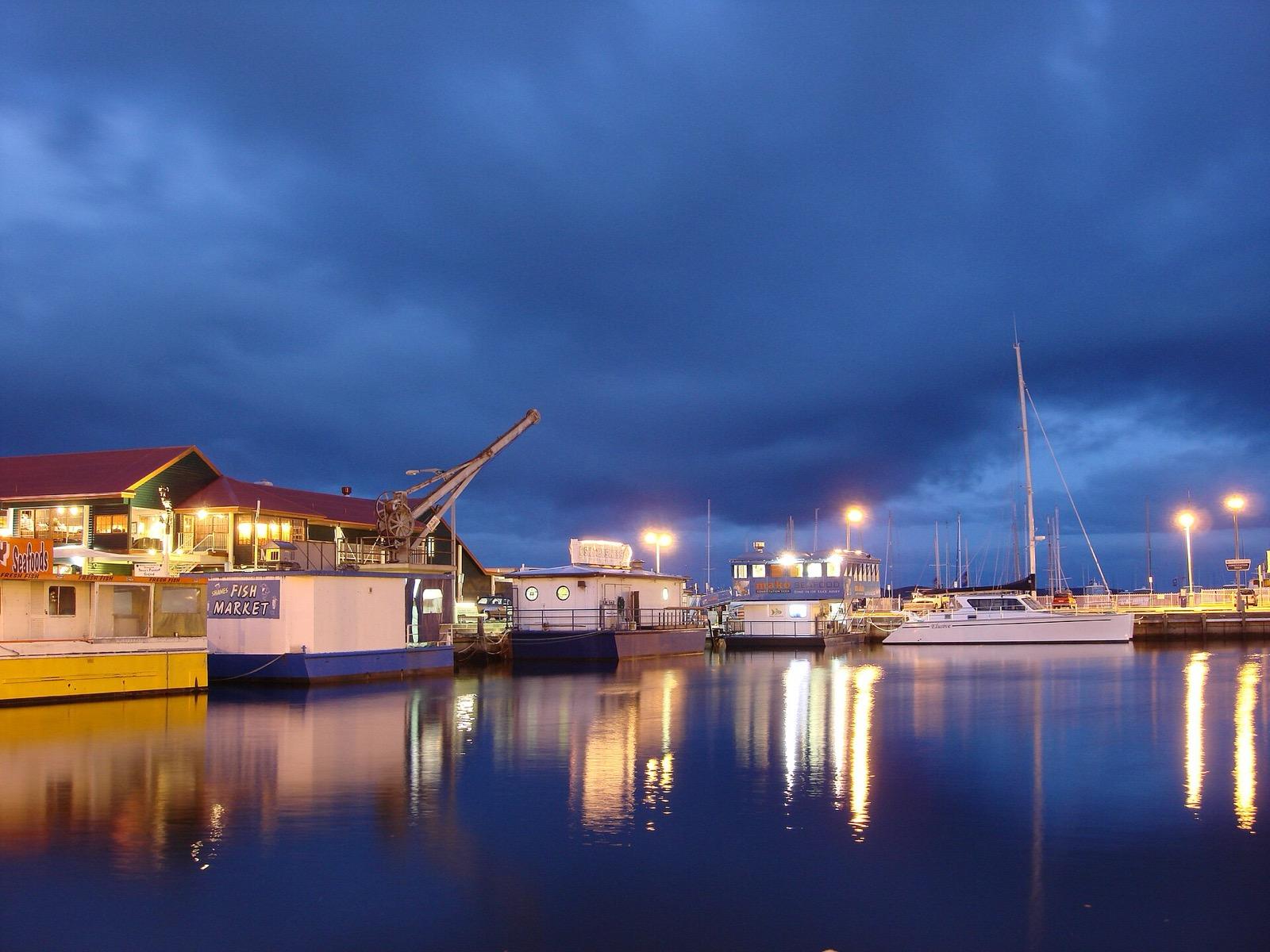
These busy fishing docks were cut by convict labour in the mid-nineteenth century. A great ocean race finishes here each summer.
- 3
The Commissariat Store: The Oldest Building in Tasmania
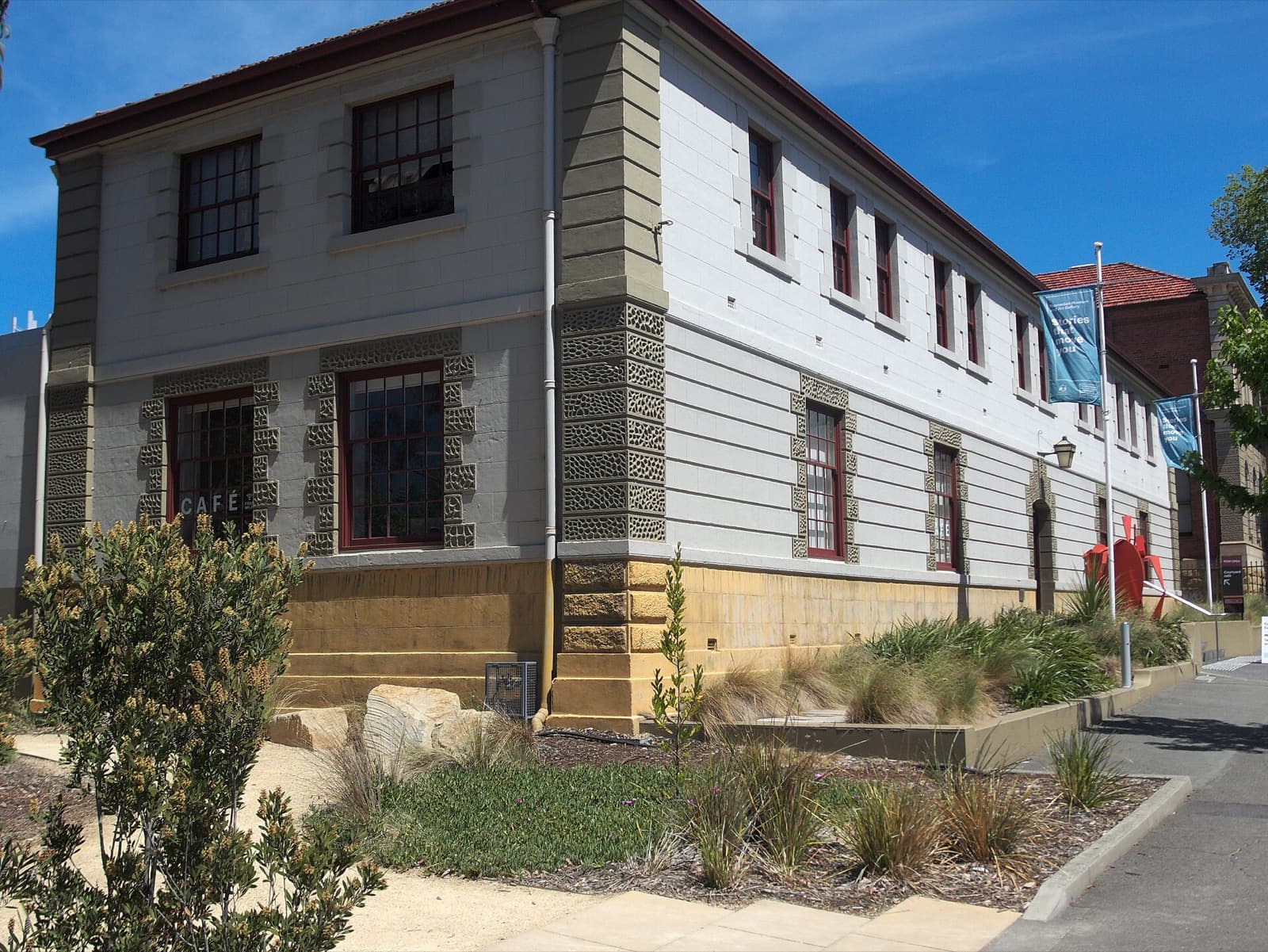
A plain convict-era government store, built between eighteen oh eight and eighteen ten, that is the oldest surviving building in Tasmania.
- 4
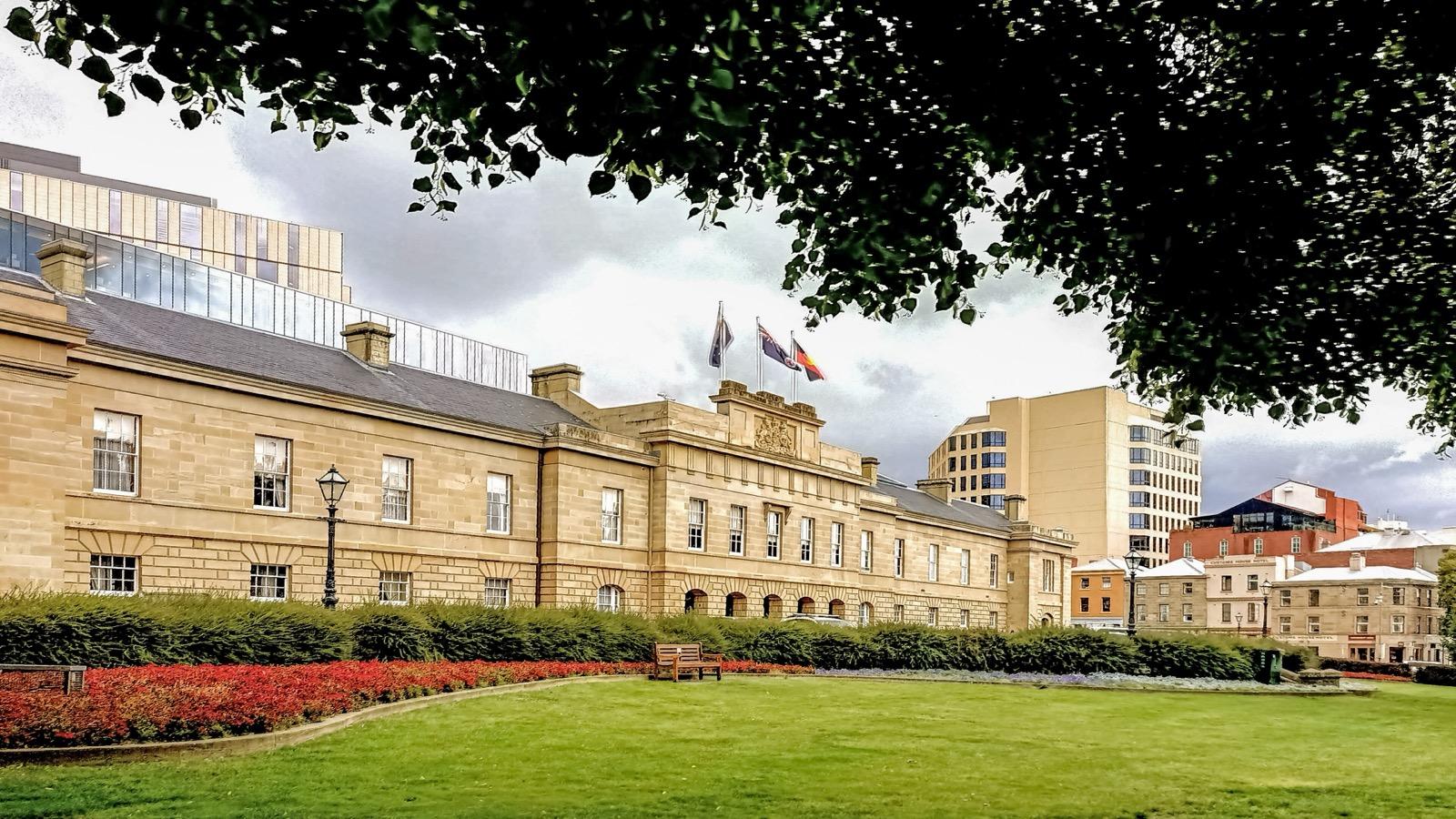
Parliament House: The Convict-Built Customs House That Became a Parliament
A honey-coloured sandstone building raised by convict labour as the colony's Customs House, which became the island's parliament in eighteen fifty-six.
- 5
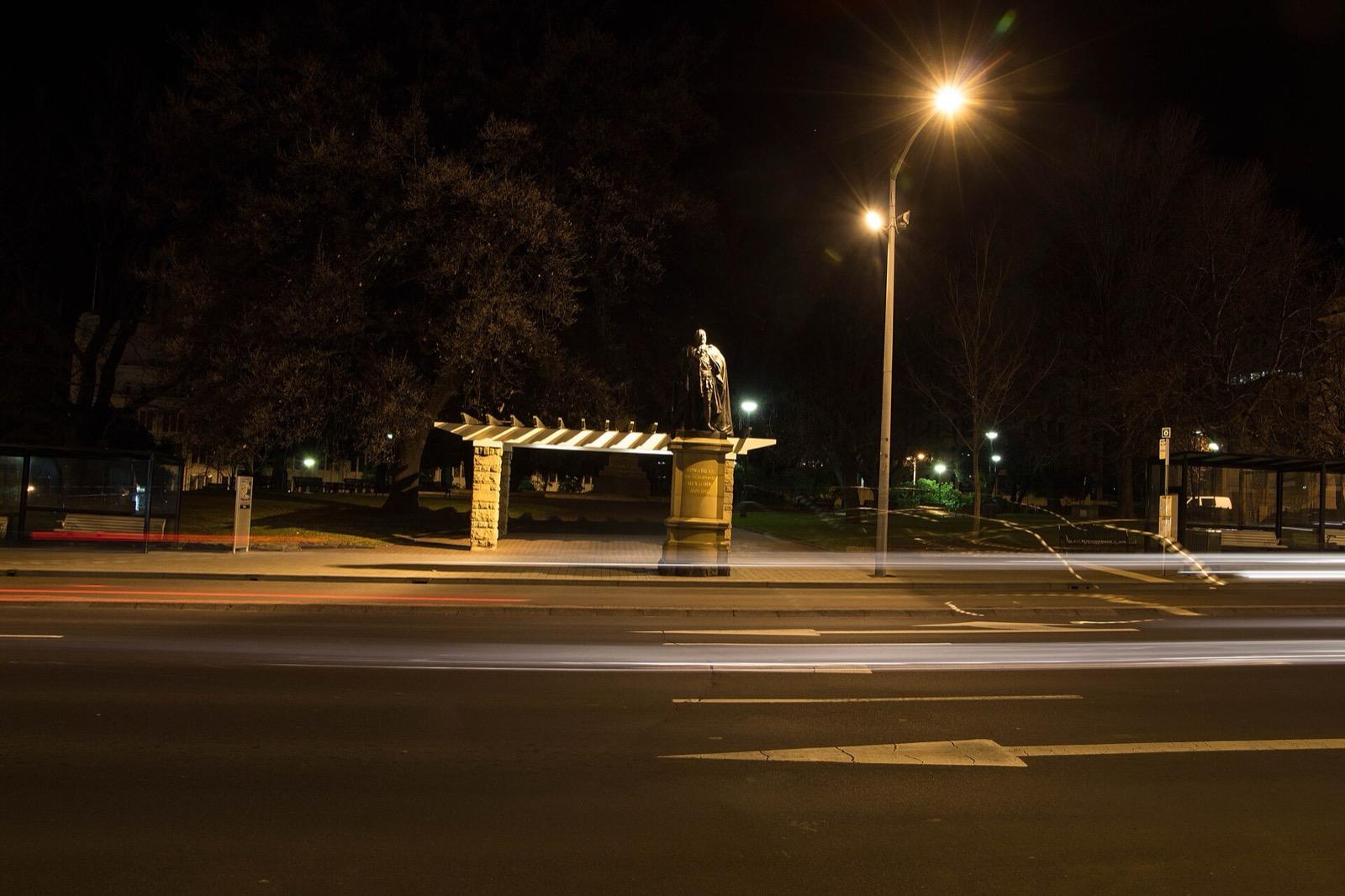
Franklin Square: The Square Where an Early Government House Stood
A formal park of the eighteen sixties on the site of an early Government House, watched over by a statue of a governor lost in the Arctic ice.
- 6
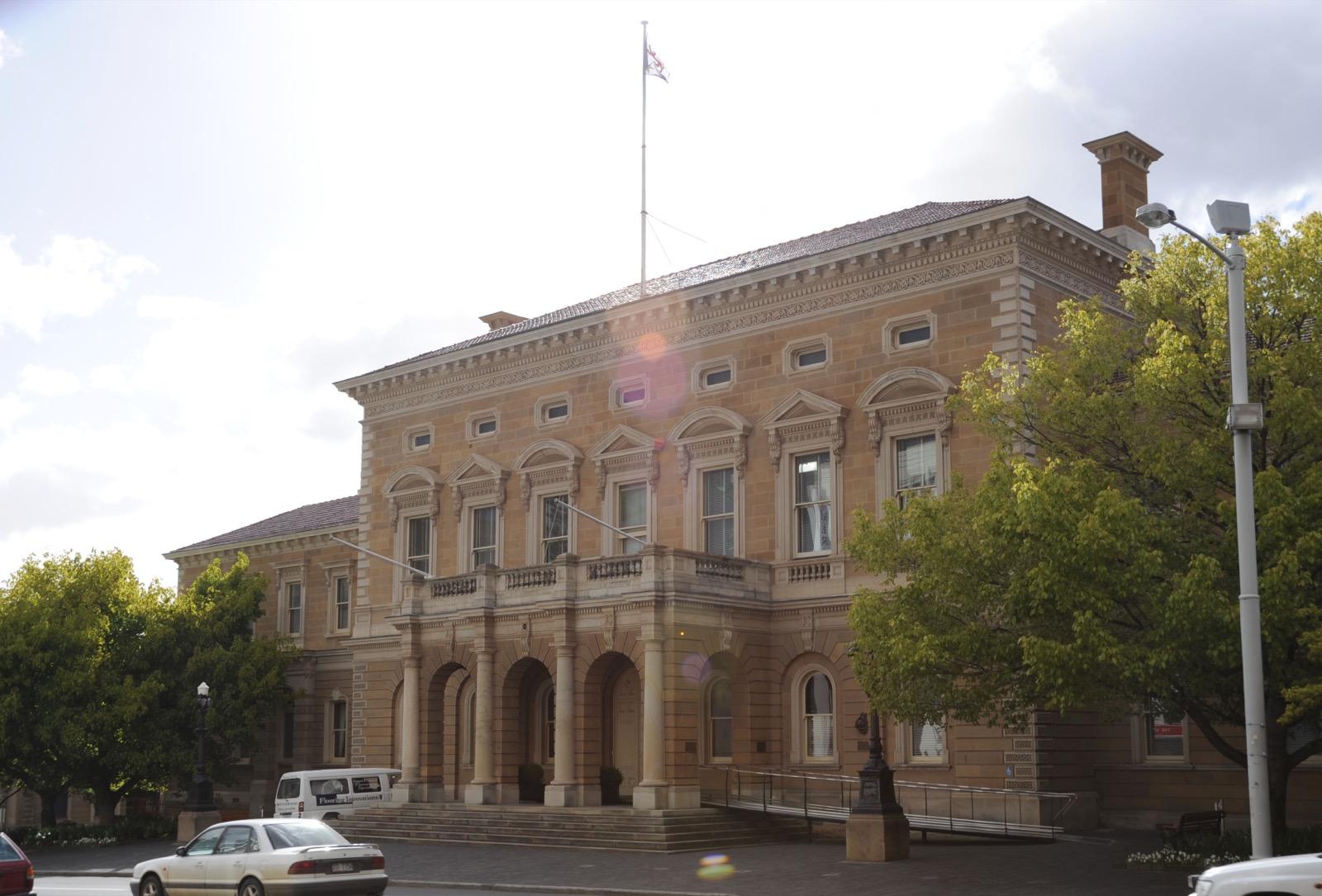
Hobart Town Hall: The Sandstone Hall of a Colony That Decided It Was a City
A dignified sandstone town hall of the eighteen sixties, built on the site of an early Government House, expressing a colony's confidence that it was a city.
- 7
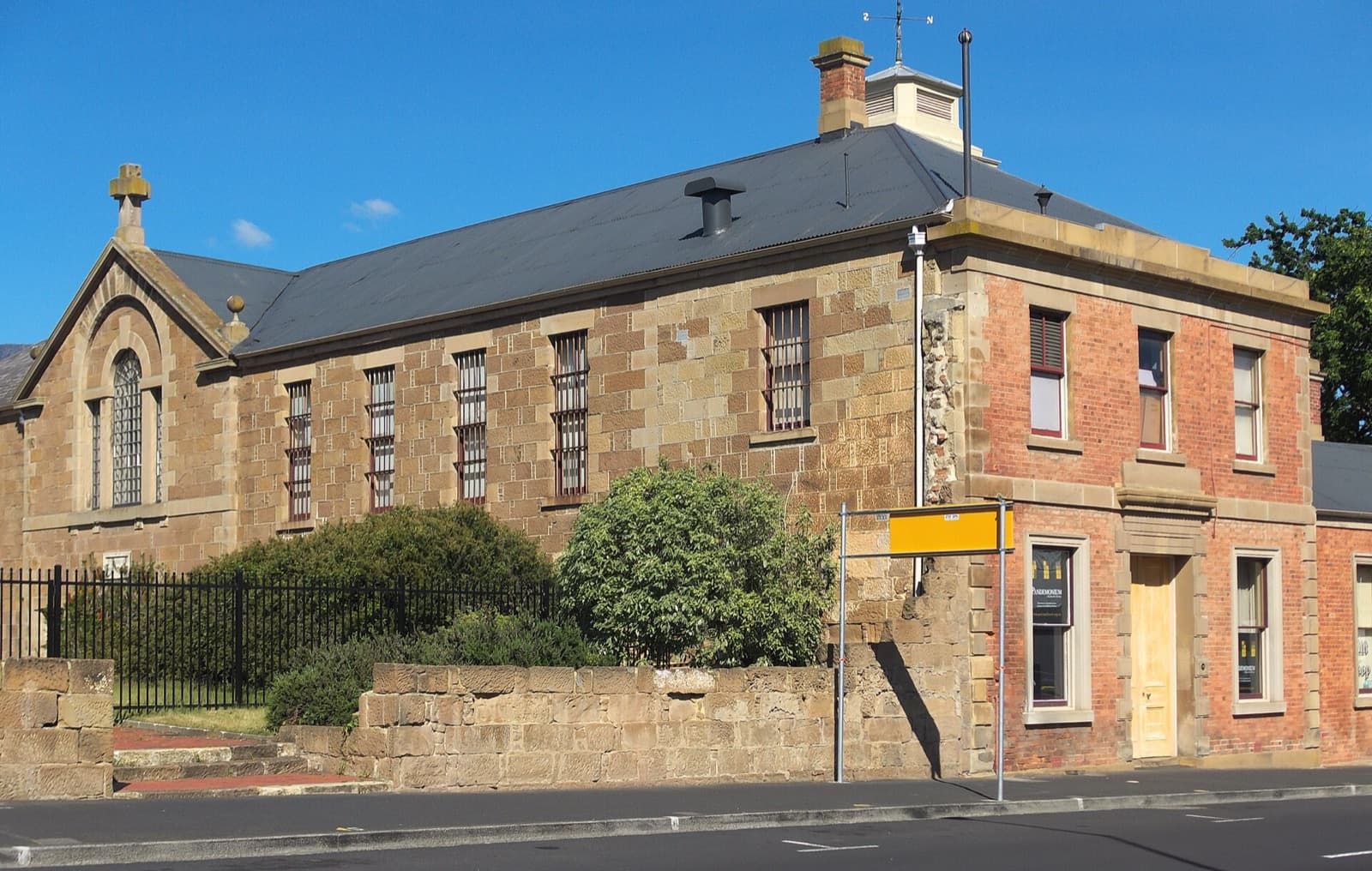
The Penitentiary Chapel: The Chapel Above the Cells That Became a Court
A convict chapel of the eighteen thirties, built over solitary punishment cells and later turned into criminal courts with a gallows, closing the walk on the moral floor of the whole scene.
Details
Best Time to Visit
Late morning is ideal, when the fishing docks are busy and the museum has opened, and the light comes clean off the Derwent. Summer, from December to February, is warmest and brings the Sydney to Hobart fleet in around the New Year, though it is also the busiest time on the waterfront. Spring and autumn are quieter and often lovely. Tasmanian weather is changeable in any season, so a bright morning is a safer bet than a cloudy afternoon.
Pro Tips
- •The walk is almost entirely level around the docks, with only one short gentle rise at the very end up to the Penitentiary Chapel, so it suits most paces.
- •General admission to the Tasmanian Museum and Art Gallery is free, so you can duck inside at the Commissariat Store stop and come back to the route whenever you like.
- •The Penitentiary Chapel interior is seen on a paid guided tour run by the National Trust; check its times ahead, or simply take the building from the street if you prefer to keep moving.
- •Constitution Dock is at its most alive around the New Year, when the Sydney to Hobart fleet finishes; if you want the quiet working port instead, come on an ordinary weekday morning.
- •Sit on the dock edge and let stops be as short as you like; every stop here is skippable and the route reads just as well if you linger at two and pass by a third.
- •Bring a layer and something waterproof even on a fine morning, as the weather off the river can turn quickly.
Safety & Precautions
- •The final stretch up to the Penitentiary Chapel is a short rise on ordinary footpaths; take it slowly if steps or slopes are difficult for you.
- •Tasmanian weather off the Derwent is cool and changeable in any season, so carry a warm layer and a waterproof and be ready for wind on the exposed dock edges.
- •The Commissariat Store, the museum's Aboriginal galleries and the Penitentiary Chapel hold sober histories of the palawa people and of convicts and executions; keep a respectful quiet and treat these as places of real suffering, not spectacle.
- •Some sites, including the National Trust's Penitentiary Chapel tour and certain special museum exhibitions, charge entry in Australian dollars; keep valuables discreet in the busier waterfront crowds and take normal care near the open, unfenced dock edges.
Travel advisory: Exercise Normal Precautions (Level 1).
Gallery
Related Reading
Go deeper on what you'll see, hear, and walk through.
Overview
Best Self-Guided Walking Tours in Hobart (2026)
3 min
Overview
Hobart Travel Guide: How Many Days, Getting Around, Best Time and Safety
7 min
Overview
One Day in Hobart: A Walkable Morning-to-Evening Itinerary
7 min
Thematic
Best History Walking Tours in Hobart (2026)
2 min
Thematic
Hobart: The Convict Port That Became a Capital in Sandstone
7 min
Companion
The Commissariat Store: How Tasmania's Oldest Building Reads the Whole Convict Port
6 min
Deep dive
The Penitentiary Chapel, Hobart: A Church Built Over Punishment Cells
6 min
Read
What to Eat in Hobart: Oysters, Scallop Pie, and Dock Fish and Chips
8 min
Read the walk
The full story of Sullivans Cove: The Convict Port Where Hobart Began, in words. Prefer to listen? Play it narrated, from home or on location.
Introduction
Hobart, in Tasmania, in Australia, began on this water. Sullivans Cove was settled on the twenty-first of February, eighteen oh four, and around this harbour a convict port on the far edge of the world became the island's capital. This tour runs seven stops over roughly seventy-five minutes, an easy walk of about two and a half kilometres, almost all of it level along the docks, with one short gentle rise at the end.
The route follows the working waterfront: the old wharf where the town first took hold, the fishing docks where a great ocean race finishes each summer, the plain convict store that is the oldest building on the island, the convict-built customs house that became the parliament, the square and town hall of a colony that had decided it was a city, and the sombre chapel above the cells that became a court and a gallows. It is the story of a prison that turned into a capital.
This is the Country of the muwinina, the traditional owners of the Hobart area, and the wider island is the home of the palawa, the Tasmanian Aboriginal people, who have been here for tens of thousands of years and who survive today. Their history, including its gravest chapters, belongs on this walk and is told here plainly, never as spectacle.
This is your walk, at your own pace. Sit on the dock edge as long as you like, linger where the light is good, and skip any stop that does not hold you. There is no group forming up and no one steering you along. When you arrive at Hunter Street by the old wharf, begin with stop one.
1. Hunter Street and the Old Wharf: Where Hobart Town Took Hold
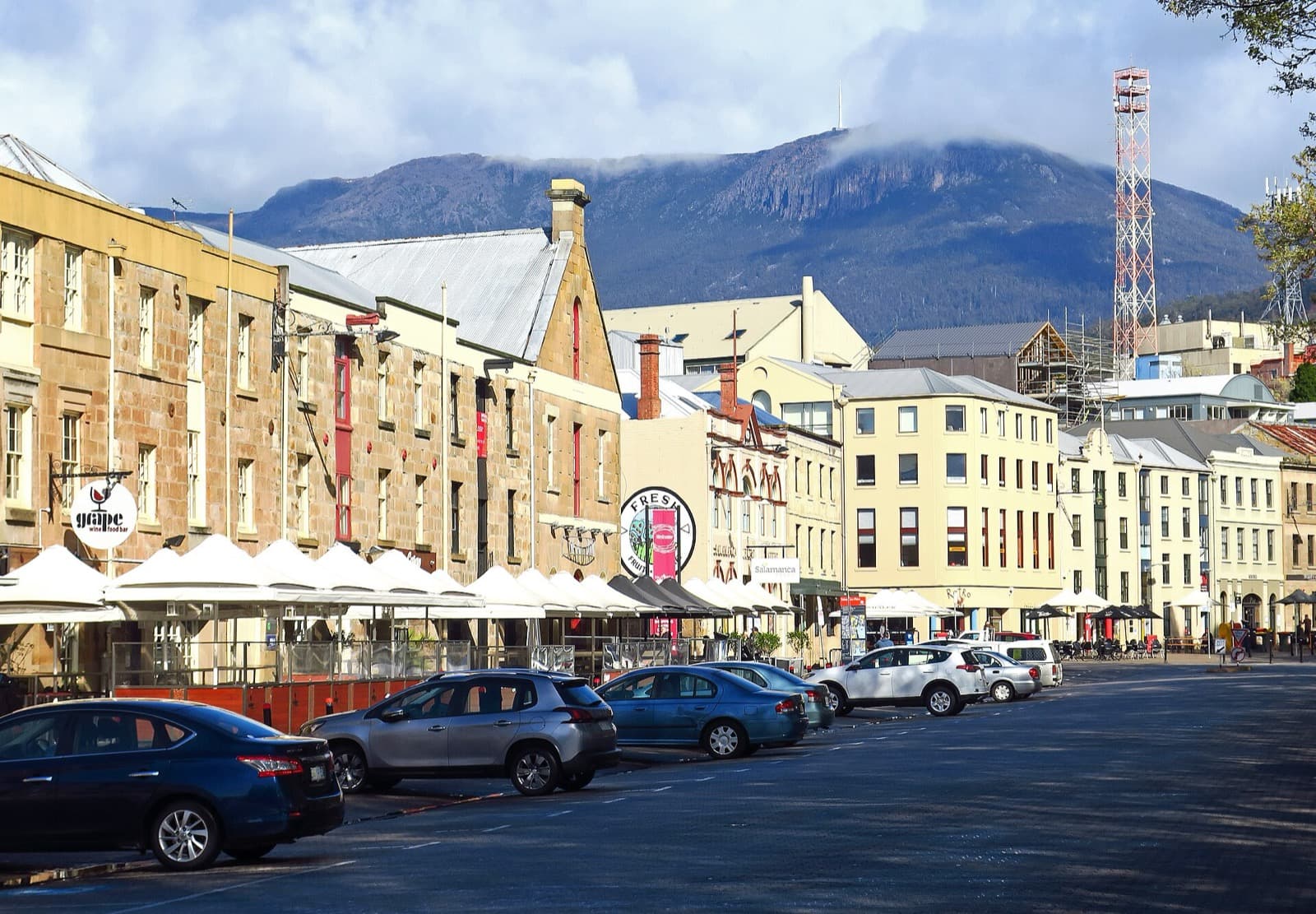
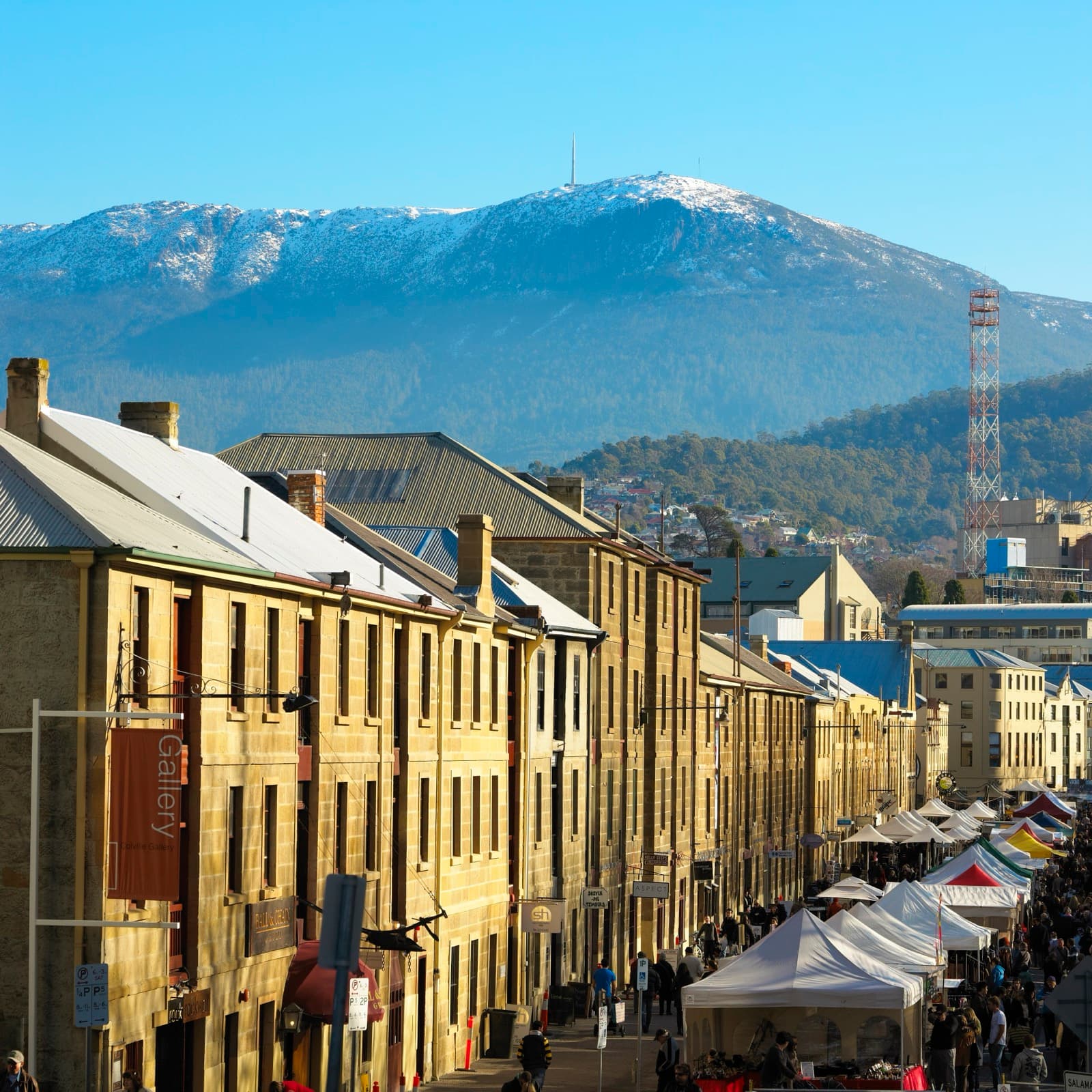
This low rise of stone by the water is where Hobart Town first took hold. Sullivans Cove was settled on the twenty-first of February, eighteen oh four, under Lieutenant-Governor David Collins, who came ashore by way of a rocky island then called Hunter Island. The causeway path he used became Hunter Street, the ground beneath your feet. The cove itself was named for John Sullivan, Under-Secretary for the Colonies. An earlier settlement of eighteen oh three at Risdon Cove, under John Bowen, had already been abandoned, so it was here, on this shore, that the town endured.
This is the Country of the muwinina, the traditional owners of the Hobart area, and part of the wider home of the palawa, the Tasmanian Aboriginal people, who have lived on this island for tens of thousands of years and who are living today. The British came to found a penal colony, and that fact sits under everything you will see this morning.
Hunter Island's partly cut-off position made it a natural place to keep stores. The row of austere Georgian sandstone warehouses along the street is among the oldest commercial building stock in the city. In eighteen sixty-nine, Henry Jones bought numbers thirty-one and thirty-three and built up his jam factory around them, the works that grew into Henry Jones and Company. Today the warehouses hold a university art school and a hotel behind their kept heritage faces.
There is no hurry here. This is your own quiet start on the docks, no group forming up. Take the light and the water at your own pace before the walk moves on around the cove.
2. Victoria Dock and Constitution Dock: The Fishing Docks Where a Great Race Ends
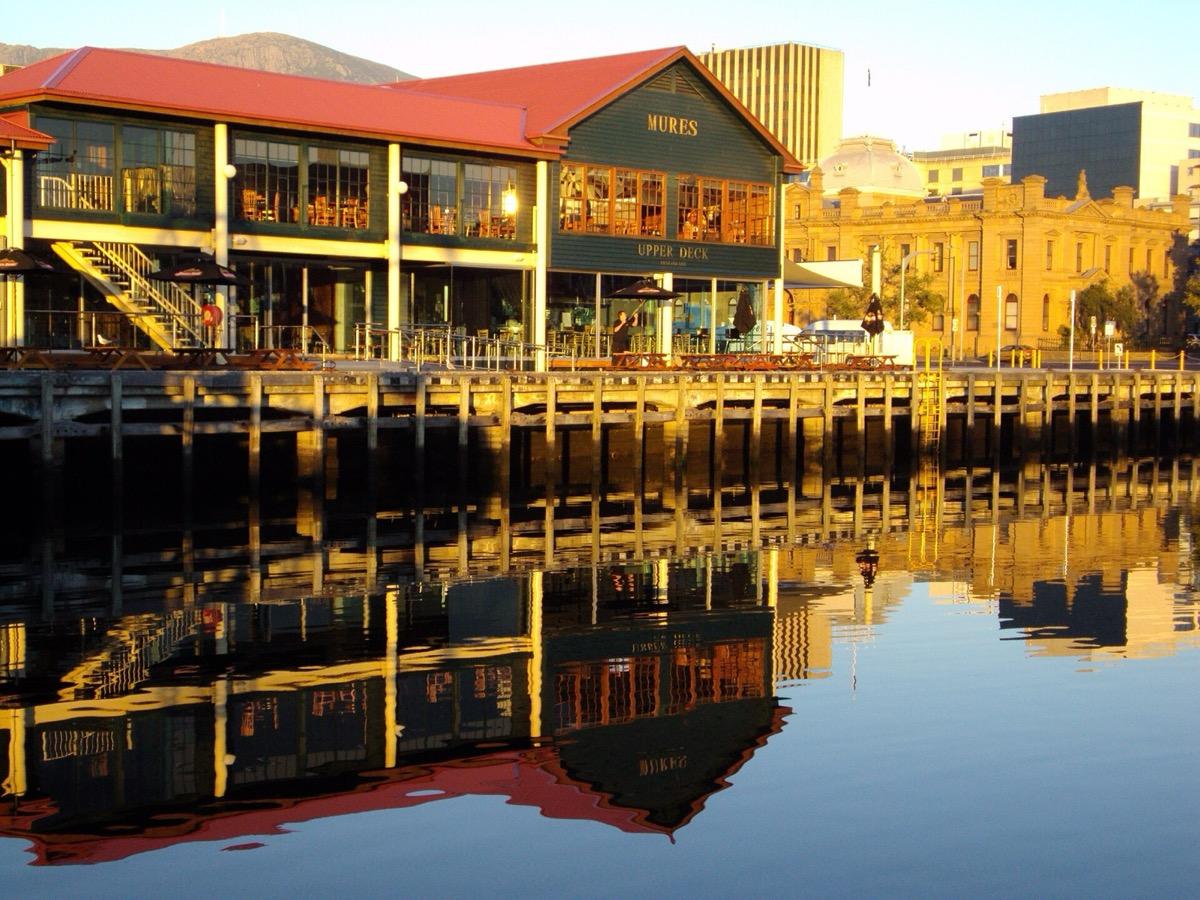
This water in front of you is a working port. Constitution Dock was begun in eighteen forty-seven under Lieutenant-Governor William Denison, who had overseen docks at Portsmouth, Woolwich and Bermuda before coming here. It was excavated and walled largely by convict labour, completed and opened on the third of December, eighteen fifty, and named for the Australian Constitutions Act of eighteen fifty. That places the cut precisely: not some vague nineteenth-century date, but three years of convict work between eighteen forty-seven and eighteen fifty.
Next to it lies Victoria Dock, off Franklin Wharf, the working fishing dock where the fleet ties up and floating punts sell the catch straight off the water. On an ordinary day this is a scene of ropes and gulls and diesel, the fish coming in, the boats nudging the wall.
Constitution Dock has one great annual moment. Since the very first race in December nineteen forty-five, it has been the finish line of the Sydney to Hobart Yacht Race. The fleet starts in Sydney on Boxing Day and the boats come in here around the New Year, so that for a few days this quiet dock fills with masts and crowds and the exhausted crews of a hard ocean crossing.
There is no schedule to keep here and no one moving you along. Stand at the dock edge for the light and the boats on your own clock, watch the punts, and go on around the water when you are ready. The next stop is the plainest and oldest building on the whole island.
3. The Commissariat Store: The Oldest Building in Tasmania
This plain, thick-walled store is the oldest surviving building in Tasmania. The Commissariat Store was built between eighteen oh eight and eighteen ten, only about six years after the settlement was founded. It was the convict colony's government store, holding food, clothing, convict and military uniforms, alcohol and armaments, the supplies that kept a penal outpost alive on the far side of the world. It was used to set the alignment of Macquarie Street, so the grid of the town was set from this very wall.
Today the store is folded into the Tasmanian Museum and Art Gallery, which tells the island's natural and human history. That history includes the story of the palawa, the Tasmanian Aboriginal people, and it must be told plainly. After British settlement, in the frontier conflict known as the Black War, from the mid-eighteen twenties to eighteen thirty-two, the Tasmanian Aboriginal people were brought close to destruction. Some six hundred to nine hundred Aboriginal people and more than two hundred colonists died. Truganini, born about eighteen twelve and wrongly called the last Tasmanian Aboriginal, died in Hobart on the eighth of May, eighteen seventy-six. Against her wishes, her skeleton was later put on public display at this museum until nineteen forty-seven, then held in its vaults, and only in nineteen seventy-six were her remains cremated and returned, as she had asked, near her birthplace.
The palawa people survive today. Their culture is living, not lost. Hold that as you stand at the root of the colony, at the oldest building on the island.
General admission to the museum is free, so you can step inside at your own pace or simply stand with the old convict store from the street.
4. Parliament House: The Convict-Built Customs House That Became a Parliament
This handsome, honey-coloured building was not born to be a parliament. It was designed by the colonial architect John Lee Archer as the colony's Customs House. Formal construction, carried out mostly by convict labour, began on the third of January, eighteen thirty-five, and…
Full narration for this stop unlocks with the tour.
5. Franklin Square: The Square Where an Early Government House Stood
This calm, formal square holds a great deal of history under its lawns. Franklin Square was laid out as a park between eighteen sixty-three and eighteen sixty-six, on the site of the colony's Old Government House, the second such residence, which was built in eighteen seventeen…
Full narration for this stop unlocks with the tour.
6. Hobart Town Hall: The Sandstone Hall of a Colony That Decided It Was a City
This dignified sandstone building is the town's declaration about itself. The Hobart Town Hall had its foundation stone laid on the fourteenth of April, eighteen sixty-four, and was completed in September, eighteen sixty-six, its opening marked by a public holiday and a gala…
Full narration for this stop unlocks with the tour.
7. The Penitentiary Chapel: The Chapel Above the Cells That Became a Court
The walk ends here, up a short rise from the water, on the corner of Campbell and Brisbane Streets, at the moral floor beneath everything you have seen. This is the Penitentiary Chapel, part of the former Campbell Street Gaol, and it gathers the convict system into one grim,…
Full narration for this stop unlocks with the tour.