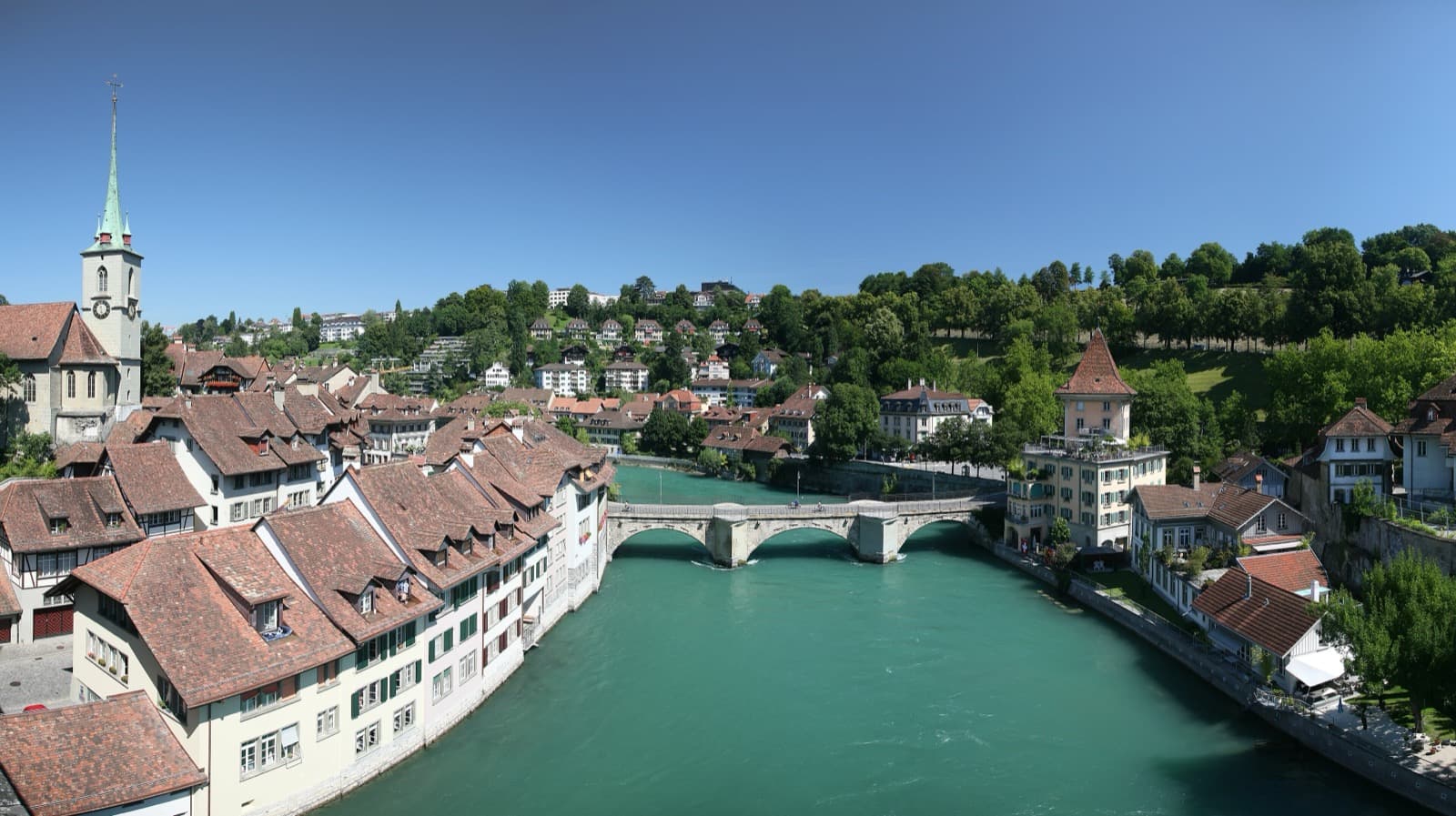
A walk that reads Bern two ways at once, as the federal city of Switzerland and the city of the bear, descending from the seat of a young nation to the very ground where a medieval duke founded the town, and across the old bridge to the living bears.
Start · Bundeshaus: The Federal Palace and Bundesplatz
DirectionsStops
- 1
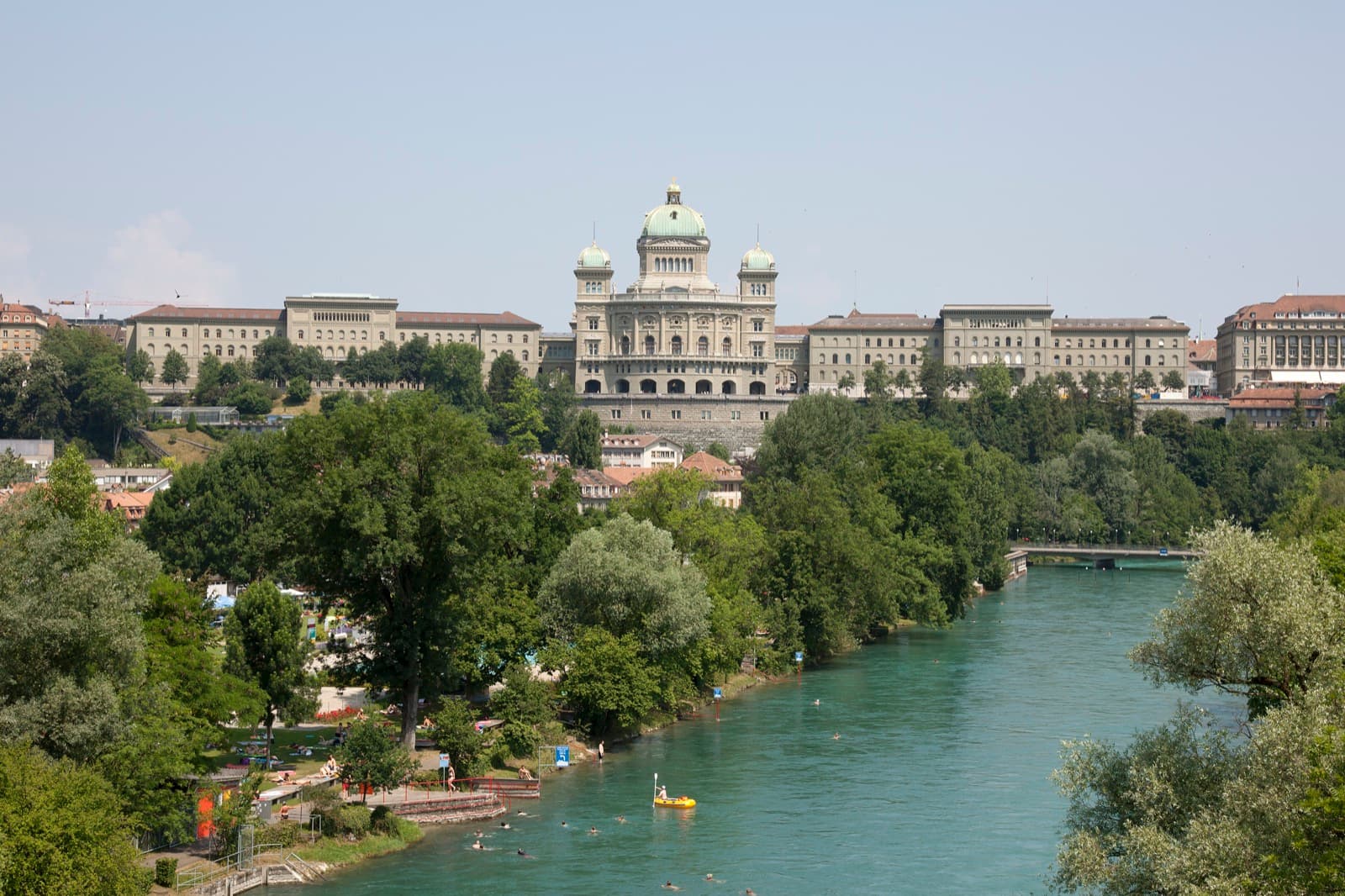
Bundeshaus: The Federal Palace and Bundesplatz
The seat of the Swiss parliament and government, raised above the river, with a square whose fountain counts the cantons one jet at a time.
- 2
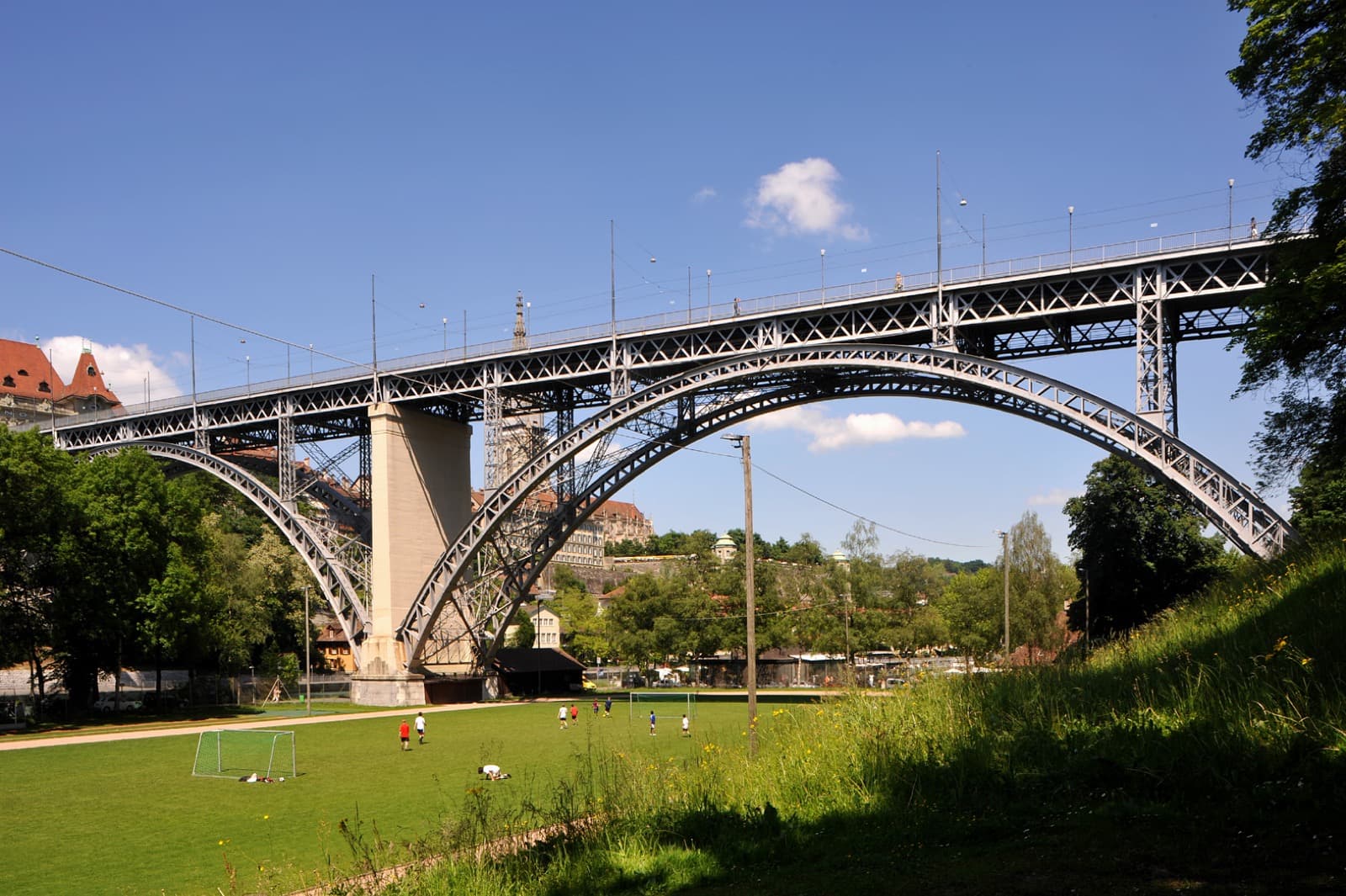
The Casino Terrace and the Kirchenfeldbruecke
A balustraded terrace by the Casino where the capital looks down on the green Aare. From here the capital also looks across to the far bank by way of a long steel bridge.
- 3
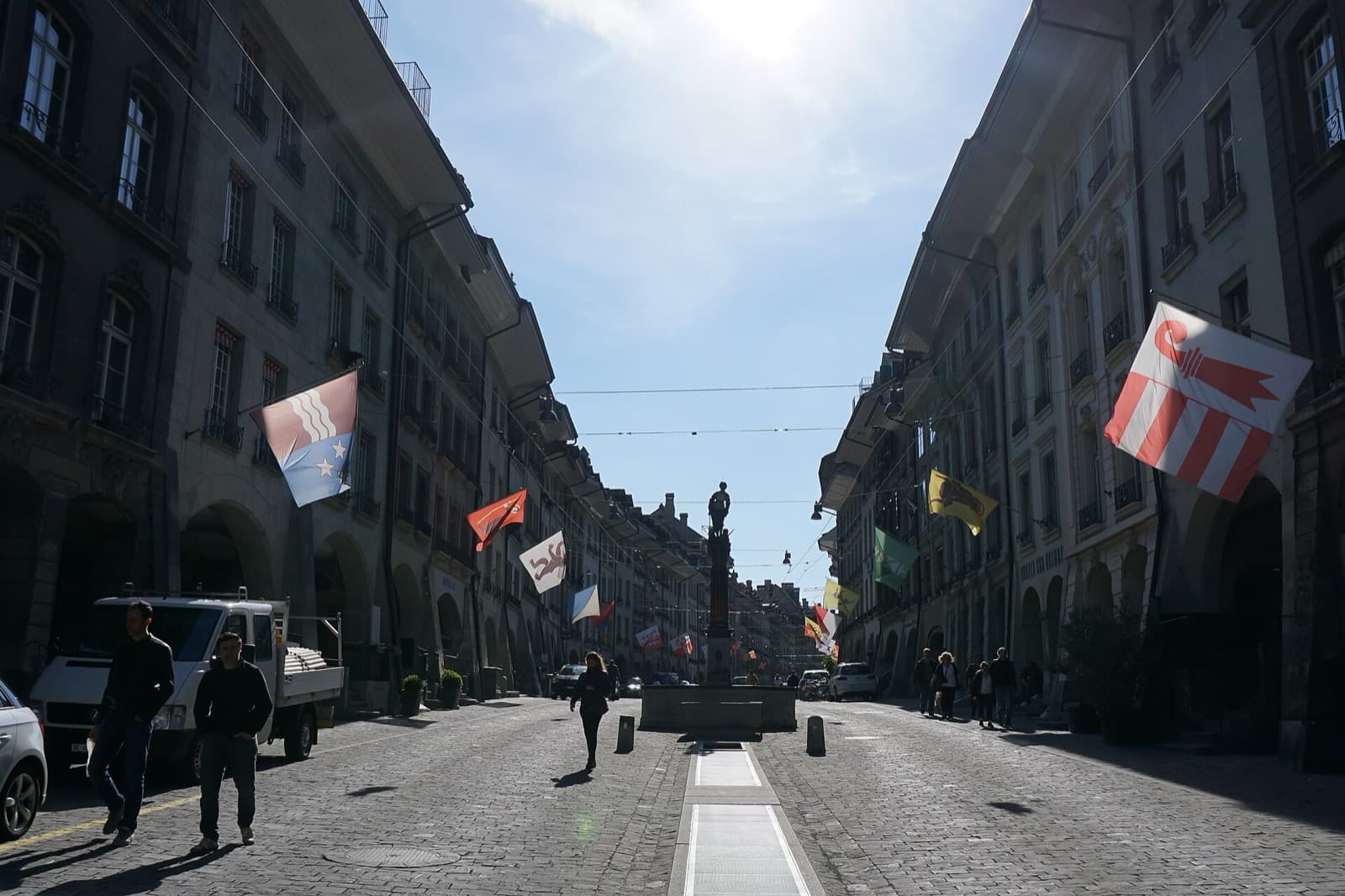
Gerechtigkeitsgasse: The Lower Old Town
These are the oldest and easternmost lanes of Bern. Arcaded, they step down toward the river past old fountains, in the direction the medieval town first grew.
- 4
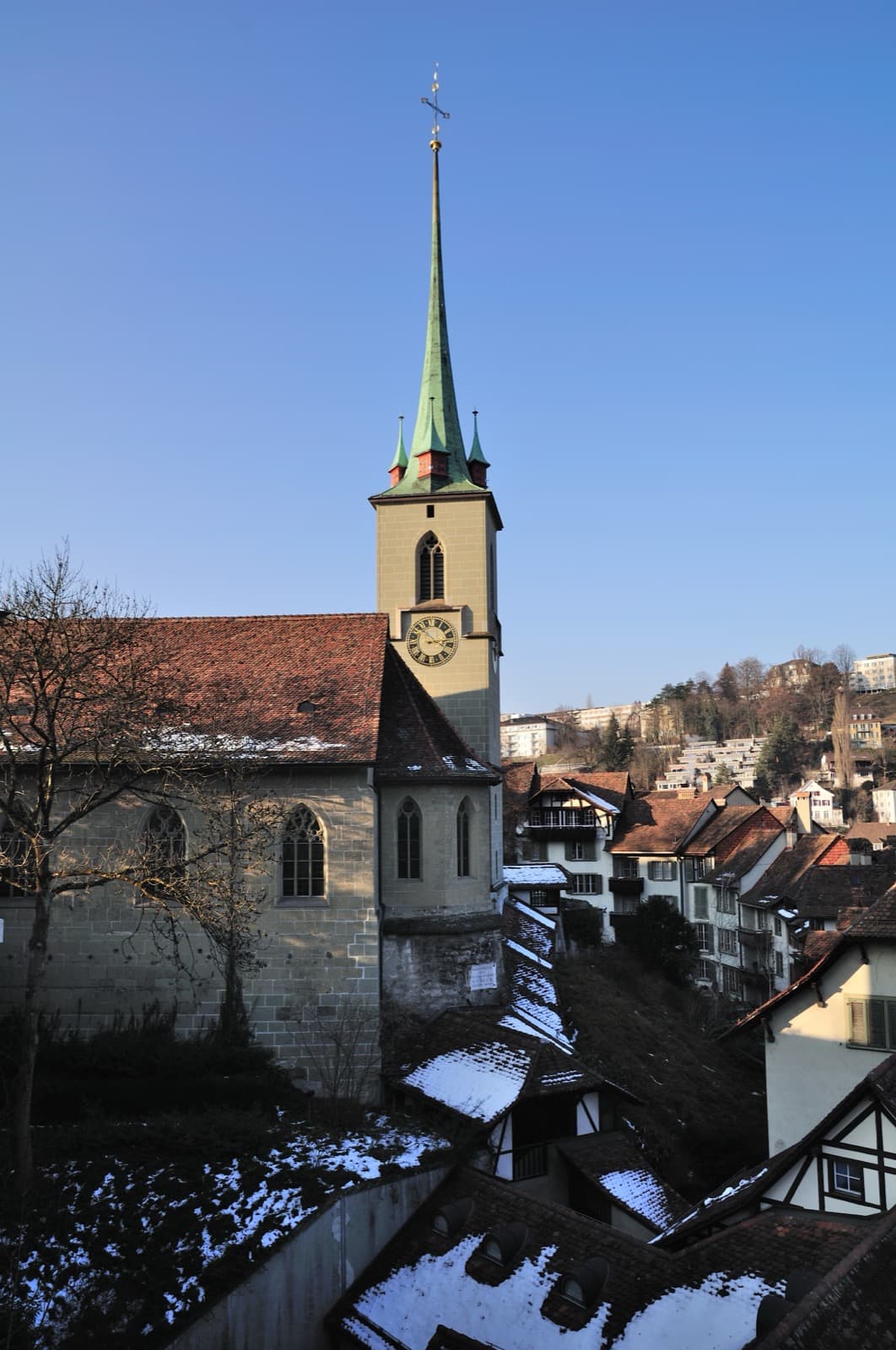
The Nydegg Church and the First Castle
A Gothic church at the eastern tip of the old town, standing on the ground of the vanished castle where, by tradition, the town of Bern was founded.
- 5
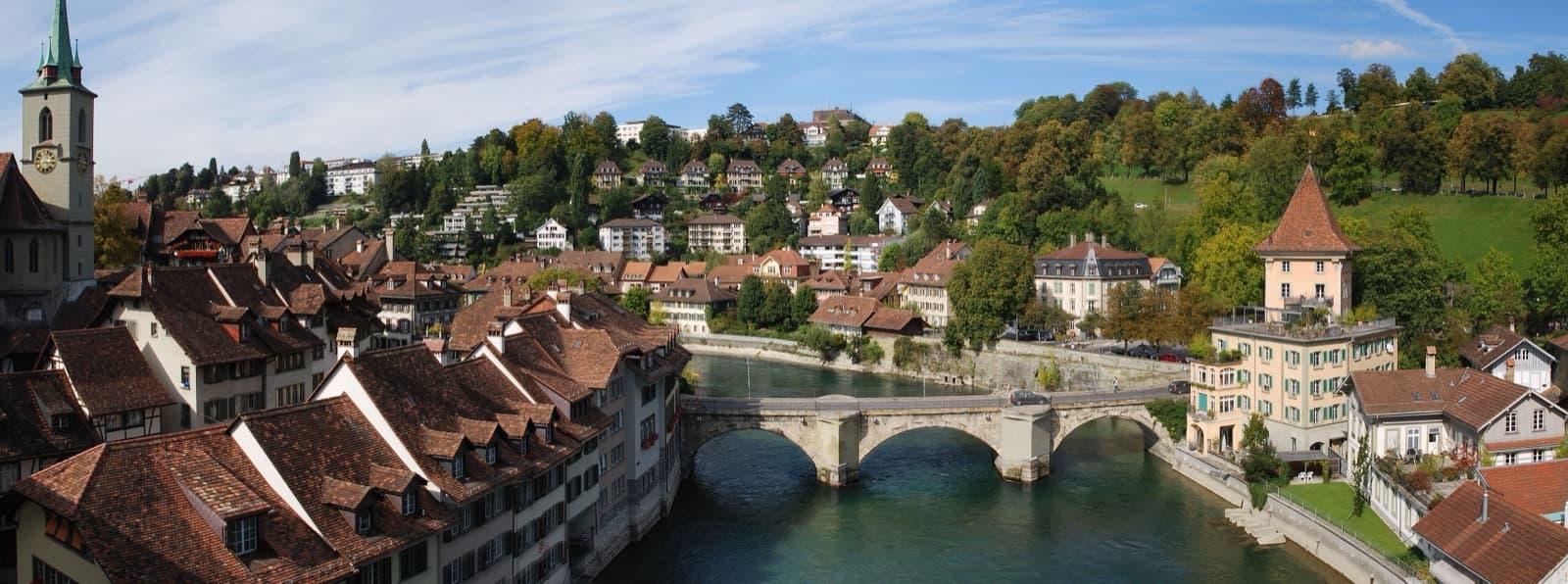
The Untertorbruecke: The Old Crossing of the Aare
The oldest of Bern's river bridges, a stone crossing at the foot of the Nydegg that was for centuries the city's only fixed way over the Aare.
- 6
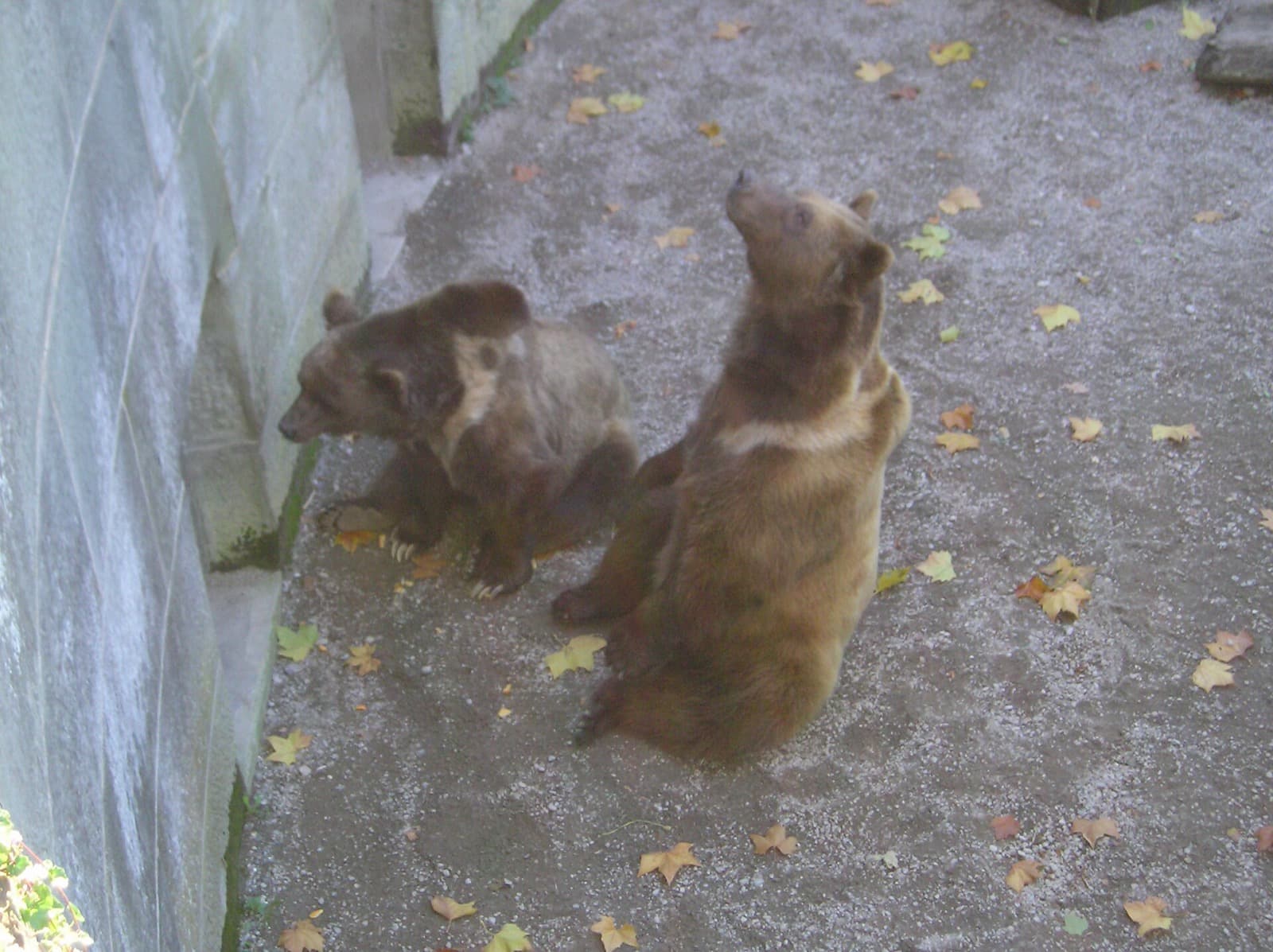
The BaerenPark: The Living Emblem
The riverside park on the far bank where Bern keeps its living bears, the emblem carried from the founding legend to the coat of arms and now to the water's edge.
- 7
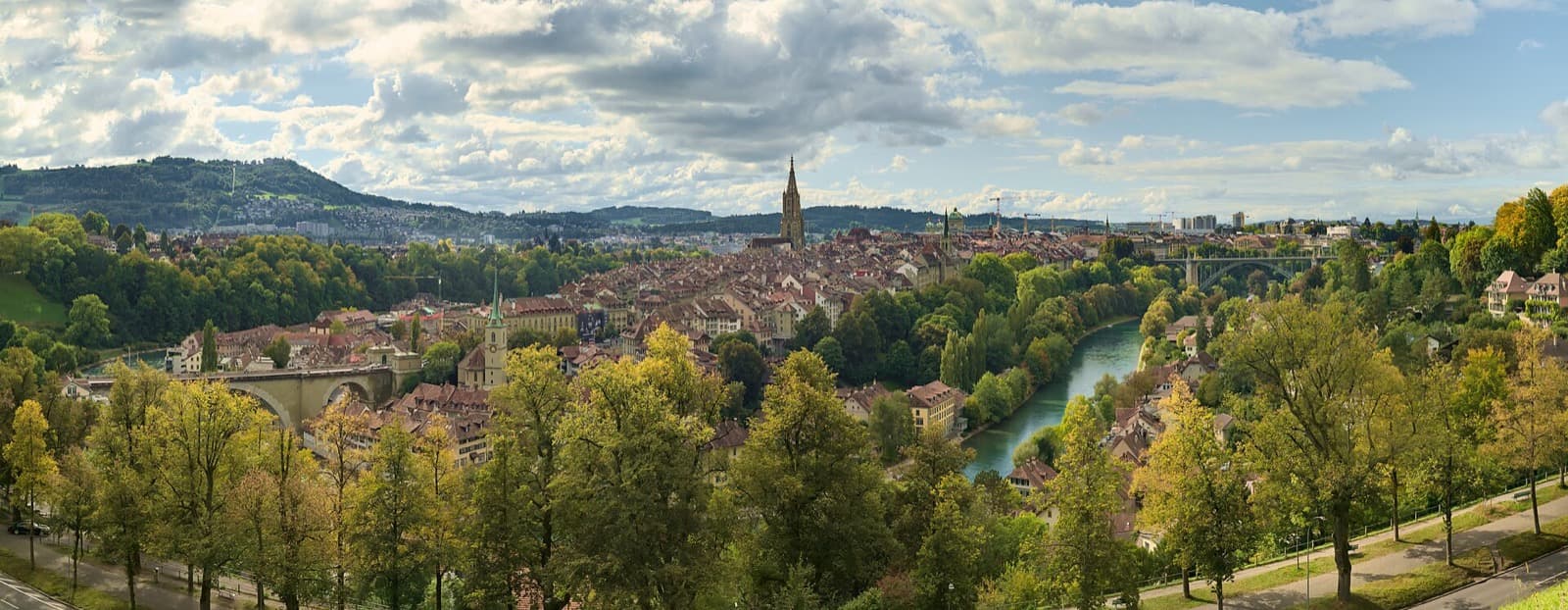
The Rosengarten: The City Curled in Its River
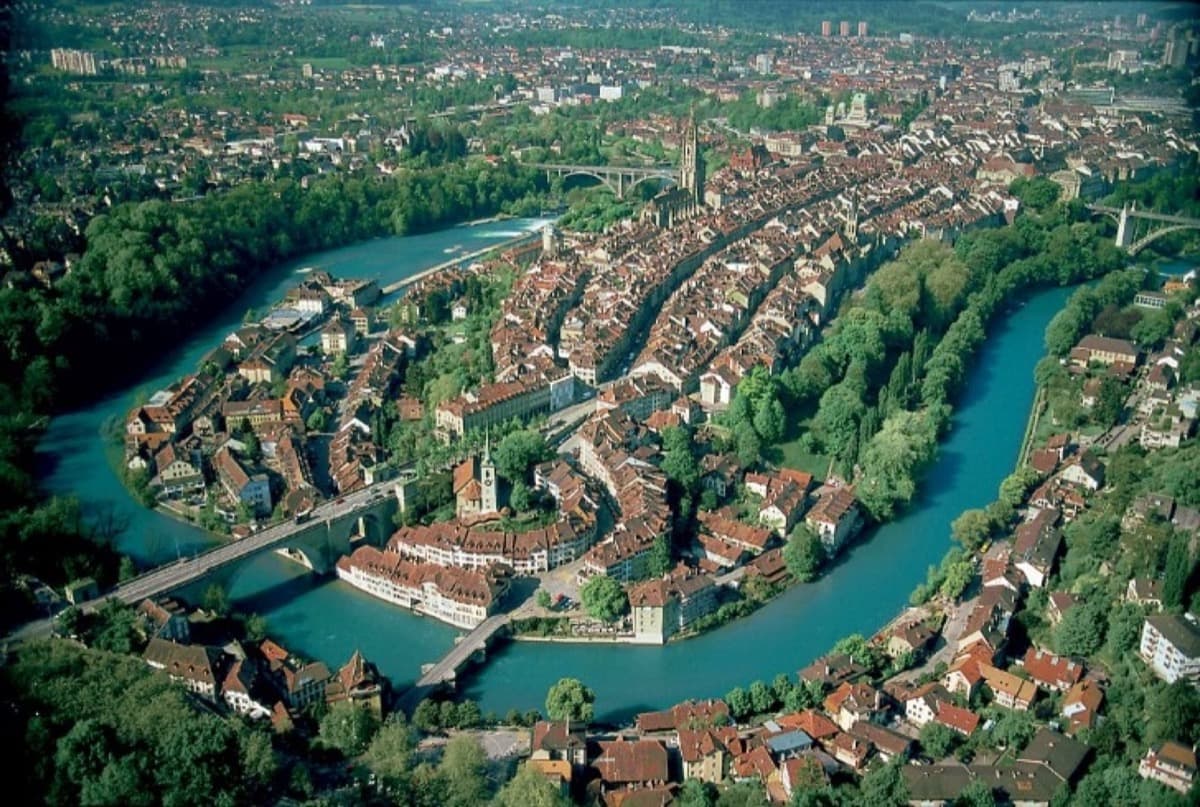
A rose terrace on the height above the bear park, giving the classic panorama of the whole old town of Bern curled inside the loop of the Aare.
Details
Best Time to Visit
Late morning through mid-afternoon suits this walk best, when the arcades are lively and the light falls into the river bend for the view from the Rose Garden. Spring and early summer bring the roses into bloom on the closing terrace, while a clear autumn day gives the sharpest panorama over the sandstone roofs. The Bundesplatz fountain plays in the warmer months, and a weekday keeps the lower old town calmer than a market Saturday.
Pro Tips
- •Wear shoes with grip. The old town is cobbled and steps down toward the river, and the final climb to the Rose Garden rewards the effort with the best view of the whole walk.
- •Start early or later in the day at the Bundesplatz to have the square and its fountain to yourself before the scheduled group tours arrive.
- •Follow the arcades when it rains. Bern's covered walkways run for kilometres, so you can move dry through most of the lower old town.
- •Carry Swiss francs and a card. Museums, towers and facilities charge in Swiss francs, not euros.
- •Save the Rose Garden for last and give yourself time on the terrace. The bench-and-panorama pause is the payoff, not a place to rush.
- •Cross the Untertorbruecke slowly and look back at the tip of the old town. From the far bank you see the spur where the whole city began.
Safety & Precautions
- •The old-town streets are cobbled and slope toward the river, and the climb to the Rose Garden involves steady steps. Take the descents carefully in wet weather.
- •The River Aare runs fast and cold. It is a strong current, so admire it from the bridges and banks and do not attempt to enter the water unless you know it well.
- •Working churches such as the Nydegg Church ask for modest dress and quiet during opening hours and services. Keep voices low inside.
- •Alpine weather changes quickly. Carry sun protection and a light waterproof, and keep valuables discreet in the busier squares and on the bridges.
Travel advisory: Exercise Normal Precautions (Level 1).
Gallery
Related Reading
Go deeper on what you'll see, hear, and walk through.
Overview
Bern Travel Guide: How Many Days, Getting Around, Best Time, and Safety
6 min
Overview
Best Self-Guided Walking Tours in Bern (2026)
4 min
Overview
One Day in Bern: A Walkable Morning-to-Evening Itinerary
6 min
Thematic
Best History Walking Tours in Bern (2026)
2 min
Thematic
Reading Bern: The Sandstone City Built to One Rule
7 min
Companion
The Federal Palace and Bundesplatz: Where Bern's Two Stories Share One Rock
7 min
Deep dive
BaerenPark in Bern: How a Founding Legend Became Living Bears
7 min
Read
What to Eat in Bern: Dishes, Origins, and How to Order
7 min
Read the walk
The full story of Bundeshaus: The Bear and the Federal City, in words. Prefer to listen? Play it narrated, from home or on location.
Introduction
Two ideas run through this walk at once. Bern is the federal city of Switzerland, the seat of its parliament and government, and Bern is the city of the bear, whose emblem runs from a founding legend to the living animals across the river. This tour holds both. It has seven stops, covers about two kilometres, and takes around eighty-five minutes at your own unhurried pace, with no group and no schedule to keep. You set the speed. Bern's arcaded old town is heavily packaged into scheduled group tours, so the quiet luxury here is simply your own clock. Linger under the arcades, pause on the old bridge, and sit with the river as long as you like. By tradition the town was founded around eleven ninety-one by a duke of the House of Zaehringen, whose castle stood on the rocky spur inside the great bend of the River Aare. In eighteen forty-eight Bern became the federal seat of the young Swiss federal state, and a palace was raised above the water to house its parliament. The route begins at that palace and its square, turns to the river and the height the capital sits on, then descends through the oldest lanes toward the tip of the spur where the town began. From there it crosses the oldest bridge to the bears, and climbs to a rose terrace where the whole sandstone city is seen curled inside its river. When you arrive at the Bundesplatz in front of the Federal Palace, begin with stop one.
1. Bundeshaus: The Federal Palace and Bundesplatz
You are standing before the Bundeshaus, the Federal Palace, the seat of the Swiss parliament and government. The central parliament building was built between eighteen ninety-four and nineteen oh two, to plans by the architect Hans Wilhelm Auer, and it was inaugurated on the first of April, nineteen oh two. Its copper dome, weathered to a soft turquoise, rises sixty-four metres over the city. Under it sit the two chambers of the Federal Assembly, the National Council and the Council of States, together with the Federal Council, the executive. The building stands right at the edge of the ridge, above the River Aare, so that a nation's parliament looks out over the water that wraps the old town. In front of you is the Bundesplatz, the federal square. Until quite recently this open space was a car park. In the redesign of two thousand and four it was given a fountain of twenty-six water jets, one for each of the twenty-six Swiss cantons, rising up to about seven metres on a warm day. Children run through it in summer. It is worth knowing why Bern holds this role at all. The city became Switzerland's federal seat, its federal city, on the twenty-eighth of November, eighteen forty-eight, chosen by the Federal Assembly of the young federal state. That is the young half of this story. The old half waits downhill, at the tip of the spur where the town began seven centuries earlier. Take your time in the square. When you are ready, we walk east along the ridge toward the river and the height the capital sits on.
2. The Casino Terrace and the Kirchenfeldbruecke
From this balustraded terrace by the Casino, the whole reason for the city's shape opens up below you. Bern sits on a high ridge inside a hairpin loop of the River Aare, and from here you look straight down to the green water and across to the wooded far bank. The Casino here is a concert-hall building, not a gambling reference, so treat it simply as the landmark that names this terrace. Reaching across the valley is the Kirchenfeldbruecke, the Kirchenfeld bridge, and bruecke means bridge. It was built between eighteen eighty-one and eighteen eighty-three and opened in September of eighteen eighty-three, a steel arch bridge running about two hundred and twenty-nine metres from the old town to the district on the far side. There is a small piece of hidden history in that bridge. It was financed by the English-run Berne Land Company, which had bought land on the far bank and wanted to develop the Kirchenfeld district. To sell those plots, the company first had to connect them to the old town, so a private English concern paid for one of the capital's great river crossings in the nineteenth century. Stand a moment with the height and the water. This is the beat of the walk where you feel the site itself, the reason a duke chose this spur in the first place. A city inside a river loop is naturally defended on three sides, with only the narrow neck of land to guard. The parliament behind you, the water below, the ridge under your feet: all of it follows the shape of the Aare. When you are ready, we turn back into the old town and begin the descent through its oldest streets toward the tip of the spur.
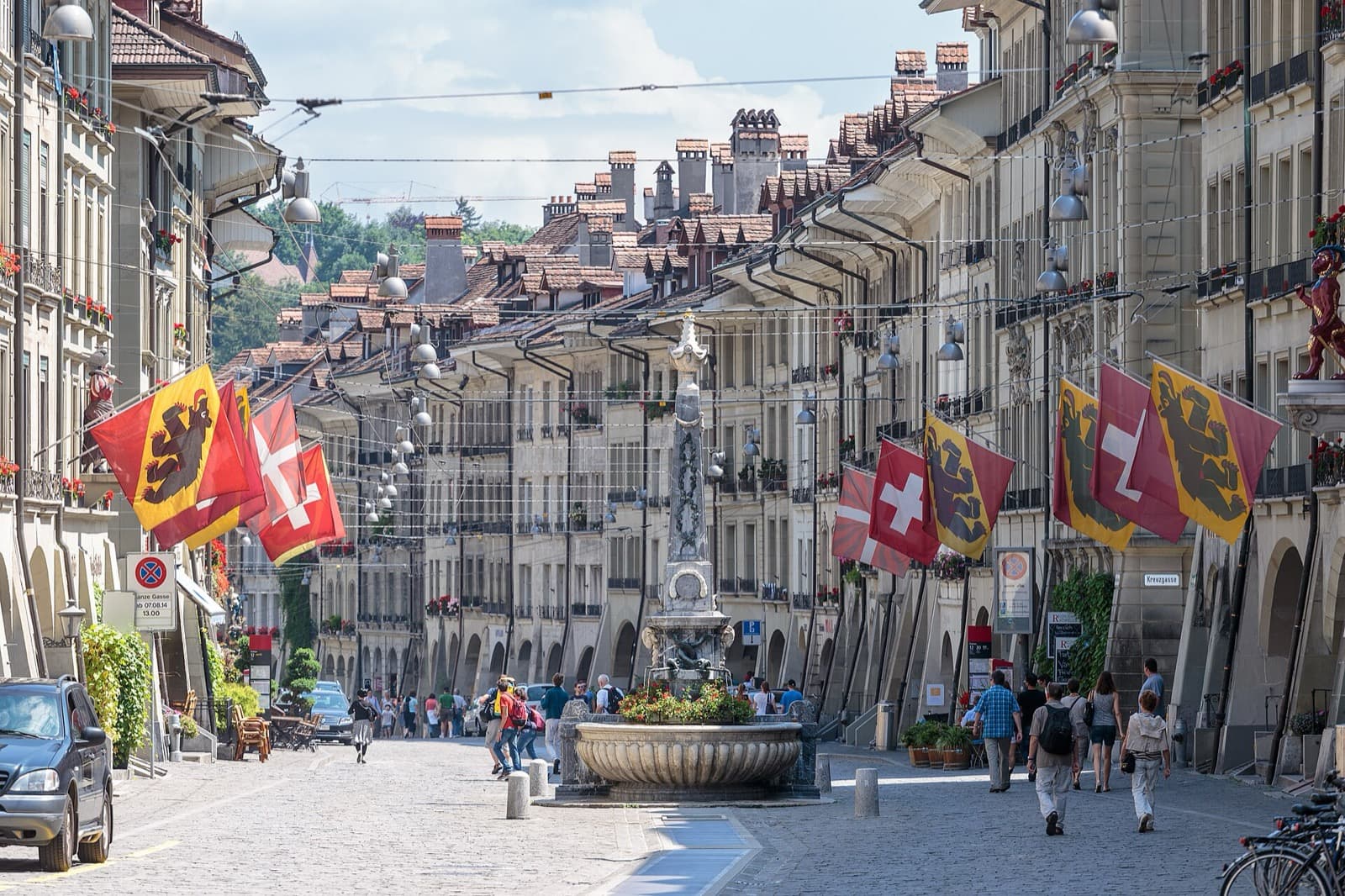
3. Gerechtigkeitsgasse: The Lower Old Town
You are now on the Gerechtigkeitsgasse, and gasse means lane. The name means roughly the lane of justice. This street, together with the Nydeggasse below it, forms the lower old town, the oldest and easternmost part of Bern, nearest the tip of the spur. Notice how the arcaded street steps gently downhill toward the river, past the old stone fountains, in the direction the medieval town first grew outward from its beginnings. All of this compact old town was inscribed on the UNESCO World Heritage List in nineteen eighty-three. What UNESCO records is remarkable: the medieval plan in the bend of the Aare has stayed essentially unchanged since the twelfth to the fifteenth century. After a great fire in fourteen oh five swept through the town, it was rebuilt in the local sandstone that gives it its warm grey colour, and it kept its shape as it rebuilt. Some six kilometres of covered arcades run through these streets, so that a walker can move through much of the old town under shelter, out of rain or sun. As you go down this lane you will pass one of the tall Renaissance fountains for which Bern is known, a painted figure standing on a column above the street. These fountains carried the town's water and its civic pride at once. Take the descent at your own pace. There is no need to keep up with anyone. This is the turn of the walk: we are moving down through the oldest streets toward the birthplace of the town, the tip of the spur where a castle once stood. When you reach the end of the lane, where the street narrows toward a church, we arrive at the founding ground itself.
4. The Nydegg Church and the First Castle
This is the founding ground. The Nydeggkirche, the Nydegg Church, and kirche means church, is a Gothic church at the eastern tip of the old town. It stands on the exact spot where the town began. Here, about the year eleven ninety, stood the Nydegg castle of the dukes of the…
Full narration for this stop unlocks with the tour.
5. The Untertorbruecke: The Old Crossing of the Aare
You are crossing the Untertorbruecke, the lower gate bridge. In the name, unter means lower, tor means gate, and bruecke means bridge. This is the oldest of Bern's bridges over the Aare. In the stone form you are walking on now, it was built between fourteen sixty-one and…
Full narration for this stop unlocks with the tour.
6. The BaerenPark: The Living Emblem
Here is the living emblem of the city. The BaerenPark, the bear park, and baeren means bears, is the riverside home of Bern's living bears on the far bank of the Aare. The bear runs through everything you have seen today, from the founding legend at the Nydegg to the coat of…
Full narration for this stop unlocks with the tour.
7. The Rosengarten: The City Curled in Its River
This is the coda of the walk. The Rosengarten, the rose garden, and garten means garden, is a public park on the height above the bear park, and it gives the view that gathers the whole day into one image. From this terrace you look across to the entire old town of Bern, curled…
Full narration for this stop unlocks with the tour.