Altstadt: The Sandstone City in the River's Loop
75 min · 1 km · moderate
The food to eat in Bern is Bernese comfort cooking built for cold weather and farm work: the meat-heavy Berner Platte, buttery rösti, a slow-braised pot roast called Suure Mocke, holey Emmentaler cheese from the valley just east of the city, and, if you time it right, onion tart and onion soup at the November onion market. This is hearty, potato-and-pork country food, not fussy fine dining, and most of it comes with a documented local origin story. Below is what each dish is, where the tradition comes from, and how to order it without hesitating at the counter.
Berner Platte: the dish Bern is named for
If you eat one thing here, make it the Berner Platte, the meat platter that carries the city's name. It is a generous spread of separately cooked meats and sausages: smoked pork and beef, pork belly, bacon, sausage, and cuts like pork ears or tails, laid over juniper-flavored sauerkraut and served with potatoes and beans. It is not a stew. Each meat is prepared on its own and arranged together on one large plate, which is the whole point of the dish.
The origin is specific and local. According to the historical account, the Berner Platte dates to March 5, 1798, when Bernese forces defeated the French army at the Battle at Neuenegg. A victory meal had to be thrown together fast, in late winter, so the community pooled its preserved and cured supplies. Those durable winter foods, combined on one platter, became the template that survives today.
How to order like a local: this is a shared, sit-down meal, not a quick lunch. It is often listed for two people, portions are large, and you go in hungry. Ask whether the kitchen serves it year-round or only in the colder months, since some places treat it as a winter dish.
Rösti: the Bernese farmer's breakfast that became a national dish
Hear a stop from this walk
The Minster Terrace Over the Aare
Rösti is grated potato pressed into a pan and fried in butter or fat until it forms a golden crust. It began as a breakfast for farmers in the canton of Bern (and parts of neighboring Fribourg), a way to turn leftover boiled potatoes into fuel for a day in the fields. From that regional start it spread across the country and is now widely treated as an unofficial Swiss national dish.
Rösti also gave Switzerland one of its most-used cultural phrases: the Röstigraben, the "rösti ditch," a term for the language and cultural line between German-speaking and French-speaking Switzerland. Bern sits right on the German-speaking side of that line, which is part of why rösti is claimed so firmly here.
How to order it: rösti is usually a base or a side, not a solo plate. Common versions come topped with a fried egg, with melted cheese, or alongside meat. If you want the classic Bernese pairing, look for rösti served with a stew or with the pot roast below.
Suure Mocke, Emmentaler, and the cheese country next door
Suure Mocke is Bern's marinated pot roast: beef soured for several days in a vinegar-and-wine marinade, then slow-braised until it falls apart, typically served with rösti or potatoes. It is the kind of Sunday dish that rewards a slow lunch.
For cheese, Bern's signature is Emmentaler, the pale cheese famous for its holes. It takes its name from the Emme Valley in the canton of Bern, east of the city, where cheesemaking records go back to 1293. The name "Emmentaler" itself first appears in the record in 1542, and the cheese has carried protected AOP status since 2013. You will find it in shops, on cheese boards, and melted into rösti or fondue. Authentic Emmentaler AOP wheels are genuinely huge, historically made big so valley dairy farmers could pool their milk.
How to order: for cheese, the calm move is a covered market stall or a cheese shop rather than a restaurant, where you can point, ask for a small piece, and taste before committing.
Sweets: meringue, hazelnut Läckerli, and where the stories get fuzzy
For dessert, the regional benchmark is meringue with double cream, the crisp baked egg-white shell paired with thick cream. The dessert is tied by tradition to Meiringen, a town in the Bernese Oberland south of the city. One long-repeated account credits a confectioner named Gasparini with creating it there around 1600, though food historians dispute this and the supporting records were reportedly lost, so treat "invented in Meiringen" as a beloved legend rather than settled fact.
The other local sweet worth seeking out is the Berner Haselnusslebkuchen, a dense hazelnut cake associated with Christmas. A closely related Bernese sweet is first described as "Haselnussleckerli" in Lina Rytz's Neues Berner Kochbuch of 1835, so the recipe family is a genuinely old Bernese one rather than a modern gift-shop invention. The large rectangular cake sold today is a later form of those smaller Läckerli.
How to order: meringue and cream is a café or dessert-menu order. The hazelnut cake is seasonal and often sold in bakeries and shops, especially around the holidays, so ask by name if you do not see it out.
Time your visit for the Zibelemärit onion market
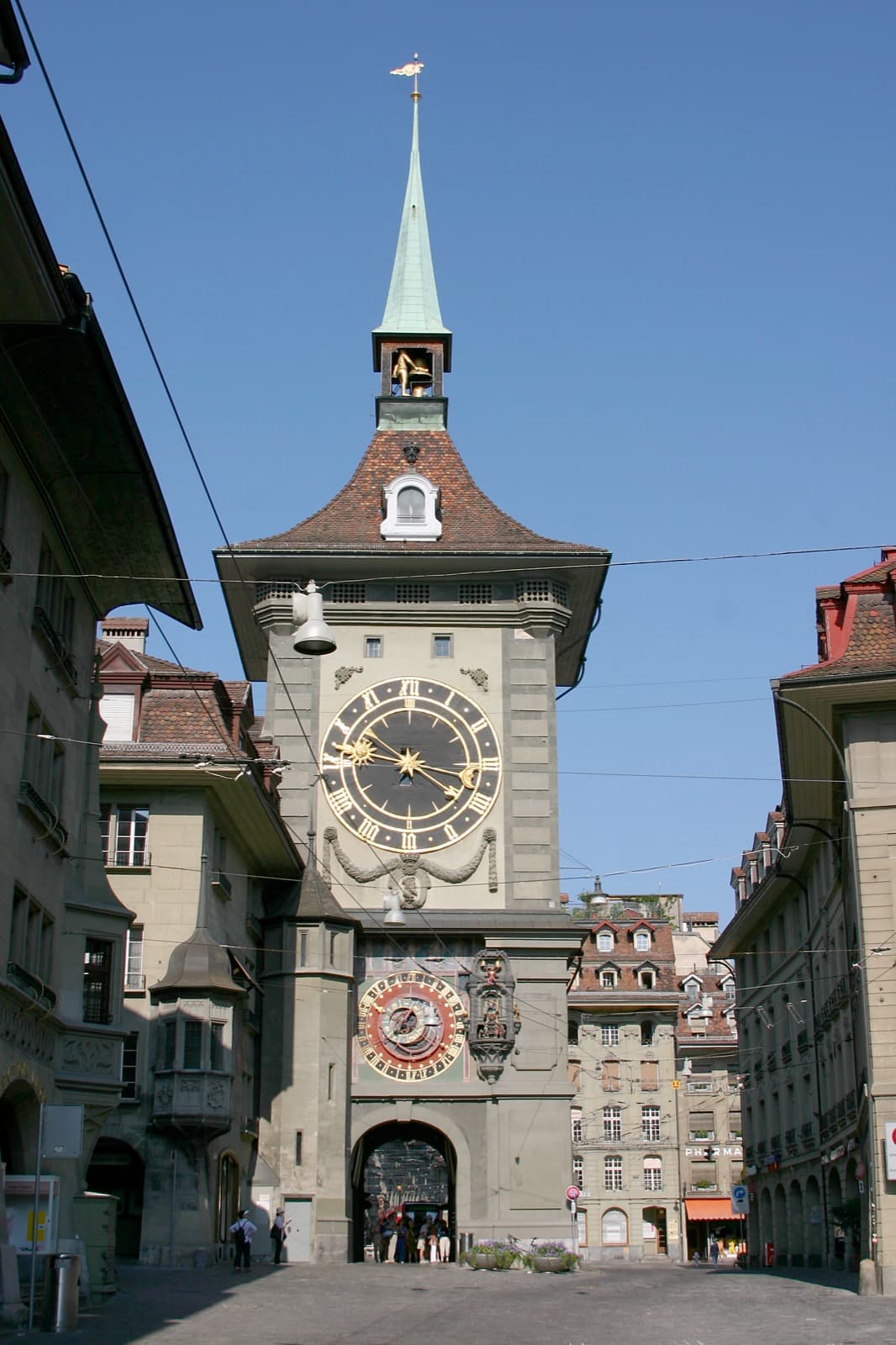
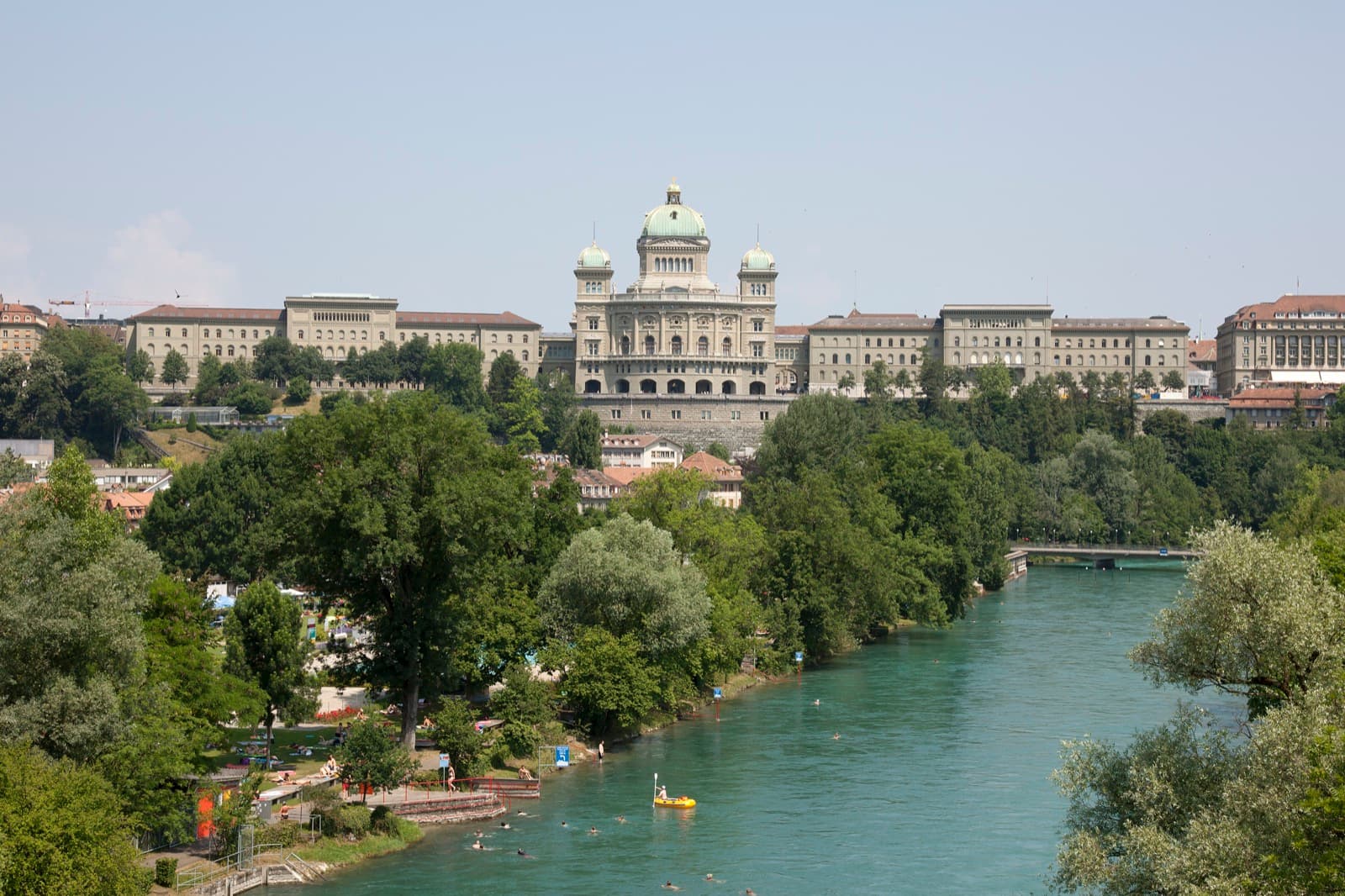
If you can be in Bern on the fourth Monday in November, the Zibelemärit (onion market) turns the city into one enormous food event. Farmers haul roughly thirty tons of onions and garlic into the federal capital and sell them, along with braided onion strings and onion sculptures, from stalls on the Bundesplatz square and through the streets between the Zytglogge clock tower and the train station. The whole center smells of onions.
The food to eat there is exactly what the market is built around: savory onion tart, onion soup, and hot mulled wine, plus sausages and other market fare. The folklorist Rudolf J. Ramseyer traced the market to the mid-19th century, describing it as a surviving remnant of the older St Martin's fair. Several colorful legends circulate about an even earlier origin, but the mid-19th-century link is the documented one.
Even outside November, the streets that fill with Zibelemärit stalls are the same arcaded lanes you walk on a self-guided tour. The Zytglogge, Kramgasse, and the Old Town spine described on the Bern walking tours run straight past the cafés and shops where these dishes are served, so pairing a tour with lunch is easy to plan.
Turn a food day into a walk
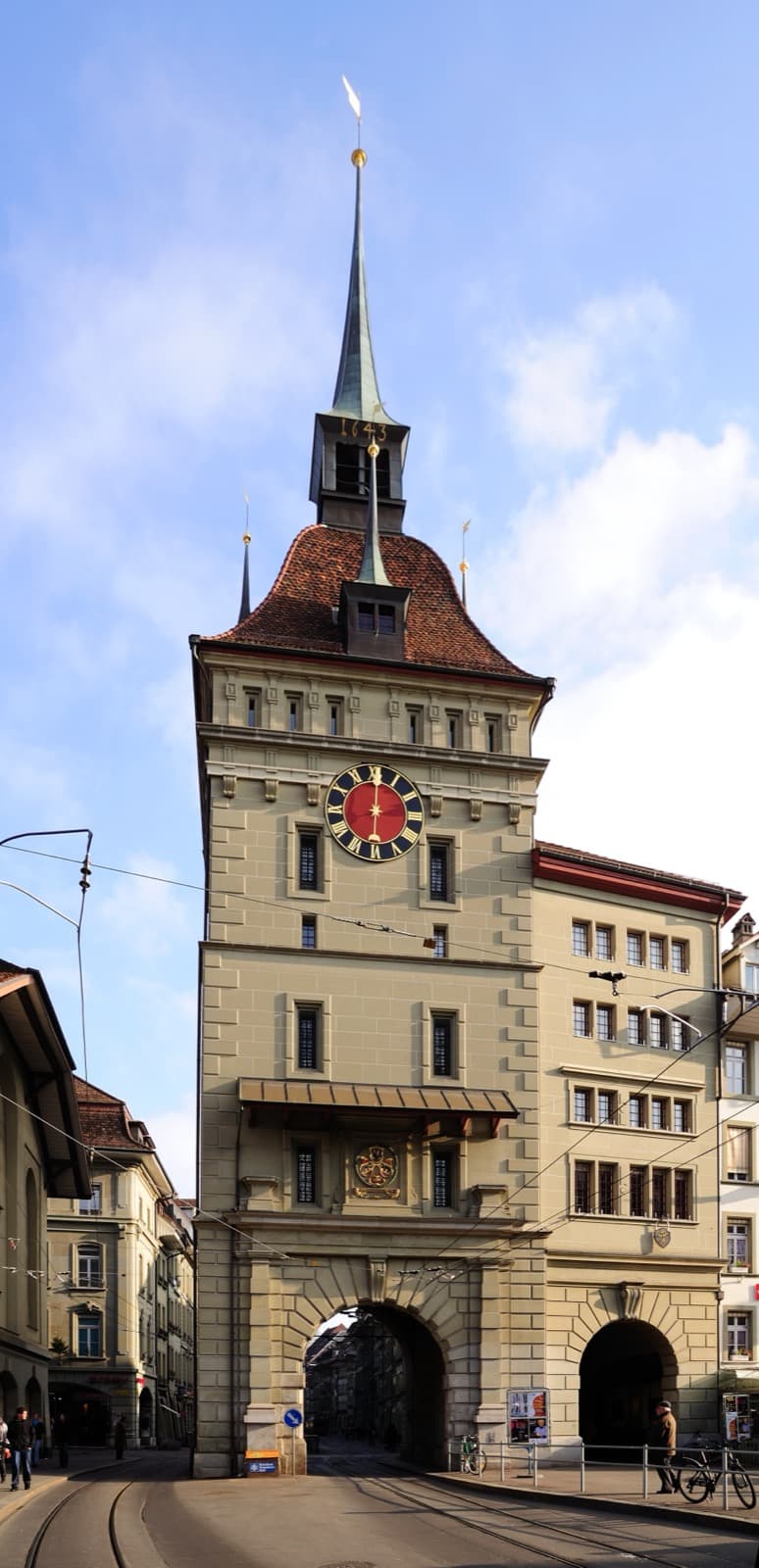
The simplest way to eat well in Bern is to build the day around the covered arcades of the Old Town, then let the audio tour tell you what you are walking past between bites. The Old Town route follows the sandstone arcades from the Prison Tower down through Kramgasse; the second Bern route drops from the Federal Palace to the riverside bears. Both start from the same medieval core where the restaurants, cafés, and market stalls cluster.
Plan the route and the stops on the Bern walking tours hub, or open the city page at /switzerland/bern to start a self-guided tour and eat your way along the arcades at your own pace.
Sources
Frequently asked questions
- What is the most traditional food to eat in Bern?
- The Berner Platte, the meat platter that carries the city's name, is the signature Bernese dish. It is a spread of separately cooked meats and sausages, including smoked pork and beef, pork belly, and bacon, served over juniper-flavored sauerkraut with potatoes and beans. According to the historical account it dates to a victory meal on March 5, 1798, after the Battle at Neuenegg.
- Where does rösti come from and how do you eat it in Bern?
- Rösti is grated potato fried into a crisp cake. It began as a farmers' breakfast in the canton of Bern and parts of Fribourg and is now treated as an unofficial Swiss national dish. In restaurants it is usually a base or side, often topped with a fried egg, melted cheese, or served alongside meat or a stew.
- What is the Zibelemärit and when is it held?
- The Zibelemärit is Bern's onion market, held every year on the fourth Monday in November. Farmers bring roughly thirty tons of onions and garlic to the Bundesplatz and the surrounding streets, and the food to try is savory onion tart, onion soup, and hot mulled wine. The folklorist Rudolf J. Ramseyer traced the market to the mid-19th century as a remnant of the older St Martin's fair.
- What cheese is Bern known for?
- Bern is the home region of Emmentaler, the pale cheese famous for its holes. It is named after the Emme Valley in the canton of Bern, where cheesemaking records go back to 1293, and the name Emmentaler first appears in the record in 1542. It has held protected AOP status since 2013. You can buy it at cheese shops and covered market stalls, or eat it melted into rösti and fondue.
- What sweets should I try in Bern?
- Two local sweets stand out. Meringue with double cream is a regional classic tied by tradition to the town of Meiringen in the Bernese Oberland, though its exact origin is disputed. The other is Berner Haselnusslebkuchen, a dense hazelnut Christmas cake; a similar Bernese sweet is first described as Haselnussleckerli in Lina Rytz's Neues Berner Kochbuch of 1835.
- Is Bern food expensive and how should I budget for it?
- Switzerland is a high-cost country and Bern restaurant meals reflect that, especially sit-down dishes like the Berner Platte, which is often portioned for two and priced accordingly. To keep costs down, buy cheese and market food from covered stalls, treat rösti as a filling main, and plan a self-guided walk around a single sit-down meal rather than several. Exact prices change, so check current menus before you go.
Ready to experience it?
Altstadt: The Sandstone City in the River's Loop
75 min · 1 km · moderate
More from Bern
Explore more at your own pace.
Bern Travel Guide: How Many Days, Getting Around, Best Time, and Safety
One Day in Bern: A Walkable Morning-to-Evening Itinerary
The Federal Palace and Bundesplatz: Where Bern's Two Stories Share One Rock
The Zytglogge: How Bern's First City Gate Became a Clock

BaerenPark in Bern: How a Founding Legend Became Living Bears