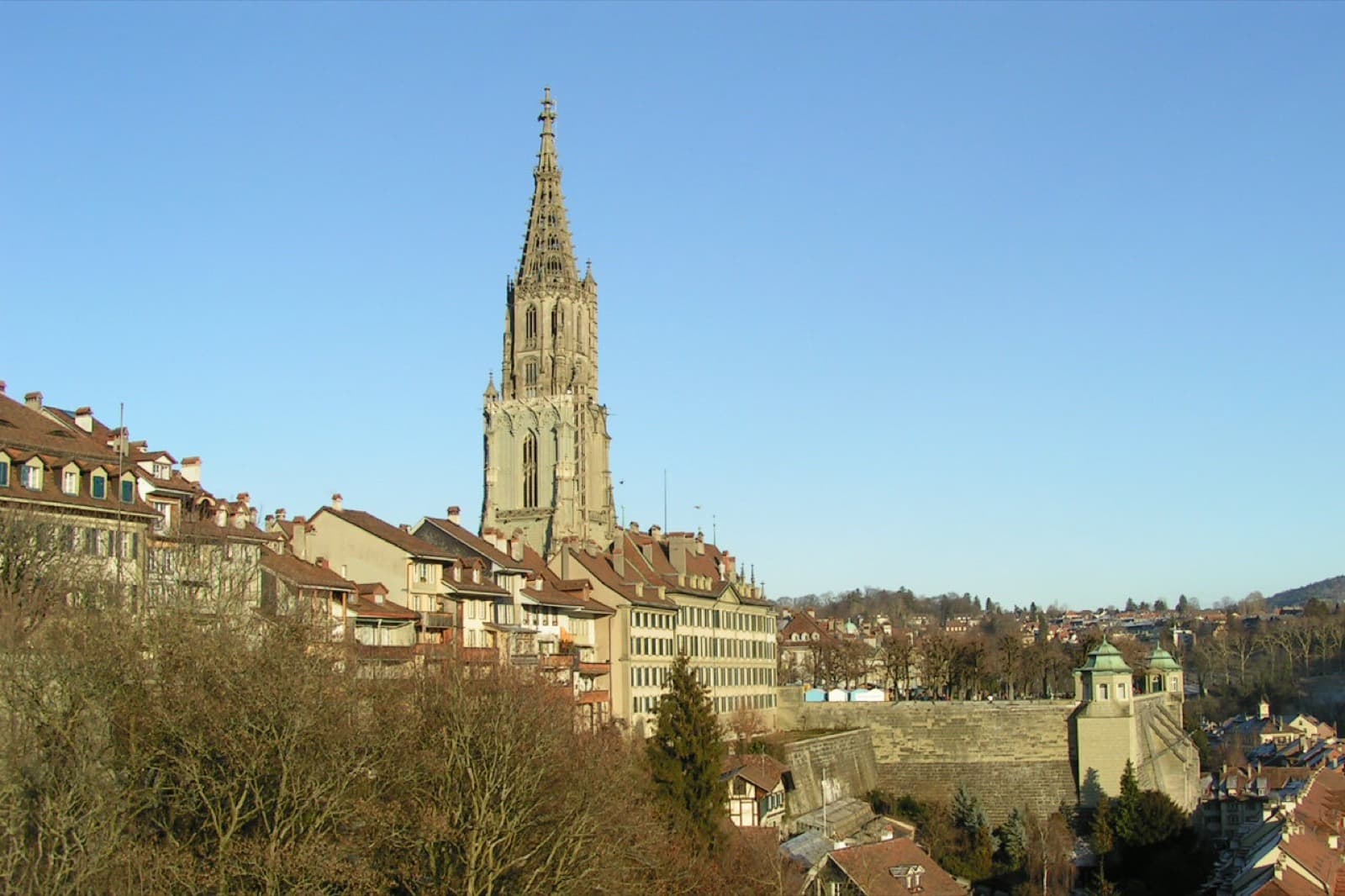
Bern Minster is at once the tallest gesture in a city built of green sandstone and a survivor that carries the mark of the day Bern changed its faith. Construction began on the eleventh of March, 1421, and the tower was not completed until 1893. The spire stands 100.6 metres high, making this the tallest cathedral in Switzerland. Yet the single most important thing to understand while standing in front of it is not its height. It is the crowded carved scene above the main door, a Last Judgement that was the only set of statues in the whole minster to survive the Reformation's stripping of images. To read those two facts together, confidence and survival, is to read the church correctly.
A cathedral built across four and a half centuries
The minster you see replaced a twelfth-century predecessor that had grown too small for a wealthy, expanding town. The man who began the new building was Matthäus Ensinger, a master builder from Strasbourg who had already worked on other great churches before he arrived in Bern. He set the plan in 1421 for a monumental late-Gothic hall dedicated to Saint Vincent, and then, as with almost every cathedral of its kind, the work outlived him.
Construction went on in fits and starts across generations. The nave and the body of the church were largely in place by the middle of the sixteenth century, under a succession of architects who followed Ensinger. The bell tower, though, was a much longer story. Its upper stages and spire were not finished until 1893, more than four and a half centuries after the first stone. When you look up at the openwork stone crown of the tower, you are looking at nineteenth-century work completing a fifteenth-century design, which is why the whole building reads as ambitious and patient at the same time. This was never a rushed monument. It was a project the city carried, set down, and picked up again for four hundred and seventy years.
Inside that tower hangs the reason Bern claims another superlative. The great bell, the Grosse Glocke, was cast in 1611 and weighs 9,940 kilograms, the largest bell in Switzerland. It is the heaviest of the minster's peal and still rings for the city's major occasions.
The portal that came through the image-breaking
Hear a stop from this walk
The Minster Terrace Over the Aare
Now to the portal, and the sober history it holds. Look closely at the central main door before you do anything else. It carries a vivid carved Last Judgement: ranks of the saved rising on one side, the damned driven down on the other, worked in the same green sandstone as the city around it. This ensemble was created by the sculptor Erhart Küng, who came from Stadtlohn in Westphalia and did the work most likely between 1460 and 1480.
What makes the portal matter is what happened in the next century. The Reformation reached Bern in 1528, when a Protestant service was first celebrated in the minster itself. Reform in this city meant iconoclasm, the deliberate and systematic removal of images from the churches, because the reformers held that carved and painted figures led people into idolatry. Across the minster, statues came down. And yet the Last Judgement over the main door was left in place. These portal sculptures were the only statues in the entire minster to survive that image-breaking.
That fact is worth stating plainly, because it changes how you look at the door. Almost every other carved figure in the church was removed or destroyed as Bern remade what it believed, and this one dense, populated scene came through intact. Stand at the portal long enough to notice the scale of it: the arrangement holds roughly 170 smaller original figures, the fine medieval carving that the iconoclasts spared. The 47 large freestanding statues you see are replicas, since the surviving originals are now kept in the Bern Historical Museum for protection, but the small figures woven through the tympanum are the genuine fifteenth-century work. You are looking at the one place in the building where the medieval imagination and the Reformation both left their fingerprints on the same stone.
Reading the church against the city
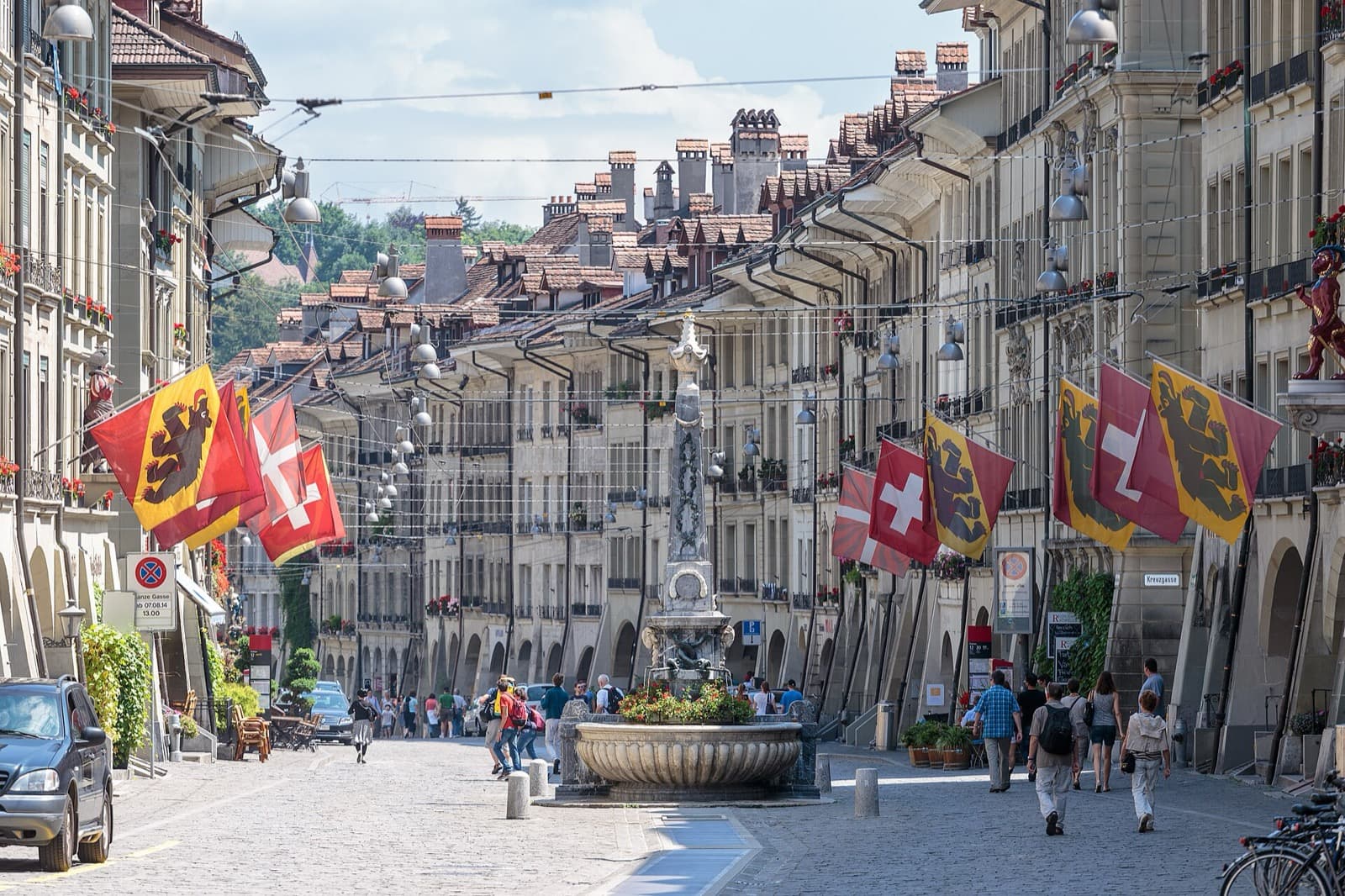
The minster does not stand alone. It is the high point, in every sense, of a compact old town laid out to a single legible rule. Bern grew westward in planned rings from its founding, traditionally attributed to Duke Berchtold the Fifth of Zähringen in 1191, and after a great fire in 1405 the timber town was rebuilt in the local green sandstone that gives every building here one shared colour and texture. Kilometres of covered arcades, called Lauben, run through the streets below, and painted Renaissance fountains punctuate them. UNESCO inscribed the Old City of Bern on the World Heritage List in 1983 for exactly this coherence. The minster is the material and civic climax of that plan, the tallest thing the sandstone city ever reached to build.
If you choose to climb, the tower rewards the effort. There are 254 steps to the lower platform, with more above to reach the upper spire, and the view opens over the roofs and the loop of the River Aare that almost encircles the old town. Entry to the church is free; the tower climb carries a small fee, roughly five Swiss francs, so carry a little cash. There is no scheduled group forcing your pace, so judge the queue yourself and go up when it looks thin.
The best way to place the minster in its full context is to walk the old town toward it, gate by gate, rather than arrive at it cold. That is what our self-guided audio tour is built to do. See Bern walking tours for the routes, or start from the city page for Bern. The tour that includes this stop, the Altstadt old town walk, carries you west to east down the sandstone spur, past the Prison Tower, the Zytglogge clock, the arcaded main street and the town hall, until the ground rises to the minster and its terrace above the Aare. Read it in that order and the church stops being a photograph and becomes the last sentence of a very old, very deliberate argument in stone.
Sources
- Bern Minster, Wikipedia — construction dates, Matthäus Ensinger, Erhart Küng and the Last Judgement portal, tower height and 1893 completion, statue counts, and the Grosse Glocke.
- Bernese Minster, Bern Welcome (official tourism) — visitor information, tower climb, and the church's role in the old town.
- Bern Minster, Switzerland Tourism — tallest cathedral in Switzerland and general orientation.
- Old City of Bern, UNESCO World Heritage Centre — the 1983 inscription and the reasons for the old town's outstanding value.
- Tour transcript, Roamer "Altstadt: The Sandstone City in the River's Loop" (fact-audited), Bern Minster stop — Reformation of 1528, portal survival, and the church as the climax of the walk.
Ready to experience it?
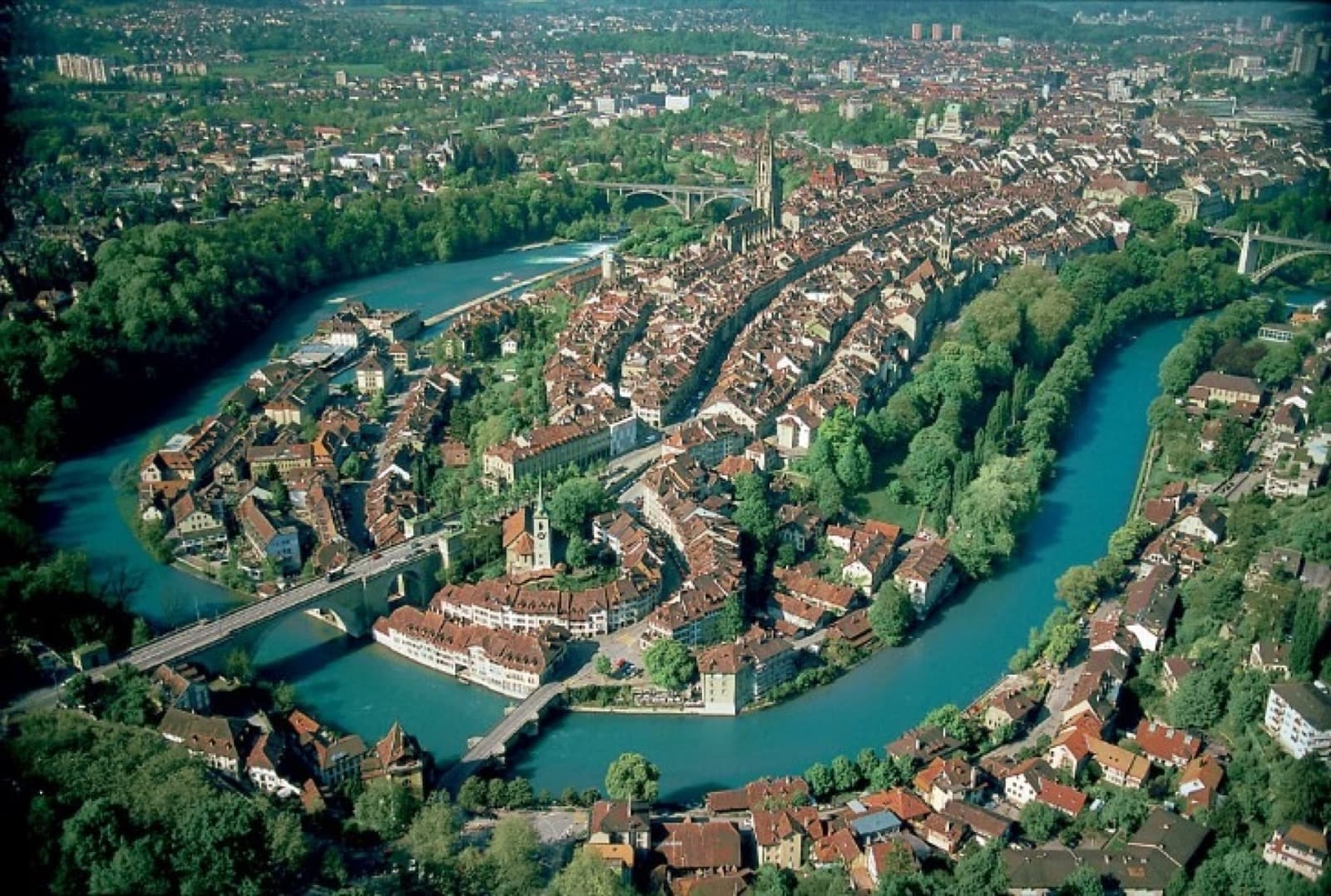
Altstadt: The Sandstone City in the River's Loop
75 min · 1 km · moderate
More from Bern
Explore more at your own pace.
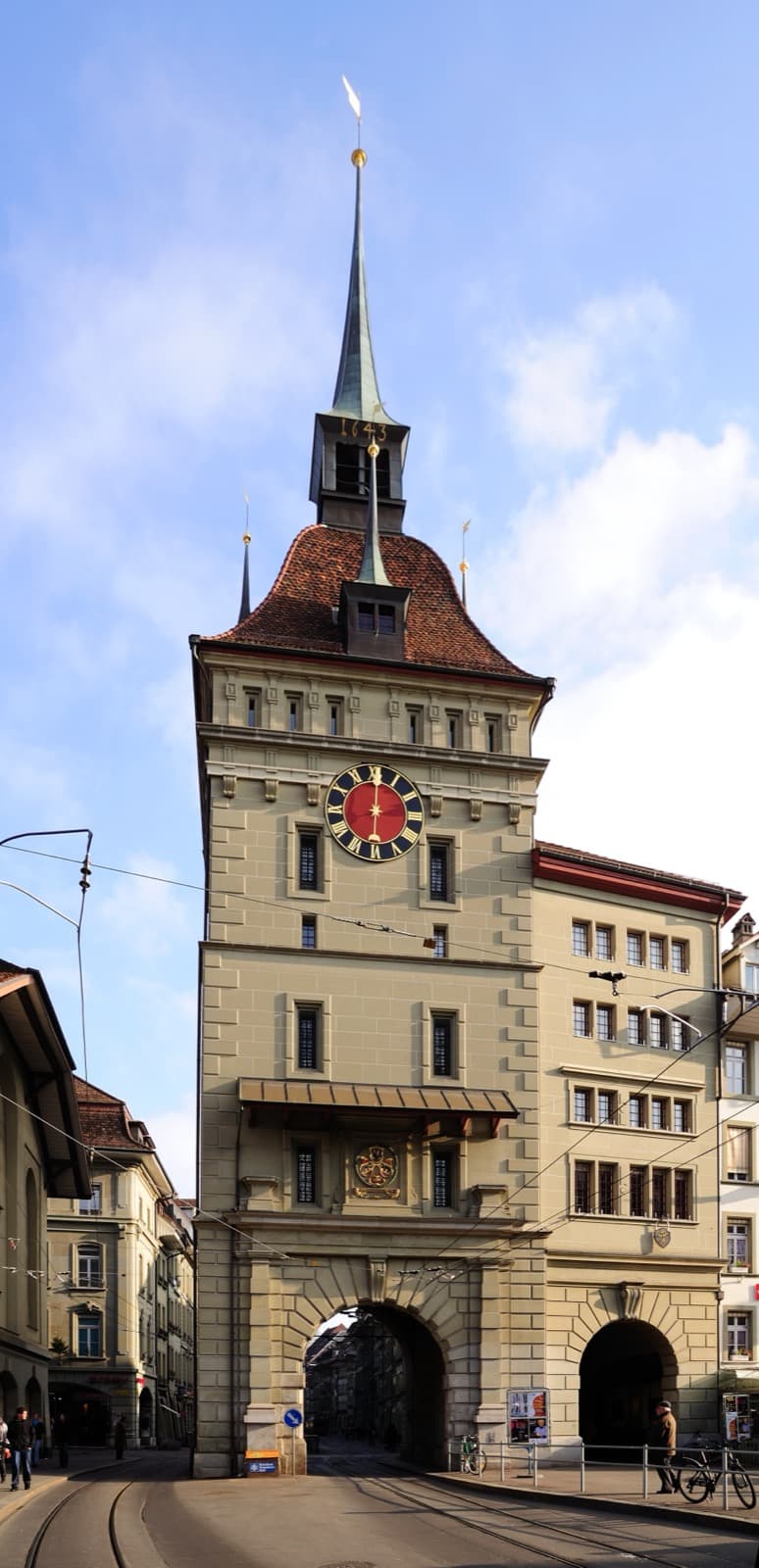
Bern Travel Guide: How Many Days, Getting Around, Best Time, and Safety
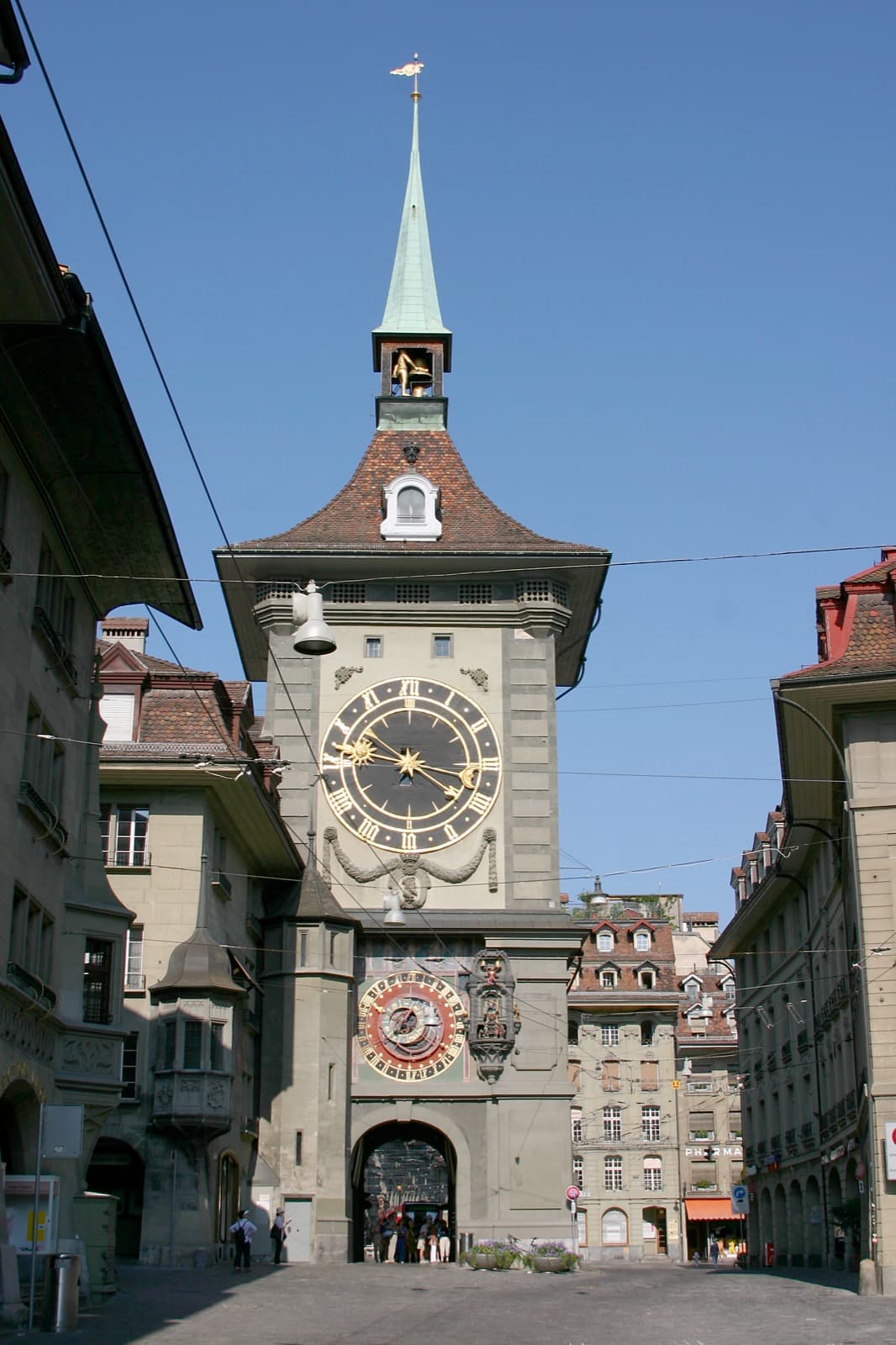
One Day in Bern: A Walkable Morning-to-Evening Itinerary
Reading Bern: The Sandstone City Built to One Rule
The Federal Palace and Bundesplatz: Where Bern's Two Stories Share One Rock
The Zytglogge: How Bern's First City Gate Became a Clock