
A walk up the buried valley of the Waihorotiu Stream, reading Auckland's making from the harbour flat to the civic ridge, one grand building at a time.
Start · Queen Street and the Waihorotiu Valley: The Main Street Over a Buried Stream
DirectionsStops
- 1
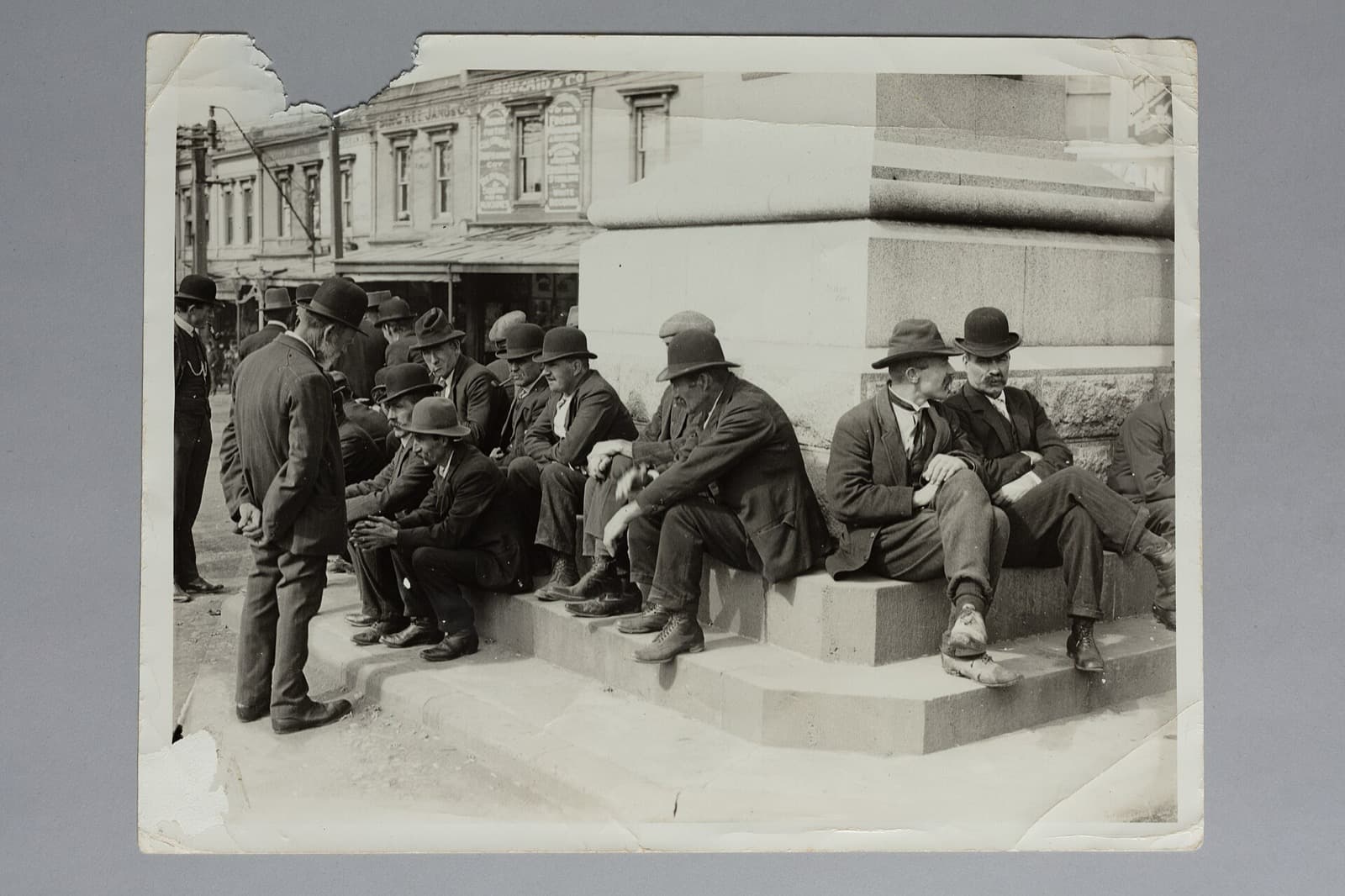
Queen Street and the Waihorotiu Valley: The Main Street Over a Buried Stream
Auckland's commercial spine runs up the floor of a valley. Beneath it lies the buried course of the Waihorotiu Stream.
- 2
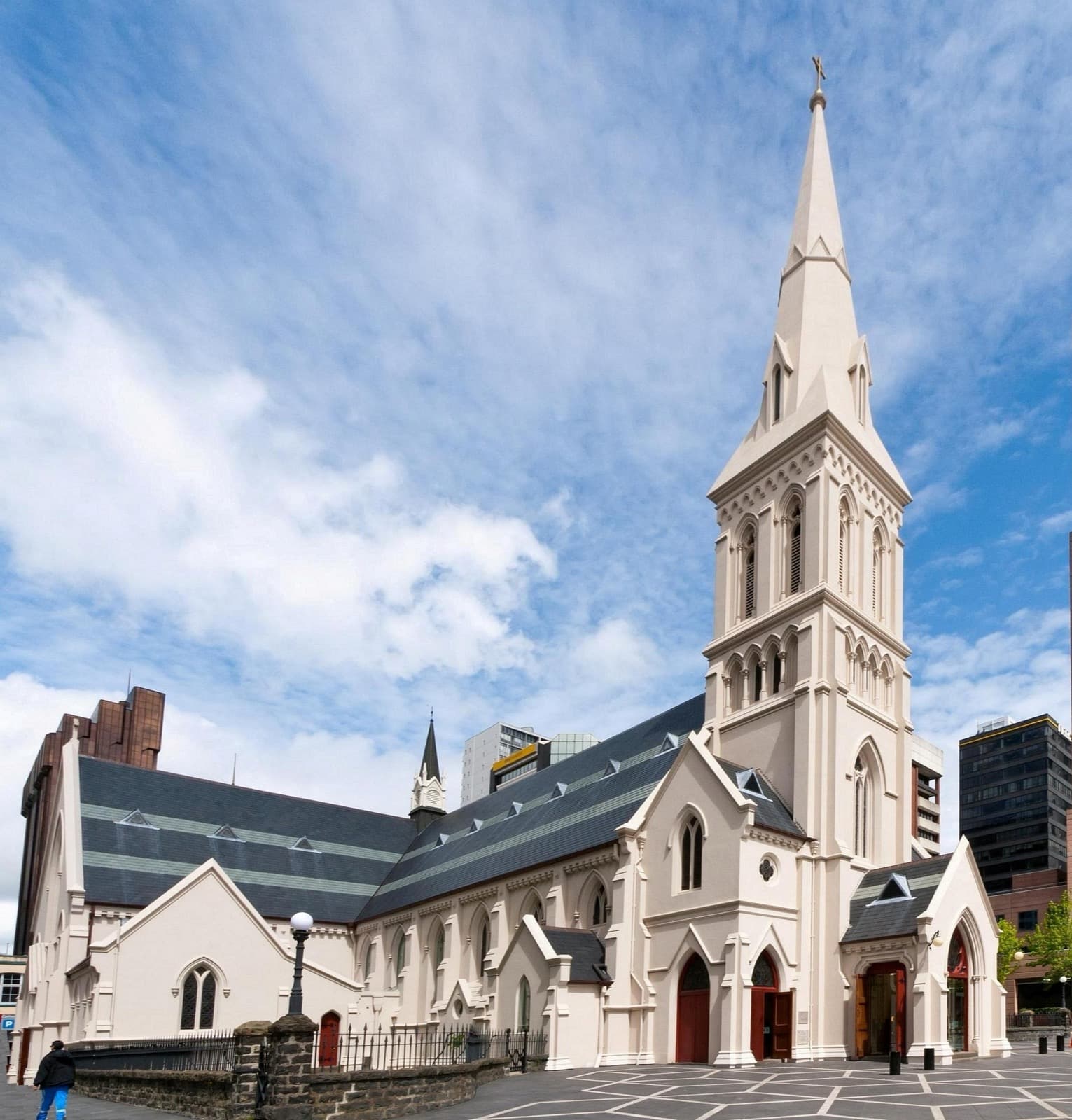
St Patrick's Cathedral: The Gothic Church at the City's Beginning
One of the oldest church sites in the central city, on land acquired in eighteen forty-one and rebuilt into a Gothic Revival cathedral by nineteen oh seven.
- 3
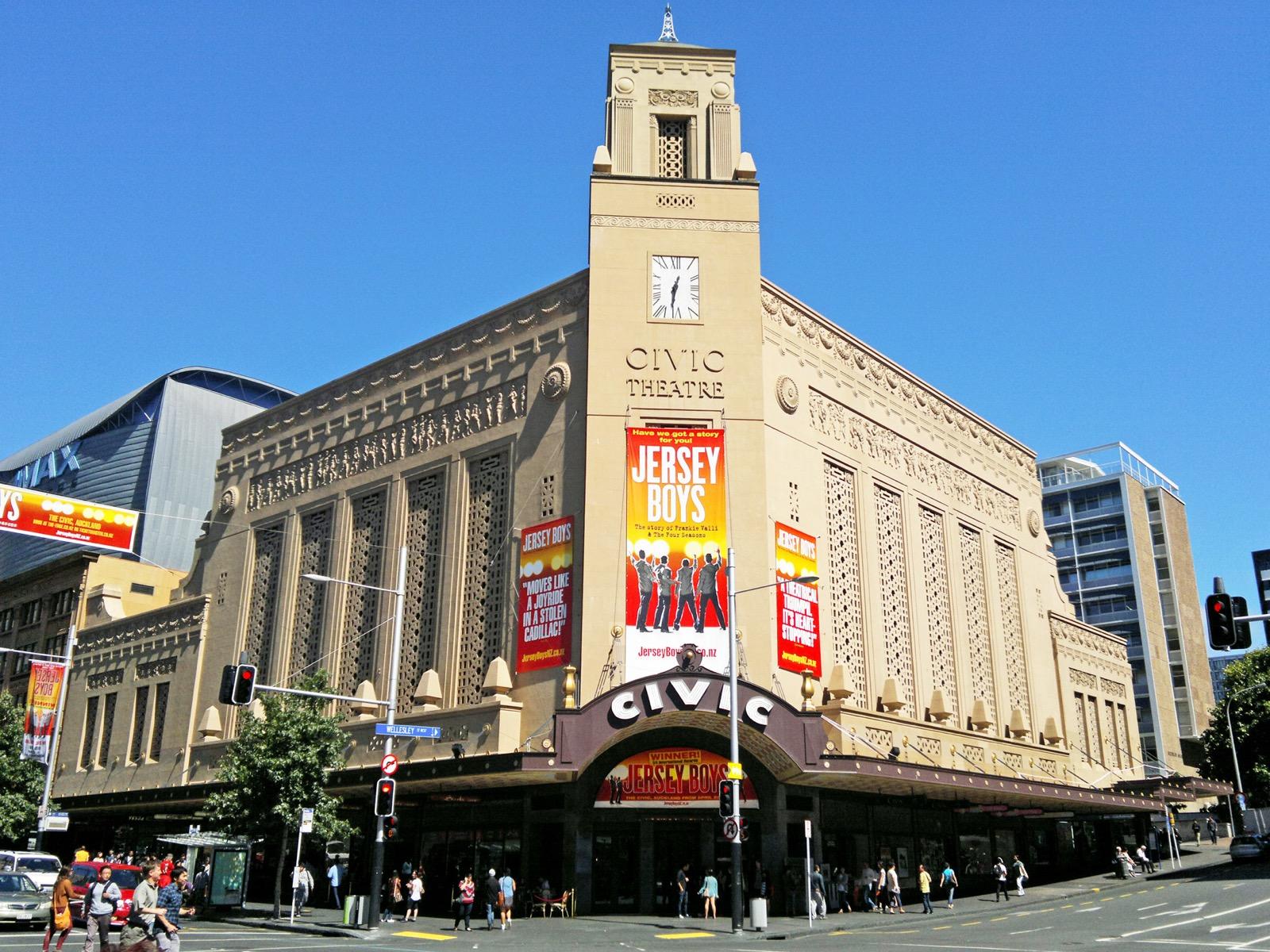
The Civic Theatre: The Picture Palace With a Ceiling of Stars
A lavish nineteen twenty-nine atmospheric picture palace. It has an Indian-inspired foyer and an auditorium ceiling that mimics an open night sky.
- 4
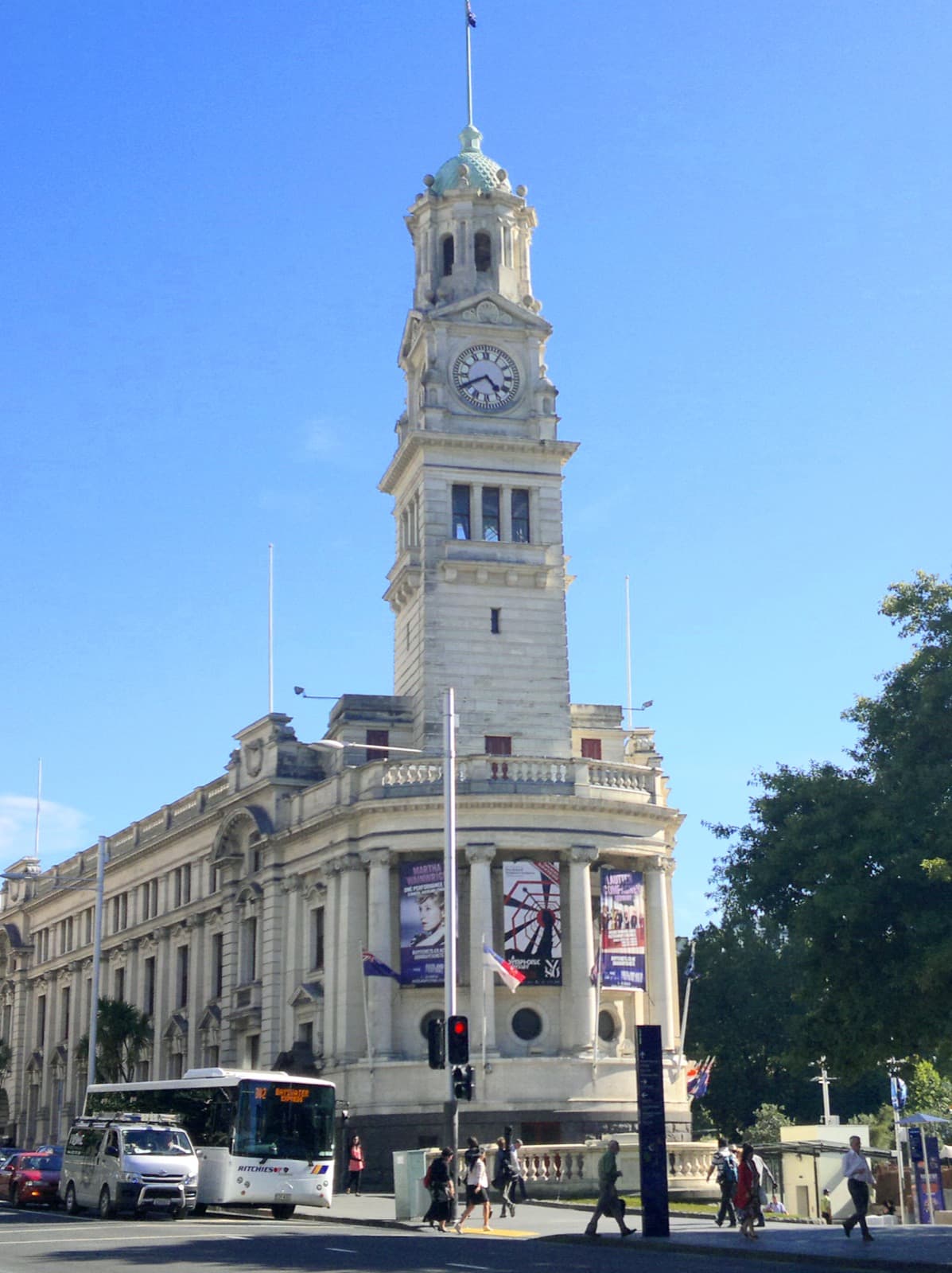
The Auckland Town Hall and Aotea Square: The Wedge on Queen Street
An Edwardian civic building of nineteen eleven, built on a triangular wedge site with a great hall famed for its acoustics.
- 5
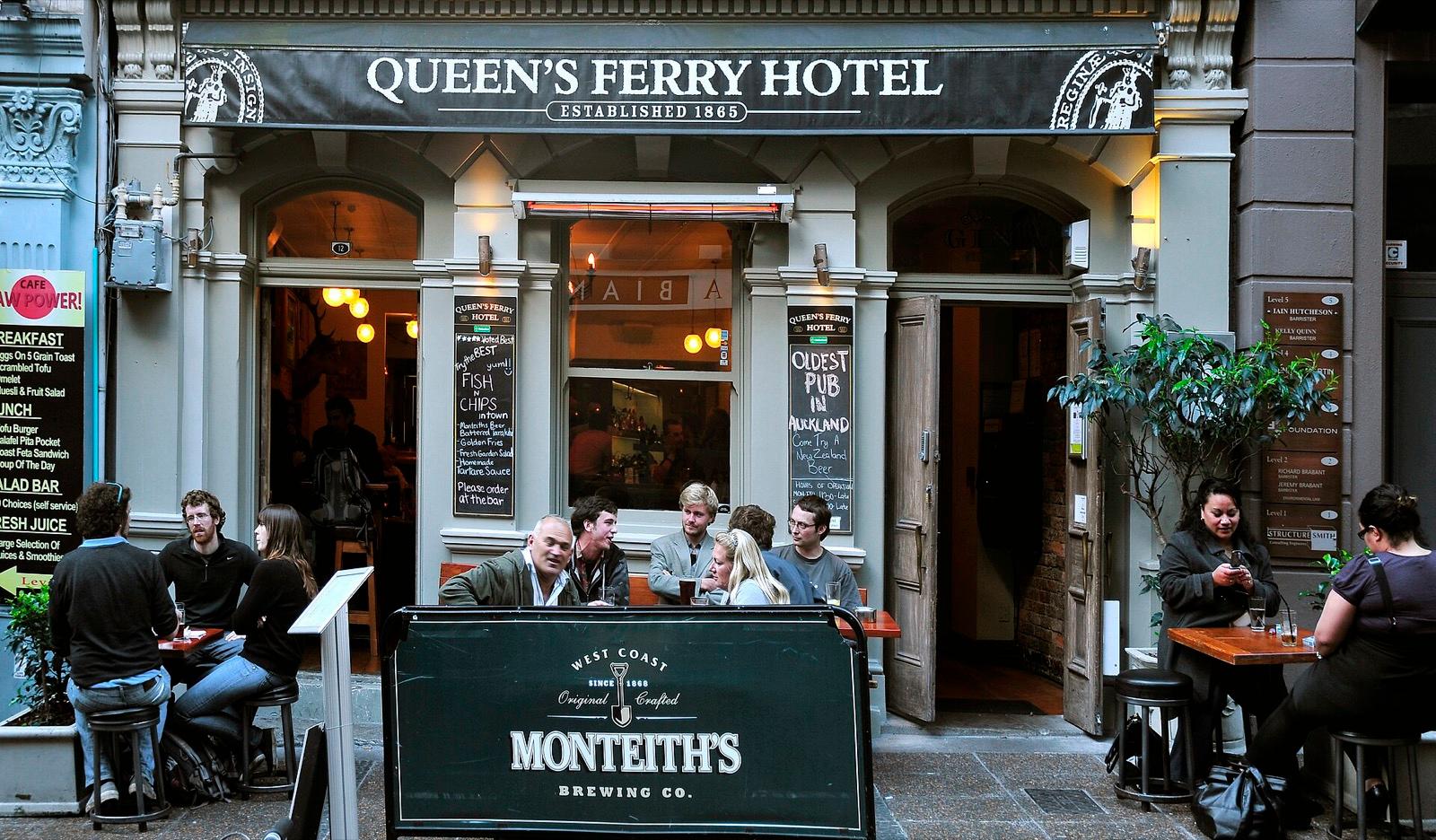
High Street and Vulcan Lane: The Victorian Grain of the Shopping Town
The surviving Victorian and early-twentieth-century commercial lanes east of Queen Street, long the fashionable shopping quarter.
- 6
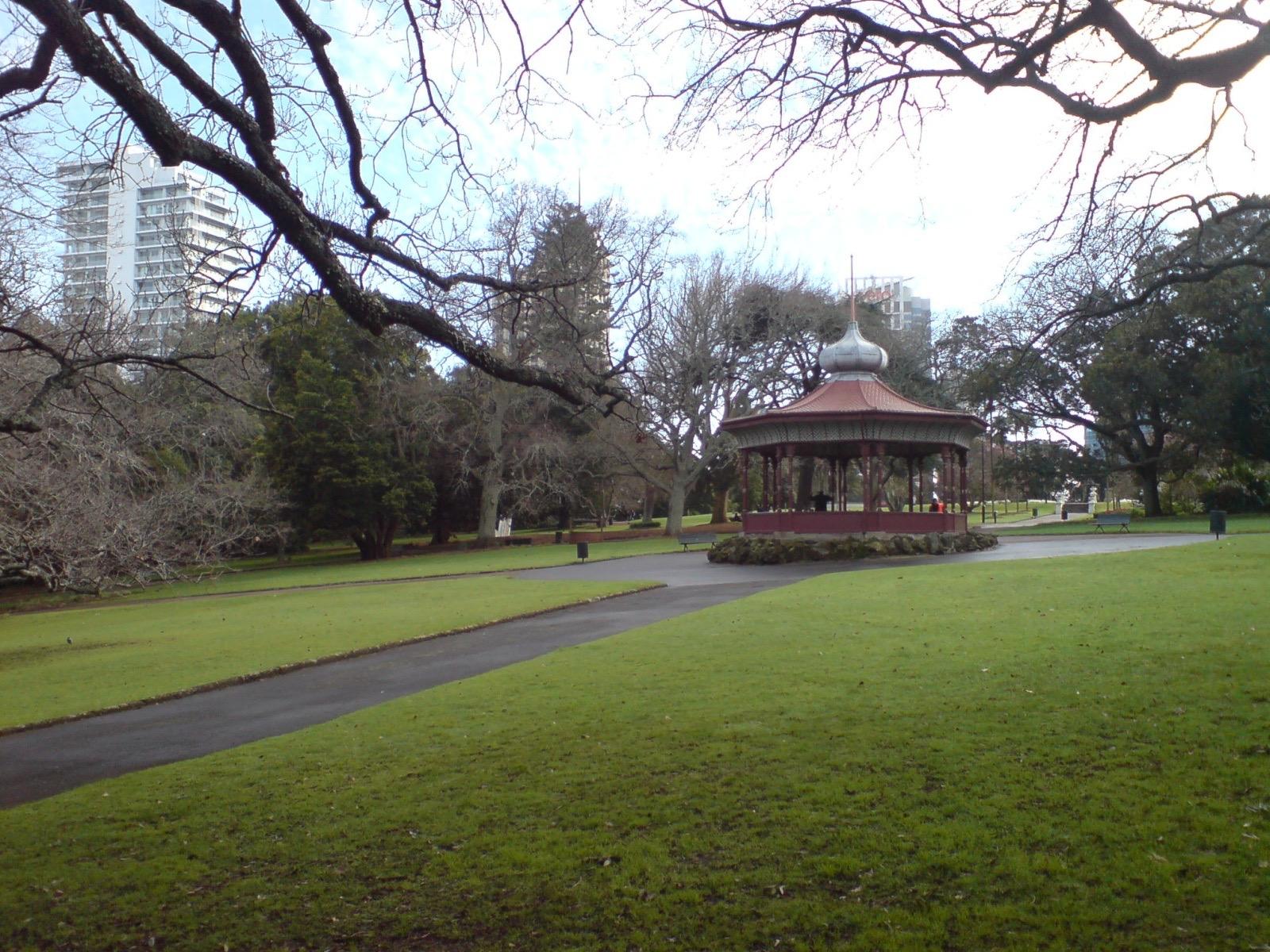
Albert Park and the Albert Barracks Wall: The Garden Over the Fort
A Victorian ornamental garden laid out from eighteen eighty-one over the site of the Albert Barracks, a fortified British Army post whose loop-holed wall partly survives.
- 7
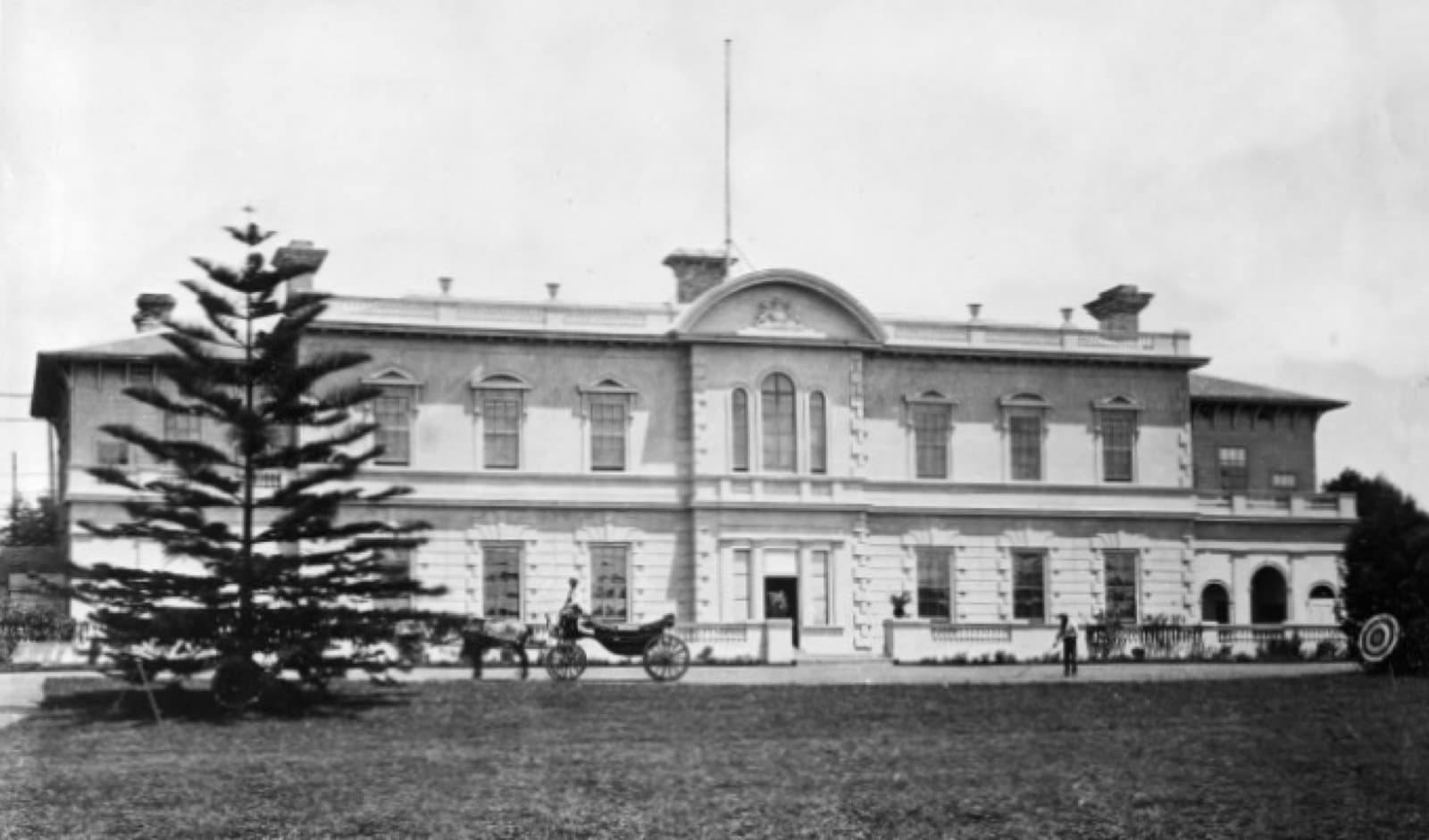
Old Government House and the ClockTower: Timber Dressed as Stone on the Ridge
A timber governor's residence of eighteen fifty-six built to look like stone, beside the university's Gothic ClockTower of nineteen twenty-six.
Details
Best Time to Visit
Late morning to mid-afternoon on a clear day is ideal, when the light falls into the Queen Street valley and Albert Park is at its brightest. Weekdays give the shopping lanes and civic square their working life; weekends are quieter on the street but livelier in the park. If you hope to glimpse the Civic Theatre's interior, check ahead for a matinee, a show or a scheduled tour, since it opens only for performances.
Pro Tips
- •Start at the lower, harbour end of Queen Street and let the route carry you gently uphill, so the short climb to Albert Park comes when you are warmed up rather than at the start.
- •The Civic Theatre's star ceiling and fantasy interior are the highlight, but they are only visible during shows or tours, so plan your timing if seeing inside matters to you.
- •At Albert Park, walk up Alfred Street into the university grounds to find the surviving stretch of the Albert Barracks wall; it is easy to miss but it is the heart of the stop.
- •Aotea Square in front of the Town Hall is a free public space and a good place to pause, rest, and watch the city without anyone hurrying you along.
- •Treat St Patrick's Cathedral as a working church: if the interior is open, keep your voice low and be mindful of anyone at prayer.
- •Carry water and take the lanes of High Street and Vulcan Lane slowly on foot, since their pleasure is the fine detail rather than any single landmark.
Safety & Precautions
- •The route rises gently from the harbour flat up the valley to Albert Park and the civic ridge; it is a short, manageable climb, but wear comfortable shoes and take it at your own pace.
- •Auckland weather is changeable and the harbour end can be bright and breezy, so bring sun protection and a light waterproof layer even on a fair morning.
- •At Albert Park and the Albert Barracks wall you are among histories of colonial military force and Māori land loss; treat these sites soberly and with quiet respect, and remember this is the living Country of mana whenua.
- •This is an ordinary busy city centre, so keep valuables discreet on Queen Street and in the lanes, and note that some interiors and any theatre tours may charge entry in New Zealand dollars.
Travel advisory: Exercise Normal Precautions (Level 1).
Gallery
Related Reading
Go deeper on what you'll see, hear, and walk through.
Overview
Auckland Travel Guide: How Many Days, Getting Around, Safety, and Budget
7 min
Overview
Best Self-Guided Walking Tours in Auckland (2026)
4 min
Overview
One Day in Auckland: A Walkable Harbour-to-Crater Itinerary
8 min
Thematic
Auckland: The Harbour City Read in Layers
8 min
Thematic
Best History Walking Tours in Auckland (2026)
2 min
Companion
Albert Park and the Barracks Wall: The Garden Auckland Built Over a Fort
6 min
Deep dive
The Civic Theatre: Auckland's Picture Palace With a Ceiling of Stars
6 min
Read
What to Eat in Auckland: A Local Food Guide
7 min
Read the walk
The full story of Historic Heart: The City in the Queen Street Valley, in words. Prefer to listen? Play it narrated, from home or on location.
Introduction
Auckland's main street is a sentence written over a stream. Queen Street has been the commercial spine of this New Zealand city since the eighteen forties, and it runs up the floor of a valley that once carried the Waihorotiu, an open watercourse that flowed down to the Waitematā Harbour. The town canalised it, then buried it, and it still runs in culverts beneath the road. This is the Country of the iwi of Tāmaki Makaurau, the Māori name for the Auckland isthmus, often rendered the place desired by many, with Ngāti Whātua Ōrākei among the mana whenua, the iwi holding customary authority here. Over roughly two centuries the colonial town and the boom city that followed added their grandest works up this gully: an atmospheric picture palace with a ceiling of stars, a wedge-shaped town hall, the Victorian lanes of the shopping quarter, a Gothic cathedral, a flower garden laid over an army barracks, and a timber governor's house dressed as stone. This tour is seven stops and takes about two hours across roughly two and a half kilometres, a gentle rise up the valley to the civic ridge, at your own unhurried pace with no group and no schedule. Each stop is short and skippable, so you can linger for the light you want or move straight on. The route reads the city as a text, tracing how each building is a clause the settler and boom city added to the valley's long line. When you arrive at the lower end of Queen Street near the old stream mouth, begin with stop one.
1. Queen Street and the Waihorotiu Valley: The Main Street Over a Buried Stream
Stand at the lower end of Queen Street and you are at the mouth of a valley. The land rises gently on both sides, and the street runs straight up the middle. That is not an accident of design. Queen Street follows the course of a stream. The Waihorotiu once flowed down an open gully through here to the Waitematā Harbour, the harbour Auckland is built on, entering the water near what is now Fort Street. As the town grew from the eighteen forties, the stream became a problem to be managed. Engineers walled and canalised it, and a sewer along its eastern side began in eighteen fifty-four and was finished in eighteen seventy-three. The water did not vanish. It still runs in nineteenth-century culverts and stormwater pipes beneath the pavement under your feet. For the mana whenua, the iwi holding customary authority here, this stream was a taonga, a treasure, and an ancestral waterway. The Waihorotiu belonged to the story of Ngāti Whātua Ōrākei and the wider iwi of Tāmaki Makaurau, the Māori name for the Auckland isthmus. It was home in tradition to a taniwha, a guardian spirit, named Horotiu, and it gave early Auckland drinking water and eels. The word wai simply means water. The stream's name survives above ground too. The new city rail station near Aotea Square carries it: Waihorotiu. So the premise of this whole walk is here at the start. The elegant main street is the surface. Beneath it is water the settler city drained and hid, and every grand building further up the valley is a clause the city added to a sentence that began with a stream.
2. St Patrick's Cathedral: The Gothic Church at the City's Beginning
A short way up the valley, at the corner of Wyndham and Federal Streets, stands St Patrick's Cathedral, the Catholic cathedral of Auckland. This is one of the oldest church sites in the central city, and it takes us back almost to the beginning of the colonial town. Heritage New Zealand records that the land was acquired by Bishop Jean-Baptiste Pompallier, the first Catholic bishop in New Zealand, on the first of June eighteen forty-one, only months after Auckland was chosen as capital. A modest wooden chapel followed in eighteen forty-three, then a stone church, expanded in eighteen eighty-four. What you see now is a later chapter written over those early ones. The present Gothic Revival cathedral was completed in nineteen oh seven and officially opened on the twenty-third of February nineteen oh eight, the work of the architects Edward Mahoney and his son Thomas Mahoney. Notice how the building speaks the visual language of medieval Europe, pointed arches, tracery, a vertical reach, a grammar imported wholesale to a young Pacific city. This is a working cathedral and the mother church of its diocese, so the interior is open for respectful visiting rather than for spectacle. If you step inside, keep your voice low and let others pray. In the sentence of the valley, this is one of the earliest clauses, the settler city writing its faith in stone near the harbour flat. The grander flourishes, the picture palace and the town hall, come further up the gully. But the church was here first, planted when the town was barely more than a plan on the shore of the Waitematā.
3. The Civic Theatre: The Picture Palace With a Ceiling of Stars
At the corner of Queen and Wellesley Streets, the valley delivers its most extravagant clause: the Civic Theatre. From the street it is grand enough, but the astonishment is inside. This is what the nineteen twenties called an atmospheric theatre, a picture palace designed to make an audience forget it was in a building at all. It opened on the twentieth of December nineteen twenty-nine, the work of the architects Charles Bohringer and William T. Leighton, built for the New Zealand impresario Thomas O'Brien, who had introduced this dreamlike format to the country a year earlier and then, in the Depression, lost everything. The foyer is an Indian fantasy of seated Buddhas, twisted columns and domed ceilings. The auditorium is a Moorish garden, with turrets, minarets and panther statues flanking the stage. And above it all is the trick that gives the style its name. The ceiling is not a ceiling. It is an illusion of an open night sky, dotted with twinkling stars, and a machine that drifts clouds across it and dims a blue evening down into darkness. You sit, in effect, in an imaginary courtyard under the heavens. Heritage New Zealand records that this is the largest surviving atmospheric cinema in Australasia and still the largest theatre in New Zealand, seating around two thousand seven hundred and fifty when it opened. It is a working theatre, so the interior opens only for shows and tours, but even the exterior tells you the story: on a main street built over a buried stream, the boom city reached for a night sky made of plaster and electric light. If your visit lets you inside, look up. The stars are the whole point.
4. The Auckland Town Hall and Aotea Square: The Wedge on Queen Street
A little further up Queen Street, the valley reaches its civic climax at the Auckland Town Hall, facing the open modern space of Aotea Square. Look at the shape of it first. The building sits on a triangular wedge of land where Queen Street meets Greys Avenue, and it comes to a…
Full narration for this stop unlocks with the tour.
5. High Street and Vulcan Lane: The Victorian Grain of the Shopping Town
Step east off the valley floor and the scale changes. High Street and the narrow pedestrian slot of Vulcan Lane keep the fine grain of the colonial retail town, the tight facades and modest shopfronts of a city built for people on foot. This was long the fashionable shopping…
Full narration for this stop unlocks with the tour.
6. Albert Park and the Albert Barracks Wall: The Garden Over the Fort
Climb the short rise to the eastern ridge and you reach Albert Park, a Victorian ornamental garden of lawns, flowerbeds and mature trees laid out from eighteen eighty-one. It is a gentle, pleasant place. It is also the moral centre of this walk, because of what the garden was…
Full narration for this stop unlocks with the tour.
7. Old Government House and the ClockTower: Timber Dressed as Stone on the Ridge
The walk ends on the civic ridge, on Waterloo Quadrant, where two very different buildings close the valley's long sentence. The first is Old Government House, completed in eighteen fifty-six as the residence of Governor Thomas Gore Browne, designed by the architect William…
Full narration for this stop unlocks with the tour.