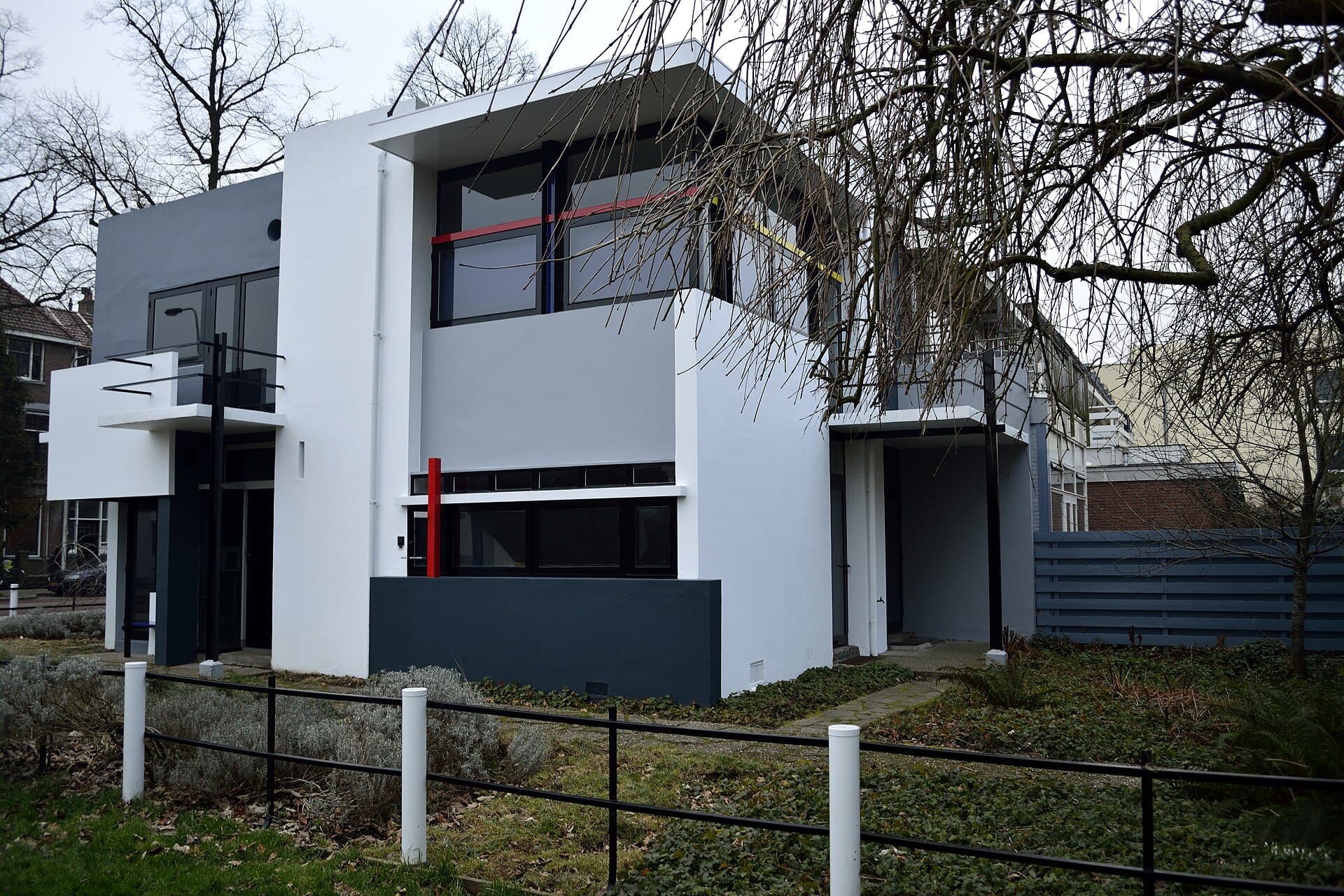
Rietveld Schröderhuis and Miffy: From De Stijl to a Little White Rabbit
4.23·6 Stops·145 minutes·5 km
A medieval-looking city that quietly authored two of the twentieth century's purest design ideas: this walk traces Utrecht from its old canal-laced centre to a small white house on the modernist edge, by way of a little rabbit the whole world knows.
Start · Centraal Museum: the gateway to Utrecht's design heritage
DirectionsStops
- 1
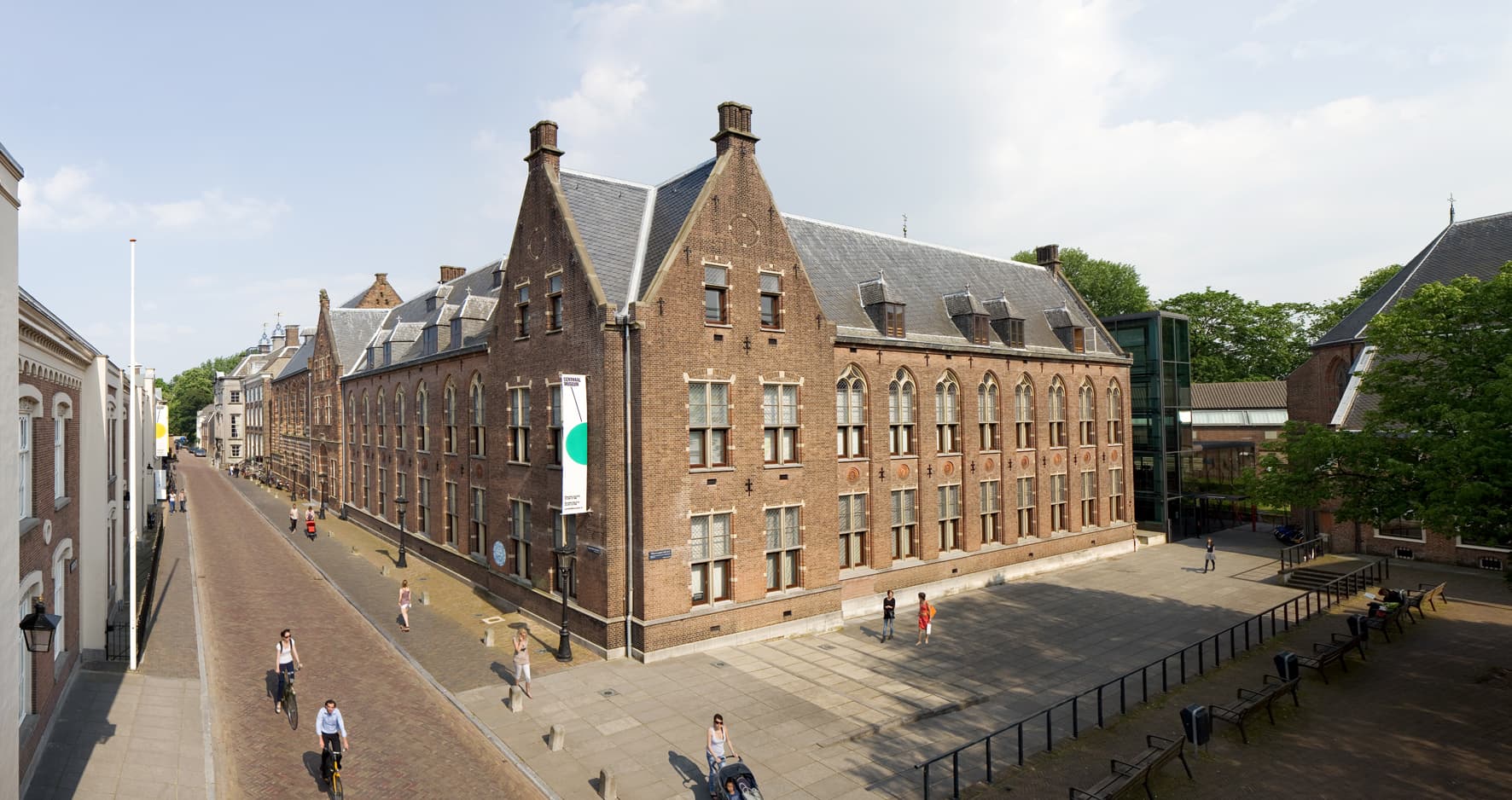
Centraal Museum: the gateway to Utrecht's design heritage
The oldest municipal museum in the Netherlands, holding both threads of this walk, Rietveld's design and Bruna's rabbit, under one roof.
- 2
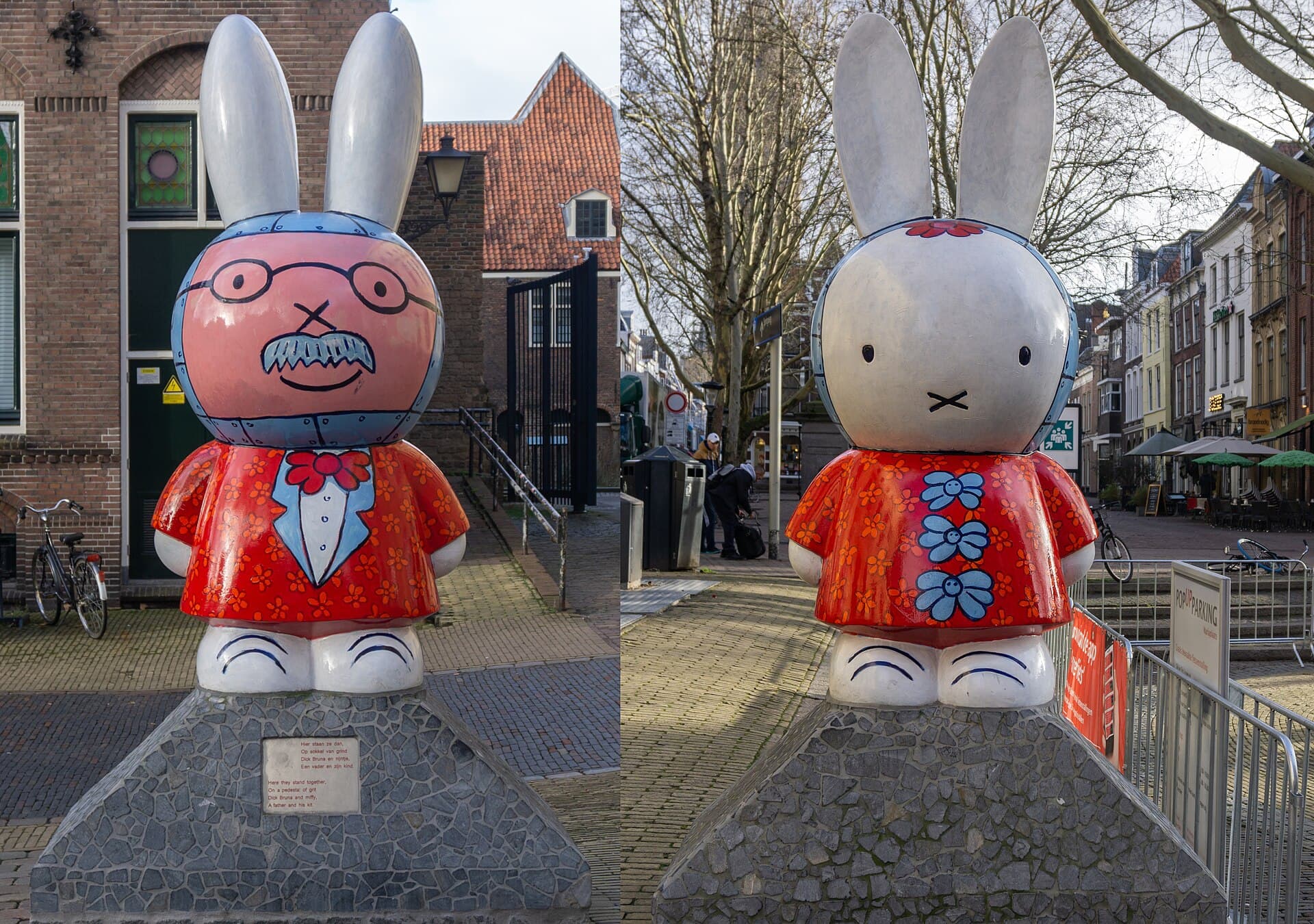
nijntje pleintje: the little rabbit the world calls Miffy
A small square with a bronze rabbit, honoring the Utrecht illustrator Dick Bruna and the character he reduced to a few clean lines.
- 3
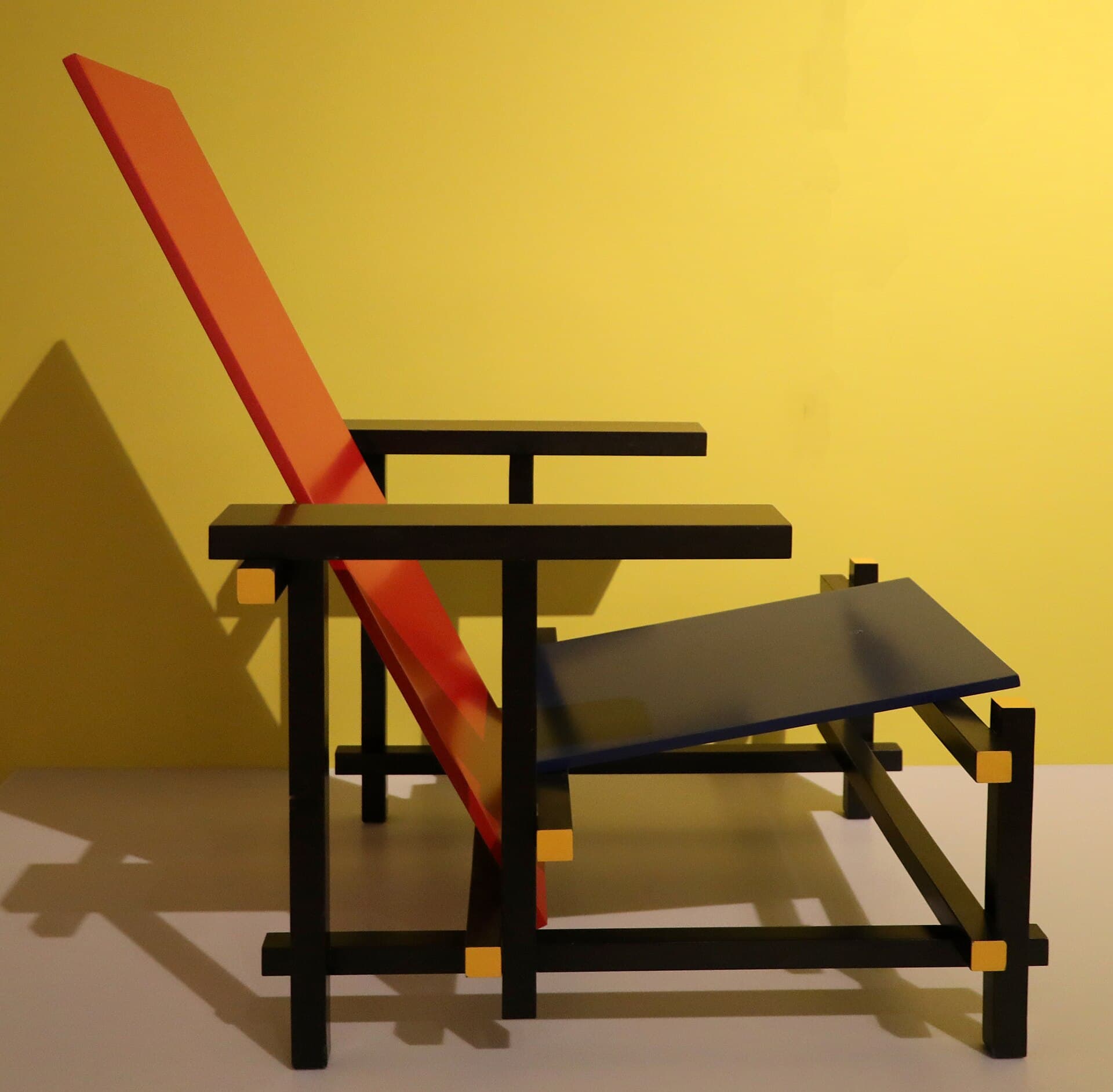
De Stijl and the Red and Blue Chair: the idea made portable
The reflective heart of the walk, where the Dutch movement called De Stijl and Rietveld's famous chair explain the idea before you reach the building.
- 4
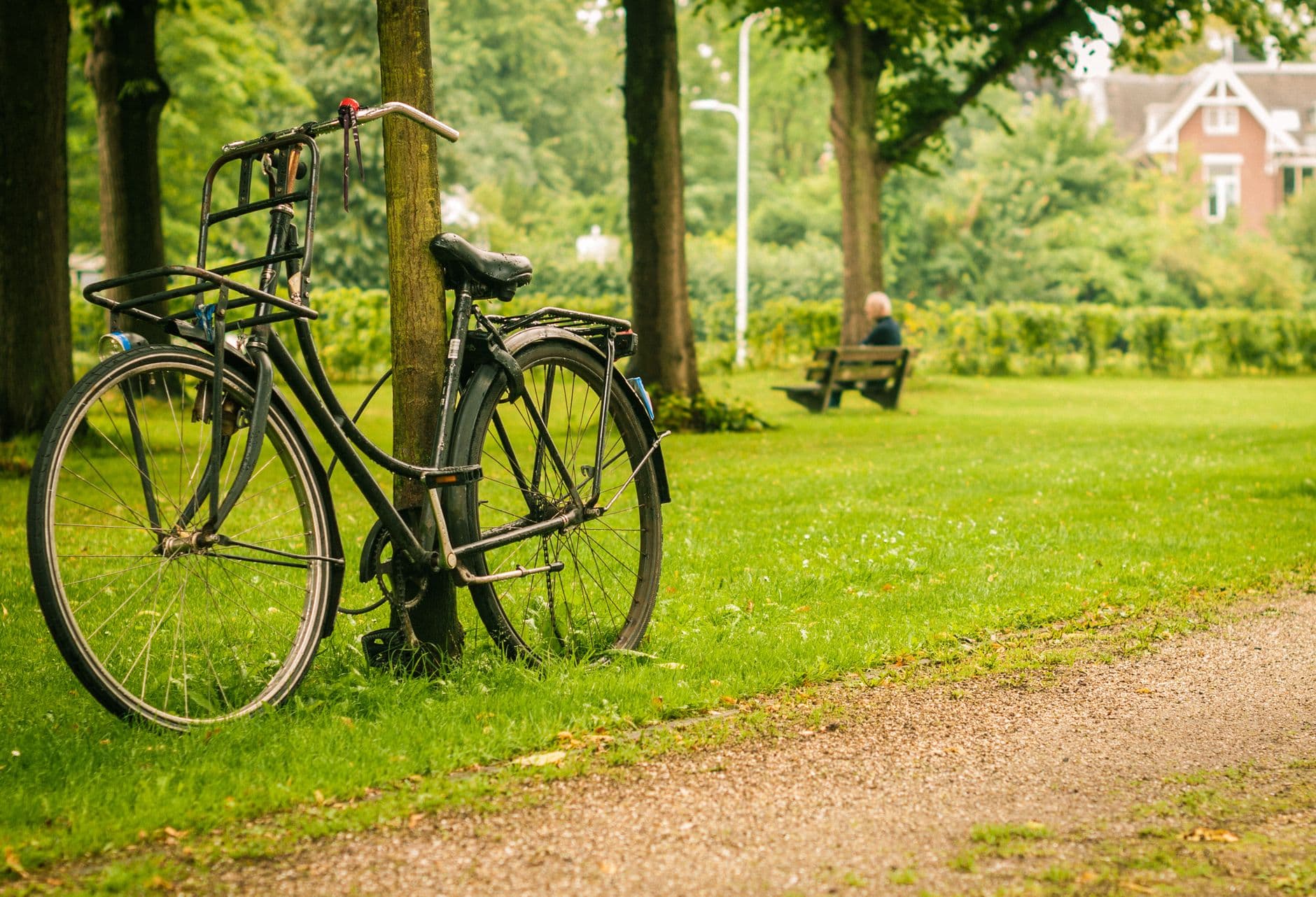
The transect east: from medieval centre to modernist edge
The deliberate long leg of the walk, where the old city fabric gives way toward the modern eastern edge and the house waiting there.
- 5
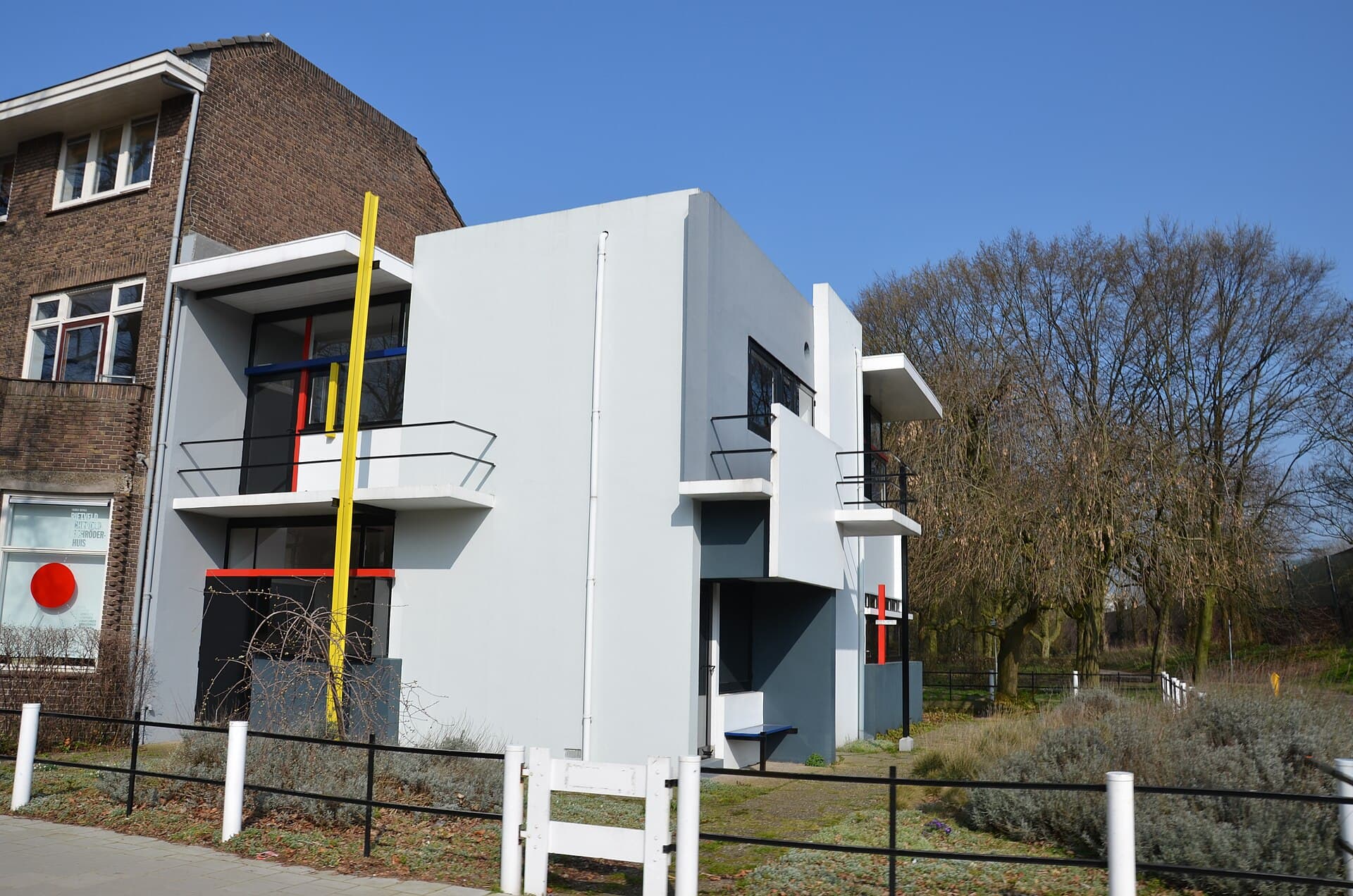
Rietveld Schröderhuis: the manifesto you can stand inside
The UNESCO World Heritage climax of the walk, a small house from nineteen twenty-four widely called the only true De Stijl building.
- 6
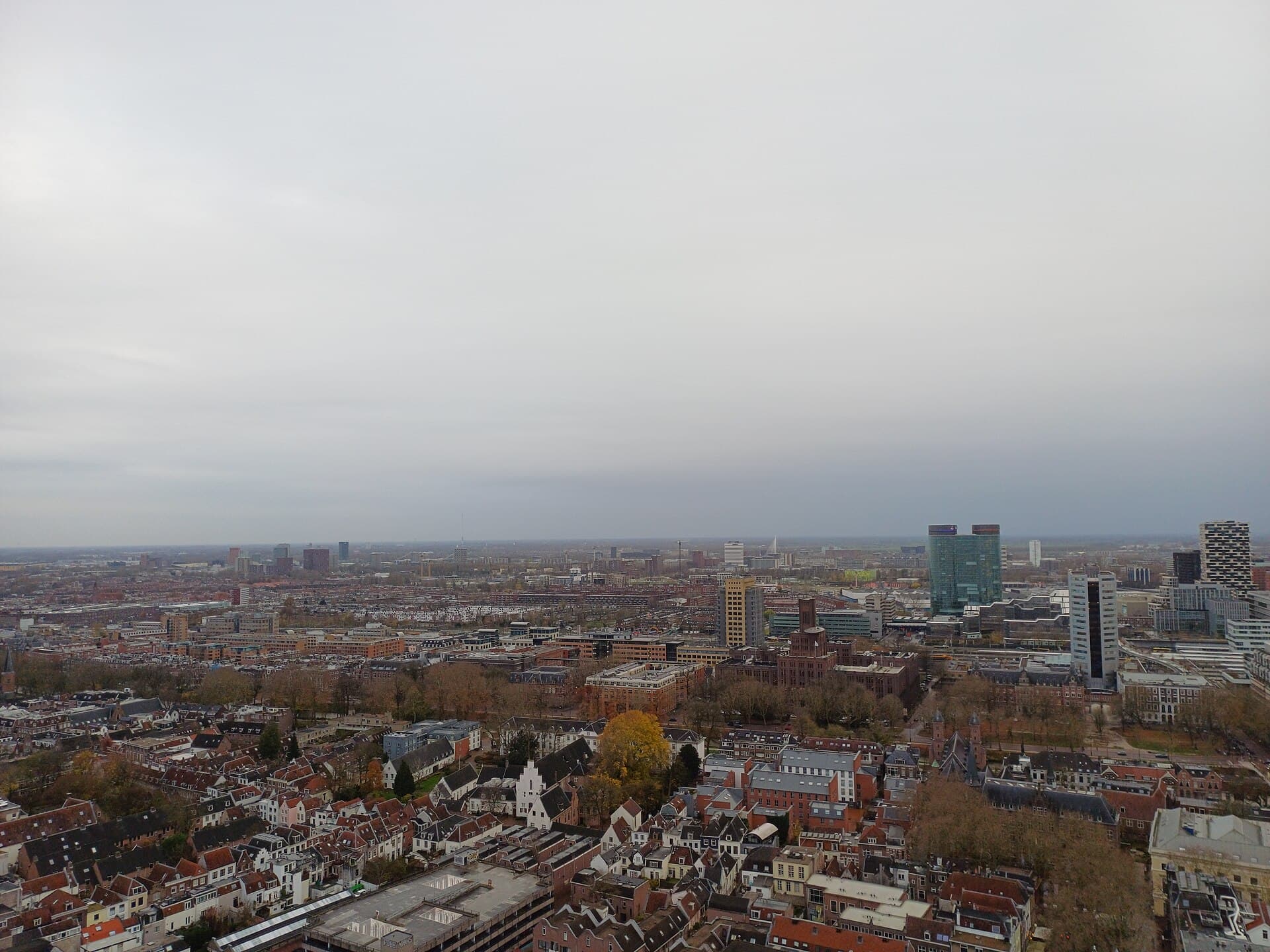
Utrecht: a quiet capital of modern design and a UNESCO City of Literature
The closing reflection, gathering the two design threads and rounding out Utrecht's portrait as a creative city.
Details
Best Time to Visit
Late morning to early afternoon on a weekday is ideal. This gives you time inside the Centraal Museum, a relaxed walk east, and a booked afternoon slot at the Rietveld Schroderhuis, where a timed reservation is always required. Spring and early autumn bring the softest light along the canals and the greenest walk through the eastern park; midweek also means shorter museum queues.
Pro Tips
- •Book your Rietveld Schroderhuis ticket in advance for a specific time. A timed reservation is always required, and slots for the small house sell out, so anchor the rest of your day around it.
- •If you plan to visit several museums, the Dutch Museumkaart pays for itself quickly here and covers both the Centraal Museum and the Rietveld Schroderhuis at no extra charge.
- •Do the museum first, then walk east. Standing at the house after seeing Rietveld's chair and collection lets the whole idea click into place.
- •The long leg east is about three kilometres of easy, mostly flat ground. Comfortable shoes make it a pleasure rather than a chore, and there are cafes and the Wilhelminapark to pause in along the way.
- •Adult entry runs around sixteen euros at the Centraal Museum and nineteen euros at the house, with young children free and older children at a reduced rate. Carry a card, as many Dutch venues are card-only.
- •Utrecht is compact and walkable, but the house sits on the eastern edge. If you are short on time or energy, a bike or a short bus ride out to Prins Hendriklaan lets you save your legs for the house itself.
Safety & Precautions
- •Utrecht's canal wharves sit one level below the street, and many edges have no railings and can be slippery when wet. Keep back from the water line, especially with children or a camera in hand.
- •Cyclists and trams have priority and move fast and almost silently. Look both ways before stepping into any lane or crossing tracks, and never stand or drift into a bike path while checking your phone.
- •The old centre has uneven cobbles, steep bridges, and narrow, steep stairs inside historic buildings, including the Rietveld house. Watch your footing, and note the house is not built for easy step-free access.
- •Major sites use timed tickets and can have queues. Reserve the Rietveld Schroderhuis ahead, arrive a few minutes before your slot, and inside any active church or quiet museum space keep your voice low and dress respectfully.
Travel advisory: Exercise Increased Caution (Level 2).
Gallery
Related Reading
Go deeper on what you'll see, hear, and walk through.
Overview
Best Self-Guided Walking Tours in Utrecht (2026)
3 min
Overview
One Day in Utrecht: A Walkable Morning-to-Evening Itinerary
8 min
Overview
Utrecht Travel Guide: Days, Transport, Safety, and Budget
6 min
Thematic
Utrecht: The City That Keeps Its Story Below the Surface
7 min
Companion
The Rietveld Schröder House: Utrecht's Manifesto You Can Stand Inside
7 min
Deep dive
Nijntje Pleintje: Utrecht's Little Bronze Rabbit and the Man Who Drew Her
6 min
Read
What to Eat in Utrecht
7 min
Read the walk
The full story of Rietveld Schröderhuis and Miffy: From De Stijl to a Little White Rabbit, in words. Prefer to listen? Play it narrated, from home or on location.
Introduction
Utrecht, in the heart of the Netherlands, looks like a city of the Middle Ages. A cathedral tower nine hundred years in the making, canals with lowered wharves where the water runs one level below the street, and church towers over red rooftops. And yet this quiet city gave the twentieth century two of its purest ideas about design. One is a house so radically simple it is often called the only true De Stijl building on earth, now on the UNESCO World Heritage list. The other is a small rabbit, drawn in a handful of clean lines, that the world knows as Miffy. This tour holds six stops and runs roughly two and a half hours at an easy pace, covering about five kilometres, most of it in one long deliberate leg eastward from the old town to the modern edge. It is built for a solo traveler moving at your own rhythm. Each stop is short and skippable. Linger where a place holds you, walk on where it does not, take a coffee break whenever you like and pick the thread back up. We begin at the Centraal Museum, the gateway that holds both design threads under one roof, then meet the little rabbit near the centre, learn the idea called De Stijl, make the intentional walk east, and arrive at the house where the whole thesis becomes a building you can stand inside. We close on Utrecht as a broader creative capital. When you arrive at the Centraal Museum on the Nicolaaskerkhof, begin with stop one.
1. Centraal Museum: the gateway to Utrecht's design heritage
Start here, because this one building holds the entire story you are about to walk through. The Centraal Museum was founded in the year eighteen thirty-eight, when the city first put its collection on permanent public display, which makes it the oldest municipal museum in the Netherlands. Not the oldest museum overall, but the oldest run by a city. It sits in a former medieval monastery, and inside it keeps around sixty thousand objects. Some are exactly what you would expect from an old Dutch city: Old Masters, including the world's largest collection of the painter Joachim Wtewael, plus fashion, applied art, and centuries of Utrecht's own history. But two collections here are the reason for this walk. The first is the largest holding of Gerrit Rietveld anywhere in the world. Rietveld was an Utrecht furniture-maker who became an architect, and the museum even runs the famous house you will reach at the end. The second is the Bruna collection, the work of Dick Bruna, the Utrecht illustrator who drew the little rabbit. So before you take a single step east, understand this: the medieval-looking city authored two landmarks of radically modern, radically simple design, and both live here. Take your time inside if you like. Adult entry runs around sixteen euros, young children go free and older children pay a reduced rate, and the Museumkaart gets you in at no charge. When you are ready, we will step out toward the centre and meet the rabbit.
2. nijntje pleintje: the little rabbit the world calls Miffy
On a small square near the canal stands a dark bronze rabbit, and children arrive to greet it as if meeting a friend. This is the nijntje pleintje, the little nijntje square. Plein means square. The rabbit is nijntje, and the name comes from shortening the Dutch word konijntje, which simply means little rabbit. Most of the world knows her by her English name, Miffy. She was created in the year nineteen fifty-five by Dick Bruna, an illustrator born right here in Utrecht in nineteen twenty-seven, who died in twenty seventeen. The story goes that Bruna was telling bedtime stories to his young son about a little rabbit, and out of those stories the character was born. What makes her belong on this particular walk is not the fame, it is the method. Bruna reduced a whole visual language down to a few clean lines and a handful of flat, primary colours. No shading, no clutter, just the essential shape. That instinct, to strip a thing back to its purest form, is a graphic cousin of the design idea you will meet at the next stop. The statue here was sculpted by Marc Bruna, the illustrator's own son. Across from the Centraal Museum you will also find the nijntje museum, an interactive museum built for very young children, roughly ages two to six. This square, though, is free and always open, so linger as long as the moment holds you, then walk on when you are ready.
3. De Stijl and the Red and Blue Chair: the idea made portable
Pause here, in the medieval centre, for the idea itself, because everything ahead depends on it. In the year nineteen seventeen a group of Dutch artists and architects launched a movement they called De Stijl, which simply means the style. Their rules were severe and beautiful.…
Full narration for this stop unlocks with the tour.
4. The transect east: from medieval centre to modernist edge
This next stretch is the walk's whole argument put into your own footsteps. From the historic centre it runs roughly three kilometres eastward, out toward the Wilhelminapark and a street called Prins Hendriklaan on the eastern edge of the city. As you go, notice the fabric…
Full narration for this stop unlocks with the tour.
5. Rietveld Schröderhuis: the manifesto you can stand inside
Here it is, the destination the whole walk has been arguing toward. The Rietveld Schroderhuis, Huis meaning house, was designed and built in the year nineteen twenty-four by the architect Gerrit Rietveld together with, and for, Truus Schroder-Schrader and her three children. She…
Full narration for this stop unlocks with the tour.
6. Utrecht: a quiet capital of modern design and a UNESCO City of Literature
Take a breath and look back over the ground you have covered, because a portrait has come into focus. You began at the Centraal Museum, the old municipal museum that quietly holds both of the ideas this walk is about. You met a little rabbit reduced to a few clean lines, drawn…
Full narration for this stop unlocks with the tour.