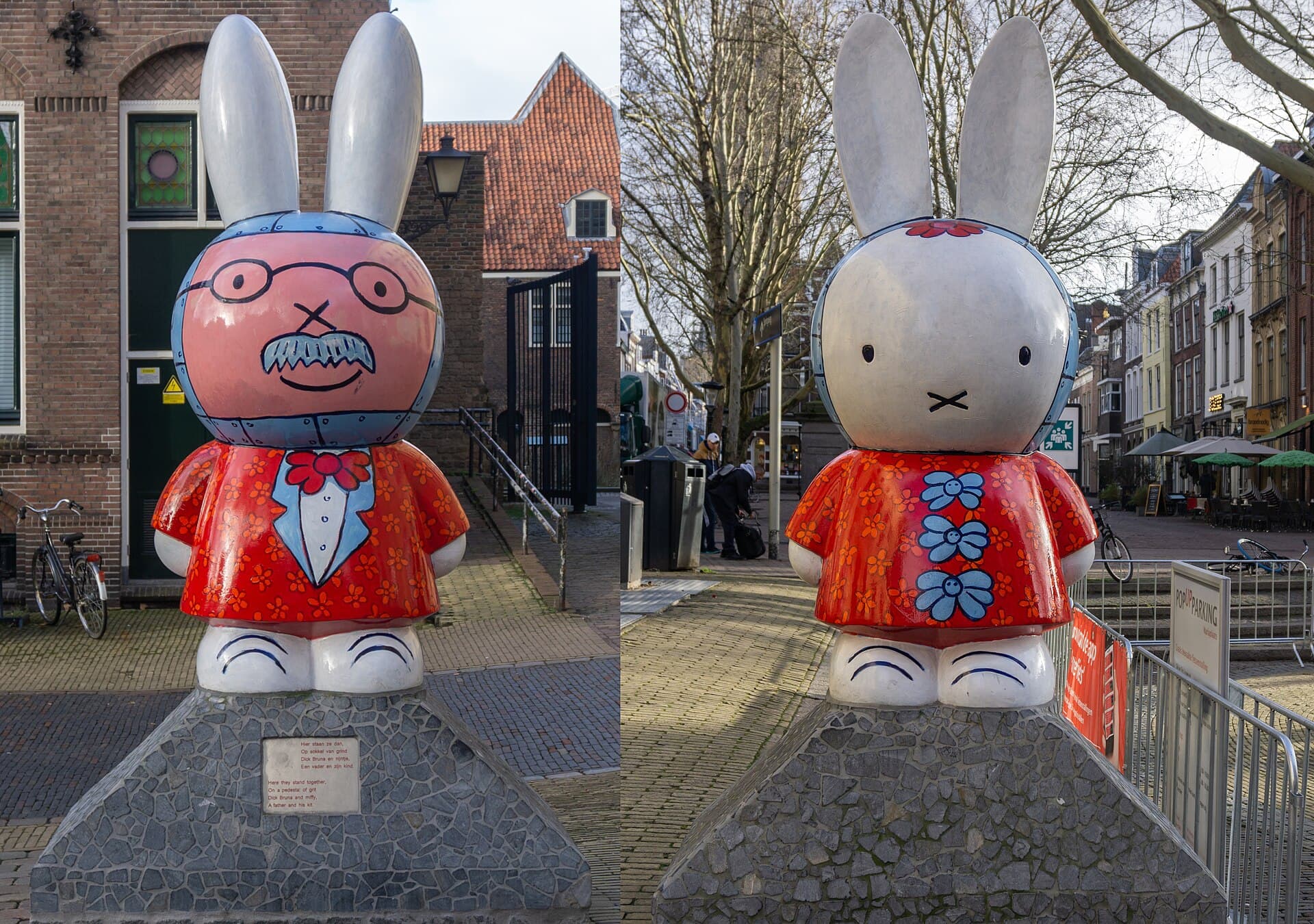
On a small square near the canal in Utrecht stands a dark bronze rabbit, and children arrive to greet it as if meeting an old friend. This is nijntje pleintje, the little nijntje square. The rabbit is nijntje, honoring Dick Bruna, the Utrecht illustrator who created the character in 1955 and reduced her to a few clean lines and a handful of flat primary colours. Most of the world knows her by her English name, Miffy. Standing in front of the statue, the one thing to understand is that reduction: the deliberate stripping of a whole character down to its purest possible shape, which is exactly the instinct that also runs through Utrecht's most radical design.
What the square actually is
The word plein means square, so nijntje pleintje reads plainly as "little nijntje square." It is free, it is always open, and it asks nothing of you but a few minutes. The bronze rabbit at its center is small, dark, and unmistakable in silhouette. That silhouette is the whole point. Even rendered in metal, with no colour and no line drawing, nijntje is instantly recognizable, because her form was designed to survive extreme simplification. You could describe her to a stranger in a sentence and they would draw something close.
The name itself is a piece of that same economy. Nijntje comes from the Dutch word konijntje, which means "little rabbit." The name kept only the ending of that word, so it is quite literally the word for the thing with most of it removed. The character and her name were built by the same method: take the essential, discard the rest.
The man who drew her
Hear a stop from this walk
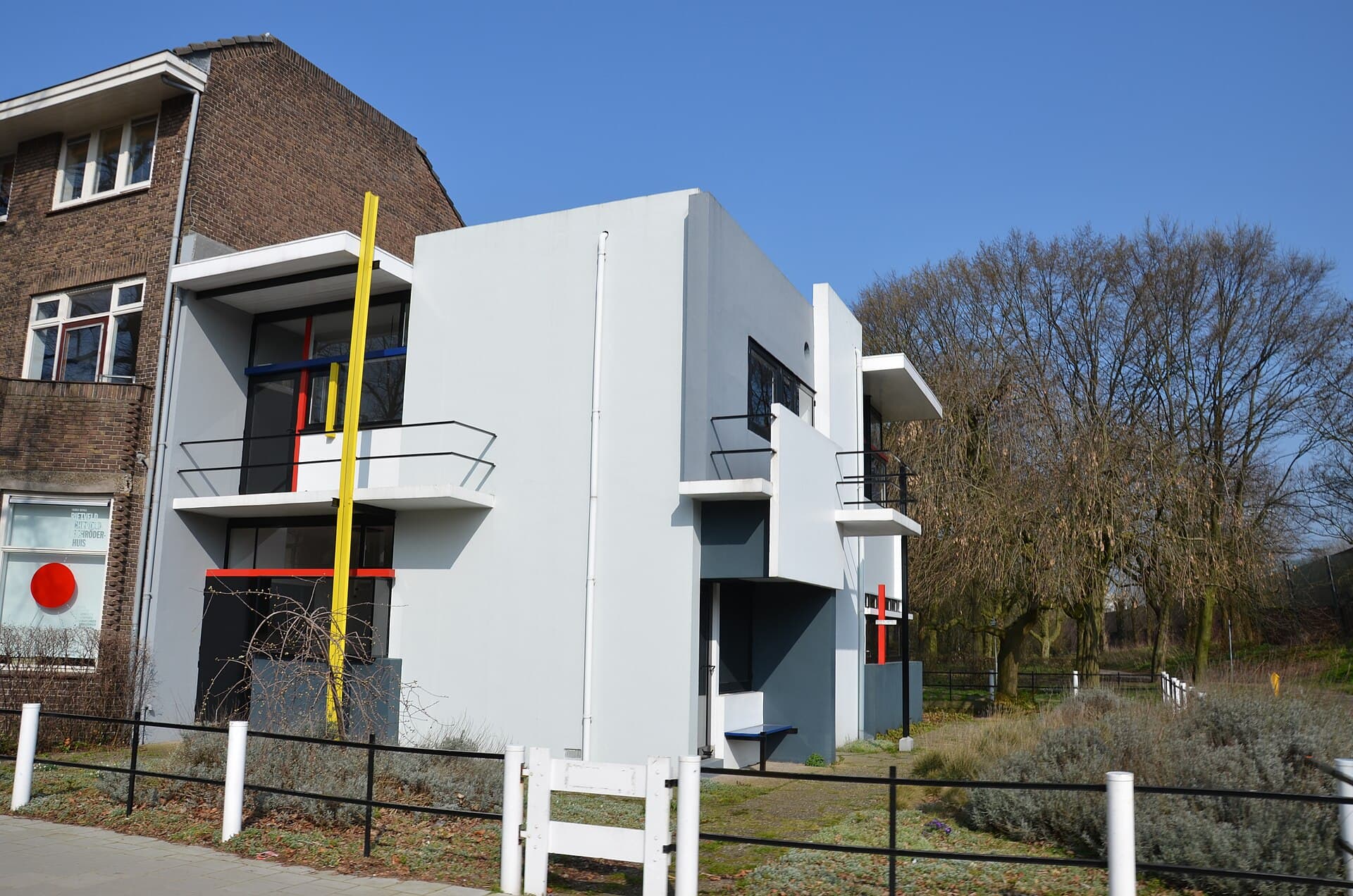
Rietveld Schröderhuis: the manifesto you can stand inside
Dick Bruna was born in Utrecht in 1927 and died in 2017, and this square is the city honoring one of its own. The story of how nijntje came to be is domestic and unhurried. In 1955, while the family was on holiday at the coast, Bruna told his young son bedtime stories about a little rabbit they had seen near their holiday house, and out of those nightly inventions the character was born. There is no grand origin here, no boardroom brief. A father made up a rabbit for his child, drew her, and kept drawing her, and the rabbit went on to become a figure the whole world recognizes.
What sets Bruna apart is not that he was prolific, though he was. It is the discipline of his line. He drew nijntje with a thick, deliberate contour and filled her with flat, unshaded colour: red, yellow, blue, green, plus the white of the page. No gradients. No modeling. No texture pretending to be fur. He resolved a face into two dots and a small cross of a mouth and let the composition do the rest. This is much harder than it looks. Anyone can add detail; the difficulty is knowing what to leave out and having the nerve to leave it out. Bruna made that nerve his entire style.
Why she belongs to Utrecht's design story, not just its childhood
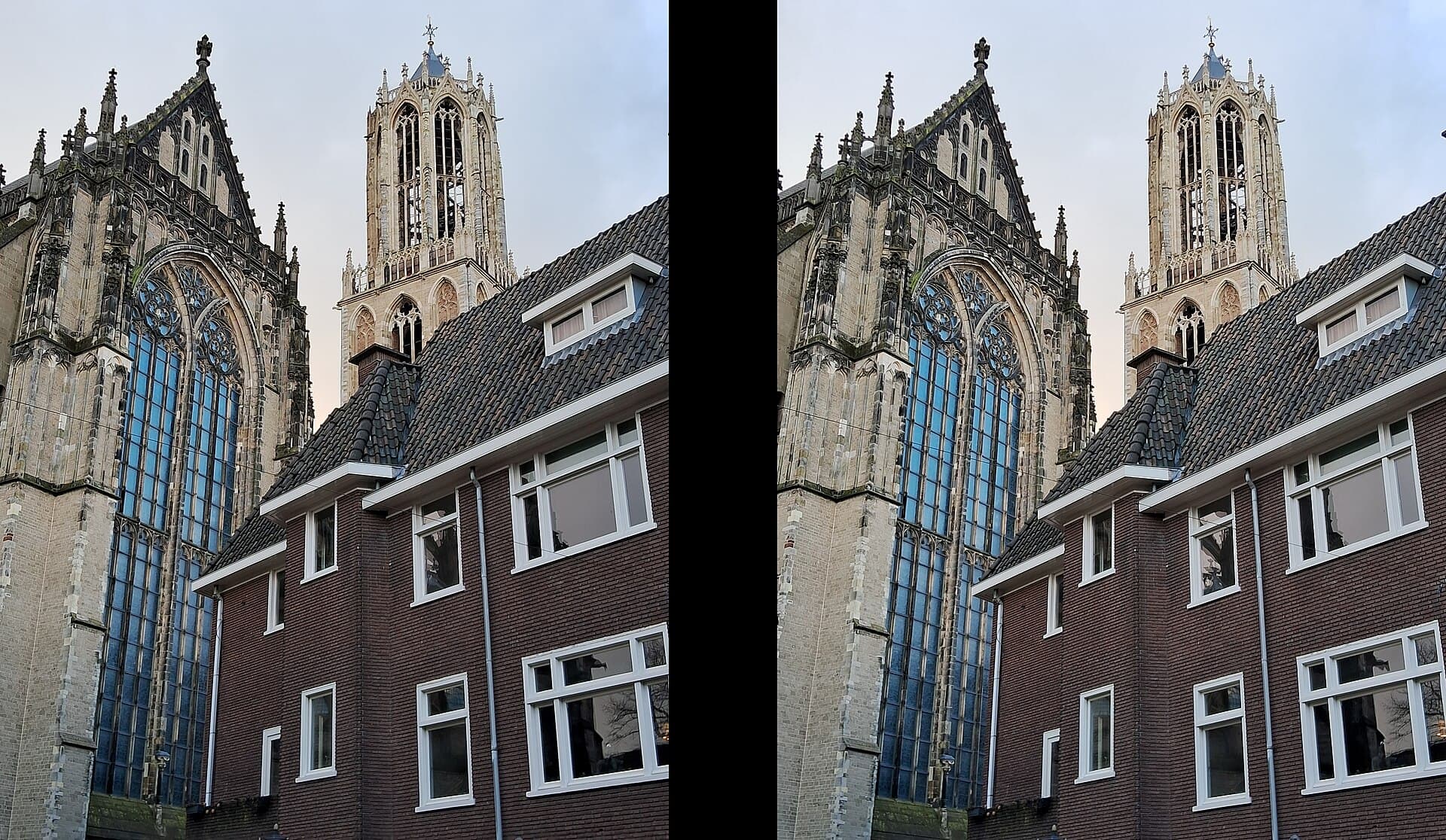
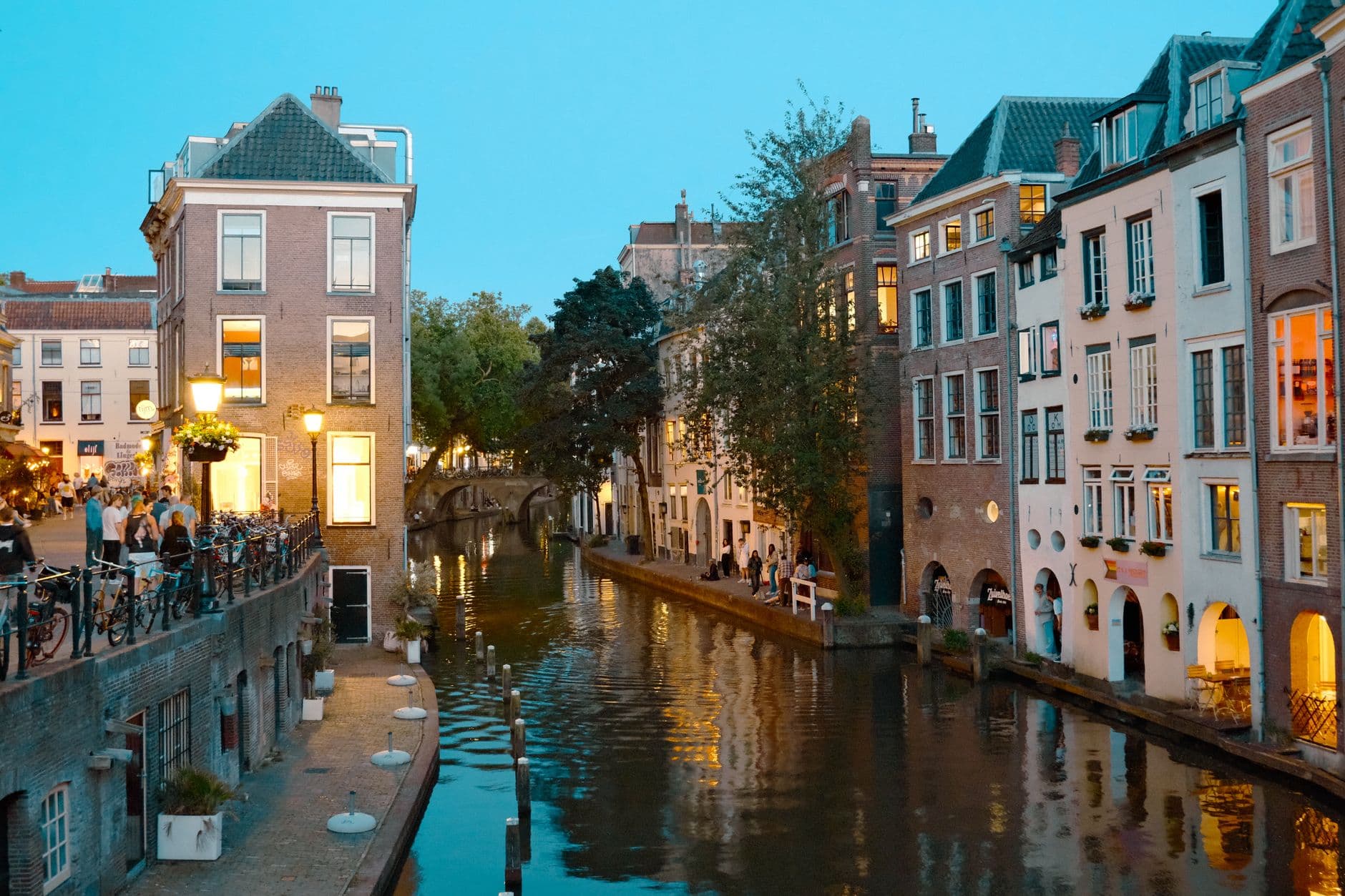
Here is the connection that turns a charming statue into something worth thinking about. Utrecht is a city that looks medieval, with a cathedral tower nine centuries in the making and canals where the wharves sit one level below the street. And yet this quiet place authored two of the twentieth century's purest ideas about visual reduction. One is a small white house on the city's eastern edge, the Rietveld Schroderhuis, often called the only true building of the design movement known as De Stijl, and a UNESCO World Heritage Site since the year two thousand. The other is nijntje.
De Stijl, launched by a group of Dutch artists and architects in 1917, set out severe and beautiful rules: use only the primary colours plus black, white and grey; use only straight lines and rectangles; pursue pure abstraction. It was a philosophy of stripping design back to irreducible elements. Bruna was not a member of that movement, and it would be wrong to claim he was. But look at what he did with a rabbit: flat primary colour, the simplest possible geometry of a face, everything unnecessary removed. His work is a graphic cousin of the same instinct. In one city, two very different makers, decades apart, arrived at the conviction that the strongest form is the most reduced one. A visitor who walks from this square to the Rietveld house is following that single idea across a century and across a whole change of scale, from a picture book to a building.
A detail worth carrying with you
The statue on the square was not made by a stranger commissioned to commemorate a famous man. It was sculpted by Marc Bruna, Dick Bruna's own son, and unveiled in 1994. There is a quiet symmetry in that. The character was born from a father telling stories to his young son, and a son of that same illustrator shaped the bronze that now stands in the father's home city. The family thread runs straight through the object in front of you.
If you are visiting with very young children, note that this is not the only nijntje site here. Across from the Centraal Museum you will find the nijntje museum, an interactive museum built for the youngest visitors, roughly ages two to six, which grew out of the Dick Bruna gallery the Centraal Museum opened in 2006. The square, though, needs no ticket and keeps no hours. You can stand with the rabbit as long as the moment holds you.
Walk the idea, don't just read it
Nijntje pleintje is one stop on a walk that traces this exact thesis through Utrecht: from the Centraal Museum, which holds both the world's largest Rietveld collection and the Bruna collection under one roof, to the little rabbit here, to the De Stijl chair, and out east to the house where the whole idea becomes something you can stand inside. Reading about reduction is one thing; walking from a bronze rabbit to a UNESCO building and feeling the single instinct connecting them is another.
The self-guided "From De Stijl to a Little White Rabbit" tour lays out that route at your own pace, each stop short and skippable, so you can linger at the square and move on when you are ready. Browse the full set of Utrecht walking tours or start from the Utrecht city page to plan the day around it.
Sources
- Nijntje, Kunst in de openbare ruimte Utrecht (official record of the public statue, sculptor Marc Bruna, and the 1994 unveiling). https://www.kunstinopenbareruimte-utrecht.nl/kunstwerken/nijntje
- Dick Bruna, Wikipedia (biography: born Utrecht 1927, died 2017, creator of nijntje / Miffy in 1955). https://en.wikipedia.org/wiki/Dick_Bruna
- Miffy, Wikipedia (origin of the character from bedtime stories in 1955 and the name from konijntje). https://en.wikipedia.org/wiki/Miffy
- Rietveld Schroderhuis, UNESCO World Heritage Centre (World Heritage inscription in 2000; managed by the Centraal Museum). https://whc.unesco.org/en/list/965/
- De Stijl, Wikipedia (context for the 1917 movement and its principle of reduction to primary colours and straight lines). https://en.wikipedia.org/wiki/De_Stijl
Ready to experience it?
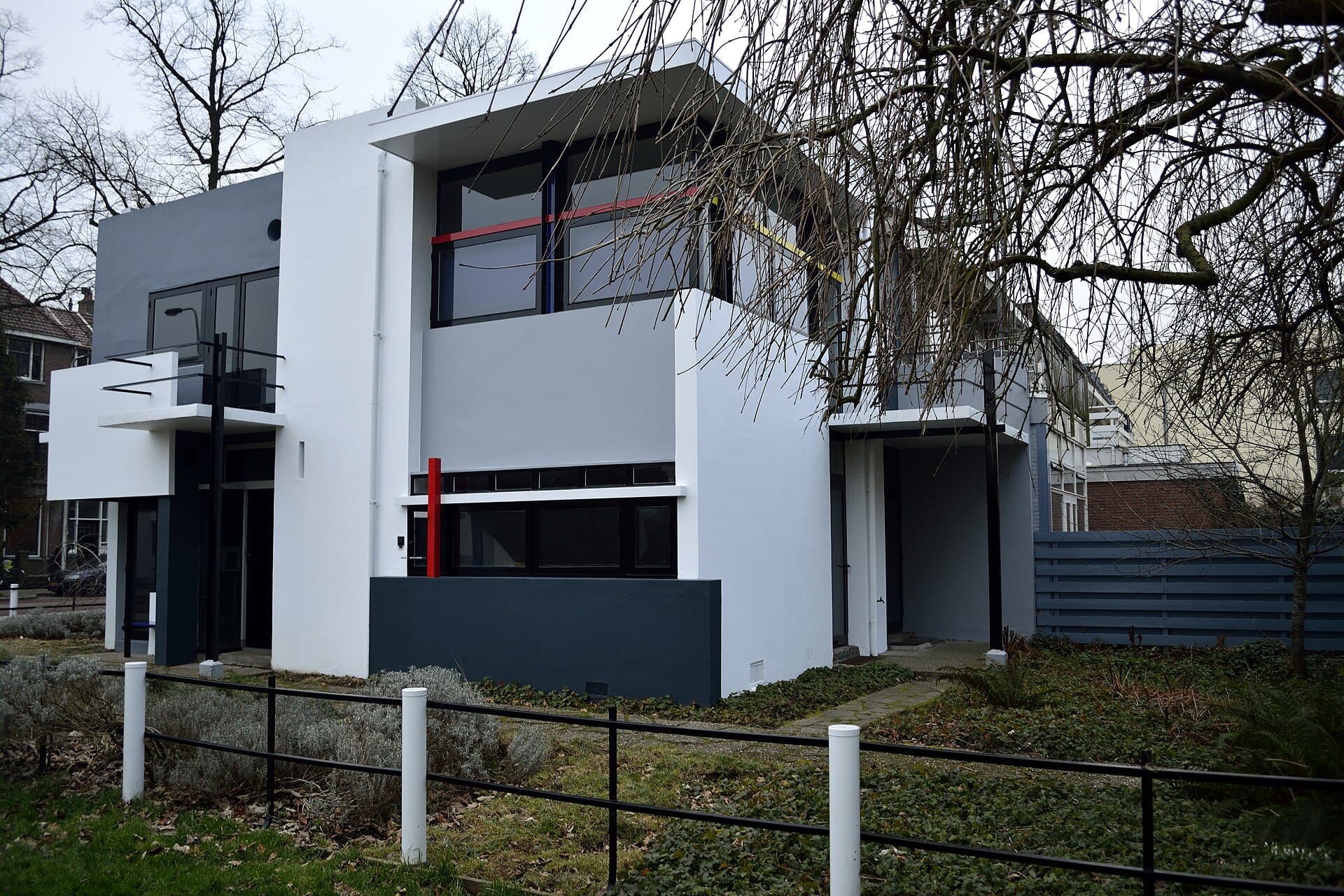
Rietveld Schröderhuis and Miffy: From De Stijl to a Little White Rabbit
145 min · 5 km · moderate
More from Utrecht
Explore more at your own pace.
One Day in Utrecht: A Walkable Morning-to-Evening Itinerary
Utrecht: The City That Keeps Its Story Below the Surface
The Dom Church of Utrecht and the Storm That Split It From Its Tower
The Rietveld Schröder House: Utrecht's Manifesto You Can Stand Inside
The Oudegracht: Why Utrecht's Canal Runs Below the Street