Civic District: Where Singapore Was Founded
80 min · 3.2 km · easy
If you have one meal in Singapore, eat Hainanese chicken rice at a hawker centre, because that single plate explains the whole city: it was carried here by immigrants from China's Hainan island, stretched thin by frugal cooks, and adapted into something Singaporeans now call a national dish. Singapore food is not one cuisine. It is Chinese, Malay, Indian, and Peranakan traditions living side by side in the same food court, each dish carrying the story of who brought it and how it changed. This guide covers the specific dishes worth ordering, where each tradition comes from, and how to order like a local so you spend less and eat better. The neighborhoods where these foods took root are exactly the ones you walk on a self-guided tour, so eating well and understanding the city turn out to be the same activity.
The best place to start is a hawker centre. In December 2020, UNESCO added Singapore's hawker culture to its Representative List of the Intangible Cultural Heritage of Humanity, the country's first inscription, recognizing hawker centres as "community dining rooms" where people from different backgrounds share breakfast, lunch, and dinner. These are open-air or covered food courts full of individual stalls, most of them run by cooks who have made one dish for decades. Meals typically run a few Singapore dollars. You order at the stall, pay there, and carry your own tray to a shared table. Reserving a seat with a packet of tissues is a real local custom, not a joke.
The dishes worth ordering
Hainanese chicken rice. Poached chicken served over rice cooked in chicken fat and stock, with chilli sauce and cucumber on the side. It was created by immigrants from Hainan who came to Southeast Asia in the nineteenth and early twentieth centuries and adapted their home dish of Wenchang chicken to local tastes. Many of these Hainanese arrivals had worked as cooks on European ships or in colonial households, which is why so much of Singapore's coffee-shop food traces back to them. Tian Tian Hainanese Chicken Rice at Maxwell Food Centre, on the edge of Chinatown, is the most famous single stall and holds a Michelin Bib Gourmand.
Chilli crab. Mud crab in a thick, sweet, savory, slightly spicy gravy that you mop up with fried or steamed buns. It was invented by Cher Yam Tian in the mid-1950s, when she added bottled chilli sauce to her stir-fried crabs instead of her usual tomato sauce. She and her husband sold it from a pushcart from 1956, then opened Palm Beach restaurant in 1962. Their son later opened Roland Restaurant, which still runs today. Order it as a shared dish, not a solo plate.
Laksa. A bowl of rice noodles in a coconut-and-chilli gravy. The version most associated with Singapore is Katong laksa, tied to the Peranakan community of the Katong district, whose cooking blended Chinese ingredients with Malay ones like coconut milk and chilli. Its signature is noodles cut into short pieces so you eat the whole bowl with a spoon, no chopsticks needed, which is why it is sometimes called "spoon laksa." A hawker nicknamed Janggut helped popularize it from the 1950s around Marine Parade and East Coast Road.
Satay. Skewered, charcoal-grilled meat served with peanut sauce, cucumber, onion, and pressed rice cakes called ketupat. Satay is widely believed to have originated on the island of Java in Indonesia and spread across the Malay world; in Singapore it is known by its Malay name and the local peanut sauce often includes grated pineapple. For the full experience, go to Satay Street at Lau Pa Sat, where carts set up on Boon Tat Street in the evening.
Roti prata. A South Indian-origin flatbread, cooked crisp outside and soft inside, torn and dipped in curry. Indian Muslim traders and labourers carried the technique to Singapore during the colonial era, and it is still sold mostly by Indian Muslim stallholders. It is a breakfast and late-night staple, and Little India is a natural place to try it alongside other South Indian dishes.
Kaya toast breakfast. Two slices of toast with butter and kaya, a coconut-and-egg jam scented with pandan, served with soft-boiled eggs and local coffee. This set is another Hainanese contribution: Hainanese cooks who had worked aboard ships built the coffee-shop, or kopitiam, culture. Ya Kun Kaya Toast, founded by Hainanese immigrant Loi Ah Koon, is widely recognized as one of the coffeeshops that made kaya toast with soft-boiled eggs and coffee a Singapore icon.
How to order coffee like a local
Hear a stop from this walk
Raffles Landing Site: Where the Colonial Town Began
Singapore's coffee-shop coffee has its own vocabulary, a blend of Malay, Hokkien, and English. Learning a few words saves confusion and marks you as someone paying attention.
- Kopi: coffee with condensed milk and sugar (the sweet default).
- Kopi-O: black coffee with sugar, no milk.
- Kopi-C: coffee with evaporated milk and sugar, lighter and less sweet. The "C" is commonly traced to the Carnation brand of tinned milk.
- Kosong: "empty" in Malay, meaning no sugar. So kopi-O kosong is black, unsweetened coffee.
- Siew dai: less sweet.
- Gao: stronger, thicker.
- Peng: iced.
The same modifiers work for tea, which is teh. Ask for teh-C peng and you get iced tea with evaporated milk and sugar.
Eat where the city was built
The food and the neighborhoods are the same story, which is what makes eating in Singapore so rewarding on foot. Chinatown gave you chicken rice and the Hainanese coffee-shop tradition, and its temples and shophouses map the arrival of the immigrants who cooked it. Little India is where roti prata and South Indian food still line Serangoon Road. Kampong Glam, the old Malay royal quarter around the Sultan Mosque, anchors the Malay side of the table. Marina Bay and the Civic District trace the colonial and modern city that pulled all of it together.
A self-guided audio walk lets you eat at your own pace, stop when a queue looks right, and hear why the street you are standing on smells the way it does. Browse the full set on the Singapore walking tours hub, or start from the city page and pick the quarter whose food you most want to eat. The Chinatown, Little India, and Kampong Glam routes double as food maps, since each passes the markets, coffee shops, and temples where these dishes were born.
Practical notes
Hawker centre meals are inexpensive and safe; Singapore has strict food hygiene standards and stalls display grading. Bring small cash, though many stalls now take contactless payment. Peak lunch hours (roughly noon to 1:30 pm) mean long queues at the famous stalls, so eat early or late if you want to skip them. Many mosques and temples on the food-quarter walks welcome visitors outside prayer times with modest dress, and most charge no entry fee. Singapore's heat and humidity are constant year-round, so pace your walk, drink water, and treat an air-conditioned meal as a genuine rest stop.
Sources
Frequently asked questions
- What is the national dish of Singapore?
- Hainanese chicken rice is widely considered Singapore's national dish. It is poached chicken served over rice cooked in chicken fat and stock, with chilli sauce on the side. It was brought by immigrants from China's Hainan island in the nineteenth and early twentieth centuries and adapted from their home dish of Wenchang chicken.
- Where should I eat in Singapore as a first-time visitor?
- Start at a hawker centre, an open-air or covered food court of individual stalls where meals cost a few Singapore dollars. Maxwell Food Centre on the edge of Chinatown, home to the famous Tian Tian chicken rice stall, and Lau Pa Sat with its evening Satay Street on Boon Tat Street are two of the best-known. Singapore's hawker culture was inscribed on UNESCO's Intangible Cultural Heritage list in December 2020.
- What is chilli crab and where did it come from?
- Chilli crab is mud crab served in a thick, sweet, savory, and slightly spicy gravy, eaten with buns. It was invented by Cher Yam Tian in the mid-1950s when she added bottled chilli sauce to her stir-fried crabs. She sold it from a pushcart from 1956 and opened Palm Beach restaurant in 1962. It is a shared dish, not a single portion.
- How do I order coffee like a local in Singapore?
- Use the coffee-shop vocabulary, a mix of Malay, Hokkien, and English. Kopi is coffee with condensed milk and sugar, kopi-O is black with sugar, and kopi-C uses evaporated milk. Add kosong for no sugar, siew dai for less sweet, gao for stronger, and peng for iced. The same words work for tea, which is teh.
- Is street food in Singapore safe to eat?
- Yes. Singapore enforces strict food hygiene standards, and hawker stalls display official cleanliness gradings. Bring small cash, though many stalls now accept contactless payment. The main practical issue is queues at the most famous stalls during peak lunch hours, so eating a little early or late helps.
- What food is Little India known for?
- Little India along Serangoon Road is the heart of South Indian food in Singapore, including roti prata, a crisp-and-soft flatbread torn and dipped in curry. Roti prata is of South Indian origin, carried to Singapore by Indian Muslim traders and labourers during the colonial era, and is still sold mostly by Indian Muslim stallholders.
Ready to experience it?
Civic District: Where Singapore Was Founded
80 min · 3.2 km · easy
More from Singapore
Explore more at your own pace.
One Day in Singapore: A Walkable Morning-to-Evening Itinerary
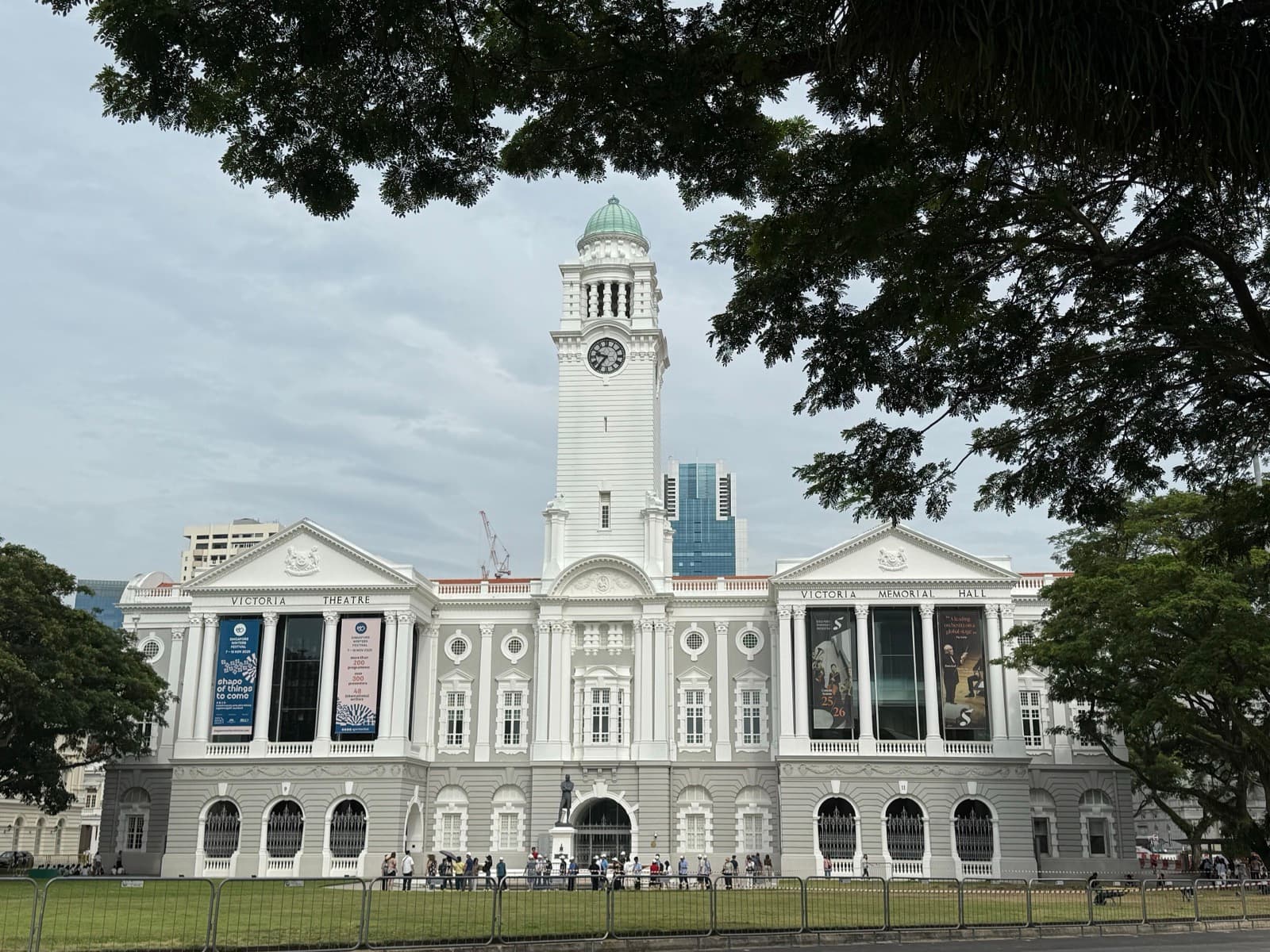
Reading Singapore Neighbourhood by Neighbourhood: From the Founding River to the Supertrees
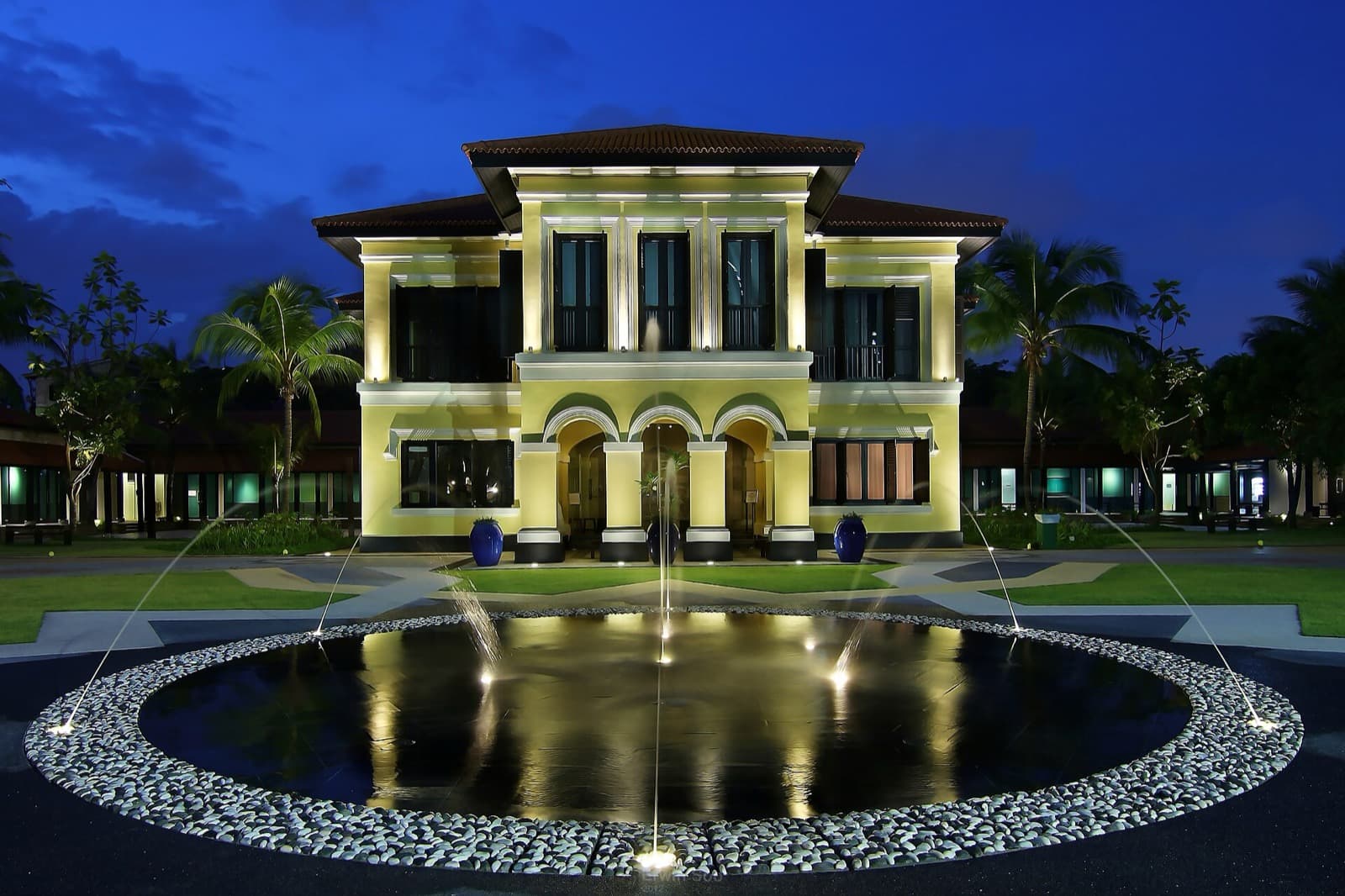
Istana Kampong Glam: The Sultan's Palace That Predates Colonial Singapore
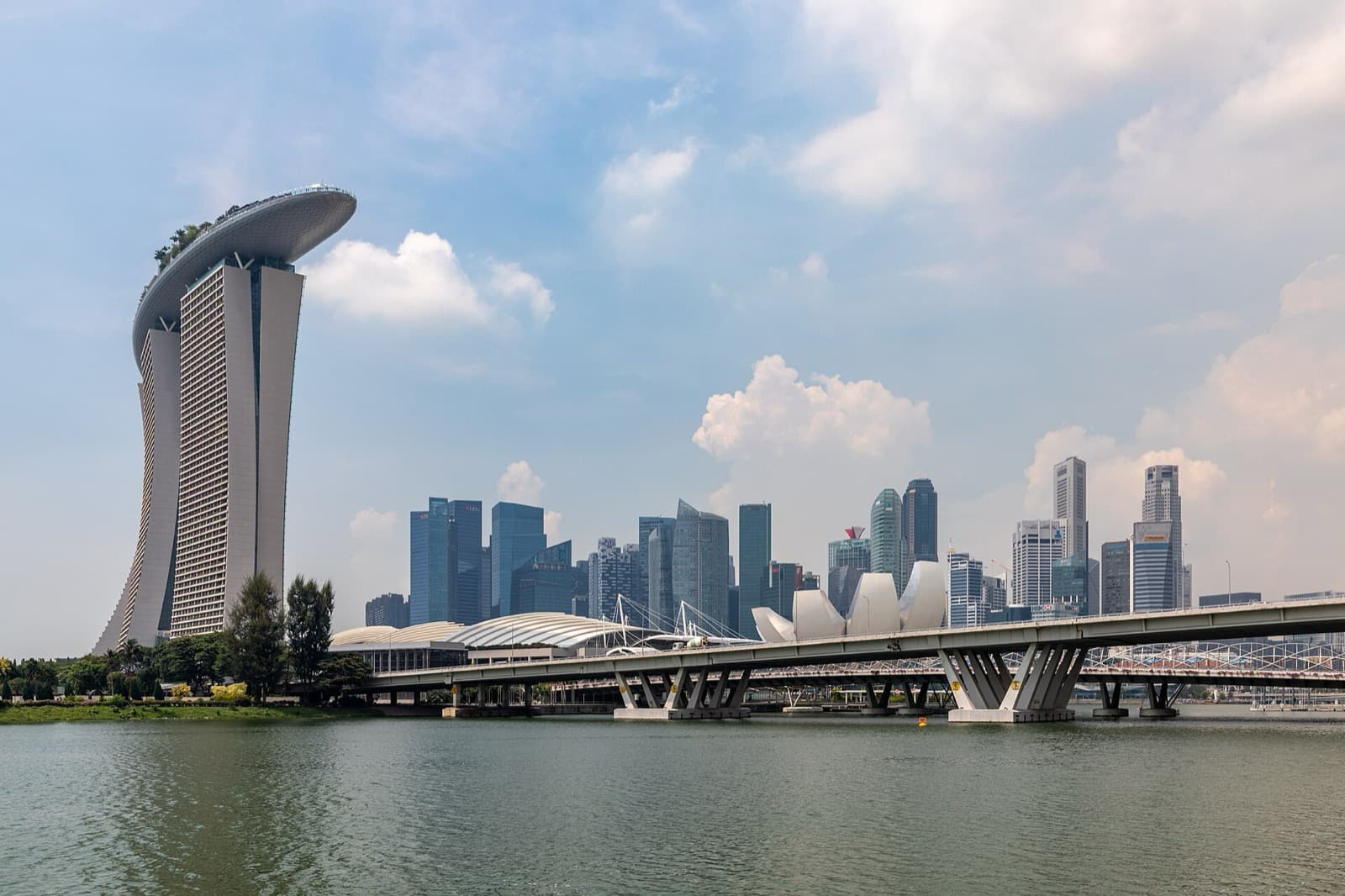
Marina Bay Sands and the Skyline Singapore Built on Reclaimed Sea
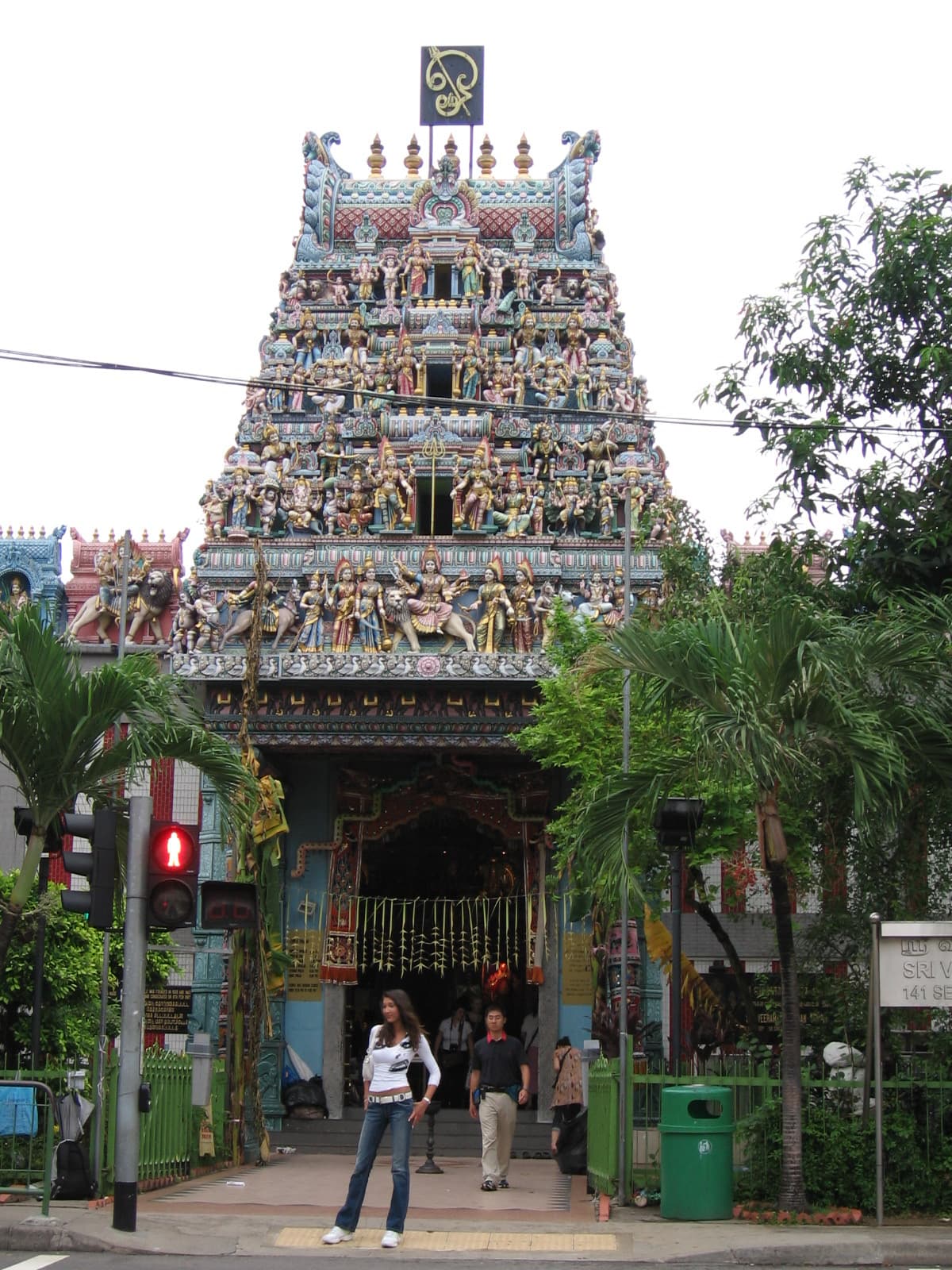
Sri Veeramakaliamman Temple: The Mother Little India's Labourers Raised