Santa Ana food is the Salvadoran core, tasted from coffee country. That means the same national dish you find everywhere in El Salvador, but with a western grain to it, and it means coffee, because this is the crop the whole city was built on. It also means the food gets better the moment you leave town: up the Ruta de las Flores, the mountain villages turn eating into a day trip. This guide covers the dishes worth seeking out and where the food culture lives, and it pairs naturally with a slow walk on the Santa Ana self-guided tour.
The dishes to seek out
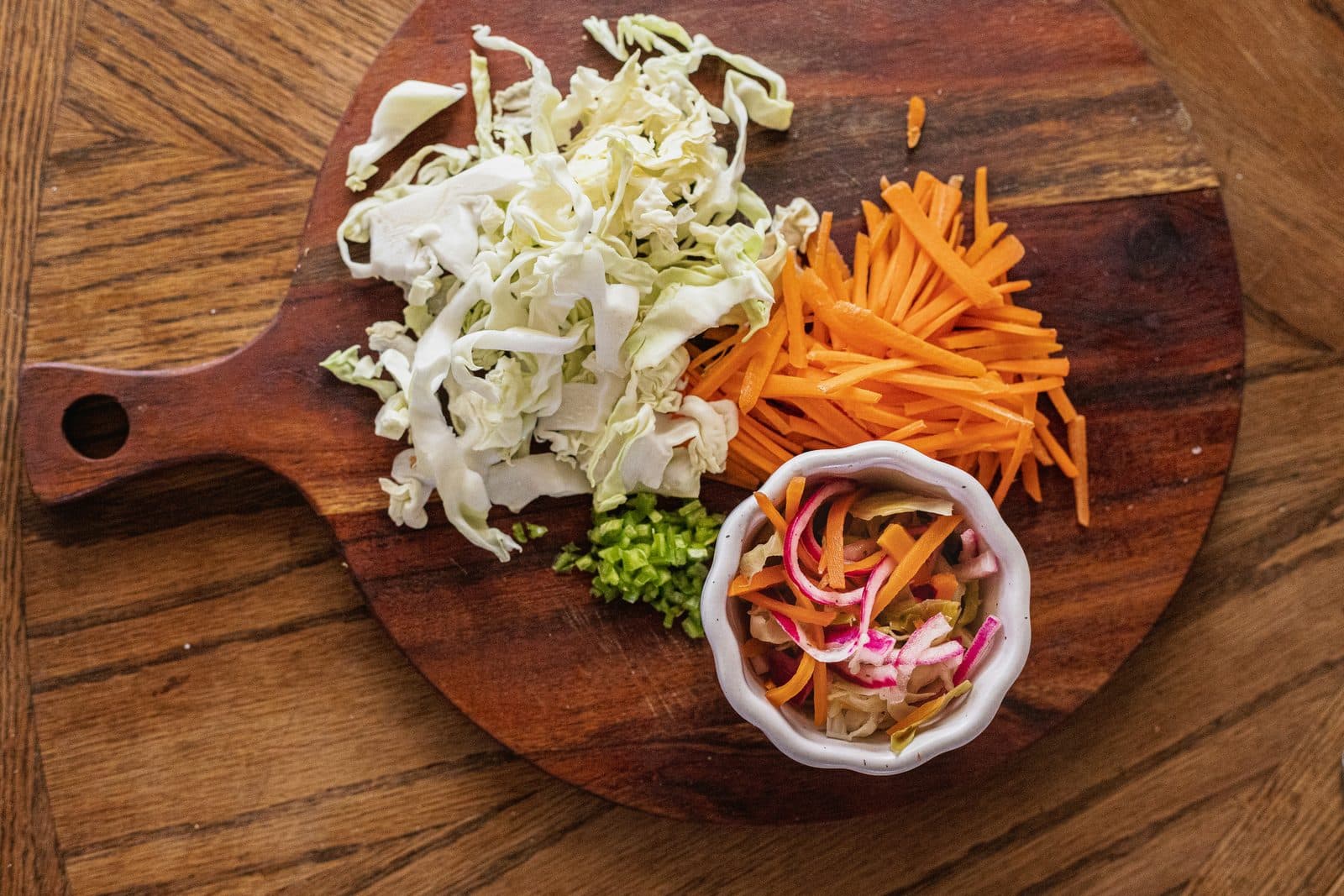
Pupusas, the western way. El Salvadors national dish, made official in 2005: thick griddled cakes of corn or rice masa, stuffed and cooked on a hot comal, most classically with cheese, refried beans, or chicharron. The regional detail worth knowing is that in the western departments around Santa Ana and Ahuachapan, pupusas tend to be slightly thinner and made with a higher-moisture dough, while the east leans on rice-based pupusas with seafood. Wherever you eat them, they come with curtido, a lightly fermented cabbage slaw, and a thin tomato salsa.
Yuca frita. Fried cassava: thick fingers of the root boiled soft, then fried golden and crisp on the outside, creamy within. It is often served con chicharron, with fried pork, one of the most satisfying plates of humble Salvadoran cooking, and a staple of street stalls and fairs.
Quesadilla salvadorena. Do not expect a folded tortilla. This is a sweet cheese pound cake, a pan dulce made with rice flour and a firm cheese and dusted with sesame seeds, baked and sliced. It is a breakfast or afternoon sweet, and it is made to be eaten with coffee, which is exactly what Santa Ana has in abundance.
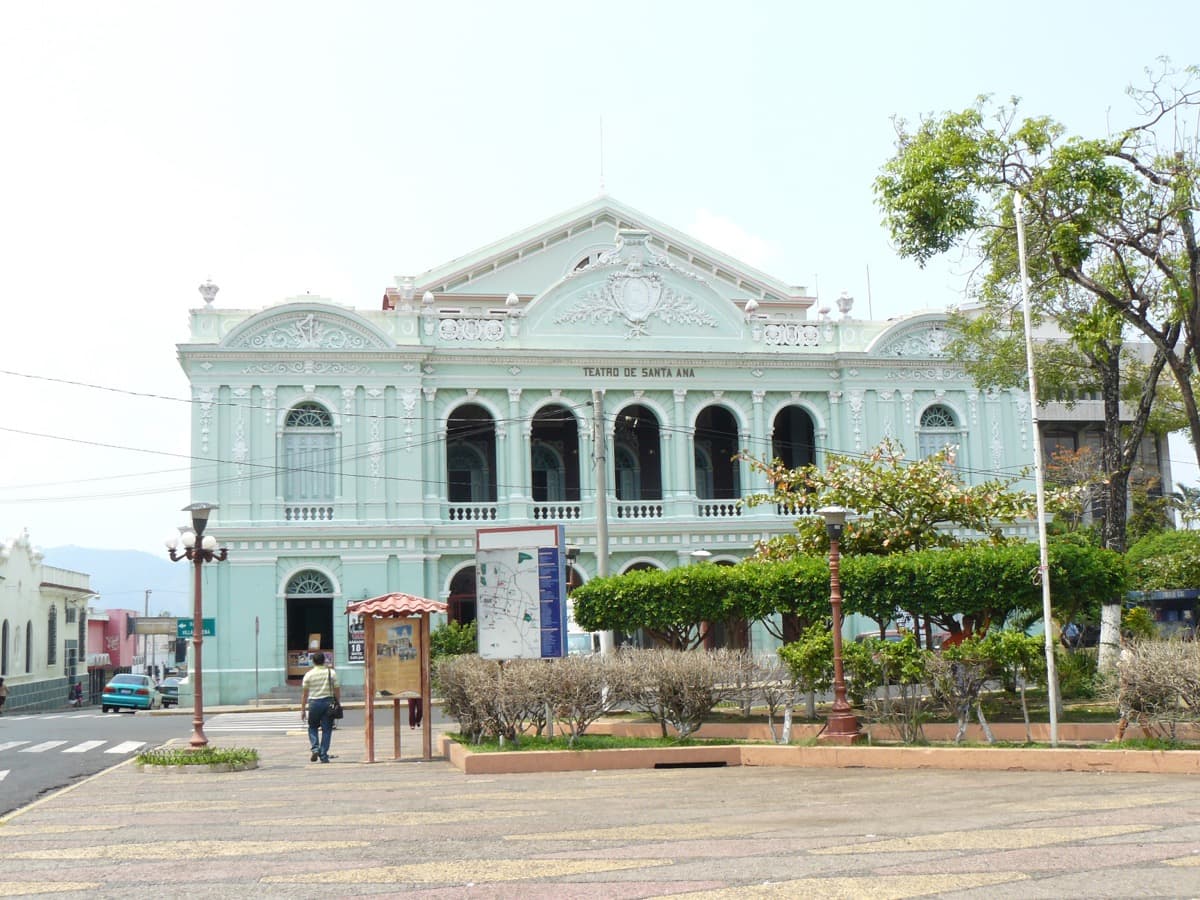
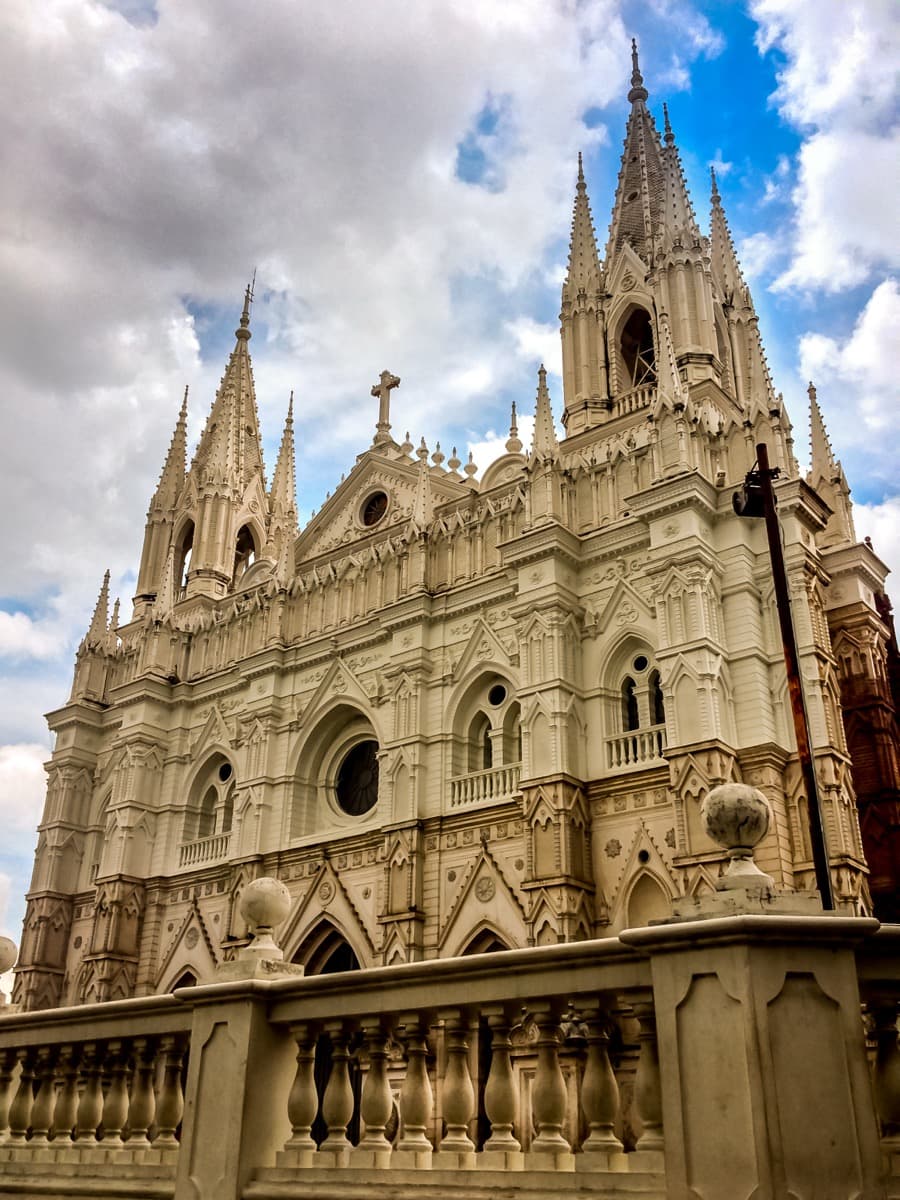
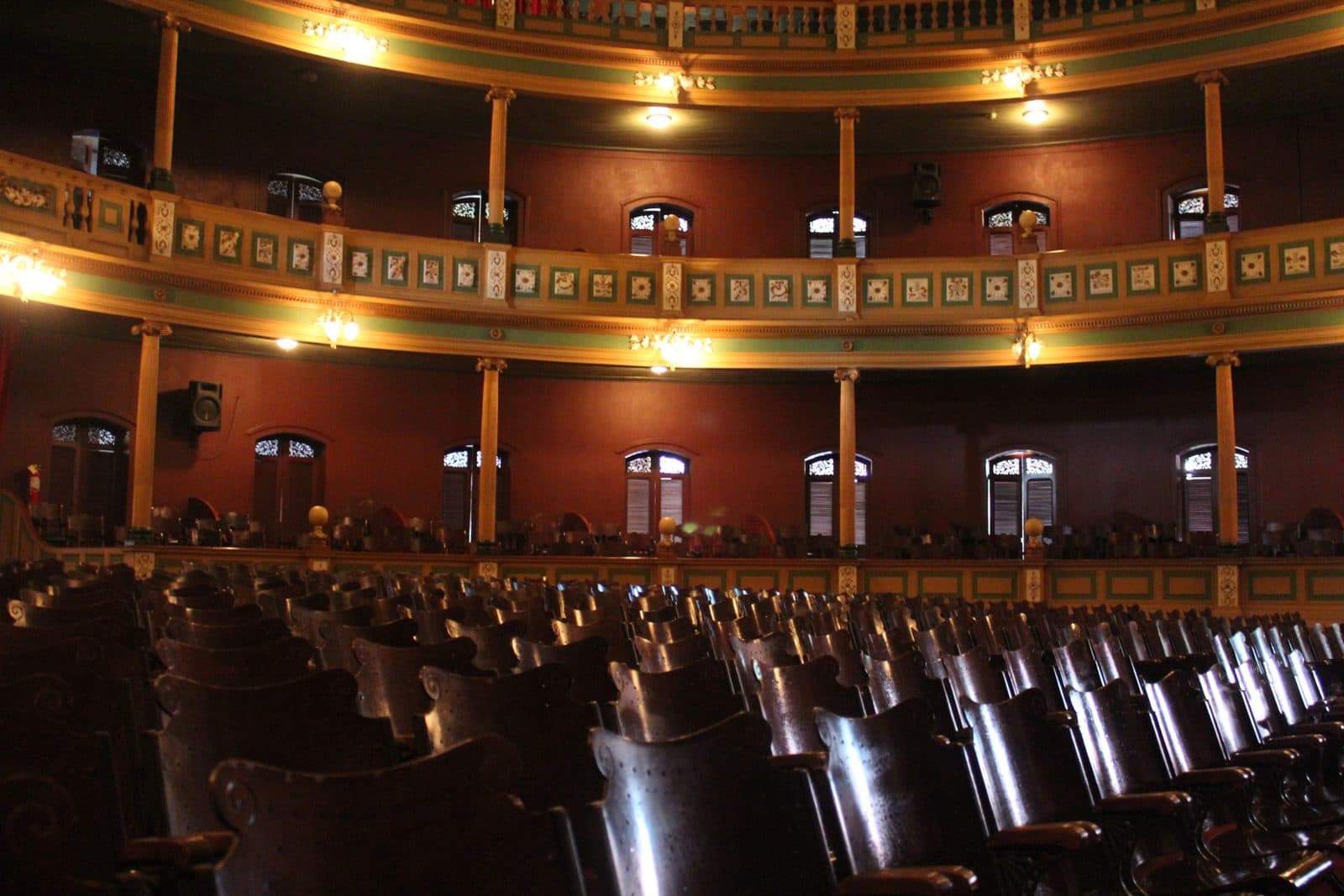
Coffee. The one that built everything. Santa Ana and its surrounding volcanic highlands are prime coffee country, and the wealth of that crop paid for the cathedral, the theater, and the city hall you walk on the tour. Drink it at a cafe near the plaza and you are tasting the thing the whole city grew rich on. For the fuller story, read how coffee built Santa Ana.
Where the food culture lives
Hear a stop from this walk
Iglesia El Carmen
Around the historic center, for pupusas and classics. The comedores and pupuserias in the streets around Parque Libertad are where the everyday eating happens, cheap, fast, and local. Sit with a plate of pupusas and curtido and you have the core Salvadoran meal.
The cafes near the plaza, for coffee. This is coffee country, so a mug of the local roast, ideally with a slice of quesadilla salvadorena, belongs in your Santa Ana day. Take it in the morning before you walk, or in the afternoon as the plaza fills.
Juayua and the Ruta de las Flores, for a food day trip. Up the 36 km flower route sit the mountain coffee towns, and the best-known food experience of the region is Juayua weekend fair, the Feria Gastronomica, held every Saturday and Sunday, roughly late morning through the afternoon. Dozens of stalls grill meats and serve regional dishes, and it has drawn crowds for decades. It is reachable by direct bus from Santa Ana, which makes it an easy and delicious day out. The neighboring towns of Ataco, Apaneca, and Salcoatitan round out the route with more cafes, coffee farms, and village comedores.
Eat as you walk
The best way to work through this list is on foot, one district at a time, then one town at a time. Pair a morning walking the historic center with a pupusa lunch and a plaza-side coffee, and give a full weekend day to Juayua fair up the flower route. Route your visit with the one day in Santa Ana itinerary, plan the practical side with the Santa Ana travel guide, and browse all Santa Ana tours. Every tour is free to start: the introduction and first stop play in full, and every later stop plays a short preview before an optional purchase.
Frequently asked questions
- What food is Santa Ana known for?
- Santa Ana eats the Salvadoran core with a western accent. The headline is pupusas, El Salvadors national dish, thick griddled corn or rice masa cakes stuffed with cheese, beans, or chicharron, and in the western departments around Santa Ana they tend to be thinner and made with a higher-moisture dough. Alongside them you will find yuca frita (fried cassava, often with chicharron), and quesadilla salvadorena, which despite the name is a sweet cheese pound cake eaten with coffee. Coffee itself is the regions signature, since Santa Ana was built on it.
- Are pupusas different in Santa Ana?
- Yes, subtly. Pupusas are the same beloved national dish everywhere in El Salvador, but there is a regional grain to them. In the western departments, including Santa Ana and neighboring Ahuachapan, pupusas tend to favor a higher-moisture dough and come slightly thinner, while eastern El Salvador leans on rice-based pupusas that often include local seafood. They are served the classic way anywhere: with curtido, a lightly fermented cabbage slaw, and a thin tomato salsa.
- What is quesadilla salvadorena?
- It is not a Mexican quesadilla. Quesadilla salvadorena is a sweet cheese pound cake, a pan dulce made with rice flour and a firm-soft cheese and topped with sesame seeds. It is baked, sliced, and eaten as a breakfast or afternoon snack, almost always with coffee. It is one of the most beloved sweet bakes in the country, and a natural pairing with Santa Ana coffee culture.
- Where should you eat around Santa Ana?
- In the city, eat pupusas and Salvadoran classics at the comedores and pupuserias around the historic center, and drink the local coffee at cafes near Parque Libertad. For a food day trip, head up the Ruta de las Flores: Juayua hosts a weekend food fair, the Feria Gastronomica, every Saturday and Sunday, roughly late morning to late afternoon, where dozens of stalls grill meats and serve regional dishes. It has been running for decades and is one of the best-known eating experiences in western El Salvador.
Ready to experience it?
Santa Ana: The Coffee-Built Capital
75 min · 1.8 km · easy
More from Santa Ana
Explore more at your own pace.
How to See Santa Ana: A City the Coffee Money Built and the Coffee Money Left
How to See Santa Ana: Coffee, the Fourteen Families, and the Town Built on a Massacre
One Day in Santa Ana, El Salvador: A Walkable Center Itinerary (2026)
Santa Ana Travel Guide: How Many Days, Getting Around, Is It Safe (2026)
How Coffee Built Santa Ana's Skyline in Forty Years