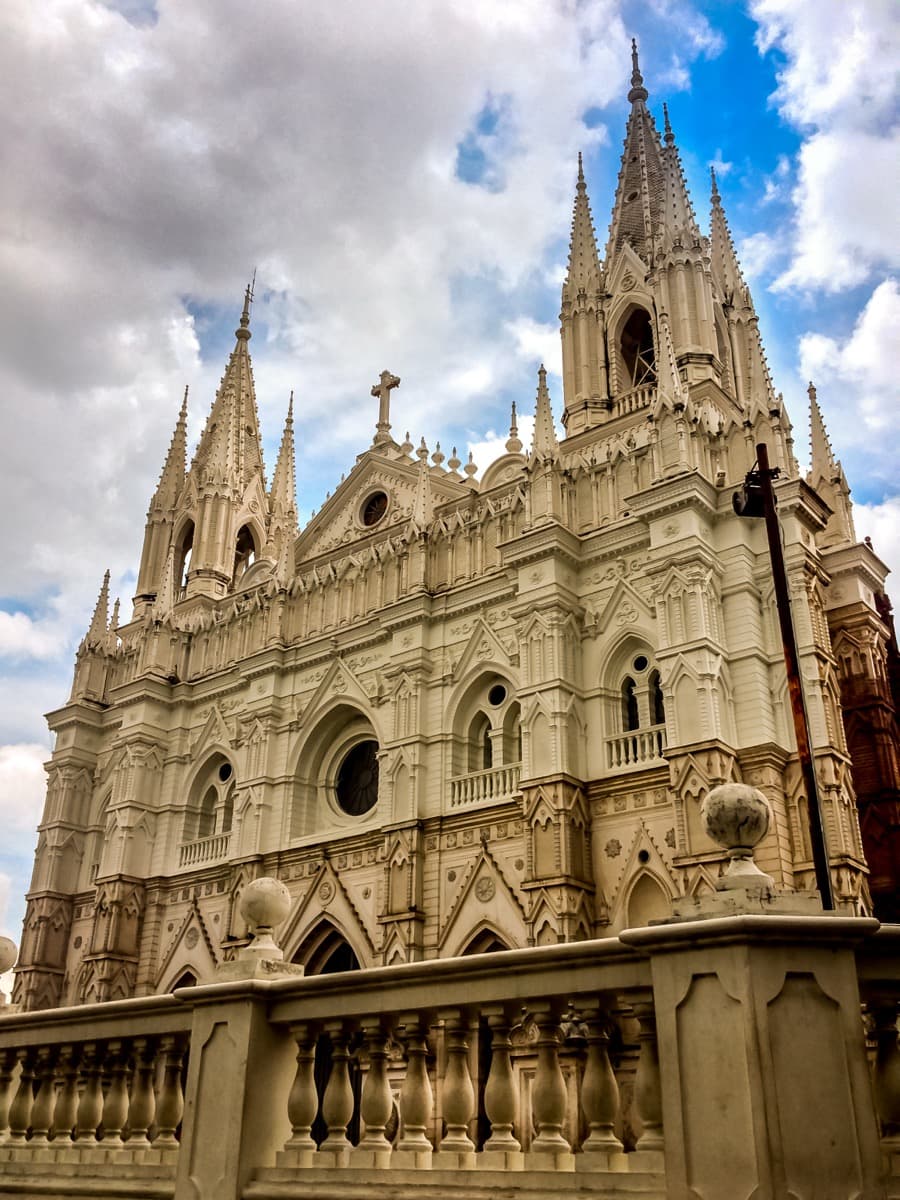
Explore the compact historic center of El Salvador's second-largest city, where coffee wealth built a neo-Gothic cathedral, a neoclassical theater, and an elite social club all within steps of one central park.
Start · Parque Libertad
DirectionsStops
- 1
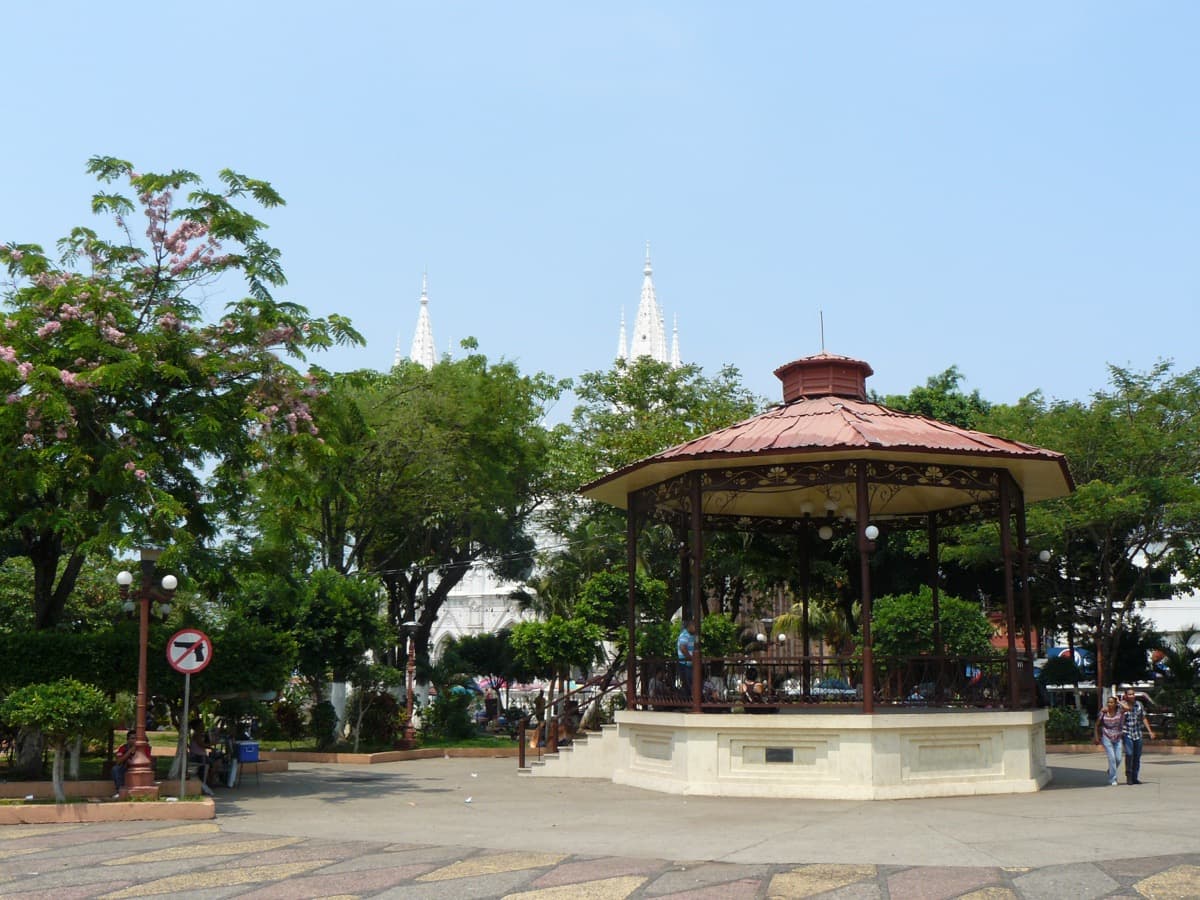
Parque Libertad
The central park of Santa Ana, anchored by a Liberty statue and ringed by the city's most important landmarks: the cathedral to the east, the national theater to the north, city hall to the west, and the Casino Santaneco to the south.
- 2
Catedral de Santa Ana
A stunning neo-Gothic cathedral that took eight years to complete, featuring an ornate facade that rivals European churches. Visitors can pay $2 for roof access with panoramic views of the bell towers and city.
- 3
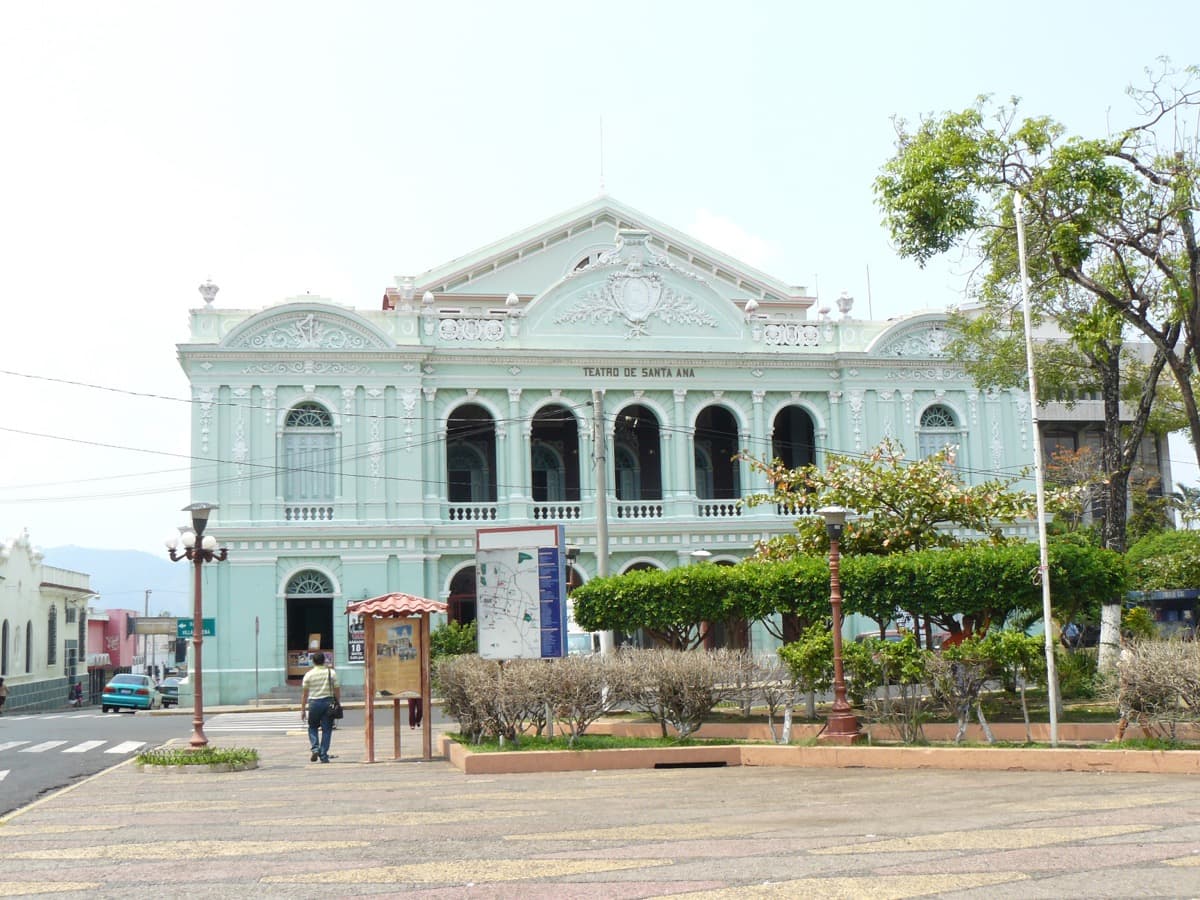
Teatro Nacional de Santa Ana
Built in 1910 and inaugurated in 1912, this neoclassical theater was funded by coffee growers determined to rival the capital's performing arts scene. The beautifully painted dome interior is a highlight.
- 4
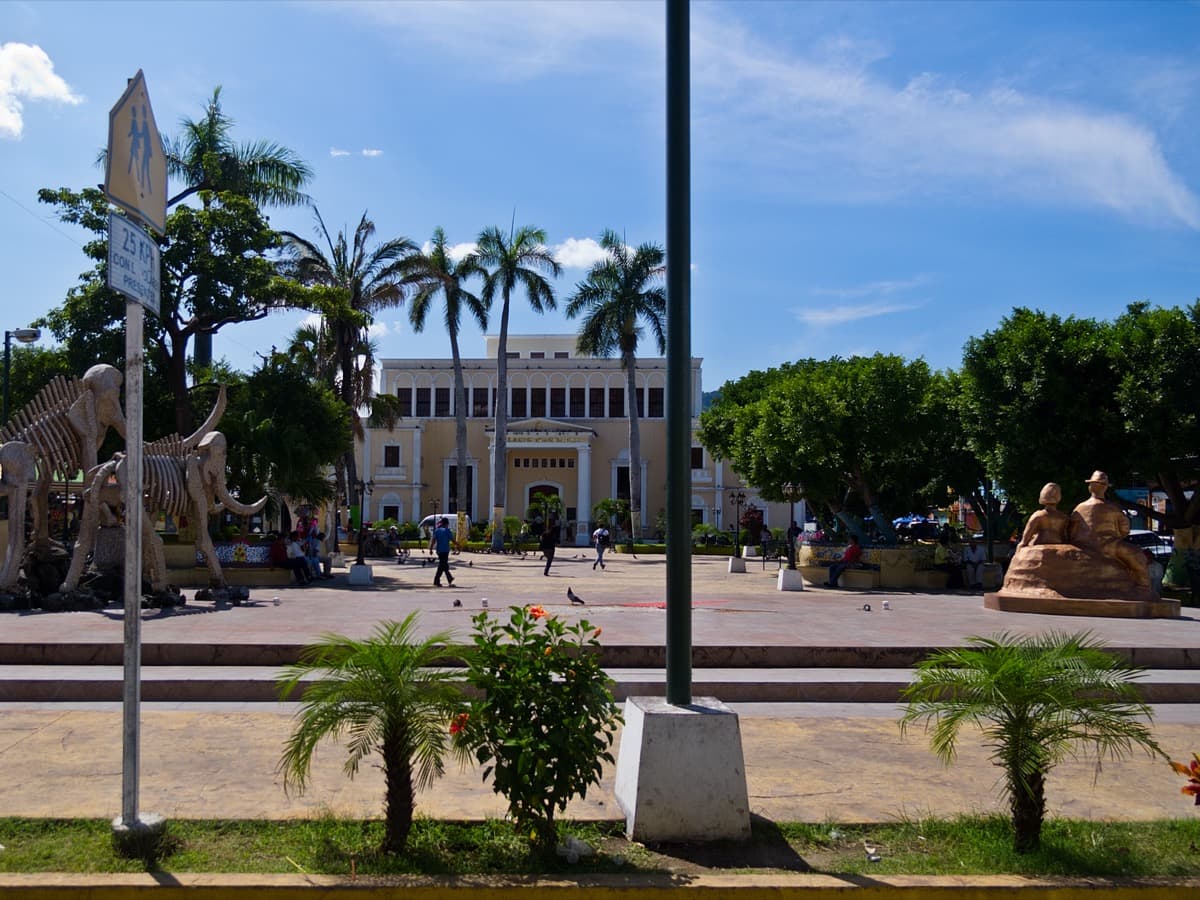
Alcaldía Municipal (City Hall)
Built in 1874 and designated a national monument, this colonial-era city hall reflects Santa Ana's golden age as the coffee export capital of El Salvador.
- 5
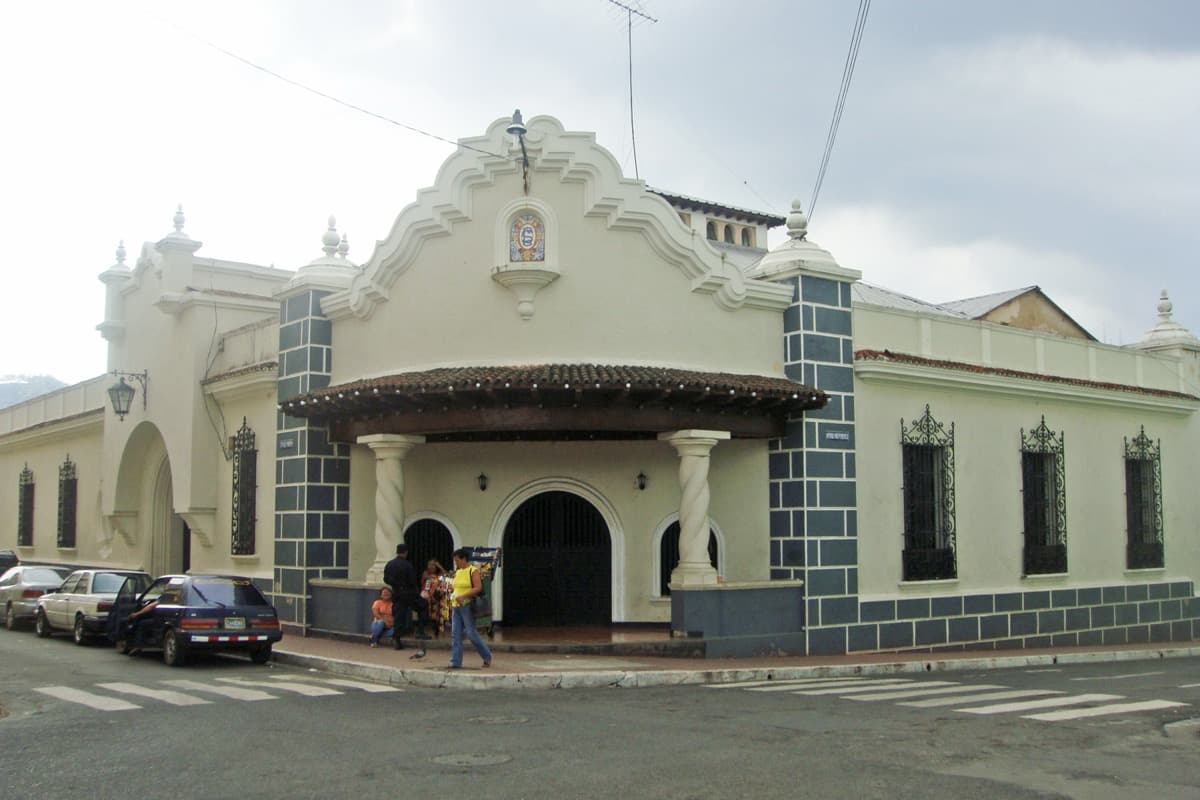
Casino Santaneco
The elite social club of Santa Ana's coffee aristocracy, located on the south side of Parque Libertad. This is where coffee barons socialized and displayed their European tastes.
- 6
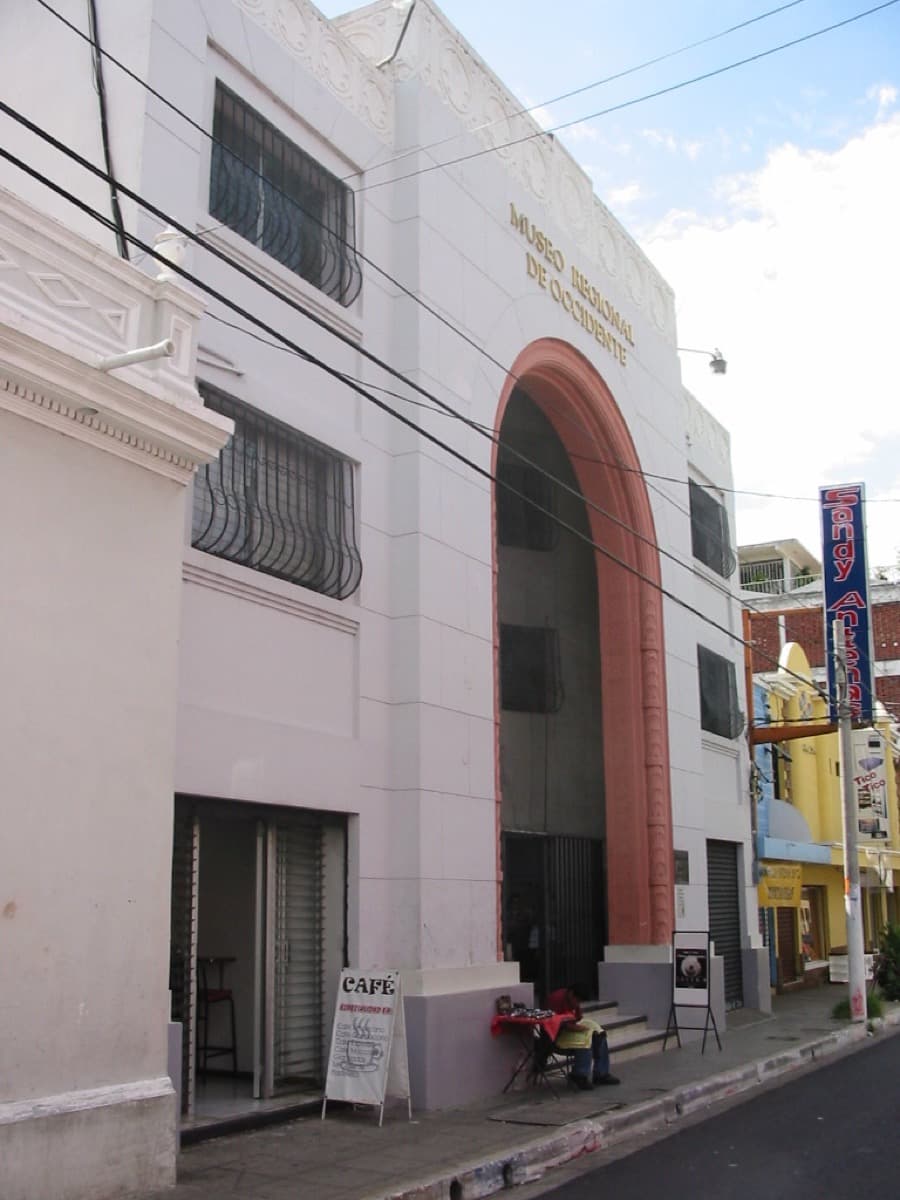
Museo Regional de Occidente
Housed in the former Central Reserve Bank building and opened as a museum in 1999, it covers the history of Salvadoran currency and the life of acclaimed poet Claribel Alegría.
- 7
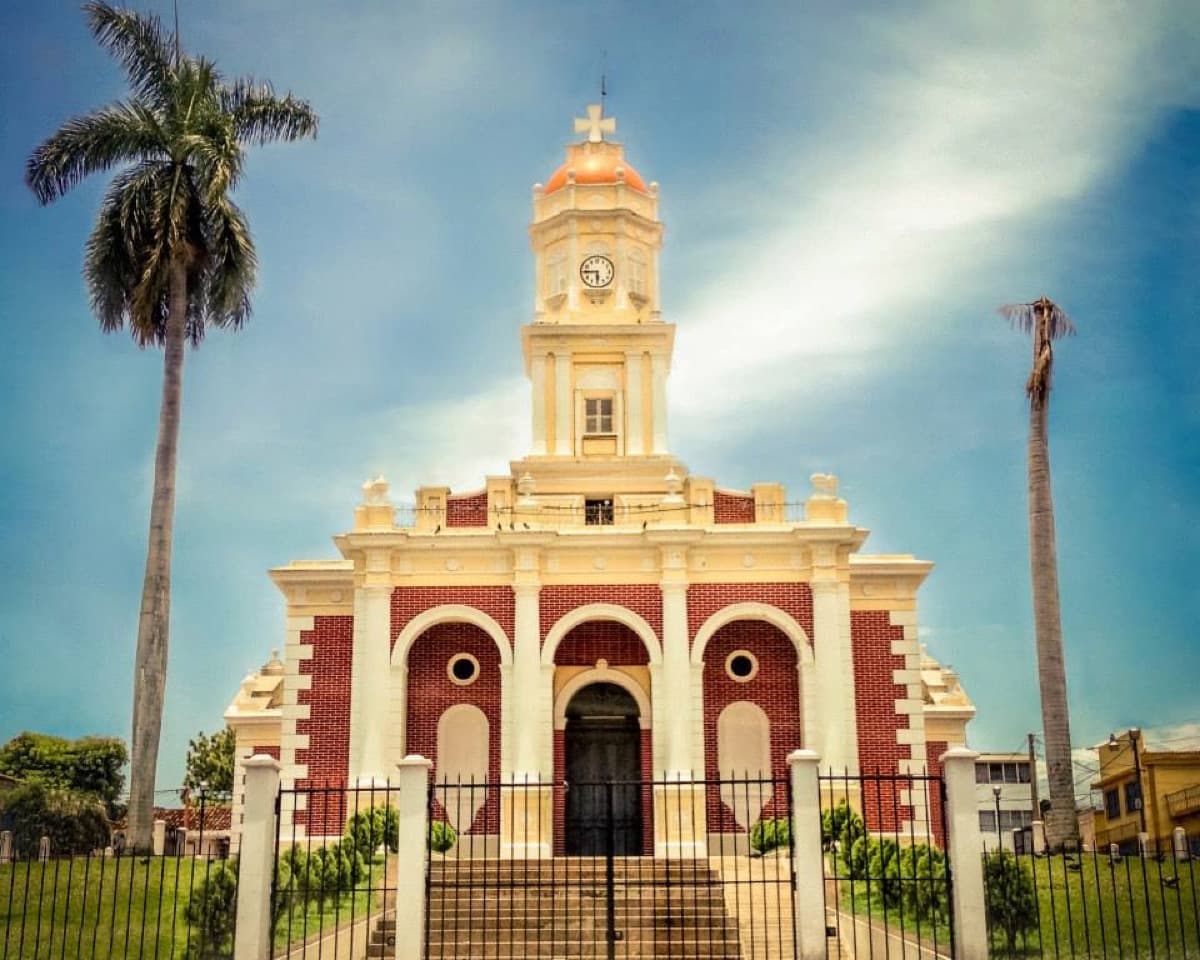
Iglesia El Carmen
A Dominican church whose construction began in 1822 and was consecrated in 1852. Damaged in the 2001 earthquake, it remains one of the oldest standing churches in Santa Ana.
Details
Best Time to Visit
Morning hours (8-11 AM) when the cathedral and theater are open and temperatures are cooler for walking.
Pro Tips
- •Bring $2 for cathedral roof access with panoramic views of the bell towers and city
- •The Teatro Nacional offers guided tours for $7 — well worth seeing the painted dome interior
- •All seven stops are within a few blocks of Parque Libertad, making this an easy loop
- •Try a horchata or fresh coconut from vendors around the park to stay cool
Safety & Precautions
- •Stay aware of your surroundings and keep valuables secure, especially around the market areas south of the park
- •Modest dress is recommended for entering the cathedral and Iglesia El Carmen
- •Sidewalks can be uneven. Wear comfortable walking shoes
- •The midday sun here is strong and the cathedral rooftop is fully exposed. Carry water, wear sun protection, and pace yourself between the shaded arcades and park trees.
Travel advisory: Exercise Normal Precautions (Level 1).
Gallery
Read the walk
The full story of Santa Ana: The Coffee-Built Capital, in words. Prefer to listen? Play it narrated, from home or on location.
Introduction
Every other Central American capital built its cathedral during the colonial era. Santa Ana built its in nineteen thirteen. The reason for that delay is in your cup of coffee.
Santa Ana sits in the western highlands of El Salvador, sixty kilometres from the capital. From the eighteen seventies through the nineteen twenties, this region produced more coffee per square kilometre than almost anywhere on earth. The land was perfect for arabica. The fortunes built here in those fifty years made a small handful of families, the Catorce Familias, the Fourteen Families, wealthier than the Salvadoran government.
That wealth had to go somewhere. It went into stone. You will walk past a Gothic cathedral that took eight years to finish, a Beaux-Arts theatre the city built to one-up the capital, a city hall older than the country itself, and a private members' club where the coffee barons quietly ran an entire republic. You will end at a small parish church that predates all of it, a glimpse of the Santa Ana that existed before the boom and survived after.
The boom ended badly. In nineteen thirty-two the indigenous workers who picked the coffee rose up. The army killed somewhere between ten and forty thousand of them in two weeks. The event is called La Matanza, the slaughter, and you will hear about it at the regional museum. The grandeur on this walk is real. The cost is in the silences.
The walk is seven stops, about one point eight kilometres and seventy-five minutes, mostly flat. Most stops are free; the cathedral and theatre charge a small entry fee. When you arrive at Parque Libertad, begin with stop one.
1. Parque Libertad
Welcome to Parque Libertad, your first stop on this tour. Parque Libertad is your compass for this entire tour. Stand near the Liberty statue at its center and slowly turn around, you're looking at a complete catalog of coffee-era ambition arranged on four sides of a single block. To the east, the twin spires of the neo-Gothic cathedral dominate the skyline. To the north, the neoclassical facade of the Teatro Nacional gleams in soft cream and white. Westward, the Alcaldía Municipal, city hall, represents civic authority with its stately colonial arches. And to the south, the Casino Santaneco, the private club where coffee aristocrats once gathered to flaunt their wealth. This park has been the living room of Santa Ana since the city's founding, but it took on its current grandeur in the late 1800s when coffee profits were at their peak. The Liberty statue you see was erected to celebrate Central American independence from Spain. On weekends, families still gather here under the shade trees, vendors sell snow cones and pupusas, and shoe-shine men work their stations just as they have for generations. It's a place where the monumental and the everyday exist side by side. Every stop on this tour radiates outward from where you're standing right now.
2. Catedral de Santa Ana
Welcome to the Catedral de Santa Ana. Stand back and take in the full facade of the Catedral de Santa Ana. Those pointed arches, the rose window, the twin bell towers reaching skyward, this is neo-Gothic architecture executed with a confidence you rarely see outside of Europe. Construction began in 1906 and took eight years to complete, replacing an older colonial church that the coffee elite considered too modest for their ambitions. The families who funded this cathedral wanted a statement: Santa Ana was not a backwater. It was a city of culture and faith, deserving of a house of worship that could hold its own against the cathedrals of Cologne or Barcelona. And honestly, they succeeded. The ornate stonework of the facade features columns, niches for saints, and decorative flourishes that reward close inspection. Step inside if the doors are open, the interior features painted vaulted ceilings and an altar that catches the light streaming through stained glass. But the real hidden gem is the roof. For just two dollars, you can climb to the top and walk between the bell towers. From up there, the entire city unfolds beneath you, terracotta rooftops stretching to the green volcanic hills beyond. It's the best view in Santa Ana, and one of the best in all of El Salvador. Don't miss it.
3. Teatro Nacional de Santa Ana
Welcome to the Teatro Nacional. The Teatro Nacional de Santa Ana exists because of a rivalry. In the early 1900s, San Salvador had its own national theater, and the coffee barons of Santa Ana simply could not tolerate being outdone by the capital. So they pooled their money and hired architects to build something just as magnificent, some would say more so. Construction began in 1910, and the theater was inaugurated with great fanfare on February 27, 1912. The neoclassical facade you see features elegant columns and carved details that announce this as a temple of high culture. But the real magic is inside. If you can join one of the seven-dollar guided tours, you'll enter a world of velvet seats, gilded balconies, and a breathtaking painted dome that depicts muses and allegorical figures floating among clouds. The acoustics are remarkable, designed so that a whisper from the stage reaches the last row of the balcony. During Santa Ana's golden age, touring opera companies and orchestras from Europe would perform here. Wealthy families would arrive in horse-drawn carriages, dressed in the latest Parisian fashions. The theater fell into disrepair during the twentieth century but was painstakingly restored and reopened in 2010. Today it hosts concerts, plays, and dance performances. It's proof that the coffee barons' grandest cultural ambition endured.
4. Alcaldía Municipal (City Hall)
Welcome to the Alcaldía Municipal. The Alcaldía Municipal, Santa Ana's City Hall, is the civic anchor on the western side of Parque Libertad. Built in 1874, it predates both the cathedral and the theater, making it one of the earliest grand structures in the park ensemble. Its…
Full narration for this stop unlocks with the tour.
5. Casino Santaneco
Welcome to the Casino Santaneco. Don't let the name fool you, the Casino Santaneco was never a gambling house. In Latin American tradition, a casino is an elite social club, and this one was the crown jewel of Santa Ana's coffee aristocracy. Located on the south side of Parque…
Full narration for this stop unlocks with the tour.
6. Museo Regional de Occidente
Welcome to the Museo Regional de Occidente. The Museo Regional de Occidente, the Regional Museum of the West, occupies one of Santa Ana's most distinguished buildings: the former Central Reserve Bank. There's a certain poetry in that transformation. A building that once…
Full narration for this stop unlocks with the tour.
7. Iglesia El Carmen
Welcome to the Iglesia El Carmen, your final stop on this tour. Our final stop takes us a few blocks south of Parque Libertad to Iglesia El Carmen, one of the oldest standing churches in Santa Ana. Construction began in 1822, just one year after Central America declared…
Full narration for this stop unlocks with the tour.