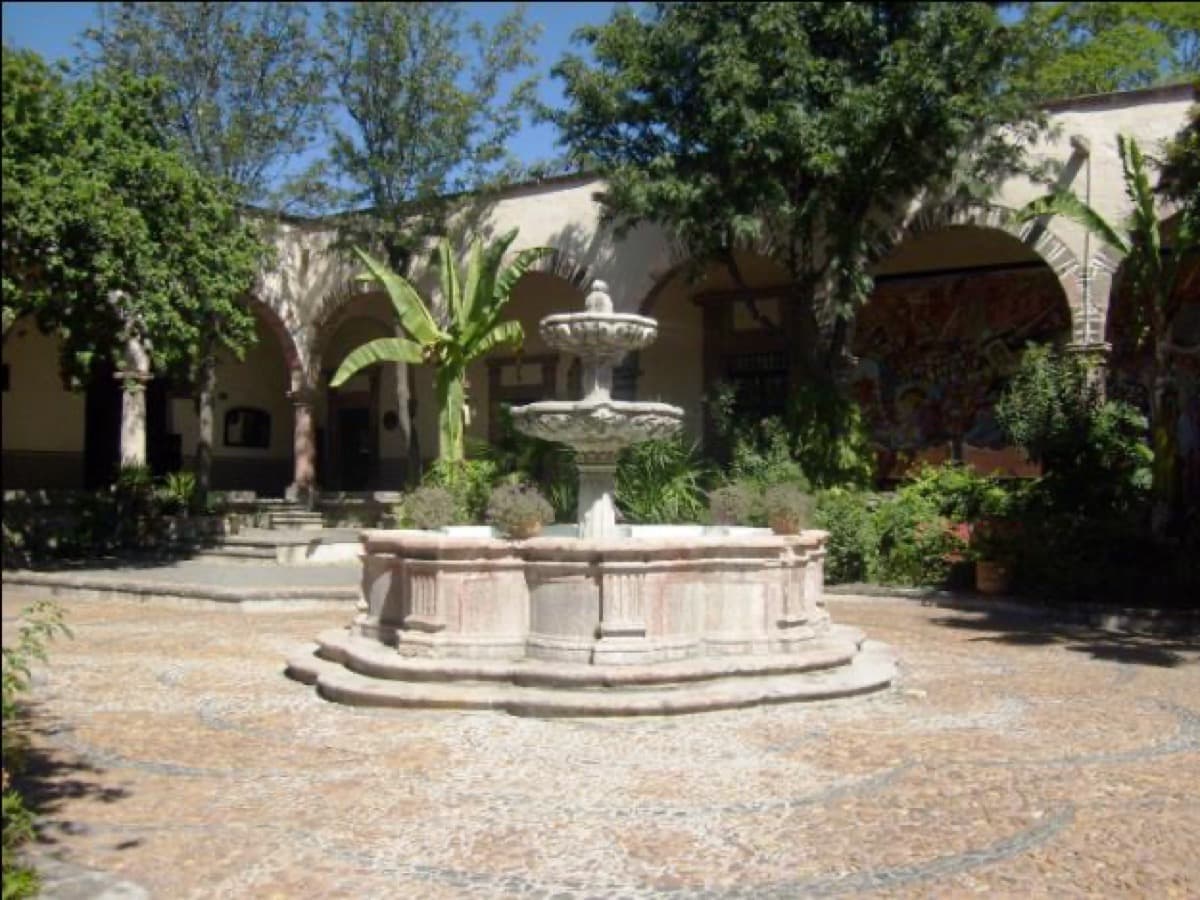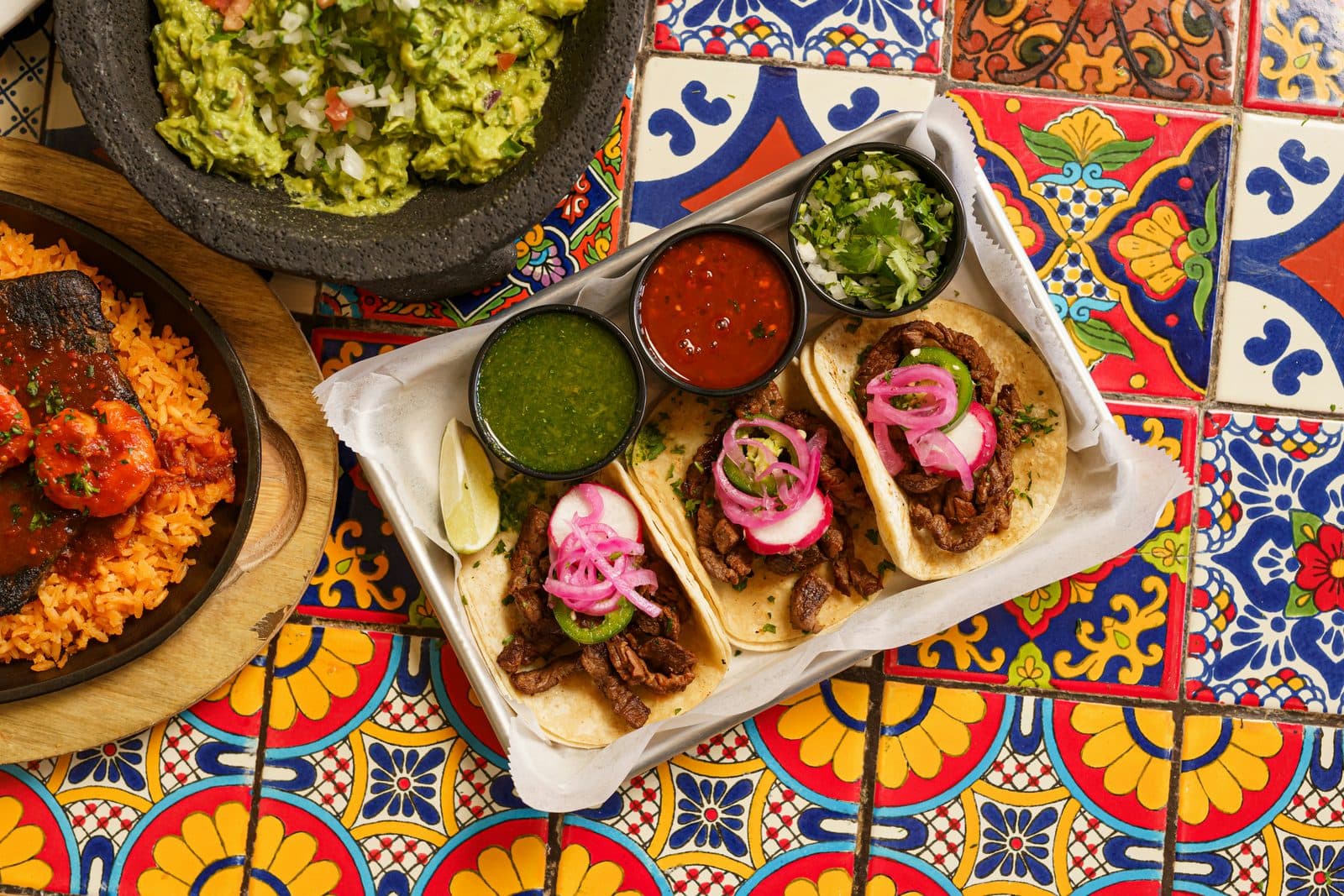
San Miguel de Allende eats on two levels at once, and that is the whole pleasure of the place. On one level there is the deep Bajío-region street and market tradition of Guanajuato: thick handmade gorditas, al pastor tacos, and dark dried-chile cooking. On the other there is one of the most ambitious dining scenes in Mexico, built up over decades by the town large international community into rooftop restaurants, tasting menus, and serious mezcal bars. Eating well here means moving freely between the two, from a $2 gordita to a $100 tasting menu in the same day. This guide covers the dishes and drinks worth seeking out and where the food culture actually lives, and it pairs naturally with a slow walk on our San Miguel de Allende Historic Center self-guided tour.
The dishes to seek out
Gorditas. The signature of the markets and street stalls: thick, handmade corn cakes split open and stuffed with chicharrón (pork cracklings), requesón (a ricotta-like cheese), beans, or stewed meat. San Miguel gorditas, in the Bajío style, are denser and crispier than the puffy versions found elsewhere, and they are among the cheapest and most satisfying things you can eat in town.
Al pastor tacos. After dark, taco carts line the center, and the al pastor carts on Calle Mesones are an institution. Al pastor is marinated pork cooked on a vertical spit, sliced thin, and served on small corn tortillas with pineapple, cilantro, and onion. The best carts fire up in the evening, so this is a dinner or late-night ritual.
Bajío-region cooking. San Miguel sits in the Bajío, the fertile highland belt of Guanajuato, and its regional cooking leans on dried-chile preparations and earthy moles. A Guanajuato-style mole is darker and earthier than the more famous Oaxacan versions, and enchiladas and carnitas in the local style are worth ordering where you find them.
The mercado plates. The town markets and its weekly open-air tianguis are where the regional food tradition lives most honestly, with barbacoa, mixiotes, and the gorditas above cooked fresh at the stalls. This is the cheapest and most local way to eat here.
Where the food culture lives
Hear a stop from this walk
Bellas Artes: A Convent, a Dome and an Unfinished Mural
The markets and street carts. The everyday food of San Miguel is in its mercados and its taco carts. This is where you find the gorditas, the barbacoa, and the al pastor, and it is both the most authentic and by far the most affordable way to eat in town. Browse the Mercado de Artesanías area and the surrounding streets, which the Historic Center: San Miguel in Pink Stone tour threads through, and you are never far from a stall.
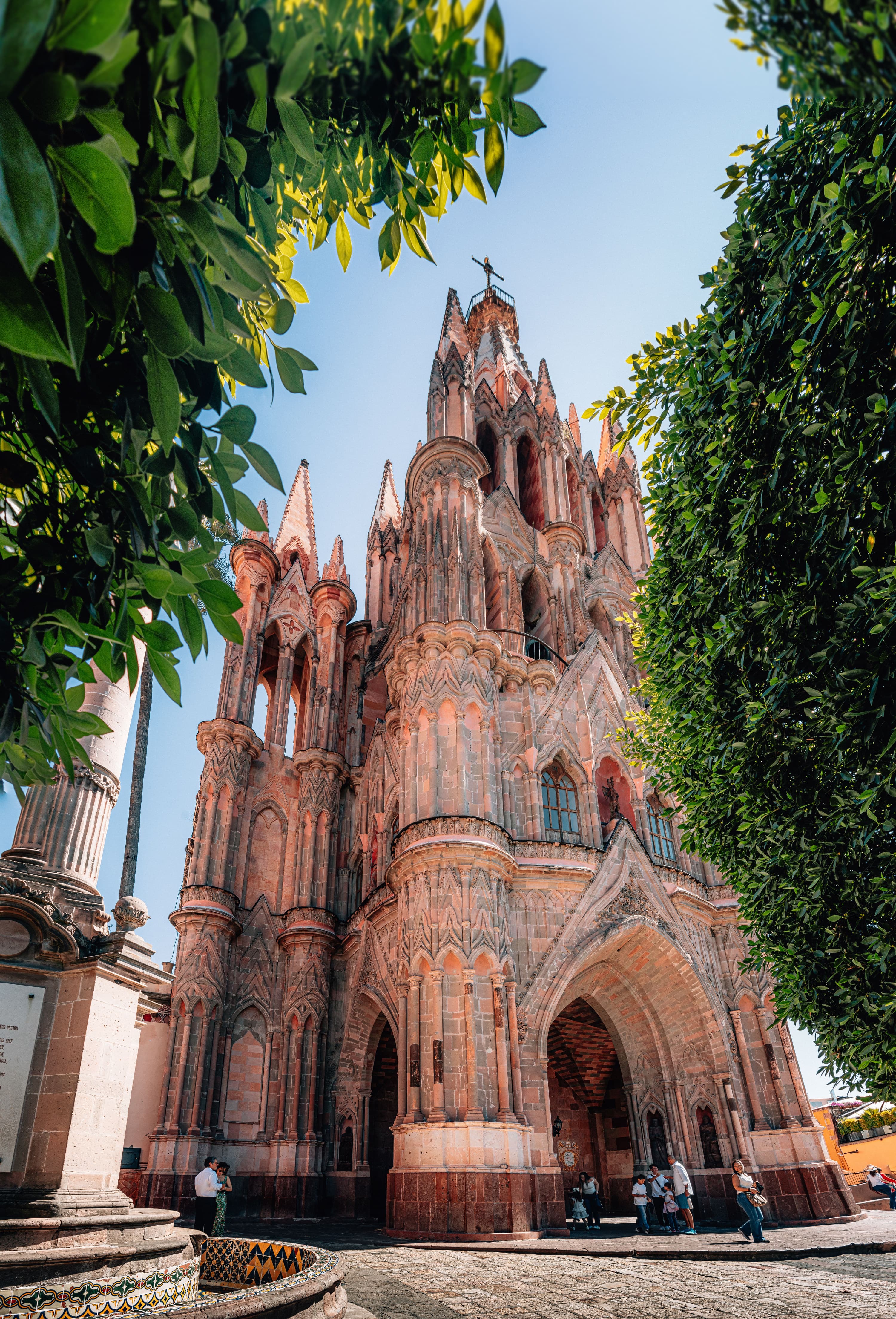
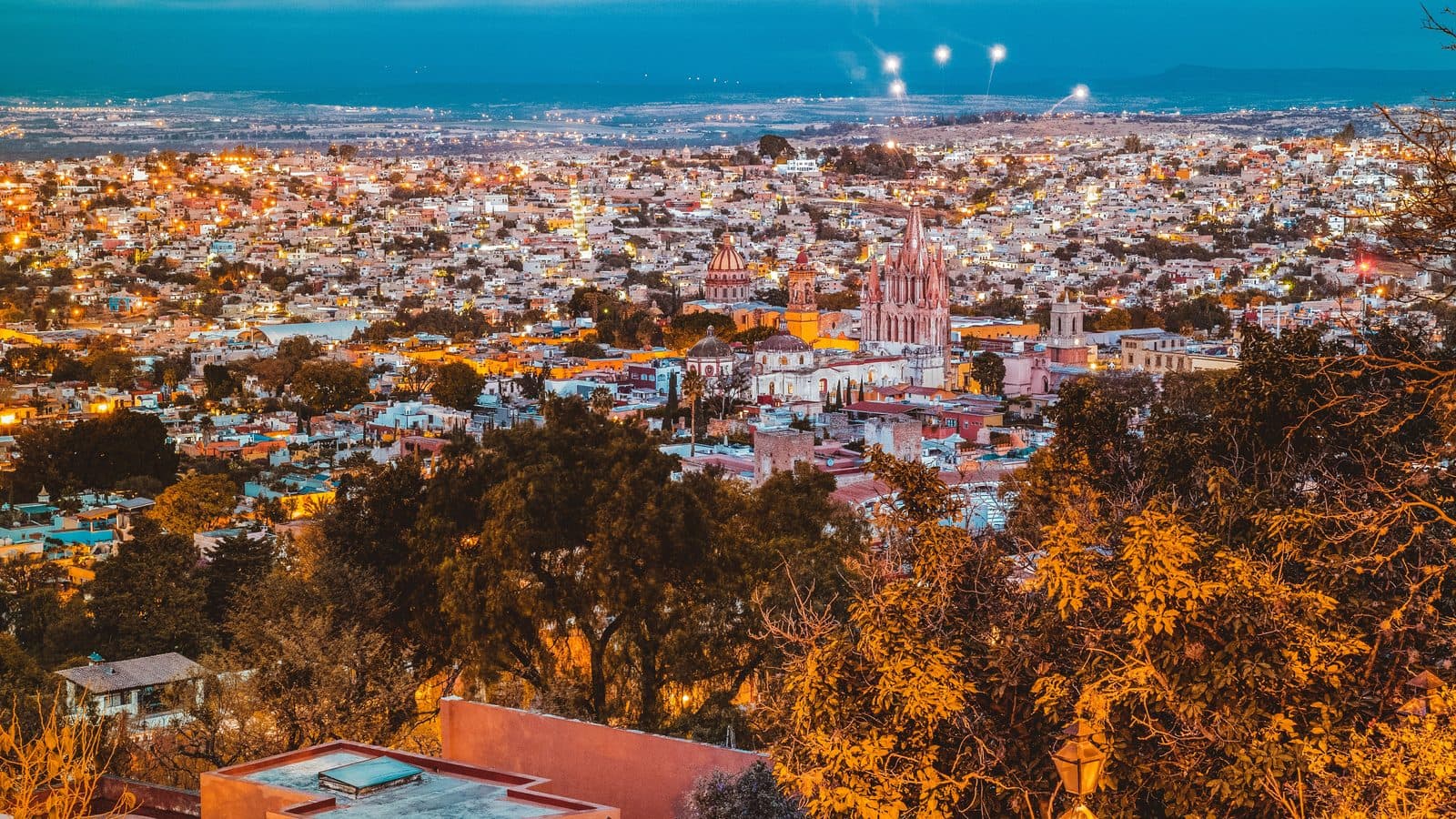
The rooftops, for a view and a splurge. San Miguel is famous for its rooftop restaurants and bars, several of which look straight across at the pink Parroquia and are best at sunset. This is the elevated end of the scene, with polished menus, cocktails, and the town best golden-hour views. Reserve ahead for the ones facing the church.
The mezcal and cocktail bars. The town has a serious drinking scene to match its food, with craft mezcal bars pouring small-batch, artisanal agave spirits and rooftop cocktail programs. A mezcal flight at sunset is one of the quintessential San Miguel evenings.
The tasting-menu tables. At the top end, San Miguel supports ambitious chef-driven restaurants and tasting menus that punch far above the town size, a direct product of its international, food-loving resident community. This is the scene that grew alongside the art colony, and the companion piece on the art scene tells that broader story of how the town became a magnet for creatives, including in the kitchen.
Eat as you walk
The best way to work through this list is on foot, one part of the center at a time, because the whole range from street cart to tasting menu sits within a few walkable blocks. Pair a morning in the colonial center with market gorditas, an afternoon in the art quarters with a Bajío lunch, and a rooftop at sunset with mezcal and tacos to follow. Route your day with the one day in San Miguel de Allende itinerary, plan the practical side with the San Miguel de Allende travel guide, and browse all San Miguel de Allende tours. Every tour is free to start: the introduction and first stop play in full, and every later stop plays a short preview before an optional purchase.
Frequently asked questions
- What food is San Miguel de Allende known for?
- San Miguel de Allende is known for two things at once. First, the street and market food of the Bajío region of Guanajuato: thick handmade gorditas stuffed with chicharrón, cheese, or stewed meat, al pastor and other tacos, and dried-chile stews and moles that are darker and earthier than Oaxacan versions. Second, an unusually elevated dining scene, shaped by the town large international community, with rooftop restaurants overlooking the Parroquia, tasting menus, and craft mezcal and cocktail bars.
- What are gorditas, and why are they special in San Miguel?
- Gorditas are thick, handmade corn cakes split open and stuffed with fillings like chicharrón (pork cracklings), requesón (a ricotta-like cheese), beans, or stewed meat. San Miguel gorditas, in the Bajío style, are denser and crispier than the puffy versions found elsewhere in Mexico, and they are a signature of the town markets and street stalls. They are one of the cheapest and most satisfying things you can eat here.
- Where should you eat in San Miguel de Allende?
- For street food and value, the markets and the taco carts around the center, especially the al pastor carts on Calle Mesones that fire up in the evening. For the town celebrated dining scene, the rooftop restaurants ringing the historic center, several with a direct view of the Parroquia at sunset. For a drink, the craft mezcal bars and cocktail rooftops. The range runs from about $2 street tacos to $100-plus tasting menus, often within a few blocks of each other.
- Is San Miguel de Allende a good food destination?
- Yes, unusually so for a town its size. Decades of international residents alongside a strong regional Mexican tradition have given San Miguel de Allende a dining scene far deeper than its population would suggest, from world-class rooftop restaurants and tasting menus to legendary market gorditas and taco carts. The pleasure is that both extremes are excellent and easy to reach on foot in the compact center.
Mexico eSIM· 10% off with ROAMER10
Ready to experience it?
Historic Center: San Miguel in Pink Stone
90 min · 2.7 km · easy
More from San Miguel
Explore more at your own pace.
How San Miguel Became an American Town in Mexico
One Day in San Miguel de Allende: A Walkable Itinerary (2026)
San Miguel de Allende Travel Guide: How Many Days, Getting Around, When to Go (2026)
How San Miguel Stayed an Art Colony When Every Other Mexican Town Became a Souvenir
Why Mexican Independence Was Planned in a Silver Town