San Miguel de Allende punches far above its weight as an art town. With a population of around 70,000, it supports a gallery scene that would be impressive in a city ten times its size. But what makes San Miguel's art world genuinely interesting is not the quantity of galleries. It is the collision between deep Mexican craft traditions and a contemporary international art community that has been building here for nearly a century.
Craft as Foundation
Long before San Miguel attracted painters and sculptors from abroad, it was a center of Mexican artisanal craft. The Bajio region has centuries-old traditions in tinwork, ceramics, textiles, and wrought iron. Walk through San Miguel's markets and workshops today and you will find these crafts alive and evolving: hand-hammered tin mirrors and lanterns, Talavera-style pottery, woven textiles using natural dyes, and ironwork that ranges from colonial-era reproduction to abstract sculpture.
Some of it is made locally and much of it comes from workshops elsewhere in Mexico, and the quality of materials and technique is evident. The distinction between "craft" and "art" that dominates Western art markets has always been blurrier in Mexico, and San Miguel is one of the places where that boundary effectively disappears.
The Postwar Transformation
Hear a stop from this walk
Bellas Artes: A Convent, a Dome and an Unfinished Mural
San Miguel's identity as an art destination crystallized after World War II, when American veterans used GI Bill benefits to study at the Escuela de Bellas Artes and the Instituto Allende. These schools attracted serious faculty, including the muralist David Alfaro Siqueiros, who taught briefly at the Escuela de Bellas Artes, and the student body brought a cosmopolitan energy to a town that had been largely isolated.
The artists who came to study often stayed. They bought and restored colonial houses, opened studios, and built a creative community that grew organically over decades. By the 1960s and 1970s, San Miguel had a reputation in American and Canadian art circles as a place where the cost of living was low, the light was extraordinary, and the creative atmosphere was genuinely supportive.
The Gallery Scene Today
Contemporary San Miguel has galleries to suit every taste and budget. The Fabrica La Aurora, a converted textile factory on the edge of town, houses dozens of galleries and studios under one roof, showing everything from large-scale abstract painting to jewelry and photography. It is the most concentrated gallery experience in town and a good place to get oriented.
In the centro, galleries line the streets around the Jardin and up toward the mirador. Some specialize in established Mexican artists. Others show international work. A growing number focus on the intersection of traditional craft and contemporary art, showing pieces that use indigenous techniques and materials in ways that challenge conventional gallery expectations.
Art Walks and Open Studios
San Miguel hosts regular art walks, typically on weekend evenings, when galleries open their doors, serve wine, and often feature the artists themselves. The atmosphere is social and unpretentious. You are as likely to have a conversation with the person who made the painting as with the person selling it.
Open studio events, held several times a year, take visitors behind the gallery walls into the working spaces where art is made. These are some of the most rewarding art experiences in town, offering a glimpse of process that finished gallery presentations cannot provide.
The Street Art Layer
In recent years, a street art scene has emerged alongside the traditional gallery world. Murals and installations appear on walls throughout the town, some commissioned, some spontaneous. This newest layer of San Miguel's art identity connects back to the Mexican muralist tradition while engaging with global street art culture. The contrast between a centuries-old colonial wall and a contemporary mural is San Miguel in miniature: old and new, Mexican and international, traditional and experimental, coexisting naturally.
Art Beyond the Galleries
San Miguel's creative energy extends beyond visual art. The town hosts a significant literary festival, a jazz festival, a chamber music festival, and regular theater and dance performances. The Biblioteca Publica, a public library since 1958 in a former house for lay women, offers cultural programming year-round. The creative community is broad and interconnected, and the line between audience and participant is often thin.
Experience It on Foot
The best way to encounter San Miguel's art scene is to walk with no fixed agenda, letting the town reveal its galleries, workshops, and street art at the pace of discovery. Roamer's self-guided tour of San Miguel's colonial heart provides a historical framework for this wandering, with audio narration at key cultural landmarks that helps you understand how this small town became one of Mexico's most important creative centers.
Frequently asked questions
- How did San Miguel de Allende become an art destination?
- Its identity as an art destination crystallized after World War II, when American veterans used GI Bill benefits to study at the Escuela de Bellas Artes and the Instituto Allende.
- What is the Fabrica La Aurora?
- The Fabrica La Aurora is a converted textile factory on the edge of town that houses dozens of galleries and studios under one roof.
- What traditional crafts is San Miguel known for?
- The Bajio region has centuries-old traditions in tinwork, ceramics, textiles, and wrought iron.
Mexico eSIM· 10% off with ROAMER10
Ready to experience it?
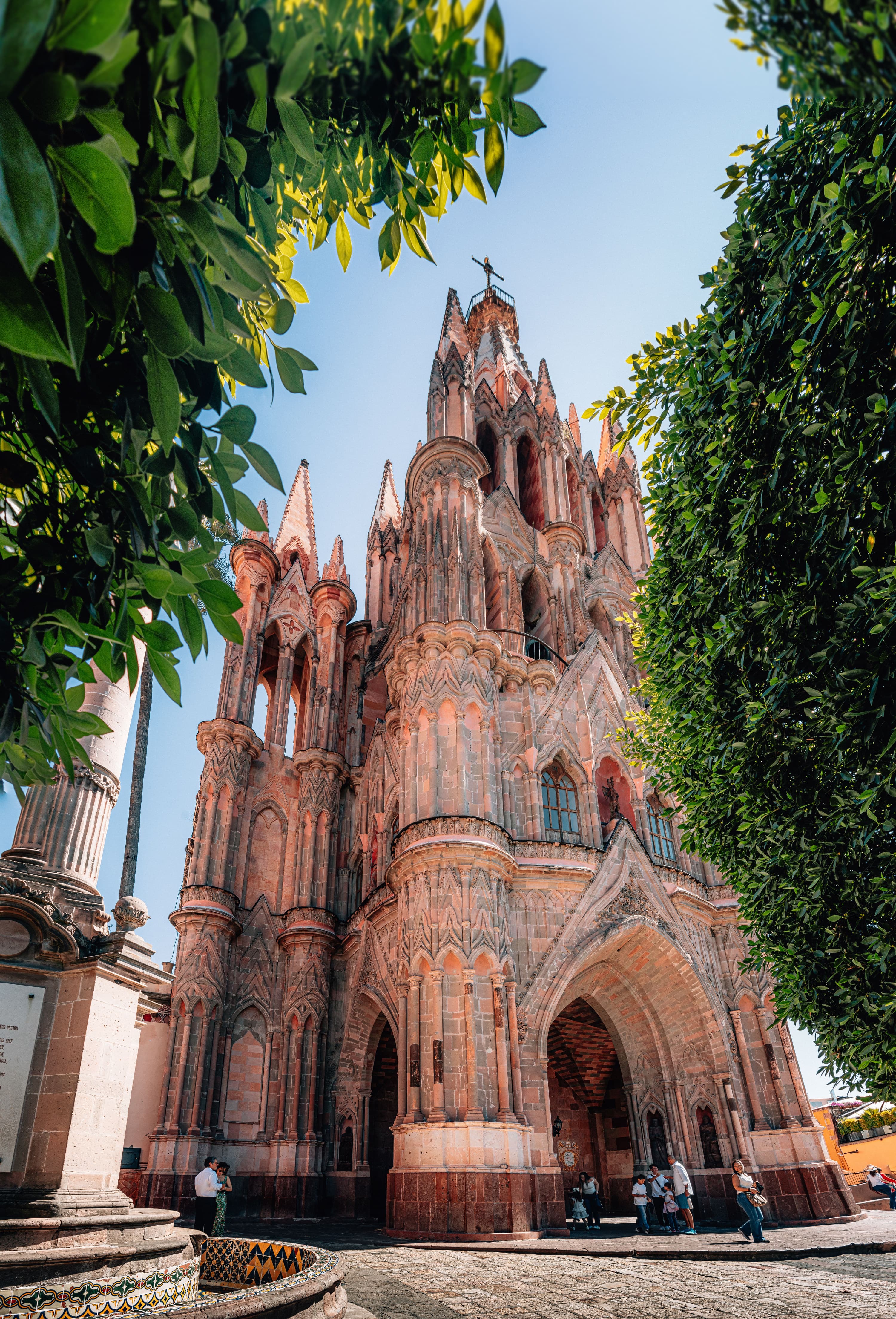
Historic Center: San Miguel in Pink Stone
90 min · 2.7 km · easy
More from San Miguel
Explore more at your own pace.
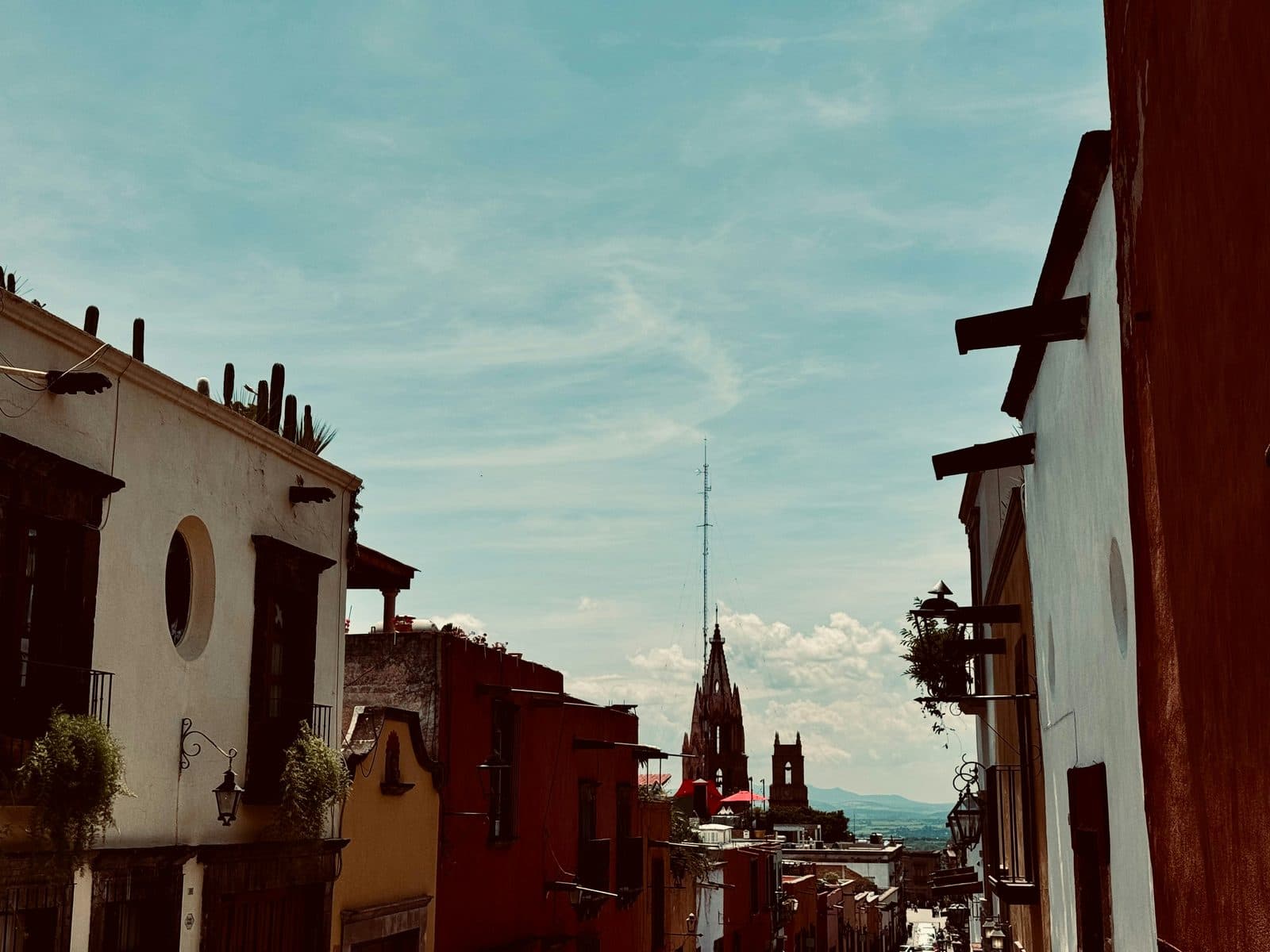
How San Miguel Became an American Town in Mexico
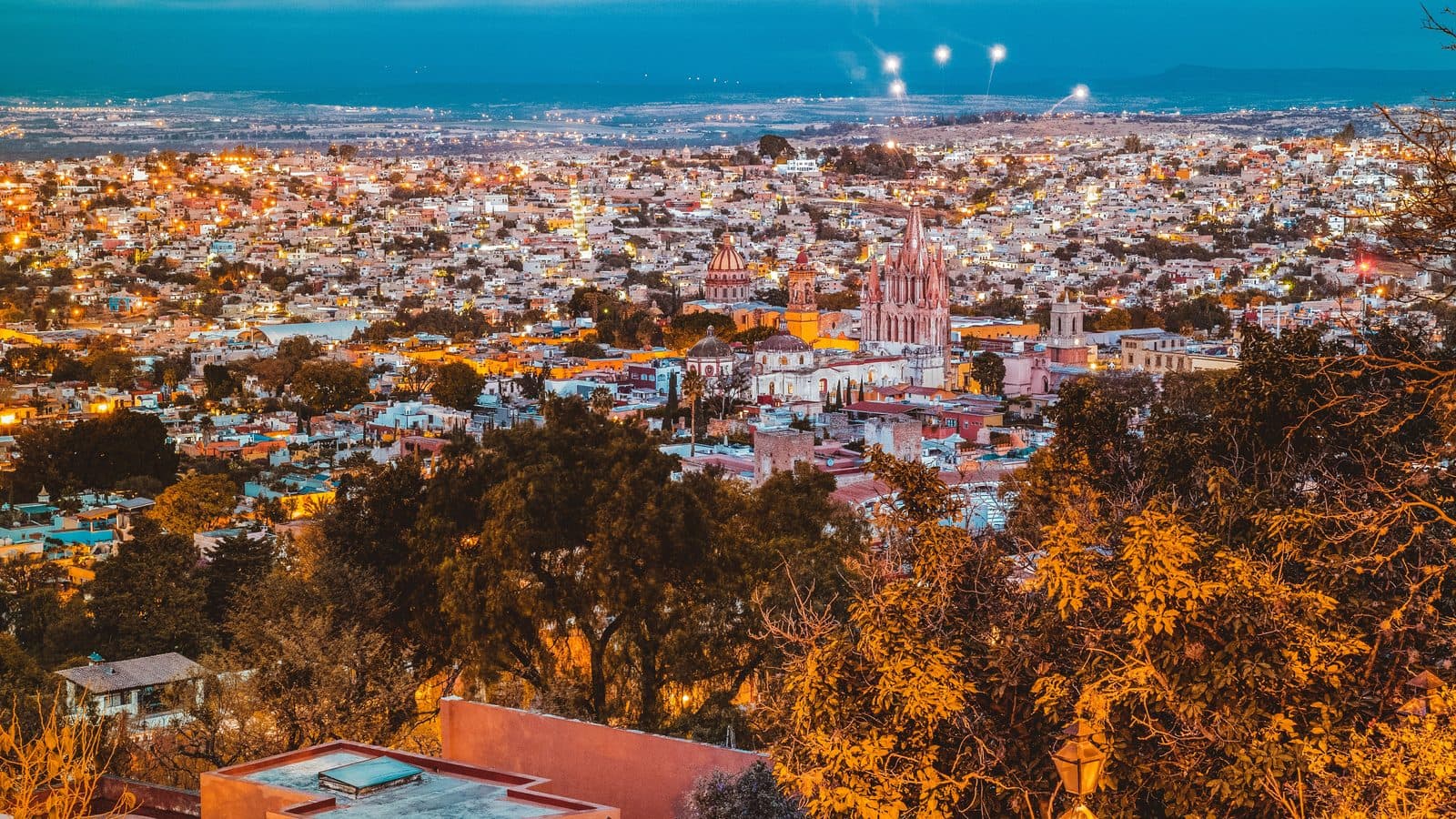
One Day in San Miguel de Allende: A Walkable Itinerary (2026)
San Miguel de Allende Travel Guide: How Many Days, Getting Around, When to Go (2026)
What to Eat in San Miguel de Allende: A Food Guide (2026)
How San Miguel Stayed an Art Colony When Every Other Mexican Town Became a Souvenir