Puebla: 18 Baroque Churches in 15 Blocks
100 min · 2.5 km · easy
Puebla is one of the birthplaces of Mexican cuisine, and its food carries the same layered history as its baroque churches. Two dishes widely regarded as the national dishes of Mexico, mole poblano and chiles en nogada, were both born here, in convent kitchens that fused European technique with indigenous ingredients and, later, Middle Eastern ones. Eating well in Puebla means eating that history, and, in the case of its most famous dish, eating it in the right season. This guide covers the dishes worth seeking out and where the food culture actually lives, and it pairs naturally with a slow walk on one of our Puebla self-guided tours.
The dishes to seek out
Mole poblano. The dish that defines the city, and often called Mexico national dish: a thick, velvety sauce of dozens of ingredients, chiles, spices, nuts, seeds, and chocolate, deep, smoky, and just faintly sweet, ladled over turkey or chicken. By tradition it was created in a Puebla convent in the colonial era. It is laborious to make and best treated as the special dish it is. This is the one thing you should not leave Puebla without eating.
Chiles en nogada. Puebla most striking dish and its patriotic one: a roasted poblano stuffed with a fruit-and-meat picadillo, draped in a pale, creamy walnut sauce, and scattered with red pomegranate seeds and green parsley, the colors of the Mexican flag. Created in Puebla around 1821 to celebrate independence, it is strictly seasonal, served mainly from August into mid-September, when the poblanos, walnuts, and pomegranates all peak together. If you visit in late summer, order it.
Cemitas. Puebla answer to the torta, built on a domed sesame-seed roll and classically filled with breaded milanesa, avocado, stringy Oaxaca-style cheese, chipotle in adobo, and the peppery herb pápalo. Portable, generous, and one of the best cheap meals in the city.
Tacos árabes. A Puebla original: spit-roasted marinated pork, served not on a corn tortilla but on a thicker wheat flatbread, a nod to the pita bread of the Middle Eastern immigrants who brought the technique in the early 20th century. They are the direct ancestor of the tacos al pastor now eaten across Mexico.
Chalupas. Small, thick fried tortillas topped with green or red salsa, shredded meat, and raw onion, eaten by the handful. A humble, everyday Puebla street food you will find at market stalls and corner cocinas.
Camotes and the sweets. Puebla has a whole street devoted to candy, Calle de los Dulces, where the signature treat is camote, candied sweet potato rolled into soft, fruit-flavored logs. It is the classic edible souvenir of the city, and its convent-sweet tradition runs deep.
Where the food culture lives
Hear a stop from this walk
Biblioteca Palafoxiana
The Centro Histórico kitchens. Puebla great mole and chiles en nogada restaurants cluster in and around the historic center, many in restored colonial courtyards, some serving on the city own hand-painted Talavera ceramics, which makes the meal a taste of the local craft as well. Walking the Mole, Clay & Sugar tour threads the birthplace of mole, the oldest Talavera workshop in Mexico, and the sweet-shop lane into one route, so it doubles as your path to lunch and dessert.
The convents. Puebla food was largely invented behind convent walls, where nuns had the time, ingredients, and occasion to perfect laborious dishes like mole and to develop the city famous sweets. That convent-kitchen origin is the through-line of Puebla cuisine, and it sits right alongside the church-dense history you walk on the 18 Baroque Churches in 15 Blocks tour.
Calle de los Dulces, for sweets. The street of sweets is where the convent dessert tradition survives as a retail experience: camotes, candied fruit, and marzipan, sold shop after shop. Bring an empty bag.
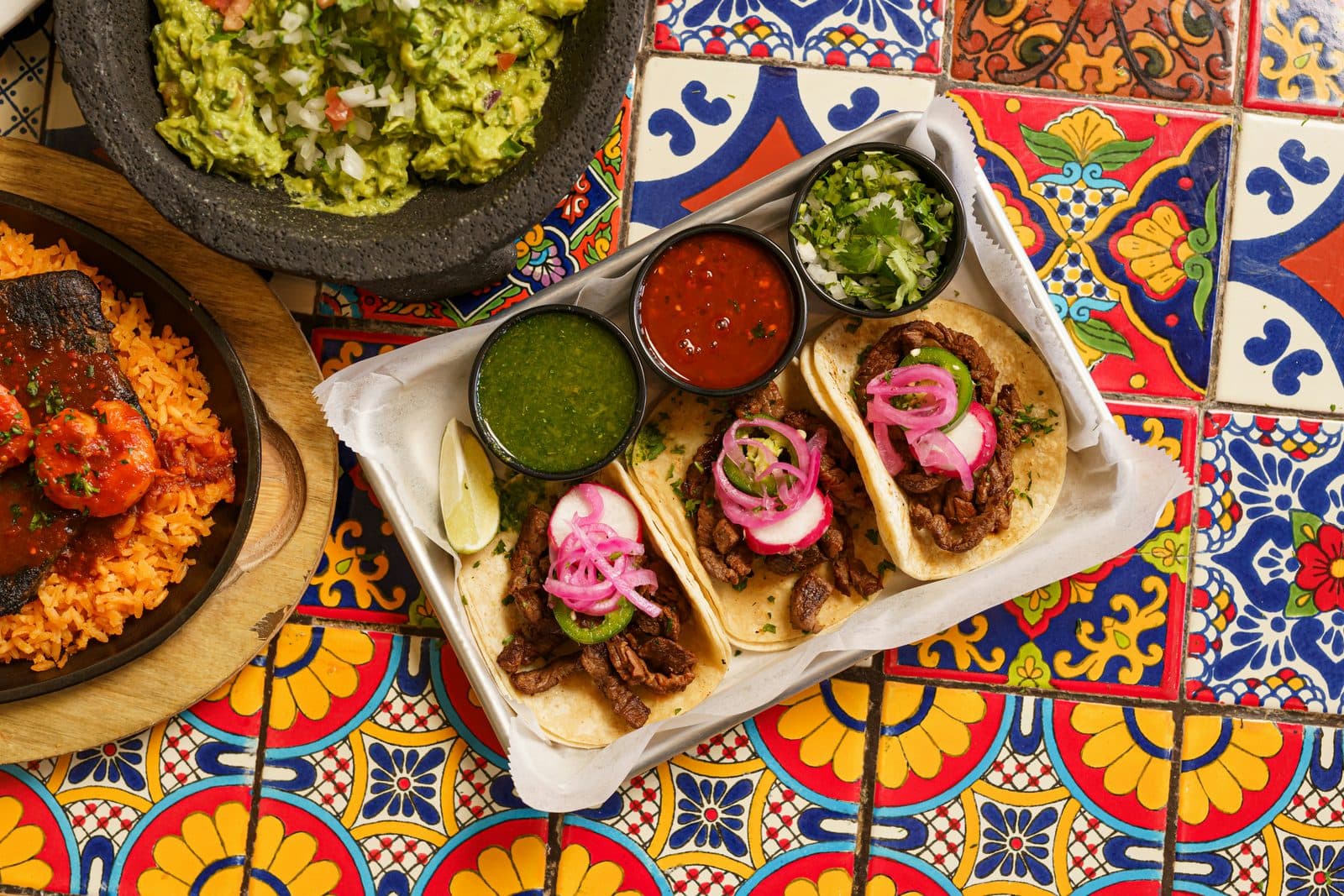
The markets and street corners, for the cheap classics. Cemitas, tacos árabes, and chalupas live at market stalls and neighborhood taquerías, not white tablecloths. This is where you eat like a local for very little, and where the flavors are often at their most honest.
Eat as you walk
The best way to work through this list is on foot, one district at a time. Pair a morning of churches in the Centro Histórico with a mole lunch, an afternoon in the Talavera lanes with cemitas and chalupas, and a stroll down Calle de los Dulces with a bag of camotes for the road. Route your day with the one day in Puebla itinerary, plan the practical side with the Puebla travel guide, and browse all Puebla tours. Every tour is free to start: the introduction and first stop play in full, and every later stop plays a short preview before an optional purchase.
Frequently asked questions
- What food is Puebla known for?
- Puebla is one of the culinary capitals of Mexico and the birthplace of two dishes widely regarded as Mexico national dishes: mole poblano, the deep, spiced, slightly sweet chocolate-and-chile sauce over turkey or chicken, and chiles en nogada, a stuffed poblano pepper under a creamy walnut sauce and pomegranate seeds. Puebla is also famous for cemitas (its sesame-seed torta), tacos árabes (spit-roasted pork on a thick flatbread), chalupas (small fried tortillas with salsa and meat), and a whole street of sweets, Calle de los Dulces, best known for camotes, candied sweet potato.
- Where did mole poblano come from?
- By the most enduring tradition, mole poblano was created in a Puebla convent in the colonial era, when nuns combined dozens of ingredients, chiles, spices, nuts, seeds, and chocolate, into a single complex sauce, often said to have been improvised to honour a visiting dignitary. Whatever the exact origin, mole poblano is inseparable from Puebla convent kitchens, and the city is where you should eat it. It is laborious, layered, and best treated as the special dish it is.
- What is chiles en nogada, and when can you eat it?
- Chiles en nogada is Puebla most visually striking dish and its patriotic one: a roasted poblano pepper stuffed with a picadillo of meat and fruit, draped in a creamy walnut sauce (nogada), and scattered with red pomegranate seeds and green parsley, the green, white, and red of the Mexican flag. It was created in Puebla around 1821 to celebrate Mexican independence. It is strictly seasonal, served mainly from August into mid-September, when poblanos, walnuts, and pomegranates are all in season at once. Time your visit to that window to try it at its best.
- What street food should you try in Puebla?
- Start with cemitas, the Puebla torta on a sesame-seed roll, classically filled with breaded milanesa, avocado, stringy Oaxaca-style cheese, chipotle, and the herb pápalo. Then tacos árabes, spit-roasted marinated pork served on a thick flatbread, a Puebla original brought by Middle Eastern immigrants in the early 20th century and the ancestor of tacos al pastor. Add chalupas, small fried tortillas topped with salsa, shredded meat, and onion, and finish on Calle de los Dulces, the street of sweets, for camotes.
Mexico eSIM· 10% off with ROAMER10
Ready to experience it?
Puebla: 18 Baroque Churches in 15 Blocks
100 min · 2.5 km · easy
More from Puebla
Explore more at your own pace.
Best Self-Guided Walking Tours in Puebla (2026)
One Day in Puebla: A Walkable Centro Histórico Itinerary (2026)
Puebla Travel Guide: How Many Days, Getting Around, When to Go (2026)
Barroco Poblano: Why Puebla's Churches Don't Look Like Spain's
The Convent Paradox: Why Puebla's Most Baroque Food Came Out of Monastic Kitchens