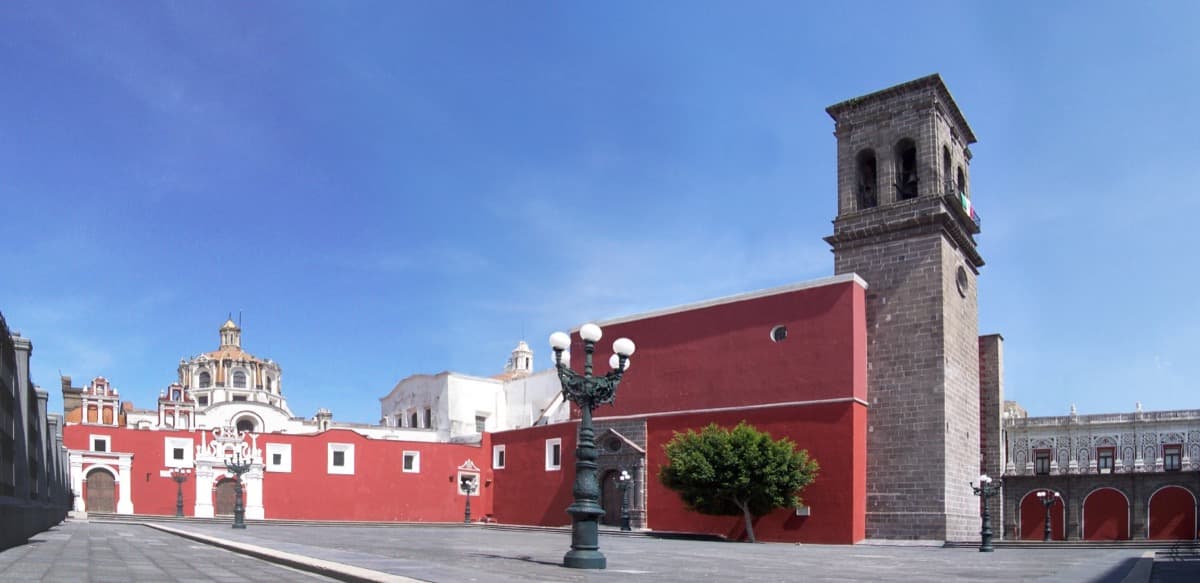
The traditional story about mole poblano goes like this. In the seventeenth century, the nuns of the Convento de Santa Rosa in Puebla learned that a viceroy or a bishop, depending on who is telling it, was arriving for dinner with no warning. They had nothing prepared. They went into the kitchen, grabbed everything they could find, chiles, chocolate, almonds, plantains, garlic, day-old bread, sesame seeds, cinnamon, cloves, twenty-something ingredients in total, and ground them all together into a sauce thick enough to coat a turkey.
Whether the literal story is true matters less than what it represents. Mole poblano emerged from a Pueblan convent. So did the most refined versions of camote, the sweet-potato candy that became the city's edible signature. So did the borrachitos and the tortitas de Santa Clara that you still buy on the Calle de los Dulces. So, in a parallel sense, did the artistic vocabulary that produced Talavera and the gilded chapels. The most ornate things colonial Puebla made were invented inside institutions whose founding ideology was austerity.
That is the paradox at the centre of the Puebla: Mole as a Paradox tour. It deserves to be looked at more closely.
What a colonial convent actually was
The convent in late-sixteenth-century New Spain was not a quiet contemplative retreat in the European sense. It was a complex economic, cultural, and culinary institution. The largest convents in Puebla, Santa Rosa, Santa Clara, Santa Mónica, La Concepción, owned haciendas, employed servants, kept large kitchens, hosted visiting officials, and provided dowries and incomes for the daughters of wealthy colonial families who chose or were placed into religious life. A senior nun in a wealthy Puebla convent in 1650 lived materially better than most lay women in the city.
The kitchens were the operational centres. They fed the resident community, which could number in the hundreds, plus the laborers, the visiting clergy, and the guests. They produced food as gifts for benefactors, which in practice meant the colonial elite and the church hierarchy. The expectation was not minimalist cooking. The expectation was that the convent kitchen could produce a meal good enough to serve a bishop. And the bishop, who funded the convent, came regularly.
The convents also had something no other kitchen in New Spain had at scale: ingredients from both hemispheres in the same pantry. Spanish almonds, raisins, and olive oil arrived through the trade with Seville. Mexican cacao, vanilla, avocados, and dozens of varieties of chile came from the surrounding valleys and the Veracruz lowlands. Asian spices, cinnamon, cloves, black pepper, came through the Manila Galleon trade, which arrived at Acapulco and crossed the country to Veracruz on the road that ran through Puebla. The Manila Galleon was effectively a culinary supply chain for Pueblan convent kitchens.
What happened in those kitchens was experimentation at industrial scale, with unlimited ingredient access, by women with decades of training, working under the social pressure of needing to impress whoever sat down at the table. That is the structural recipe for inventing mole. Whether the actual moment of invention happened in one kitchen on one specific day is almost beside the point.
The Calle de los Dulces and where it came from
Hear a stop from this walk
Zocalo — Puebla's Culinary Capital
Walk down Avenida 6 Oriente in the historic centre and the air smells of caramelised sugar. Forty-plus dulcerías line a single block. The shops sell camotes in dozens of fruit flavours, borrachitos soaked in liquor, mueganos bound with caramelised sugar, tortitas de Santa Clara that are not named after Saint Claire for nothing, jamoncillos, alegrías. Several of the shops have been in the same family for four or five generations. La Gran Fama has been operating on this street since 1892.
Every one of these confections traces back, in technique if not in exact recipe, to the convent kitchens. Sugar was a luxury import in the seventeenth century, brought from the Caribbean. The convents had it. They used it on a level that ordinary households could not match, candying fruits, glazing pastries, working sugar into compositions of extraordinary complexity. The convents passed recipes and techniques to lay servants and apprentices. When the Reform Laws of the 1850s suppressed the religious orders and closed many of the convents, the recipes survived because the servants did. Several of the founding families of the Calle de los Dulces shops are direct descendants of women who worked in convent kitchens.
The continuity is the most remarkable part. A Pueblan grandmother who grew up eating tortitas de Santa Clara expects her granddaughter to eat exactly the same tortitas. The recipes do not change because the customers will not allow them to. The Convento de Santa Clara itself was demolished in the nineteenth century. The cookies it invented are still on the shelf, in the same shapes, made by the same techniques, three blocks away from where its kitchen used to stand.
The Talavera parallel
The other thing the convents did, although more indirectly, was give Puebla its tile tradition. Talavera pottery was not invented in a convent. It was invented in the workshops of Spanish potters who arrived in Puebla in the late sixteenth century, employing indigenous craftsmen from the surrounding valleys. But the religious orders were the largest single buyers of Talavera tiles for two hundred years. Almost every convent, monastery, and church in Puebla used Talavera on its domes, its facades, its kitchen walls, its altarpiece frames. The Templo de Santo Domingo, where the gilded Rosary Chapel lives, has Talavera on its facade. So does the Iglesia de San Francisco. So do most of the eighteen baroque churches that crowd the historic centre.
The volume of demand from the religious orders is what kept the Talavera workshops solvent through generations and allowed the technique to mature into a recognisable Pueblan style, distinct from its Spanish ancestor. The same logic that drove convent food, plentiful resources, demanding patrons, multi-generational continuity, drove the tile.
Uriarte Talavera, the oldest certified workshop still operating, has been firing kilns since 1824. The denomination-of-origin protection established by the Mexican government in 2000 and the UNESCO Intangible Cultural Heritage designation in 2019 are the formal endpoints of a tradition whose foundation was laid by ecclesiastical demand in the seventeenth century. The current generation of painters at Uriarte uses brushes made from cat hair because the long guard hairs hold pigment better than synthetic fibres. The technique is unbroken.
What mole actually contains
It is worth, finally, looking at what is in the sauce. Authentic mole poblano, as the recipe survives in old Pueblan family books, contains around twenty-five ingredients. Four kinds of dried chile, usually mulato, ancho, pasilla, and chipotle. Mexican chocolate. Sesame seeds. Almonds, peanuts, sometimes pine nuts. Raisins. Plantain. Garlic, onion. Cinnamon, cloves, black pepper, anise. Bread or tortilla, fried and ground to thicken. Tomato, tomatillo. Stock. Lard or oil.
The preparation traditionally takes three days. Each ingredient is toasted or fried separately, then ground, then combined, then cooked down for hours. The sauce is supposed to be slightly bitter from the chocolate, smoky from the dried chiles, dense in a way that fills the mouth and lasts. Real mole poblano is not sweet. The sweetness that has crept into commercial moles outside Puebla is a distortion. Inside the city, especially at the Mercado El Carmen, where you finish the tour, you can still buy mole by the kilo from vendors whose grandmothers ground it for their grandmothers.
The dish is, fundamentally, a paradox. It was supposedly invented as an emergency improvisation, a sin offering, by women who had taken vows of poverty. It became the most labour-intensive sauce in the Mexican repertoire, the one that takes three days and twenty-five ingredients, the one that requires the cook to think on three continents at once. Mexico City and Oaxaca have their own moles, perfectly respectable, sometimes better in specific ways. The Pueblan original is more elaborate than any of them. The austere convent produced the baroque dish. That is the paradox the tour is named for, and once you see it in the food, you start to see it in the tile and the gold leaf and the candied sweet potato too.
Mexico eSIM· 10% off with ROAMER10
Ready to experience it?
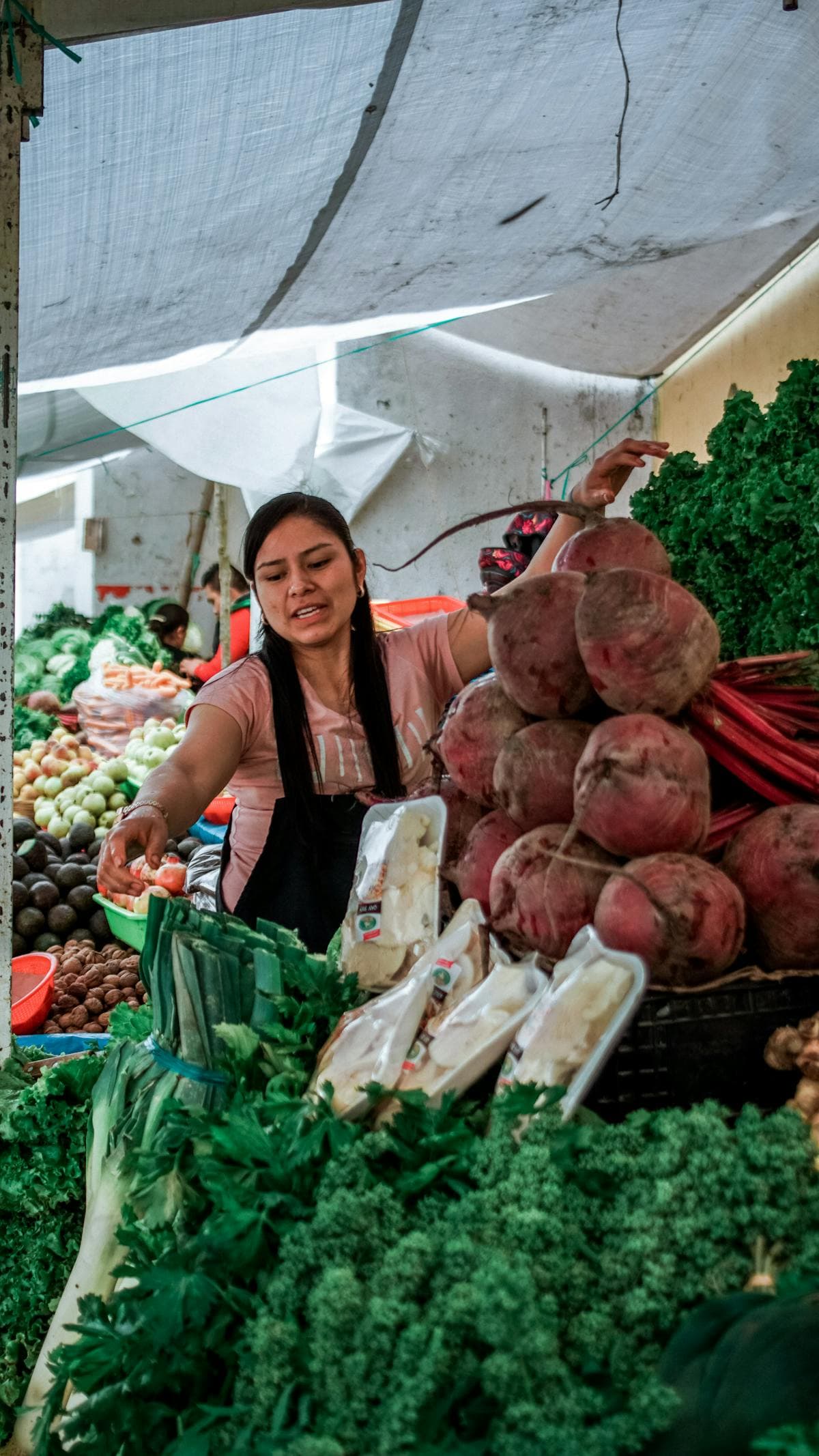
Puebla: Mole as a Paradox
105 min · 3 km · easy
More from Puebla
Explore more at your own pace.
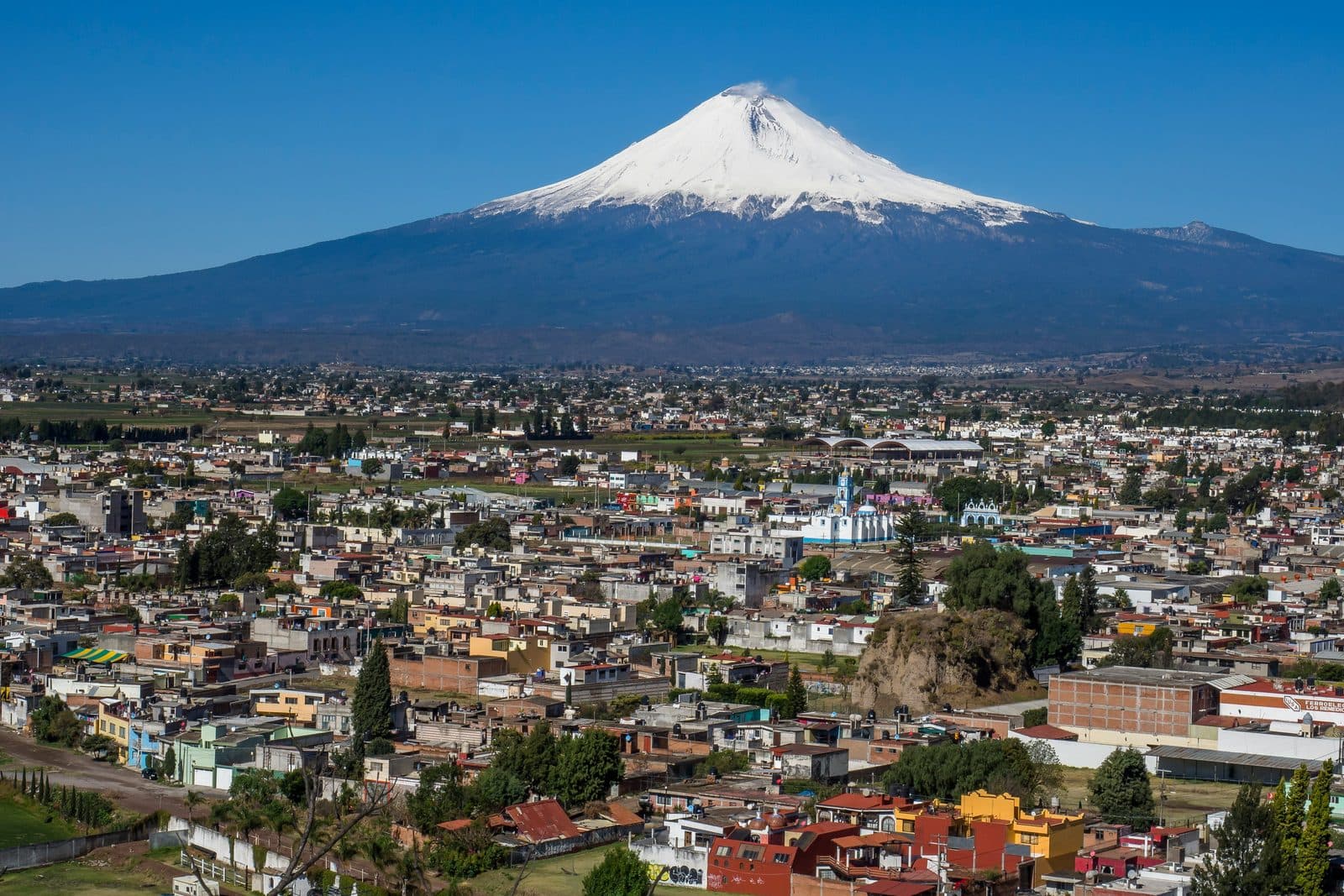
Best Self-Guided Walking Tours in Puebla (2026)
One Day in Puebla: A Walkable Centro Histórico Itinerary (2026)
Puebla Travel Guide: How Many Days, Getting Around, When to Go (2026)
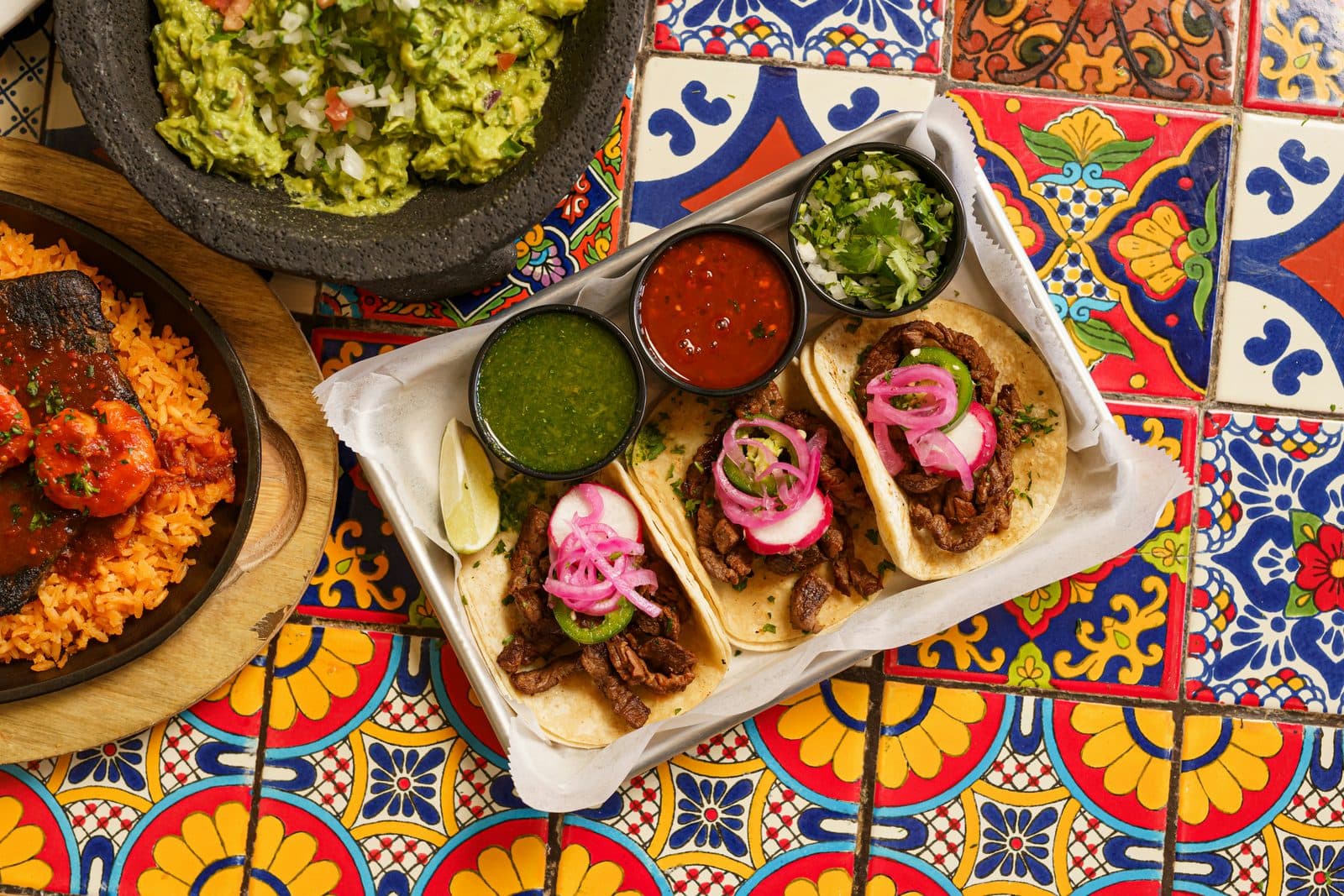
What to Eat in Puebla: A Food Guide (2026)
Barroco Poblano: Why Puebla's Churches Don't Look Like Spain's