If you want to eat like Izmir, start with three things you will not find done quite this way anywhere else in Turkey: boyoz, the flaky Sephardic breakfast pastry; gevrek, the local sesame ring that Izmir refuses to call simit; and kumru, the dove-shaped sandwich built around the region's tulum cheese. Each carries a piece of the city's history in it, from the Jewish families expelled from Spain in 1492 to the Aegean dairies in the hills behind the coast. Order them where the locals do, mostly inside the old bazaar and along the seafront, and eat them at the right time of day, and a walk through Izmir becomes a walk through what the city has swallowed and kept.
Here is the shortlist, why each dish tastes the way it does, and how to order without a menu.
Boyoz: the breakfast pastry that came from Spain
Boyoz is a small, flaky, unsweetened pastry, and it is the one food most tied to Izmir specifically. It is of Sephardic Jewish origin, brought by Jews expelled from Spain in 1492 who settled across the Ottoman Empire, with many landing in Izmir. The name comes from Ladino, cognate with the Spanish bollo, a small round bun. For generations Jewish families baked it at home around Havra Sokak, or Synagogue Street, inside the Kemeralti bazaar, and it is now officially registered as Izmir Boyozu, a geographical indication limited to Izmir province. The Slow Food Foundation lists a traditional version in its Ark of Taste.
The dough is worked with oil and a little tahini until it separates into thin layers. The original recipe used sesame oil; most bakeries today use sunflower oil, so the old sesame version has become hard to find. How to order it: boyoz is a morning food, so go early, before the good ones sell out. Ask for it plain (sade) the first time, and eat it the traditional way, with a hard-boiled egg and a glass of tea. The best examples come from small, timeworn bakeries near Havra Sokak and Hisaronu inside the bazaar, some still using stone ovens.
Gevrek: do not call it simit here
Hear a stop from this walk
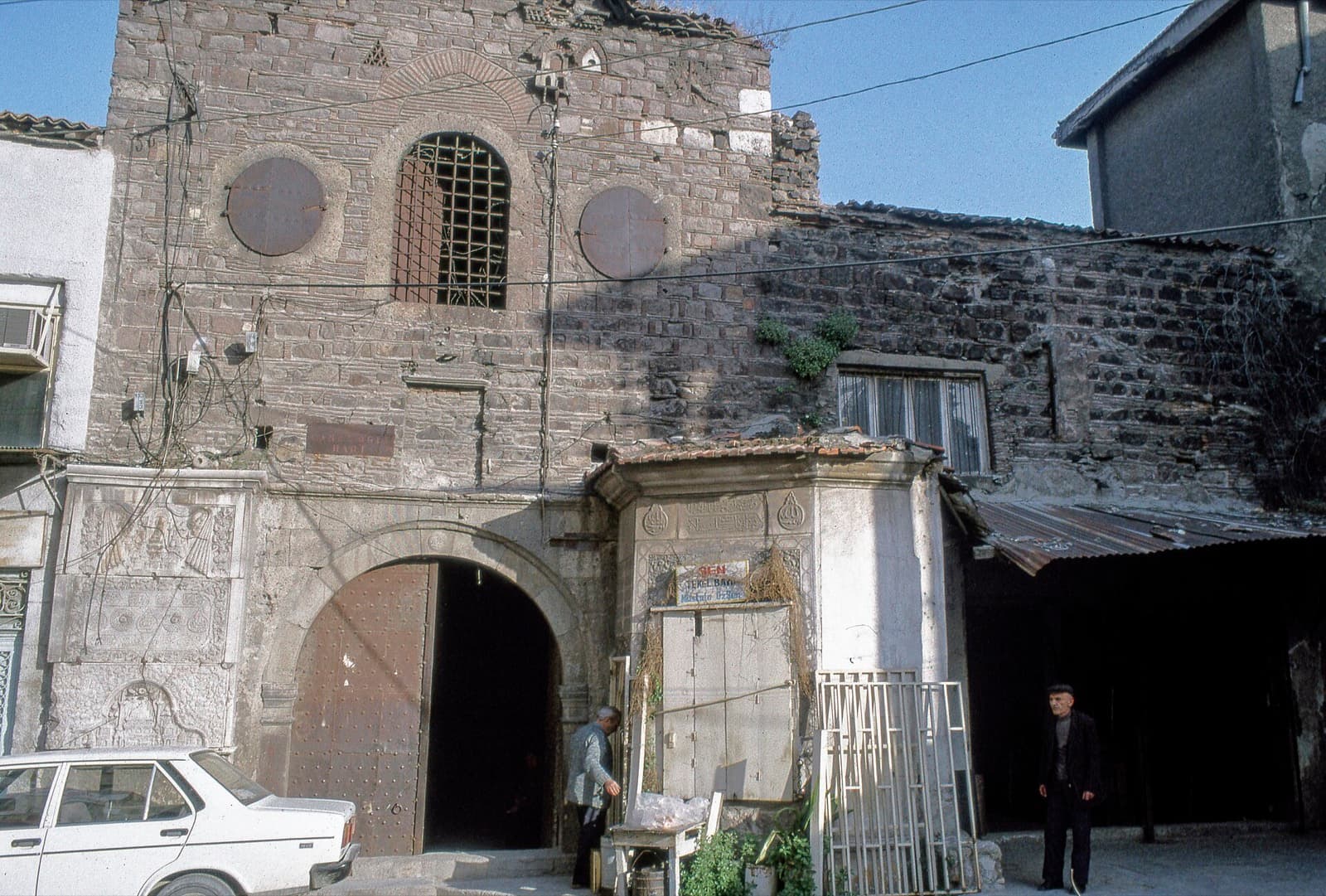
Kemeralti: The Great Bazaar of Old Smyrna
Ask for a simit in Izmir and you will be gently corrected. The city's sesame-crusted bread ring is called gevrek, meaning crisp or crunchy, and Izmirians are firm about the distinction. It is not only a name. Gevrek is dipped in grape molasses and briefly cooked before it is coated in sesame and baked, which gives it a crackier, drier bite than the simit sold elsewhere. Izmir Gevrek was granted its own geographical indication in 2021.
You buy it from red carts and small bakeries on nearly every corner, cheap, warm, and meant to be eaten walking. Order one plain for the street, or split it with a wedge of white cheese for a fuller breakfast. It pairs with tea, and around the Kemeralti bazaar and the Kordon promenade you will pass a gevrek seller every few minutes.
Kumru: the dove-shaped sandwich
Kumru is Izmir's signature sandwich, named for its shape, which is said to resemble the body of a kumru, a dove: wider in the middle and tapering at the ends. It has been made in the city for roughly a hundred and fifty years and was registered as Izmir Kumrusu by the Ministry of Culture and Tourism in 2017. The bread is usually made with a chickpea-based leaven.
The defining ingredient is Izmir tulum cheese, a tangy aged cheese, layered in the original version with tomatoes and peppers. The common griddled version stacks kasar cheese, spicy sucuk sausage, and tomato, warmed until the cheese melts. How to order: say karisik for the mixed, meaty version, or ask for the cheese-and-tomato original if you want the older recipe. It is a substantial lunch, best eaten hot off the grill.
The street food and seafood to fold in
Around these three anchors, Izmir's Aegean coast shows up on the plate. A few worth knowing:
- Midye dolma (stuffed mussels): mussels packed with spiced rice, sold from trays on the street and squeezed with lemon before you eat them. Izmir's version is kept simple, without the cinnamon, currants, or pine nuts used elsewhere. Eat one, see how you feel, then eat five.
- Kokorec: seasoned lamb or goat intestines wound on a spit and roasted, then chopped and served in bread. It has a devoted following in Izmir, where it is usually served plain with cumin. Order it ekmek arasi, in bread.
- Lokma: sweet fried dough balls soaked in syrup. Beyond dessert stands, lokma is often cooked and handed out free in public to mark an occasion or remember someone, so if you are offered a plate, that is what is happening.
- Meze and olive oil dishes: Izmir leans on wild Aegean herbs and greens and olive-oil-based small plates. For a sit-down meal, a spread of cold meze with bread is the local way to eat by the water.
Where to eat it, and when
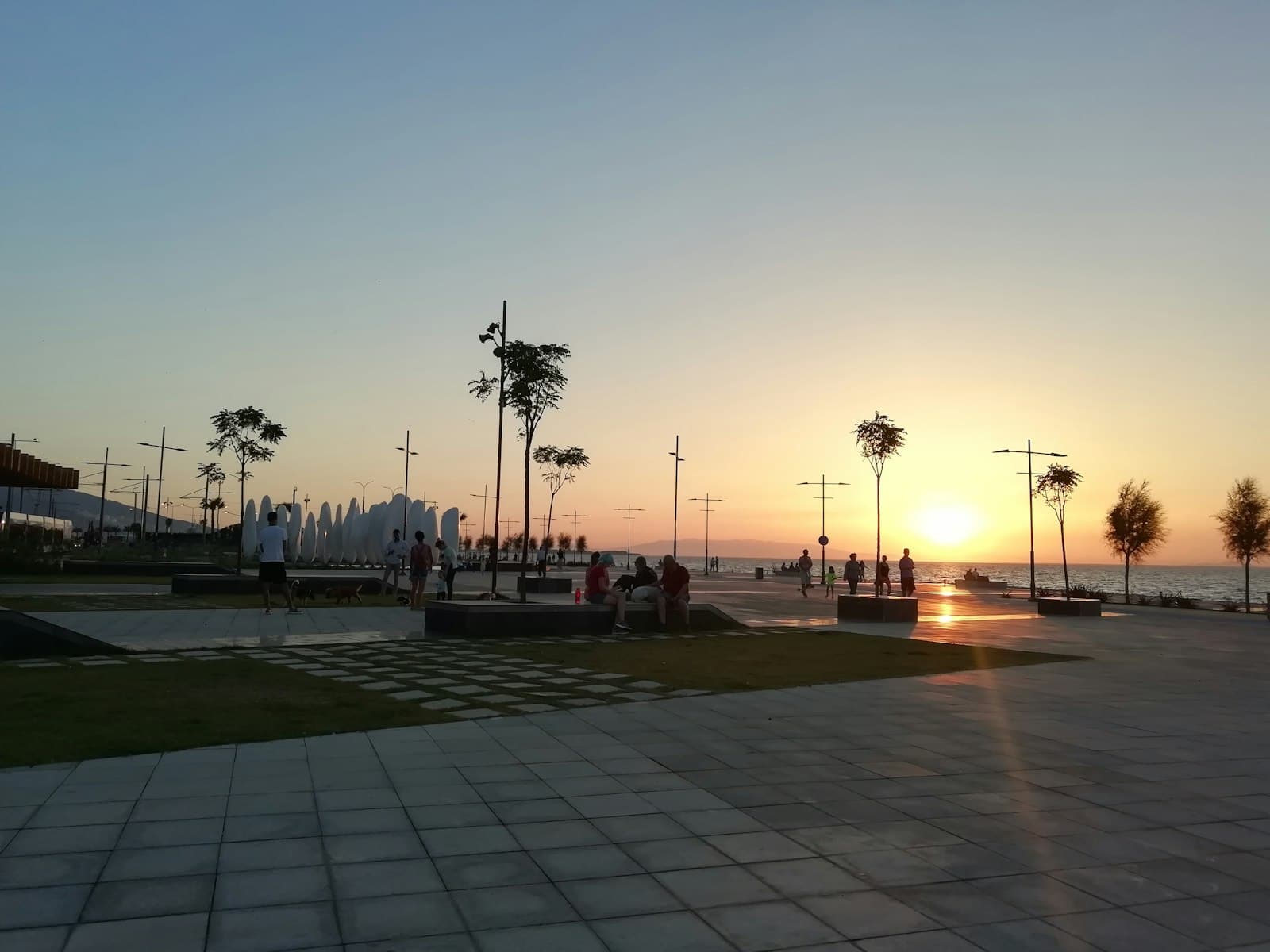
The dense answer is the Kemeralti bazaar, the old market that curves along the line of a buried harbour. Boyoz and gevrek live in its lanes near Havra Sokak; the restored Kizlaragasi Han at its center is full of quiet tea houses under the arcades, a good place to sit between bites. Morning and early afternoon are best in the bazaar, both for the food and the cooler air. Keep your bag closed and in front of you in the crowds, and it is wise not to wander the Havra Sokak area alone late at night. Save the seafront Kordon for the end of the day, when the city gathers there at sunset for meze, tea, and a slower meal by the gulf.
Our self-guided audio walk threads exactly this ground. It starts at the Konak Clock Tower, moves through Kemeralti and the Kizlaragasi Han, climbs to the ancient Agora of Smyrna and Kadifekale castle, and ends on the Kordon at dusk, so you can eat your way along the route and let the history play in your ear as you go. The Agora charges a small admission (and is covered by the regional Museum Pass The Aegean), while Konak Square, Kemeralti, the han, Kadifekale, and the Kordon are free. See the full route and more city context in our guide to Izmir walking tours.
Sources
- Boyoz, Wikipedia
- Boyoz: Izmir's flaky pastry of Sephardic origin, Daily Sabah
- Geographical Indication Gastronomic Products of Izmir, Visit Izmir (official)
- What to Eat in Izmir: 10 Must-Try Dishes and Street Food, Culinary Backstreets
- A city's identity: Izmir and its delicious street flavors, Daily Sabah
Frequently asked questions
- What food is Izmir most famous for?
- Izmir is best known for three local specialties: boyoz, a flaky Sephardic breakfast pastry; gevrek, the city's sesame bread ring that locals refuse to call simit; and kumru, a dove-shaped sandwich built around Izmir tulum cheese. All three carry official Turkish geographical indications tied to Izmir province.
- What is boyoz and where did it come from?
- Boyoz is a small, flaky, unsweetened pastry made from dough worked with oil and a little tahini. It is of Sephardic Jewish origin, brought by Jews expelled from Spain in 1492 who settled in the Ottoman Empire, with many arriving in Izmir. The name comes from Ladino, cognate with the Spanish word bollo, a small round bun. It is now registered as Izmir Boyozu, a geographical indication limited to Izmir.
- Why do people in Izmir call simit gevrek?
- In Izmir the sesame-crusted bread ring is called gevrek, meaning crisp or crunchy, and locals are firm about the distinction from simit. It is not only a name: gevrek is dipped in grape molasses and briefly cooked before being coated in sesame and baked, giving it a drier, crackier bite. Izmir Gevrek received its own geographical indication in 2021.
- What is in a kumru sandwich?
- The original kumru is built on bread made with chickpea-based leaven and filled with Izmir tulum cheese, tomatoes, and peppers. The common griddled version stacks melted kasar cheese, spicy sucuk sausage, and tomato. Kumru was registered as Izmir Kumrusu by the Ministry of Culture and Tourism in 2017 and has been made in the city for around 150 years.
- Where should I eat street food in Izmir?
- The Kemeralti bazaar is the densest place to eat, with boyoz and gevrek bakeries near Havra Sokak and tea houses inside the restored Kizlaragasi Han. Morning and early afternoon are best there for food and cooler air. Save the Kordon seafront for the evening, when the city gathers for meze and tea by the gulf.
- Is it safe to eat street food and walk the bazaar in Izmir?
- The Kemeralti bazaar is a busy, working market that is comfortable to explore by day, though you should keep your bag closed and in front of you in the crowds. It is wise not to wander the Havra Sokak area alone late at night. Street food like midye dolma and gevrek is a normal part of daily life; go where the turnover is high and the queue is local.
Ready to experience it?
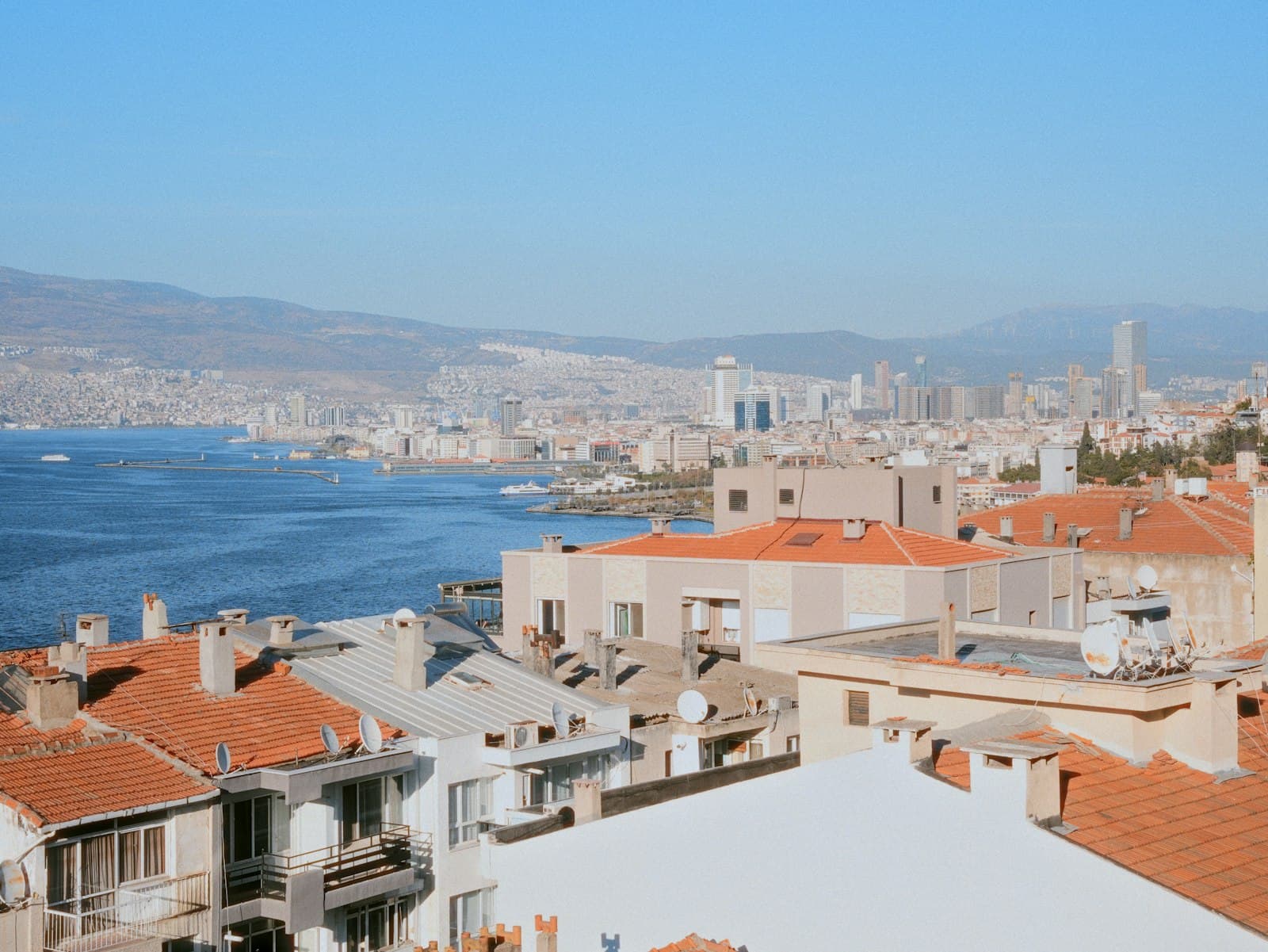
Kemeralti Bazaar and the Kordon: The City Reborn from the Sea
120 min · 7.2 km · challenging
More from Izmir
Explore more at your own pace.
Izmir Travel Guide: Days, Transport, Safety, and Budget
One Day in Izmir: A Walkable Route From the Clock Tower to the Kordon
The Two Izmirs: Ancient Smyrna and the City Reborn from the Sea
The Kordon: Why Izmir Faces the Sea It Once Feared
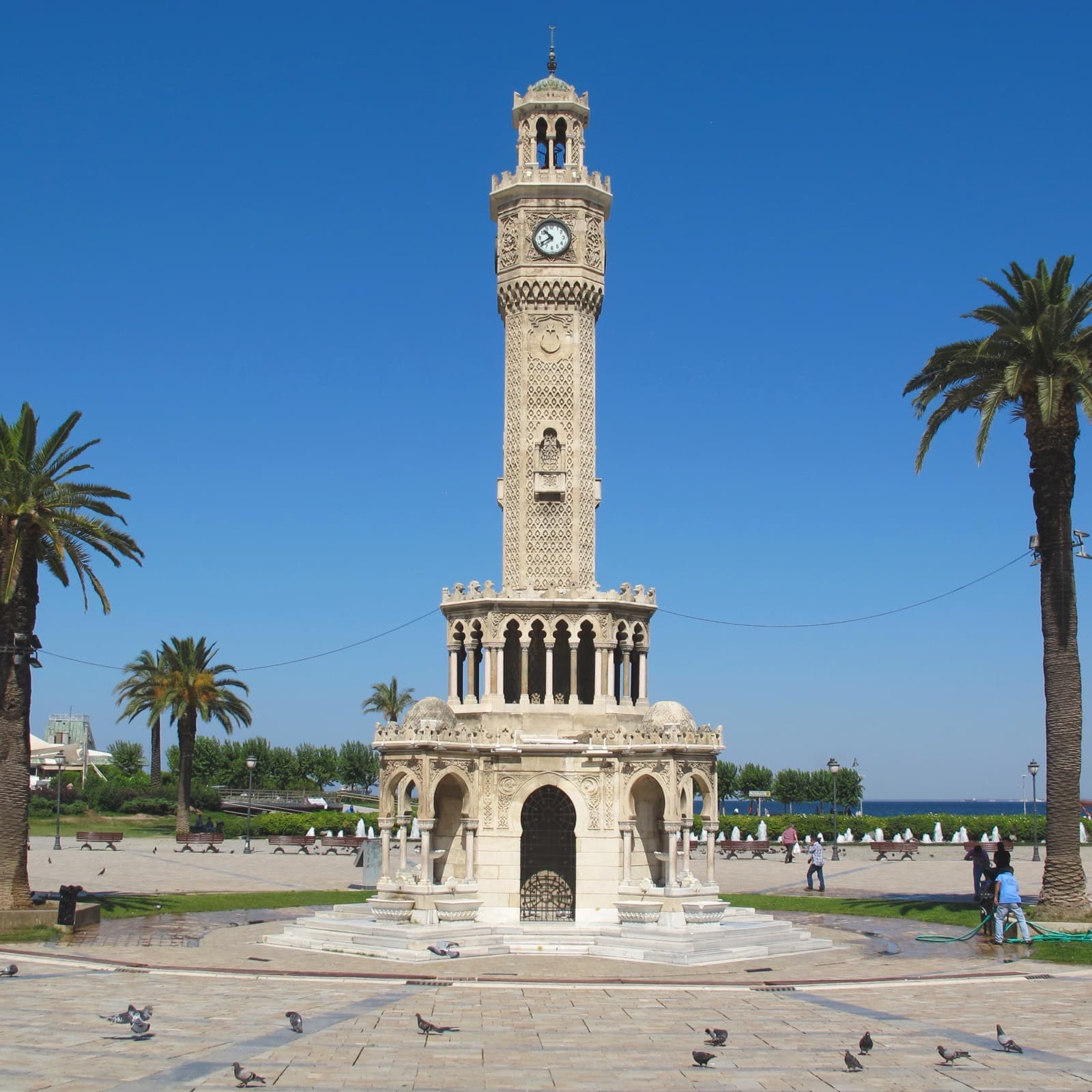
Konak Clock Tower: Reading the Seam Between Two Izmirs