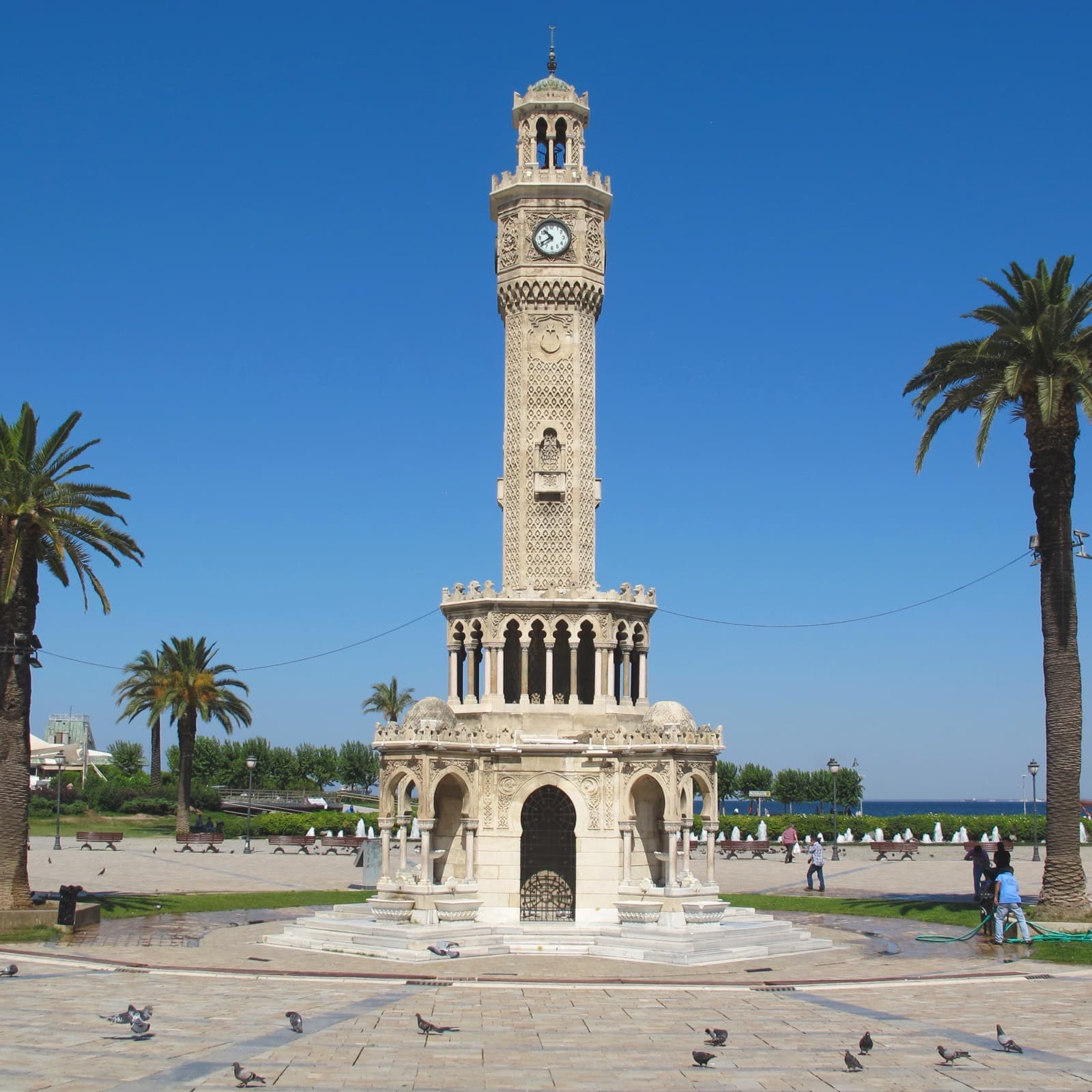
Konak Clock Tower is the marble timepiece at the waterfront civic center of Izmir, an octagonal tower built at the turn of the twentieth century that the city adopted as its own emblem, and it is the right place to understand a city holding two selves together: the ancient Ottoman port and the modern seafront that rose after fire. If you stand in Konak Square with the tower in front of you and the Gulf of Izmir at your back, you are reading the hinge of the whole city. The old town climbs inland into bazaar, agora, and castle. The rebuilt city stretches ahead along the water. The tower has kept time through both.
What you are looking at
The tower is officially the Saat Kulesi, which is simply the Turkish for clock tower (kulesi meaning tower). It rises on an octagonal, eight-sided plan to roughly twenty-five meters, four floors of marble and stone. What you cannot see is what holds it up: an internal skeleton of iron and lead beneath the stone facing. Four small fountains are set into the base, one of the quiet details that reward standing close rather than photographing from across the square.
The style is late Ottoman with a Moorish-revival flourish, ornate and finely worked, delicate against the open sky over the gulf. It was designed by a French-Levantine architect, Raymond Charles Pere, whose name matters to the story of this square. Izmir before 1922 was a genuinely plural port, and its civic monuments were built by the hands of the many communities that lived here. A tower on the municipal seal designed by a Levantine architect is not an accident of style. It is a fingerprint of the cosmopolitan city that produced it.
Beside the tower stands a small tiled mosque, the Konak Camii (camii meaning mosque of), also called the shore mosque. It is a working place of worship, not a display piece. If you step near it, keep your voice low, dress modestly, and give worshippers their space, especially around the five daily prayer times. The mosque and the tower together are the reason this square, and not some inland plaza, is the civic heart: they face the sea.
The dates, and why they were chosen
Hear a stop from this walk
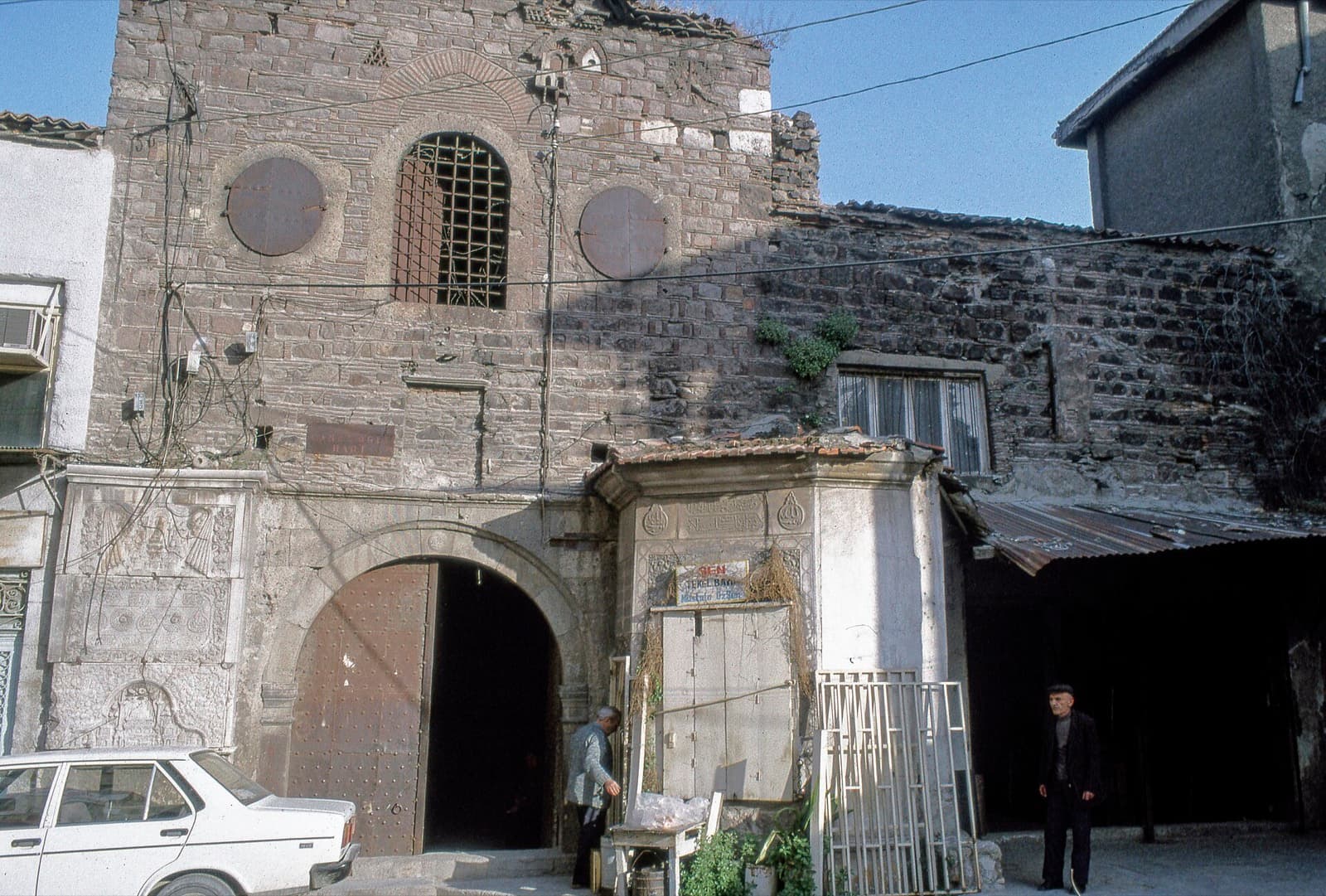
Kemeralti: The Great Bazaar of Old Smyrna
The tower went up fast. Ground was broken on the first of September, 1900. It was finished the following August and formally inaugurated on the first of September, 1901. Those matching September dates are not coincidence. The tower was raised to mark the twenty-fifth anniversary of the accession of Sultan Abdulhamid the Second, so the inauguration was timed to the anniversary itself. In other words, this landmark began life as an anniversary gift to a reign. Clock towers went up across the Ottoman Empire in exactly these years for exactly this reason, as public markers of the sultan's silver jubilee, and Izmir's is among the most elaborate that survives.
The commission came from Kamil Pasha, governor of the Aydin province, after a meeting with prominent citizens on the first of August, 1900. That detail is worth holding: the tower was decided by the governor together with the leading residents of a wealthy trading city, and then built in under a year. It reflects a port at the height of its confidence, a place with the money and the civic ambition to raise a marble monument on a jubilee deadline.
The one thing to understand standing here
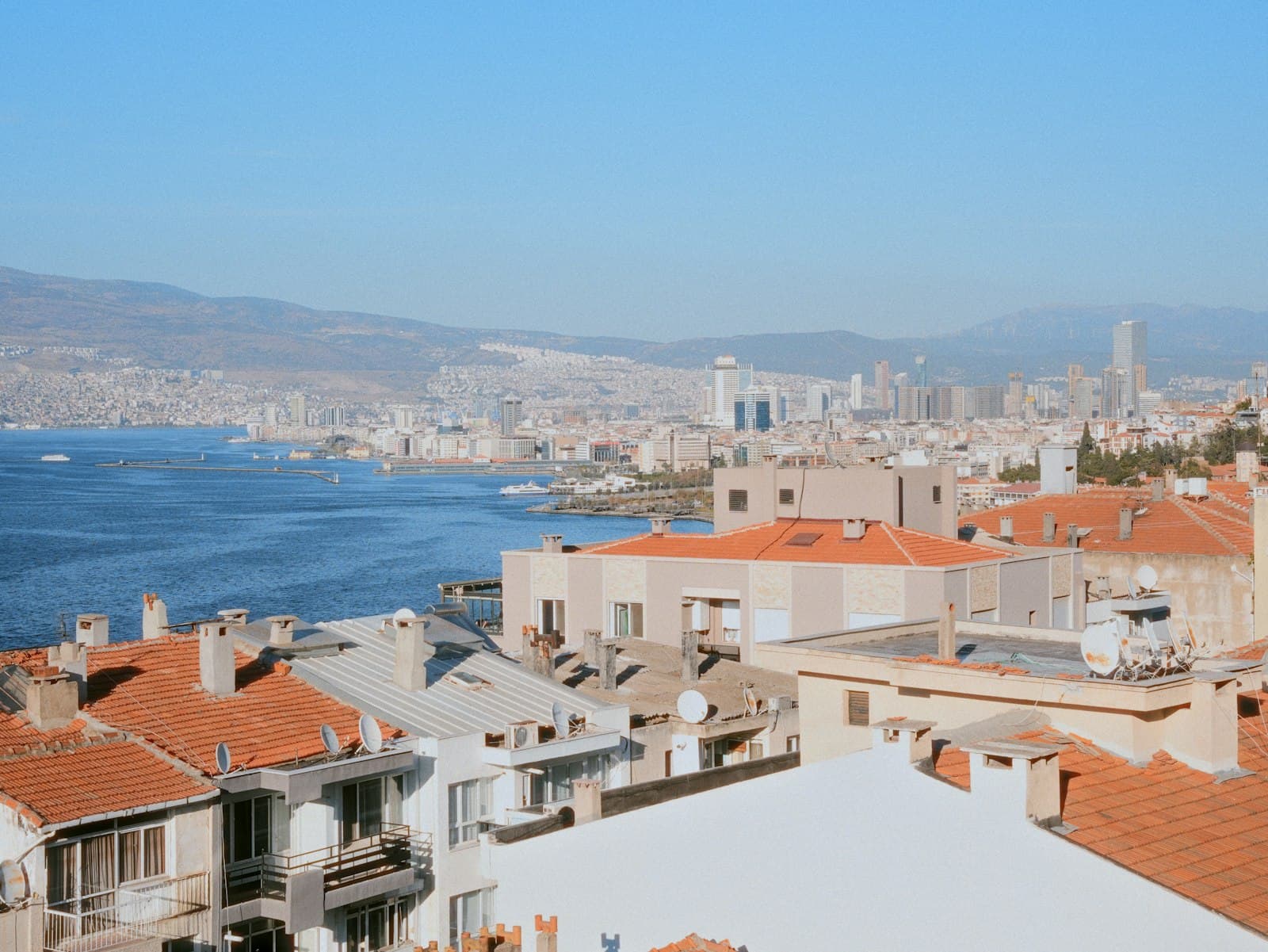
If you take a single idea from this stop, take this one. Konak Square, laid out in 1829, and the tower that anchors it are the seam between two Izmirs, and almost everything else that survives of the old city was nearly erased. In September 1922, at the close of the Greco-Turkish war, a catastrophic fire consumed much of the old cosmopolitan port. The Greek, Armenian, and Levantine communities that had made Izmir a Mediterranean crossroads were gone within a year, after the compulsory Greek-Turkish population exchange of 1923. The city that rose from the ashes turned deliberately to face the water and rebuilt along it.
The tower survived. So it now performs a strange double duty. It is the cheerful emblem on the municipal seal, one of the few landmarks a city carries on its own crest, and it is a witness to what came before the fire, a piece of the plural port that produced it. Standing in front of it, you are not just looking at a pretty marble tower. You are standing at the exact point where the ancient and Ottoman city behind you meets the modern city reborn from the sea ahead of you. The tower kept time through the change from a burning harbor into a promenade.
That is the frame the rest of a visit to Izmir hangs on. Once you understand that the tower marks a seam and not just a center, the bazaar behind it reads differently (its lanes trace a buried harbor), the Roman agora up the slope reads as one more marketplace on ground that has held marketplaces for millennia, and the Kordon promenade at the far end reads as the answer the city gave to catastrophe.
Practical notes for the visit
Konak Square is a free public space, open at all hours, and it is the natural starting point because it faces the gulf and sits at the foot of everything else. Come early or late in the day in summer, when the marble and the open square are cooler and the light is kinder for the tower's detail. Keep a scarf and covered shoulders handy if you plan to look in on the Konak Mosque next door, and take your shoes off at its door. Give yourself a few minutes here before turning inland: the square is a working transit hub as much as a monument, busy with trams, ferries, and commuters, which is itself the point. This is a living civic center, not a preserved set piece.
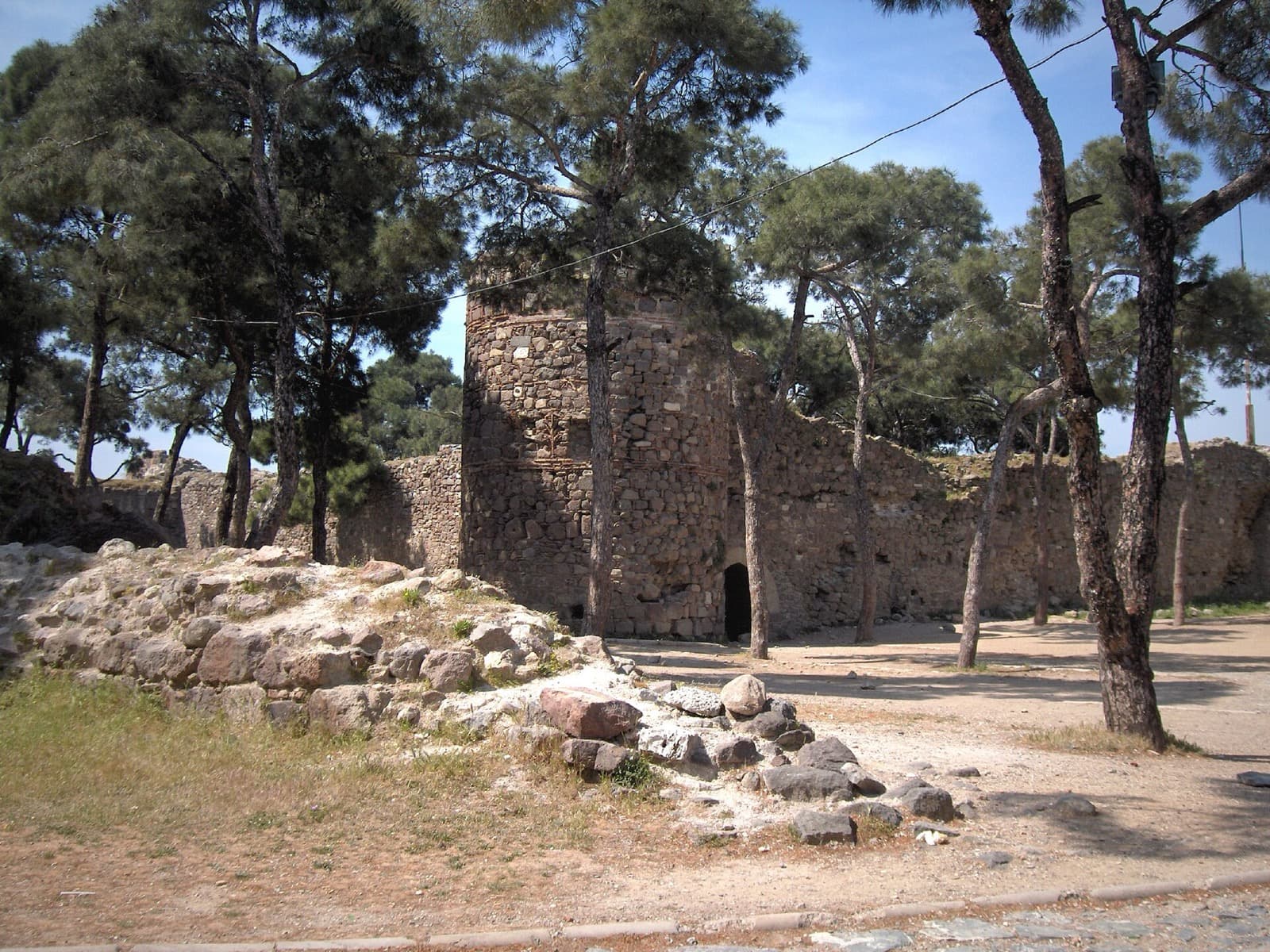
The clearest way to hold all of this together is on foot, in order, at your own pace. Konak Clock Tower is the first stop on Roamer's self-guided audio walk "The City Reborn from the Sea," a seven-stop route that moves from this waterfront square into the Kemeralti bazaar, up to the Agora of Smyrna and the castle on Mount Pagos, and back down to the Kordon by the sea. If you want the full arc, and the audio that fills each stop with its history as you stand in it, browse the Izmir walking tours and begin here, at the tower, where the city meets the gulf.
Sources
- Izmir Clock Tower, Wikipedia. Encyclopedia entry covering the tower's 1900 to 1901 construction, octagonal marble form, architect Raymond Charles Pere, and its role as the city emblem.
- Visit Izmir (official city tourism site), Izmir Clock Tower and Konak Square destination page. Municipal source for the tower's place at the civic heart of the city.
- Roamer tour transcript, "The City Reborn from the Sea" (Konak Square and the Clock Tower stop). Fact-audited narration used as the primary grounding for dates, dimensions, and dedication.
- Burning of Smyrna, Wikipedia. Background on the 1922 fire and the 1923 population exchange that made Konak Square the seam between the old and rebuilt city.
Ready to experience it?
Kemeralti Bazaar and the Kordon: The City Reborn from the Sea
120 min · 7.2 km · challenging
More from Izmir
Explore more at your own pace.
Izmir Travel Guide: Days, Transport, Safety, and Budget
One Day in Izmir: A Walkable Route From the Clock Tower to the Kordon
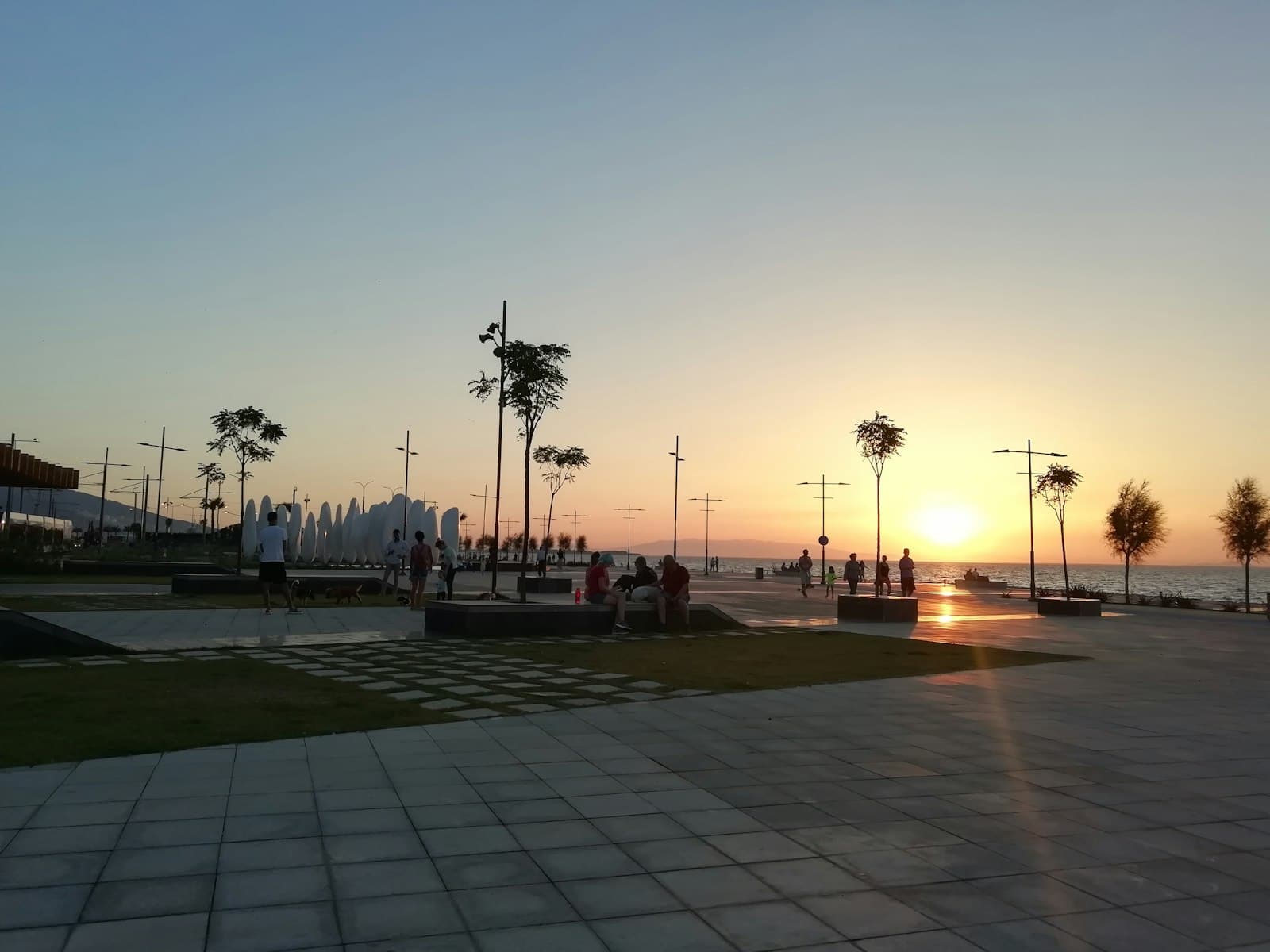
The Two Izmirs: Ancient Smyrna and the City Reborn from the Sea
The Kordon: Why Izmir Faces the Sea It Once Feared
The Blue Mosque: Reading the Ottoman Answer to Hagia Sophia