Hill Station: The Empire's Escape
180 min · 8 km · hard
Da Lat food is shaped by altitude, not the coast. The city sits near 1,500 metres in the Central Highlands, so its cool climate turns even the humble banh mi into a hot bowl of broth, and its surrounding farm belt grows strawberries, avocados, artichokes, coffee, and cut flowers instead of rice. Eat well here and you are really eating the plateau: warm dishes against the cold, produce picked nearby, and street food after dark when the mountain air turns genuinely cold. This guide covers the dishes worth seeking out and where the food culture actually lives, and it pairs naturally with a slow walk on one of our Da Lat self-guided tours.
The dishes to seek out
Banh mi xiu mai. The signature Da Lat breakfast, and a dish the cold mornings reinvented. Instead of a stuffed sandwich, you get a bowl of hot, savory broth with soft pork meatballs, cilantro, and often shredded papaya, served with a warm grilled baguette to tear and dip. Eat it with a spoon, standing in the cool morning air, and you understand the city climate in one dish.
Banh trang nuong. Grilled rice paper, locals call it Vietnamese pizza. A round of rice paper is grilled over charcoal and loaded with egg, dried shrimp, scallions, cheese, beef jerky, and more, then folded and eaten hot with chili and mayonnaise. It is the quintessential Da Lat street snack, cheap, customizable, and best eaten off a low plastic stool.
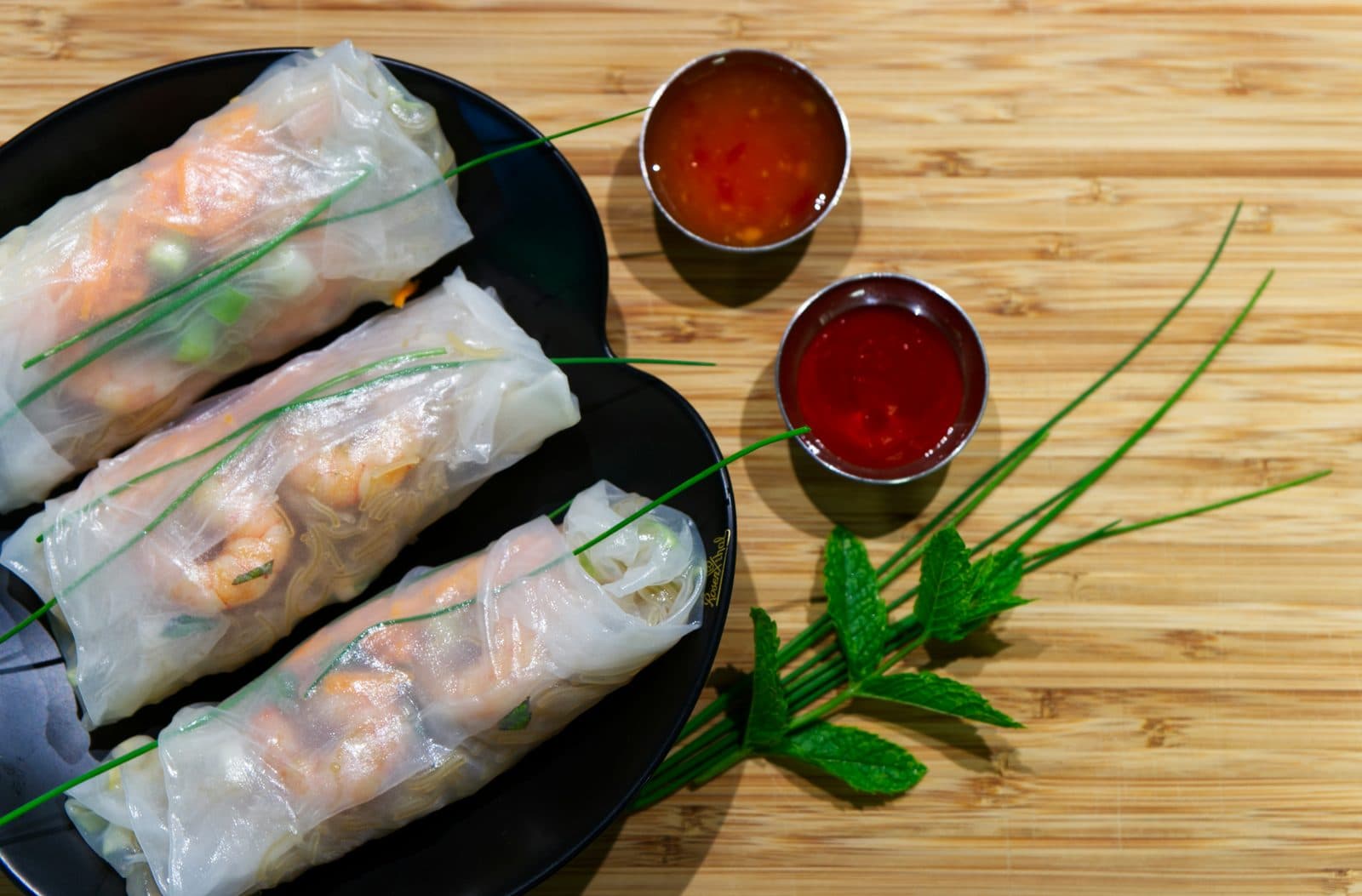
Nem nuong. Grilled pork skewers, but the reputation rests on the sauce. You roll the warm, charred pork into fresh rice paper with herbs, pickles, and greens, then dip the whole parcel in a rich peanut-based sauce. A hands-on, social dish, and a highland favorite.
Roast chicken and com lam. The plateau also does grilled chicken roasted over flames, traditionally served with com lam, sticky rice steamed inside bamboo tubes, plus herbs and a dipping sauce. Hearty highland comfort food.
Avocado ice cream (kem bo). The dessert most tied to Da Lat, made from the plateau own prized avocados: a creamy blend of local avocado, coconut ice cream, and milk that turns a simple treat into a signature one. Look for it around the lake and the night market.
Che and strawberries. Da Lat is Vietnam strawberry country, and the local che, a category of Vietnamese sweet soups and puddings made with things like coconut milk, mung beans, and tapioca, often comes studded with fresh locally grown strawberries. Buy a punnet of berries at the market while you are at it.
What to drink
Hear a stop from this walk
Hoa Binh Square: The City That Kept the Stage
Artichoke tea (tra atiso). A caffeine-free herbal specialty brewed from the roots, stems, and flowers of Da Lat artichokes, with a slightly sweet, earthy taste. It is one of the city best-known edible souvenirs, sold loose and in tea bags at farm shops.
Da Lat coffee. The highlands are prime coffee country, and Da Lat cafes, many with lake or valley views, are part of the town gentle rhythm. Try the local drip over ice or hot against the chill.
Da Lat wine. Unusually for Vietnam, Da Lat produces its own red and white wines, a legacy of its temperate climate and French inheritance. A bottle makes a fitting souvenir of a town nicknamed Le Petit Paris.
Where the food culture lives
The Da Lat Night Market. The heart of the city street food, near Hoa Binh Square and the central market. As the mountain air turns cold, the stalls fire up: grilled skewers, banh trang nuong, cups of che with strawberries, hot soy milk, and avocado ice cream. It is the most local, most affordable way to eat here, and it sits right where the Garden City tour ends its walk through the downtown the city built for itself.
The central market and its stalls. The daytime version of the same culture. This is the place for a morning bowl of banh mi xiu mai and for the plateau produce, strawberries, avocados, persimmons, artichokes, that stocks the whole town. The market is the Vietnamese-built downtown that the walking tours read as the city own answer to the French villas above it.
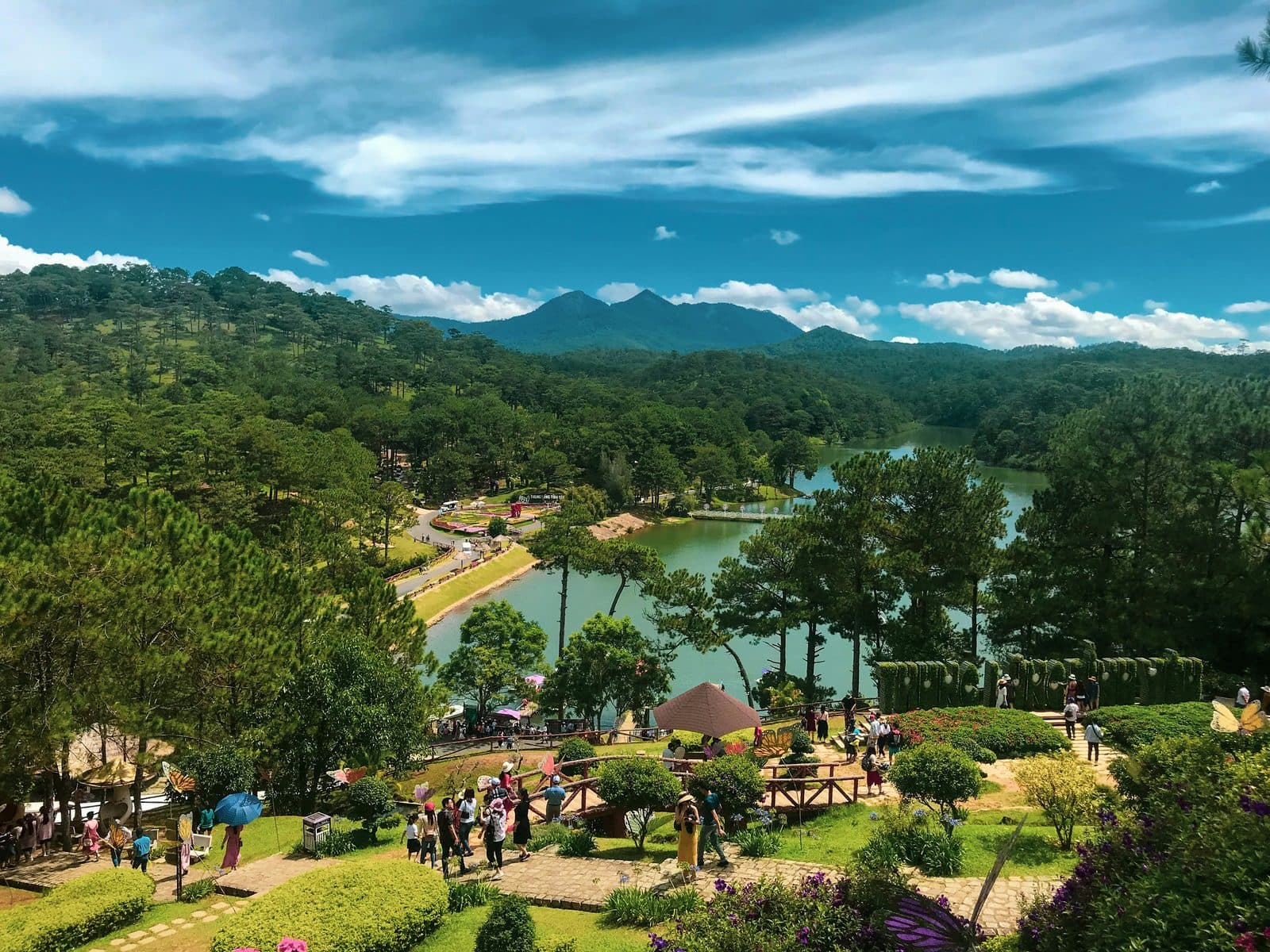
The cafes. Da Lat runs on coffee. The hilly center is dense with cafes overlooking Xuan Huong Lake and the pine valleys, and a slow cup is part of the point of coming. This same colonial-era center, the villas and the lake, is what you walk on the Empire's Escape tour, whose streets are lined with the cafes and bakeries that Le Petit Paris left behind.
The farm shops. On the outskirts, farm stores sell the plateau harvest to take home: artichoke tea, dried fruit, jams, weasel coffee, and Da Lat wine. They are the retail face of the highland farm belt whose flowers and strawberries define the region.
Eat as you walk
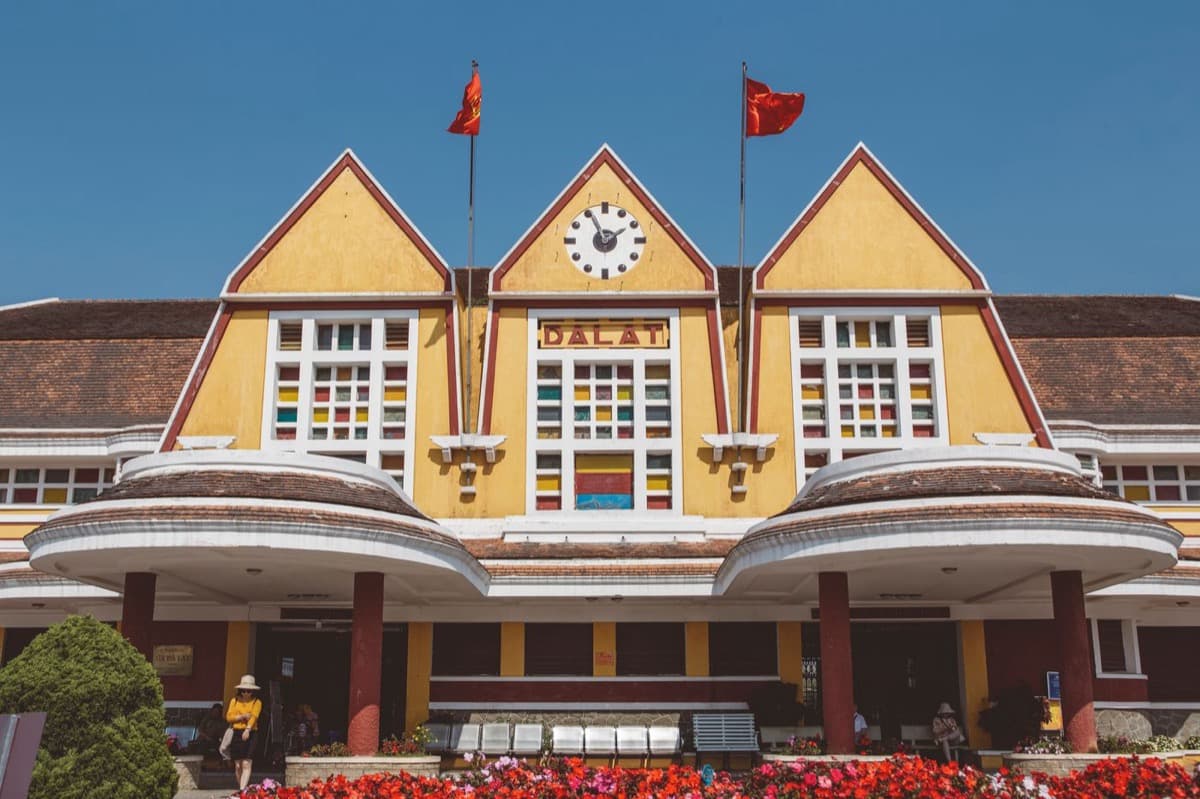
The best way to work through this list is on foot, one part of town at a time. Pair a morning of villas and the railway station with a bowl of banh mi xiu mai, an afternoon around the lake with avocado ice cream, and an evening downtown with the night market. Route your day with the one day in Da Lat itinerary, plan the practical side with the Da Lat travel guide, and browse all Da Lat tours. Every tour is free to start: the introduction and first stop play in full, and every later stop plays a short preview before an optional purchase.
Frequently asked questions
- What food is Da Lat known for?
- Da Lat is known for warming, plateau-grown street food rather than seafood. The headline dishes are banh mi xiu mai (a hot bowl of pork-meatball broth with a baguette to dip), banh trang nuong (grilled rice paper the locals call Vietnamese pizza), and nem nuong (grilled pork skewers rolled in rice paper with herbs). It is also famous for its produce: strawberries, avocados, artichokes, and highland coffee, which turn up as avocado ice cream, artichoke tea, and che desserts, plus locally made Da Lat wine.
- What is banh mi xiu mai and why is it a Da Lat thing?
- Banh mi xiu mai is a pork-meatball breakfast, but in Da Lat the cold mountain mornings turned it into something you eat with a spoon: a bowl of hot, savory broth with soft pork meatballs, cilantro, and often shredded papaya and herbs, served with a warm grilled baguette to tear and dip rather than a stuffed sandwich. It is the classic Da Lat breakfast and one of the dishes most tied to the city climate.
- What sweets and produce should you try in Da Lat?
- Da Lat is a highland farm belt, so the produce is the point. Try avocado ice cream (kem bo), a creamy blend of local avocado, coconut, and milk; che desserts studded with locally grown strawberries; and fresh strawberries, avocados, and persimmons from the market. To drink, look for artichoke tea (tra atiso), a caffeine-free herbal specialty, Da Lat coffee, and locally produced Da Lat wine.
- Where should you eat in Da Lat?
- For street food and snacks, the Da Lat Night Market near Hoa Binh Square, where the plateau harvest shows up as grilled skewers, banh trang nuong, che, and hot soy milk against the chill. The central market and its surrounding stalls are the daytime version, best for banh mi xiu mai and fresh produce. Cafes across the hilly center serve Da Lat coffee, and farm shops on the outskirts sell artichoke tea, dried fruit, and wine.
Ready to experience it?
Hill Station: The Empire's Escape
180 min · 8 km · hard
More from Dalat
Explore more at your own pace.
Da Lat Travel Guide: How Many Days, Getting Around, When to Go (2026)
How to See Da Lat: A Borrowed France That Vietnam Kept
One Day in Da Lat: A Walkable Hill-Station Itinerary (2026)
The Empire of Homesickness: How France Built Da Lat to Hide From Vietnam
The Manufactured Paradise: Da Lat's Beloved Lake Was Once a Stream