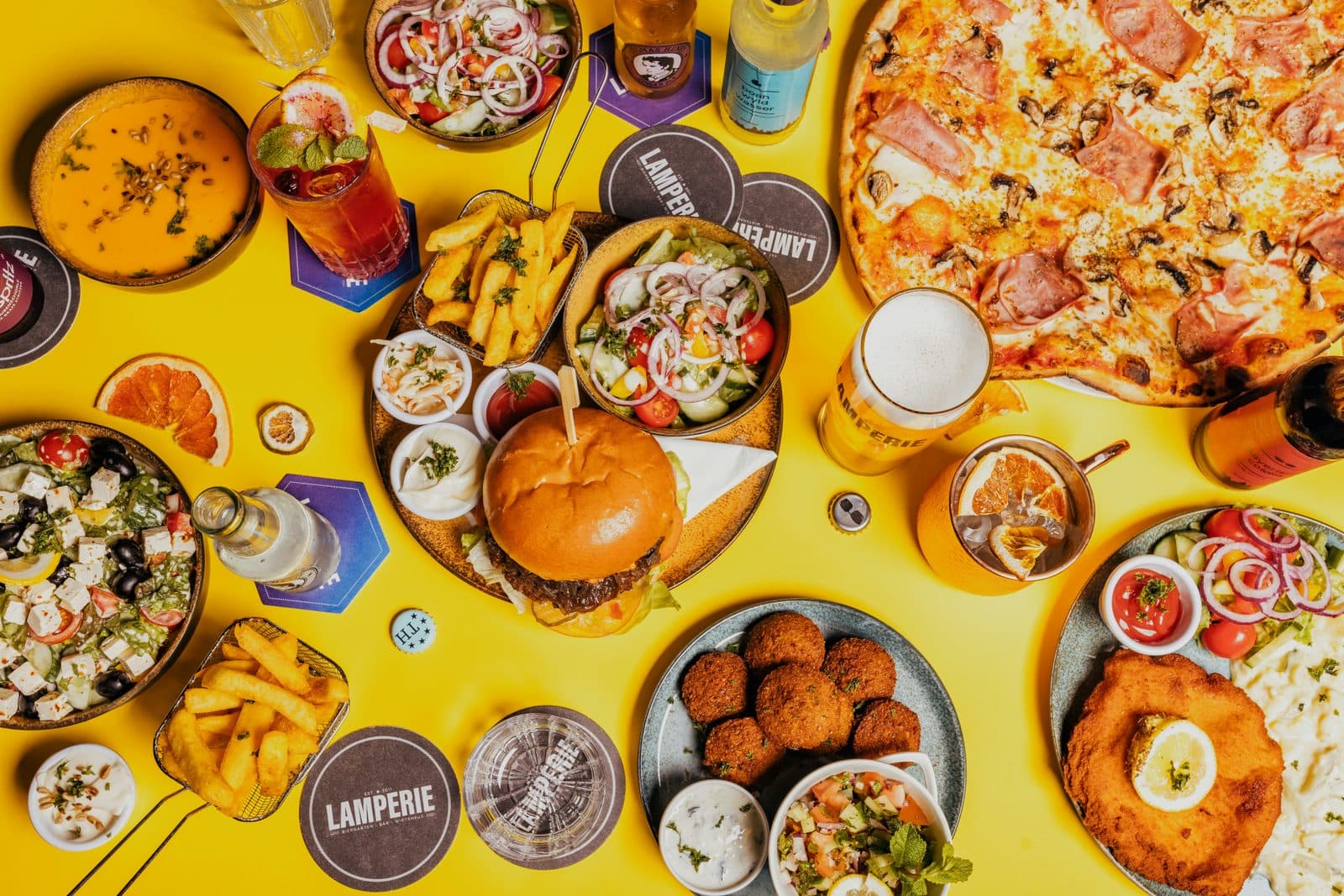
Cartagena food is pure Caribbean Colombia. This is coastal cooking, shaped by African, Indigenous, and Spanish hands over centuries and built on the things the coast gives freely: the sea, coconut, corn, plantain, and tropical fruit. It is a world apart from the potato-and-corn Andean cooking of Bogotá or Medellín, lighter, sweeter, more of the sea, and eaten as much from a street cart or a fruit-seller basket as from a table. Eat well here and you are really eating the coast. This guide covers the dishes worth seeking out and where the food culture actually lives, and it pairs naturally with a slow walk on one of our Cartagena self-guided tours.
The dishes to seek out
Arepa de huevo. Cartagena signature street food. A corn-dough cake is fried, split open, filled with a whole cracked egg, then fried again until golden and puffed, crisp outside and rich within, sometimes with seasoned ground meat added. Eaten hot from a cart, it is the classic Cartagena breakfast and the first thing to try.
Ceviche. Caribbean-style, not Peruvian. Shrimp or mixed seafood in a bright tomato-and-lime sauce, often with a touch of ketchup and served with crackers or fried plantain. Light, tangy, and made for the heat.
Cazuela de mariscos. Its rich opposite: a creamy, coconut-tinged seafood stew thick with shrimp, fish, squid, and clams. The coconut is the tell, a signature of this coast where coconut milk goes into everything from rice to stew.
Posta negra cartagenera. The great local meat dish: beef slowly braised in a dark, sweet-savoury sauce until it falls apart, usually served with coconut rice and patacones. Deeply Cartagena, and a good introduction to how the coast marries sweet and savoury.
Patacones. Green plantain fried, smashed flat, and fried again to a savoury crisp. They come alongside almost everything here, especially seafood, and they double as a spoon, a chip, and a side.
The fruit of the palenqueras. You will see them in the plazas: women in bright dresses, balancing basins of tropical fruit on their heads, descendants of the free Afro-Colombian community of nearby San Basilio de Palenque. They sell fresh mango, papaya, and cocadas, chewy coconut candies, and they are a living piece of the city African heritage as much as a snack.
Limonada de coco. The drink that defines a Cartagena afternoon: a creamy, blended coconut limeade, cold and sweet, exactly the thing when the midday heat catches up with you. Order one and understand the city better instantly.
Where the food culture lives
Hear a stop from this walk
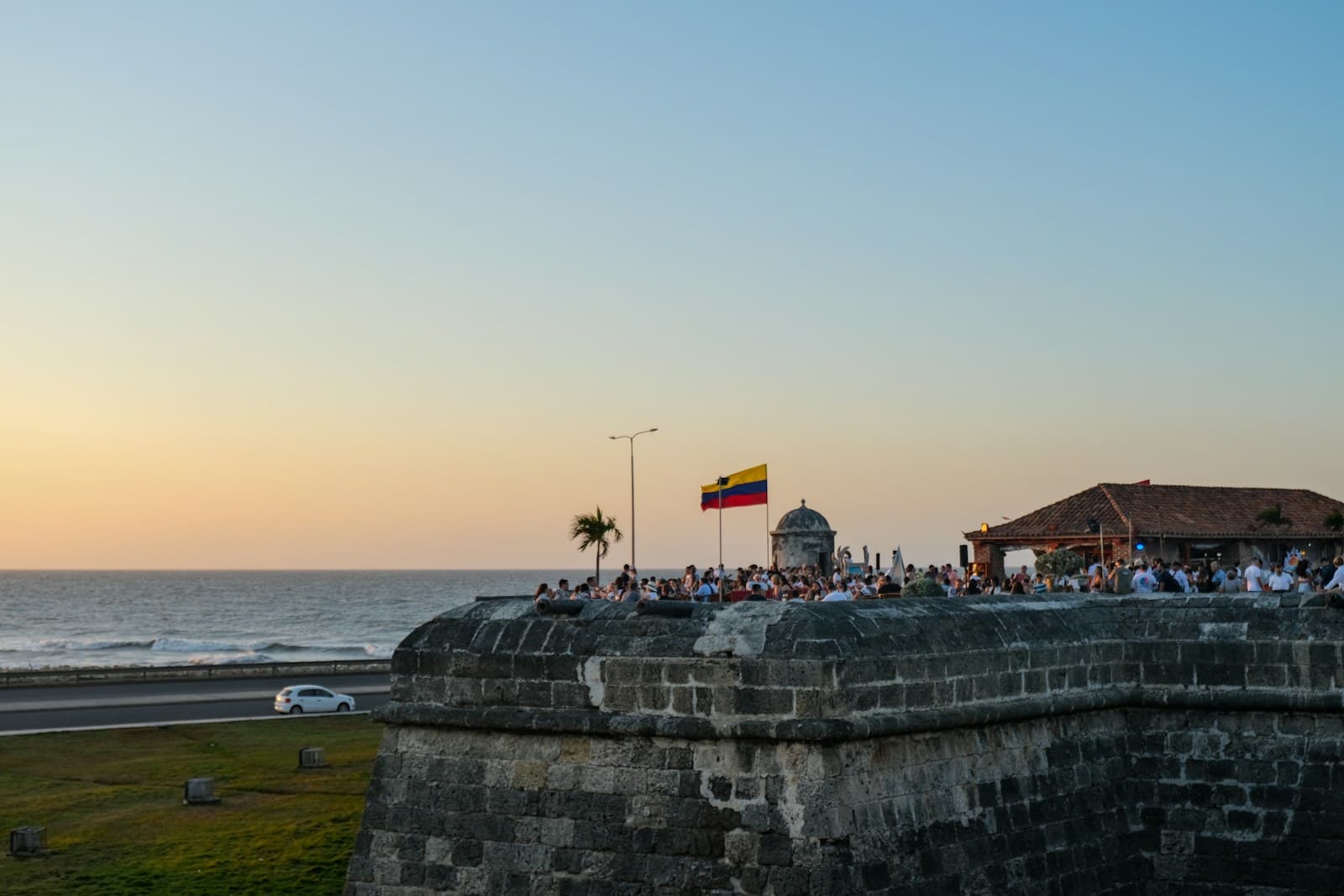
Baluarte de Santo Domingo: Where the Wall Began
The street, for the real thing. The soul of Cartagena food is on the street: the arepa de huevo and fried-snack carts around the Old City gates and plazas, the fruit baskets of the palenqueras, the juice stands. This is the cheapest and most authentic way to eat, and it is everywhere you walk.
Portal de los Dulces, for sweets. The arcade beside the Puerta del Reloj clock-tower gate is lined with stalls of traditional Colombian sweets, cocadas, tamarind balls, milk candies. It is a stop on our Walled City: The People Who Built It Lived Outside tour, which reads the plaza it faces, once the city slave market, as the ground where much of this Afro-Caribbean food culture was forged.
Getsemaní, for value and an evening. Just outside the walls, Getsemaní has the best mix of good, affordable food and local atmosphere, from neighbourhood kitchens to the food carts that fill Plaza de la Trinidad after dark. Our walled city tour starts here, on Plaza de la Trinidad, so walking it at dusk doubles as your route to dinner.
The walled Old City, for a table. The lanes inside the walls hold the city sit-down restaurants, from Caribbean classics to high-end tasting menus. It is more expensive than Getsemaní, but a sunset dinner in the Old City after a day on the ramparts is a fine way to close a trip. Walk the plazas by day with the Walled City: The People Who Built It Lived Outside tour to see how the fortress-city grew around them.
Eat as you walk
The best way to work through this list is on foot, one snack and one plaza at a time. Pair a morning of Old City walls with an arepa de huevo from a cart, a midday break with a limonada de coco, and an evening in Getsemaní with cazuela de mariscos and patacones. Route your day with the one day in Cartagena itinerary, plan the practical side, including the all-important heat and safety, with the Cartagena travel guide, and browse all Cartagena tours. Every tour is free to start: the introduction and first stop play in full, and every later stop plays a short preview before an optional purchase.
Frequently asked questions
- What food is Cartagena known for?
- Cartagena is known for Caribbean-Colombian coastal cooking, distinct from the Andean food of the interior. The headline dishes are arepa de huevo (a fried corn cake with a whole egg inside), Caribbean-style ceviche, cazuela de mariscos (a coconut seafood stew), posta negra (sweet-savoury braised beef), and patacones (twice-fried green plantain). It is also a fruit city, famous for the palenqueras who sell tropical fruit and cocadas, and for limonada de coco, the creamy coconut limeade.
- What is arepa de huevo?
- Arepa de huevo is Cartagena signature street food and a classic breakfast. A corn-dough cake is fried once, then split open, a whole raw egg is cracked inside, and it is fried again until golden and puffed. The result is crisp outside and rich within, sometimes with a little seasoned ground meat added. It is eaten hot from carts, cheap and filling, at any time of day.
- Where should you eat in Cartagena?
- For street food and snacks, the carts and stalls around the Old City gates and plazas, and the fruit baskets of the palenqueras. For a sit-down Caribbean meal, the restaurants of the walled Old City and, for better value and a local feel, Getsemaní. For sweets, the Portal de los Dulces arcade by the clock-tower gate. Cartagena also has a strong high-end scene, but the soul of its food is on the street and in neighbourhood kitchens.
- Is Cartagena good for vegetarians?
- Cartagena is a seafood and meat city at heart, so classic dishes like ceviche, cazuela de mariscos, and posta negra are not vegetarian. But you can eat well: patacones (fried plantain), arepas, plenty of fresh tropical fruit from the palenqueras, coconut rice, salads, and juices are everywhere, and the Old City and Getsemaní have a growing number of restaurants with vegetarian and vegan options. Confirm that ceviche and stews are meat-free before ordering, as they usually are not.
Colombia eSIM· 10% off with ROAMER10
Ready to experience it?
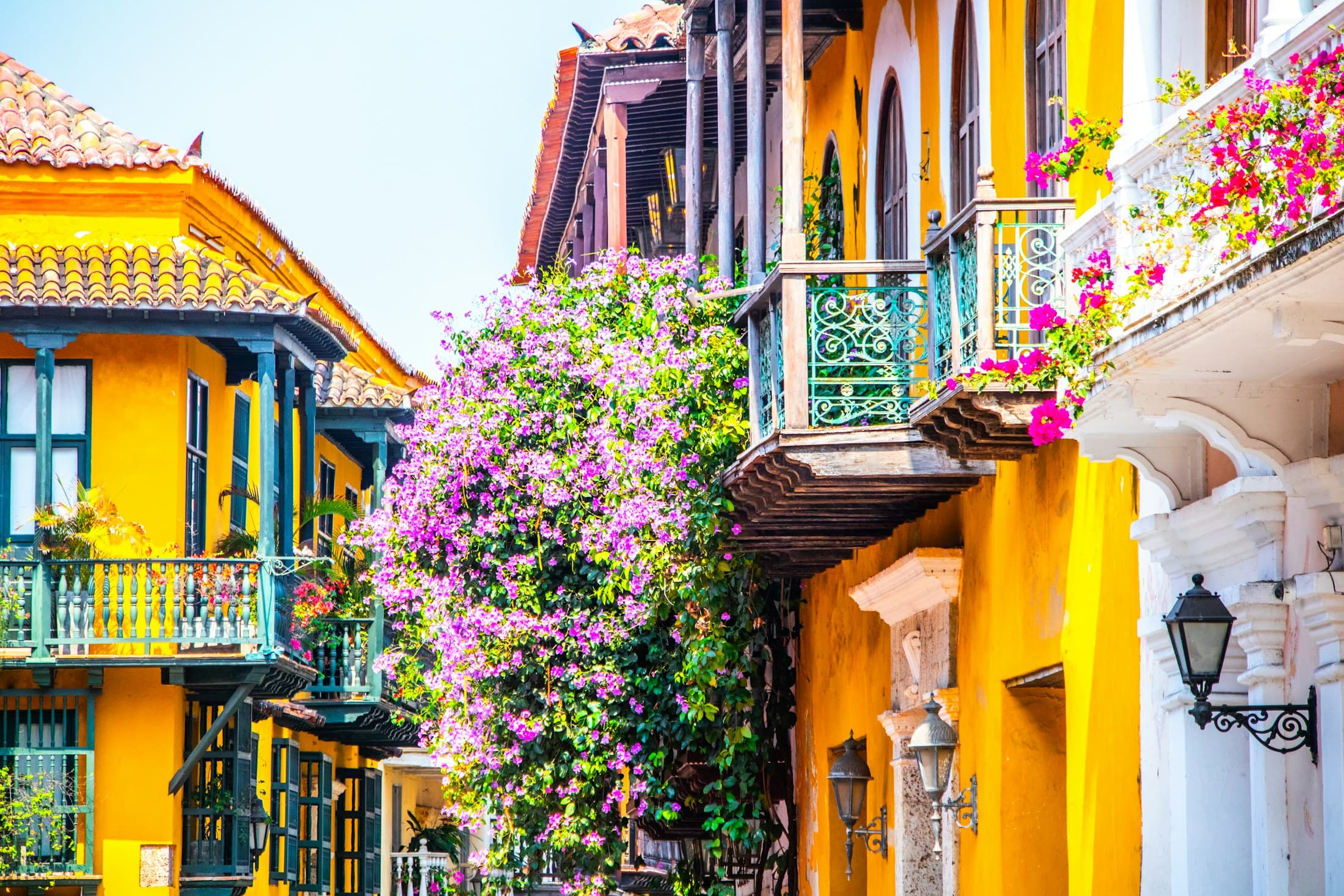
Walled City: The People Who Built It Lived Outside
90 min · 2.1 km · easy
More from Cartagena
Explore more at your own pace.
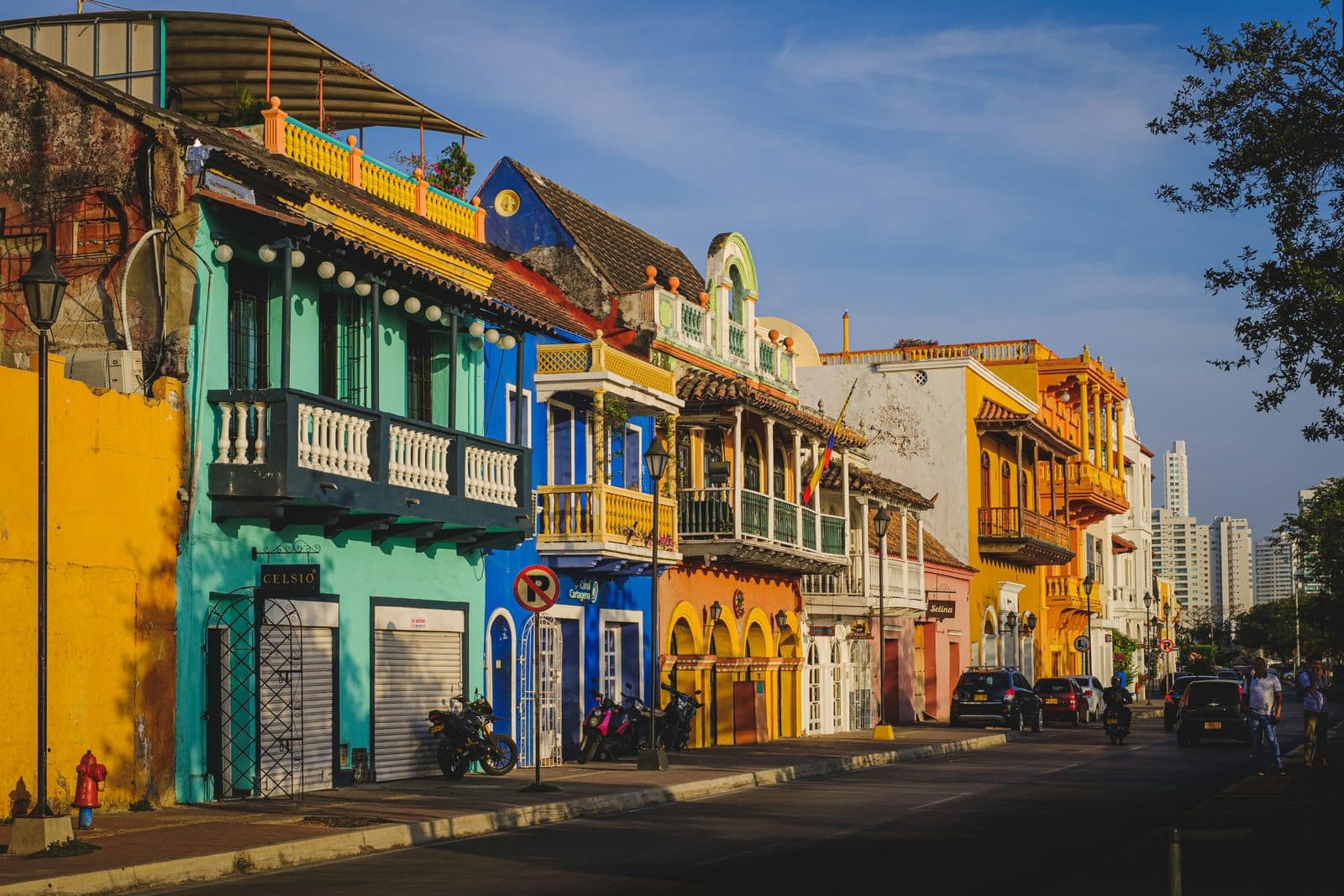
Cartagena Travel Guide: How Many Days, Getting Around, When to Go, Is It Safe (2026)
One Day in Cartagena: A Walkable Old City Itinerary (2026)
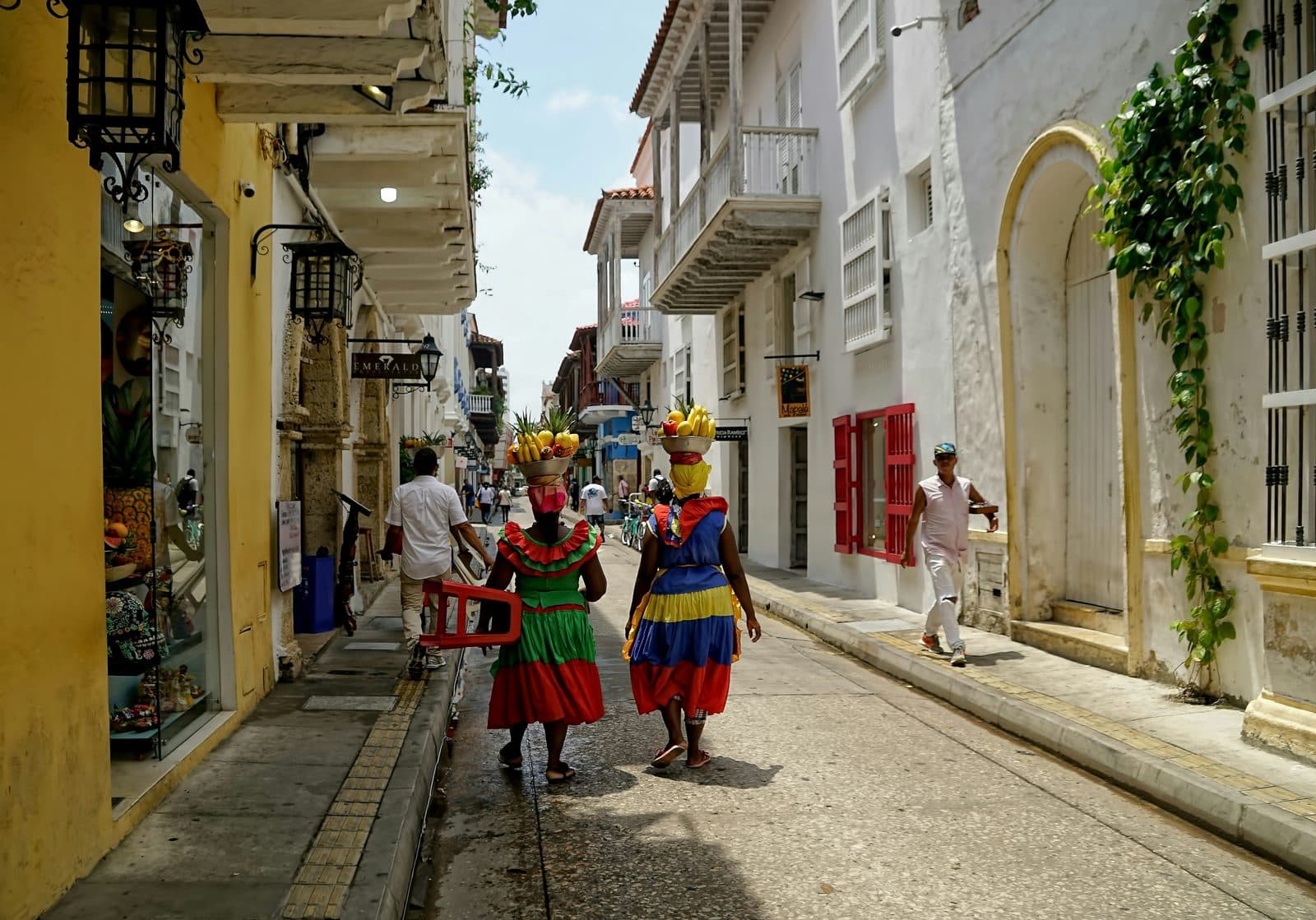
The Other City Across One Street: Getsemaní and the Soul of Cartagena

Walls Built From Failure: How Cartagena Got Fortified
Blas de Lezo and the Siege of 1741: Cartagena's Most Important Battle